Photo credit: The Hide/YouTube
When you shop for a self-defense revolver on a real-world budget, you are not chasing collector polish or a bragging-rights rollmark. You are looking for a gun that comes out of the holster the same way every time, runs when it is dirty, and lets you practice enough to stay sharp. The good news is that revolvers do not need a pile of add-ons to be effective. A decent trigger, usable sights, and a cylinder that locks up correctly get you most of the way there.
The trick is avoiding the false economy. Ultra-cheap guns can cost you in misfires, timing issues, and frustration at the range. Used trade-ins and proven working-class models are where the value lives, especially in .38 Special and .357 Magnum. The revolvers below have their own personalities, but they all earn a place on this list because they are realistic buys, realistic shooters, and realistic to live with day after day.
Ruger SP101 (2.25-inch)

The Ruger SP101 is the small-frame revolver you buy when you want a carry gun that feels like it was carved from a block of steel. In .357 Magnum it has the strength margin to live on .38 Special practice loads for years, and the weight keeps recoil from turning training into misery. The fixed sights are practical, the lockup is tight, and the gun tolerates pocket lint and sweat better than most people expect.
For defense, the SP101’s real value is that it stays shootable when you run it hard. The trigger usually smooths out with use, and aftermarket grips are optional rather than required. You get five shots, a consistent manual of arms, and a platform that rewards steady practice without punishing your hands or your wallet.
Ruger LCR (3-inch .357)

The Ruger LCR is light, compact, and designed for the kind of carry that happens every day, not only on range trips. The 3-inch .357 version gives you a longer sight radius and a bit more weight up front, which helps you keep the gun under control while still staying easy to hide. Ruger’s cam-style trigger system can feel different at first, but it is consistent and predictable once you learn it.
The reason the LCR belongs here is that it encourages you to carry more often. You can practice with .38 Special and keep recoil manageable, then choose defensive loads that you can actually control. The Hogue Tamer grip does a lot of work, and the whole package stays comfortable even when you shoot more than a cylinder or two.
Ruger GP100 (4-inch)
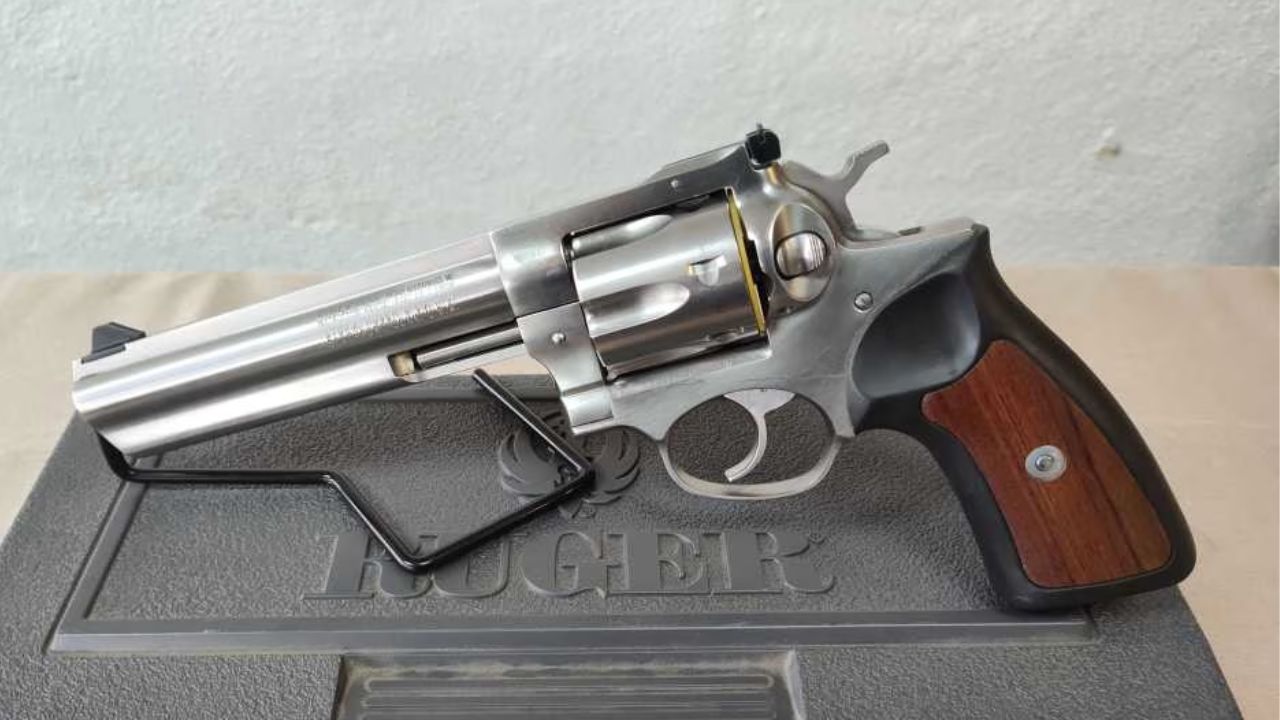
If you want one revolver that can pull nightstand duty, trail duty, and range duty, the Ruger GP100 in 4 inches is hard to beat for the money. It is a tank, but it is a tank with good balance. The full underlug and solid frame keep .357 Magnum from slapping you around, and the gun holds up to heavy practice in a way lighter guns cannot.
A GP100 also tends to forgive the small mistakes that show up under stress. The sights are usable, the cylinder release is positive, and the gun points naturally for most hands. You can run .38 Special for volume practice and still have a magnum-capable revolver that stays controllable. When you find a clean used one, you are buying years of service without paying premium prices.
Smith & Wesson Model 10 (4-inch)

The Smith & Wesson Model 10 is the original working revolver, and you can still find police trade-ins that shoot far better than their finish suggests. In .38 Special, a good Model 10 has a trigger that makes you feel like you became a better shooter overnight. The fixed sights are built for practical distances, and the K-frame size is a sweet spot for control without bulk.
For self-defense, the Model 10’s strength is consistency. It comes out of the holster the same way every time, and the gun does not beat you up during long practice sessions. You get six shots, a grip frame that fits most hands, and enough weight to keep follow-up shots steady. A well-maintained Model 10 is one of the smartest budget buys in handguns.
Smith & Wesson Model 64 (4-inch)

Think of the Smith & Wesson Model 64 as the stainless sibling of the Model 10, built for patrol belts and weather that never cooperates. The stainless steel takes sweat, rain, and damp truck-gun storage better than blued guns, and the 4-inch barrel gives you a clear sight picture and a little extra velocity. Many Model 64s on the used market come from law enforcement, which often means honest wear and solid mechanical health.
You get the same K-frame handling that makes .38 Special easy to shoot well. The gun is heavy enough to stay flat, light enough to carry in a quality belt holster, and it tends to print tight groups with basic loads. If you want a defensive revolver that feels grown-up and stays practical, the Model 64 is a steady pick.
Smith & Wesson Model 65 (3-inch)
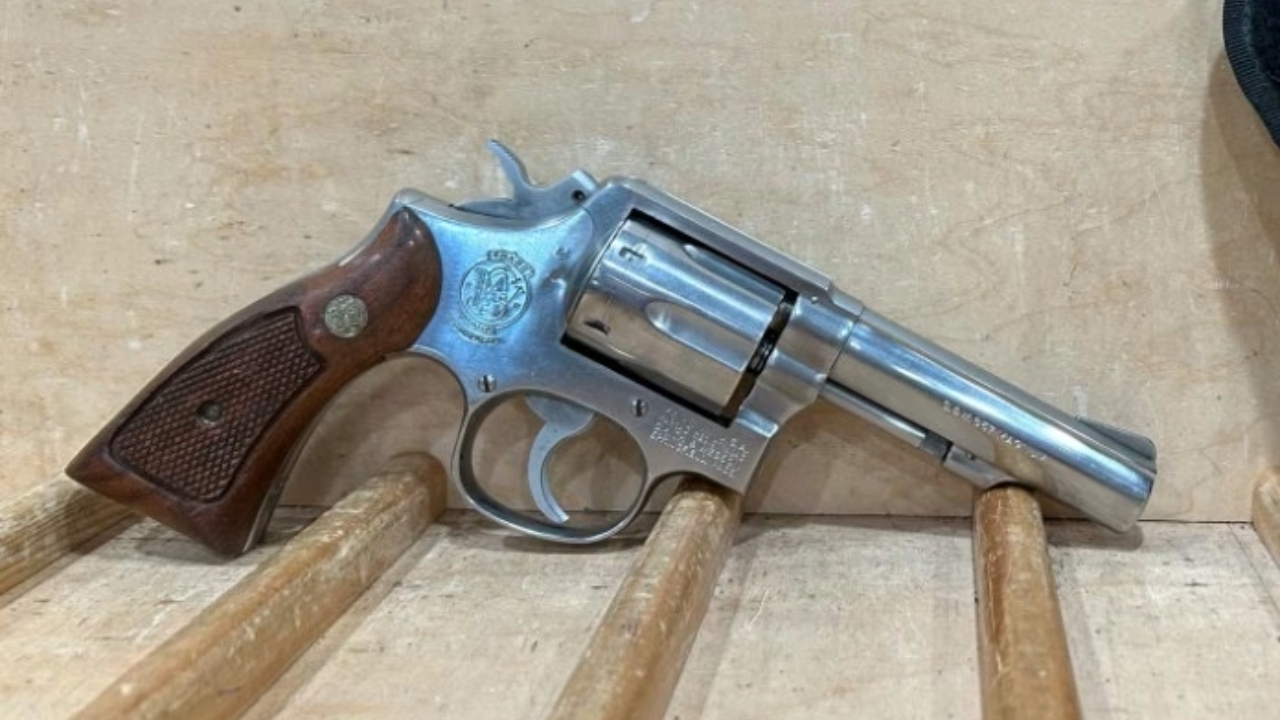
The Smith & Wesson Model 65 is a stainless K-frame in .357 Magnum, and the 3-inch version has a reputation for being the do-it-right length. You get better balance than a snub, a sight radius that helps you shoot faster, and an ejector rod that clears cases more reliably than many 2-inch guns. It is compact enough to carry, but it still handles .357 with more control than lightweight options.
For a budget-minded buyer, the Model 65 often shows up as a used gun with some holster wear and a lot of life left. The fixed sights are durable, the grip size fits real hands, and the gun carries well under a jacket. Run .38 for practice, confirm your defensive load, and you have a serious revolver without a premium bill.
Smith & Wesson Model 60 (3-inch)

The Smith & Wesson Model 60 gives you stainless durability in a J-frame size, and the 3-inch versions are friendly shooters. Compared to the 2-inch snubs, the extra barrel makes the gun track better and gives you a sight picture you can actually work with at speed. In .357 Magnum it is still a small gun, but it is a small gun you can train with, especially if you lean on .38 Special for volume.
This model earns a spot because it bridges carry and practice. You can conceal it without fighting bulk, then put boxes through it without feeling like your knuckles got punished. Some variants use a rear sight you can dial in, and the stainless frame holds up to carry sweat. If you want a compact revolver that still feels like a real shooter’s tool, the Model 60 delivers.
Smith & Wesson 642 Airweight

The Smith & Wesson 642 is one of the most common pocket revolvers for a reason. It is light, snag-free, and built around a hammerless profile that disappears in a pocket holster. That low weight does mean recoil is brisk, but the gun is controllable with good technique and realistic expectations. It is also a revolver that keeps working when lint, sweat, and neglect try to stack the deck.
The key with a 642 is committing to practice that matches the gun. Short sessions, quality grips that fit your hand, and .38 loads you can manage keep it from becoming a safe queen. For defense, you get a gun that carries easily on the days you might skip something heavier. In the budget carry world, a clean 642 is still one of the smarter buys.
Smith & Wesson Model 67 (4-inch)
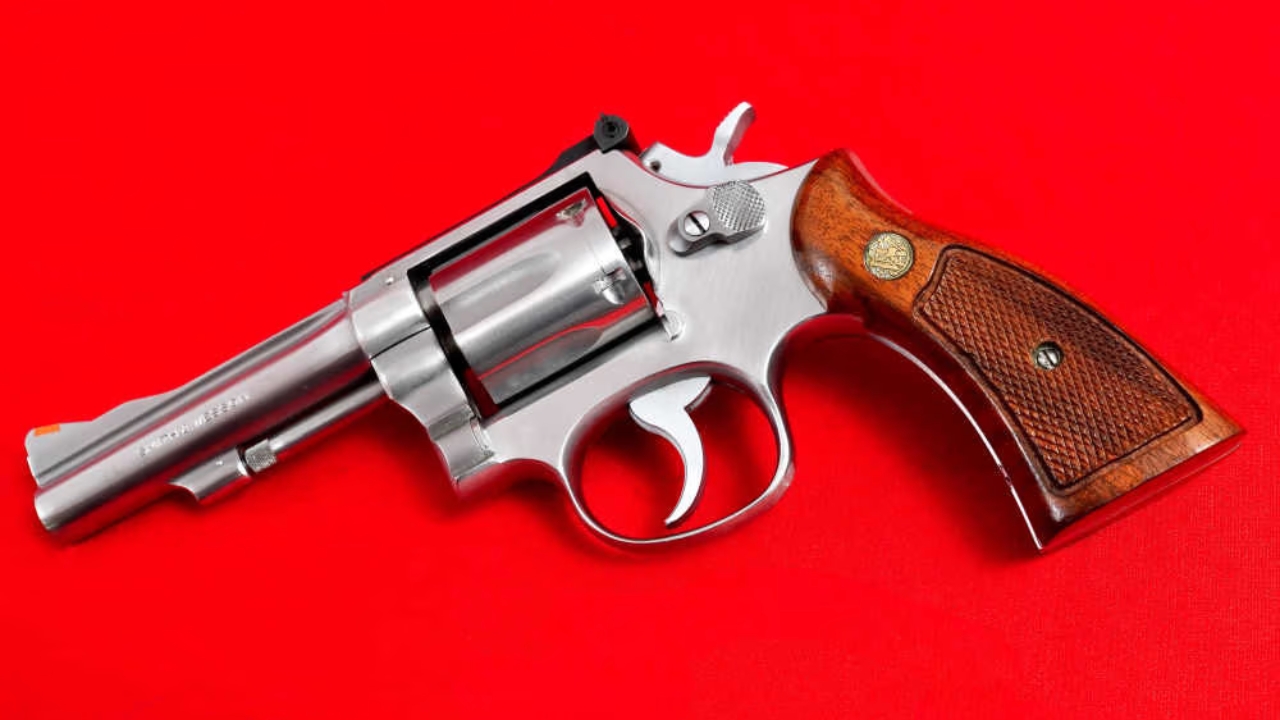
The Smith & Wesson Model 67 is a stainless K-frame .38 with sights you can dial in, and it is a sleeper value when you find one used. That rear sight lets you fine-tune point of impact with your chosen load, and the 4-inch barrel gives you an easy shooting rhythm. It is also a revolver that tends to have a smooth double-action pull, which matters when your goal is fast, clean hits.
For defense, the Model 67 gives you K-frame control without magnum blast. That can be an advantage if you want faster follow-ups and more practice without fatigue. You get six shots, strong handling in field positions, and a revolver that rewards deliberate trigger work. If you want a home-defense revolver that doubles as a serious training gun, the Model 67 is hard to dismiss.
Taurus 856 (3-inch)
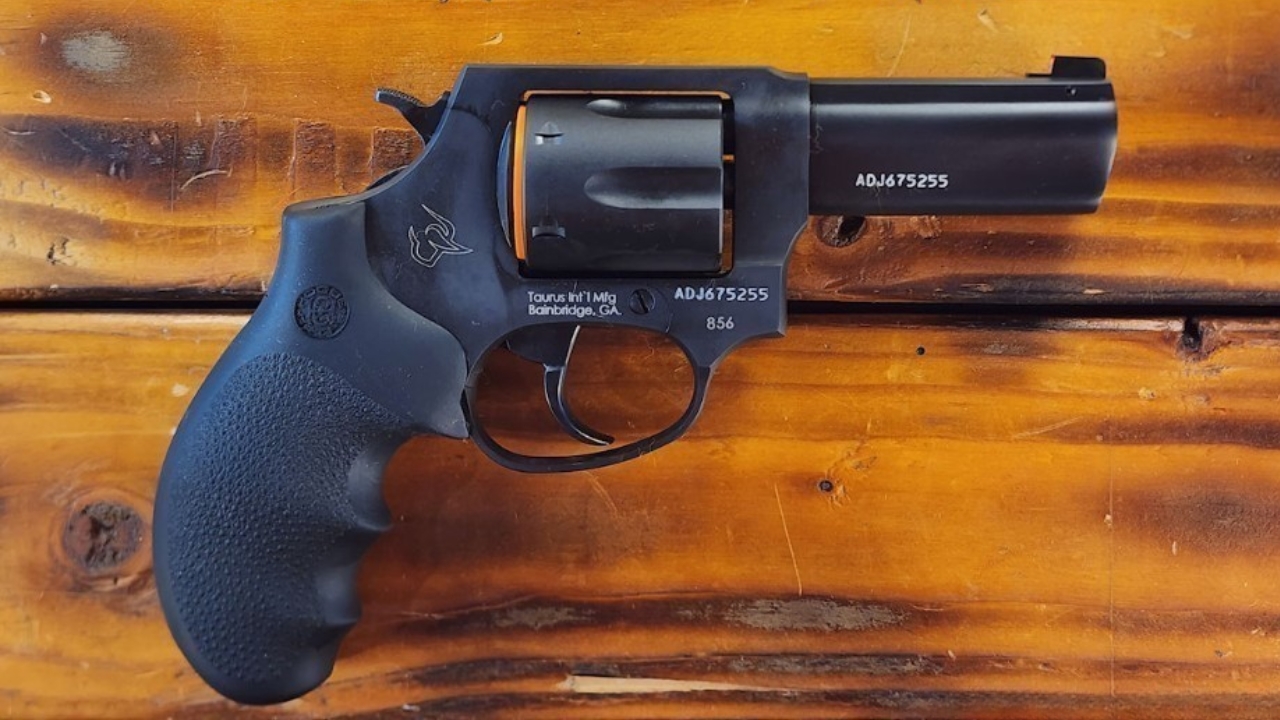
The Taurus 856 has become a popular budget carry revolver because it gives you six shots in a compact frame. The 3-inch models in particular are easier to shoot well than many snubs, with better sights and more weight out front. In .38 Special, you can practice without getting beat up, and the gun’s size stays reasonable for belt carry or a large pocket.
The honest approach with Taurus is to buy smart. Inspect timing, lockup, and trigger feel before you commit, and plan to function-check it with the ammo you intend to carry. When you get a good one, the 856 offers a lot of capability for the money, especially for shooters who want a revolver that feels modern without being expensive. It is a practical entry point that can still do real work.
Taurus 605 (2-inch)
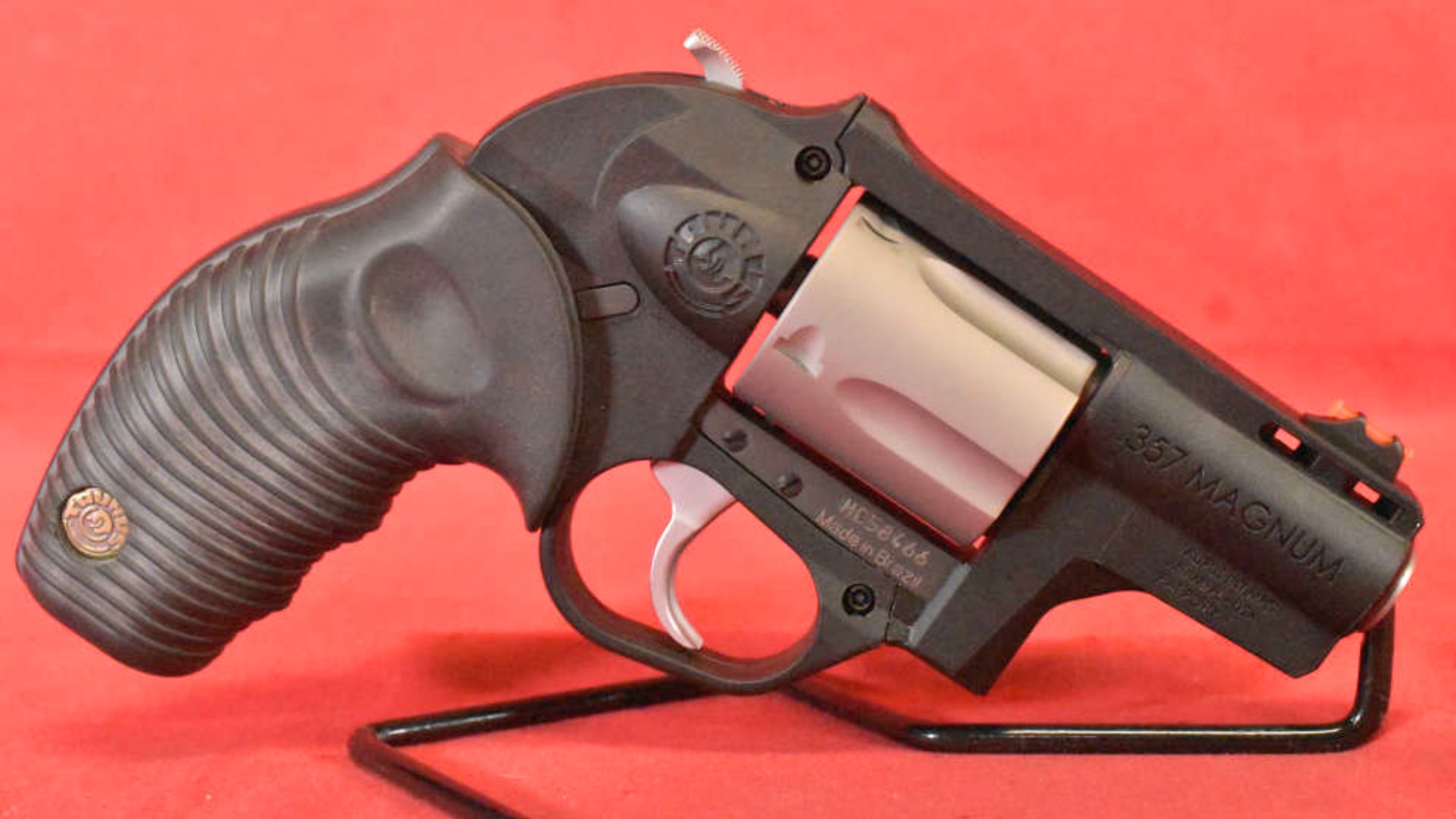
The Taurus 605 is a five-shot .357 snub that shows up in a lot of glove boxes and nightstands because it is affordable and compact. In reality, it is at its best when you treat it as a .38 Special practice gun that can also digest a limited diet of .357. That approach keeps your training pleasant and still lets you confirm a magnum load if you want that option.
As a budget self-defense revolver, the 605 is about size and familiarity. It carries easily, it has a straightforward manual of arms, and it gives you the confidence of a revolver’s reliability when you keep it maintained. Like any budget revolver, you want to confirm the gun’s function with your carry ammo and check for consistent lockup. Do that, and the 605 can be a workable choice.
Taurus 66 (4-inch)

The Taurus 66 is a medium-frame .357 with six shots, and it often lands in the sweet spot for shooters who want a full-size defensive revolver without paying for a new premium-brand magnum. The 4-inch barrel balances well, the gun has enough mass to tame recoil, and the longer sight radius helps you shoot tighter groups in a hurry. It is also a revolver that can serve as a range workhorse when you feed it mostly .38 Special.
Again, the smart move is buying with your eyes open. Handle the exact gun, check timing and cylinder play, and plan on a real range session before you trust it. When the pieces line up, the Taurus 66 can deliver a lot of performance for the money, especially for home defense where size is less of a penalty than it is on a carry belt.
Charter Arms Undercover
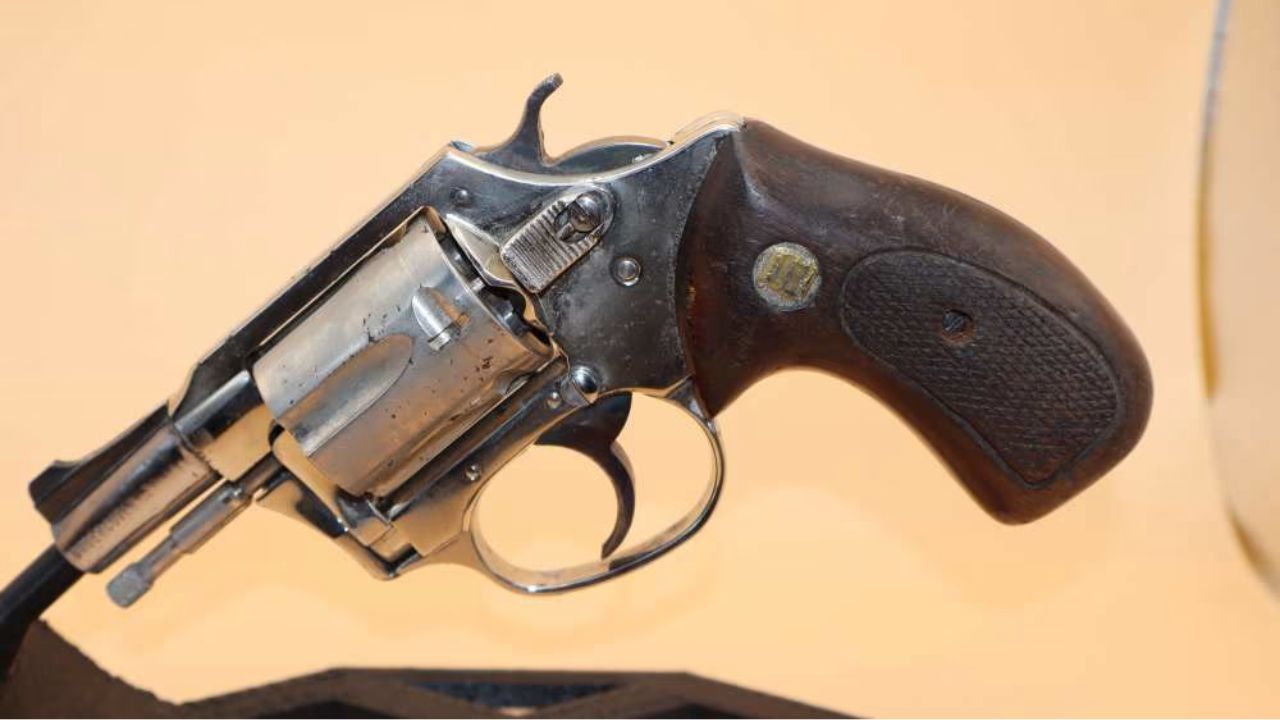
The Charter Arms Undercover is a classic budget snub that has stayed relevant because it is light, compact, and easy to live with. Most are .38 Special, and the basic fixed-sight setup matches what the gun is built to do. The frame design keeps the package trim, and the gun carries well in a pocket holster or inside the waistband if you keep the rest of your setup realistic.
What you are buying with a Charter is convenience at a lower price. The trigger can vary, and the finish is not built to impress anyone, but a good Undercover can be accurate and dependable. The right mindset is to verify function, keep it clean, and choose loads you can control in a small gun. If you want a revolver you will actually carry, the Undercover is worth a hard look.
Rock Island Armory M206
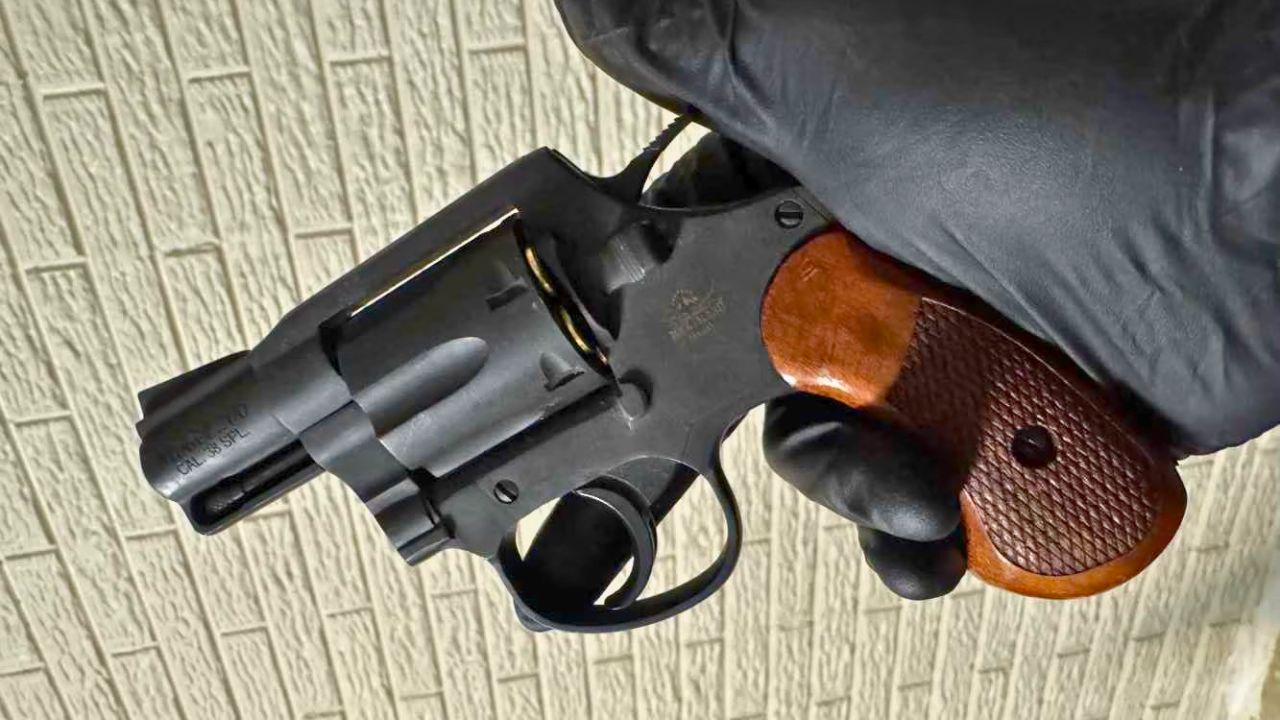
The Rock Island Armory M206 is a surprisingly sturdy little .38 that often comes in well under the price of mainstream snubs. It is not a pocket featherweight, and that is a good thing for recoil control. The steel frame soaks up more of the snap, the sights are usable, and the gun tends to be easy to shoot at realistic distances once you get used to the trigger.
This revolver makes sense for a buyer who wants a defensive tool and does not care about brand prestige. You still need to do your due diligence, because budget guns live and die by quality control. Put it on paper, run it with the ammo you plan to carry, and verify it shoots to the sights. If the gun checks out, the M206 can be a lot of revolver for very little money.
EAA Windicator (4-inch)
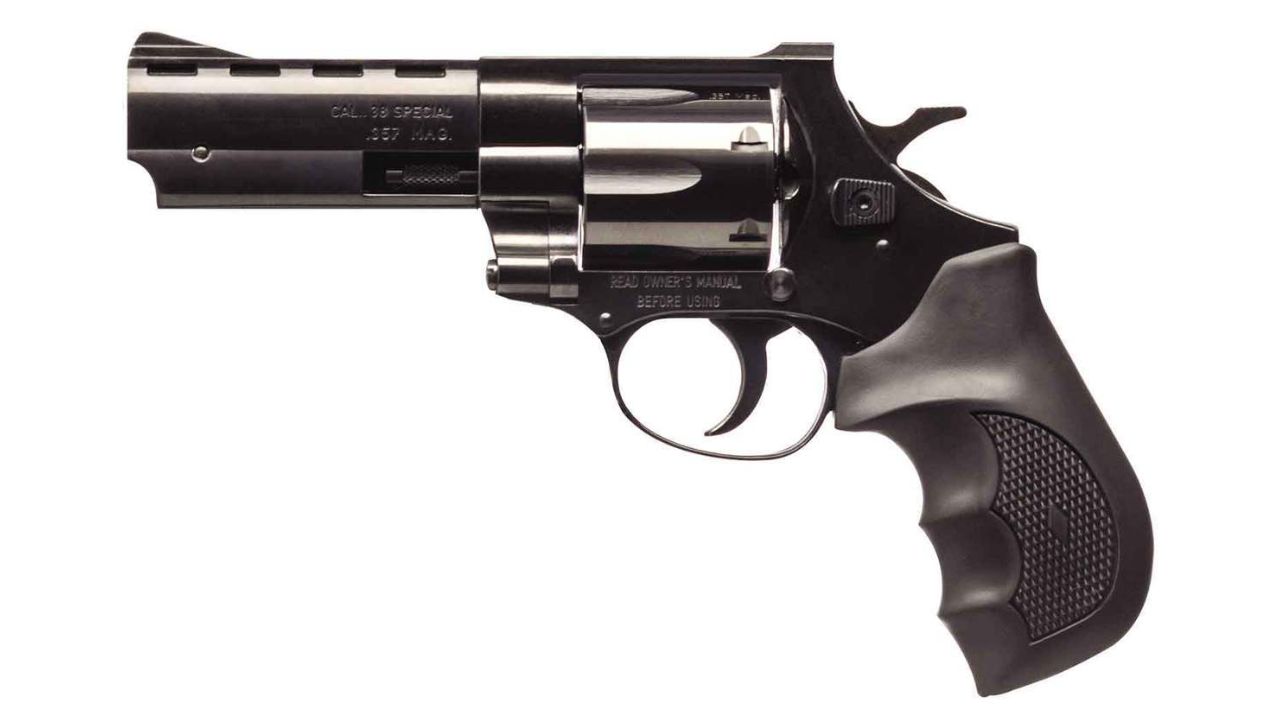
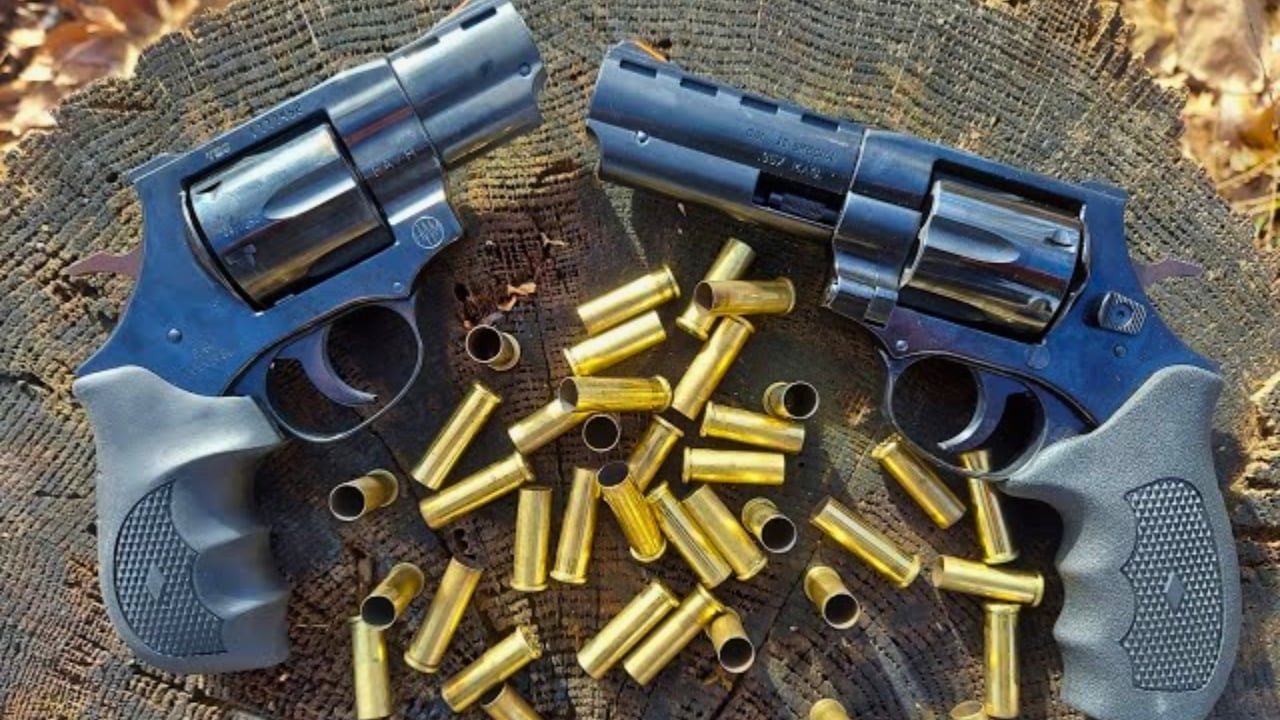
The EAA Windicator is a German-made .357 that flies under the radar, which often keeps prices more reasonable than the usual big-name magnums. In 4 inches, it gives you a stable platform for both .38 Special practice and .357 defensive capability. The frame has enough weight to keep recoil from getting ugly, and the gun feels solid in the hand, more like an old service revolver than a modern lightweight carry piece.
For self-defense on a budget, the Windicator shines as a home-defense revolver that you can also take to the range without regret. The trigger is not always silky, but it tends to be consistent, and consistency matters more than charm. If you find one that locks up correctly and shoots to point of aim, you get a durable six-shot magnum for money that often buys less gun elsewhere.
Like The Avid Outdoorsman’s content? Be sure to follow us.
Here’s more from us: