Photo credit: Pierrette Guertin/Shutterstock.com
Some hunting rounds look unbeatable when you’re staring at a ballistics chart. Flat trajectory, big energy numbers, sleek bullets, and a pile of velocity that makes you feel like range won’t matter. Then you shoot an animal in real conditions—odd angles, brush, close shots, or a little quartering—and the results don’t match the spreadsheet. What “falls apart” usually isn’t the cartridge itself. It’s the way impact speed, bullet construction, and shot placement interact when meat, bone, and hide replace paper.
If you’ve ever followed a thin blood trail wondering how a “perfect” round didn’t anchor a deer, you already know the lesson. Some cartridges push bullets so fast they can come apart up close. Others run bullets so small that you get pencil holes and delayed blood. And some get used with target-style bullets because they shoot tight groups, even though they weren’t designed to hold together on game.
.220 Swift

On paper, the .220 Swift looks like the ultimate flat-shooting hammer for predators. It’s fast, it’s sleek, and it can print impressive groups. The problem is that speed works against you when the bullet isn’t built for the impact. At close range, thin-jacket varmint bullets can grenade on shoulder, splash on ribs, or fail to reach the vitals the way you expect.
That turns into tracking headaches because you may not get an exit hole, and the animal can run a long way before leaving much sign. The Swift can be excellent when you choose tougher bullets and keep your expectations realistic, but the “laser beam” reputation tricks people into thinking any accurate load will behave the same on fur and bone.
.22-250 Remington

The .22-250 is another cartridge that looks like easy mode for coyotes and small hogs. The speed is real, the drop is minimal, and it often shoots extremely well. The common failure happens when you treat it like a one-load-fits-all round and keep running fragile bullets meant for prairie dogs.
When those bullets hit at high velocity, especially inside 100 yards, you can get violent expansion that never reaches the far lung or exits. That can mean a coyote that runs off with very little blood to follow, even though the hit felt solid. With controlled-expansion bullets and smarter shot selection, the .22-250 can be dependable. But the wrong bullet turns “flat and fast” into “hard to find.”
.243 Winchester

The .243 Win has filled a lot of tags, and it can be deadly with the right bullets. The issue is that it’s often bought as a low-recoil deer round, then loaded with light-for-caliber bullets that expand fast and don’t always give you the kind of exit you want. When you punch a small hole in and a small hole out—or no exit at all—you can end up with a weak blood trail.
On paper, energy numbers look fine and trajectory is friendly. On animals, the margin for error gets thin when angles get sharp or the shot lands a little back. If you run stout 95–105 grain hunting bullets and stay disciplined on shot angles, it’s a different story. But the way many people load and use .243 is exactly how tracking becomes a chore.
6mm Creedmoor
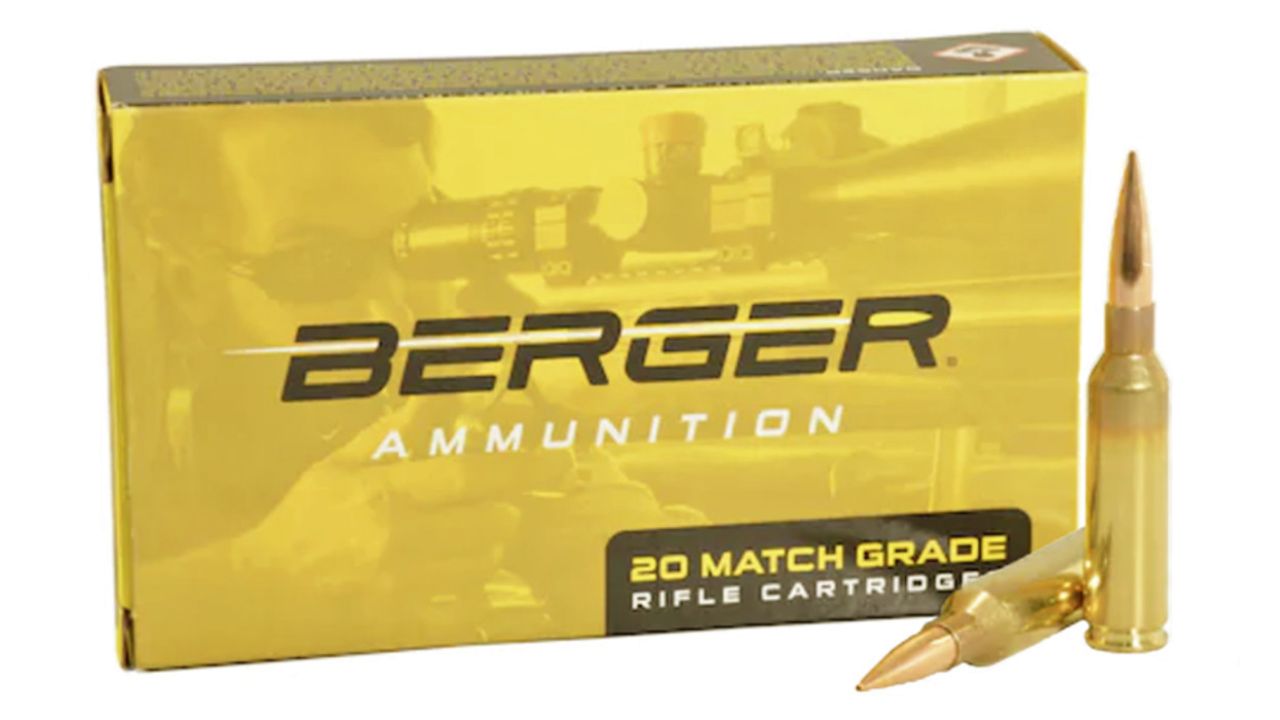
The 6mm Creedmoor is a perfect example of a cartridge that shines on targets and can stumble on game when you treat match accuracy like hunting performance. It shoots flat, it bucks wind well, and it has recoil you can manage all day. The failure shows up when people use match-style bullets because they group tight, then expect them to act like bonded or controlled-expansion hunting bullets.
At Creedmoor speeds, some thin-jacket designs can fragment hard, especially on bone, and you may not get the penetration or exit that makes tracking easy. On paper, it’s all upside. On an animal, bullet choice is everything. If you feed it a true hunting bullet and keep your expectations aimed at deer-sized game, it works. If you chase tiny groups with target bullets, the blood trail can be thin.
.25-06 Remington

The .25-06 looks perfect for open country. It’s flat, it carries energy well enough for deer, and it feels mild in a good rifle. Where it can fall apart is close-range impact speed combined with bullets that aren’t built to stay together. The .25-06 can drive a lighter bullet fast enough that you get quick upset, shallow penetration, and no exit on quartering shots.
That’s when you start walking instead of dragging. The cartridge isn’t weak, but it’s easy to load it in a way that favors dramatic expansion over reliable depth. If you pick a tougher 115–120 grain hunting bullet and avoid the temptation to go too light, it becomes a very steady deer round. The problem is that the “flat shooter” reputation encourages the exact load choices that create tracking headaches.
.257 Weatherby Magnum
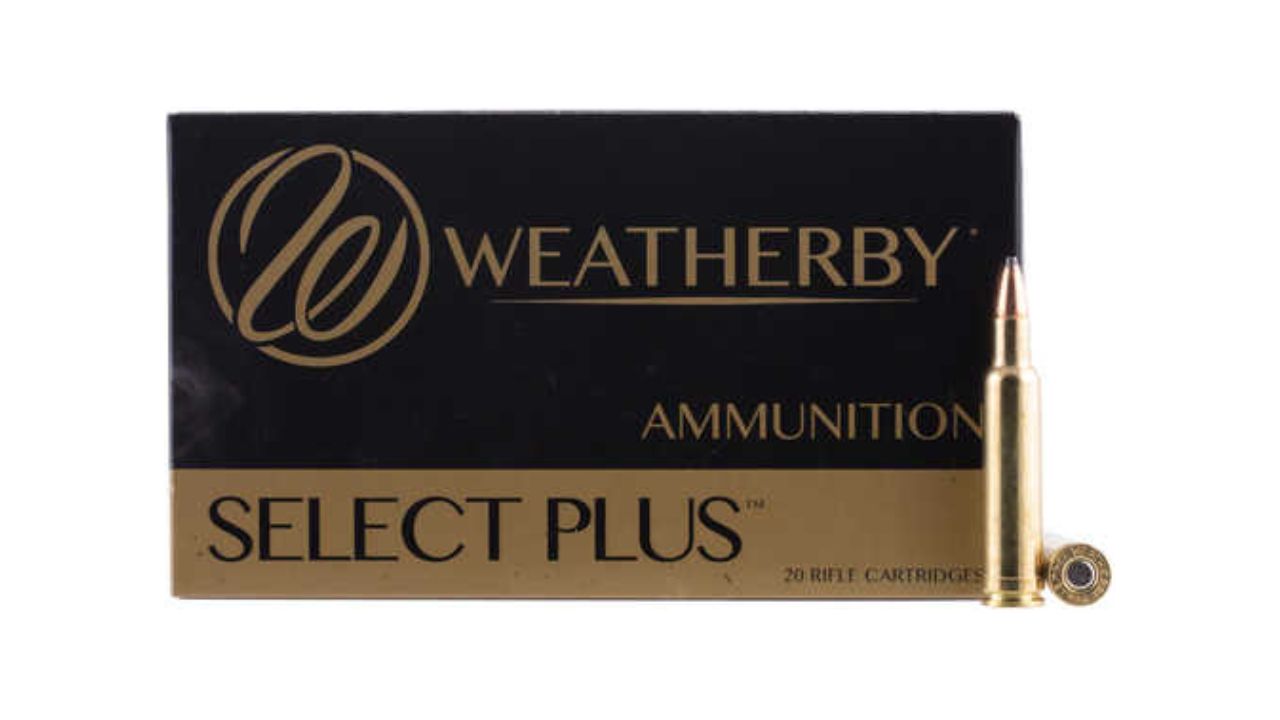
If you want a cartridge that looks like a cheat code on a trajectory chart, the .257 Weatherby Mag is right there. It’s fast enough to make distance feel less intimidating, and it hits deer with authority when everything goes right. The trouble is that Weatherby-level velocity can punish bullets that aren’t designed for it, especially on close shots.
When a bullet expands too fast, you can get big surface damage and limited penetration, and that often means no exit. No exit means less blood, and less blood means more time in the brush wondering what happened. With premium controlled-expansion bullets, the .257 can be excellent. But it’s a cartridge that demands you respect impact speed, not only muzzle velocity. Ignore that, and the “perfect” numbers don’t translate into easy recoveries.
.270 Winchester with light, fast loads

The .270 Win has earned its reputation the honest way, and it’s not a bad cartridge. The disappointment usually comes from how people load it—light bullets pushed hard because the chart looks great and the recoil feels manageable. At high impact speeds, some lighter .270 bullets can expand aggressively, shed weight, and fail to drive through shoulder the way you expected.
That can leave you with a deer that runs on adrenaline and a blood trail that starts late. The .270 is at its best when you pick a sturdy bullet in the 130–150 grain range that’s actually meant for hunting. The cartridge will still shoot flat and hit hard, but the terminal performance becomes more consistent. The round doesn’t “fail.” The setup does, especially when you chase speed over bullet integrity.
.270 WSM

The .270 WSM can look like the modern upgrade: more speed, short action, strong downrange numbers. In the field, the same issue shows up as other fast .27-cal rounds—impact velocity and bullet construction. When you run lighter bullets to maximize speed, you can get dramatic upset and shallow penetration on tough angles or close shots.
That’s where the tracking problems start, because the animal can be hit hard but not leave much sign. The WSM isn’t unreliable on game, but it’s easy to treat it like a laser and then act surprised when a thin-jacket bullet doesn’t behave well at high speed. If you build the load around a controlled-expansion hunting bullet and accept that the difference between “great” and “frustrating” is often the bullet, the .270 WSM performs the way it should.
7mm Remington Magnum with light bullets

The 7mm Rem Mag is a classic for a reason, but it also tempts people into the “fast and light” trap. When you push lighter 7mm bullets hard, you can end up with rapid expansion and fragmentation, especially at close ranges where impact velocity is highest. That can mean lungs get damaged, but the bullet doesn’t reach the far side or break through for an exit.
No exit usually means less blood, and less blood means a longer job after the shot. The 7mm Rem Mag becomes far more predictable when you use tougher bullets in the 150–175 grain class and keep your shots honest. It will still shoot flat and carry energy, but you’re less likely to get the splashy, shallow wounds that make an animal difficult to recover.
7mm STW

The 7mm STW is a “numbers” cartridge. It looks incredible for long-range trajectory and retained energy, and it can shoot extremely well in the right rifle. The downside is that it’s an overbore setup that produces very high impact speeds at normal hunting distances. That’s where bullet construction becomes unforgiving.
With the wrong bullet, you can see explosive expansion on close shots, lost weight, and shallow penetration—exactly the recipe for a weak blood trail. The STW isn’t a bad hunting round, but it’s one that requires discipline: tough bullets, realistic angles, and a clear understanding of what happens when a bullet hits at magnum velocities inside 150 yards. If you treat it like a do-all deer cartridge without thinking through bullet behavior, it can make tracking harder than it should be.
.300 Remington Ultra Magnum

The .300 RUM is built to deliver speed and energy, and the chart will convince you it’s the answer for everything. In the field, the common disappointment is that it’s easy to overgun the situation. At close to moderate distances, impact speed can be so high that softer bullets expand violently, destroy a lot of tissue, and still fail to give you the straight-line penetration you expected.
That can create ugly wound channels without a clean exit, which is the opposite of what you want for easy blood trailing. The .300 RUM can be a great tool when you use premium, controlled-expansion bullets and you’re truly hunting where the distance and animal size call for it. But if you buy it for the numbers and then use it like a general deer rifle, it can turn recoveries into work.
.300 Weatherby Magnum

The .300 Weatherby Mag has real field credibility, but it also sits right in the zone where velocity can punish poor bullet choices. It hits hard, it shoots flat, and it can anchor game fast. The “falls apart” story happens when you use bullets that open too quickly at close range, especially on shoulder hits.
You may get a brutal initial impact and still end up with no exit and limited blood. That’s not because the cartridge lacks power. It’s because power isn’t the same thing as controlled penetration. With modern bonded bullets or tough monolithic designs, the .300 Weatherby becomes far more consistent, and you get the pass-throughs that make tracking straightforward. The cartridge rewards smart bullet selection. Ignore that, and the paper performance doesn’t guarantee easy recoveries.
.338 Lapua Magnum

The .338 Lapua looks like the ultimate “serious” cartridge. The numbers are huge, the bullets are heavy, and it carries energy a long way. The problem is that it’s often far more cartridge than your hunting situation requires, and that can create real-world downsides that the chart doesn’t show.
On deer-sized game, you can end up with excessive damage, limited practical benefit, and performance that depends heavily on bullet design and impact speed. If the bullet expands too quickly, you may blow up tissue and still not get the clean exit you expected, especially if you hit heavy bone at an odd angle. It’s a cartridge that can work, but it’s not automatically “better” because the numbers are bigger. Overkill can still produce messy, hard-to-read trails.
.350 Legend at longer distances

The .350 Legend looks great on paper for straight-wall zones: mild recoil, useful energy, and practical performance inside typical woods ranges. The place it can disappoint is at the far end of its effective distance, especially with certain bullets that don’t expand reliably at lower impact velocities. When expansion is limited, you can get narrow wound channels and small exits—or no exit—making blood trails thin.
That’s not a knock on the cartridge’s purpose. It’s a reminder that velocity windows matter, and some loads are tuned more for feeding and accuracy than consistent terminal performance at distance. Inside reasonable ranges with a proven hunting bullet, the .350 Legend is effective. Push it too far, or pick a load that doesn’t open well, and tracking becomes harder than you planned for in thick cover.
6.5 Creedmoor with match-style bullets

The 6.5 Creedmoor is a legit hunting cartridge when you feed it hunting bullets. The frustration shows up when people run match bullets because they shoot tiny groups and assume accuracy equals terminal reliability. Some match designs can fragment unpredictably, especially on bone, and you may not get the penetration or exit you want for a strong blood trail.
On paper, the Creedmoor looks efficient and capable, and it is—when the bullet is built for animals. If you choose a controlled-expansion 6.5 bullet, it can be steady on deer and even bigger game within sensible ranges. If you chase paper performance and ignore construction, you can end up with a hit that doesn’t leave much sign. The cartridge doesn’t “fail.” The wrong bullet does.
.17 HMR on anything bigger than small game
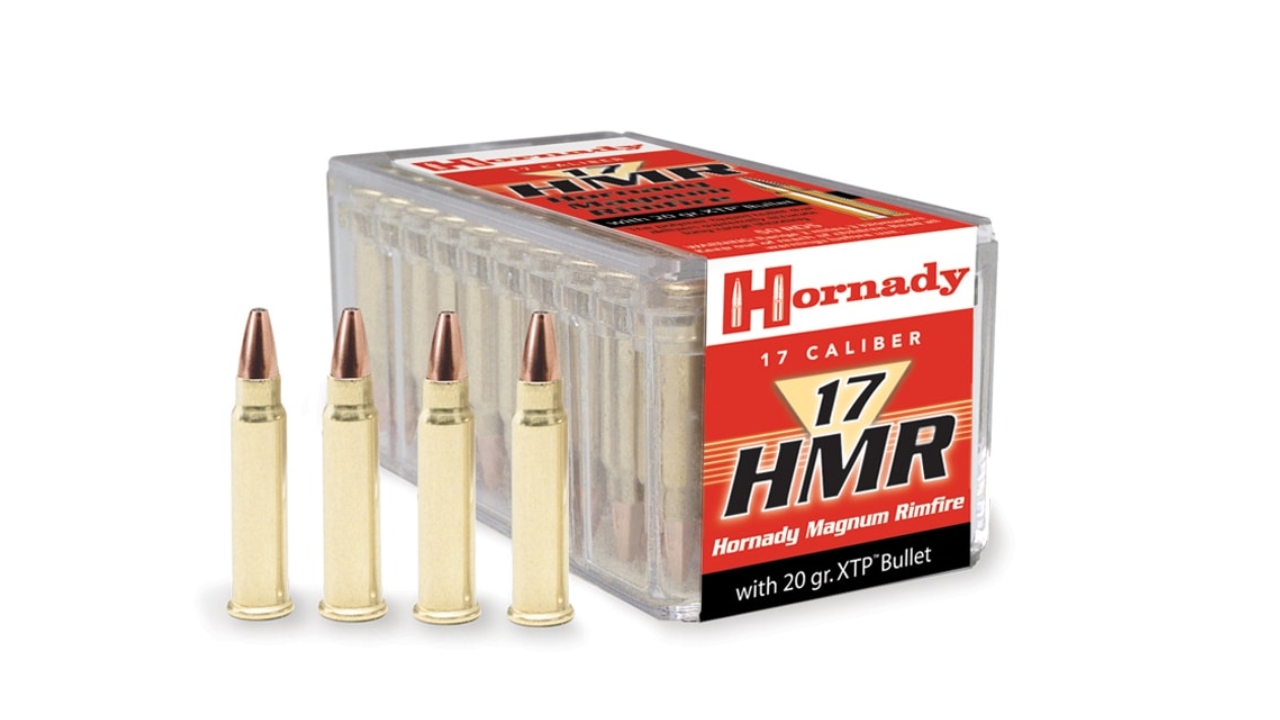
The .17 HMR looks impressive on paper for what it is—fast, flat for rimfire distances, and extremely accurate. The mistake is treating it like more than a small-game tool. On animals with tougher hide, heavier bone, or bigger body mass, it can lack the penetration needed for consistent, humane kills.
That’s when the tracking nightmare shows up, because a shallow wound on a larger animal can leave little blood and a long, uncertain recovery—if you recover it at all. The .17 HMR is excellent when used correctly on small game and varmints where shot placement and penetration needs match its capabilities. The “falls apart” part happens when the numbers and accuracy tempt you into using it outside that lane. Paper doesn’t bleed, and rimfires have limits you can’t wish away.
.30-06 Springfield with overly soft bullets at high-speed loads

The .30-06 is one of the most proven hunting cartridges ever made, but it can still disappoint when you pair it with bullets that are too soft for the velocity you’re pushing. With modern high-velocity loads and thin-jacket bullets, you can see rapid expansion, lost weight, and inconsistent penetration on heavy shoulder hits or quartering shots.
That can leave you with a deer that’s hit hard but doesn’t give you the exit hole that turns tracking into a short walk. The fix is straightforward: pick bullets designed to hold together—bonded, partition-style, or monolithic—especially if you’re hunting closer ranges where impact speed is high. The .30-06 itself isn’t the problem. It’s the assumption that any bullet that shoots well on the bench will behave well when it hits meat and bone.
Like The Avid Outdoorsman’s content? Be sure to follow us.
Here’s more from us: