Photo credit: Justin Opinion/YouTube
A lot of guns get ignored for years not because they are bad, but because they sit in an awkward middle ground. They are too common-looking to feel collectible, too old to be trendy, or too tied to a specific era to get much love from younger buyers. Then something shifts. Production has been gone long enough, cleaner examples start drying up, and people suddenly realize the model they used to walk right past is not sitting on every rack anymore. That is usually when prices move and availability gets tight.
What makes these guns hard to find now is not always true rarity. In a lot of cases, it is a mix of discontinued production, growing nostalgia, and the fact that most surviving examples were bought to use, not preserve. Once buyers start actively hunting them again, the decent ones disappear fast. These are the models that lived in that overlooked category for a long time, then suddenly became much harder to track down in clean shape.
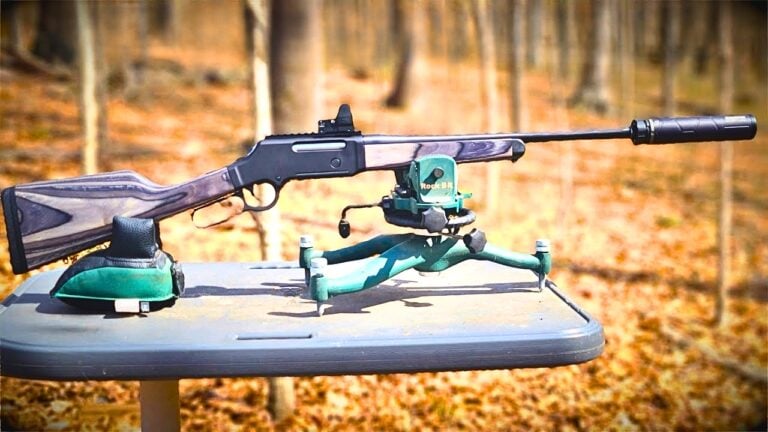
Savage 99

The Savage 99 sat in plain sight for years as a serious deer rifle that a lot of hunters respected without treating like a future collectible. That kept it in truck racks, cabins, and field use instead of in safes. The hammerless action and rotary magazine always made it more interesting than an ordinary lever gun, but familiarity kept many buyers from seeing it that way for a long time.
Now that it is long out of production, the tone has changed. Buyers who once passed them by are hunting for clean rifles, especially in stronger condition and classic chamberings. What used to be a practical hunting rifle first is now a rifle people specifically watch for, and that shift has made nice examples much harder to spot than they were even a few years ago.
Winchester 9422

The Winchester 9422 used to feel like the kind of rimfire lever gun you could always find if you wanted one. It had real quality, but it was still a .22 first and foremost, which meant most owners bought it to shoot, not to preserve. That kept it in the category of “nice but ordinary” for a long stretch, especially when it was still a regular part of the Winchester rimfire conversation.
Once production ended in 2005, that changed fast. A rifle that had spent decades as a well-liked shooter suddenly became a closed chapter, and buyers started realizing there was no direct replacement waiting behind it. The result is predictable now: cleaner originals, especially the better-kept rifles, do not sit around. The 9422 is one of the clearest examples of a gun going from familiar to hard-to-find almost overnight.
Remington 600

The Remington 600 was easy to overlook because it always looked a little odd. The short barrel, compact stock, and vent rib made it feel more like a quirky field rifle than something buyers needed to chase. For years, that kept it in the role of “interesting old bolt gun” rather than putting it in the kind of company that draws serious collector attention right away.
The short production run is what changed the story. Remington’s own history lists the Model 600 as introduced in 1964 and discontinued in 1967, with roughly 94,000 made. Once more buyers started paying attention to how brief that run really was, the supply of clean rifles tightened up fast. It is still the same odd little rifle, but now it is the kind of odd little rifle that disappears the moment a sharp one shows up.
Remington 788

The Remington 788 spent years wearing the label of a budget bolt gun, and that label kept a lot of buyers from appreciating what it really was. It was bought as a practical rifle, used like one, and rarely treated with much collector caution. That is usually the exact formula that sets a gun up to become hard to find later, because many of the survivors are worn, altered, or simply not very nice anymore.
Remington lists the 788 as introduced in 1967 and discontinued in 1983, with about 565,000 produced. That is not tiny production, but it also is not unlimited, especially once you start narrowing the field to crisp rifles in desirable chamberings. Buyers finally caught up to the rifle’s reputation for accuracy, and now the good ones move much faster than they used to. What was once “the cheap Remington” no longer feels cheap or easy to find.
Marlin Camp Carbine
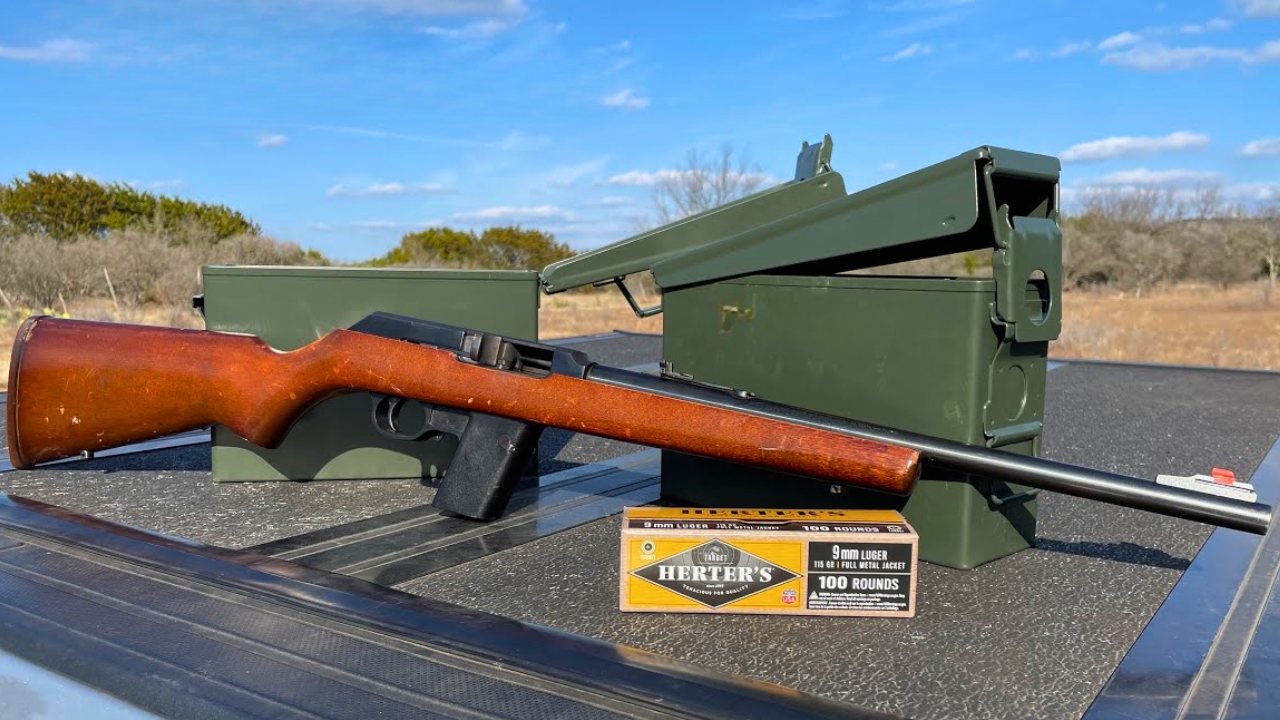
The Marlin Camp Carbine was overlooked for years because it landed in an odd niche before that niche got hot. It was a pistol-caliber carbine built for utility, camp use, and casual shooting, and a lot of buyers treated it exactly that way. At the time, it felt practical, a little unusual, and easy to ignore if you were more focused on traditional rifles or centerfire carbines.
Now that pistol-caliber carbines are much more popular, people have gone back and looked at what Marlin had already done. The Camp Carbine was produced from 1985 to 1999, and once it was gone, the supply became whatever the used market could carry. That has made nice originals much tougher to spot than they were when they were simply another oddball used gun sitting in the rack.
Browning Hi-Power

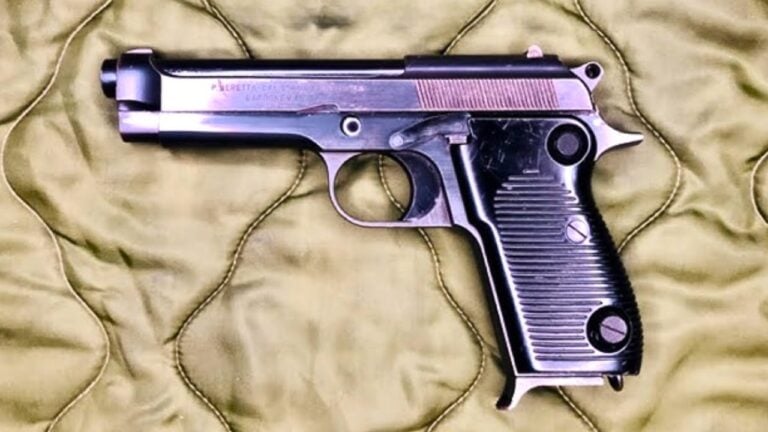
The Browning Hi-Power was respected for decades, but that is not the same thing as being hard to find. For a long time, it was still a practical old service pistol that buyers could locate if they wanted one. Police trade-ins, used commercial guns, and general familiarity kept it from feeling scarce, even though its place in handgun history was already secure.
What changed was the end of regular production. Browning states plainly that the classic Hi-Power is no longer in production, and once that became real, the market tightened fast. A pistol that had long felt attainable started getting snapped up by both collectors and shooters who did not want to miss their chance. Now, cleaner original examples are far harder to find than they seemed when the gun still felt like an old but easy option.
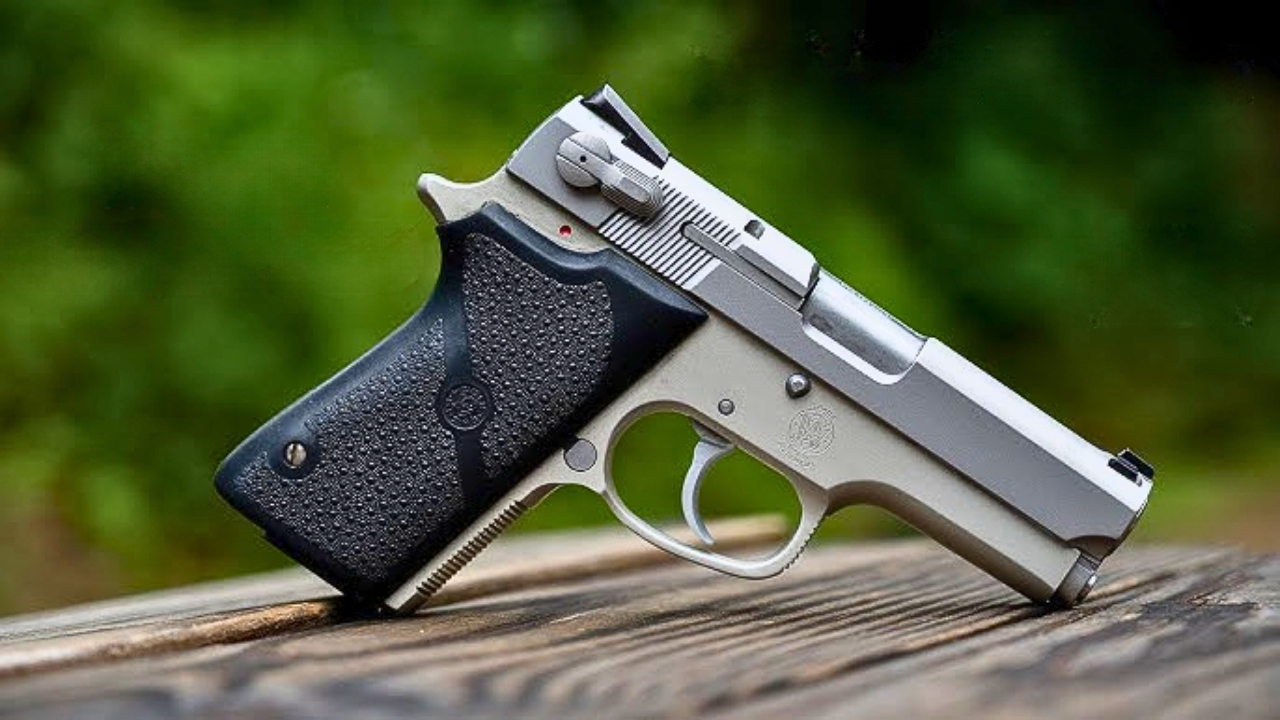
Smith & Wesson 3913

The Smith & Wesson 3913 lived for years in the shadow of bigger duty pistols and later polymer carry guns. That kept it underappreciated, even though it offered exactly what many buyers now claim they want: a slim, metal-framed, single-stack 9mm that carries well and feels substantial. For a long time, it was treated like a practical carry piece, not something people thought they needed to chase.
That changed once the third-generation Smith autos disappeared. The 3913 sits in that discontinued family, and once buyers realized those alloy-frame Smiths were not coming back in that form, the supply started tightening. A model that once sat quietly in used cases now gets noticed quickly by buyers who specifically want that older style of carry pistol. The better ones vanish a lot faster than they used to.
Marlin 39A
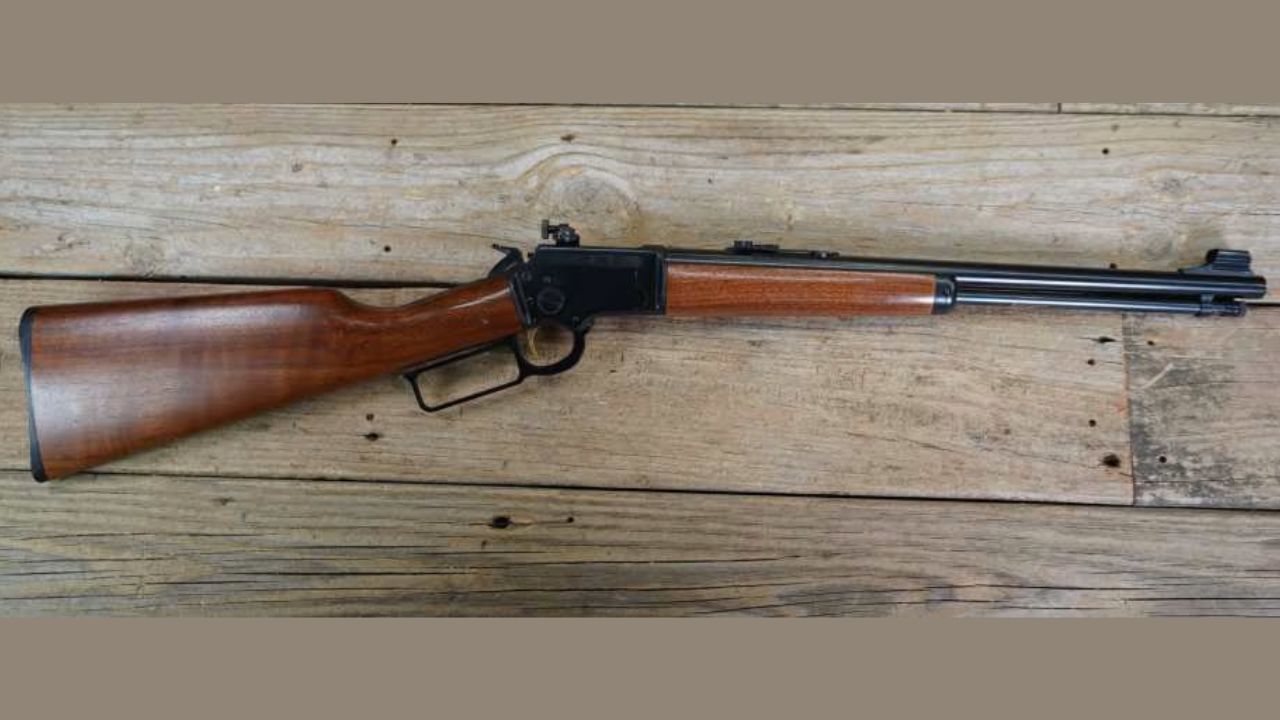
The Marlin 39A was overlooked in a strange way: not because people disliked it, but because it felt permanent. It was the kind of rimfire lever gun many shooters assumed would always be around in one form or another. That sort of long-running familiarity can make a rifle look ordinary even when it is one of the better-built .22s ever made.
Once production effectively ended, that illusion disappeared. The 39A is now widely treated as out of production, and that matters because there is no true ongoing pipeline of fresh rifles replacing the old ones. As buyers have gone back looking for the kind of steel-and-wood rimfire lever gun they took for granted, clean 39As have become much more difficult to find than they seemed when they were still just “the Marlin .22 lever gun.”
Winchester 88
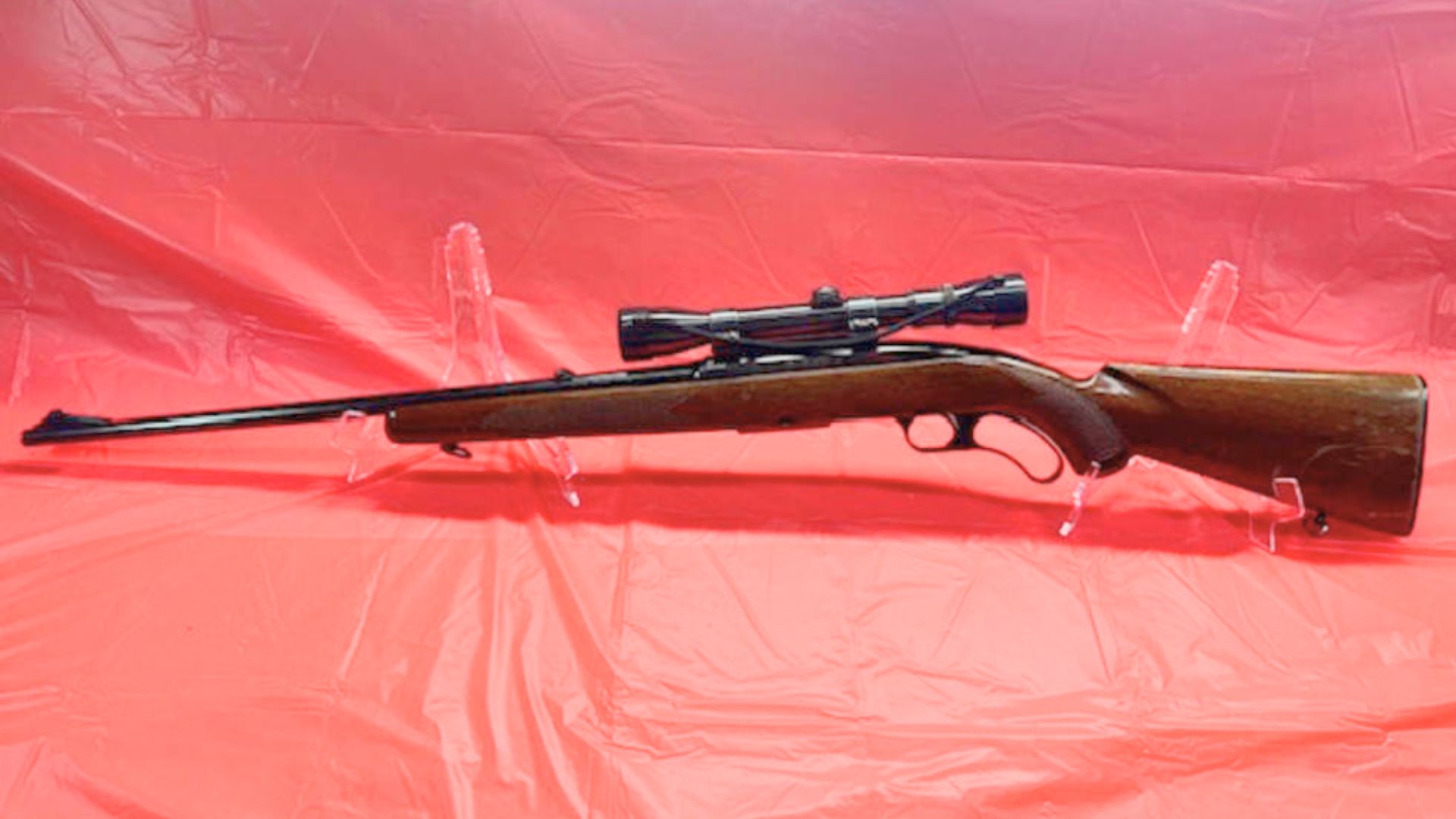
The Winchester 88 always had a little more going on than many buyers gave it credit for. It was a lever action, but not in the old familiar tube-magazine sense. The rotating bolt and detachable box magazine made it a genuinely different hunting rifle, yet for years many people still treated it like a used woods gun instead of something they needed to pay special attention to.
That old attitude has changed in a big way. Once buyers started appreciating how different the 88 really was, and once more of the clean rifles got absorbed into collections, the supply tightened quickly. Now the Model 88 is the kind of rifle that rarely lingers if the condition is right. It went from being an underappreciated used lever gun to a model people actively hunt, and that shift made it much harder to find in short order.
Winchester 100
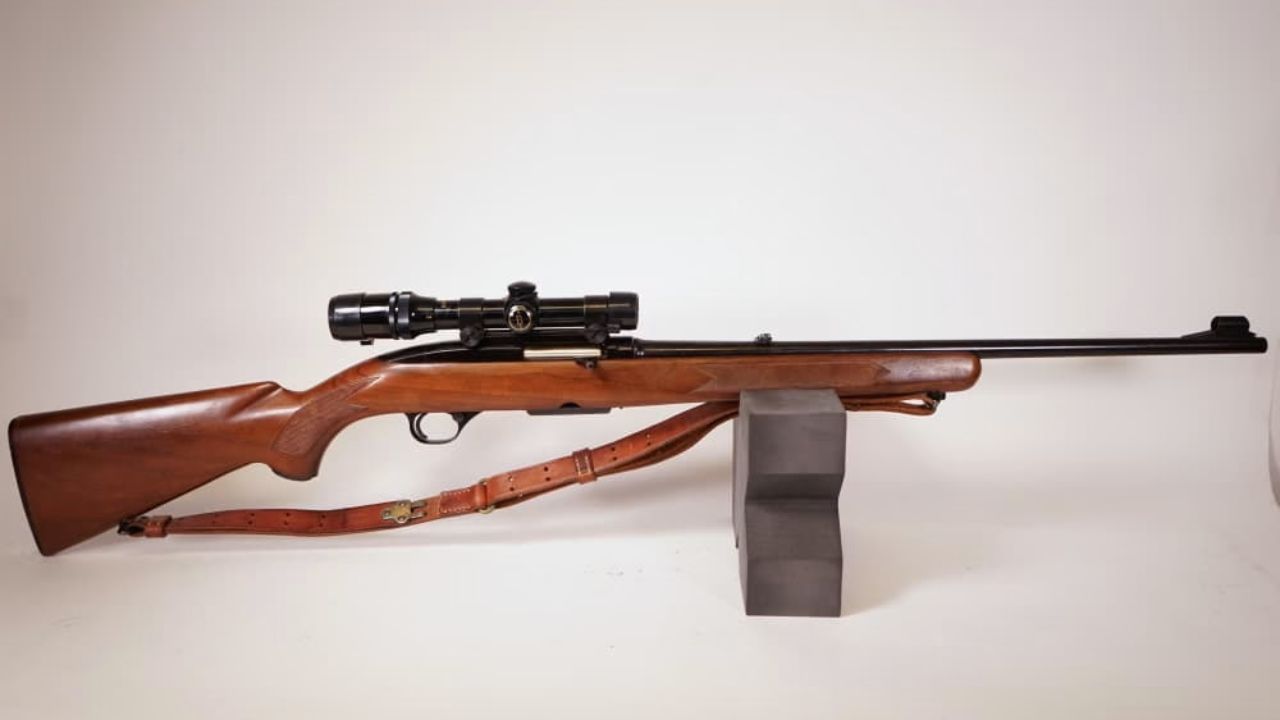
The Winchester 100 spent a long time as a practical old autoloading deer rifle, and that practical role kept it from feeling special to a lot of buyers. It had Winchester appeal, but it was still an everyday sporting rifle first. That meant most owners bought them to carry and hunt with, not to sit untouched in a cabinet waiting for the market to catch up.
Now the cleaner ones feel a lot scarcer than they once did. The rifle is long out of regular production, and buyers who want a sharp old Winchester autoloader now have to compete for the same shrinking pool of originals. A model that once sat in the “used deer rifle” lane now gets pulled into the collector lane much faster, especially when the rifle still has honest finish, good wood, and no obvious tampering.
Colt Python

The original Colt Python was admired from the start, but for years plenty of people still bought them as working revolvers rather than as safe queens. That matters, because guns that get used hard are exactly the ones that become harder to replace in top condition later. A lot of owners once saw the Python as a premium shooter, not as the kind of revolver that would one day make people wince at the price tag.
Original production ended in stages, with Colt shutting down regular line production and limited original-generation output finally ending in the mid-2000s. Once buyers realized the classic hand-fitted Pythons were truly gone, the supply of desirable originals tightened in a hurry. The reintroduced Python changed nothing about that. If anything, it reminded people how much they wanted the old ones, and that only made them harder to find.
Browning Auto-5

The Browning Auto-5 spent decades being exactly what many people thought it was: a dependable field shotgun. It was famous, yes, but it was also familiar, and familiar guns get used. Hunters carried them, cut them, padded them, and wore them out. That long period of ordinary use is exactly why the clean survivors feel less common now than the Auto-5’s long history might lead you to expect.
The original Auto-5 stayed in production until 1998, which is a huge run. But a long run does not guarantee an endless supply of sharp originals once buyers start chasing them harder. As older Belgian and Japanese-made guns have drawn more attention, the best examples have become far less available than they were when the Auto-5 was still simply another well-liked hunting shotgun. Good ones move faster now for a reason.
Remington 742 Woodsmaster

The Remington 742 lived most of its life as a practical autoloading deer rifle, and that made it easy to overlook. It was common, familiar, and bought for one clear purpose: hunting season. Guns like that rarely get babied, which means a lot of the rifles still floating around are well-used. For years, that kept the 742 in the category of ordinary old hunting rifle rather than putting it in front of buyers as something worth chasing.
Remington lists the 742 as produced from 1960 to 1980, with more than 1.4 million made. That is big production, but cleaner rifles are still harder to find than the raw number suggests because so many saw heavy field use. Add in rising nostalgia for older walnut-and-blue deer rifles, and the better 742s now disappear much faster than they used to. You may still find them, but finding a really nice one is another matter.
Remington Nylon 66

The Nylon 66 looked ordinary for a long time because it was built to be practical. It was light, handy, and sold as a useful .22, not as a collector piece. Even though the synthetic stock was unusual when it launched, most buyers treated it like a field and plinking rifle once it proved itself. That meant years of regular use, which is exactly what makes clean survivors harder to track down later.
The rifle was produced from 1959 to 1989, and more than a million were made. That sounds like plenty until you start looking for nice examples that have not been worn hard, drilled, swapped around, or otherwise treated like just another old .22. Buyers finally caught up to how important and distinctive the Nylon 66 really was, and that renewed attention has made the better ones far tougher to find than they seemed for a long time.
Winchester Model 63

The Winchester Model 63 lived for years in that quiet corner of the market where great old rimfires often sit. People who knew them respected them, but they were still commonly treated as old .22 rifles rather than as something buyers needed to hunt down immediately. That kind of quiet reputation can keep a rifle overlooked longer than it deserves, especially when newer buyers are focused on newer names.
What changed is that older Winchester rimfires of this quality do not get easier to find with time. The Model 63 was introduced in 1933 and production ended in the 1950s, and once more buyers started noticing how much fit and finish these rifles carried, the market tightened. A rifle that once felt like a niche old auto .22 is now the sort of piece that disappears quickly when it is clean and correct.
M1 Carbine
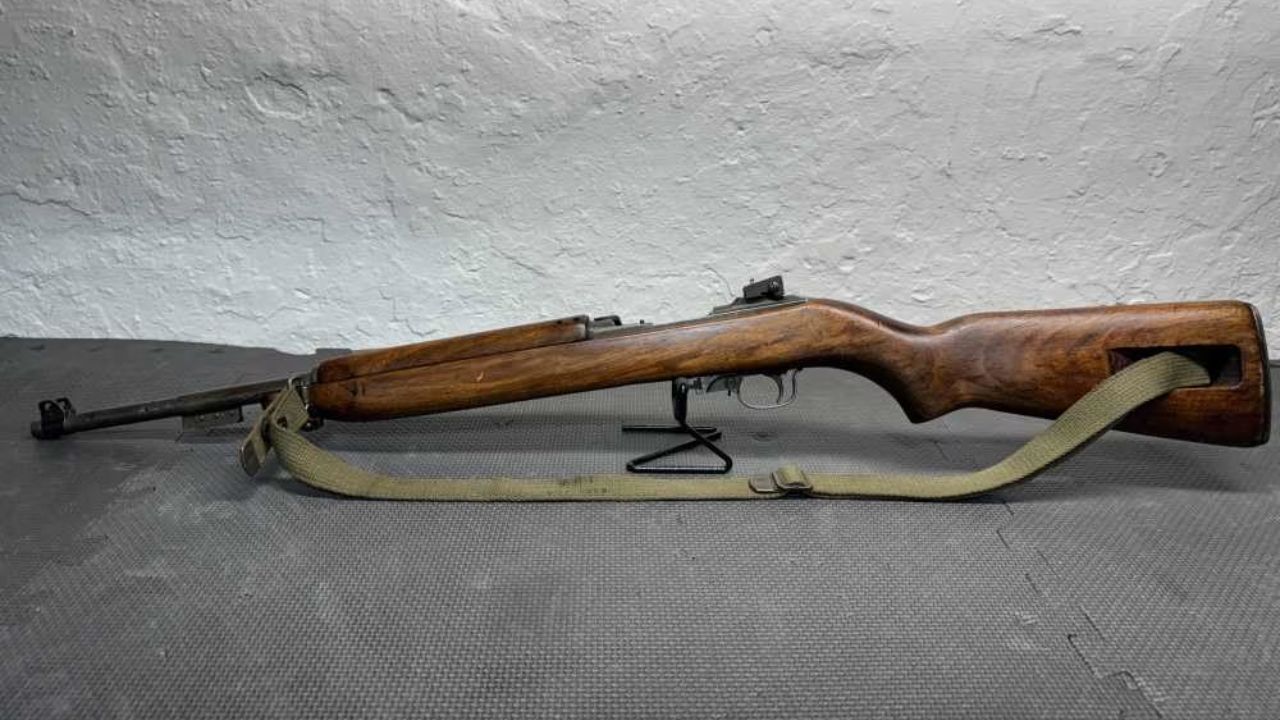
The M1 Carbine was never truly ignored by collectors, but it was overlooked by a lot of ordinary buyers who treated it as a military surplus piece that would always be around in some form. For years, that seemed true enough. Mixmaster carbines, rebuilds, and shooter-grade examples gave the impression that if you missed one, another would be along soon. That kind of steady availability can make even a historic rifle feel ordinary.
That feeling has changed. The broad supply of easy, affordable carbines is not what it once was, and as more buyers chase original parts, correct configurations, and stronger condition, even decent non-premium carbines get picked over faster. The model’s huge historical appeal has finally caught up with its shrinking easy supply, and now even average M1 Carbines can feel harder to find than buyers expected if they waited too long.
Browning B-78

The Browning B-78 sat in an odd place for years because single-shot rifles are always a narrower market. That kept it from getting the broad attention of lever guns and bolt guns, even though it had real quality and a strong following among shooters who appreciated that style. Many buyers simply saw it as a specialized hunting rifle and moved on without thinking much about it.
That kind of quiet neglect can change quickly once people start looking for one on purpose. The B-78 is no longer a regular current-production Browning, and once buyers decide they want that specific blend of classic single-shot styling and Browning fit, the pool gets small fast. It is not the loudest gun on this list, but it is exactly the kind of model that goes from “easy to ignore” to “why can’t I find one?” in a hurry.
Like The Avid Outdoorsman’s content? Subscribe to our newsletter so you never miss an article.
Here’s more from us: