Photo credit: Sherbak_photo/Shutterstock.com
Emergency planning tends to fixate on food, water, and first-aid kits, but if you keep firearms for personal defense, the quiet question in the background is how much magazine capacity you actually need when things go wrong. You do not have to live like a full-time commando to be prepared, yet you also do not want to discover in a crisis that you only own the two magazines that came in the box. The real answer sits between those extremes, and it depends on how you carry, what you shoot, and what kind of emergency you are planning for.
Start with the role of the gun, not a magic number
The most useful way to think about magazine needs is to start with the job you expect a firearm to do. A compact pistol that you carry daily for self-defense has very different requirements from a rifle you keep locked away for rare range trips or a carbine you include in a bug out bag. If you begin with a blanket number, you risk overbuying for some roles and underpreparing for the ones that matter most.
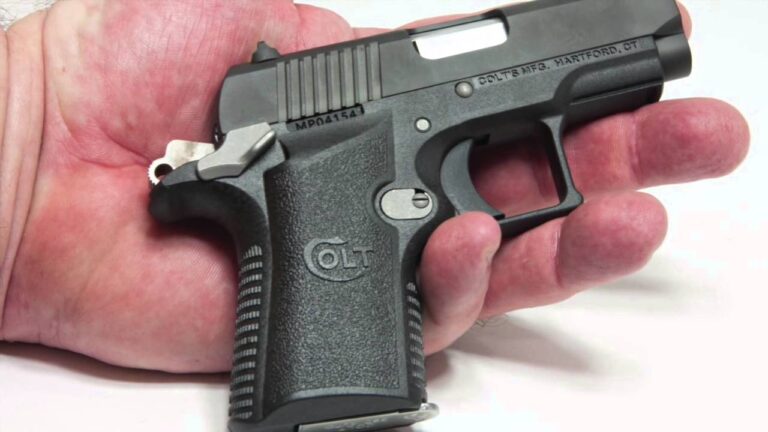
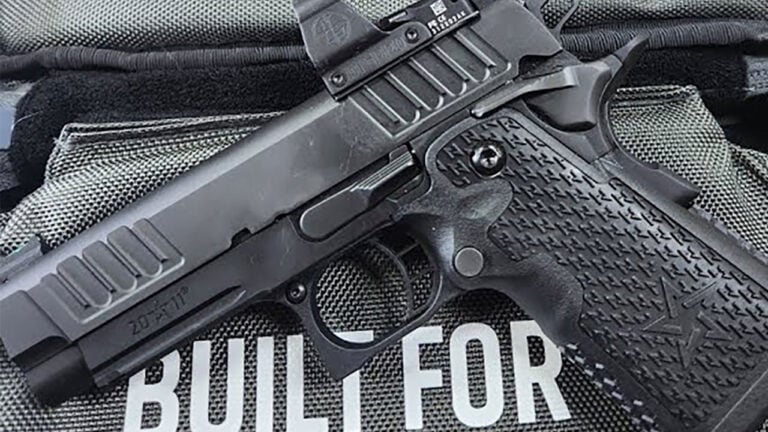
Defensive pistols that you carry concealed typically ship with two magazines, and several training-focused sources treat that as a workable baseline for many people, especially if you are not shooting heavily or carrying every day. Others argue that, whatever the reason you own a handgun, you should treat three standard-capacity magazines as a practical minimum so you can keep one in the gun and two as spares for carry and practice. Firearms instructors who run high round count classes often recommend at least two magazines as an absolute minimum and strongly prefer that students arrive with three, noting that magazines are wear items that can break or malfunction at the worst possible time.
Concealed carry: how many spares make sense on your belt
Once you decide to carry a handgun, the question shifts from how many magazines you own to how many you keep on your person. A common pattern is one magazine in the pistol and one spare on your belt or in a pocket, which several defensive carry guides describe as a practical minimum for most concealed carriers. That second magazine is not just about extra ammunition, it is also a hedge against a feed-lip crack, a damaged spring, or a dropped mag during a struggle.
Guidance aimed at everyday carriers notes that if you rely on a low capacity pistol, such as a single stack 9 mm or a small .380, a second spare can be justified because your starting round count is already limited. One detailed carry guide frames it this way: if you carry a low capacity handgun, you should seriously consider at least one spare magazine, and for some setups two spares are reasonable, while those who carry higher capacity pistols can often stop at a single backup. The same source emphasizes that you should not try to stuff loose magazines into random pockets, but instead use dedicated pouches so you can access them under stress without fumbling.
Home defense and training: building a reliable pistol magazine pool
For a handgun that lives in a quick-access safe at home, you are not constrained by concealment, so the focus shifts to reliability and training. Many experienced shooters treat three magazines as a floor for any defensive pistol, then add more for range work so they can load once and shoot through drills without constant reloading. One training FAQ explicitly states that you need an absolute minimum of two magazines and highly recommends at least three, pointing out that magazines are consumable parts and that you cannot really own too many for your primary weapons.
Practical advice from magazine specialists echoes that logic, suggesting that if you shoot regularly, you should maintain a rotation of working magazines for carry or defense and a separate set that absorbs most of the wear and tear at the range. One guide on spare magazines notes that having several extras is a nice complement for recreational shooting because it reduces downtime and spreads out the stress that eventually leads to feed failures or cracked bodies. That same perspective stresses that magazines fail from use or abuse over time, so stocking a modest surplus is less about hoarding and more about ensuring that your defensive gun still runs after years of practice.
Rifles, carbines, and the “combat load” myth
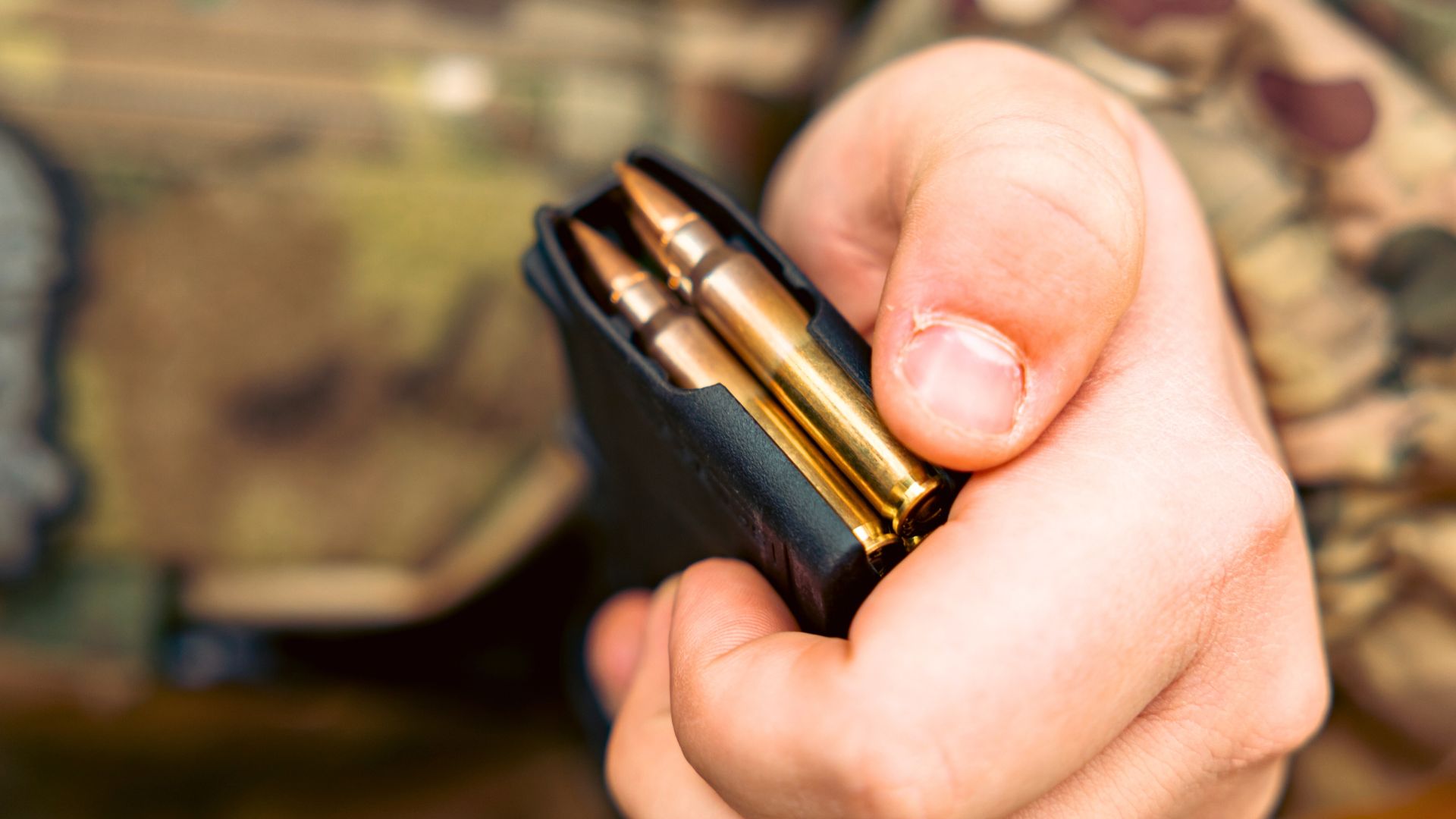
Rifles introduce a different scale problem. A single 30 round magazine for an AR-15 holds more ammunition than many compact pistols carry in three magazines combined, so you do not need a vest full of them to handle most emergencies. A widely cited rule of thumb for semi automatic rifles is to keep a minimum of 10 magazines per rifle you own, which gives you enough capacity to train, replace worn units, and still stage a reasonable number for defensive use.
Other guidance aimed at rifle owners is more conservative, suggesting that owners of America’s favorite rifle, the AR-15, or similar semi automatic rifles should have at least three working magazines, with more being better in the long run. In online discussions among AR users, a basic combat load is often described as six magazines for a go-to rifle in an emergency, with some people keeping that many loaded in a chest rig or bag. At the same time, experienced voices in bug out and preparedness communities caution that a full combat load is for combat, not for most realistic emergencies, and that you are unlikely to need or even be able to carry dozens of loaded rifle magazines if you are also hauling water, food, and medical gear.
Bug out bags and “SHTF”: balancing weight, ammo, and mobility
When you start planning for worst case scenarios, it is easy to slide into fantasy loadouts that look more like infantry kits than civilian emergency plans. Bug out bag checklists emphasize that these bags are meant to be deployed in a hurry and that everything should be ready ahead of time, which means every ounce you add has to earn its place. One detailed list of bug out bag essentials stresses that your pack should be light enough that you can move quickly and that your core priorities are water, shelter, food, and medical supplies, not an endless stack of magazines.
Within that context, many practical minded shooters settle on a modest rifle loadout such as three magazines on a chest rig and one in the rifle as enough for most situations, especially if your goal is to break contact and get to safety rather than fight a prolonged battle. A popular comment in a bug out firearms discussion captures the sentiment bluntly, with the user Very Confused Walrus saying that personally they do not think you need all that much ammo and that a full combat load is for combat, not for a civilian trying to move through a disaster zone. In another thread about how many loaded AR magazines to keep, one participant notes that three on the rack and one in the rifle is a reasonable standard, and that you are more likely to need an individual first aid kit than an extra row of pouches.
Legal risk, bans, and the temptation to stockpile
Magazine decisions do not happen in a vacuum. In many states, political debates over magazine capacity limits and assault weapon bans push owners to think about how many magazines they want on hand before a new law takes effect. In one recent discussion about how many high capacity magazines to buy before a potential AWB, a gun owner described aiming for a specific comfort level per weapon and asked others to explain their thought process and strategy, which quickly produced answers that ranged from a handful of spares to large stockpiles.
Those conversations highlight a tension between practical needs and regulatory anxiety. On one hand, magazines are relatively inexpensive and can become hard to find when new restrictions loom, which encourages people to buy more than they strictly need. On the other hand, experienced shooters in communities that lean toward moderation point out that for magazines and guns you are going to get a lot of people saying “you can never have too many,” but that this attitude can obscure the real question of how you actually use your firearms. In a thread about how many magazines is too few or too many, one commenter noted that pistol magazines can get highly specialized and expensive, especially for less common models or pistol caliber carbines that share magazines, which is a reminder that chasing a giant stash can drain money that might be better spent on training, optics, or medical gear.
Failure rates, redundancy, and how to build your own number
Magazines are one of the most common failure points in a semi automatic firearm, which is why so many instructors and gear specialists treat redundancy as non negotiable. Training FAQs aimed at new shooters explicitly warn that magazines have been known to break or malfunction and that you should plan for that by owning more than the bare minimum. One such FAQ states that you will need an absolute minimum of two magazines and highly recommends at least three, then adds that you cannot really own too many magazines for your weapons, a reflection of how often they are blamed when a gun starts to choke.
Specialists who focus on spare magazines also stress that if you shoot regularly, you should expect some magazines to wear out from use or abuse and that having extras on hand is cheaper and less stressful than scrambling to replace a broken mag in the middle of a training cycle. One guide compares the question of how many magazines you need to asking how many pairs of shoes a woman needs or how many cars a guy needs, then notes that you are better off with a few too many than the opposite. At the same time, that guide offers concrete baselines, such as at least three working magazines for semi automatic rifles and a small pool of handgun magazines for recreational shooting, which you can then scale up based on how often you train and how many guns you own.
Putting it together: realistic magazine goals for different emergencies
If you synthesize the most grounded advice from trainers, magazine specialists, and preparedness communities, a pattern emerges that you can adapt to your own situation. For a concealed carry pistol, a sensible goal is to own at least three magazines, keep one in the gun and one spare on your person, and reserve the third as a backup or training mag. For a home defense handgun that you do not carry, three to five magazines gives you enough redundancy to handle failures and maintain a couple of dedicated training mags without worrying that a single cracked feed lip will sideline your only spare.
For rifles, you can treat three working magazines as a bare minimum and 10 as a comfortable long term target per semi automatic rifle, especially if you train regularly or are concerned about future restrictions. In a bug out or short term emergency scenario, carrying one magazine in the rifle and two or three on your gear is usually more realistic than trying to haul a full combat load, particularly when you remember that your bug out bag also needs to carry water, food, shelter, and medical supplies. If you live in a jurisdiction where an AWB or magazine limit is a live political issue, you may decide to buy a few extra magazines now, but you can still anchor that decision in how you actually use your firearms rather than in abstract slogans about never having enough.
Like The Avid Outdoorsman’s content? Be sure to follow us.
Here’s more from us: