Image Credit: Inshore Chaos/YouTube.
Big fish aren’t fooled by just anything. They’ve seen it all—flashy gimmicks, overpriced trends, and lures that look great in the package but don’t hold up on the water. If you want to hook the kind of fish that break rods and test drags, you need lures that are built for business.
Saltwater predators key in on movement, vibration, and profile. The best lures don’t just look good—they trigger aggressive strikes because they mimic exactly what these fish are hunting. It’s about understanding how these lures work, when to use them, and why they consistently outfish the competition. If you’re serious about chasing big fish, these are the lures that get the job done.
Shrimp Lures

Saltwater fish love shrimp. It doesn’t matter if they’re predators or bottom feeders—shrimp are an easy meal, and artificial shrimp lures can be just as effective when used right.
The best ones combine realistic movement with durability, and the Prawn and Prawn Jr. do just that. Their natural glide mimics the real thing better than most. The Berkley Gulp! Shrimp takes a different approach, relying on scent to attract fish, and it’s been proven time and time again by both weekend anglers and pros.
Rigging a shrimp lure right makes all the difference. A light jig head works in the shallows, but if you’re fishing deep structure, you’ll need more weight to keep it in the strike zone. Under a popping cork, shrimp lures get even more attention—every pop sends vibrations through the water, signaling an easy meal. Most hits happen on the drop, so stay ready.
Paddletail Soft Plastics

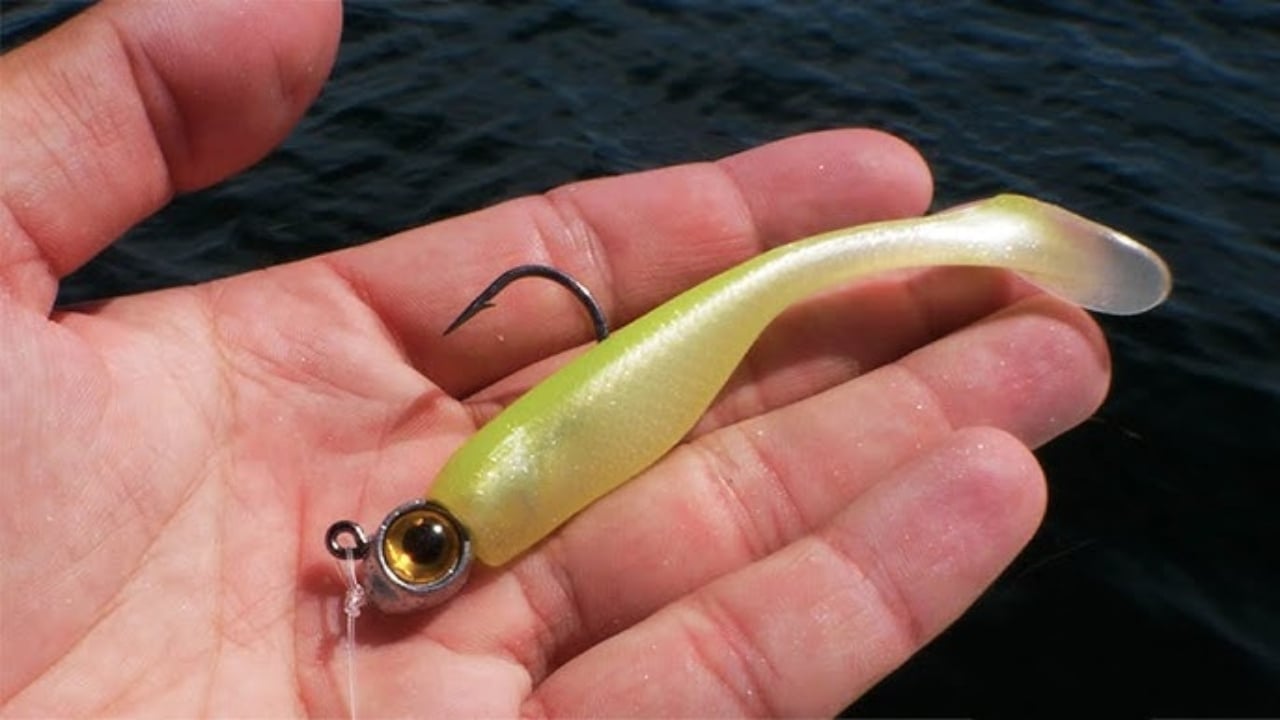
If there’s one saltwater lure that belongs in every tackle box, it’s a paddletail soft plastic. These things get hit by everything from redfish to tarpon, and they’re deadly in just about any conditions.
What makes paddletails so effective is the way they swim. The tail kicks naturally, even on a slow retrieve, creating just enough vibration to get noticed. Rig one on a jig head, and you can fish it shallow, deep, or anywhere in between. Work it fast near the surface to imitate fleeing bait, or bounce it off the bottom to trigger strikes from fish holding tight to structure.
The Slam Shady 2.0 is a solid all-around choice, but matching the size to the baitfish in your area can make all the difference. Early in the season, smaller baits like the 3.5-inch work best. As the baitfish grow, step up to a 4- or 5-inch version to keep getting bites.
Suspending Twitchbaits

Few lures mimic baitfish as well as a suspending twitchbait. It’s designed to look like glass minnows, whitebait, and other prime meals for coastal predators, making it a must-have for inshore fishing.
The MirrOLure MirrOminnow is tough to beat, with the MirrOdine coming in as a close second. These lures get crushed by everything from redfish to mackerel. The key is in the retrieve—keep the rod tip down and use a steady twitching motion. Let it suspend on the pause to trigger reaction strikes.
MirrOLure treble hooks are razor-sharp, which is great for keeping fish pinned but rough on fingers. Swapping them for singles makes handling fish (and avoiding hand punctures) a lot easier.
Jerkbaits

If it eats baitfish, it’ll hit a jerkbait. That’s why this lure is a staple in both freshwater and saltwater. It works weightless for shallow water, on a jig head for deeper structure, and everywhere in between.
The Polk County Tweaker is a solid pick. Its erratic, twitchy motion is perfect for drawing strikes from fish holding tight to cover. For an added edge, the Berkley Gulp! Saltwater Jerk Shad brings scent into the mix, making it a strong option when fish are keyed in on smell.
In shallow water, a twitch-pause-twitch retrieve keeps it moving naturally. In deeper water, let it hit bottom before giving it a sharp upward twitch to get attention. For fast-moving fish like mackerel and bluefish, work it aggressively with a heavier jig head.
DieZel MinnowZ

Soft plastics work great, but they don’t always hold up. That’s where Z-Man’s DieZel MinnowZ changes the game. Made from nearly indestructible ElaZtech material, these lures outlast traditional soft plastics by a mile.
Pair it with a Z-Man Eye Strike ChatterBait, and you’ve got a deadly combo. The blade sends out vibrations while the MinnowZ rocks side to side, mimicking a panicked baitfish. Slam Shady is a solid color choice—it’s got the perfect mix of flash and subtlety to match most baitfish.
The durability of ElaZtech means fewer lost tails and more time catching fish. If you’re sick of burning through soft plastics after a few bites, this one’s worth trying.
White Bucktails

Bucktail jigs have been around forever, and for good reason—they flat-out catch fish. They may not look like much, but the way the hair pulses in the water makes them one of the most reliable saltwater lures out there.
A white bucktail is a staple for inshore species like snook, redfish, and trout. Fish it fast and high in the water column, or bounce it along the bottom like a shrimp or baitfish. If the bite’s slow, tip it with a strip of squid or a soft plastic trailer for extra action.
Customizing a bucktail jig is easy, too. A little silver Flashabou or a soft plastic tail can make a big difference when fish are being picky.
Gold Spoons

There’s a reason gold spoons have been a go-to for saltwater anglers for decades. Their wobbling flash mimics baitfish better than most lures, and they work just about anywhere.
The classic Johnson Silver Minnow in gold is still one of the best. It’s weedless, making it perfect for working over grass flats, and its slow wobble gets crushed by everything from redfish to tarpon. Silver spoons work well in clear water, but when the water’s stained, gold stands out better.
Keep the retrieve slow and steady. If you go too fast, the spoon will spin instead of wobbling, and that’s a quick way to twist your line into a mess.
Topwater Walk-the-Dogs

Few things in fishing are better than watching a fish blow up on a topwater lure. Whether it’s a redfish tracking it down or a big snook hammering it out of nowhere, it never gets old.
Walk-the-dog lures like the Salt Strong Moonwalker or the classic Zara Spook have been fooling fish for years. The trick is in the retrieve—keep the rod tip low and give it a steady twitch to get that side-to-side motion. Some days, fish want a fast retrieve with no pauses, and other days, they’ll only hit it after a long pause. Pay attention to how they’re reacting and adjust.
A loop knot helps these lures move more freely, giving them a better action. If you’re not getting bites, switch up the speed or cadence before changing lures.
*This article was created with the assistance of AI.