Photo credit: Misha’s Guns/YouTube
Some guns sell themselves before anyone pulls the trigger. They have the right finish, the right lines, the right movie-gun attitude, or just enough old-school charm to make buyers ignore the warning signs. A good-looking firearm can make people want it badly enough to assume the shooting experience will match.
Then the range trip happens. The trigger is rough, the recoil is sharper than expected, the grip feels wrong, the sights are hard to use, or the gun is simply less pleasant than it looked in the case. These guns are not all useless, and some have loyal fans. But they prove the same lesson over and over: looking good is not the same as shooting good.
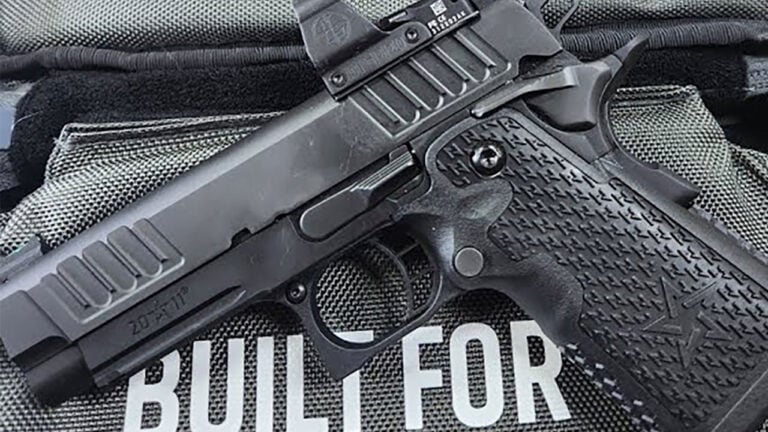
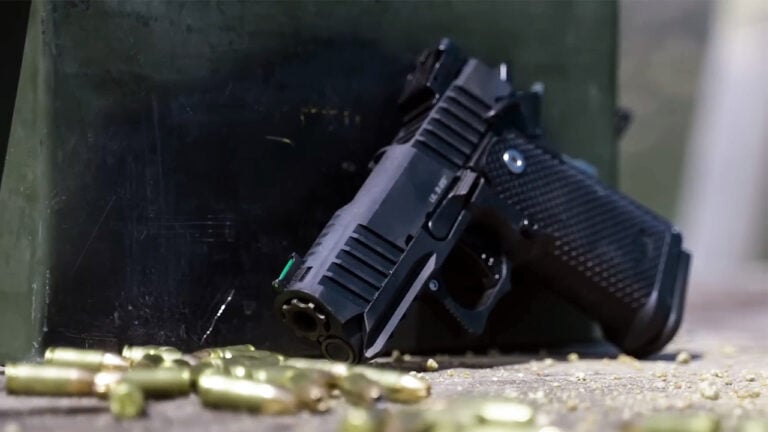
Kimber Micro 9

The Kimber Micro 9 looks better than most tiny carry pistols. It has metal-frame appeal, 1911-style controls, nice finishes, and the kind of classy profile that makes polymer pocket guns look cheap beside it. In a gun case, it can make buyers think they are getting a premium carry pistol with style and substance.
The shooting experience is where that appeal can fade. The small grip, limited weight, and 9mm chambering make it snappy for many shooters. It is not impossible to shoot well, but it takes more work than the looks suggest. A pistol this attractive makes people expect refinement, and the range experience often feels more like a sharp little compromise.
Desert Eagle .50 AE
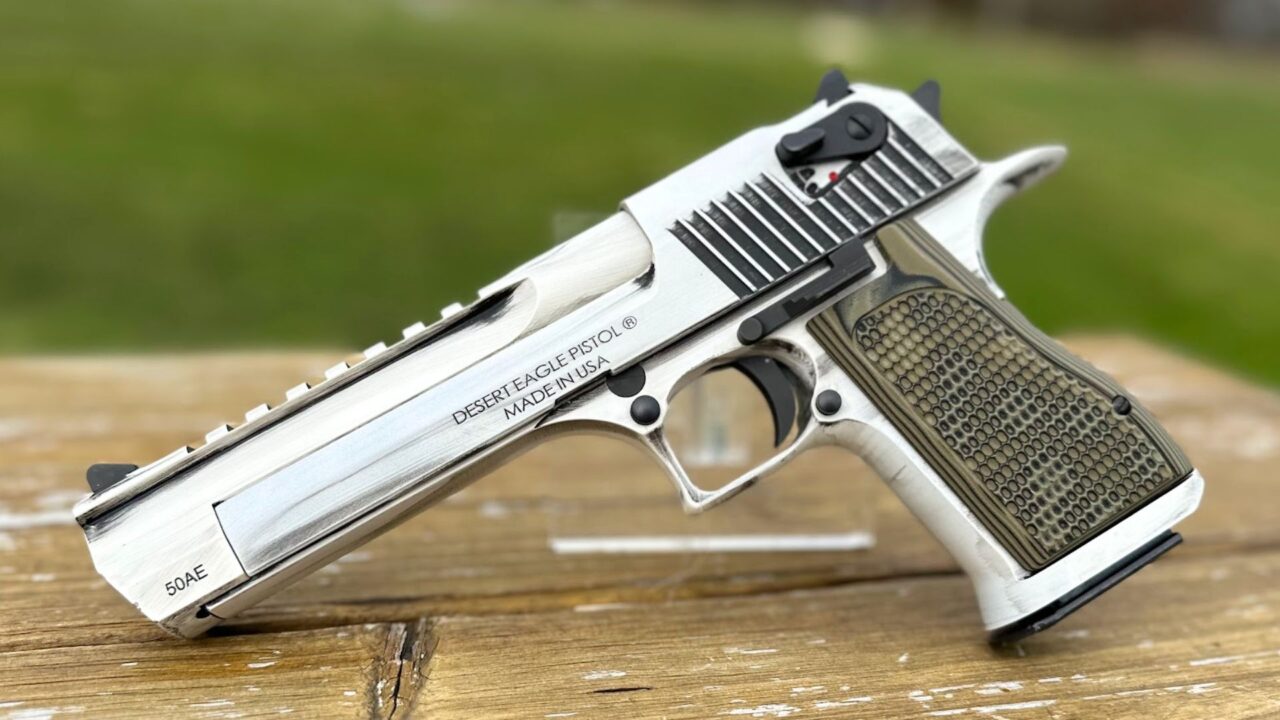
The Desert Eagle .50 AE may be one of the best-looking outrageous handguns ever made. It is huge, dramatic, and instantly recognizable. Movies and video games helped turn it into a fantasy object for people who want the loudest pistol at the range. Visually, it delivers exactly what buyers expect.
Shooting it is another story. The weight is massive, the grip is huge, ammunition is expensive, and the recoil and blast make it less fun for many people after the first magazine. It is impressive, but impressive is not the same as enjoyable. The Desert Eagle looks like power in handgun form, but most owners find out quickly that it is more spectacle than practical shooter.
Colt Python
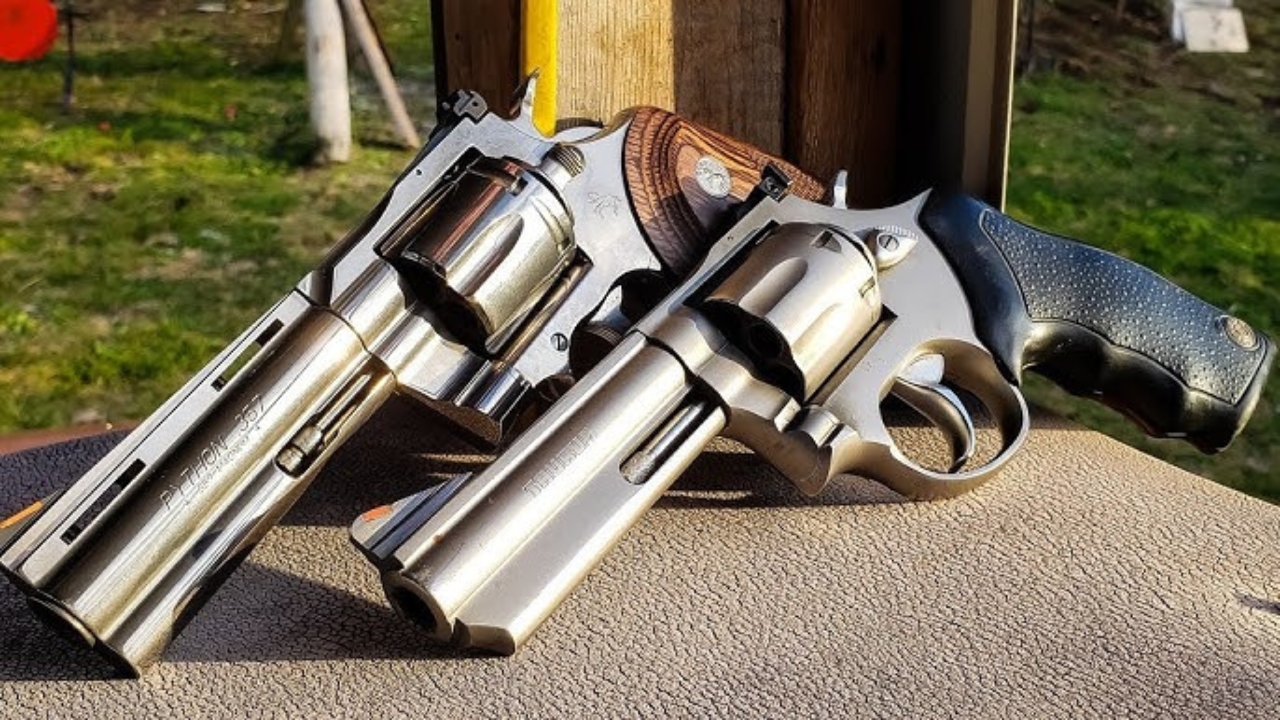
The Colt Python is gorgeous. The vent rib, full underlug, polished finish, and classic Colt lines make it one of the most attractive revolvers ever made. Whether it is an older original or a modern version, the Python has a presence that few handguns can match.
The problem is that the shooting experience does not always justify the level of worship around it. It can shoot well, but the price and reputation create expectations that are almost impossible to meet. Some shooters find a Smith & Wesson 686 or Ruger GP100 easier to justify as a hard-use .357. The Python looks like a masterpiece, but not every range trip feels like one.
Taurus Judge

The Taurus Judge has the kind of visual appeal that gets people talking. A big revolver that fires .410 shells and .45 Colt looks like a problem-solver before anyone examines the details. It has a bold cylinder, large frame, and a concept that feels tough and useful at first glance.
At the range, the compromises show up. The .410 loads lose a lot from a short barrel, the revolver is bulky, and the long cylinder does not help the trigger feel or handling. It can be fun as a novelty, but many buyers expect shotgun-like performance from a handgun-sized package. The Judge looks serious, but it often shoots like a collection of compromises.
Smith & Wesson Governor

The Smith & Wesson Governor looks like a more refined version of the same big-bore, multi-caliber idea. It can fire .410 shells, .45 Colt, and .45 ACP with moon clips, which sounds extremely versatile. On paper and in the hand, it looks like a revolver that can do almost everything.
The trouble is that doing several things does not mean doing any of them especially well. It is large, awkward for carry, and still limited by what .410 shotshells do from a handgun barrel. The .45 ACP option is interesting, but most shooters would be better served by a dedicated revolver or semi-auto. The Governor looks like versatility, but shooting it often feels like compromise.
Chiappa Rhino 60DS

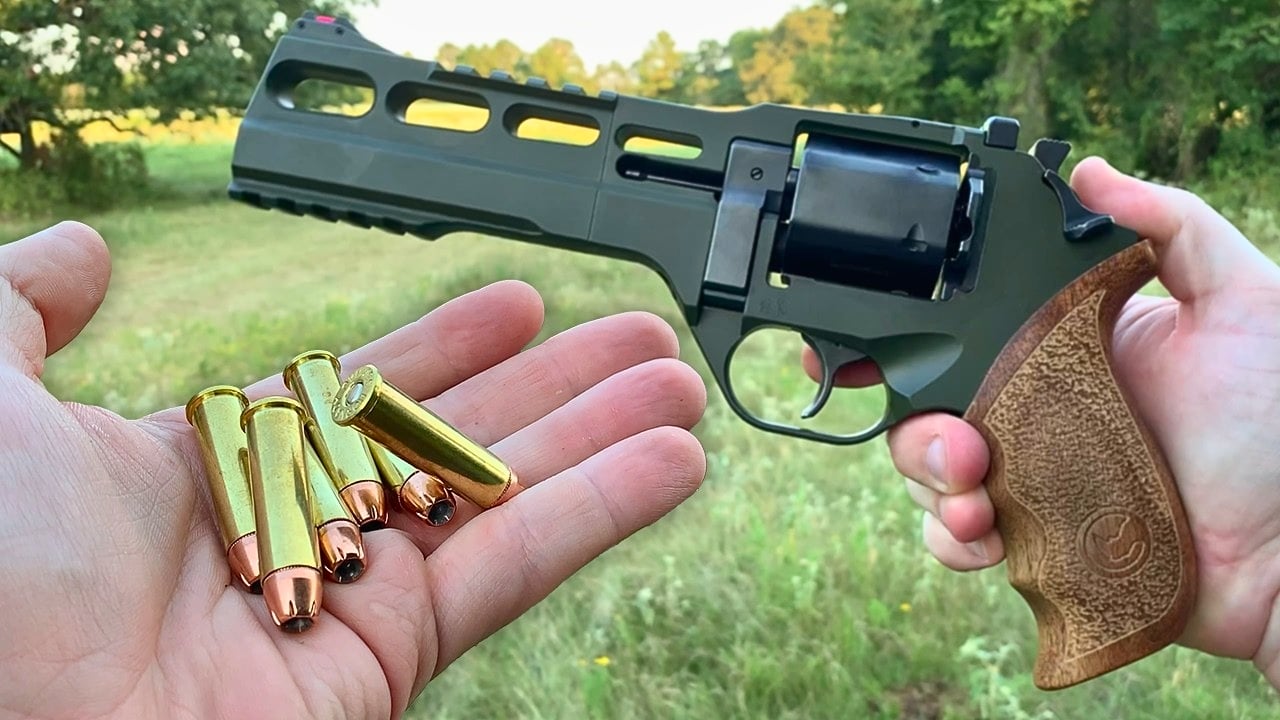
The Chiappa Rhino 60DS looks fantastic if you like unusual revolvers. The low bore-axis design, angular frame, and futuristic profile make it stand out from every Smith, Ruger, and Colt in the case. It is the kind of revolver people pick up because it looks like something from another world.
The shooting experience is divisive. The low bore axis does help control muzzle rise, but the grip shape, trigger feel, controls, and overall handling can feel strange. Some owners love it, but plenty of shooters find it less natural than a conventional revolver. The Rhino looks like it should be a cheat code, but it does not feel that way to everyone behind the trigger.
KelTec PMR-30
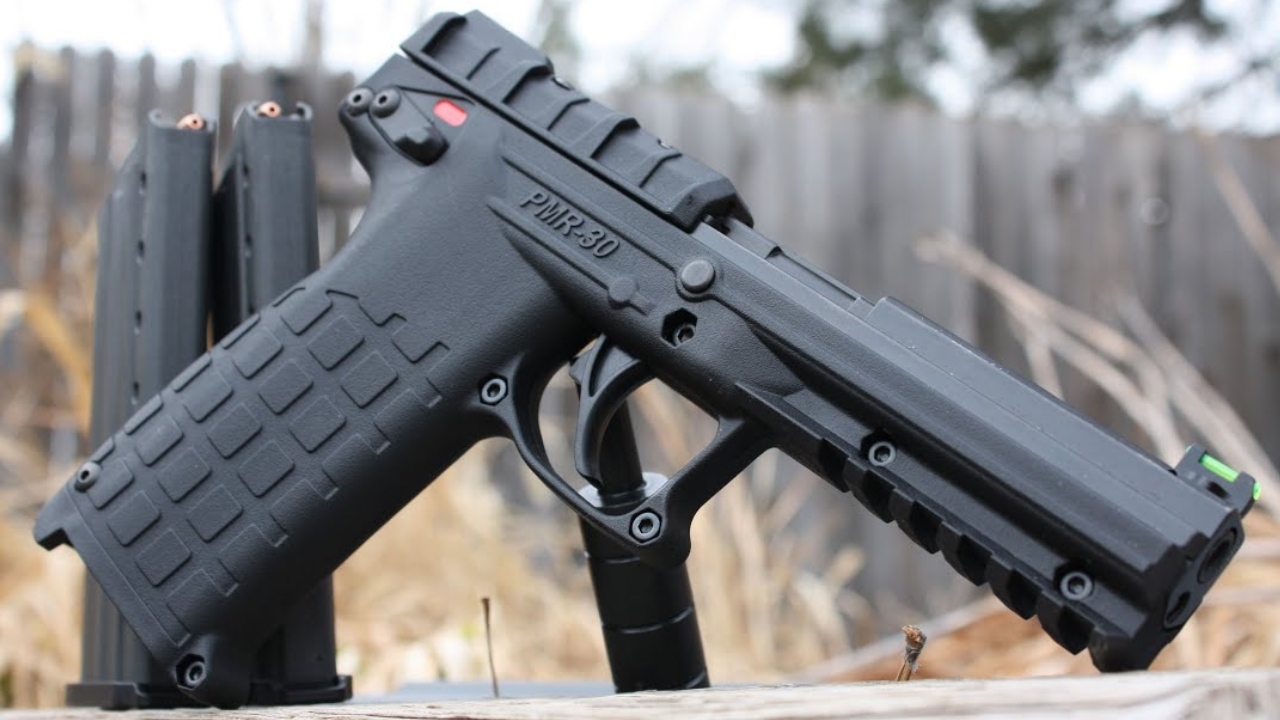
The KelTec PMR-30 looks like a futuristic range toy with a huge capacity advantage. A lightweight pistol holding 30 rounds of .22 Magnum sounds like pure fun. Its wild styling and bright fiber-optic sights make it stand out immediately.
The issue is that the PMR-30 can be picky and odd in actual use. The grip is large, the muzzle blast is sharper than some expect, and reliability can depend heavily on ammunition and loading technique. When it works, it is entertaining. When it does not, the cool factor fades fast. It looks like a sci-fi plinker, but it can shoot like a fussy experiment.
Walther PPK

The Walther PPK has some of the best style in the handgun world. It is slim, elegant, and tied to spy-movie cool in a way few pistols can match. Just holding one makes people understand why it became iconic.
Then they shoot it. The PPK can have sharp recoil for its size, a heavy double-action trigger, small sights, and a tendency to bite some hands. It is accurate enough and undeniably classic, but it is not always pleasant. The pistol looks smooth and sophisticated, but the range experience can feel harsher than the image suggests.
Luger P08

The Luger P08 is one of the most beautiful and recognizable pistols ever made. The toggle action, grip angle, and old-world machining make it feel more like mechanical art than an ordinary handgun. Collectors understand the attraction immediately.
As a shooter, though, the Luger can disappoint people expecting modern pistol manners. It is ammunition-sensitive, expensive to maintain, and not something most owners want to run hard. The sights and controls are dated, and reliability depends heavily on condition and ammo. It looks like history in your hand, but it does not shoot like a modern service pistol.
Mauser C96 Broomhandle
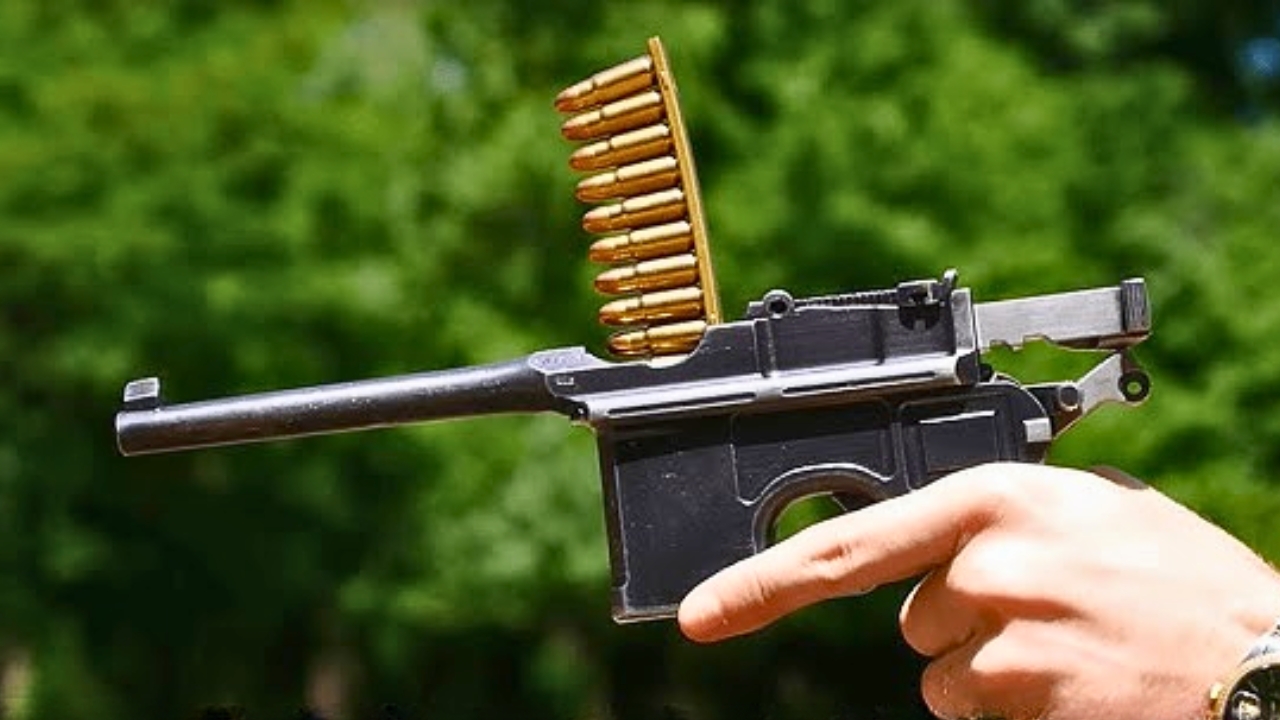
The Mauser C96 Broomhandle looks incredible. The box magazine ahead of the trigger, long barrel, wooden shoulder-stock history, and old military profile make it one of the most distinctive pistols ever made. It has the kind of silhouette people remember forever.
Actually shooting one can be less romantic. The grip shape is awkward, the balance is unusual, and the sights are not friendly by modern standards. Older examples also bring concerns about condition, parts, and ammunition. The C96 looks like adventure and history, but on the range it can feel more interesting than enjoyable.
Kimber Solo
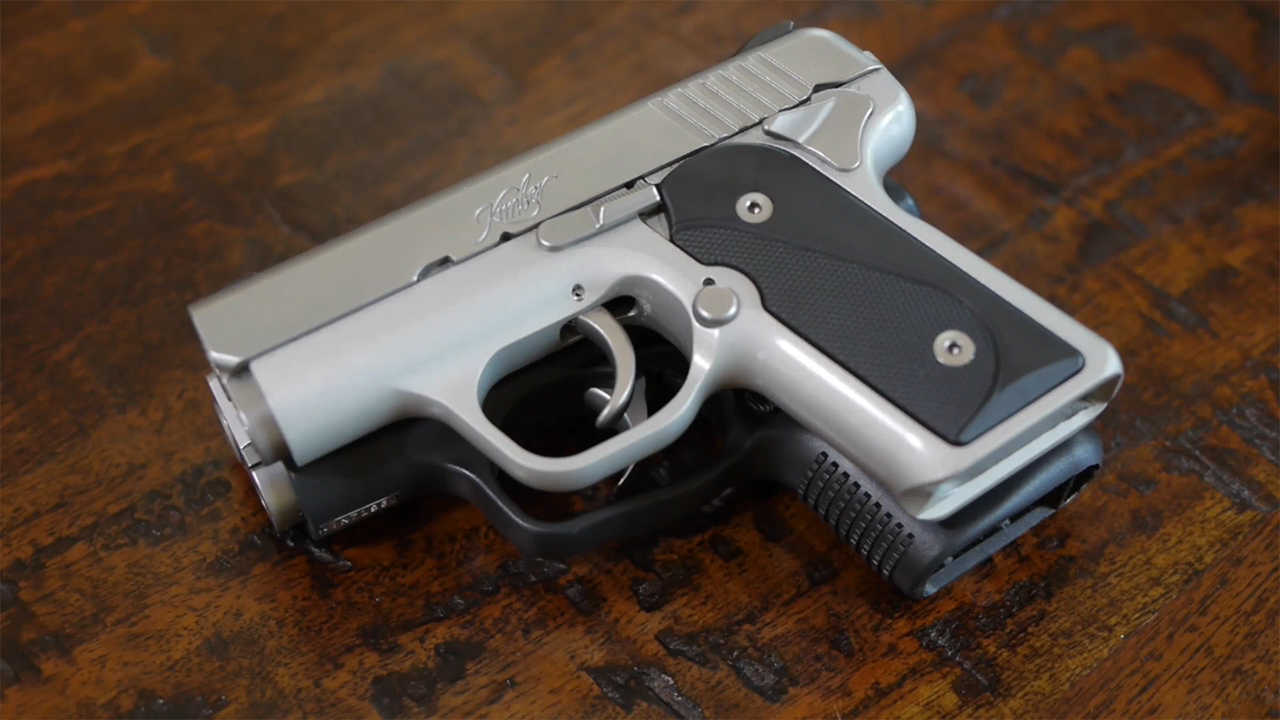
The Kimber Solo looked like a sleek premium answer to the tiny 9mm carry pistol problem. Its smooth lines, clean profile, and upscale Kimber image helped it stand apart from cheaper pocket guns. It looked like the carry pistol people wanted before micro-compacts became more refined.
The problem was the shooting and ownership experience. Small 9mm pistols already demand a lot, and the Solo developed a reputation for being ammunition-sensitive and less forgiving than buyers hoped. It could look beautiful in the case and still frustrate owners at the range. That is a bad combination for a pistol that sold itself as a premium carry solution.
Beretta Tomcat 3032

The Beretta Tomcat 3032 has undeniable charm. The tip-up barrel is clever, the pistol is compact, and the little Beretta styling makes it look more interesting than many pocket guns. For someone who wants a small pistol with character, it is easy to like at first.
Shooting it can be less charming. The .32 ACP chambering is mild in theory, but the small frame, thick grip, tiny sights, and heavy trigger can make the pistol harder to shoot well than expected. It fills a niche, especially for people who struggle to rack slides, but it is not the smooth little shooter its looks might suggest.
Bond Arms Snake Slayer
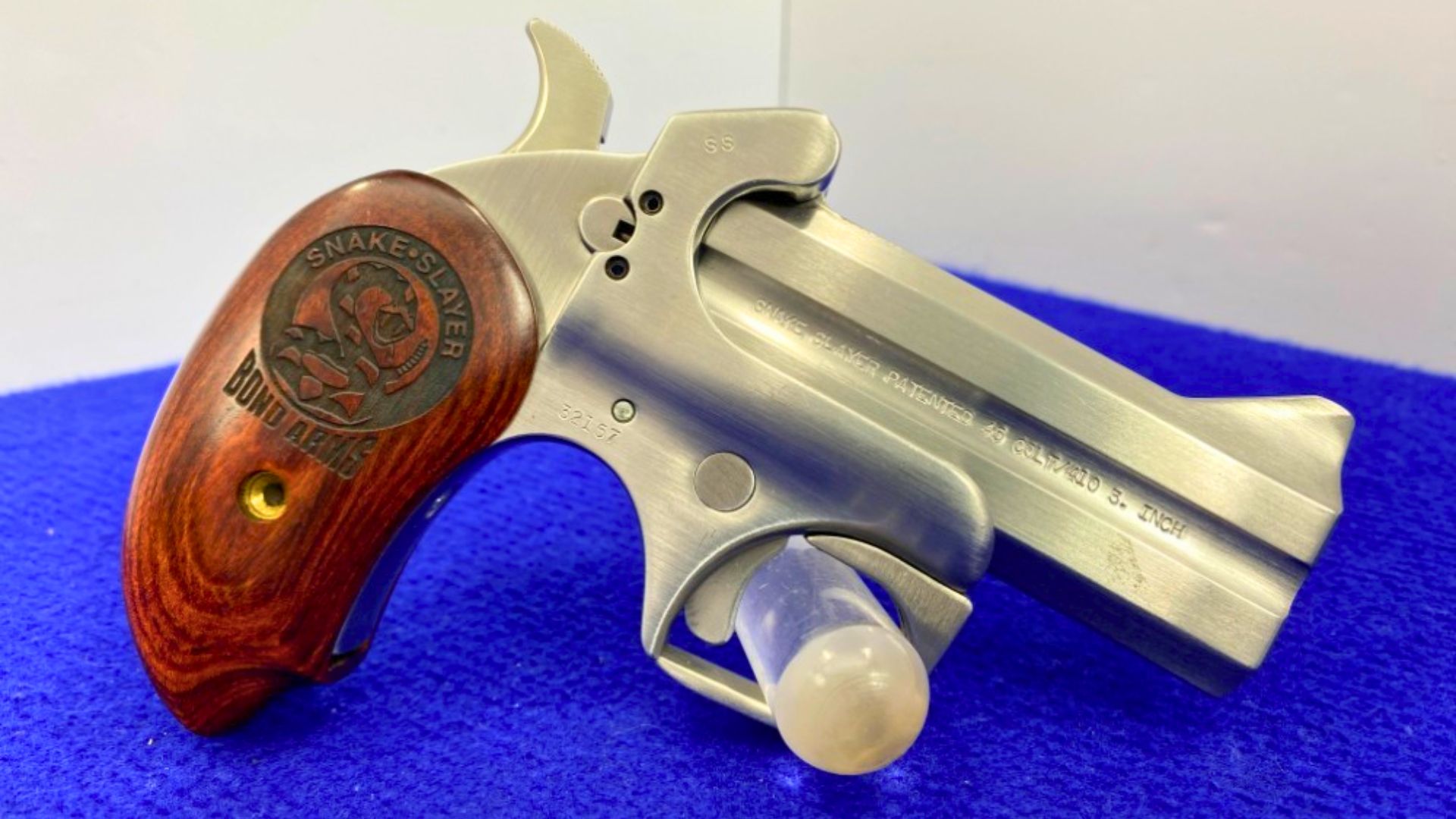
The Bond Arms Snake Slayer looks like a rugged little pocket cannon. The stainless build, compact break-action design, and big-bore chamberings make it feel tough and simple. It has the kind of old-school derringer appeal that makes buyers imagine it as a handy trail companion.
The range experience can be brutal. These guns are heavy for their size but still tiny in the hand, and recoil can be sharp with serious loads. The trigger is not like a modern defensive pistol, the capacity is only two rounds, and precision shooting is not the point. It looks like confidence in a pocket, but shooting it often feels like punishment.
Ruger LCP
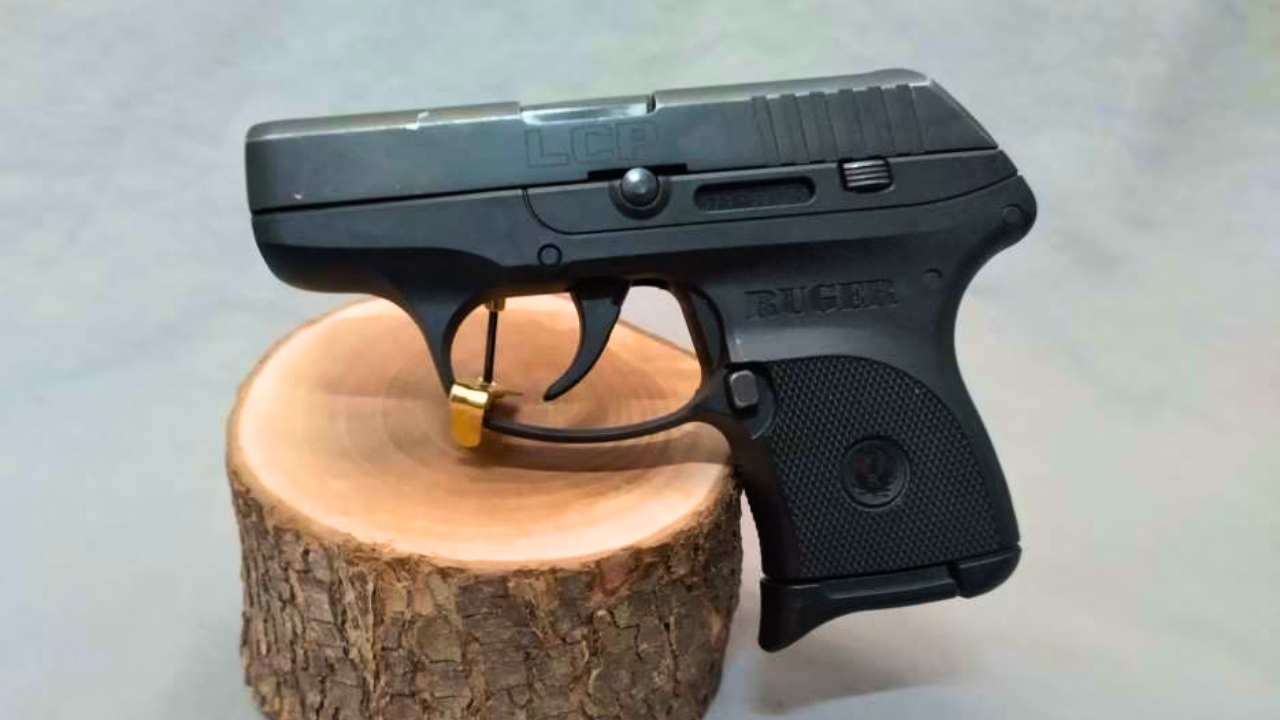
The Ruger LCP looks like the perfect pocket pistol because it is so small and light. It disappears in a pocket, ankle holster, or small bag, which makes it appealing to people who want the easiest possible carry option. The whole point is convenience, and visually it delivers that promise.
The shooting experience is where the cost of that convenience shows up. The tiny grip, minimal sights on older versions, small controls, and snappy recoil make it difficult for many owners to practice with seriously. It is useful because it is easy to carry, but nobody should confuse that with being enjoyable to shoot. The LCP looks easy until you start running drills.
SIG Sauer P938
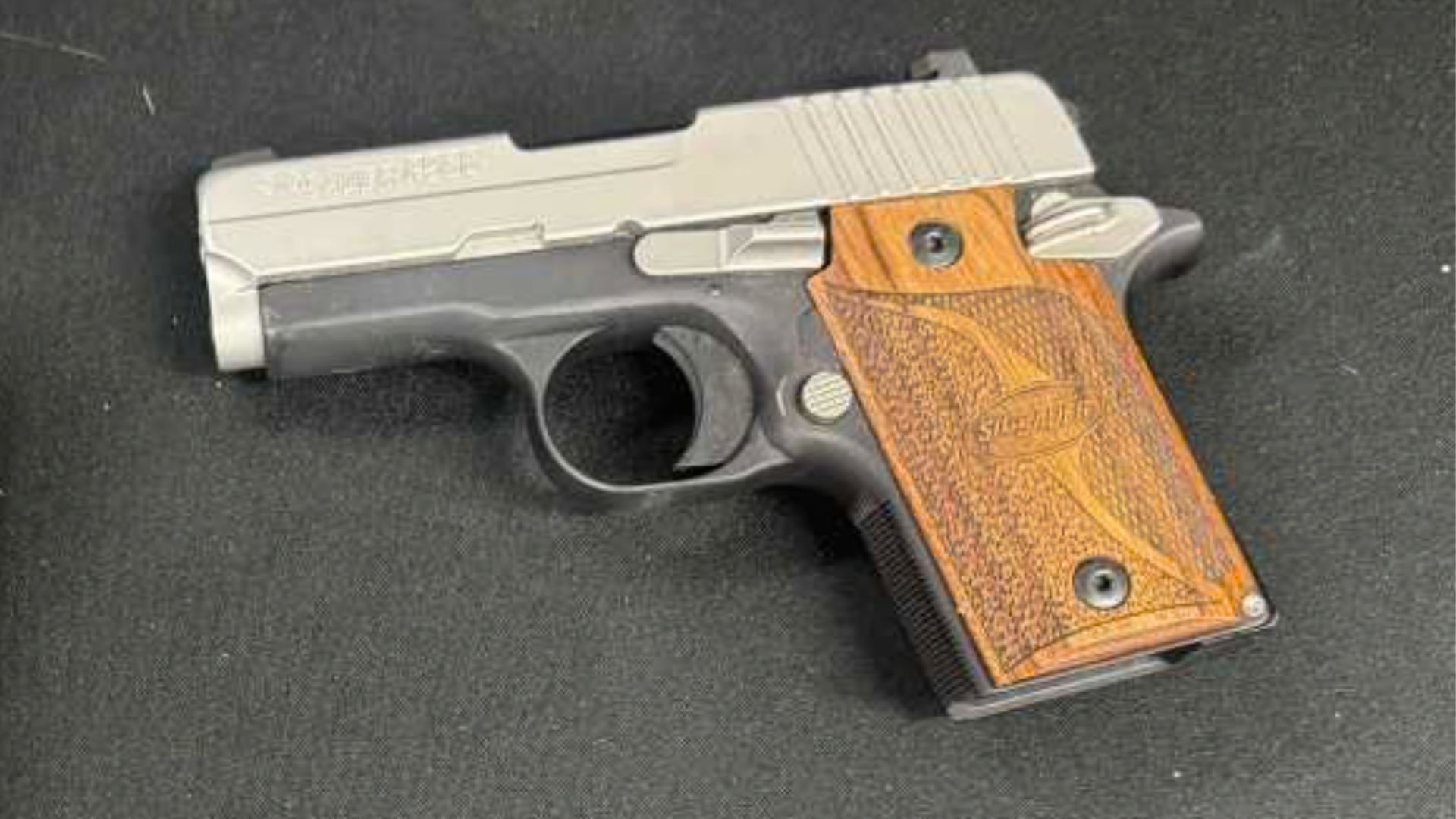
The SIG Sauer P938 looks like a serious little premium pistol. It has metal-frame construction, SIG styling, and 1911-like controls in a pocketable 9mm package. For buyers who dislike plain polymer carry guns, it has strong shelf appeal.
The problem is that its size makes the range experience more demanding than the looks suggest. The grip is short, recoil is noticeable, and the manual safety requires consistent practice. It can shoot well in skilled hands, but it is not as easy as a larger pistol that costs less. The P938 looks refined, but the shooting experience can feel cramped and unforgiving.
Browning 1911-380

The Browning 1911-380 looks like a scaled-down classic, which is exactly why it attracts attention. It has 1911 styling, good proportions, and a lighter, softer concept than a full-size .45. For shooters who like the 1911 look but want less recoil, it seems like a great idea.
The problem is that the appeal is often stronger than the performance case. It is neat, but it can feel like a pistol caught between roles. It is larger than many .380 carry guns, less serious than a full-size defensive pistol, and not as cheap to shoot as a .22 trainer. It looks excellent, but buyers may struggle to figure out what it does better than alternatives.
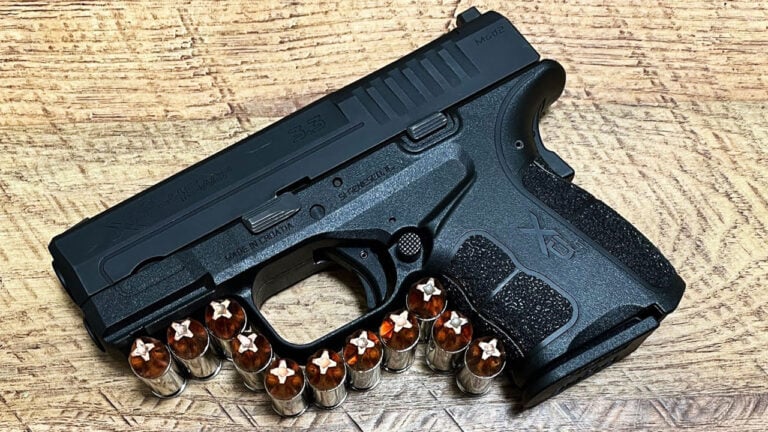
Springfield Armory XD-S .45 ACP

The Springfield Armory XD-S in .45 ACP looks like a hard-hitting carry pistol that gives you big-bore confidence in a slim package. That idea has obvious appeal. A small .45 that carries easily sounds like the perfect answer for people who do not want to step down to 9mm.
Then recoil and capacity bring the idea back to earth. The XD-S .45 can be sharp, slow to shoot fast, and less pleasant for regular practice than larger .45s or modern 9mm carry pistols. It looks like a smart compact powerhouse, but many owners discover that controllability matters more than caliber pride.
Glock 42

The Glock 42 looks like it should be the perfect soft-shooting pocket pistol. It has Glock simplicity, a slim frame, and a .380 ACP chambering that suggests easy recoil. Compared with smaller pocket .380s, it looks more shootable and less punishing.
It is smoother than many tiny .380s, but it can still disappoint because of what it gives up. It is bigger than some pocket guns while still offering limited power and capacity compared with micro-compact 9mm pistols. It is not terrible to shoot, but the real-world value can feel underwhelming. The Glock 42 looks like the easy answer, but it sits in an awkward middle ground.
Remington R51

The Remington R51 looked interesting from the start. It had distinctive styling, a low bore axis concept, and a design story that made people want to believe Remington had delivered something different. It did not look like another polymer striker-fired pistol, and that helped build curiosity.
The shooting experience and reliability reputation damaged that excitement quickly. A pistol can have a clever operating system and still fail to earn trust if execution is poor. Many buyers expected a soft-shooting compact 9mm with character. Too many ended up hearing about malfunctions, recalls, and frustration instead. The R51 looked promising, but it became a warning about trusting looks and concepts too early.
Standard Manufacturing DP-12
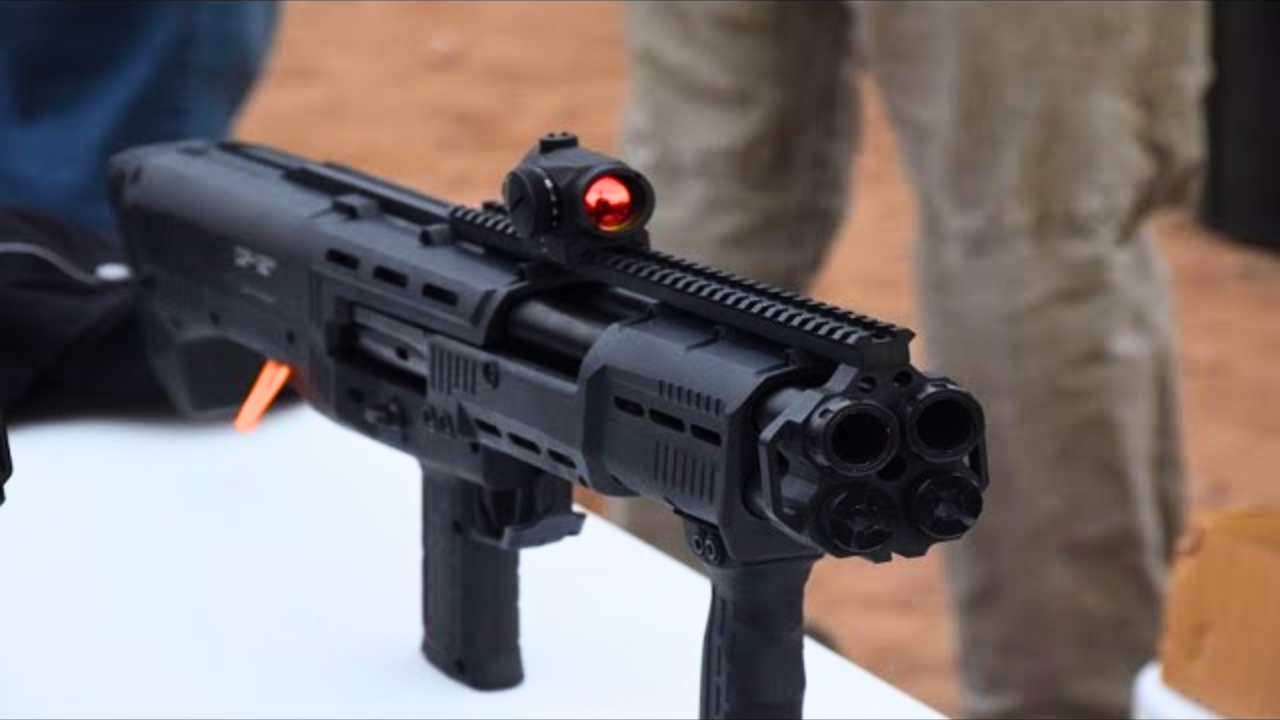
The Standard Manufacturing DP-12 looks incredible if you like aggressive shotguns. The double-barrel pump-action layout, twin magazine tubes, and compact bullpup profile make it look like something built for a movie armory. It absolutely wins attention before anyone fires it.
Shooting it is where the novelty becomes work. The gun is heavy, bulky, complicated compared with a normal pump, and not as natural to run as its intimidating appearance suggests. The recoil, controls, and manual rhythm take real effort. It looks like the ultimate close-range shotgun, but many shooters would be faster and more confident with a much simpler pump.
KelTec KSG

The KelTec KSG has the same visual advantage as many bullpup shotguns. It looks compact, futuristic, and powerful. The dual magazine tubes make it sound like a huge upgrade over traditional pumps, and the short overall length gives it instant appeal.
At the range, the KSG can feel awkward for shooters used to normal shotguns. Loading is slower, the action can be short-stroked if the shooter is not deliberate, and the compact design puts blast and recoil closer to the face. Some owners train with it and make it work well, but many buyers are drawn in by the looks before realizing a Mossberg 500 or Remington 870 is easier to run.
Like The Avid Outdoorsman’s content? Subscribe to our newsletter so you never miss an article.
Here’s more from us: