Photo credit: The Avid Outdoorsman
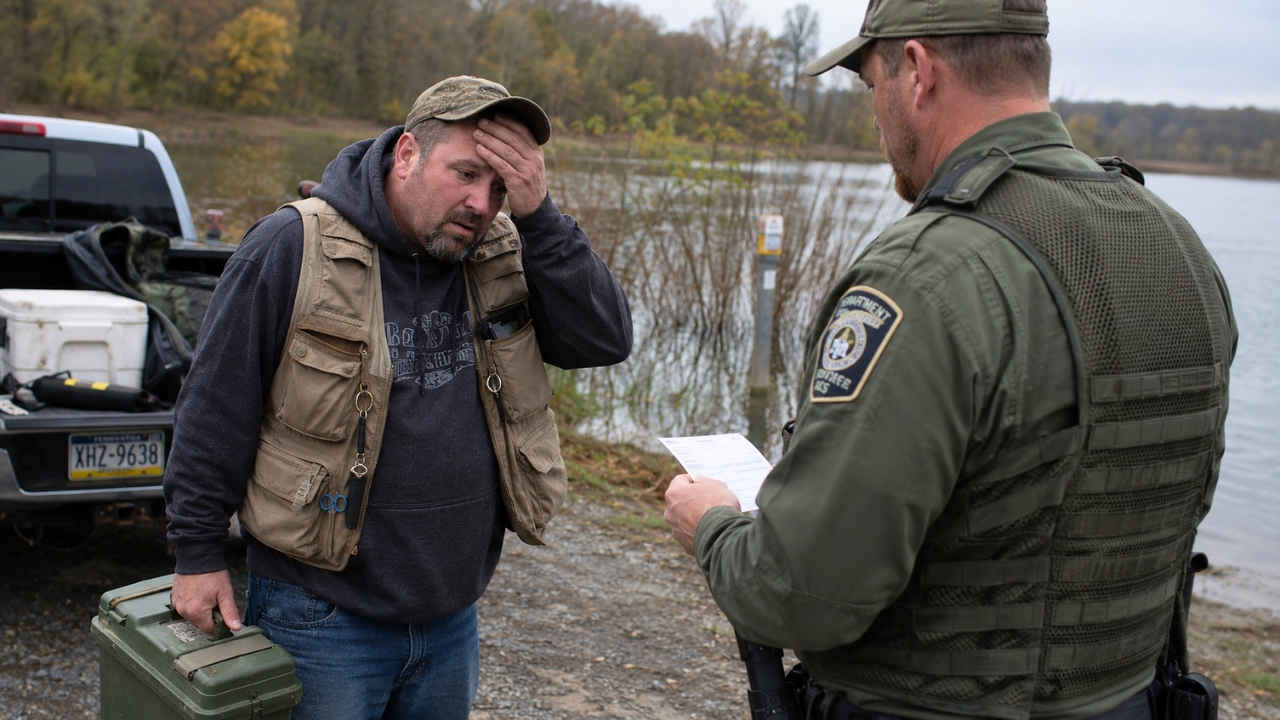
A fishing trip in Virginia turned into a bigger concern than one man expected after he said he was cited for fishing without the proper licenses and immediately started worrying about what the ticket could mean for his future.
According to the poster, he was visiting from out of state when he went fishing and ended up receiving citations for not having the required licenses. At first, it may have sounded like a simple mistake: someone unfamiliar with the local rules goes fishing and gets caught without the right paperwork.
But the poster’s concern went beyond the fine.
He said he had a security clearance, or was connected to work where that kind of background issue mattered, and he worried that paying the ticket might make it look like he was admitting to a criminal offense. He explained the situation in a Reddit post and asked whether a no-license fishing ticket could affect his record or clearance: https://www.reddit.com/r/legaladvice/comments/muj8hp/no_fishing_license_ticket_effect_on_security/
The ticket sounded minor until the paperwork mattered
For a lot of people, a fishing-license citation feels like one of those annoying outdoor mistakes.
You forget to buy the license. You misunderstand whether you need a state license, a county license, or both. You assume one license covers more than it does. Then a game warden checks you, and suddenly the afternoon costs more than you planned.
But this poster was not just worried about the money.
He was worried about what the citation meant legally.
That is where these cases can get uncomfortable. A person may see it as a technical mistake, but the state may treat it as a violation, misdemeanor, or court-handled offense depending on the law. The wording on the ticket matters. The court process matters. Even the way someone resolves it can matter if they work in a field where legal history gets reviewed closely.
To someone with a security clearance, “just pay the ticket” may not feel simple at all.
Fishing laws can be confusing for visitors
The frustrating part of this kind of situation is that licensing rules are not always obvious to people from out of state.
Some places require one simple statewide fishing license. Others have extra stamps, special permits, trout privileges, saltwater rules, county permits, or separate requirements depending on where someone is fishing.
A visitor may honestly think he is doing enough and still be wrong.
That does not mean the ticket goes away. Wildlife agencies usually expect anglers to know the rules before casting a line. But it does explain why people get caught off guard.
The poster seemed especially concerned because he did not want a small outdoor mistake to follow him into his career. In his mind, the issue was not whether he had been trying to cheat the system. It was whether the citation could become a black mark in a background check.
Commenters told him not to guess his way through it
Commenters largely focused on the importance of handling the citation properly.
Some warned that he should not assume the ticket was meaningless just because it involved fishing. Others pointed out that security-clearance issues often depend less on the ticket itself and more on honesty, disclosure, and whether someone tries to hide it.
That was the big theme: do not ignore it, and do not pretend it never happened.
A few commenters suggested checking the exact classification of the offense. Was it a civil infraction? A misdemeanor? Did it require court? Could it be dismissed after proof of a license, completion of a process, or payment of a fine?
Those details could make a big difference.
The advice was not to panic, but also not to casually click “pay” without understanding what that payment meant.
The real problem was uncertainty
The strange thing about fishing-license tickets is that they sit in a gray area for many regular people.
They are not usually viewed like serious crimes. Most anglers would not put forgetting a license in the same moral category as theft, assault, or reckless behavior. But when a citation is tied to court, a record, or a career-sensitive background check, the stakes suddenly feel much higher.
That is what made this story work.
The man was not saying he had done something dramatic. He was saying he made a mistake, got cited, and then realized he did not know whether the consequences stopped at a fine.
For anyone who hunts, fishes, travels, or works in a job where background reviews matter, the lesson is pretty clear: check the rules before you go, especially across state lines.
A license is usually cheap.
The legal uncertainty after getting caught without one can be a whole lot more expensive.
Like The Avid Outdoorsman’s content? Subscribe to our newsletter so you never miss an article.
Here’s more from us: