Photo credit: Talon Sei/ YouTube
Bushcraft skills have been gaining serious traction as more people look to disconnect from modern comforts and reconnect with the land. Whether it’s learning to build shelters, process firewood, or carve tools, having the right knife makes all the difference. A good bushcraft knife isn’t just sharp—it needs to be tough, comfortable in hand, and able to take on everything from fine carving to batoning through logs.
The market is packed with options, but not all of them can handle real work in the field. A proper bushcraft knife holds an edge, resists corrosion, and feels like an extension of your hand. After years of testing knives in tough conditions, I’ve found a handful that stand out. These are the blades that have earned a permanent spot in my pack.
Benchmade 165 Mini Bushcrafter
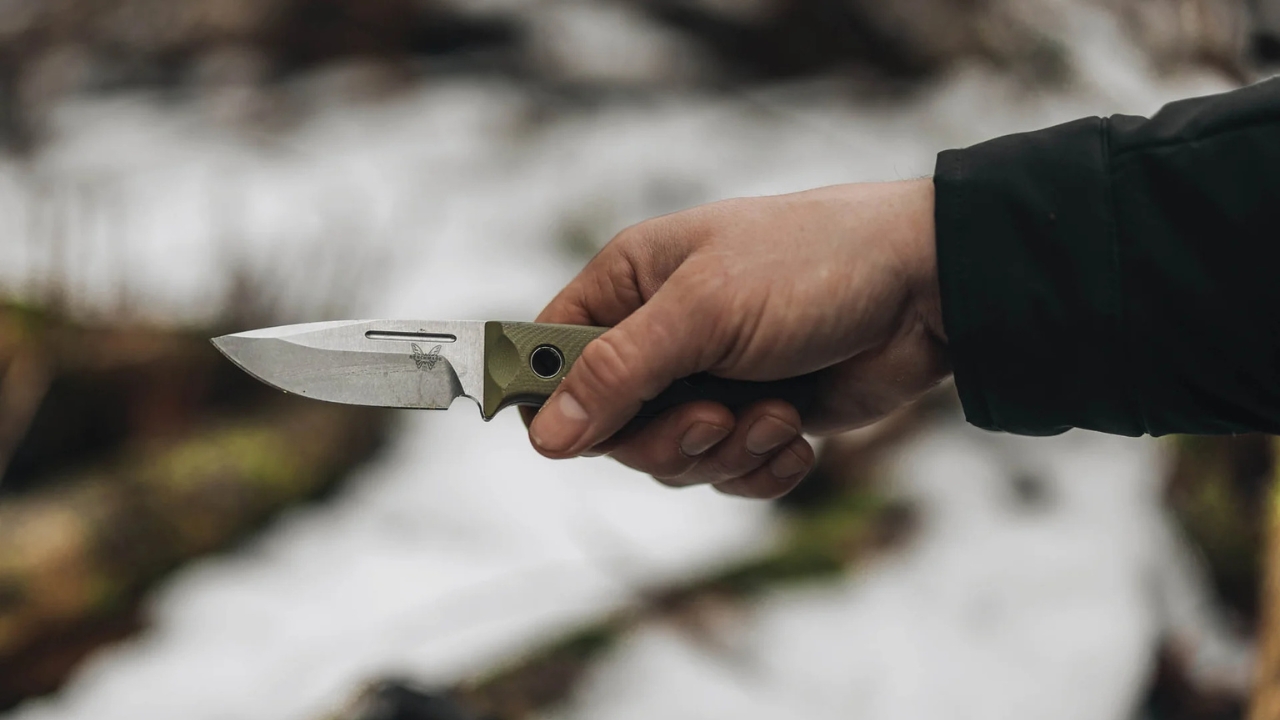
A proper bushcraft knife should feel like an extension of your hand—strong, precise, and reliable. The Benchmade 165 Mini Bushcrafter is all that and more. Made from CPM-S30V stainless steel, it holds an edge well and won’t rust on you in wet conditions. The flat grind and false edge make it versatile for carving, puncturing, and slicing.
This knife is built tough but stays compact enough for controlled cutting. The handle tapers just right, keeping your hand comfortable during long sessions of whittling or fire prep. The leather sheath could be better—it’s right-hand only, and it won’t outlast the blade. But if you want a bushcraft knife that’ll handle everything you throw at it, this one’s got the muscle to back it up.
Morakniv Companion Spark

A solid bushcraft knife doesn’t have to cost a fortune, and the Morakniv Companion Spark proves it. It’s got everything you need—Sandvik 12C27 stainless steel, a sharp Scandi grind, and a rubberized grip that won’t slip even when wet. It even packs a fire starter right in the handle, giving you a built-in backup for getting a flame going.
For a budget knife, this thing punches well above its weight. The only downside is the broken spine, which makes striking a ferro rod a little trickier. But for the price, it’s a no-brainer. It’s tough enough for batoning, sharp enough for carving, and light enough to carry without thinking twice.
LT Wright Jet Natural Micarta CPM-3V
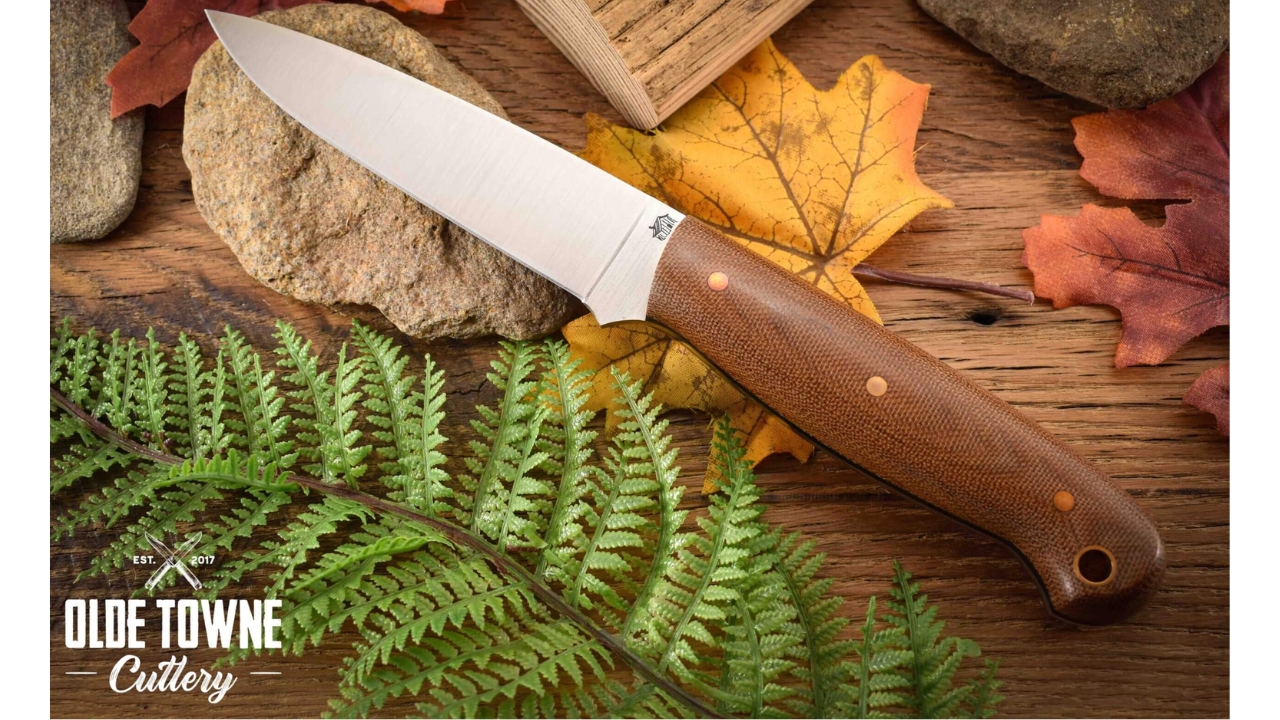
The LT Wright Jet is built for serious bushcraft work. Its 4.5-inch CPM-3V steel blade holds up under heavy use, whether you’re processing wood, skinning game, or making feather sticks. The full flat grind makes cutting easy, and the natural micarta handle gives a solid grip in any condition.
This knife is designed for hard use, and it shows. The custom leather sheath has a fire steel loop and a dangler for easy carry, and the lanyard hole lets you secure it when you’re working in tricky conditions. If you’re heading deep into the woods, this is a blade you can count on.
Tops B.O.B. Fieldcraft Hunter

The Tops B.O.B. Fieldcraft Hunter is one of those knives that just feels right the moment you pick it up. The balance is spot-on, the grind is excellent, and the 154CM stainless steel blade holds an edge even after heavy use.
At 4.75 inches, the blade is the perfect size for just about any bushcraft job—batoning, carving, or slicing. Some folks say the G10 handle is a little slick, but in my hands, it feels just right. At around $155, it’s a steal for a knife of this quality. Made in the USA, built to last, and sharp enough to handle anything, this one’s a keeper.
Benchmade Bushcrafter

Benchmade doesn’t mess around when it comes to knives, and the Bushcrafter is proof of that. This thing is built for serious work. The CPM-S30V steel is tough as nails, the G10 handle feels rock-solid, and the full-tang design can take a beating.
This knife makes batoning wood feel effortless. It’s got the weight to power through logs and the sharpness to handle fine carving. The price tag is steep—around $400—but once you get your hands on it, you’ll know exactly where that money went. If you want a high-end bushcraft knife that’s built to last, this is it.
Ka-Bar Fighter
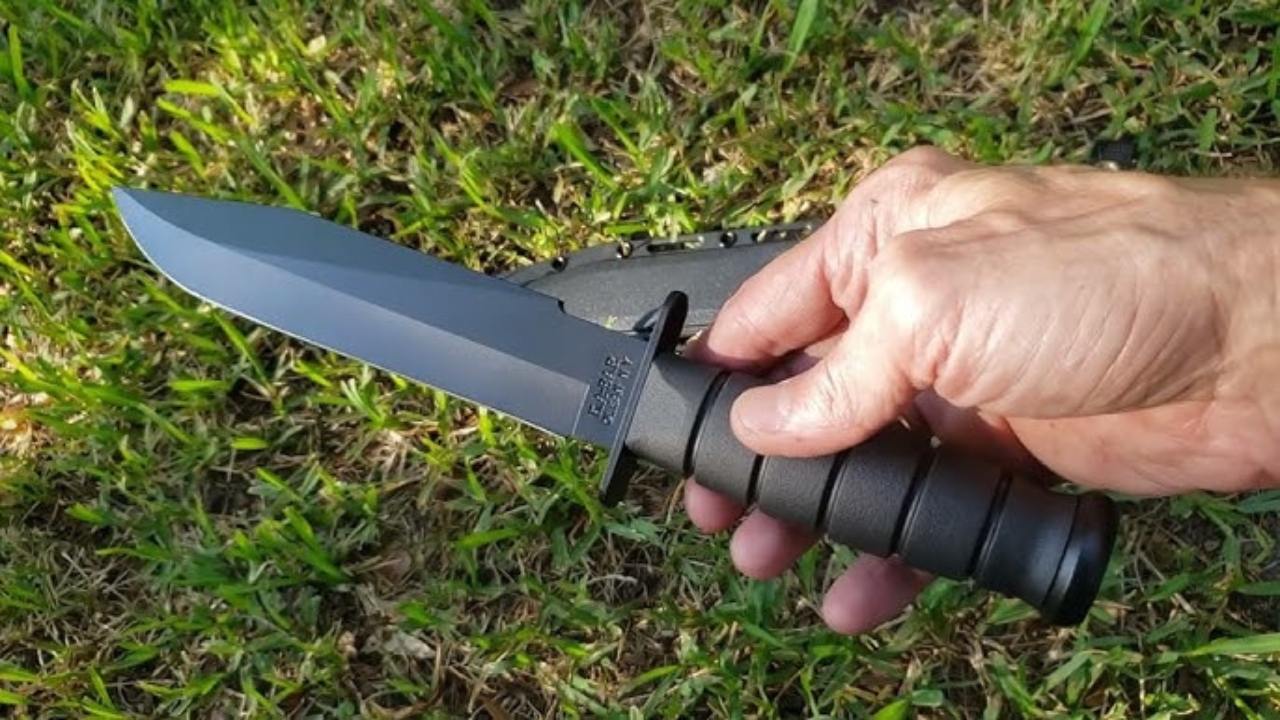
The Ka-Bar Fighter is built for anyone who wants a serious workhorse of a knife without gimmicky serrations. At 7.25 inches, this blade is big enough to split wood with ease, and the 1095 Cro-Van steel keeps a solid edge even after hard use. It’s a great option for extended shelter building, camp prep, and anything else that demands a tough, full-sized blade.
The handle is where this knife really stands out. The Kraton G copolymer has a solid, slightly rubberized grip that locks into your hand even when wet. The only downside is the sheath—it’s cheap, and the retention is hit or miss. Pick up an aftermarket option, and you’ll have a blade that can handle just about anything.
Uncharted Supply Co. Empire
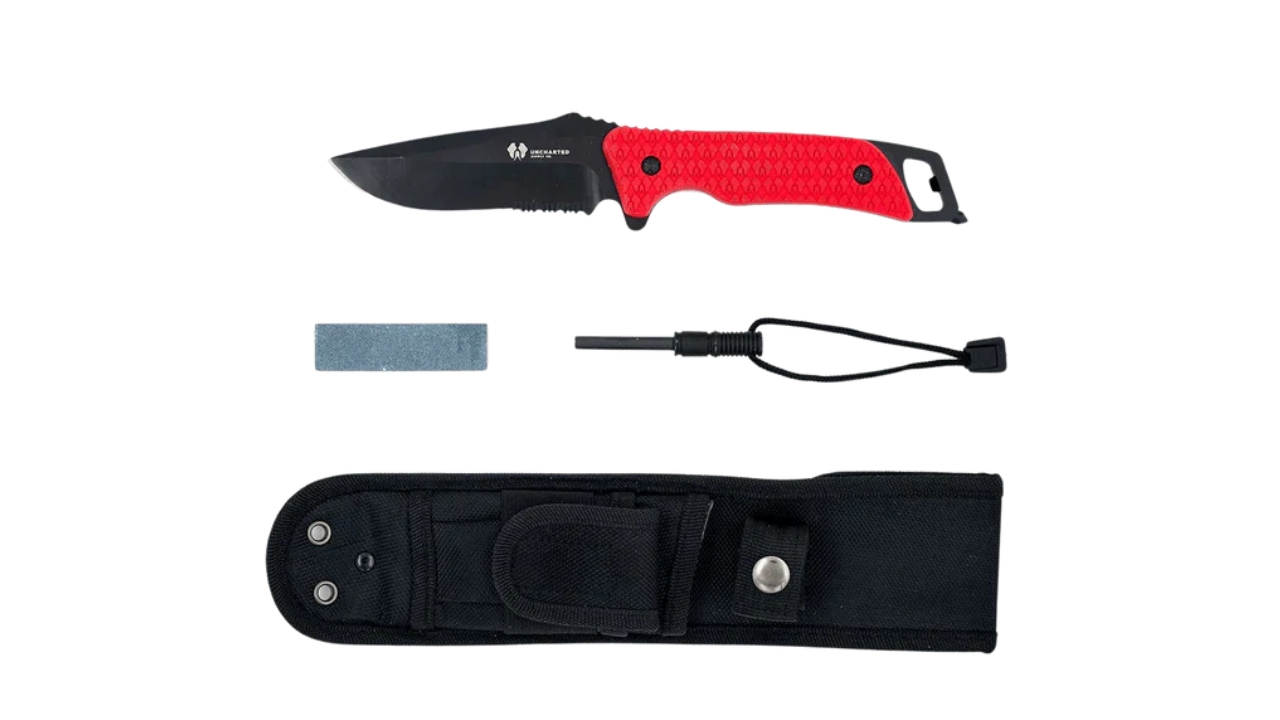
A lot of bushcrafters steer clear of serrated blades, but there’s a time and place for them—especially when you’re dealing with rope, paracord, or fibrous materials. The Empire has a more subdued serration that doesn’t feel gimmicky, and the rest of the blade has a solid flat grind that handles batoning, slicing, and carving with ease.
The ergonomics on this knife are excellent. The rubberized grip, thumb rise, and finger groove make for a secure hold that won’t slip even with prolonged use. It’s a bit on the heavy side at 15 ounces, and the sheath isn’t great, but for $40, you’re getting a tough, functional blade with a built-in sharpener and ferro rod—hard to argue with that value.
ESEE 6

The ESEE 6 has earned its reputation as one of the most reliable bushcraft knives out there. The 1095 carbon steel blade holds a wicked edge and has one of the best flat grinds available for carving and fire prep. Whether you’re making feather sticks, V-notches, or batoning wood, this knife just works.
The jimping along the spine adds extra control for finer tasks, and ESEE’s heat treatment on their 1095 steel means you’re getting excellent edge retention. The sheath is the weak point, but that’s nothing new. What really sets this knife apart is ESEE’s no-questions-asked lifetime warranty. Break it, dull it, wear it down—they’ll replace it. That kind of backing tells you all you need to know.
GiantMouse ACE Jagt Knife
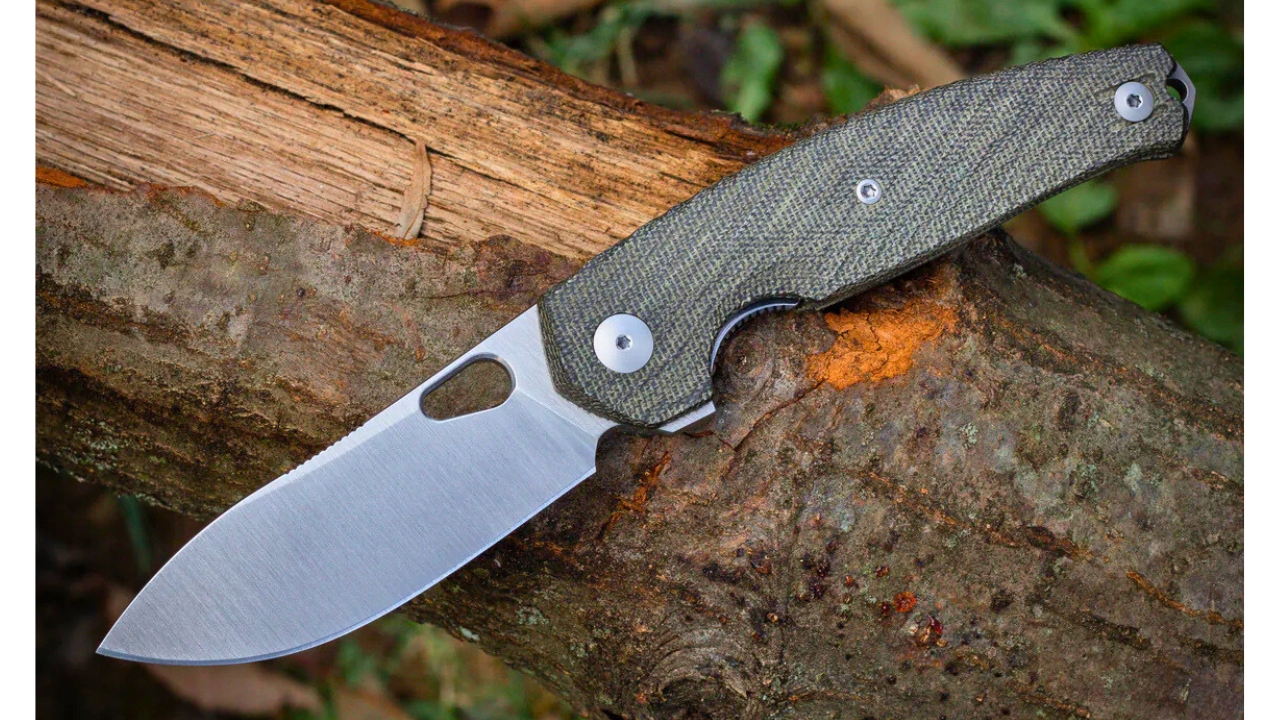
The Jagt takes inspiration from the old-school Nessmuk blade, making it a perfect do-it-all bushcraft knife. The MagnaCut steel is a major win here—holds an edge, resists corrosion, and stands up to serious abuse. It’s a knife that can handle everything from skinning game to processing wood, all while being compact enough to carry every day.
The micarta handle has just the right amount of grip, and the blade balance makes it easy to control for precision work. It’s not perfect—the rounded edges make striking a ferro rod tricky, and the spine jimping might be a stretch for smaller hands. But if you want a bushcraft knife that can also pull double duty in the kitchen or on the hunt, this one’s worth a serious look.
Demko FreeReign

The FreeReign is a lightweight but rugged knife built for hard use. At just 7 ounces, it feels good in the hand without sacrificing durability. MagnaCut steel gives it an edge (literally) over a lot of other bushcraft blades—it’s tough, holds an edge, and shrugs off corrosion.
The grippy rubber handle keeps your hold secure in any condition, and the included sheath is actually solid. It rides low enough to stay out of the way and has extra slots for lashing it to a pack or even carrying it as a neck knife. Right now, the MagnaCut version is tough to find, but the AUS-10A model still gets the job done for half the price. If you’re after a lightweight bushcraft blade that doesn’t compromise on strength, this one’s a solid choice.
*This article was created with the assistance of AI.