
Image Credit: JLFCapture from Getty Images Signature/Canva Pro.
Mistakes on the water cost fish, and anyone who’s serious about fishing knows that. It’s not luck that fills the cooler—it’s knowing what works and what doesn’t. Some mistakes are obvious, like using the wrong bait or tying a weak knot. Others sneak up on you, like fishing dead water or ignoring the wind.
Fish don’t give second chances. The best anglers pay attention to the details, correct their mistakes, and keep their rods bent. These are the mistakes to avoid.
Fishing with Worn-Out Line
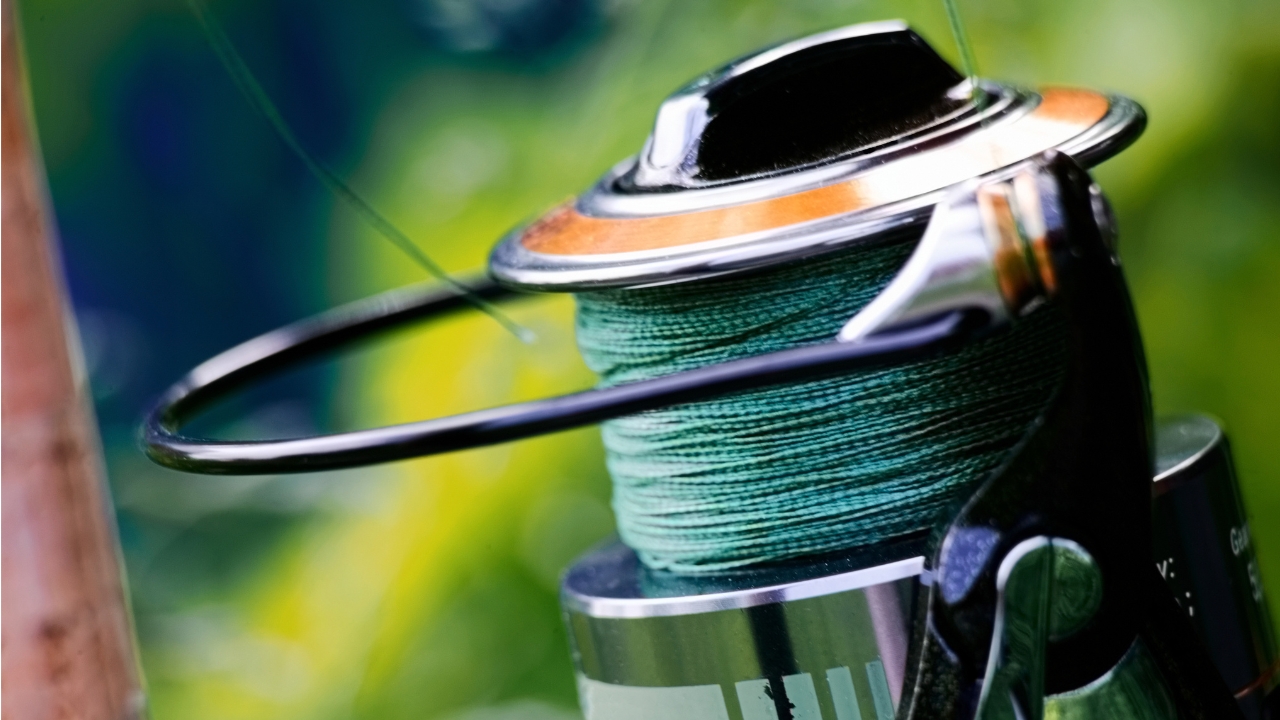
A weak fishing line will cost anyone fish, no matter how good the rest of the setup is. If the line is frayed, brittle, or past its prime, it’s only a matter of time before it snaps at the worst moment.
Check the line before every trip. Monofilament breaks down from sunlight and water, so swap it out regularly. Fluorocarbon lasts longer but gets nicked up fast. Braid is tough but frays over time, especially around structure. Keep an eye on it, re-tie often, and don’t get lazy about replacing old line. A fresh spool is a cheap insurance policy against losing fish.
Letting Too Much Slack in the Line
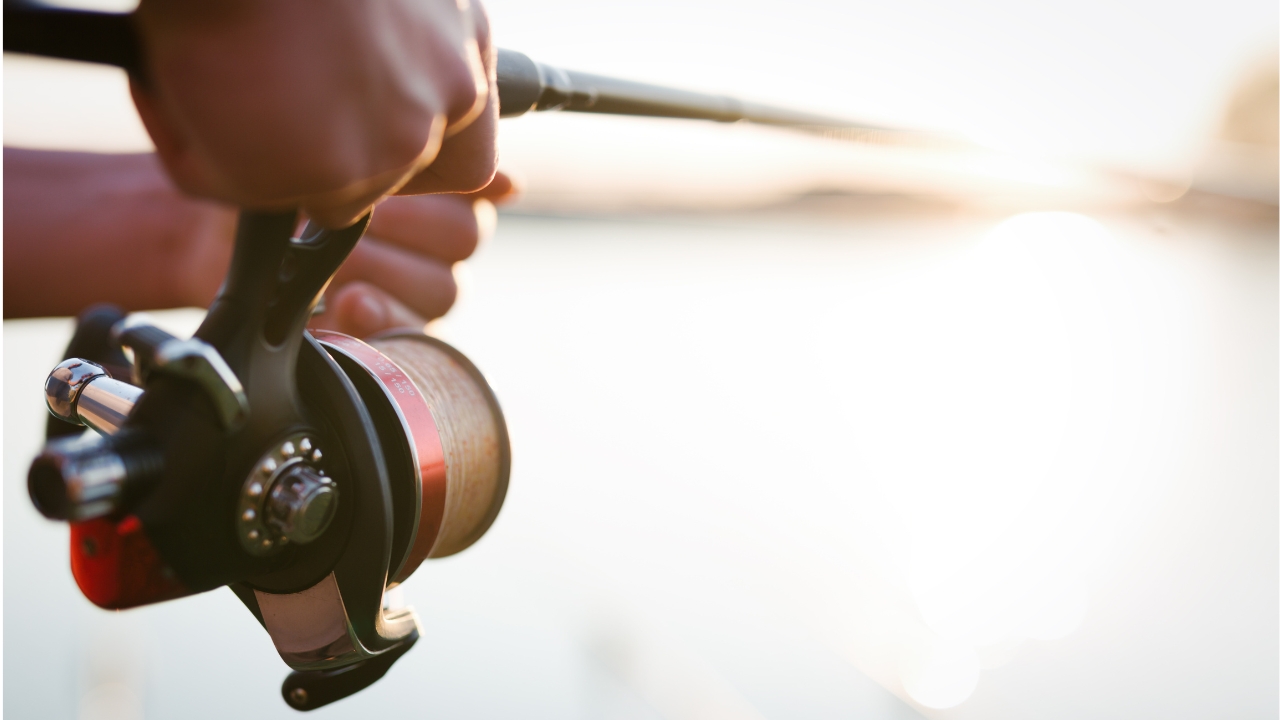
A loose line gives fish an easy out. It makes it harder to feel a bite, and when it’s finally time to set the hook, half the energy gets lost in that extra slack. By the time the hook hits home, the fish is gone.
Keep steady tension. If the line starts to belly in the wind or current, reel just enough to stay connected. If a fish swims toward the boat, crank fast to pick up slack before setting the hook. The more control over the line, the better the chances of getting fish in the boat.
Getting Too Excited and Rushing the Cast
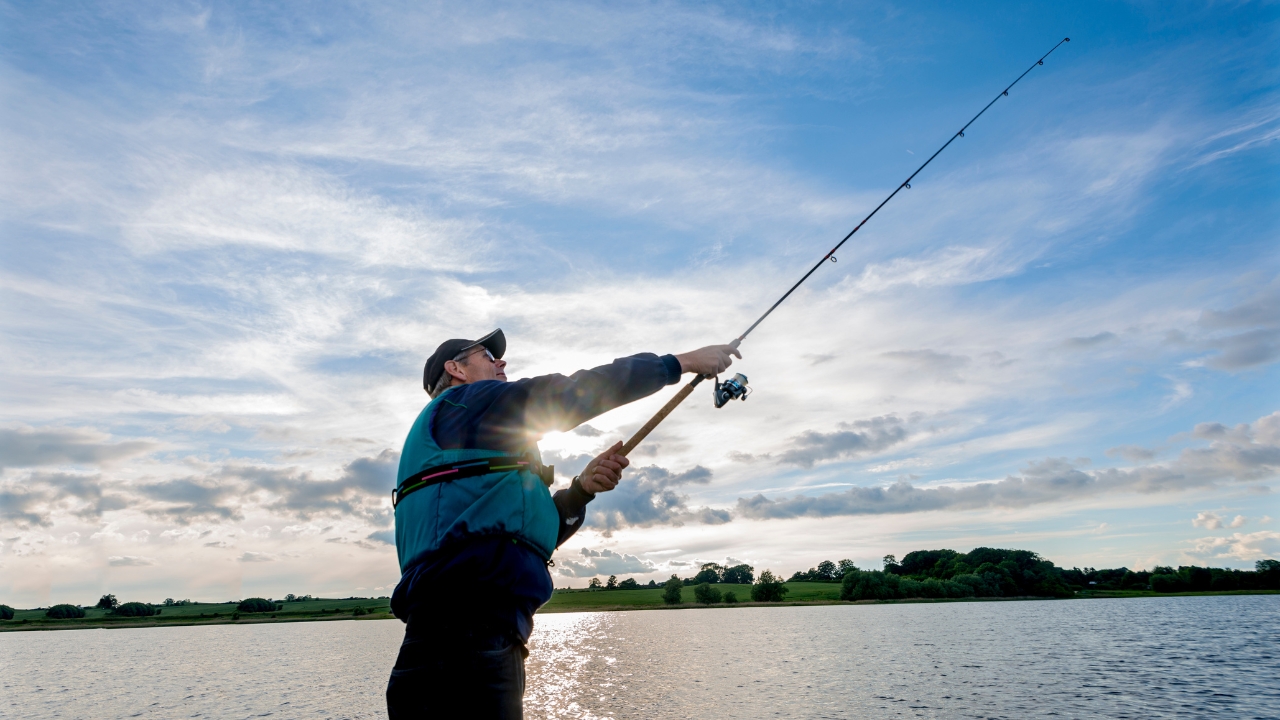
Seeing a big fish in the water has a way of making people forget everything they know. The rod gets whipped back too fast, the cast is rushed, and instead of landing where it needs to, the bait smacks the water like a brick and spooks the fish.
Slow down. Make the cast count. If the fish is moving, lead it instead of throwing right on top of it. If the water’s calm, don’t send a splash loud enough to scare everything in a ten-foot radius. Good anglers know when to take the shot, and when to wait half a second and do it right.
Using the Wrong Bait or Lure
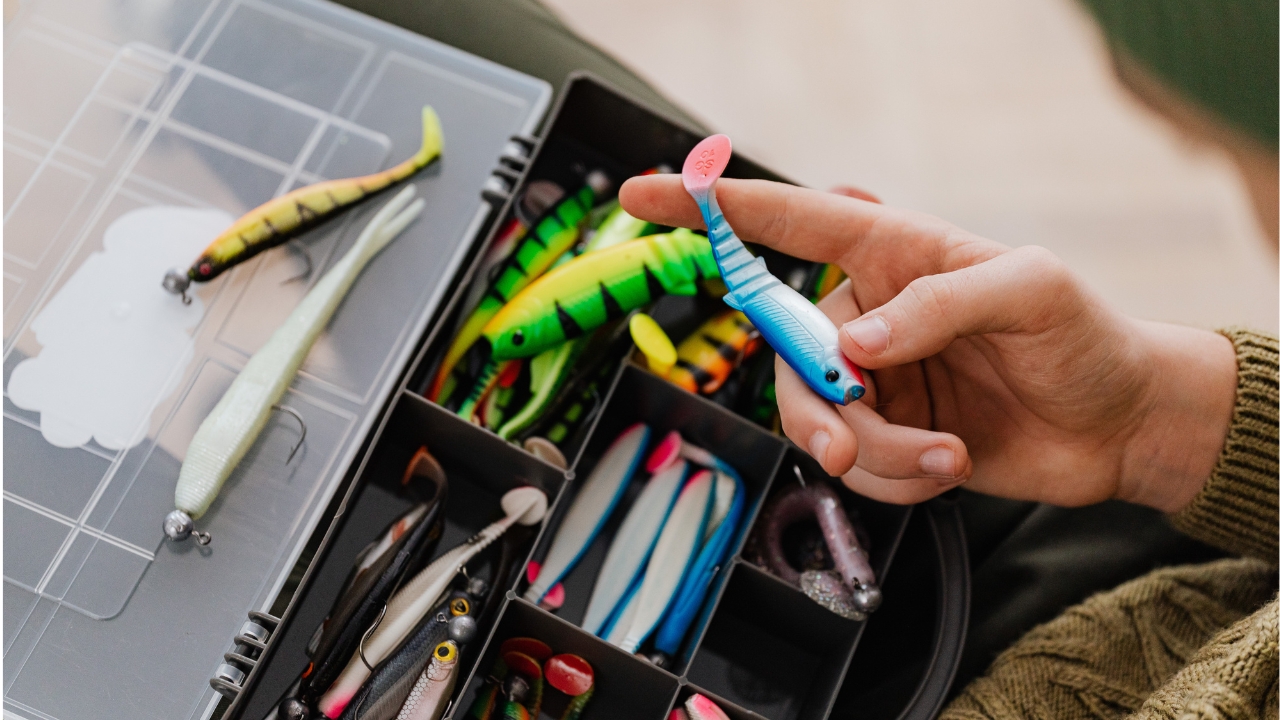
Fish aren’t going to eat something that doesn’t look natural or fit their mood. If you’re throwing a topwater frog in the middle of winter or using bright, flashy lures in crystal-clear water, you’re making it easy for fish to ignore you.
Match the hatch. If fish are feeding on small shad, don’t throw a giant swimbait. If the water is murky, use something with vibration or scent. If the bite is slow, downsize your bait or switch to something more subtle. The right presentation at the right time makes all the difference.
Setting the Hook Too Hard or Too Soft
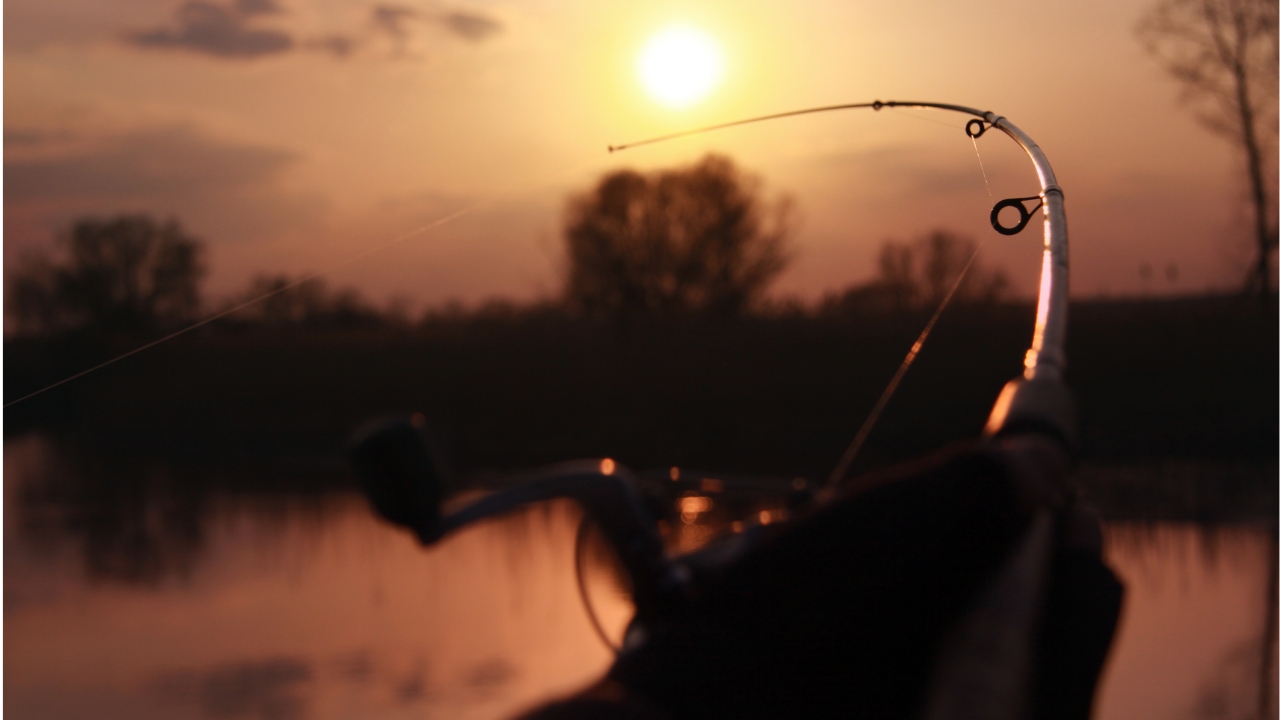
Setting the hook isn’t just about yanking back on the rod. Some fish need a quick snap of the wrist, while others require a solid pull to drive the hook home. Too hard, and you’ll rip the hook out. Too soft, and the fish spits it before you even realize what happened.
Know your tackle. With treble hooks, a steady sweep works best. For single hooks, a firm but controlled hookset does the job. If you’re using braid with no stretch, lighten up so you don’t rip lips. If you’re fishing monofilament, set it harder to make up for the stretch. Get it right, and you won’t be losing fish at the boat.
Not Checking Your Knots
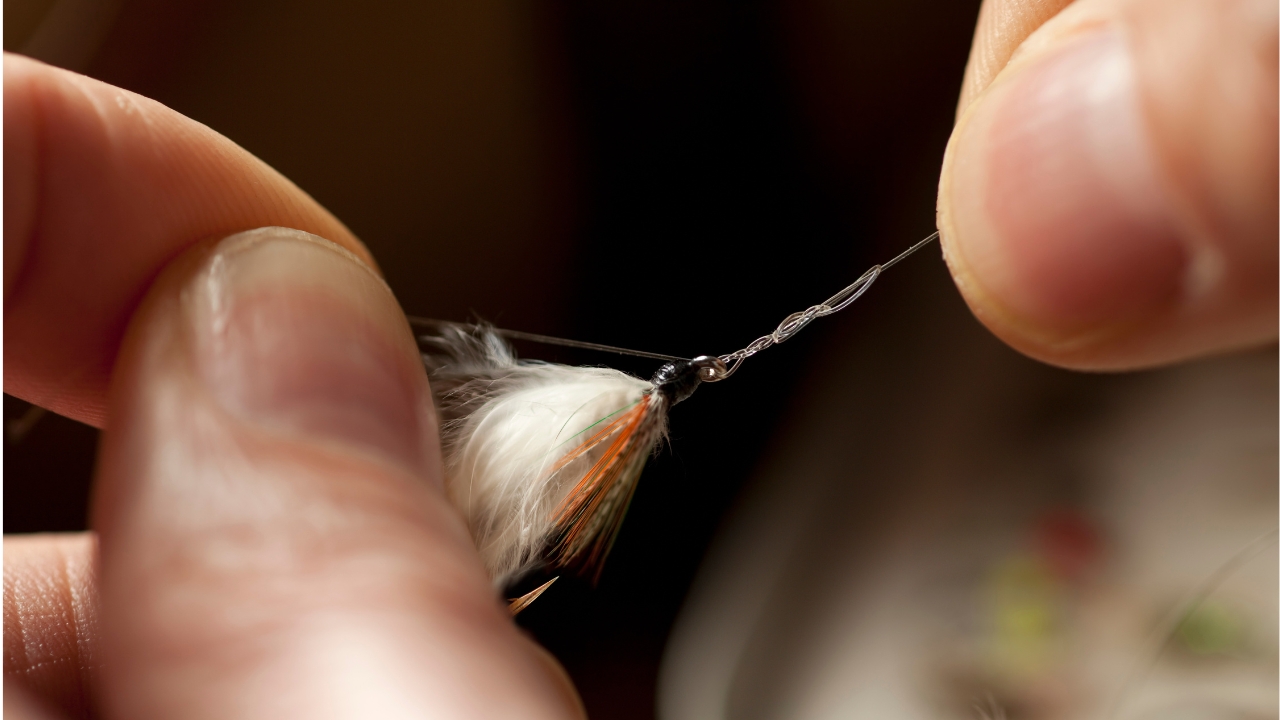
A bad knot will cost you fish, plain and simple. If you’re not tying strong, clean knots, you’re rolling the dice every time you hook into something big.
Always check your knots before casting, especially after catching a fish or changing lures. If you see frayed line near the knot, retie it. Some knots work better for certain lines—use a Palomar or improved clinch for mono and fluoro, and go with a uni or FG knot for braid-to-leader connections. A few extra seconds tying a good knot is better than losing a trophy fish to a bad one.
Fishing at the Wrong Time of Day
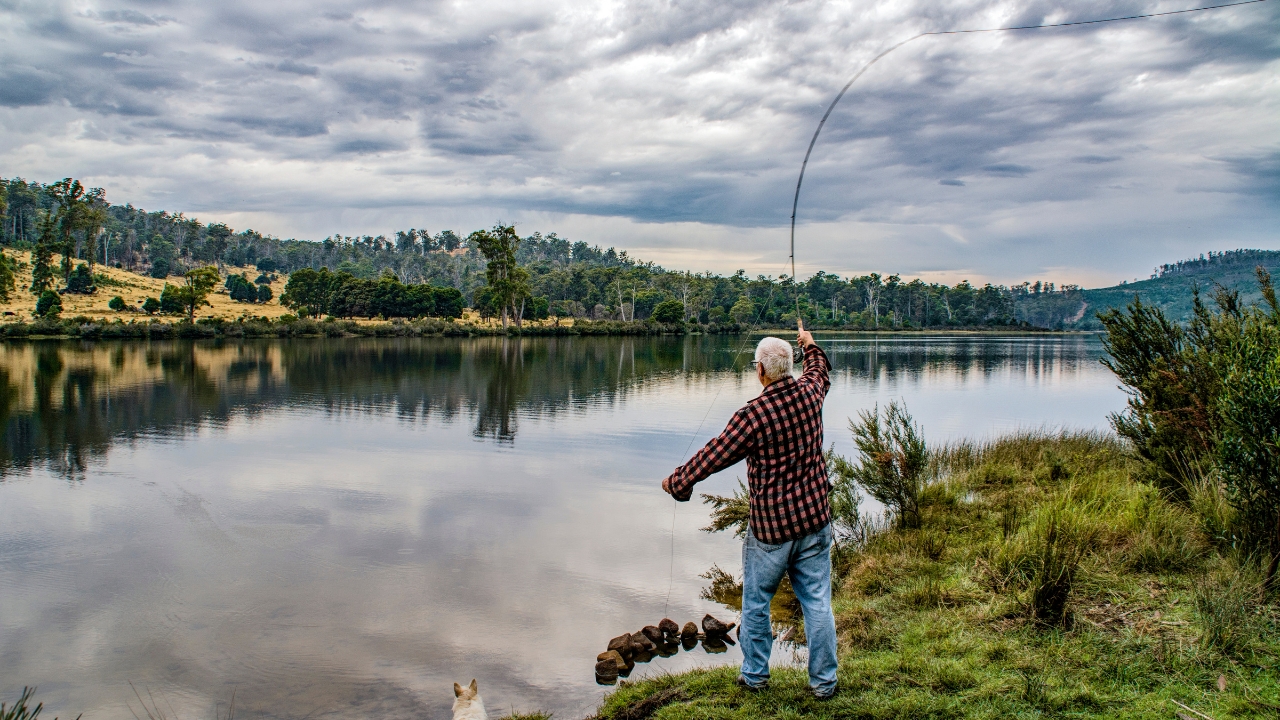
You can catch fish anytime, but there are windows when they’re actively feeding—and if you miss them, you’ll work twice as hard for half the results.
Early morning and late evening are usually prime time, especially in warmer months. Fish are more active, and low light makes them less cautious. Midday, when the sun is high, often slows things down, but shade, deeper water, or overcast conditions can keep the bite going. Pay attention to when fish are biting, and adjust your timing to match.
Ignoring Local Knowledge

You might have all the right gear, but if you don’t know the habits of the fish where you’re fishing, you’re guessing. A bait that works great in one lake might get ignored in another.
Talk to local anglers, check fishing reports, and watch how others are fishing. If everyone is catching fish on live bait and you’re stubbornly throwing a topwater plug, you’re making things harder than they need to be. Local knowledge can be the difference between guessing and actually catching.
Using the Wrong Line for the Job
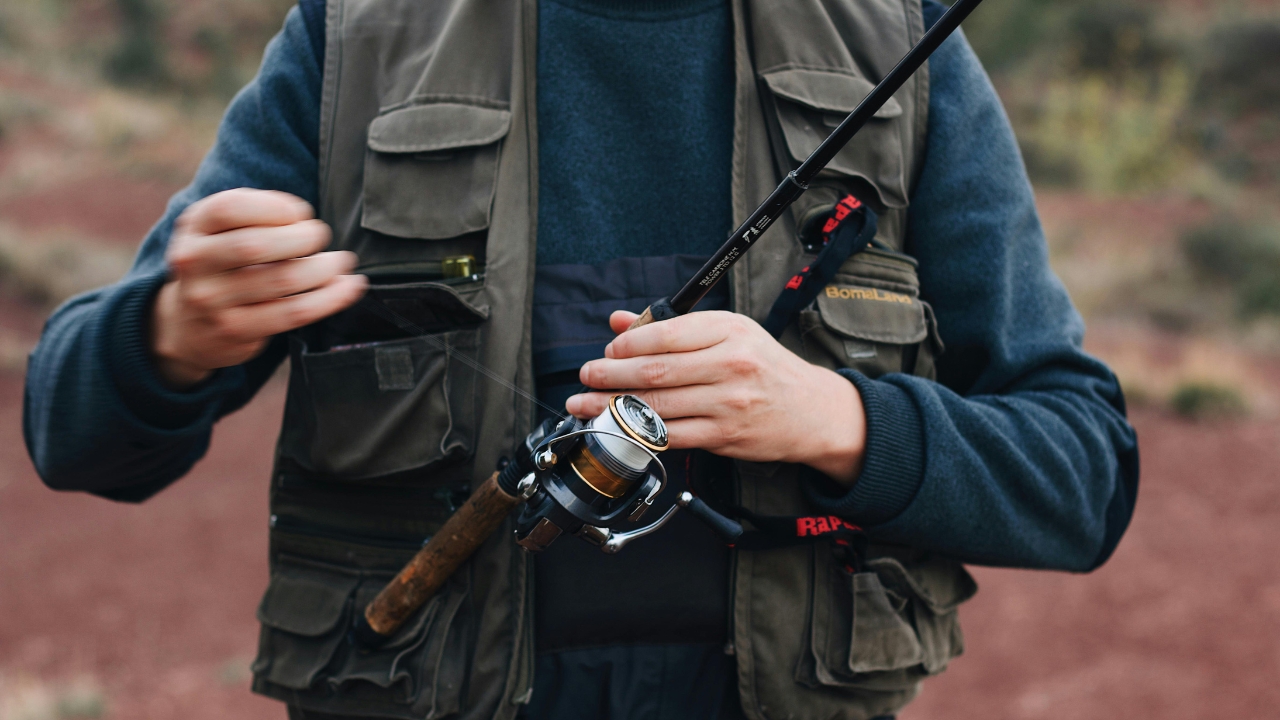
Fishing line isn’t one-size-fits-all. Too heavy, and you’ll spook fish or ruin your lure action. Too light, and you’ll snap off at the worst possible time. Every species, technique, and environment calls for the right balance of strength, stretch, and visibility.
Match your line to the situation. Monofilament has stretch and floats, making it solid for topwater lures and live bait. Fluorocarbon sinks and is nearly invisible, which makes it a go-to for finesse fishing. Braid is strong and sensitive but stands out in clear water, so it usually needs a leader. Pick the right tool for the job, and you’ll land more fish.
Ignoring the Weather and Water Conditions
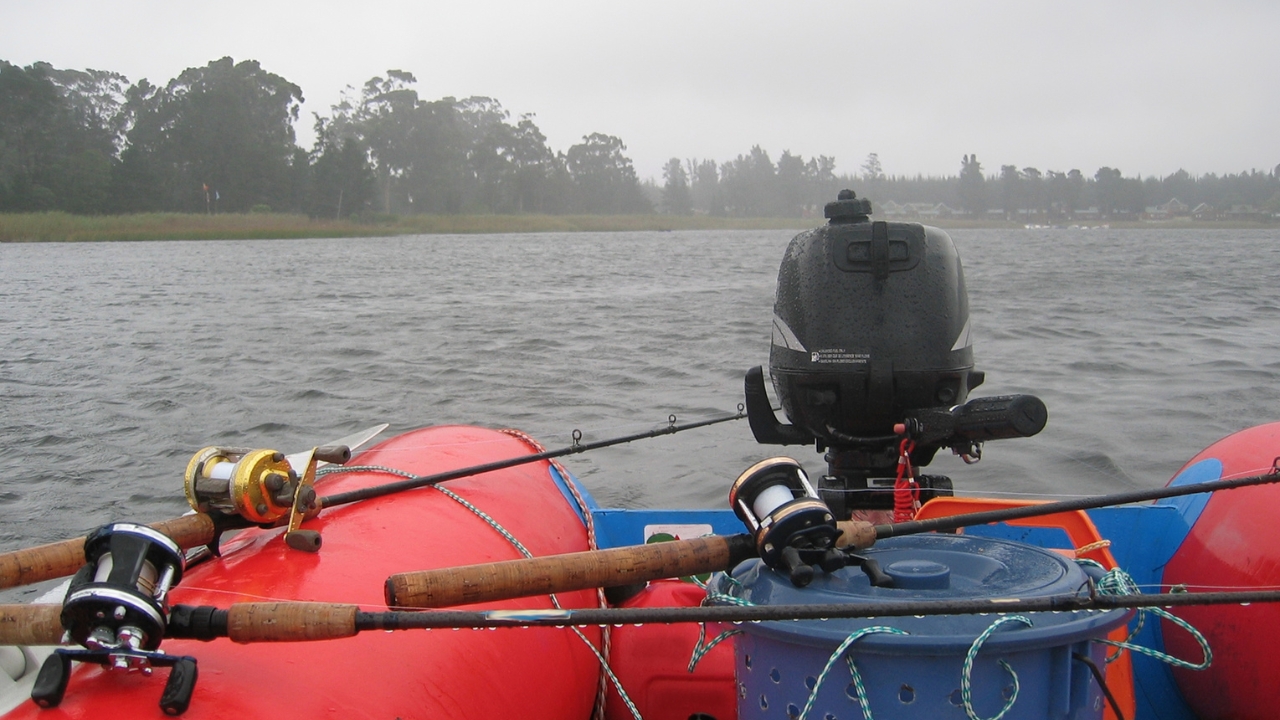
Fish don’t just bite when it’s convenient for you. Barometric pressure, temperature swings, and wind direction all affect how they behave. If you’re fishing the same way on a bluebird day as you do before a storm, you’re leaving fish in the water.
Overcast skies and incoming weather get fish moving, while high pressure and bright sun can shut them down. Wind stirs up bait and oxygenates the water, making it a prime time to fish wind-blown banks. Water temperature matters too—cold fish are sluggish, while warm fish are aggressive. Pay attention to these details, and you’ll start catching when others are skunked.
Sticking to One Spot for Too Long
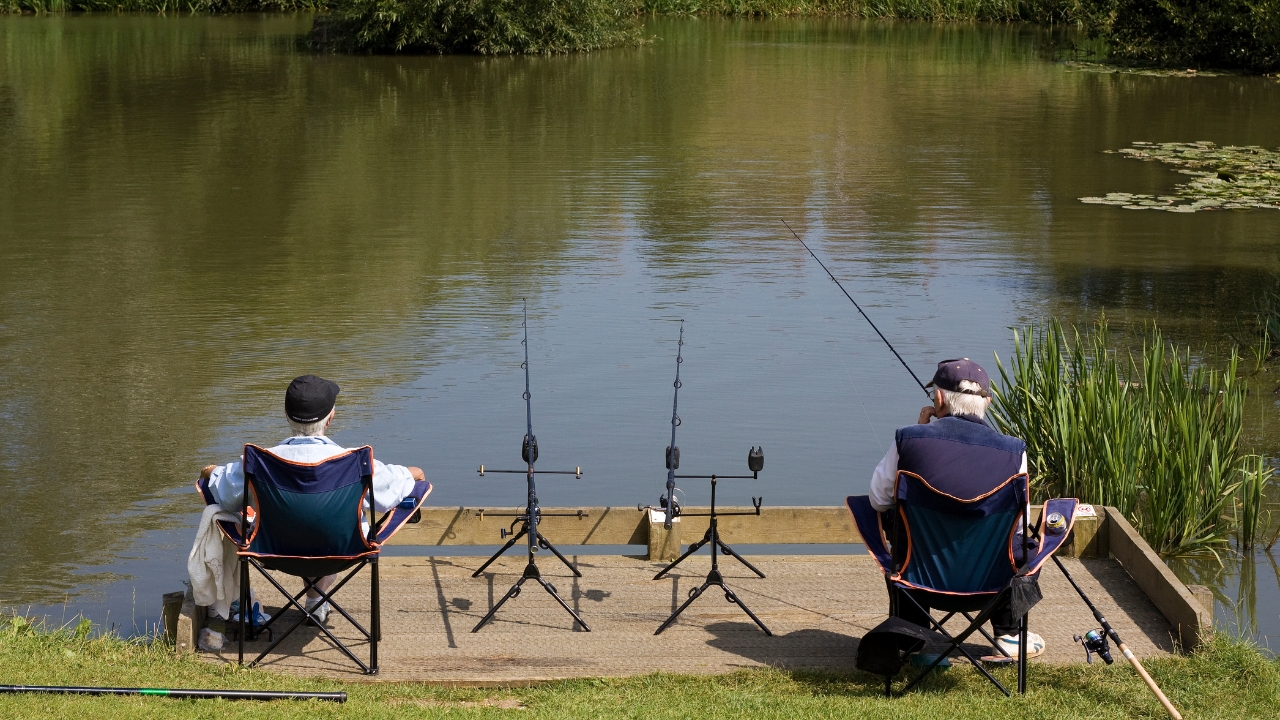
Just because a spot produced last week doesn’t mean fish are still there. Some anglers waste half the day waiting for fish to show up instead of moving to where the fish actually are.
Give a spot 15 to 20 minutes. If you’re not getting bites or seeing any life—no baitfish, no surface activity, no birds diving—it’s time to move. Cover water until you find them. If you’re on a boat, use electronics to locate structure or bait schools. Bank fishing? Walk the shoreline and cast to different areas. Fish aren’t going to wait for you, so don’t wait for them.
Fishing the Wrong Depth
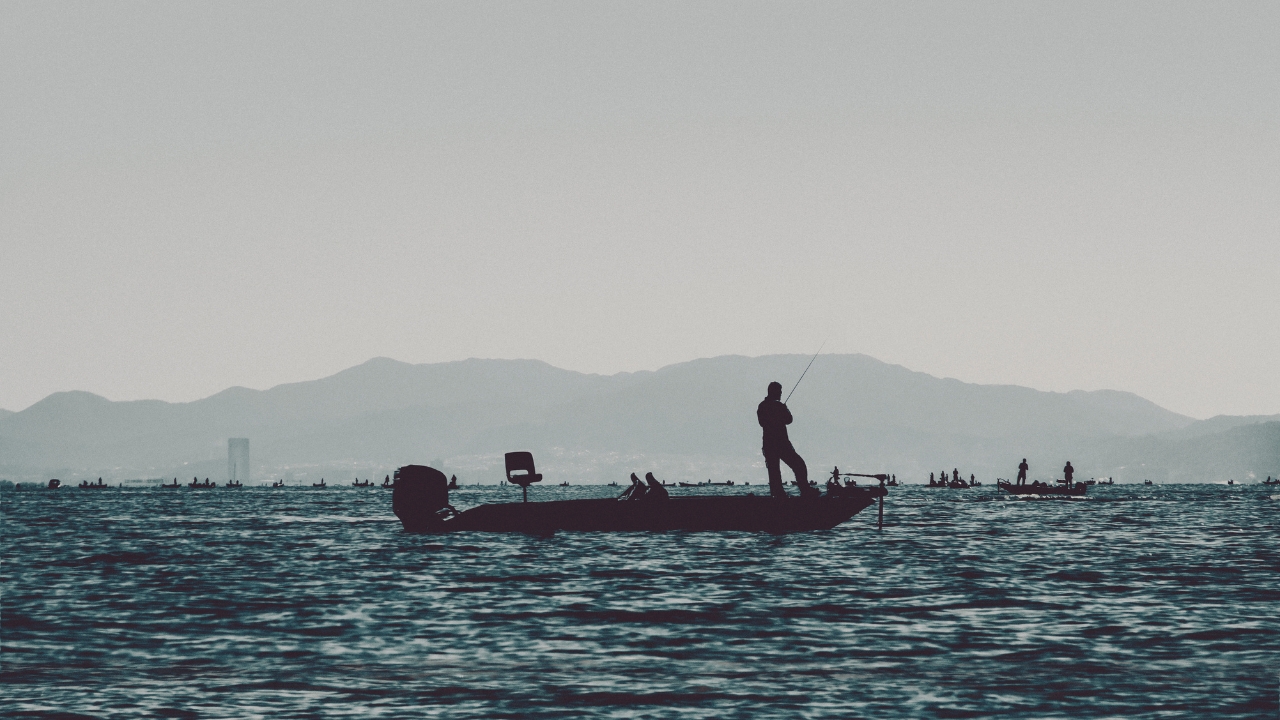
If you’re not catching fish, chances are you’re fishing the wrong part of the water column. Most fish aren’t sitting right on the surface, and plenty of anglers spend all day casting to empty water.
Start shallow and work deeper, or vice versa, depending on conditions. Weighted rigs, heavier lures, or counting down before retrieving will help you hit the right depth. Pay attention to where your bites are coming from. If fish are hitting a bait five feet down, there’s no reason to fish at ten. Adjust and start catching instead of just casting.
Using a Dull Hook

A dull hook turns bites into missed fish. If you’re setting the hook and coming up empty, your hook point might be the problem.
Check your hooks often. If they don’t dig into your thumbnail with light pressure, they’re too dull. Sharpen them or swap them out. Fishing around rocks or hard structure will wear down a point fast, so don’t assume it’s good just because it was sharp when you tied it on. A sharp hook is the difference between telling a story about the one that got away and pulling it into the boat.
*This article was created with the assistance of AI.


