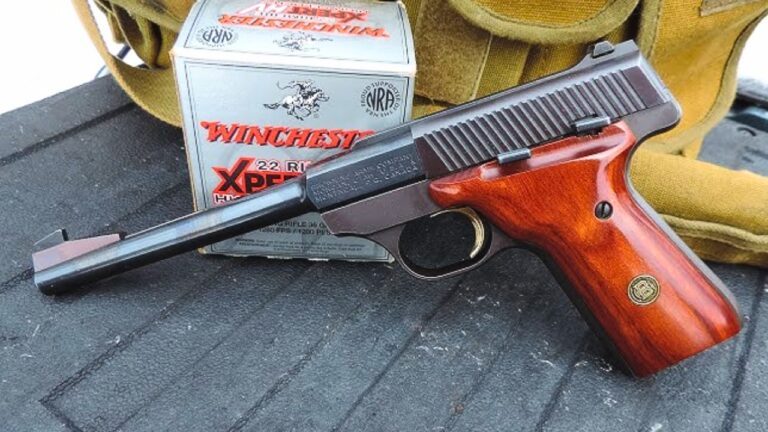
Photo credit: Vortex Nation/YouTube
A lot of shooters get stuck in the same handful of calibers because that’s what gets talked about, stocked deep, and pushed hard online. Meanwhile, some genuinely useful rounds sit in the shadows—doing real work for hunters, hikers, handloaders, and practical shooters who care more about results than trends. These “forgotten” calibers aren’t magic, and they’re not perfect. What they are is efficient: they solve specific problems with less recoil, better penetration, flatter shooting, or more versatility than their popularity would suggest.
If you’re the kind of shooter who pays attention to how a cartridge behaves on targets and game—not just what people argue about on forums—these are worth knowing. They don’t get enough attention, but they keep earning respect where it counts.
.257 Roberts
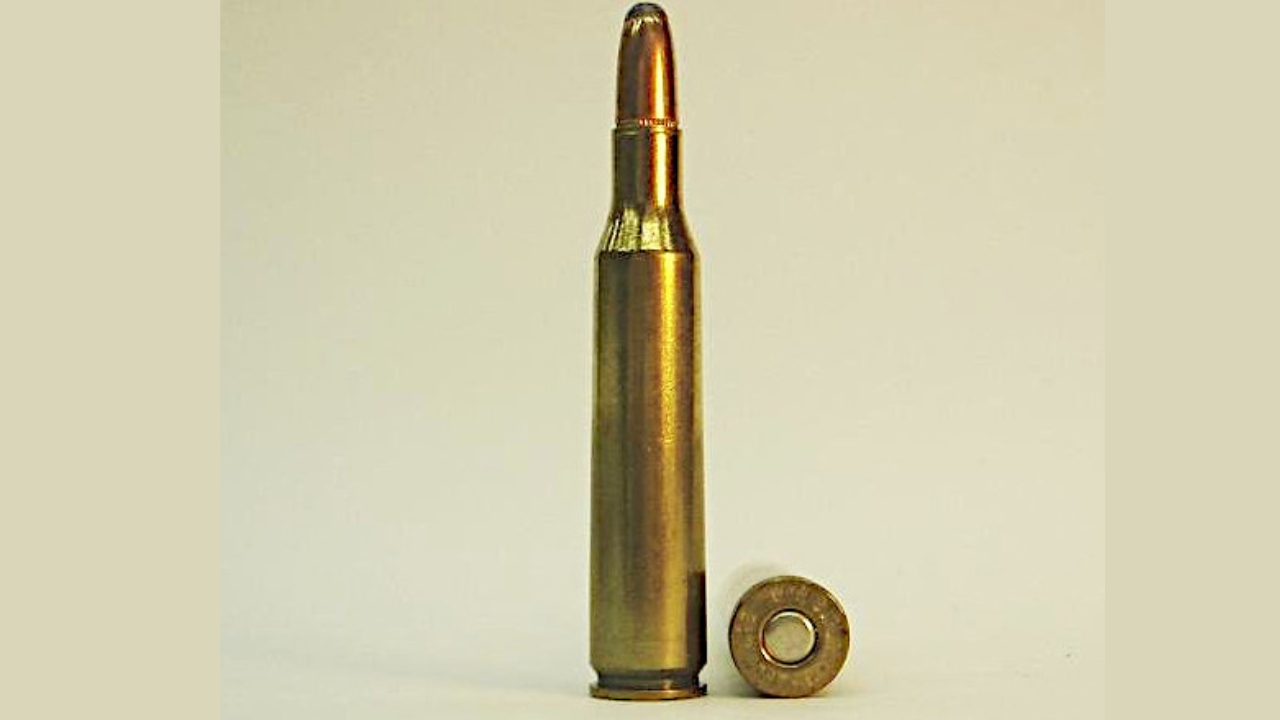
The .257 Roberts is one of those cartridges that feels like it was designed for real hunting instead of marketing. It shoots flat enough for deer country, recoils gently, and tends to be easy to shoot well when you’re cold, tired, or rushing a shot window. Put a good 100–120 grain bullet where it belongs and it does the job cleanly on whitetails and pronghorn.
The downside is that it’s not stacked on every store shelf, so you need to plan ahead or handload. But that’s also why it deserves more respect. It gives you the kind of practical performance people chase with louder, faster rounds—without beating you up or burning barrels fast.
.280 Remington

The .280 Remington lives in the shadow of the .270 and .30-06, which is a shame because it’s a serious all-around hunting cartridge. It handles 140–160 grain bullets well, carries energy, and gives you a little extra bullet weight and sectional density without turning recoil into a punishment. For deer, elk, and black bear, it’s a calm, steady performer.
What makes it underrated is that it doesn’t have a trendy story attached to it. It’s simply effective. If you want a cartridge that behaves like a grown-up—good trajectory, good penetration, no drama—the .280 is one you can build a lifetime rifle around.
7mm-08 Remington
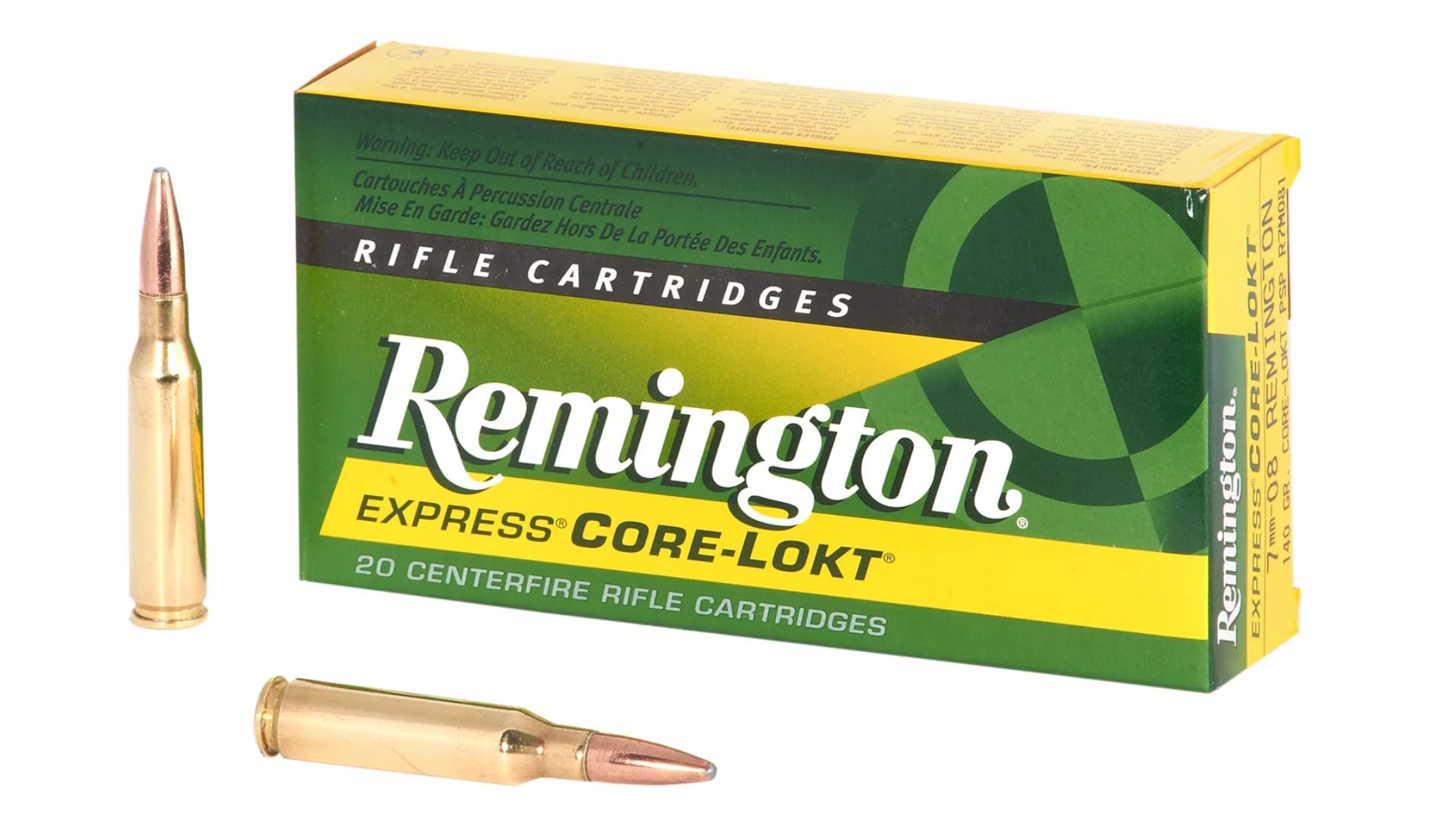
The 7mm-08 is what you recommend when you want people to actually shoot better, not just talk bigger. It delivers real hunting performance with recoil that most shooters can handle in lightweight rifles, and it’s forgiving when your form isn’t perfect. That matters when the shot comes quick and your breathing isn’t calm.
It also shines with sensible bullet weights, and it’s easy to tune for accuracy. For deer and even elk with the right bullets and shot placement, it’s more capable than the internet gives it credit for. If you’re trying to avoid flinching while still carrying a cartridge that hits like it should, the 7mm-08 keeps proving itself.
6.5×55 Swedish

The 6.5×55 Swedish has been putting game in the dirt for a long time, and it didn’t need social media to do it. It’s accurate, mild in recoil, and it drives long-for-caliber bullets with excellent penetration. On deer-sized game, it’s calm and efficient. On bigger animals, it works when you choose a bullet that holds together and you shoot like you mean it.
It doesn’t get talked about much because it isn’t “new,” and some rifles are older actions with their own quirks. But the cartridge itself is the real deal. If you care about deep, straight penetration and shootability, this is one of the most honest hunting rounds ever made.
.358 Winchester

The .358 Winchester is a thumper that doesn’t get the attention it deserves because it doesn’t chase long range. It’s a woods cartridge—fast handling, hard hitting, and reliable on tough angles. With proper bullets, it can break shoulders, drive deep, and end tracking jobs early when the shot isn’t perfect.
It’s also a handloader’s playground, and it pairs well with short-action rifles. The downside is ammo availability, which is why it stays niche. But if you hunt thick cover, run into black bears, or just like cartridges that do decisive work inside practical distances, the .358 Winchester is a sleeper that hits like a hammer.
.41 Magnum

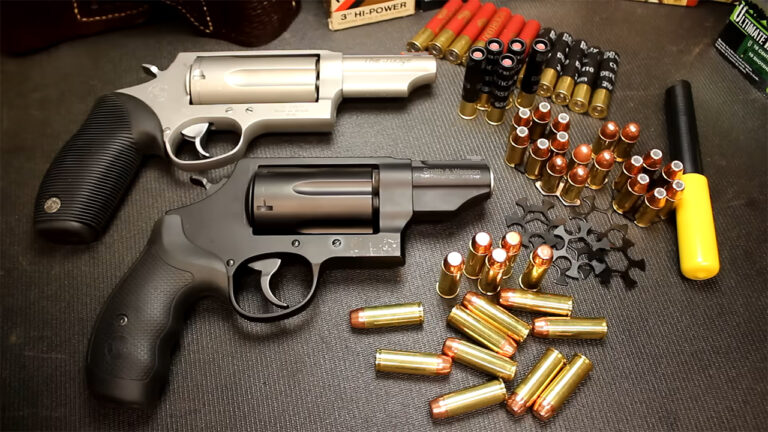
The .41 Magnum sits in a weird spot: it’s more capable than most people expect, but it never got the mainstream love of the .44 Magnum. That’s exactly why it’s underrated. It offers deep penetration and serious power while often feeling a little more controllable in recoil than comparable .44 loads, especially in guns set up for real carry.
For backcountry defense and hunting with a revolver, it’s a legitimate choice—especially if you’re the kind of shooter who values shot placement and fast follow-up shots. The challenge is that factory loads aren’t as common as .44, so you need to stock up or commit to handloading. Do that, and the .41 becomes a practical, hard-hitting tool.
10mm Auto
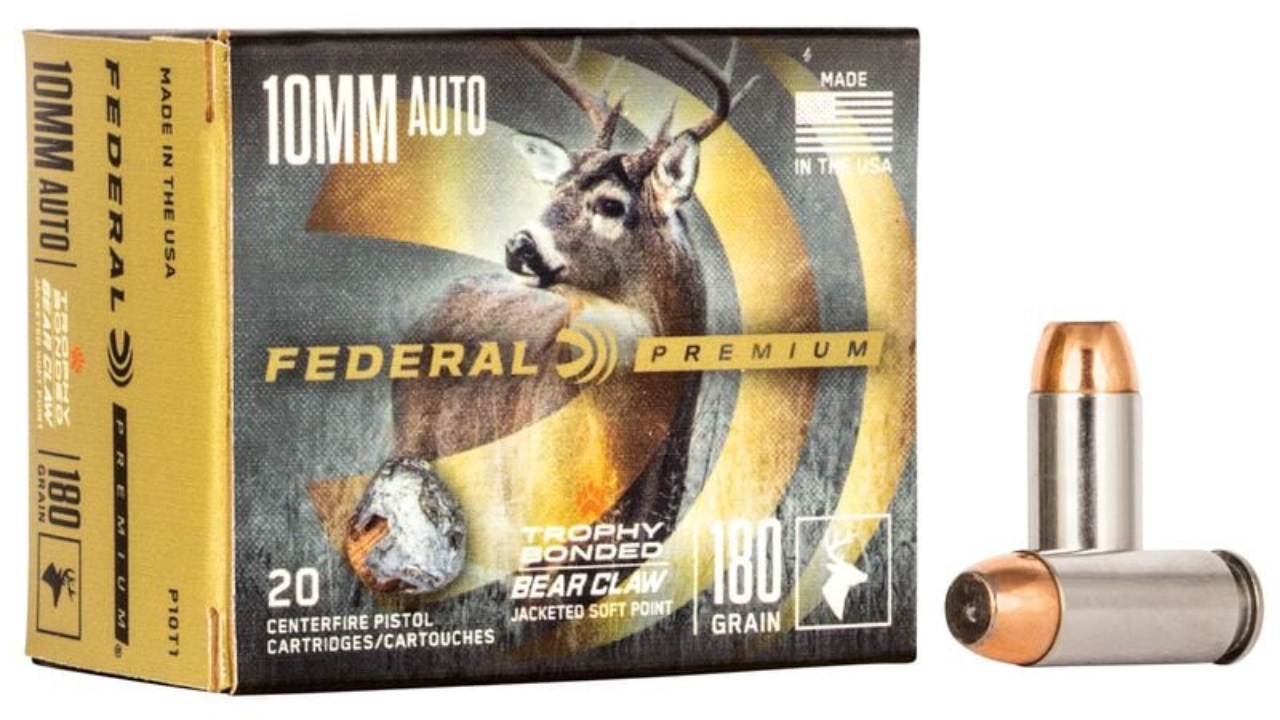
The 10mm gets plenty of talk, but most of it is either hype or misunderstanding. The reason it deserves attention is simple: it’s one of the few semi-auto handgun cartridges that can realistically stretch into backcountry defense without turning your pistol into a novelty. With the right loads, it penetrates well, and it gives you capacity that revolvers can’t match.
It’s also flexible. You can run milder practice loads and still carry heavier loads when it matters, as long as your gun is sprung and vetted for them. The real key is being honest about what you can control. If you can shoot it well, the 10mm bridges a gap that most handgun cartridges can’t.
.327 Federal Magnum

The .327 Federal Magnum is one of the smartest revolver cartridges nobody talks about at the gun counter. It gives you real velocity, good penetration, and often one extra round in the cylinder compared to traditional .38/.357-sized guns. In compact revolvers, that capacity bump matters more than people admit.
It’s also versatile because you can practice with softer .32 loads and carry .327 when you want the full performance. The downside is ammo availability, which can be spotty, and not every shop stocks it. But for trail carry, small-game work, and defensive use in a manageable package, the .327 is quietly one of the best ideas in modern revolver rounds.
.45 Colt (modern loads in strong guns)

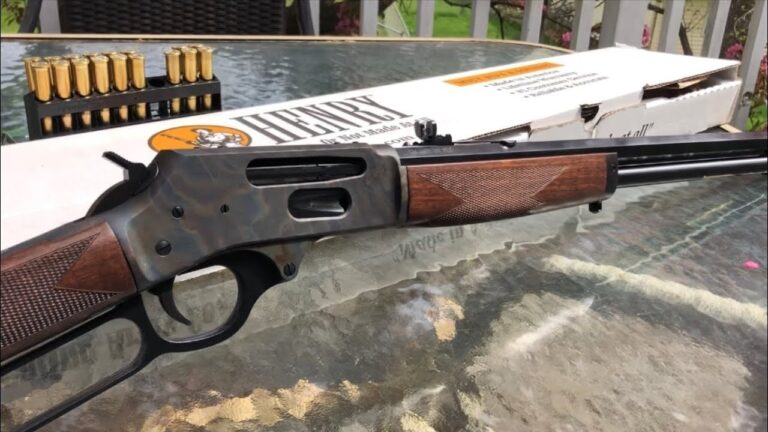
The .45 Colt is famous, but it’s still underrated in a modern context because most people think only of mild cowboy loads. In strong revolvers and lever guns, it can be loaded to serious performance levels, and it does it with a big, heavy bullet that hits with authority. You don’t need screaming velocity for a cartridge to work well.
Where it shines is versatility. Light loads are pleasant, heavy loads are decisive, and lever guns chambered in .45 Colt can be surprisingly handy. The important part is matching the load to the gun. If you treat it with respect and keep it within safe pressure limits for your platform, it becomes a practical workhorse that does more than its reputation suggests.
.300 Savage

The .300 Savage doesn’t get much attention anymore because the .308 took the spotlight, but it’s still a capable deer cartridge with a lot of real-world history behind it. It shoots flat enough for the distances most hunters actually take shots, and it hits with authority without turning recoil into a problem in classic rifles.
It also lives in rifles people love to carry—lean, quick, and balanced. The drawback is that ammo selection isn’t as wide as modern standards, so you’re not drowning in boutique bullet options. But if you want a cartridge that simply works in the woods, especially in vintage-style hunting rifles, the .300 Savage is a reminder that “old” doesn’t mean outdated.
6mm Remington

The 6mm Remington gets overshadowed by the .243 Winchester, even though it’s a very capable round for deer and varmints. It offers excellent velocity and flat trajectory, and with the right bullets it’s more than enough for whitetails without beating you up. It’s the kind of cartridge that helps you place shots precisely, which matters more than raw power.
The reason it’s underrated is mainly logistics. Rifle and ammo availability aren’t as common, so fewer people try it. But if you handload or you find a rifle you like, the 6mm Rem rewards careful shooters. It’s a practical choice when you want a dual-purpose rifle that can handle coyotes one day and deer the next.
.35 Remington

The .35 Remington is a classic woods cartridge that still makes sense, especially in lever guns. It carries a heavier bullet than typical .30-cal options and hits with a kind of straight, steady authority that shows up on game inside normal forest distances. It’s not flashy, and it doesn’t pretend to be a long-range round.
What it does well is clean kills without overthinking things. Put a good bullet through the heart-lung area and it tends to leave helpful sign and short tracking jobs. The downside is that it isn’t as common on shelves as it used to be. But if you hunt thick cover and like lever guns that handle fast, .35 Rem is still a serious cartridge.
16 Gauge

The 16 gauge sits between 12 and 20 in a way that makes a lot of sense for hunters who walk. It can carry a useful payload without the bulk of many 12-gauge setups, and it hits birds cleanly when you do your part. In a good, light shotgun, it’s one of the nicest upland combinations there is.
The problem is popularity, not performance. Because fewer people buy it, fewer companies push it, and that keeps it from being the default choice. But if you like a shotgun that carries easy all day and still patterns like a hunting gun should, the 16 gauge deserves more attention. It’s not nostalgia—it’s a practical middle ground.
.22 Hornet

The .22 Hornet is often dismissed as outdated, but it’s still one of the handiest small-game and varmint rounds ever made for the right job. It’s quieter than many centerfires, easy on barrels, and it doesn’t turn squirrels and similar targets into a messy situation when you pick shots carefully. For farm and woods work, that matters.
It’s also pleasant to shoot, which means you practice more, and you place shots better. The limitations are real: wind moves it, and it isn’t meant for long-range hero stuff. But as a practical tool for close to moderate distances, it fills a niche modern cartridges sometimes ignore. If you want useful without obnoxious, the Hornet still earns its keep.
.204 Ruger
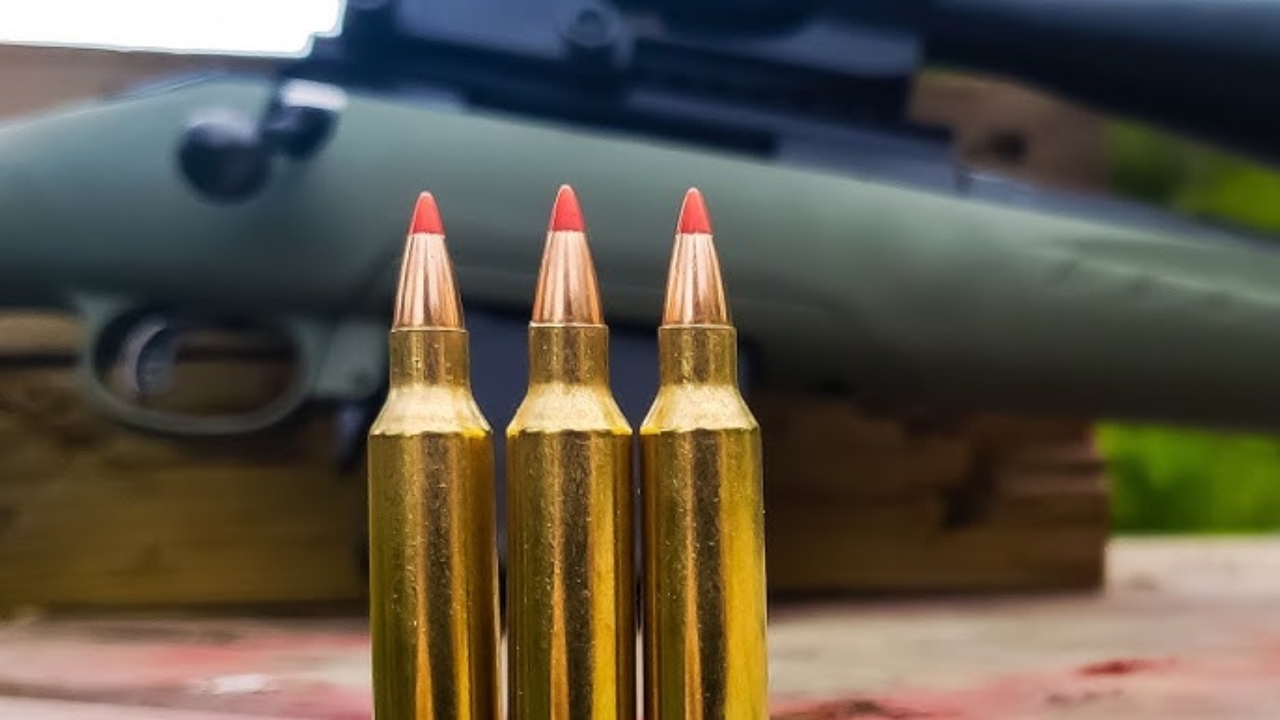
The .204 Ruger is one of the best rounds for high-volume varmint shooting that doesn’t get talked about enough outside dedicated predator circles. It’s fast, flat, and often very accurate, and the recoil is so light that you can spot your own hits through the scope. That’s a big deal when you’re trying to stay on target and make quick follow-ups.
It’s also easy on shooters who don’t enjoy recoil, and it can be a great training round for running a bolt gun well. The knock is that bullet selection and performance on larger game is limited, so it’s not a do-everything cartridge. But for varmints, coyotes with the right bullets, and pure shooting fun, the .204 is a sleeper that performs like it’s trying to prove a point.
Like The Avid Outdoorsman’s content? Subscribe to our newsletter so you never miss an article.
Here’s more from us: