Photo credit: Reloader Joe/YouTube
Paper specs are useful, but they can lie to you in the ways that matter most. A gun can look “average” on a chart—plain trigger, middle-of-the-road velocity, nothing fancy—then feel perfect the moment you’re wet, cold, and trying to get a clean shot before the animal steps into cover. Field performance is about more than numbers. It’s how a rifle carries, how it shoulders, how it cycles when you’re rushed, and how forgiving it is when you’re shooting off a pack instead of a bench.
The guns below don’t always win internet arguments, but they win hunts. They get carried because they don’t beat you up, don’t snag on everything, and don’t demand special treatment. When the weather turns ugly and the moment comes fast, these are the guns that tend to perform better in real life than they ever look on paper.
Marlin 336 (.30-30)

On paper, the .30-30 looks outdated. Modest velocity, rainbow-ish trajectory, and energy numbers that won’t impress anyone who lives on ballistic charts. Then you hunt thick timber with a Marlin 336 and you remember why it never went away. It carries like a walking stick, shoulders fast, and puts a heavy bullet through the ribs at the distances most deer are actually killed.
The 336 also performs when conditions get messy. Lever guns don’t mind brush, rain, or a quick follow-up shot, and the rifle’s balance makes offhand shooting feel natural. In the field, that matters more than raw velocity. If you’ve ever watched a buck disappear into a wall of saplings, you know why this “old” rifle keeps stacking tags.
Ruger American Ranch (6.5 Grendel / .300 Blackout)

The Ruger American Ranch doesn’t look impressive on paper. It’s light, affordable, and not built to impress anyone at a gun counter. But in the field, it shines because it’s handy. It rides well in a truck, carries easily through brush, and comes up fast when you’re moving through tight cover or slipping along a field edge.
In cartridges like 6.5 Grendel or .300 Blackout, it can be more capable than people assume. You’re not chasing extreme range. You’re carrying a compact rifle that’s easy to shoot well and easy to live with. When shots are inside realistic hunting distances and the day involves hiking, climbing, and awkward positions, that kind of practicality beats a fancy spec sheet.
Winchester Model 94 (.30-30)

The Model 94 is another one that gets underestimated because the internet loves long-range talk. But real deer hunting isn’t always a prone shot over a bipod. Sometimes it’s a quick window between trunks, and you’ve got seconds. The 94 is built for that. It’s slim, light, and points like a bird gun, which makes it deadly in close cover.
On paper, it’s “just” a lever action with an old cartridge. In the field, it’s fast, quiet to carry, and easy to run without taking your eyes off the target. You don’t need a turret and a dope card when the shot is 70 yards and closing. The Model 94 performs because it matches the pace of real hunting.
Remington 870 (12-gauge)

A pump shotgun doesn’t win ballistic debates, but the Remington 870 wins hunts because it’s versatile and dependable. On paper, it’s heavy, it’s manual, and it doesn’t look modern. In the field, it carries well, shrugs off bad weather, and handles everything from upland birds to deer with slugs. That flexibility is hard to replace.
It also works when you’re tired and cold. A pump gun doesn’t care about light loads the way some semi-autos can, and it doesn’t need perfect maintenance to keep running. You can change barrels, chokes, and loads and still have one familiar platform in your hands. Field performance is often about having the right tool today, not the “best” tool in theory.
Mossberg 500 (20-gauge)

On paper, a 20-gauge can look like a compromise. Less payload than a 12, less “authority” in the specs, and not as glamorous in conversations. In the field, it often performs better because it’s easier to carry and easier to shoot well. When you’re walking miles for birds or hunting with gloves and layers, that matters.
The Mossberg 500 also keeps things practical. It’s reliable, it handles abuse, and it’s simple to maintain. With modern loads, a 20-gauge can do a lot more than people give it credit for, especially at sensible distances. If you want a shotgun that actually gets taken hunting instead of sitting in the safe, the 500 in 20-gauge often outperforms the “bigger is better” mindset.
Ruger 10/22 (.22 LR)
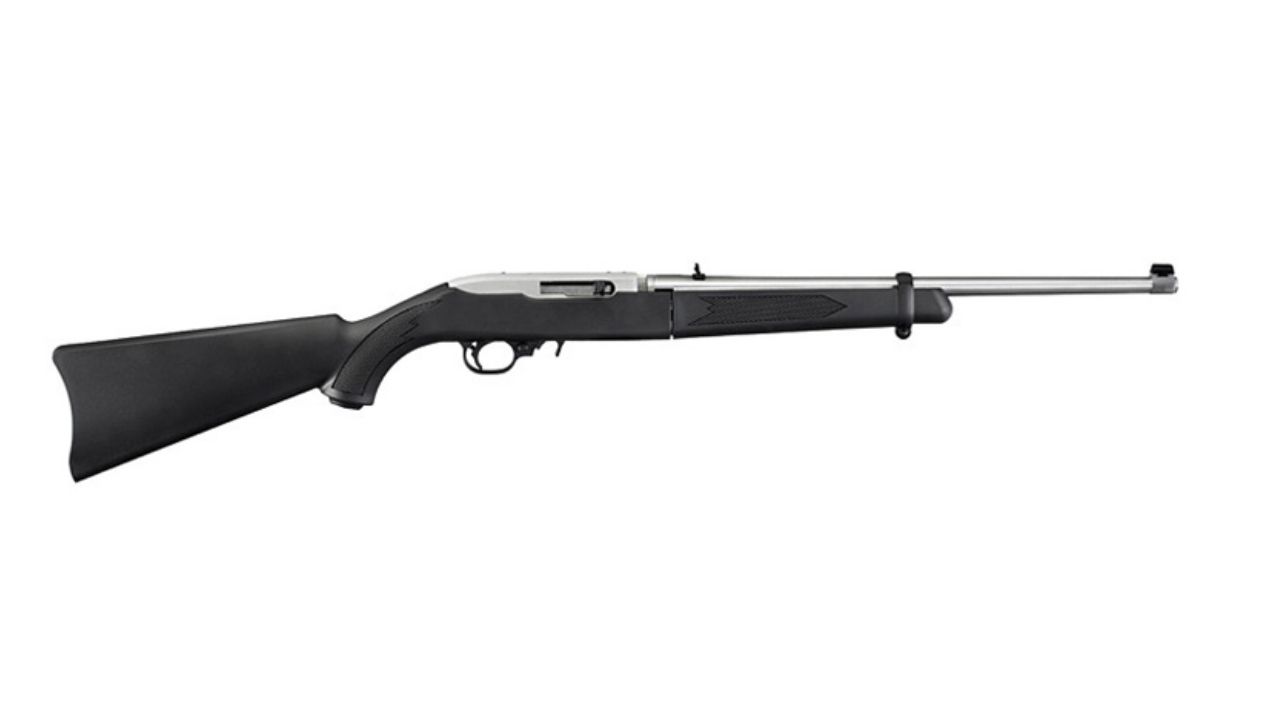
A .22 LR doesn’t look impressive on paper, and a 10/22 isn’t some precision masterpiece in stock form. But in the field—especially for small game—it performs better than the numbers suggest because it’s quick, handy, and easy to shoot accurately under real conditions. When you’re taking head shots on squirrels in the trees, practical accuracy beats benchrest bragging.
The 10/22 also shines because you actually use it. It’s affordable to feed, so you practice. It’s light enough to carry all day, so it goes with you. And when you need a fast second shot, it’s there. Paper performance doesn’t measure “how often you take it along,” but that’s a big part of why it keeps filling game bags.
SKS (7.62×39)

The SKS doesn’t impress spec hunters. It’s not light, not sleek, and not built around modern optics. But in the field, it can be shockingly effective because it’s reliable, points well, and hits hard enough with 7.62×39 for deer inside sensible ranges where legal. It’s the kind of rifle that keeps working even if it’s been riding in a truck for years.
It also handles rough handling better than people expect. The fixed magazine and simple action reduce the little variables that cause headaches. While it’s not a precision rifle, the practical accuracy is often good enough for the real distances it’s used at. When you need a rugged rifle that doesn’t care about dirt or neglect, the SKS often performs better than its “obsolete” label.
Ruger GP100 (.357 Magnum)

On paper, a revolver looks slow—limited capacity, slower reloads, heavier trigger pull. In the field, the GP100 performs because it’s dependable and flexible. You can run mild .38s for practice and step up to .357 when you want serious penetration and power. And when you’re carrying in the woods, you don’t always need a pistol that wins a reload race.
The GP100 also handles real-world conditions well. It’s built tough, it doesn’t rely on magazines, and it isn’t sensitive to grip technique. In cold weather with gloves, that can matter more than people admit. As a trail gun, a truck gun, or a defensive revolver for someone who practices, it’s often better in real use than the internet would have you believe.
Smith & Wesson 686 (.357 Magnum)

The 686 looks like an old-school choice if you only care about capacity. But in the field, it’s one of the most shootable revolvers ever made, and that’s why it works so well. The weight and balance make .357 manageable, and that means you can place shots accurately when you’re stressed or shooting from awkward positions.
It’s also a revolver that holds up. When you’re hiking, climbing, or dealing with dust and rain, a sturdy wheelgun has a way of staying ready. The 686 is accurate enough to hunt with at realistic distances, and it’s controllable enough that follow-up shots don’t feel like a gamble. Paper arguments don’t capture how confident you feel with a revolver you can actually shoot well.
Glock 19 (9mm)

On paper, the Glock 19 is rarely “the best” at anything. It’s not the softest shooter, not the nicest trigger, not the smallest carry gun. In the field—meaning real-world use—it performs because it’s reliable, forgiving, and easy to keep running. When you’re sweaty, cold, tired, or not gripping perfectly, that matters.
It also carries and shoots in a balanced way. Big enough to shoot well, small enough to carry comfortably, and common enough that parts and magazines are everywhere. That practical reality matters far more than spec-sheet debates about trigger feel. If you want a handgun that tends to work no matter what you throw at it, the Glock 19 usually outperforms its “boring” reputation.
CZ 75B (9mm)

The CZ 75B doesn’t always win the modern pistol popularity contest, but it performs in real shooting because it’s stable and easy to shoot well. The steel frame soaks up recoil and helps the gun track smoothly, which is exactly what you want when you’re trying to make good hits quickly without feeling rushed.
In the field—especially for training, carry on a property, or general use—shootability matters more than a marketing feature list. The CZ’s grip shape fits most hands, and the gun’s balance makes it feel calm under recoil. It’s also known for reliability with quality magazines. When a pistol helps you shoot better without effort, it ends up getting used more, and that’s what real performance looks like.
Browning Buck Mark (.22 LR)

On paper, a rimfire pistol doesn’t look like a “serious” gun. In the field, the Buck Mark is a serious tool for small game and skill building. It’s accurate, comfortable, and easy to shoot well, which makes it incredibly effective on rabbits, squirrels, and pests when you’re trying to make clean hits.
It also gives you real-world practice that carries over. The sight picture, trigger discipline, and follow-through you build on a Buck Mark are the same skills that make your centerfire shooting better. And because it’s pleasant to shoot, you actually practice more. Paper numbers don’t capture how valuable that is. If you want a gun that performs by getting used, the Buck Mark earns its place.
Henry Big Boy (.357 Magnum)

A lever gun in .357 Magnum doesn’t look like a powerhouse on paper, especially if you’re comparing it to rifle cartridges. In the field, it performs because it’s handy, accurate, and hits harder than people expect once that revolver cartridge gets rifle barrel velocity. It’s a great woods rifle for close-to-medium ranges, and it’s easy to shoot well without punishment.
The Henry Big Boy also carries like it belongs in your hands. It points naturally, runs smoothly, and it’s quiet on the shoulder when you’re moving through brush. The ability to share ammo with a .357 revolver is another practical advantage for real-world use. If you want a rifle that’s more effective than it looks on paper, a .357 lever gun is a classic example.
Ruger Hawkeye (M77)
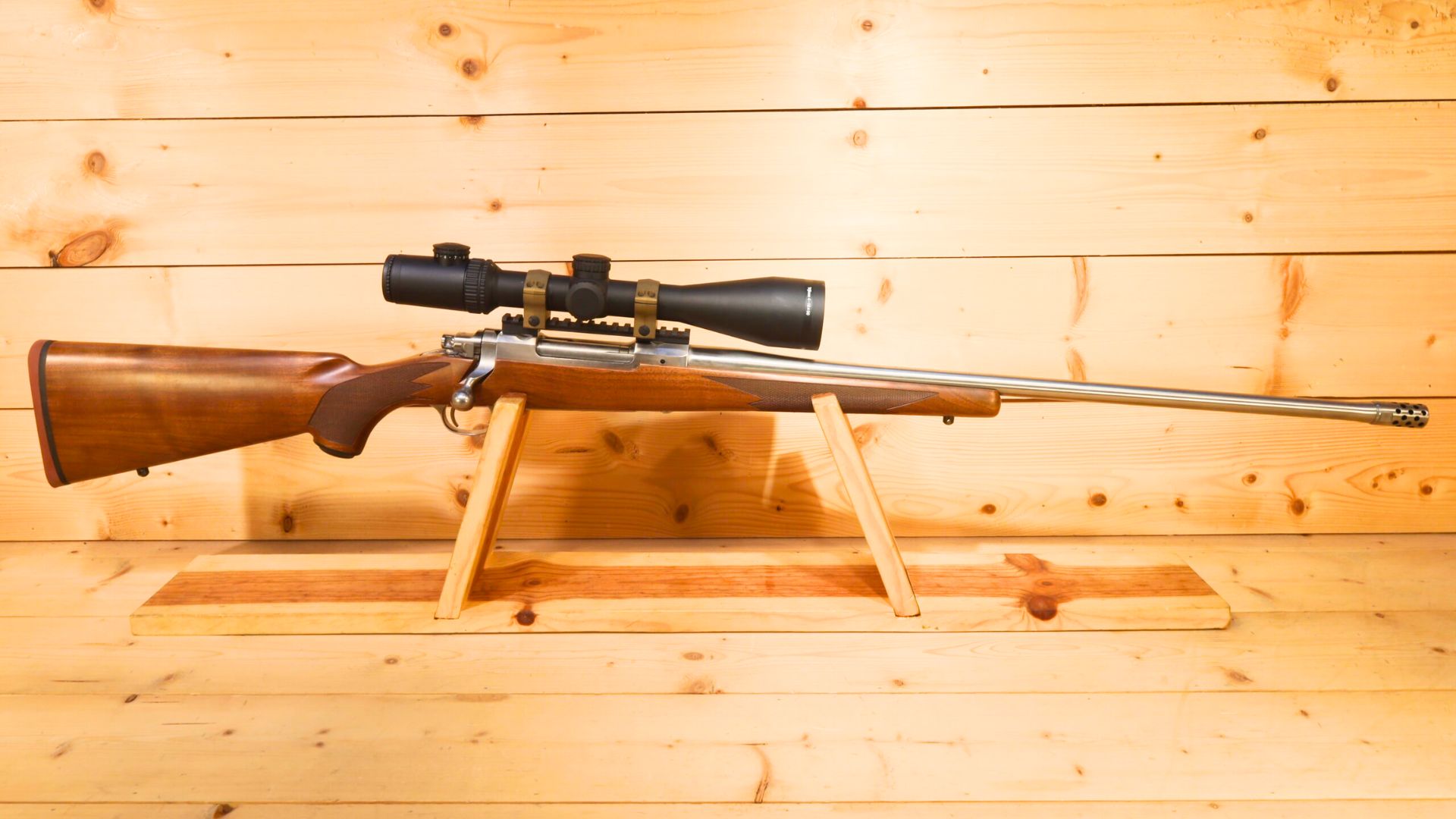
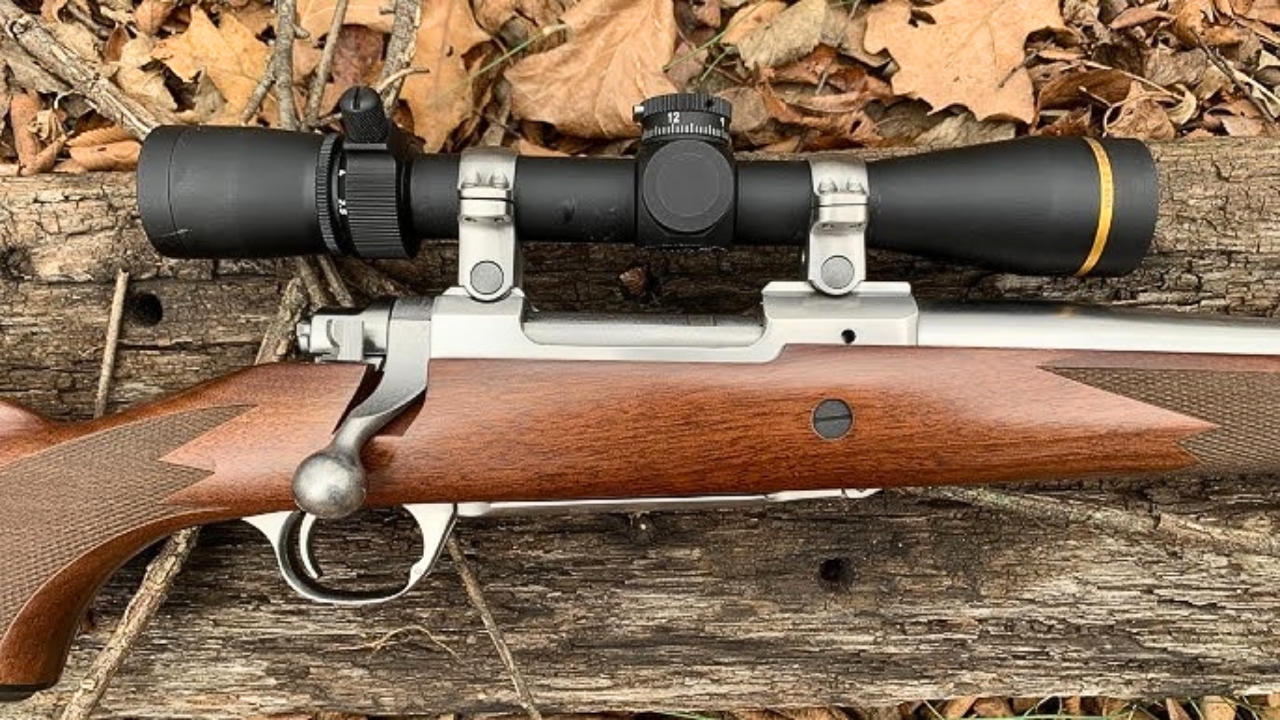
The Ruger Hawkeye rarely gets called “exciting” in spec-sheet talk, but it performs in the field because it’s built like a hunting rifle, not a range toy. It handles rough weather, carries well, and tends to stay consistent when you’re climbing, slipping, and bumping into things. That matters far more than shaving ounces or chasing a fancy feature list.
The action is stout, the rifle feels solid, and it inspires confidence when you’re a long way from the truck. Set it up correctly with good mounts and a trustworthy optic, and it keeps doing what you ask. A hunting rifle that stays zeroed and cycles reliably under stress outperforms a lot of “better on paper” rifles once you’re cold, tired, and finally on an animal.
Tikka T3x Lite
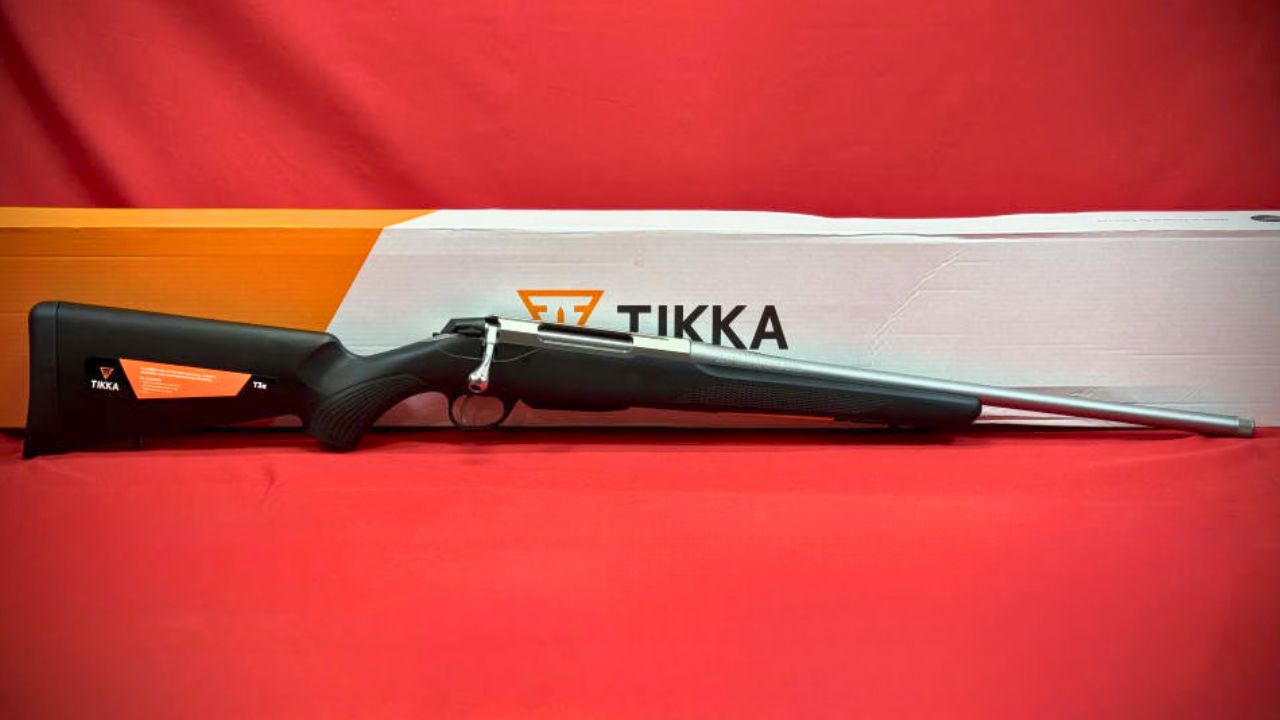
The Tikka T3x Lite sometimes gets dismissed as too light or too plain. In the field, it performs because it’s easy to carry all day and still shoots consistently when you get your moment. The action is smooth, the lockup is repeatable, and the rifle tends to hold zero well if you mount your optic correctly.
That matters because a rifle you carry comfortably gets carried more, and a rifle you trust gets used with confidence. The recoil can be sharper in lighter rifles, but the tradeoff is real when you’re climbing ridges or pushing through miles of cover. If you want a rifle that’s better in real hunting than it looks in a catalog, the T3x Lite is one of the most common answers for a reason.
Like The Avid Outdoorsman’s content? Subscribe to our newsletter so you never miss an article.
Here’s more from us: