Photo credit: 1957Shep/YouTube
Some collector guns only get real attention after the easy money is gone. That is when people start acting irrational. A rifle sits ignored for years, then prices start climbing, and suddenly everybody convinces themselves they need one right now before it goes even higher. That is how average collector pieces turn into bidding wars, panic buys, and a whole lot of overpaying from people who were not even interested six months earlier.
A lot of this chasing has very little to do with how good the firearm actually is to shoot. Once scarcity, nostalgia, import history, or discontinued status gets mixed with fear of missing out, people start buying with their emotions instead of their judgment. These are the collector firearms people tend to chase like fools the second the market starts moving.
Heckler & Koch P7M8

The HK P7M8 is one of those pistols people talk themselves into at exactly the wrong moment. For years, a lot of buyers respected it without actually buying one. Then prices started climbing, surplus dried up, and suddenly the same people who once called it too weird or too expensive began hunting for clean examples like they were chasing buried treasure. That squeeze-cocker mystique starts sounding a lot more important once the supply gets thin.
What makes the panic even worse is that the P7M8 really is a cool pistol, which gives buyers a good excuse to ignore how much they are spending. It is compact, accurate, and unusually engineered, so people convince themselves the rising price is always justified. Sometimes it is. A lot of times, though, buyers are paying collector money mostly because they hate seeing that they waited too long.
Colt SP1

The Colt SP1 has a way of making people lose perspective the second the market heats up. When prices are flat, plenty of buyers treat it like an old AR that lacks modern features. Once collector interest starts rising, all of that practicality talk vanishes and the early Colt rollmark suddenly becomes the whole story. Then people start paying strong money for rifles they would have dismissed as outdated shooters a year earlier.
Part of the madness comes from what the SP1 represents. It hits that early civilian AR-15 history in a way later rifles do not, and that gives it real collector pull. Still, once a few sales go high, every seller starts assuming theirs is special, and every buyer starts acting like they have one last chance. That is how a calm market turns into foolish money fast.
Winchester 9422 XTR
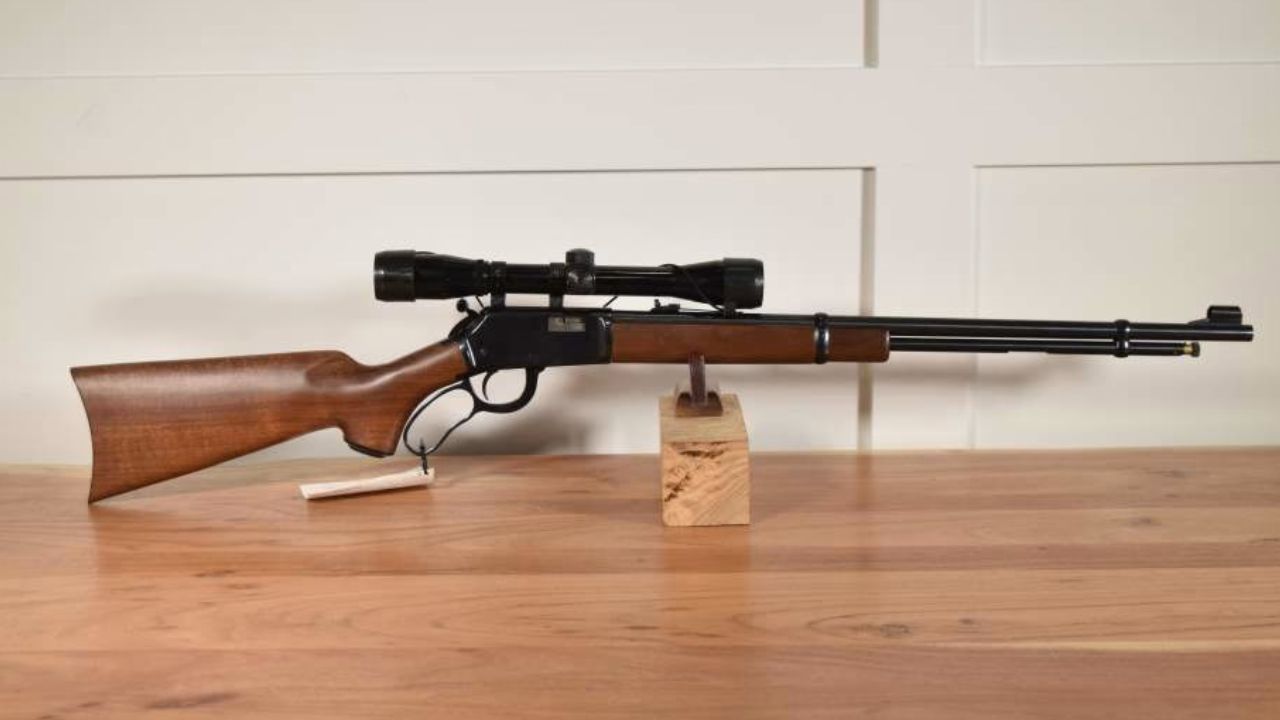
The Winchester 9422 XTR is exactly the kind of rimfire lever gun people ignore until they suddenly cannot stand being without one. While they are available at sane prices, buyers call them nice but nonessential. Then values start creeping up, people remember how well they were made, and the chase begins. Before long, folks who passed on them repeatedly start paying premium money for examples they once would have walked right by.
That happens because the 9422 XTR checks a lot of collector boxes at once. It is a quality Winchester, it carries real nostalgia, and it comes from a time when a .22 lever gun still felt like something built with pride. Once collectors smell momentum, rational thinking leaves the room. Buyers stop asking whether they truly want one and start asking how bad they will feel if they miss again.
Smith & Wesson Model 27

The Smith & Wesson Model 27 gets chased hard whenever revolver buyers start getting nervous about quality and scarcity. For a while, people act like there will always be another nice pinned-and-recessed example floating around somewhere. Then prices start moving, and all of a sudden every serious revolver guy is searching for one with the right barrel length, the right finish, and the right box. That is when the foolish money starts showing up.
Part of the problem is that the Model 27 feels like exactly what collectors want an old revolver to be. It has class, history, fit, and the kind of polish modern production guns rarely match. That makes it easy for buyers to justify stretching way past their original budget. When a gun feels both collectible and genuinely desirable, people get emotional fast, and the Model 27 has been doing that for years.
Belgian Browning Auto-5 Light Twelve
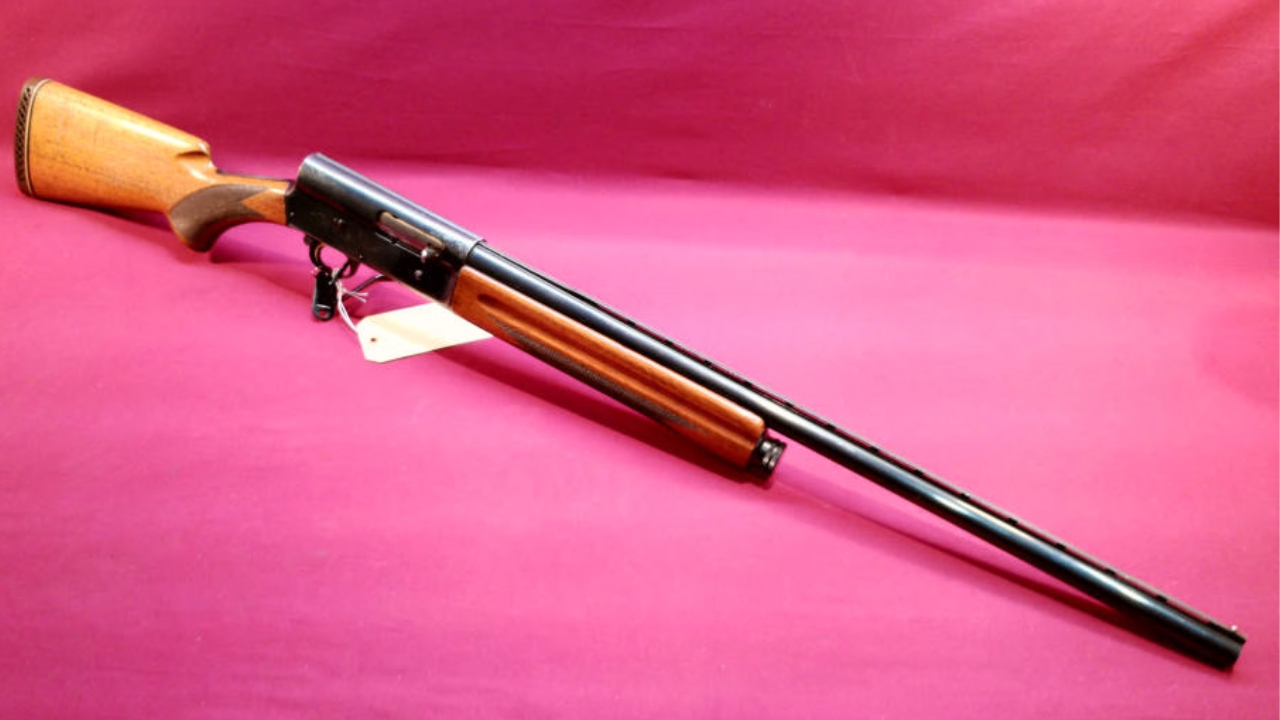
The Belgian-made Browning Auto-5 Light Twelve has a way of triggering pure nostalgia buying the moment values start climbing. Plenty of hunters remember them, plenty of collectors admire them, and a lot of buyers assume they will always be around until they suddenly are not. Once the market starts rewarding clean Belgian guns over later examples, people begin scrambling for them like they are disappearing by the hour.
That reaction comes from the fact that these shotguns are more than just old humpbacks. The Belgian guns carry a level of collector romance that Japanese production models, fair or not, do not fully match in some buyers’ minds. So once a few nice sales get attention, everybody starts hunting for one with better wood, cleaner bluing, and stronger provenance. That is when common sense tends to get tossed aside.
Marlin 1895 Guide Gun JM-stamped
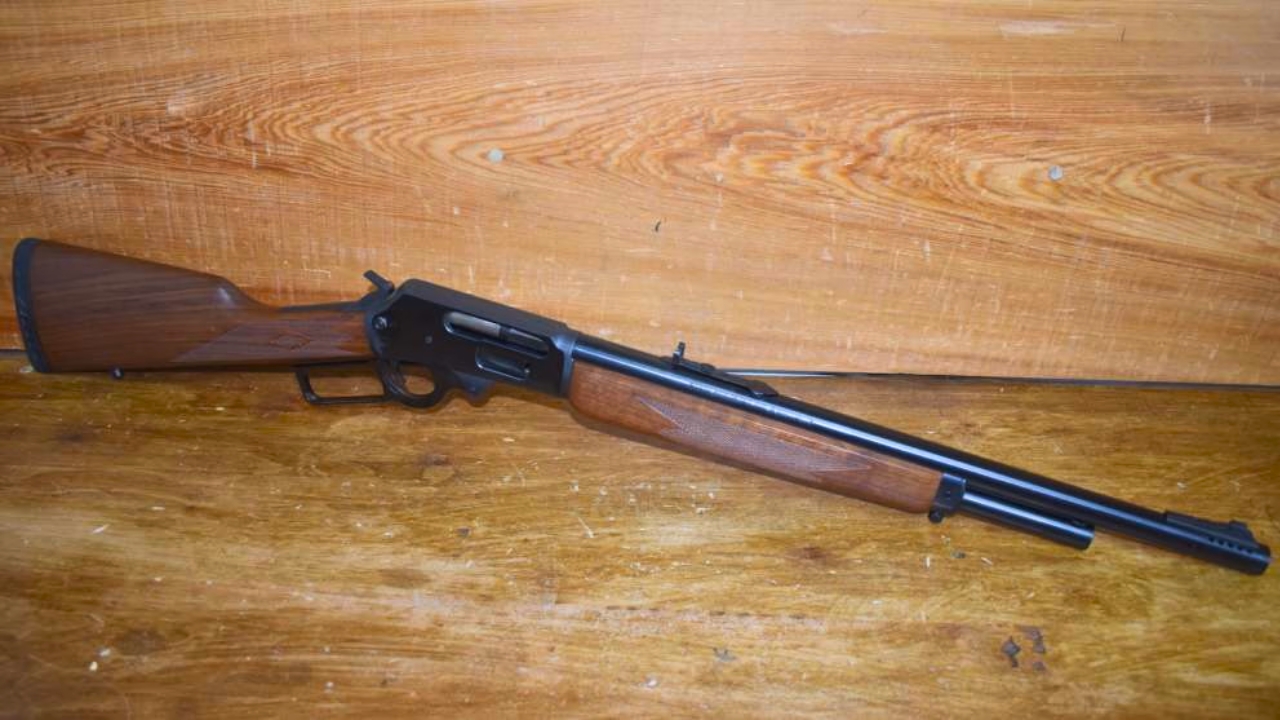
JM-stamped Marlin 1895 Guide Guns make people act ridiculous once the market starts separating the older guns from later production. For years, plenty of shooters treated them like tough lever guns and not much more. Then quality concerns, brand changes, and nostalgia all piled up at once, and suddenly buyers were paying real collector money for examples they once viewed as working rifles. That shift happened fast, and people still get caught up in it.
The Guide Gun especially drives this because it feels like a practical rifle and a collectible at the same time. It is not some fragile safe queen nobody intends to shoot. It is a gun people actually want to carry, own, and admire. That combination is dangerous for wallets. When prices start rising on a firearm that people both romanticize and genuinely want to use, panic buying usually follows.
SIG P210 Swiss military and commercial variants

Swiss SIG P210 pistols tend to pull buyers into emotional spending the second prices start moving upward. These are not impulse guns when the market is calm. People respect them, admire the craftsmanship, and tell themselves they will own one someday. Then a few strong sales hit the market, collectors start talking about how much harder the nice Swiss examples are getting to find, and suddenly “someday” turns into overspending by Saturday afternoon.
The reason people chase them so hard is easy to understand. The P210 has that combination of precision, scarcity, and reputation that makes collectors feel smart while they are overpaying. It is one thing to buy an expensive gun because you love it. It is another to convince yourself you are making a shrewd move because everyone else is circling too. That is where P210 buying often gets foolish in a hurry.
Ruger Old Army
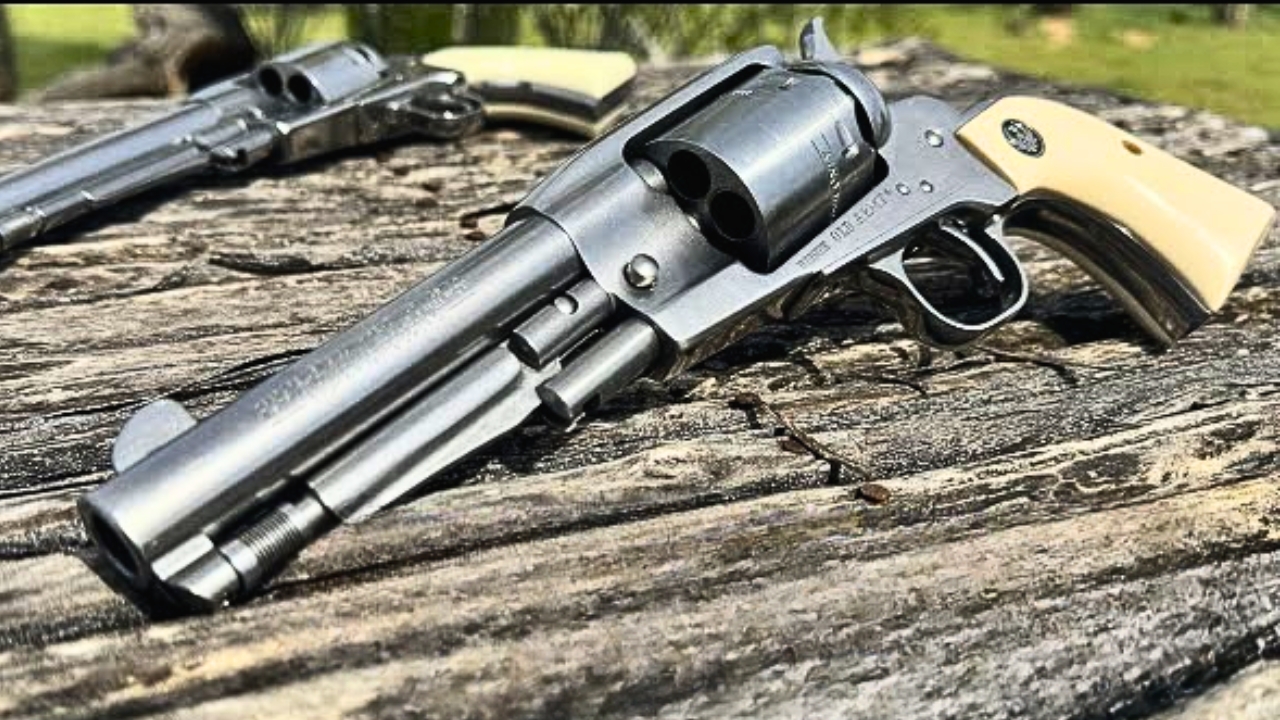
The Ruger Old Army is one of those oddball collector pieces that can go from underappreciated to weirdly hot without much warning. For years, a lot of gun buyers barely thought about it unless they were already into black powder. Then prices started moving, word got around that Ruger would never make them again, and suddenly people who had ignored them entirely started acting like they had stumbled onto some secret gold mine.
What feeds the chase is that the Old Army is not just a curiosity. It is a well-made Ruger, built tougher than many traditional cap-and-ball revolvers, and it appeals to both shooters and collectors. That dual interest is what gets people in trouble. Once a firearm crosses over from niche interest to broader collector awareness, buyers start making bad decisions fast. The Old Army has caused more than a few of those.
Norinco 56S

The Norinco 56S is exactly the kind of imported rifle people laugh off until the market reminds them that pre-ban status matters. For a long time, many buyers treated them like cheap Chinese AKs and nothing more. Then imports dried up further, pre-ban language started carrying more weight, and the clean examples stopped looking cheap. That is when people who once mocked them began chasing them like they had always understood the appeal.
What makes the frenzy look foolish is how fast attitudes change. The rifle itself did not suddenly become more refined or more historic overnight. What changed was availability and collector mood. Once people realize they cannot casually replace something anymore, they start upgrading it in their minds. The 56S benefits from that kind of thinking every time the market moves, and buyers often end up paying for urgency more than value.
Remington 600 Mohawk

The Remington 600 Mohawk family has a strange way of turning into a hot collector hunt every time people start rediscovering compact bolt guns with character. When prices are sleepy, buyers notice the odd looks and move on. When prices start rising, those same quirks become “classic styling” and “hard-to-find charm.” That is when short, clean examples begin drawing much more attention than most people ever expected they would.
The real driver here is that the 600 and Mohawk series feel different from modern hunting rifles in a way collectors can latch onto. They are light, distinctive, and tied to a very specific era of American rifle making. Once buyers sense that more people are catching on, they start moving emotionally instead of patiently. That is when a once-overlooked rifle turns into something people chase well past what they had planned to spend.
Colt Woodsman Match Target

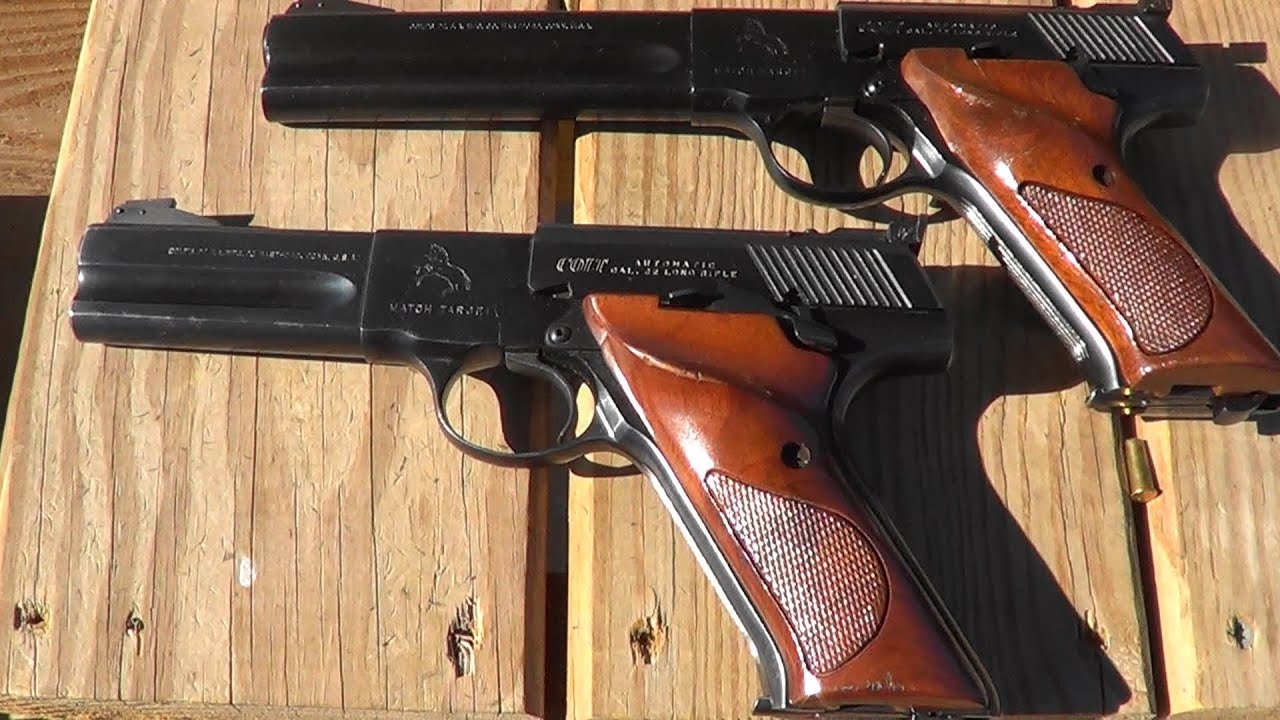
The Colt Woodsman Match Target has long been one of those pistols that quietly waits for collectors to wake up and start bidding against each other. It is not as loud in the culture as some centerfire Colts, but once prices start climbing, people suddenly remember how elegant these old rimfire pistols were. Then clean examples with the right configuration start getting snapped up by buyers who do not want to be left behind.
The foolish part comes from how fast buyer psychology changes. When the market is calm, many people think of the Woodsman as a nice old .22 and nothing more. Once prices begin rising, the same pistol becomes a “must-have classic.” That change in attitude has less to do with the gun itself than with the fear of future regret. Collector markets love that kind of fear, and the Woodsman feeds on it well.
Benelli M1 Super 90 H&K import

The H&K-import Benelli M1 Super 90 becomes collector bait in a hurry once buyers start separating those imports from later-marked guns. In calmer times, people may notice the import mark and move on. Once prices start drifting upward, though, the H&K connection suddenly matters a lot more, and collectors begin acting like every clean one is a rare prize. That is how ordinary market movement starts turning into a scramble.
The thing driving that chase is that the M1 Super 90 already has strong appeal as a practical shotgun. It is not collectible in some purely decorative sense. It is a shotgun people respect for real-world use, and the H&K import angle adds another layer of desirability. That combination gets collectors in trouble. Once a gun feels both historically cooler and mechanically useful, buyers start spending with their ego instead of their discipline.
Smith & Wesson 1076
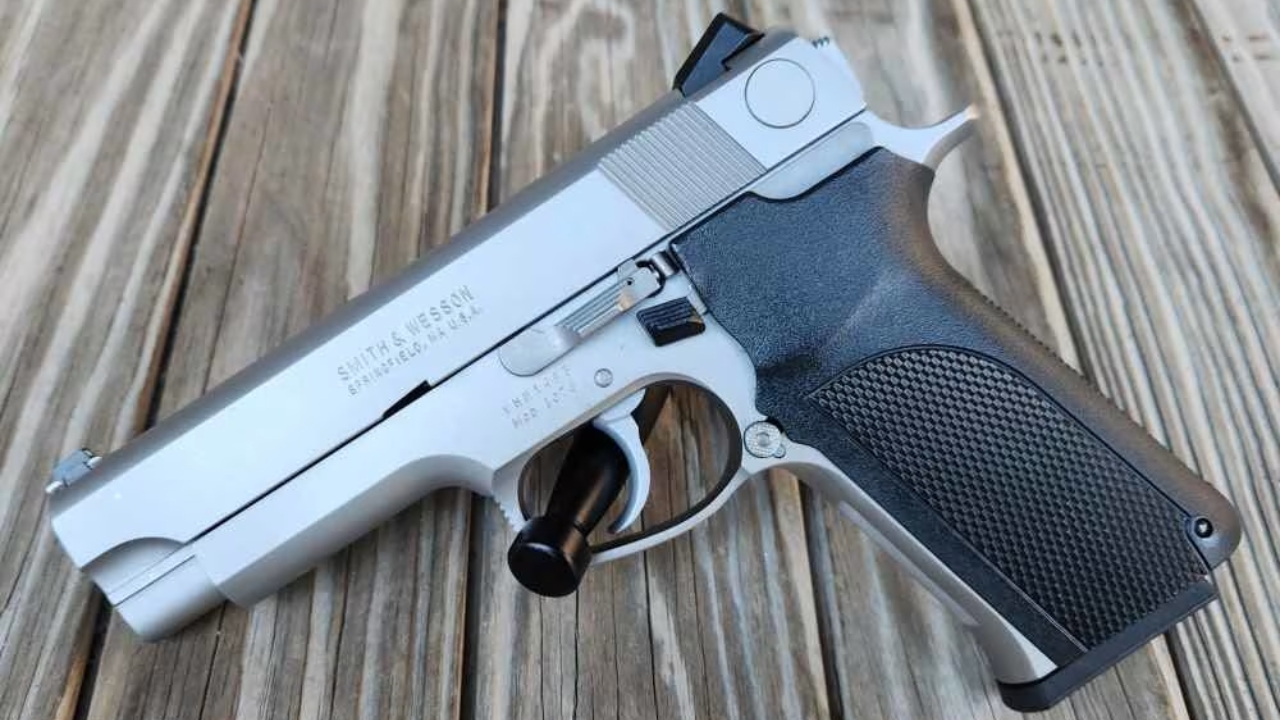
The Smith & Wesson 1076 is the kind of pistol collectors can ignore for years and then suddenly act frantic about once the 10mm market gets hot again. It sits right at the intersection of FBI history, third-generation Smith appeal, and 10mm fascination. That is a dangerous combination for buyers who convince themselves they are getting ahead of the curve. Usually, by the time they feel that urgency, the curve has already moved.
Part of what makes the 1076 such a chase gun is that it has a story people like repeating. The second a firearm has collector lore attached to it, price increases stop feeling random and start feeling inevitable. Buyers then use that story to justify paying more than they should. The 1076 is a good example of a gun whose history becomes a bigger factor in the buying panic than how often most owners will actually shoot it.
Browning BAR Safari Grade Belgian and early FN-linked examples

Older Browning BAR Safari rifles can send collectors into a frenzy once nicer examples start bringing strong money. During slower periods, people may admire the walnut and polish while still treating them like old hunting rifles. Once the market starts moving, though, those details suddenly become very expensive details. Buyers start looking for cleaner early guns, stronger wood, and more original condition, and the chase gets serious fast.
The foolishness usually comes from the speed of the escalation. Someone who would never have paid a premium for a glossy old autoloading hunting rifle can suddenly convince himself it is a long-term prize because a few auction results backed up the feeling. These rifles absolutely have charm and collector pull, but once momentum kicks in, buyers often stop distinguishing between a truly exceptional example and one that is simply expensive because the market got emotional.
Winchester 71
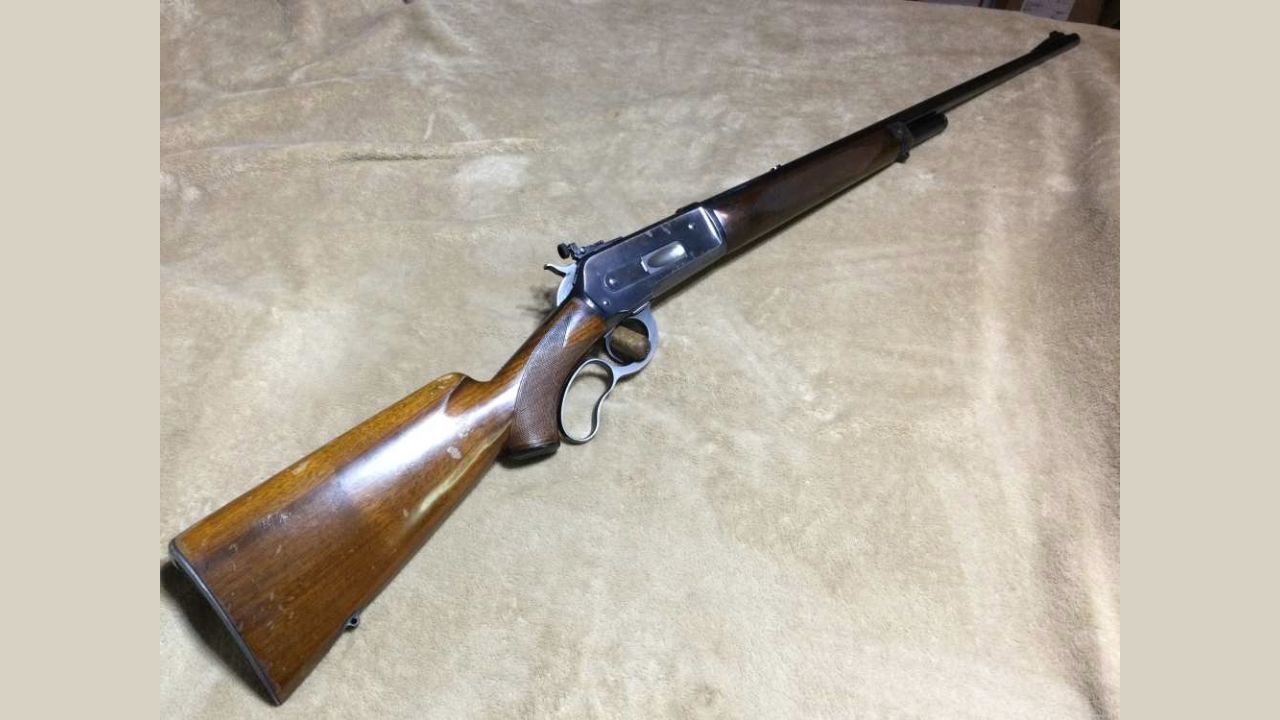
The Winchester 71 is one of those lever guns that can make buyers behave like they have been personally insulted by every year they waited too long. It was never exactly unknown, but once prices start rising, people who always meant to buy one start making rushed, emotional decisions. The mix of limited production, classic Winchester appeal, and serious old-school hunting credibility turns it into a gun that feels even scarcer once attention lands on it.
What gets people into trouble is that the 71 feels important the second the market gets excited. It is not just another lever gun in the minds of collectors. It becomes a statement piece, and statement pieces make people loosen up their judgment. That is especially true when buyers convince themselves prices are only going one direction. Once that mentality shows up, people stop shopping carefully and start buying like they are chasing a train.
Pre-64 Winchester Model 70 Featherweight

The pre-64 Model 70 Featherweight is one of the fastest ways to watch grown collectors start spending like nervous gamblers. Everybody knows the name, everybody knows the reputation, and everybody assumes they will grab one eventually. Then prices tick upward again, and the relaxed attitude disappears. Suddenly buyers are obsessing over condition, chambering, originality, and stock finish like their future peace depends on getting the right one immediately.
That panic comes from the fact that the pre-64 Featherweight is not just collectible. It also represents a version of the classic American hunting rifle that many people believe is never coming back in quite the same form. Whether that belief is fully fair or not almost does not matter. It pushes buyers into emotional territory fast. Once a gun feels like history, craftsmanship, and scarcity all at once, people start chasing it like fools.
Like The Avid Outdoorsman’s content? Subscribe to our newsletter so you never miss an article.
Here’s more from us: