Photo credit: Provectus Group/YouTube
If you pay premium money, you expect premium reliability. The hard truth is that expensive guns can still ship with issues, or they can be built in ways that demand tuning, break-in, or very specific maintenance. The worst feeling is dropping serious cash, then spending your first months chasing malfunctions, swapping parts, or paying a smith to “finish the job.”
These are 15 guns that have earned a reputation for sometimes requiring more work than they should—especially when owners actually shoot them hard.
Kimber Stainless II

Kimber sells “carry-ready 1911” dreams at a premium price, and some run great. Others show up tight, finicky, or ammo-sensitive, and the owner ends up in break-in purgatory trying different mags, different loads, and different springs.
A 1911 can be a reliable tool, but it shouldn’t require a personal quest to get there—especially at Kimber prices. When a buyer has to become their own armorer just to trust it, the gun didn’t deliver on the premium promise.
Springfield Armory 1911 TRP

The TRP is a serious 1911, but it can still land in “needs tuning” territory depending on the example and how it’s set up. Some owners end up polishing contact points, chasing extractor tension, or swapping springs earlier than expected. None of that is shocking to 1911 guys—but it’s shocking to someone who paid TRP money expecting modern pistol simplicity.
The TRP can be excellent, but it’s still a 1911 that may demand 1911-level attention before it becomes boringly trustworthy.
Colt Combat Elite (1911)
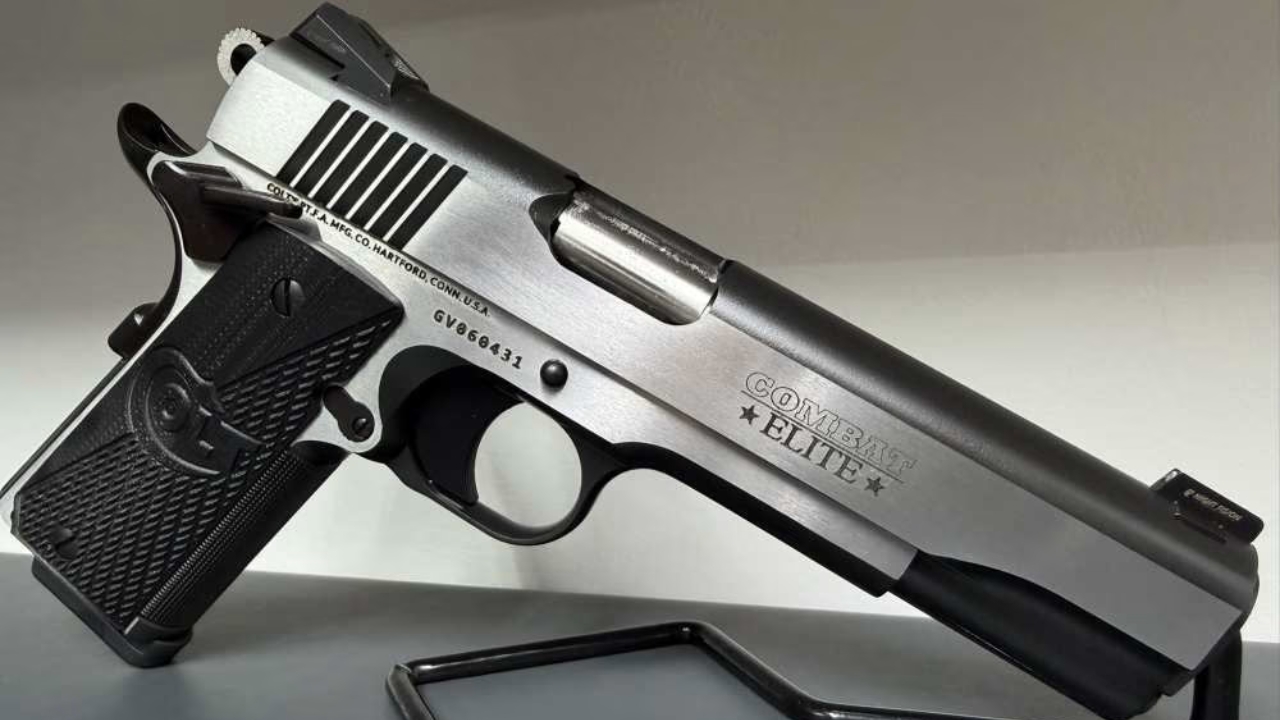
Colt’s name carries weight, and Combat Elite pricing reflects that. Some owners still end up doing the same 1911 dance: magazines, extractor tuning, and spring changes to make it run like they expected day one.
That’s not a knock on Colt craftsmanship overall—it’s the reality of 1911s being a system with more variables than striker guns. The problem is buyers often pay for the name expecting the variables to disappear. They don’t always.
Staccato C2

Staccatos are great shooters, and many are rock solid. The frustration comes when someone expects “perfection forever” and discovers that high-performance guns can still require maintenance attention—springs, magazines, lubrication habits, and setup details.
Some C2 owners also end up chasing little issues tied to mags or the specific ammo they’re using. When you pay Staccato money, “it’s mostly fine” isn’t the standard you wanted. If you’re unlucky, you can end up working harder than expected to make it boring.
Staccato P

Same category. The P is built for serious use, but it’s also a performance gun that rewards proper maintenance and proven magazines. Most run great. Some owners still run into the “why is this acting weird?” phase if they’re mixing mags, changing recoil springs, or running odd ammo.
The insult is the price tag. If you’re paying premium duty-gun money, you expect it to run across normal training conditions without drama. When it doesn’t, it feels like you got charged extra for homework.
SIG Sauer P226 Legion
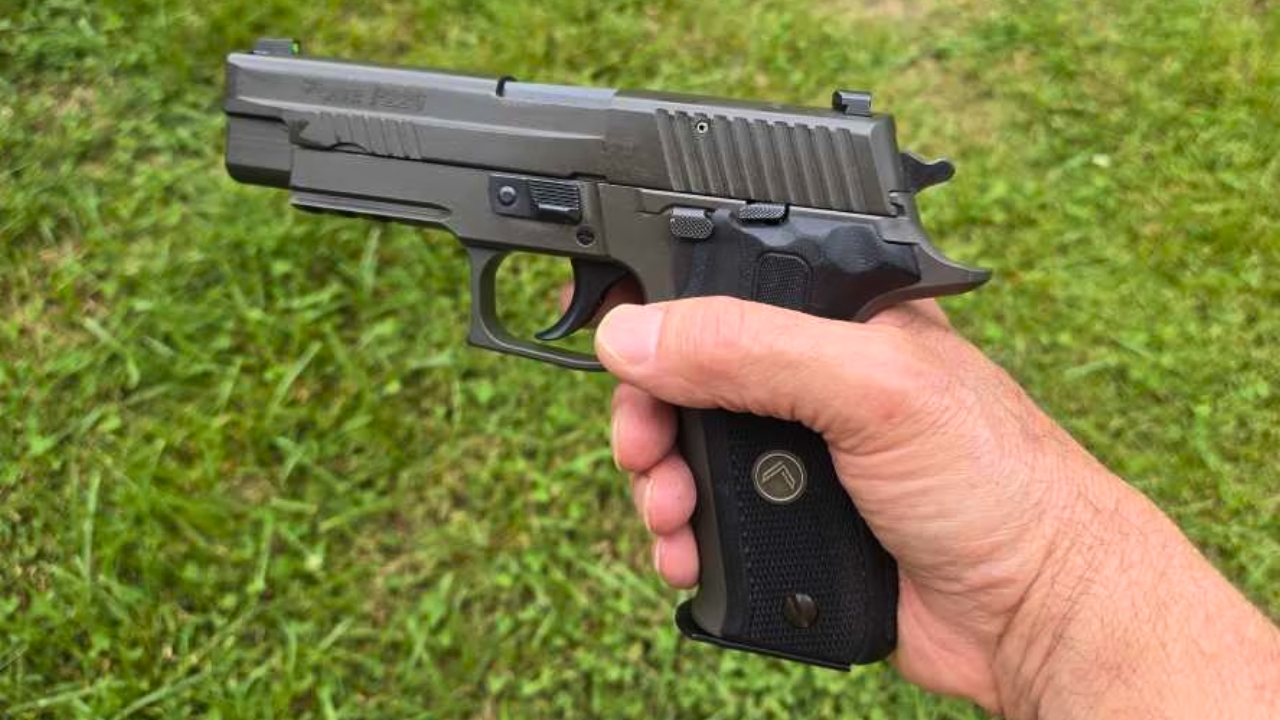
Legion guns feel premium, and they cost premium. The “needs work” stories often come from shooters who buy one expecting it to be flawless, then find they’re still dealing with typical issues: parts wear, occasional picky behavior with certain ammo, or needing small adjustments to keep everything feeling right. It’s not that the Legion is junk.
It’s that premium branding can create unrealistic expectations. A hard-training shooter will find any weak spot eventually, even on a “special edition” gun.
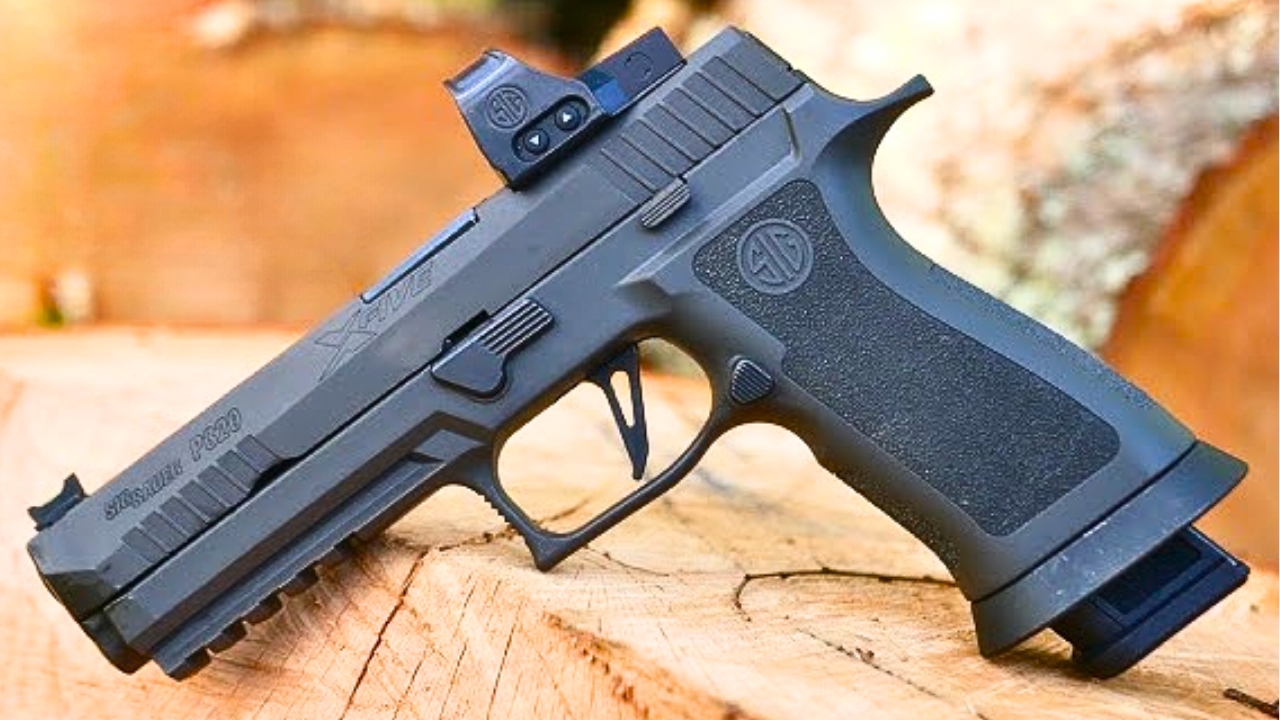
SIG Sauer P320 X-Five Legion

The X-Five Legion is sold as a competition-ready machine. Competition guns get shot a lot, fast. That’s where people run into “this needs tuning” realities—spring choices, optic mounting quirks, and parts wear that shows up earlier than a casual shooter expects.
Some owners spend more time dialing than shooting at first. The gun can be excellent once sorted. But when a buyer thinks premium price equals zero fiddling, they’re often disappointed.
Wilson Combat EDC X9

Wilson makes beautiful pistols, but premium 1911-adjacent guns can still demand attention: magazine selection, lubrication habits, and the reality that tight, high-end guns sometimes need a real break-in before they feel truly effortless.
Some owners also discover that “high end” doesn’t mean “immune to preferences.” If your gun runs best with certain mags and certain ammo, that’s still work you didn’t expect after paying Wilson money.
Nighthawk Custom 1911 (various builds)

Nighthawks are works of art, and many run great. But hand-built 1911s are still 1911s—extractor tuning, magazine preferences, and spring schedules are part of the ecosystem. When a buyer expects a custom 1911 to behave like a Glock under neglect and high round counts, reality gets loud.
If you have to send a premium gun back for reliability tweaks, it’s especially frustrating because the price tag promised “done right.” Sometimes it still takes a second trip.
Daniel Defense DDM4 (when owners treat it like “no maintenance ever”)

DD makes excellent ARs, but the AR platform still demands basic maintenance and correct setup. Some buyers spend DD money and then run the gun bone dry, never check gas rings, never verify extractor springs, and then act surprised when the gun starts hiccuping in hard training.
It’s not “needs work” so much as “needs the normal care ARs need.” The issue is that premium branding makes people think they bought a maintenance-free rifle. They didn’t.
Knights Armament SR-15
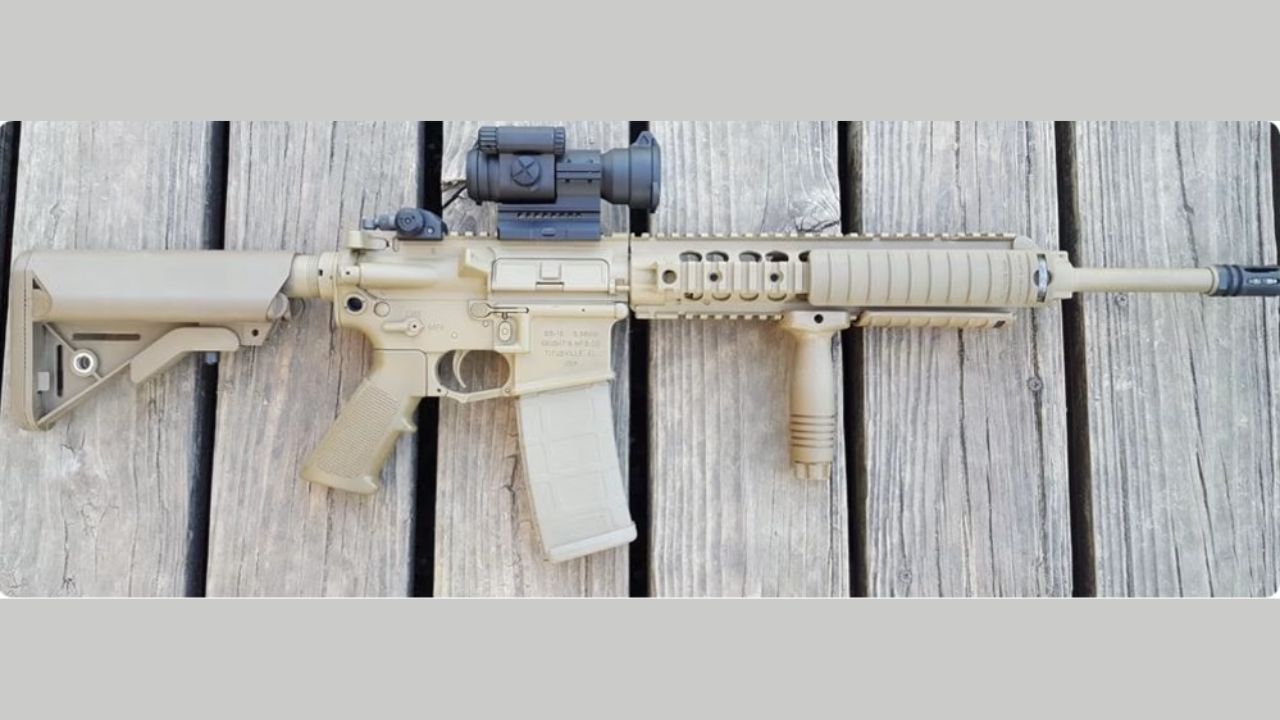
KAC rifles are top-tier, and that’s why it’s painful when someone has to chase something. The “work” here usually isn’t major—it’s parts availability, setup specifics, and the fact that a hard-used SR-15 will still wear springs and small parts like anything else.
When you pay KAC money, having to hunt down proprietary-ish parts or wait on stock feels like the gun is demanding more from you. It may run beautifully. Supporting it can still be a chore.
LMT MARS-L

LMT builds serious rifles, but like KAC, hard training exposes real-world variables: bolt and carrier wear, gas system tuning with suppressors, and the occasional “this setup wants a different buffer/spring” reality. None of that means the rifle is bad.
It means you’re operating in the world of high-performance ARs where tuning is sometimes part of the deal. The price doesn’t always buy you out of that world. It just buys you into better parts while you still do the homework.
FN SCAR 17S

The SCAR is a phenomenal rifle, but it’s also known for being hard on optics and mounts if you don’t set it up intelligently. Owners end up learning about mount quality, screw torque, and sometimes changing parts or setup choices to protect optics and keep everything stable.
When you pay SCAR money, you don’t want “extra rules.” The SCAR can feel like it comes with extra rules. If you ignore those rules, you may end up spending more money to keep it happy.
HK MR556A1
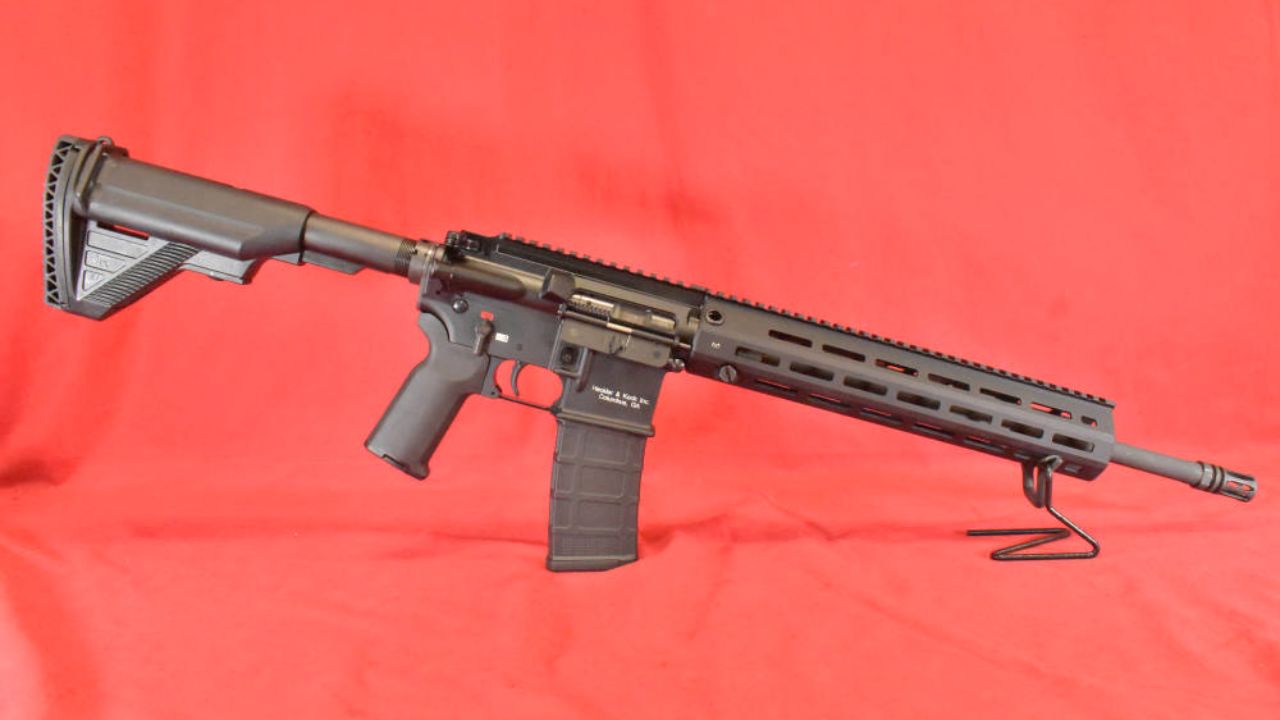
MR556 buyers often expect a flawless, bombproof experience. What they sometimes get is a very particular rifle: heavier, different recoil feel, and often a desire to set it up exactly right to suit training use. Some owners also run into the “it’s amazing, but it’s not convenient” reality—parts, accessories, and support can feel less simple than mainstream ARs.
If you’re spending HK money, you usually want both performance and convenience. Sometimes you get one more than the other.
Barrett REC10
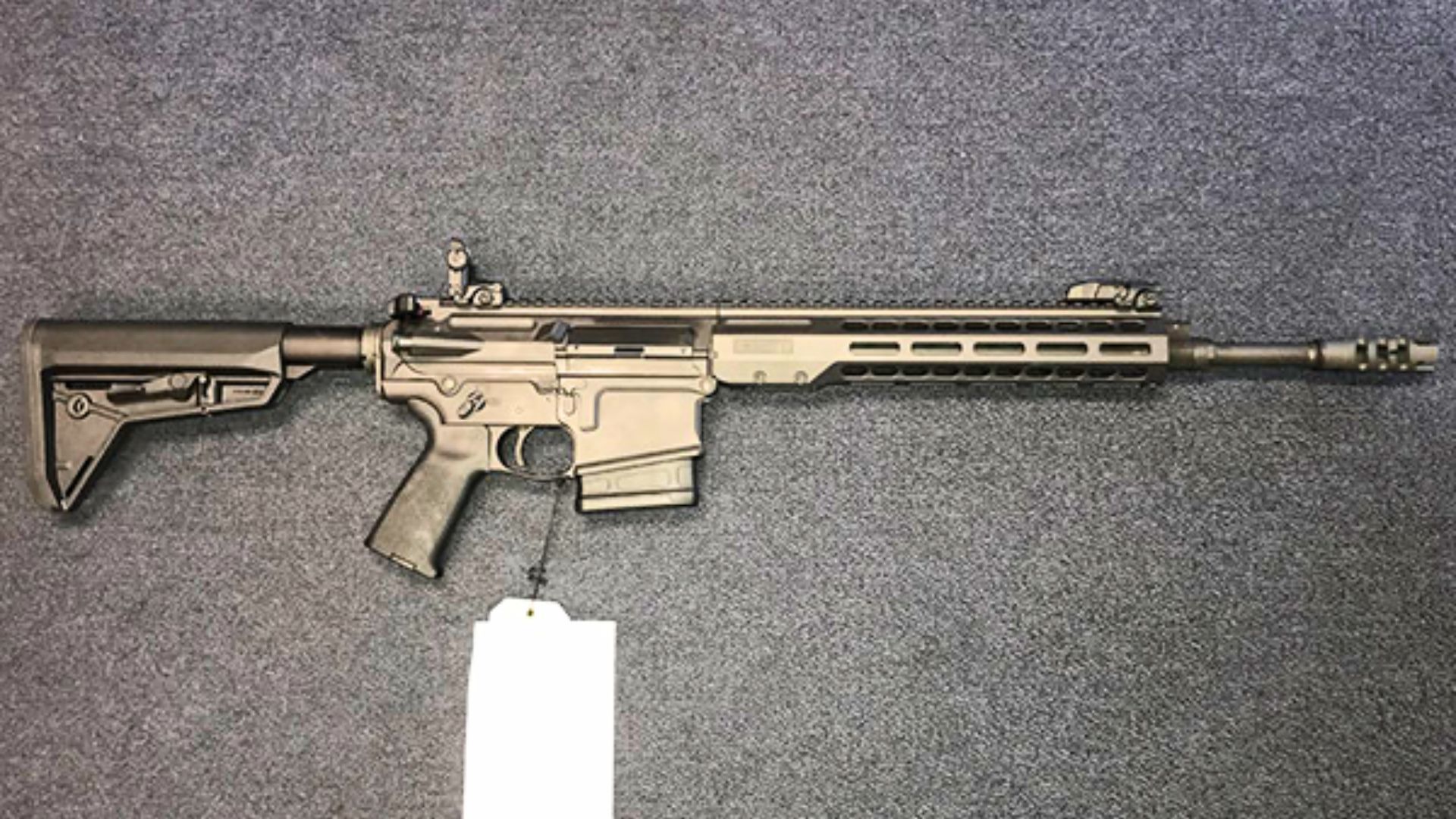
REC10s are premium .308 ARs, and premium .308 ARs can still be… .308 ARs. Magazine fit, ammo preferences, and recoil-driven hardware issues can show up if you’re running them hard. Some owners end up tuning buffers or being picky about mags to get boring reliability.
That’s normal in the AR-10-ish world, but it’s not what buyers imagine when they see the price tag. If you have to tune a rifle that cost that much, it feels personal.
Like The Avid Outdoorsman’s content? Be sure to follow us.
Here’s more from us: