Photo credit: Savage Arms
There’s something about lever guns that keeps pulling hunters back. Maybe it’s the fast handling, the balance, or how quick they are for follow-up shots in the woods. But more often than not, you hear about folks trying bolt-actions or semi-autos and then switching back to a lever rifle they can trust. It’s not always about nostalgia either. Some rifles just don’t hold up, either in the field or at the shoulder, and hunters decide they’d rather go with what works. These are the rifles that keep getting dropped in favor of a lever gun—for good reason.
Ruger American Predator

The Predator is lightweight and accurate, but its polymer stock flexes, especially when using a bipod or shooting from field positions. In wet or cold conditions, the forend can torque enough to shift your point of impact. Some hunters also don’t like the rotary magazine design, which can misfeed or bind if not seated perfectly.
After a season of fiddling, many folks trade them in for a lever gun that’s more intuitive and easier to shoot quickly in the field. Lever actions don’t need bedding or torque specs. They just run. And when you’re chasing game in thick cover, that simplicity pays off.
Mossberg MVP Patrol

The MVP Patrol looks good on paper—takes AR mags, short barrel, threaded muzzle. But in practice, it’s front-heavy, loud, and doesn’t always cycle smoothly. The bolt throw is gritty out of the box, and the polymer stock feels awkward in hand.
In the woods, you want a rifle that shoulders quick and shoots clean. A lever-action .30-30 or .35 Remington does that without the fuss. The MVP might be more tactical, but hunters looking for quiet balance and fast handling often go back to a Marlin or Henry after spending time with the MVP.
Remington 770

The 770 was built as an affordable big-game rifle, but it’s plagued with complaints. The action is rough, the bolt can bind, and the trigger leaves a lot to be desired. Accuracy is hit or miss, and many report problems with long-term durability.
A lever gun in the same price range—even used—can offer a better shooting experience. Hunters who ditch the 770 often say they feel more confident behind a used 336 than a new 770. The smoother action, better balance, and proven reliability win out every time.
Savage Axis II XP

The Axis II XP comes scoped and ready to shoot, but the plastic stock is flimsy, and the bolt throw can feel loose. For a range gun, it’s passable. But in the woods, the rattling and flex start to wear on you.
Hunters who want something quick, sturdy, and compact often trade the Axis for a lever gun that feels more solid. Lever rifles tend to carry better, especially in thick brush. And they offer faster follow-ups—a big advantage when you don’t get a perfect first shot.
Thompson/Center Compass

The Compass offered a lot of value for the money, but its rough bolt and mushy trigger leave many unimpressed after a season in the field. The accuracy is decent, but it doesn’t handle well in fast-moving situations.
Many hunters ditch it for a lever gun that feels more responsive and balanced. Lever actions point quicker, especially when you’re shooting offhand or from tight cover. Compass rifles don’t inspire much confidence once you’ve tried a smoother, quicker-handling lever gun.
Winchester XPR

The XPR isn’t a bad rifle, but the thick stock and stiff bolt make it feel bulkier than it should. Some hunters find the ergonomics clumsy, especially in fast, reactive shots. And when things go sideways, the bolt throw can slow you down.
Lever guns give you that clean shoulder mount and fast follow-up that’s hard to replicate. That’s why a lot of folks who start with the XPR end up going back to a Model 94 or Marlin 336. Even if they give up some long-range reach, they gain speed and control in the woods.
Browning BAR MK3

The BAR MK3 is smooth and accurate, but it’s heavy. Once scoped and slung, it can feel like a boat anchor on long hikes. The recoil system soaks up kick, but cleaning and maintenance are more involved than a traditional rifle.
Hunters looking for simplicity often move back to a lever-action .308 or .30-30. Lever rifles are easier to carry, run cleaner, and don’t mind a little rain and mud. If you want something that shoulders fast and hits hard without weighing you down, the BAR can feel like too much rifle.
CZ 557 Sporter

CZ makes great rifles, but the 557 Sporter is built for precision, not speed. It’s long, relatively heavy, and the bolt lift can be stiff until it’s worn in. The detachable box mag adds bulk without offering much over a tube-fed lever rifle.
Hunters who move to lever guns often cite better balance and faster handling. The 557 shoots well off a bench, but it doesn’t transition as cleanly in real hunting conditions. A lever gun gives you quicker target acquisition when every second counts.
Ruger Gunsite Scout Rifle

It’s compact and rugged, but the Gunsite Scout is still a bolt gun, and many shooters struggle with the forward optic setup. The scout scope limits magnification and can feel awkward in low light.
In thick woods, a lever gun with iron sights or a low-power scope often works better. It carries easier, cycles faster, and doesn’t force you to adjust your shooting style. A lot of folks who wanted the Scout to work end up going back to a classic lever rifle that feels more natural.
Weatherby Vanguard Series 2
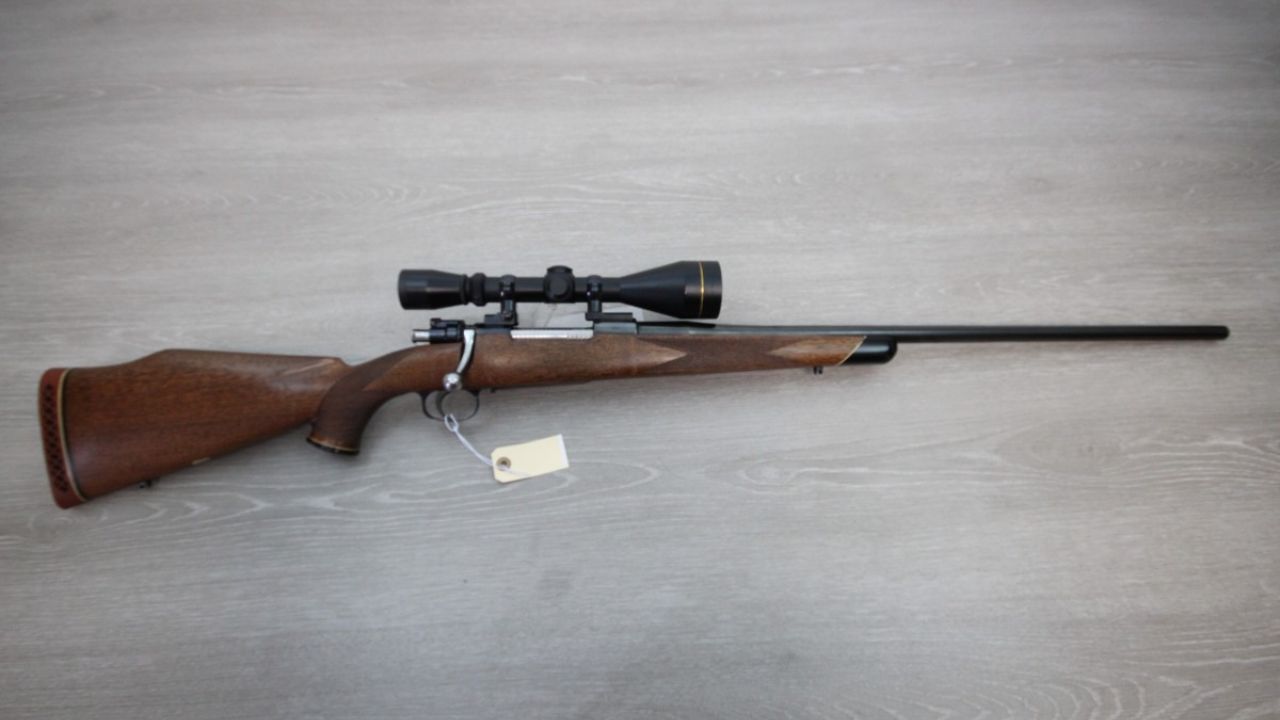
Weatherby builds accurate rifles, but the Vanguard Series 2 is long and a little front-heavy. The stock is thick, and the overall feel is more suited for open terrain. In tighter quarters, it’s not as nimble.
That’s where lever guns shine. Hunters moving through dense brush or steep terrain often prefer the compact profile of a .30-30 or .35 Remington lever action. You might give up some reach, but you gain a lot in responsiveness and carry comfort.
Tikka T3x Hunter

Tikka makes great actions, and the T3x Hunter is smooth as butter. But for some, the longer barrel and traditional stock feel more at home on a bench than in tight cover. The detachable mag can also get in the way when slung.
Hunters looking for something that handles quick shots better often ditch the Tikka for a lever gun with more natural pointability. Tikka fans usually love the rifle—until they carry it all day and realize a lever-action would’ve handled the same shots with half the effort.
Remington 783

The 783 is another budget rifle that does fine on paper but feels rough in practice. The bolt isn’t as smooth as it could be, the stock feels hollow, and some report inconsistent groups after extended use.
After a season of missed chances or clunky reloads, many hunters start looking at lever guns. Lever rifles don’t try to do everything. They do one thing well: fast, close-to-mid-range hunting. And that’s what most people need when the woods get thick.
Savage 110 Tactical

Built for precision, not portability, the 110 Tactical is heavy and long. The oversized bolt and tactical chassis are great on a range but awkward when dragging through the woods. You might look cool, but it’s not built for speed or balance in the field.
Hunters who try to carry it often swap back to a lever gun after the first season. Lever rifles point easier, carry better, and don’t hang up on every tree branch along the way. Tactical looks mean nothing when you’re trying to get on target in five seconds flat.
Howa 1500 Hogue
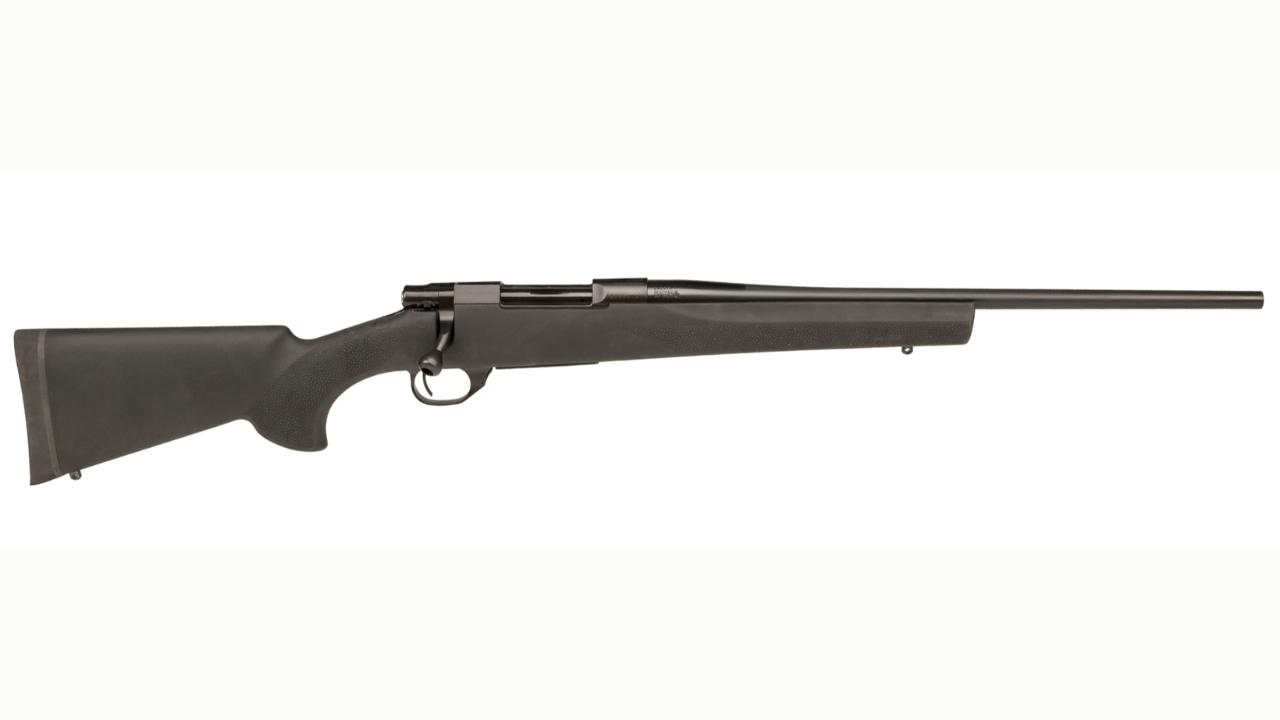
The Howa 1500 action is solid, but the Hogue stock is heavy and rubbery. It grips well but adds weight and can feel slow to shoulder. The bolt is long, and the safety isn’t the fastest to manipulate.
Some hunters who start with the Howa move to a lever-action and don’t look back. They want something that comes up quick, shoots fast, and doesn’t feel like it belongs on a bench rest. Lever guns aren’t always lighter, but they carry better and stay out of the way.
Remington Model Seven (late production)

The older Model Seven rifles were great brush guns. But toward the end, quality control slipped. Rough actions, mushy triggers, and inconsistent stocks turned a classic into a gamble.
Some hunters hoping for a handy bolt gun find themselves frustrated with the newer versions. A lever gun ends up being more consistent, more responsive, and more fun to shoot. You don’t have to fight the action or mess with aftermarket fixes—you shoulder it, shoot, and get the job done.
Mossberg Patriot

The Patriot is affordable, but some find the bolt too sloppy and the plastic stock too soft. It can group well, but the overall feel doesn’t inspire confidence in fast-paced hunting situations.
After a season or two, many switch to a lever gun that feels more solid. Hunters want something they can cycle without taking their eye off the target, and a lever-action lets them do that. The Patriot is a decent starter rifle, but it’s often a stepping stone to something that handles better—like a good lever gun.
*This article was developed with AI-powered tools and has been carefully reviewed by our editors.