Photo credit: TFB TV/YouTube
Collector guns can do two very different jobs, and a lot of buyers forget that when the price tag starts climbing. One job is historical or collectible value. The other is actual shooting performance. Those two things do not always travel together. A handgun or rifle can be beautifully made, historically important, scarce, and still feel dated, awkward, or only mildly impressive once you finally get it on the range.
That mismatch is where a lot of expensive second thoughts come from. You pay for rarity, military history, old-world machining, limited production, or a famous name, then discover the gun does not shoot nearly as well as the money suggests it should. That does not make these firearms worthless. It means the premium is often tied to what they are, not how they perform. If you buy with shooter expectations and collector pricing, you can end up paying a lot for a range experience that feels ordinary.
Luger P08
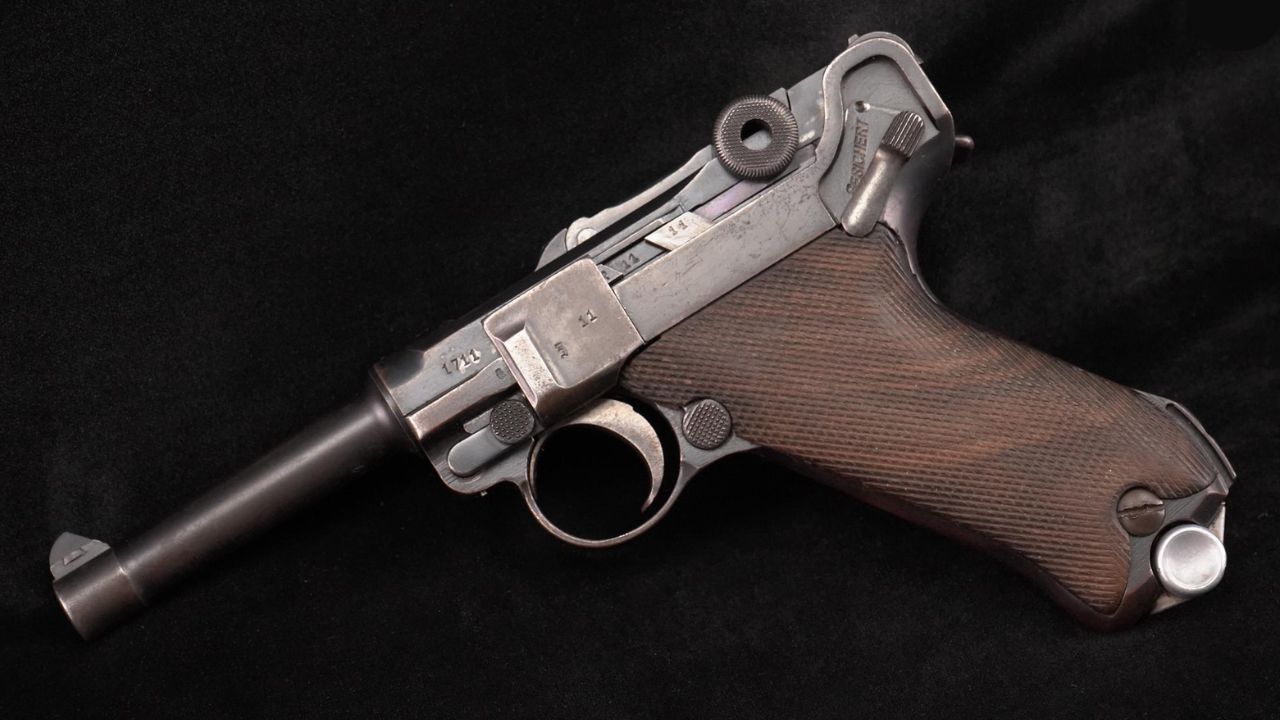
The Luger P08 is one of the most recognizable pistols ever made, and that alone keeps prices well above what many shooters expect. It has undeniable collector pull. The shape is iconic, the history is real, and matching examples can command serious money. If you have ever handled one, you understand why people chase them. It feels like a piece of world history in your hand.
Then you actually shoot it, and the reality can be more restrained than the price suggests. The sights are small, the grip angle feels unique but not automatically superior, and the toggle-lock system is more interesting than it is practical by modern standards. A good Luger can shoot fine, but “fine” is the point. You are often paying for rarity, markings, and condition, not for a pistol that outperforms far less expensive shooters on the range.
Mauser C96 Broomhandle

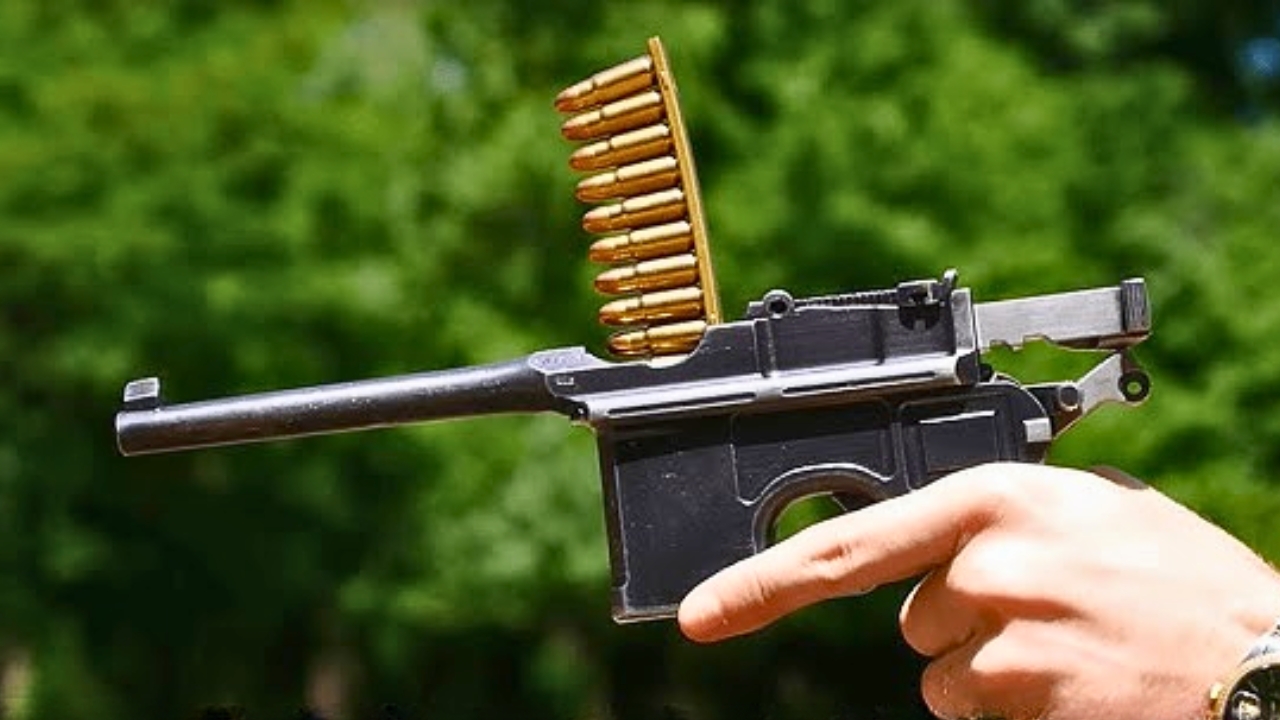
The Mauser C96 Broomhandle gets attention the second it comes out of a case. It looks different from nearly everything around it, and that odd profile, early semiauto history, and military connection keep collectors interested. Original examples, especially matching or desirable variants, can bring strong money. It is one of those pistols people want to own because of what it represents.
As a shooter, though, it often feels more fascinating than outstanding. The grip can feel awkward, the sight setup is not especially friendly, and the overall handling reminds you quickly that this is an early autoloading design, not a refined modern pistol. A well-functioning example can be enjoyable, but it rarely feels like a premium range experience. Most of the value is tied to age, scarcity, and historical interest. Once you separate those things from actual performance, the gun often shoots more like an interesting relic than a high-dollar star.
Colt Single Action Army
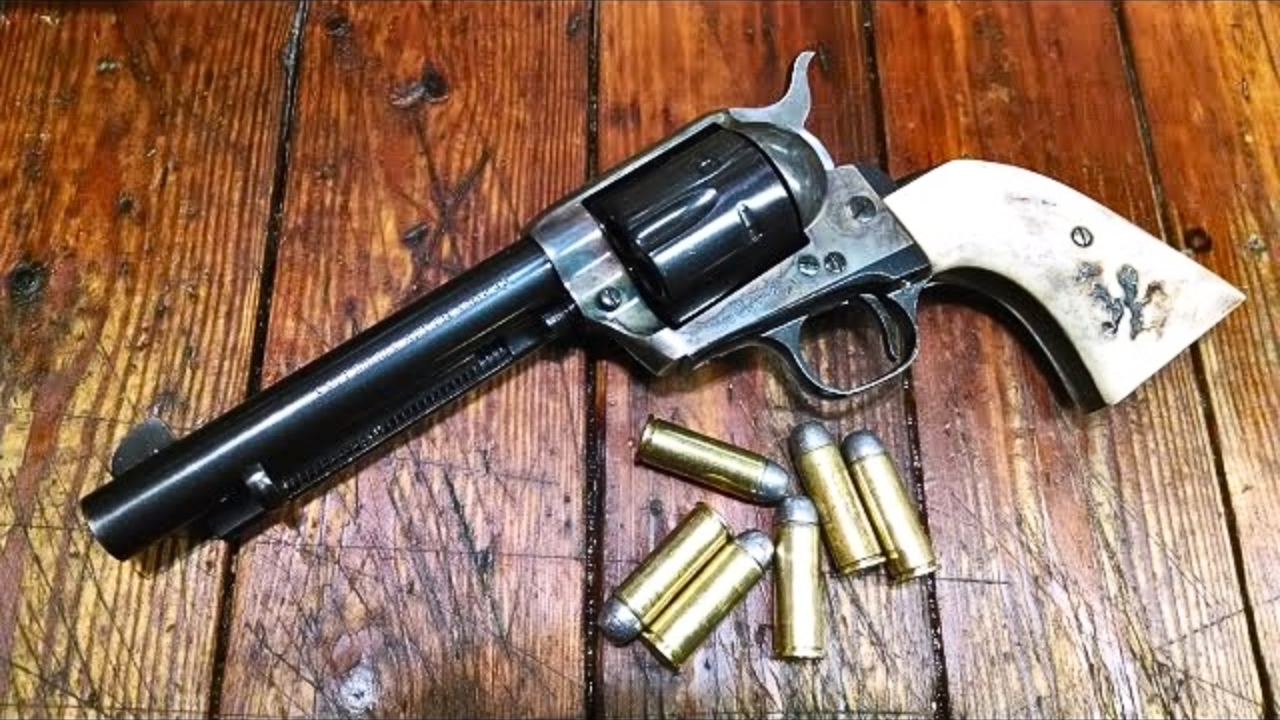
The Colt Single Action Army has collector gravity few revolvers can match. It carries Old West appeal, military history, and a name that still means something to serious collectors. Original examples in strong condition can cost a great deal, and even later desirable Colts can climb fast. If you care about American firearms history, it is easy to see why people pay real money for one.
On the range, the experience is often more about character than performance. The fixed sights can be limiting, the grip shape is classic but not ideal for every shooter, and the loading process is slow even by revolver standards. None of that makes it a bad revolver. It means you are paying for heritage and originality, not for a sixgun that will outshoot well-made modern single-actions or double-actions that cost much less. It can be satisfying to shoot, but rarely in a way that feels equal to its price.
Winchester Model 1894 Saddle Ring Carbine
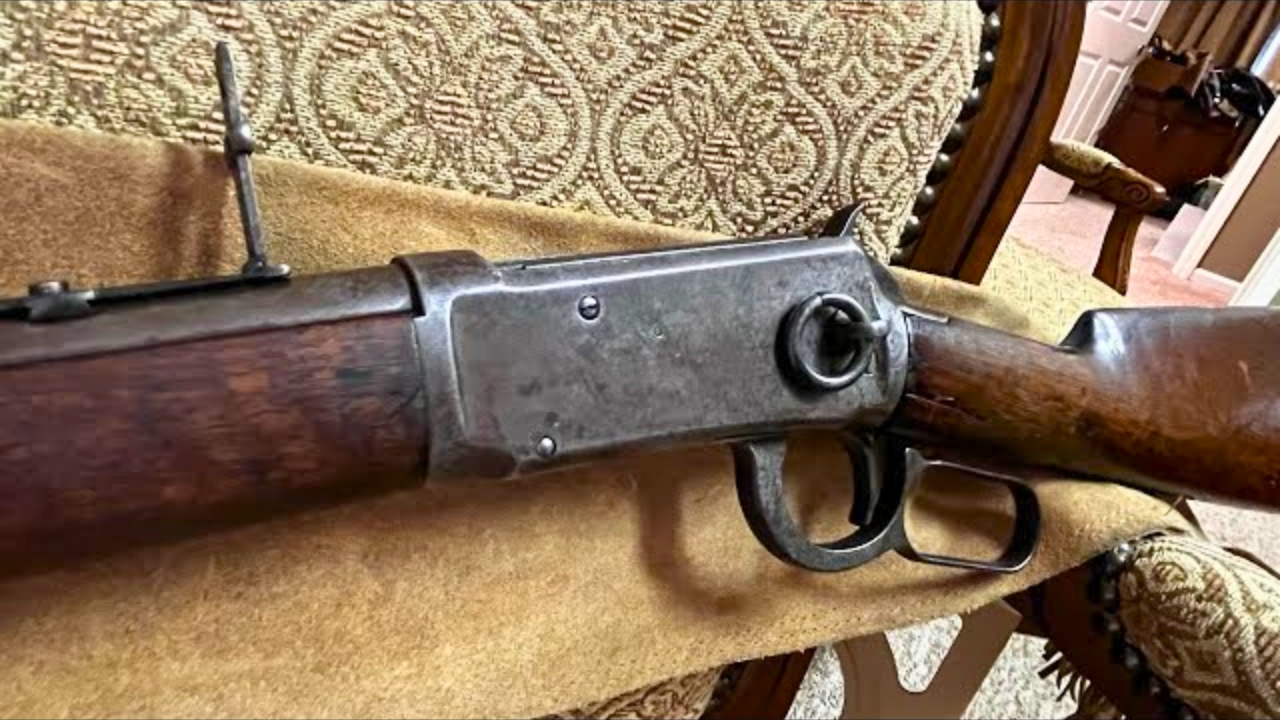
A Winchester Model 1894 saddle ring carbine carries enormous collector and nostalgia appeal. It is tied to deer camps, ranch use, and classic American lever-gun history in a way few rifles can match. Older examples, especially pre-64 guns in nice shape, draw strong interest and can bring premium money. There is a lot to admire in the handling and the story behind the rifle.
As a shooter, though, many examples are more pleasant than truly impressive. The sights are often basic, the triggers vary, and years of use can leave bores and internal wear that do not always show from across the table. Even clean carbines tend to reflect their era rather than outperform later rifles. They point well and carry beautifully, but range precision is often ordinary. You are usually paying for history, condition, and name recognition, not for a lever gun that will leave modern shooters stunned by its performance.
M1 Carbine
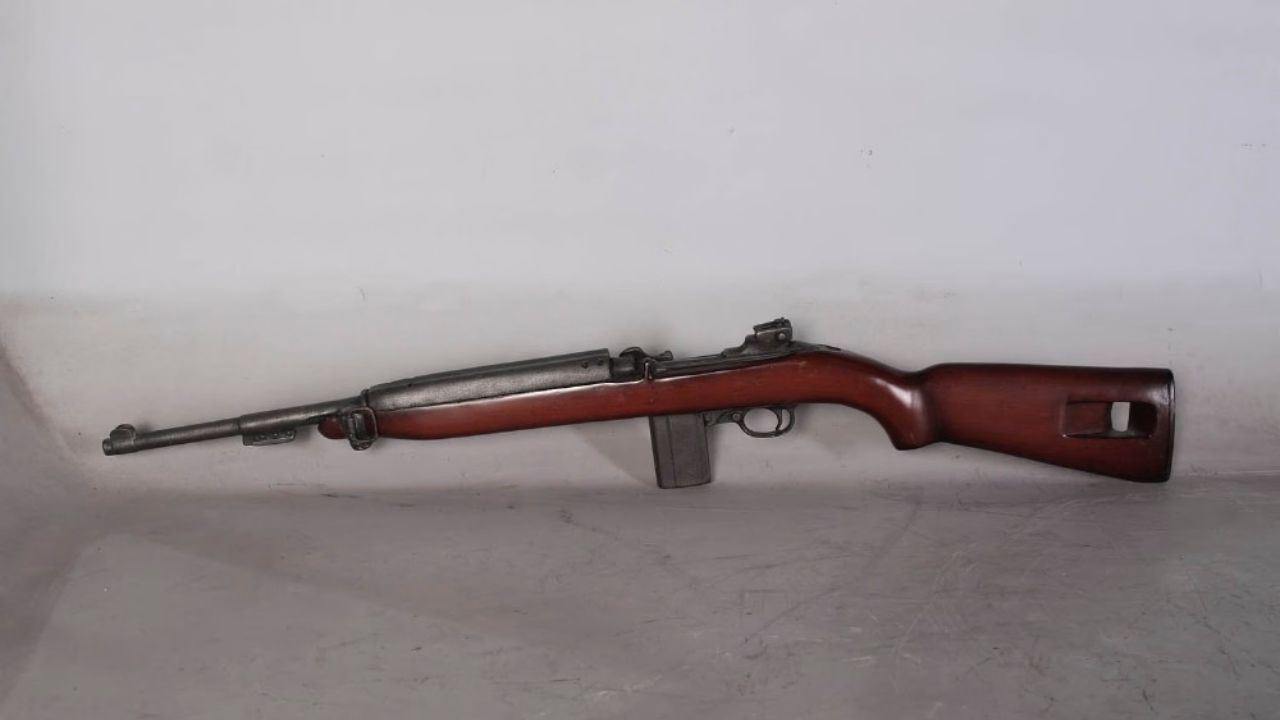
The M1 Carbine has become one of those collector guns that feels easy to justify until you look at the market closely. Original U.S. military carbines with correct parts and strong provenance can bring serious money now, especially as cleaner examples get harder to find. The rifle is light, historically important, and genuinely handy, which makes it easy for buyers to convince themselves they are getting a great shooter and a collectible in one.
Sometimes that works out. Sometimes it does not. A good M1 Carbine can be fun and useful, but many do not shoot in a way that feels exceptional for the cost. Sights, triggers, and accuracy are often respectable rather than remarkable, and worn examples can feel even less inspiring. It is a charming little rifle with real strengths, but when prices climb into premium territory, the actual range performance often stays in the solid-but-average lane.
Walther P38

The Walther P38 has real collector appeal because it blends wartime history, recognizable design, and a place in the evolution of the double-action semiauto pistol. Matching wartime examples, especially with desirable markings or strong condition, can command a lot more than casual buyers expect. It is the kind of gun that feels important before the first round is fired, and in historical terms, it absolutely is.
On the range, though, it often feels more noteworthy than outstanding. The trigger can be serviceable at best, the sights are not exactly generous, and the overall shooting experience is usually decent without feeling special. That is not a flaw so much as a reminder of what you are buying. A P38’s premium usually comes from history, originality, and condition. If you judge it strictly as a shooter, there are many less expensive pistols that feel easier, more accurate, and more satisfying to run.
Colt Python
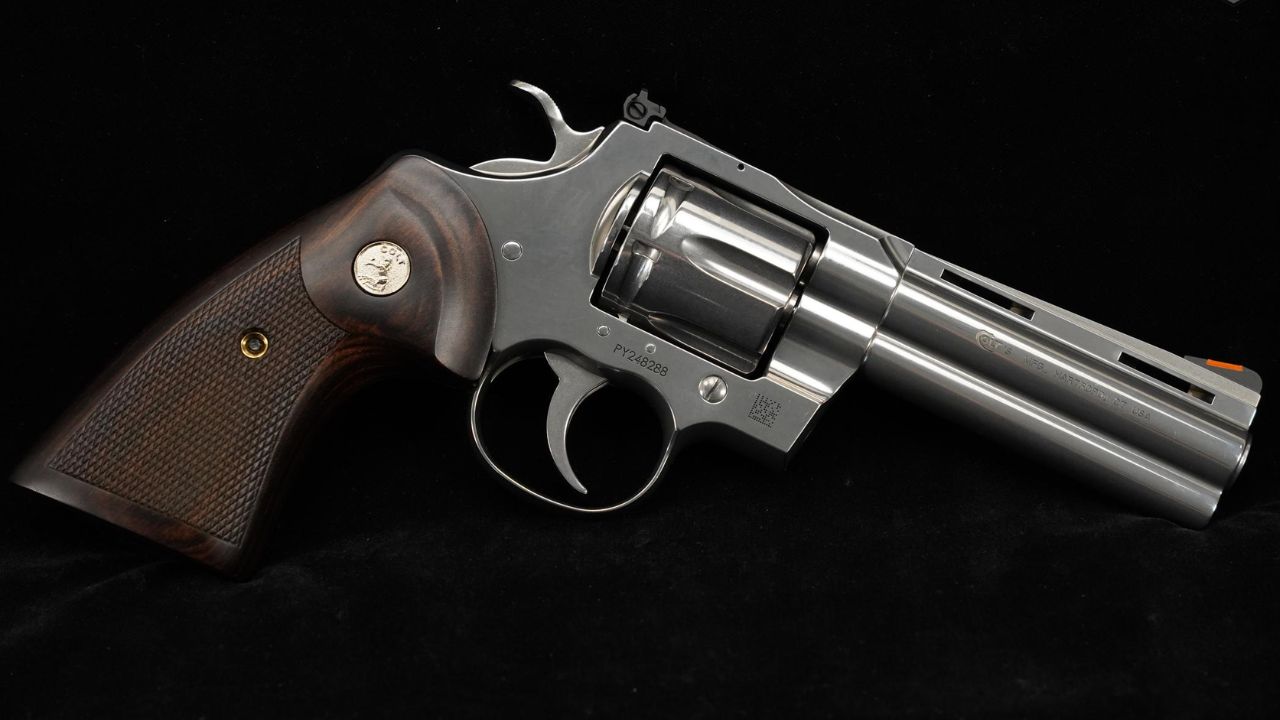
The Colt Python is one of the clearest examples of a gun whose market value can outrun what most shooters will experience at the range. Older Python revolvers, especially desirable barrel lengths and clean finishes, have commanded premium prices for years. The polish, the Colt name, and the long-running reputation make it easy to assume you are buying a revolver that will outclass everything else the second you touch it.
Sometimes expectations get ahead of reality. A Python can be a very nice revolver, but many shoot more like a good revolver than a magical one. The trigger can be excellent, but accuracy and handling do not always separate dramatically from much less expensive quality wheelguns. What you are often paying for is the old Colt finish work, collector demand, and the Python’s reputation as an object. As a pure shooter, it can impress, but not always in a way that explains the full premium.
Smith & Wesson Registered Magnum
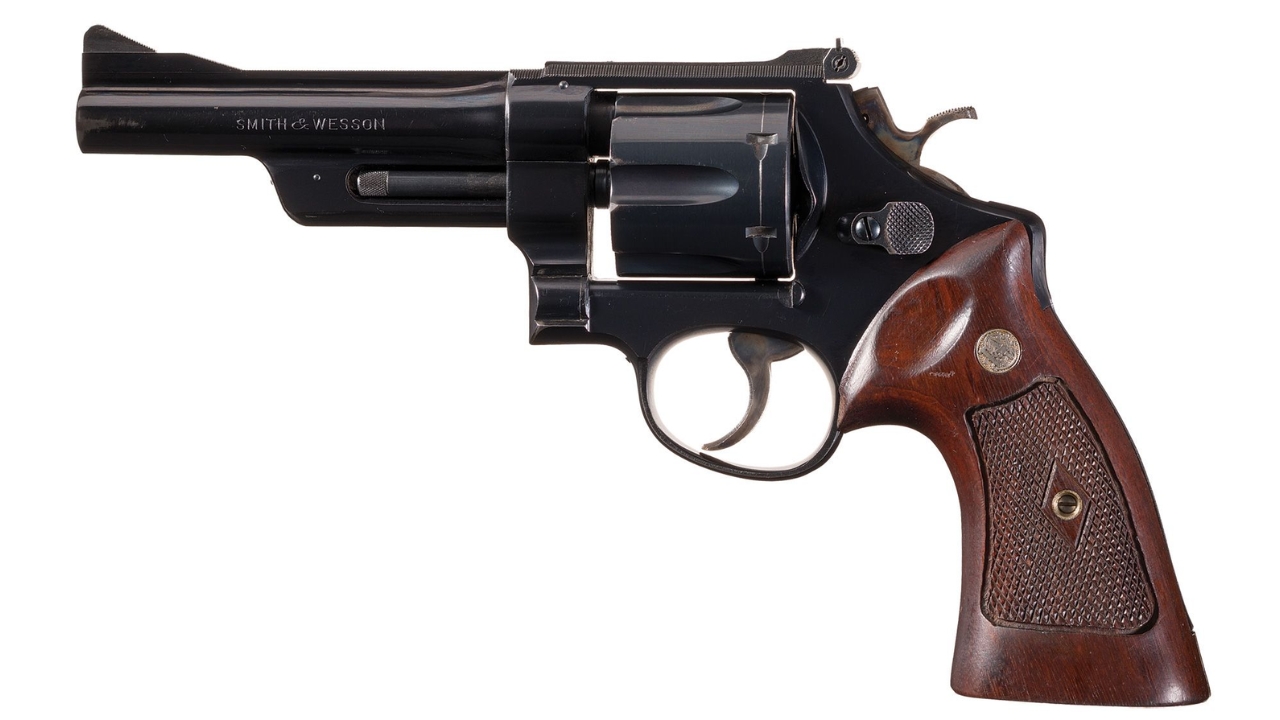
The Smith & Wesson Registered Magnum carries serious collector weight because of what it represents in revolver history. Early .357 Magnum prestige, registration history, and limited-era desirability make these guns enormously attractive to collectors. A documented example in strong original condition is not cheap, and nobody who understands the market is surprised by that. It is one of those revolvers where the historical importance is inseparable from the price.
As a shooter, though, much of that premium never shows up on the target. A well-kept Registered Magnum can be a very good revolver, but it is still a vintage revolver with vintage sights, vintage wear concerns, and collector sensitivity that often makes owners hesitate to run it hard. It may shoot well, but “well” and “worth that much as a shooter” are two different questions. Most of the money is tied to scarcity and history, not some radically superior range experience.
Colt Woodsman Match Target

The Colt Woodsman Match Target is a classic .22 pistol that has become increasingly expensive in nicer configurations. Collectors appreciate the craftsmanship, the design lineage, and the fact that clean examples keep getting harder to find. The Match Target name also encourages buyers to expect a very special shooting experience. On paper, it sounds like the sort of vintage rimfire that should fully justify a premium.
In practice, it is often very good without being dramatically better than far less expensive quality .22 pistols. The trigger can be nice, and the gun can certainly shoot well, but the sights, ergonomics, and overall performance do not always feel remarkable enough to explain the collector price on their own. You are often paying for Colt quality, condition, and scarcity. It is a fine pistol, but once the price climbs into serious collector territory, the shooting experience often stays more “pleasant classic” than “unmatched range gun.”
Winchester Model 12 Trap Grade

A Winchester Model 12 Trap Grade carries strong appeal because it combines a beloved pump shotgun design with a more desirable configuration. Collectors love them for the quality, the variant, and the place the Model 12 holds in American shotgun history. Nice examples are not cheap, and special grades can climb well beyond what a casual shooter might think a pump gun should cost.
At the range, though, a lot of that premium stays in the gun’s identity rather than its actual edge over other shotguns. A good Trap Grade can be smooth and satisfying, but it is still a pump shotgun with vintage dimensions and all the limitations that come with the era. It may break clays well, but not always in a way that clearly separates it from later, less expensive sporting guns. The collector premium is real. The shooting difference, compared to the price, is often less dramatic.
Browning Hi-Power T-Series

The Browning Hi-Power T-Series has become one of those pistols that collectors and old-school shooters both talk up, which drives prices higher than many first-time buyers expect. The fit, finish, and desirability of the T-Series era give these guns real pull in the market. If you appreciate steel-frame service pistols, it is easy to understand why this version of the Hi-Power commands a premium over later, more common examples.
As a shooter, however, it often lands in the solid-but-not-transformative category. It points well, and many people like the way a Hi-Power feels in hand, but the trigger is often only average unless modified, and the sights reflect the era more than modern shooter preferences. You are frequently paying for the specific production period, condition, and collector interest. It is a very respectable pistol, but the premium usually comes from what it is, not from some dramatic advantage on the firing line.
Remington Rand M1911A1

A Remington Rand M1911A1 can draw premium money because U.S. military 1911s always carry collector attention, and original World War II examples with correct finish and parts are not getting easier to find. The historical value is obvious. It is a real service pistol tied to a major era in American military history, and that alone can make buyers forgive a lot when they see the price.
As a shooter, though, many of these pistols feel exactly like what they are: wartime service handguns built for reliability and practical battlefield use, not refined target performance. The sights are small, the triggers vary, and the overall fit can be more functional than impressive. A good one can run well, but it often shoots in a way that feels ordinary compared with modern 1911s or even later commercial guns. The premium is tied to originality and history. The range experience is often respectable, not remarkable.
FN FN-49
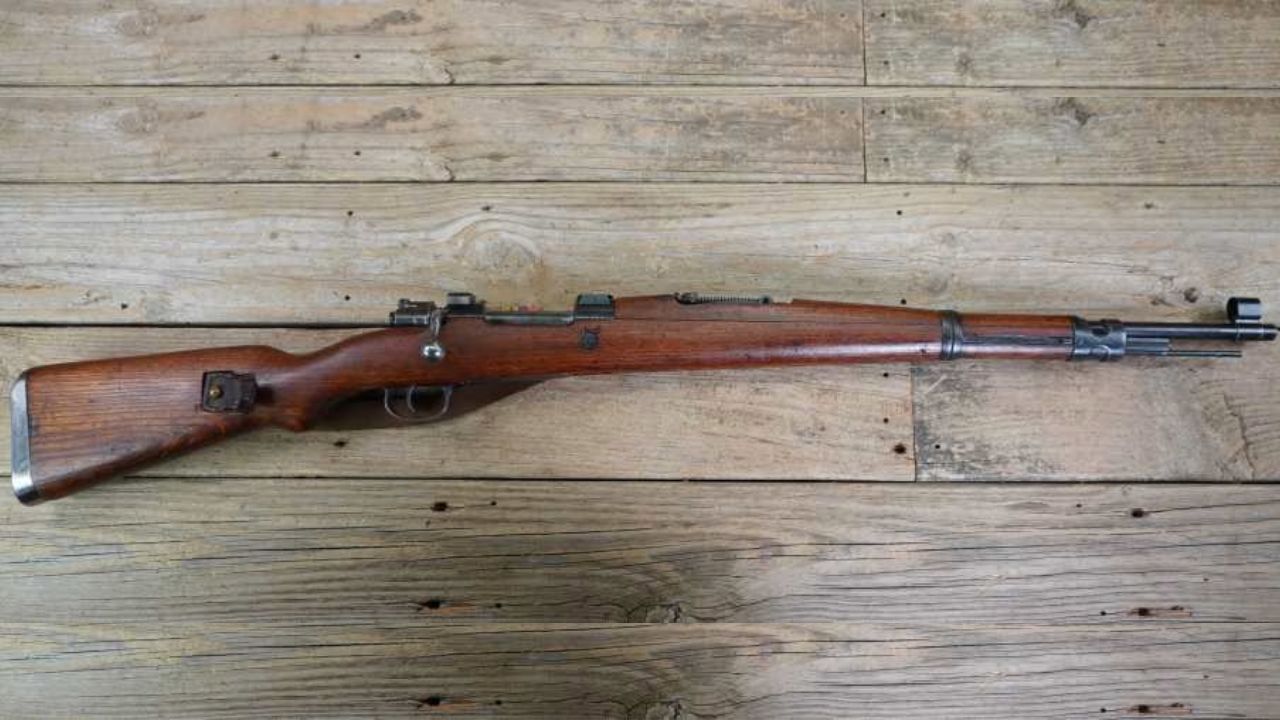
The FN-49 is a rifle collectors appreciate because it sits in an interesting historical lane between older bolt guns and later battle rifles. It has military pedigree, limited-country variations, and strong collector appeal when matching and properly configured. Prices on better examples can climb quickly, especially when buyers start chasing specific contracts or cleaner rifles. It has that exact kind of scarcity that makes collectors pay attention.
As a shooter, though, the experience often feels more “good old military rifle” than “premium performance.” The rifle can be accurate enough, but triggers, sights, and overall handling usually remind you that this is a service arm from another era. It is not a precision rifle, and it does not usually outshoot its price tag in any dramatic way. The money is often tied to rarity, originality, and military interest. On the range, it typically performs fine without delivering anything close to premium-per-dollar value.
Walther PP and PPK wartime or early commercial variants
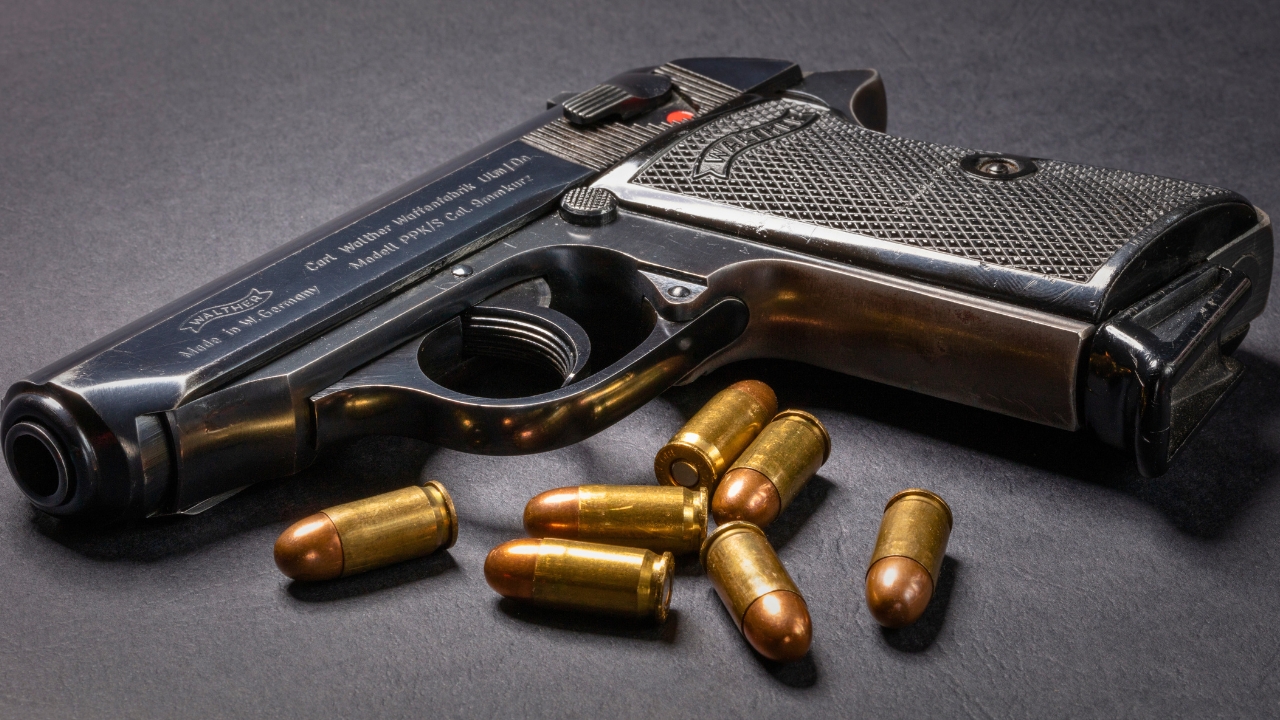
Early Walther PP and PPK pistols, especially wartime or highly desirable commercial examples, bring collector money because of their history, finish, and association with a very recognizable design. Matching pistols with correct markings can get expensive quickly, and buyers often approach them expecting that the price will translate into a notably refined shooting experience. The reputation and appearance make that easy to believe.
The reality is usually more modest. These pistols can be neat, compact, and historically interesting, but many are not especially pleasant or impressive shooters by current standards. Blowback recoil can feel sharper than expected, the sights are often small, and the ergonomics are only average for extended range use. They are valuable because of provenance, scarcity, and condition. If you judge them strictly by how they shoot compared with what they cost, they often feel far more ordinary than the premium price suggests.
Winchester Model 71
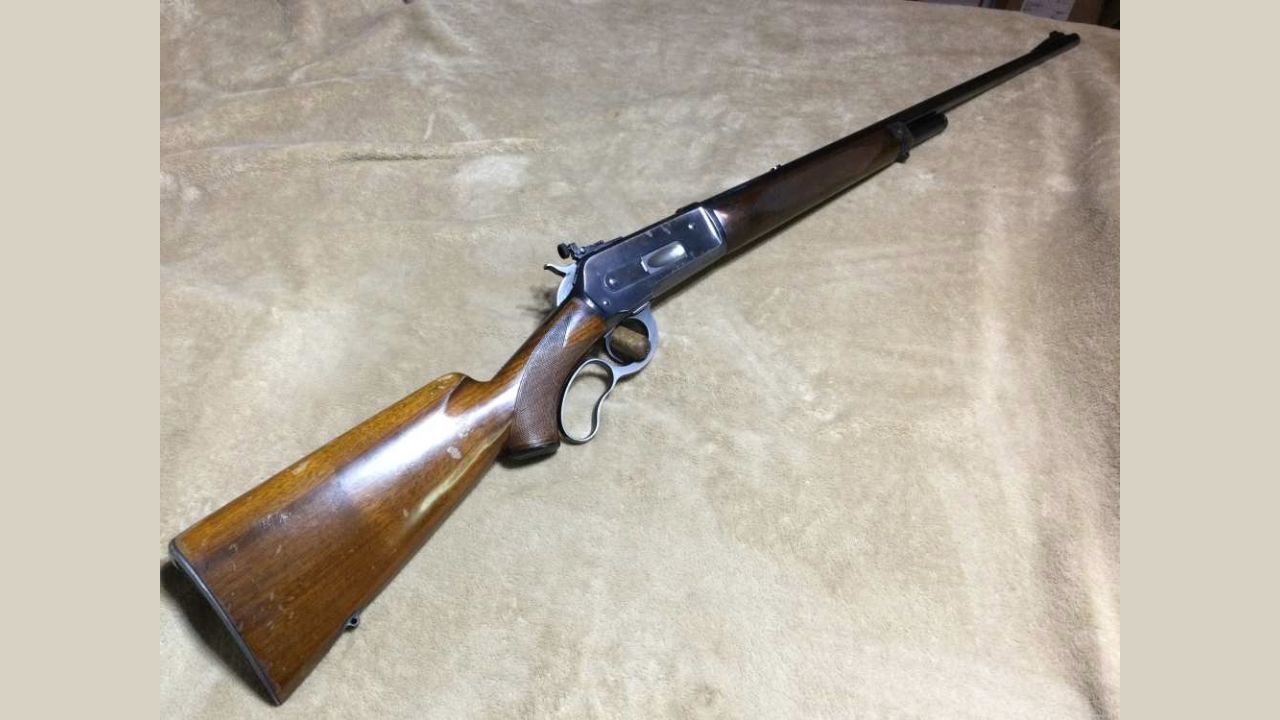
The Winchester Model 71 is a lever gun collectors respect because it was never made in huge numbers and carries a strong reputation among fans of classic Winchester rifles. Nice originals, especially clean unaltered examples, can bring serious money. It is a handsome, substantial rifle with real presence, and that alone makes people want to believe the shooting experience will match the collector premium attached to it.
At the range, it often proves competent rather than exceptional. The rifle handles well enough, but the sights, trigger feel, and practical accuracy are still tied to the realities of a vintage lever-action hunting rifle. It was built for field use, not to outperform modern rifles wearing modern optics and better triggers. That matters once you separate collector romance from actual shooting. The Model 71 is a respected classic, but much of what you pay for is rarity and Winchester desirability, not extraordinary performance on target.
Savage 99 in desirable early configurations

The Savage 99 has genuine collector appeal, especially in early or more desirable configurations with strong original condition. It has a loyal following for good reason. The design is clever, the handling can be excellent, and certain chamberings or features drive prices well above what many buyers expect. A nice 99 can absolutely feel like a prize when you find one.
But as a pure shooter, it often lands in the same place many classic hunting rifles do: good, useful, and not nearly as extraordinary as the collector premium implies. Triggers vary, older stocks and fit can feel dated to modern shooters, and practical accuracy is often hunting-good rather than eye-opening. That is not criticism. It is perspective. You are usually paying for the rifle’s originality, variation, and place in American sporting history. Once you strip those things away, the shooting experience tends to feel more solid and familiar than premium and unforgettable.
Like The Avid Outdoorsman’s content? Subscribe to our newsletter so you never miss an article.
Here’s more from us: