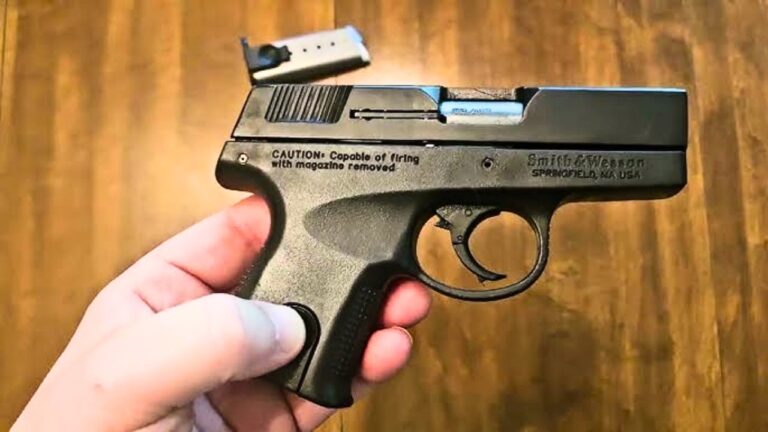
Photo credit: Mitch Cox Photo/Shutterstock.com
On paper, some cartridges look unstoppable. They promise flat trajectories, manageable recoil, and knockdown power that should handle anything you’d ever hunt. But paper doesn’t account for wind, weather, poor bullet construction, or the fact that real animals aren’t steel plates. Out in the field, plenty of these “perfect” calibers fall apart under pressure. They either lack consistency, deliver unpredictable terminal performance, or depend too heavily on ideal conditions to shine.
Hunters who’ve actually tested these rounds past the range line know how misleading data tables can be. Charts don’t show how quickly certain bullets lose energy or how badly lightweight projectiles drift in mountain gusts. They don’t show tracking jobs, lost blood trails, or bullets that fail to penetrate. These are the calibers that sound great during camp talk but regularly let hunters down when real-world conditions test what a cartridge is truly worth.
6.5 Creedmoor

The 6.5 Creedmoor built its reputation on long-range accuracy, and while it shoots tight groups on the bench, it’s not a magic hunting cartridge. It looks impressive on ballistic charts, but it’s still limited by case capacity and bullet weight. When you push it beyond midrange, energy drops fast, and that shows in the field—especially on elk or bigger-bodied deer.
Many hunters have learned that “efficient” doesn’t mean “effective.” The Creedmoor is great if you’re precise and patient, but it leaves little room for error. Bullet selection and placement must be perfect, or you risk shallow penetration and long tracking jobs. It’s an excellent range round, but far too many treat it like a magnum—and that’s where it fails to deliver.
.243 Winchester

The .243 Winchester looks ideal for deer and varmints with its flat trajectory and mild recoil, but in practice, it’s unforgiving. On paper, it carries enough velocity and energy, but those lightweight bullets don’t always perform well on tough game.
When shot placement is off by an inch or two, results get inconsistent. The .243 can drop a deer cleanly—or leave you with minimal blood and a long search. Its bullet selection doesn’t help much either; lighter options fragment, and heavier ones lack sectional density for deeper penetration. It’s a capable round in the right hands, but it’s also one of the most overestimated when it comes to real-world performance.
6mm Creedmoor
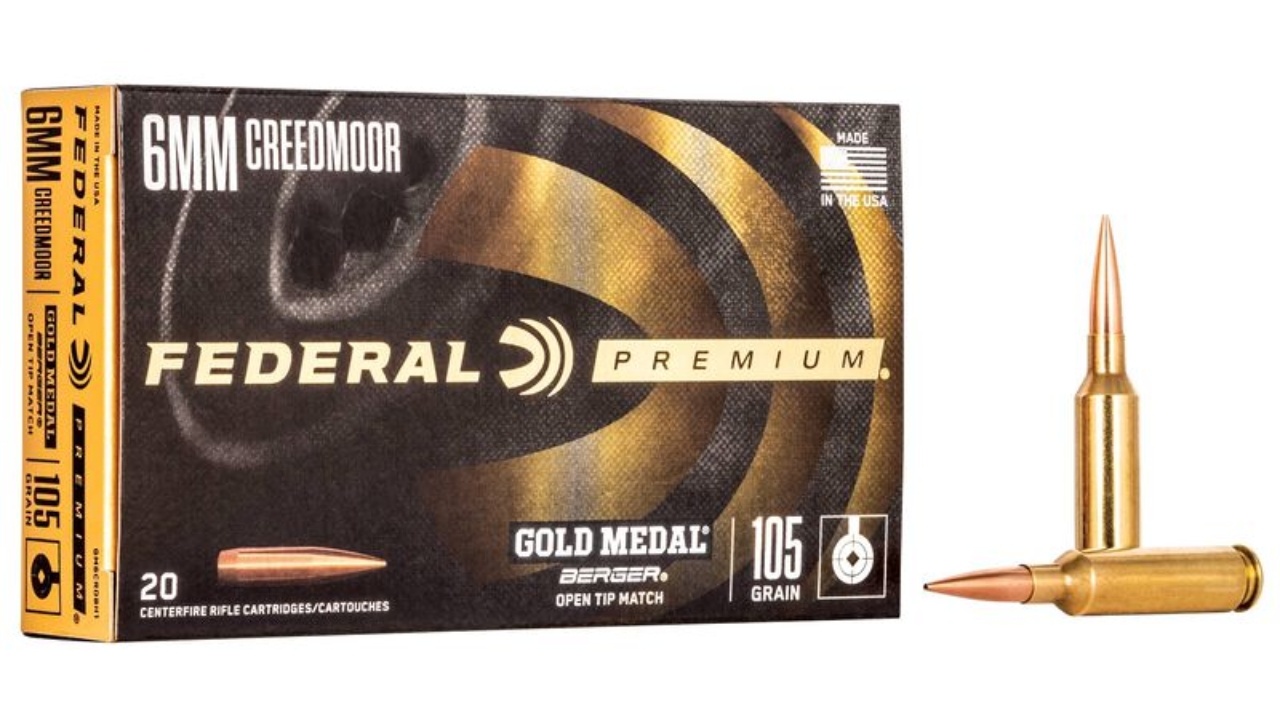
The 6mm Creedmoor looks phenomenal in ballistic tables—fast, flat, and efficient—but it performs more like a specialized target cartridge than a hunting round. The small bore limits bullet weight, which means energy bleeds off quickly at distance. In real hunting scenarios, that translates to marginal results on anything bigger than small deer or coyotes.
While it’s excellent for paper and steel, animals are a different story. Expansion can be erratic, especially with thin-jacketed bullets. When the wind kicks up or the temperature swings, accuracy also suffers faster than you’d expect. Hunters often find themselves wishing for more authority behind each shot. It’s an example of how ballistic brilliance doesn’t always equal practical effectiveness.
.300 Blackout

The .300 Blackout looks impressive when you look at the variety of loads and configurations, but once you take it hunting, its flaws are obvious. Subsonic rounds don’t expand reliably, and even supersonic loads shed energy fast. Past 150 yards, you’re pushing the limits of what the cartridge can ethically handle on game.
It was designed for suppressed, short-barreled rifles—not long-range precision or consistent terminal performance. The ballistic charts make it seem versatile, but that versatility fades in the field. You’ll get reliable function, sure, but lethality isn’t consistent. It’s a great tactical cartridge, but as a hunting option, it flatters itself more than it performs.
.350 Legend

The .350 Legend sells on the promise of “modern straight-wall performance,” and in some states it fills that niche. But for many hunters, it’s underwhelming. Charts make it look close to classic rounds like the .30-30, yet it falls short in penetration and energy. Beyond 150 yards, bullet drop becomes dramatic, and expansion can be unpredictable.
Many hunters who switch to the .350 Legend expecting flat trajectories and strong performance discover it behaves more like a mild shotgun slug. It’s fine for short-range whitetail hunting, but beyond that, it feels sluggish. The Legend works, but it’s not revolutionary—and certainly not as powerful as the numbers suggest.
.224 Valkyrie

The .224 Valkyrie looked like the next big thing when it launched—long-range performance in an AR platform. But it never lived up to the hype. Early ammo inconsistencies and twist rate confusion plagued accuracy, and even when tuned perfectly, it lacks the energy for medium or large game.
Charts show great BC numbers, but those don’t make up for bullet weight or terminal effect. Hunters who tried it on deer often found lackluster results and poor blood trails. It’s a cartridge built for paper targets, not animals. While the Valkyrie shines in competition, its real-life hunting record proves that data alone can’t create a dependable round.
7mm-08 Remington
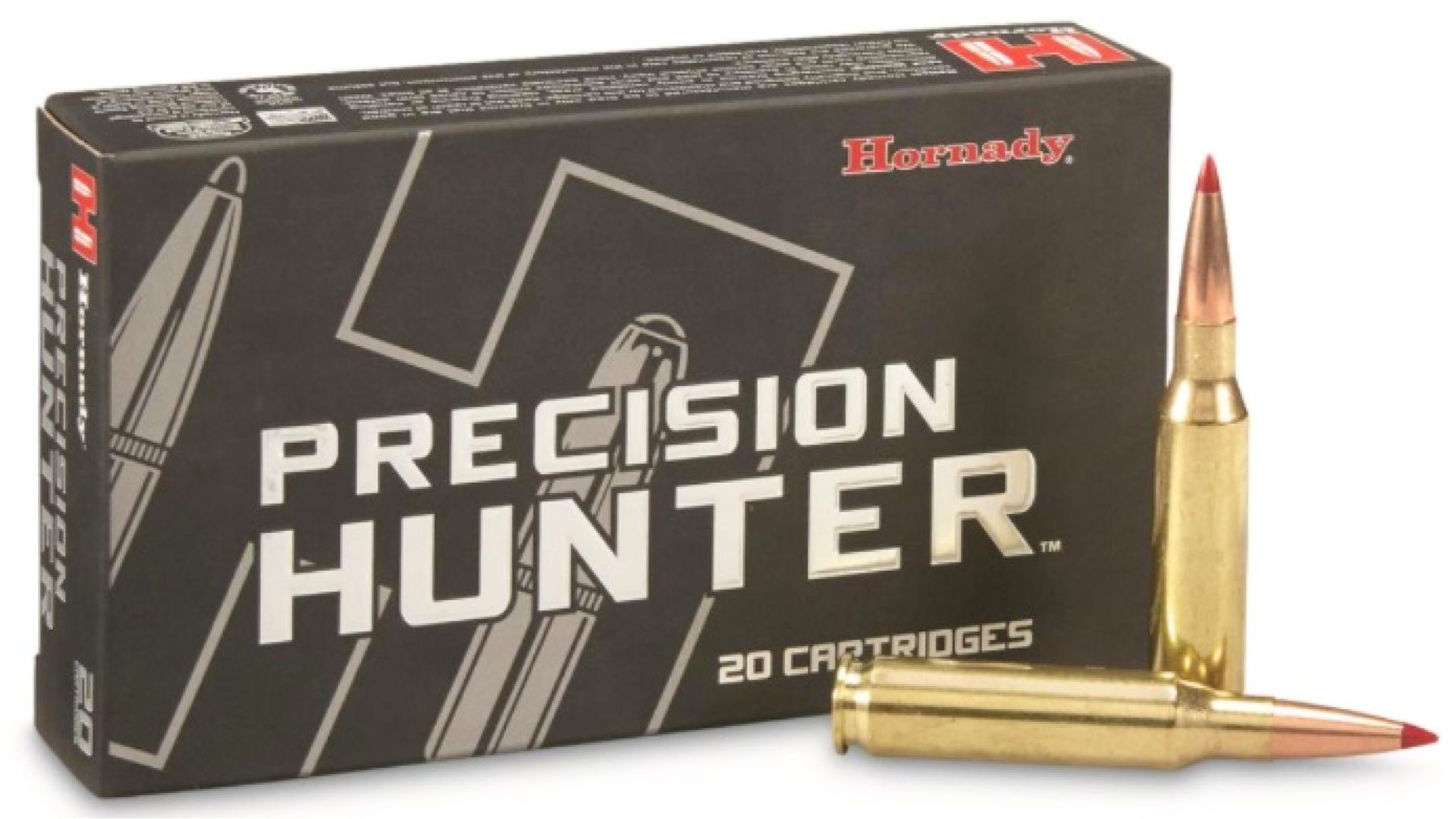
The 7mm-08 looks flawless in data—flat shooting, manageable recoil, and plenty of power for deer-sized game. In the real world, though, it tends to underperform on tougher animals. Its bullet weights are limited, and expansion varies depending on the load.
Hunters often find it to be accurate but not decisive. The 7mm-08 doesn’t leave much margin for error on shot placement, and when ranges stretch or angles get difficult, its smaller case capacity becomes noticeable. It’s an efficient round, but efficiency doesn’t always equal effectiveness. It’s a good cartridge—just not as dominant as the numbers suggest.
.25-06 Remington

The .25-06 Remington wins over shooters with its flat trajectory and high velocity, but that same speed causes issues on game. Bullets can fragment on impact at close range, creating surface wounds without proper penetration. At long distances, those same lightweight projectiles lose stability in the wind.
It looks like an ideal dual-purpose cartridge on paper, but its real-world performance depends heavily on exact bullet choice and shot angle. It can drop a deer instantly—or wound one badly. It’s powerful and accurate, but unpredictable enough to frustrate even experienced hunters. Charts love it; backcountry experience says otherwise.
.257 Weatherby Magnum

Few cartridges look more impressive than the .257 Weatherby Magnum. Its numbers are almost unbelievable—ultra-flat trajectory and staggering velocity. But that speed comes at a cost. On game, those velocities can cause bullets to explode on impact, especially at close range.
Hunters often find bloodshot meat and inconsistent wound channels. Recoil isn’t terrible, but the blast and barrel wear are. You also pay in ammunition cost and barrel life. The .257 Weatherby looks flawless in the ballistic tables but behaves like an overcaffeinated varmint round in the field. It’s one of those cartridges that teaches you not to trust charts over experience.
.300 WSM

The .300 WSM was supposed to give .300 Win Mag performance in a shorter action, but in practice, it’s finicky. Its pressure curve and case design can make it temperamental, and it rarely performs as smoothly across different rifles as advertised.
While it hits hard, it’s also hard on barrels and can produce inconsistent velocities from one lot of ammo to another. In field conditions, that can mean point-of-impact shifts or erratic accuracy. It’s accurate when tuned carefully but unpredictable otherwise. The WSM works—but it’s nowhere near as universally reliable as charts would have you believe.
6.8 SPC
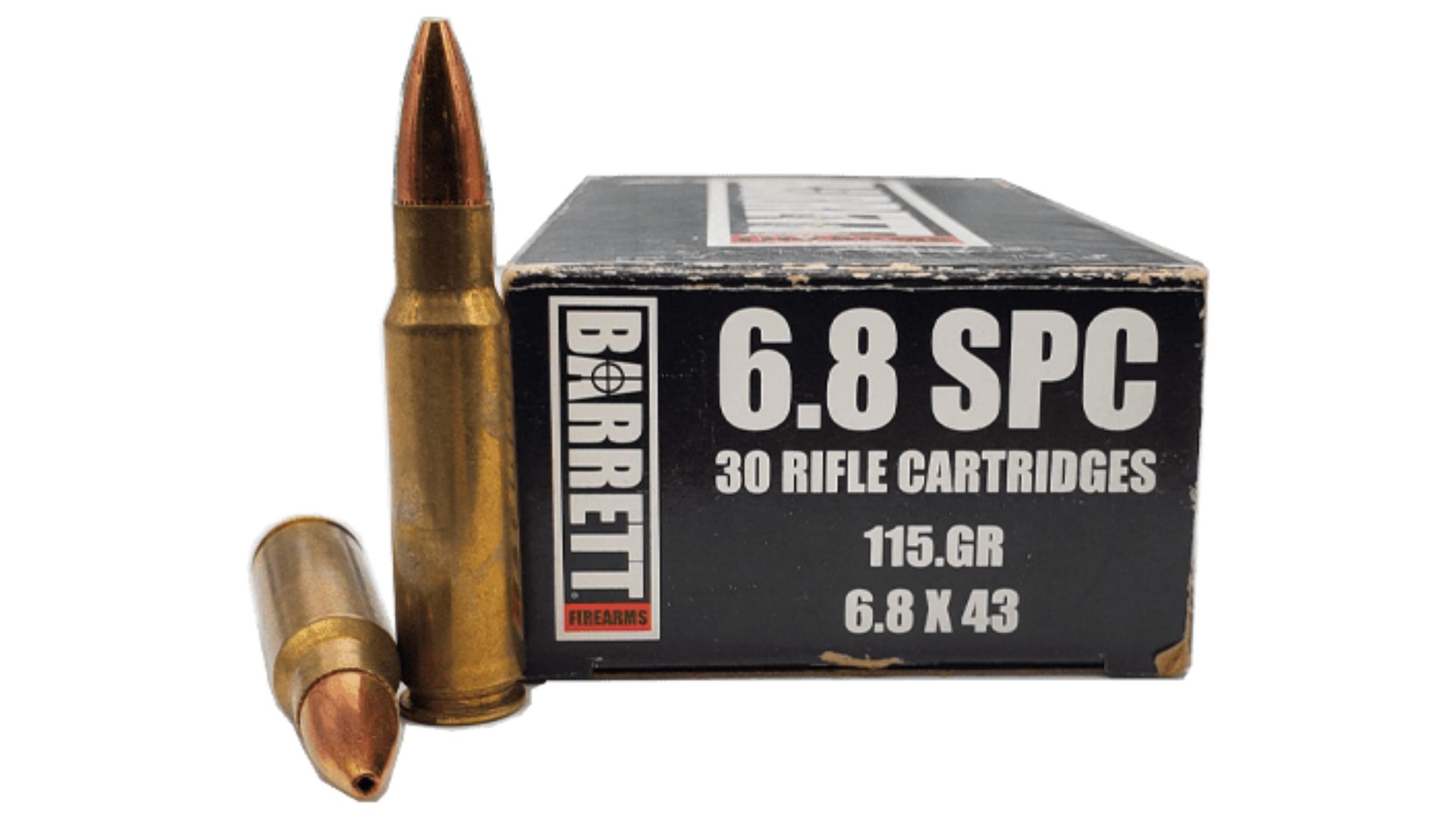
The 6.8 SPC was marketed as the perfect balance between 5.56 speed and .308 power. On paper, it looks ideal. In real-world hunting, though, it doesn’t deliver the expected energy or penetration. Its bullet selection limits its terminal effectiveness, and performance varies wildly depending on barrel length.
Within 200 yards, it’s decent for deer or hogs. Beyond that, it drops fast and loses punch. Hunters expecting a “magical middle ground” quickly realize it’s neither fish nor fowl—it lacks the reach of the .308 and the velocity of smaller rounds. It’s a compromise that leans too heavily on marketing.
.30-30 Winchester
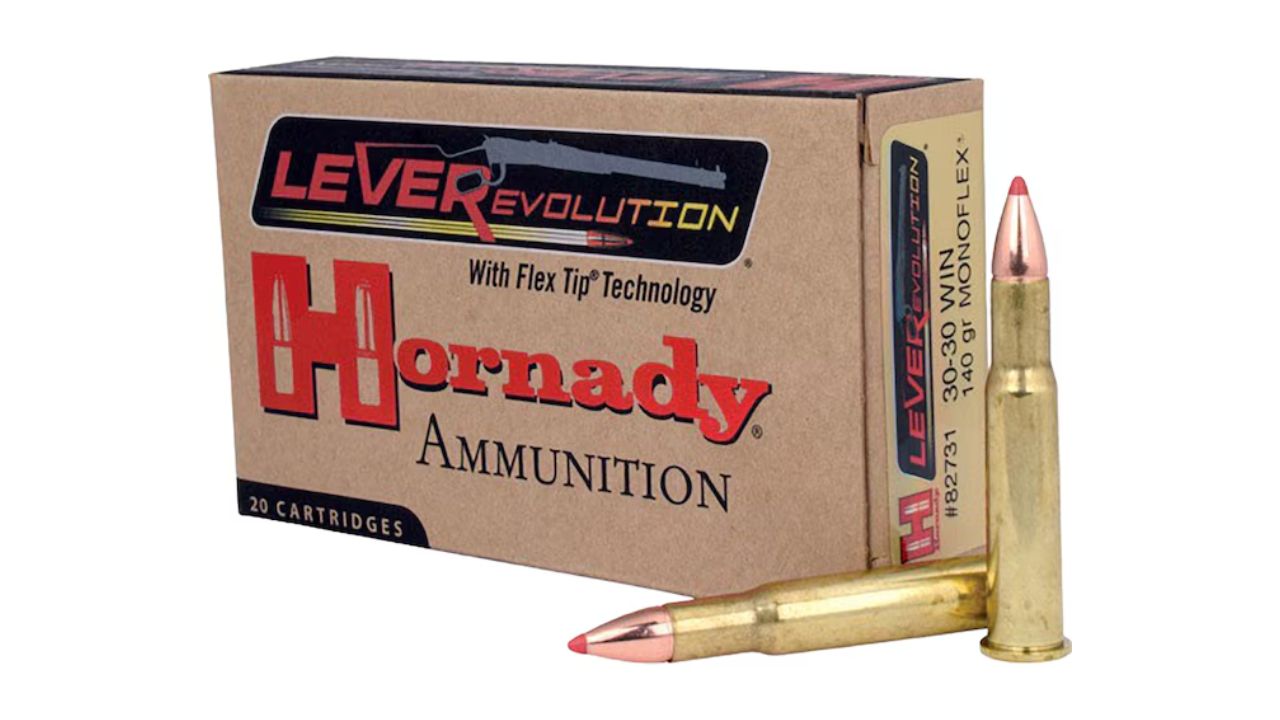
The .30-30 Winchester looks respectable in charts, especially with modern loads, but its ballistics lag behind nearly every modern hunting round. The slow velocity and flat-nose bullets limit range and accuracy. In the brush, it works fine—but once you leave thick cover, it’s an antique in performance.
Hunters who rely on the .30-30 for open-country shooting find it runs out of steam fast. It’s nostalgic and capable at short distances, but its numbers flatter it more than reality does. It’s earned its place in history, but when compared to modern cartridges, it’s a reminder that charts can’t replace field-tested results.
.450 Bushmaster

The .450 Bushmaster looks powerful with its large bullets and hefty energy figures, but in practice, it’s a short-range hammer that falls apart beyond 150 yards. The bullet drop is enormous, and wind drift is a constant battle.
It hits hard up close, but that doesn’t make it versatile. Its trajectory and recoil make precision difficult, and the cartridge doesn’t recover well from minor shot placement errors. On paper, it looks like the ultimate straight-wall round; in the field, it’s a heavy hitter with a tiny comfort zone. Most hunters who try it once don’t reach for it again when the terrain opens up.
*This article was developed with AI-powered tools and has been carefully reviewed by our editors.