Photo credit: Roman Biernacki/Pexels.com
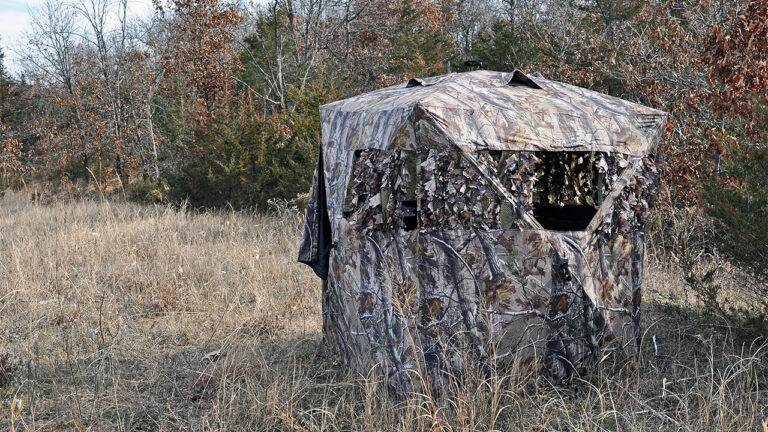
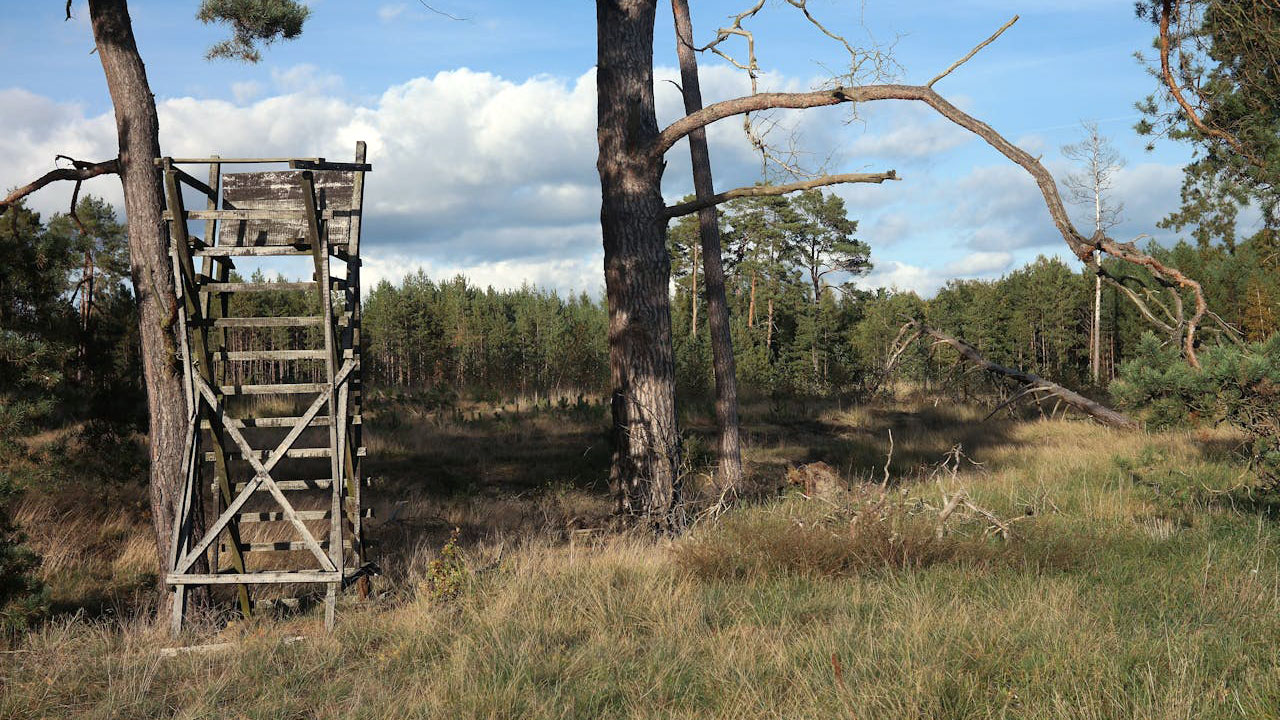
A landowner said he found three free-standing deer stands on his property in Minnesota, and from the way he described it, they did not appear to be old forgotten stands rotting away in the brush.
They looked like they were actively being used.
In a Reddit post, the landowner said the stands had been left on his property, and he wanted to know whether he could legally remove or destroy them. The question came from the kind of frustration landowners understand immediately. Someone had brought hunting equipment onto his land without permission, and now he was the one trying to figure out how carefully he had to handle it.
A free-standing deer stand is not a small item. It takes effort to haul in, set up, level, and place where a person wants to hunt. Finding one on your property tells you someone has not only crossed the line but spent enough time there to plan a sit. Finding three makes it feel even less like a mistake.
The landowner said he wanted to get rid of them, but he was unsure whether destroying them could create legal trouble for him. That is where these situations get irritating. The trespasser gets to be bold. The landowner has to be cautious.
He also said the property had signs all around it saying it was private property. That matters because it weakens the idea that someone innocently wandered in thinking the land was open. If the land is marked and somebody still sets up three stands, that looks like a person knowingly using property that does not belong to them.
But even then, Reddit’s legal-advice crowd was careful. Several commenters warned that the stands being on his property did not automatically mean he could destroy them. They may be trespassing evidence. They may also still be someone else’s personal property, even if they were placed there unlawfully.
That distinction is annoying but important. If a person parks a truck in your field, you do not usually get to smash it because it should not be there. You may have the right to remove it, report it, tow it, or pursue trespass action, but destroying it can create a separate problem. Commenters applied the same thinking to the deer stands.
The better path was to call the Department of Natural Resources or the local game warden and report the stands. Because this involved hunting equipment on posted private property, a conservation officer would likely understand the issue better than a random police report at the wrong desk. The warden could also advise whether the stands should be left in place for evidence, removed, tagged, or handled under state rules.
Some commenters also suggested putting up trail cameras to catch whoever came back to use the stands. That would matter because the landowner did not only want the equipment gone. He likely wanted the people gone too. Removing the stands without identifying the hunters might make the current setup disappear, but it would not stop the same people from coming back with new gear later.
The problem with leaving the stands in place is obvious. They are on his land, and every day they sit there feels like the trespasser is still getting away with it. The problem with taking them down without a plan is that the trespasser could show up angry or accuse him of stealing or damaging property.
That is why documentation came up so often. Photos of the stands, photos of the no-trespassing signs, GPS locations, dates, and any visible access routes would all help establish what was found and where. If a warden or sheriff got involved, the landowner would not be relying on memory.
The stands also created a safety concern. If unknown hunters were using them, the landowner had no idea when they might be on the property, where they might be shooting, or what direction they considered safe. That is one of the biggest reasons landowners cannot ignore this kind of thing. It is not only about someone taking a deer. It is about strangers with weapons using land without permission.
In the end, the landowner’s question had a frustrating answer: he probably should not just destroy the stands, no matter how tempting that felt. The cleaner move was to report them, document everything, and let the proper authorities help decide how to remove them without giving the trespassers a new angle to use against him.
Commenters mostly told him not to destroy the stands. Several said the stands may be illegally placed, but they are still someone else’s property, and damaging them could create a separate legal issue.
A lot of people recommended calling Minnesota DNR or a local conservation officer. Since the problem involved hunting gear on private land, commenters felt a game warden would be the right person to contact and could advise him on what to do next.
Some suggested documenting the stands thoroughly before touching anything. Photos, locations, posted signs, trails, vehicle access points, and dates could all matter if the owner of the stands came back or if the landowner needed to prove trespassing.
A few people said to use trail cameras to catch whoever returned. That way, the landowner would not only remove the gear but also identify the person using it.
There were also comments pointing out that removing the stands may be different from destroying them. Taking them down and turning them over to authorities is much cleaner than cutting them up or throwing them away.
The most practical advice was to treat the stands as evidence first and clutter second. Get the warden involved, make a record, and do not let anger over the trespass turn into a chargeable mistake.