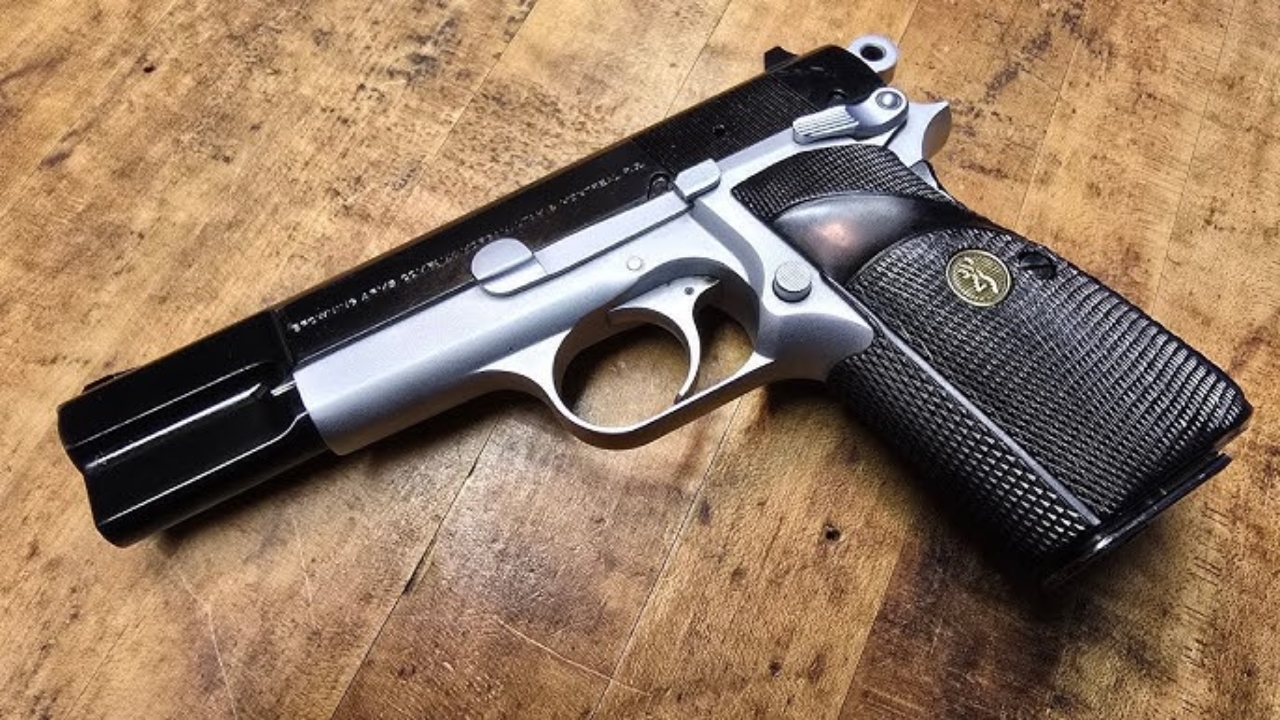
Photo credit: Texas Gun Vault/YouTube
Some firearms were easy to overlook when they were still sitting on racks, stacked on used-gun shelves, or floating around gun shows at prices people thought would hold forever. That is usually how it happens. A gun feels common right up until it does not. Then a few years pass, supply tightens, nostalgia kicks in, collectors start circling, or shooters suddenly remember how good the thing actually was. By then, the easy deals are gone and everybody starts talking about how they “almost bought one.”
That is what this list is about. Not guns that were always expensive, and not fantasy grails that most buyers never had a shot at anyway. These are the firearms regular people really could have grabbed before the market got weird. Some became collector pieces. Some just turned into hard-to-find shooters with way more demand than anyone expected. Either way, these are the firearms buyers still wish they had picked up before prices got stupid.
Colt Snake Eyes Set

The Colt Snake Eyes sets were always a little flashy, but there was a time when buyers could still talk themselves into one without feeling like they were signing adoption papers. That did not last. Anything tied to Colt revolver prestige was already playing with dry grass and a lit match, and special editions like this had all the ingredients to get out of hand once collector energy really took over.
What makes these hurt is that plenty of people saw them, admired them, and passed because they seemed like more of a novelty than a must-own. Now they sit in that painful category of gun that is both collectible and backed by one of the strongest revolver names in the business. Once Colt prices started climbing across the board, sets like this got dragged upward fast.
Heckler & Koch P7M13
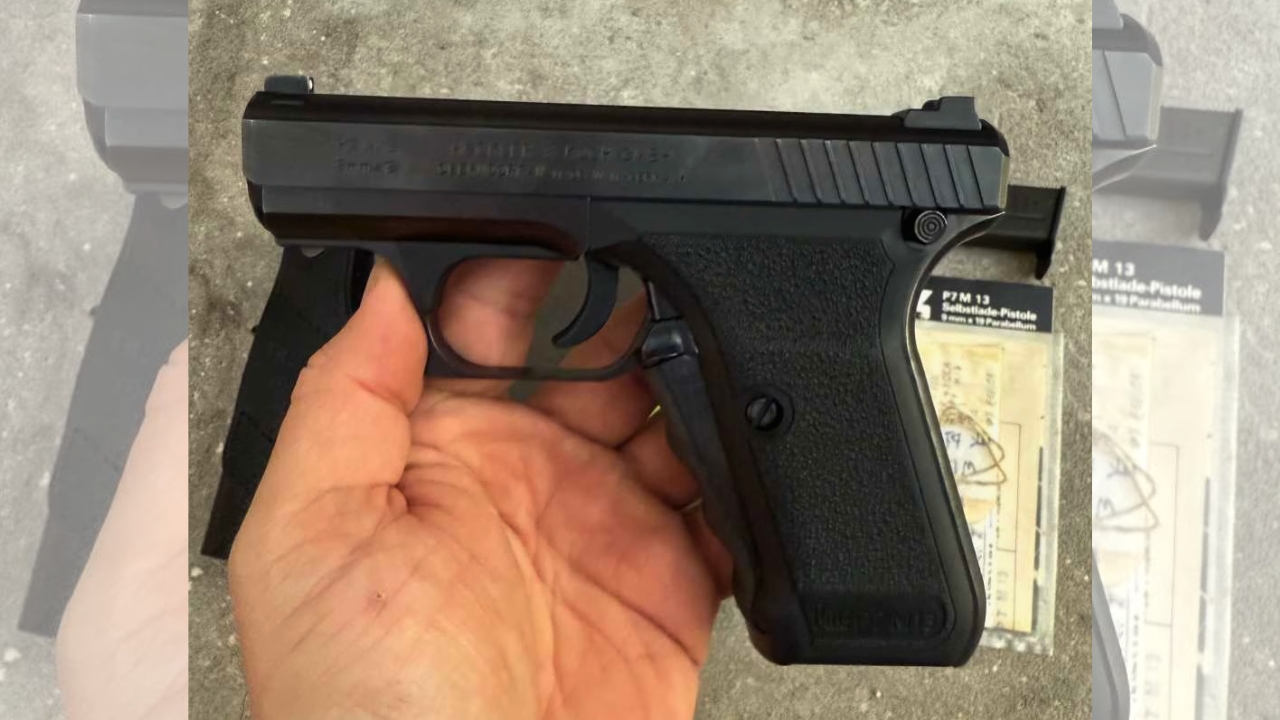
The HK P7M13 used to be one of those pistols serious shooters respected without treating like a museum artifact. It was expensive compared to a lot of ordinary carry guns, sure, but not in the way it is now. There was a stretch where you could still find one, wince a little, and justify it as a weird but smart buy. That window closed a long time ago.
The squeeze-cocker system, the limited supply, and the fact that nothing else really feels like a P7 all helped push it into another bracket. Buyers who passed on one because it seemed too odd or too specialized usually regret that call now. Once a handgun becomes both collectible and genuinely desirable to shoot, the market almost never gets kinder.
Marlin 1895 Guide Gun

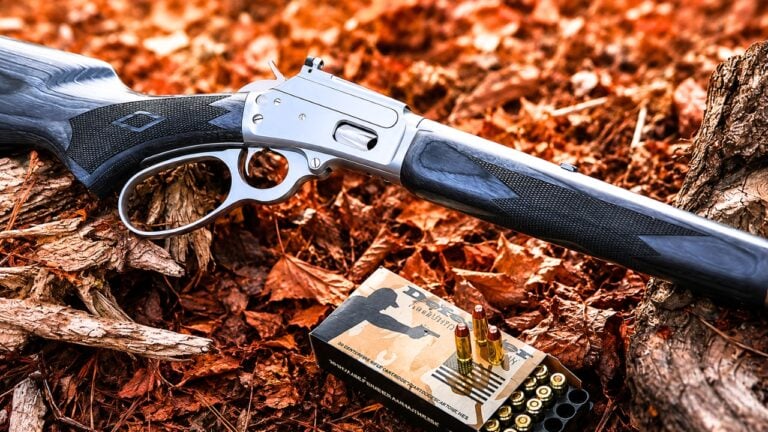
The Marlin 1895 Guide Gun lived for years in that sweet spot where it was clearly useful, clearly cool, and still attainable enough that buyers assumed they had time. Big mistake. Lever guns already had loyal followings, and a compact hard-hitting .45-70 with real field appeal was never going to stay ordinary forever. Once demand surged and supply got messy, prices started running like everybody had just remembered what the rifle was.
That is what stings. This was not some obscure collector piece hiding in plain sight. Hunters, guides, and brush-country shooters knew exactly what the Guide Gun could do. Too many buyers simply assumed there would always be another one later. Then later showed up wearing a stupid price tag and a line of people ready to pay it.
Smith & Wesson 3913
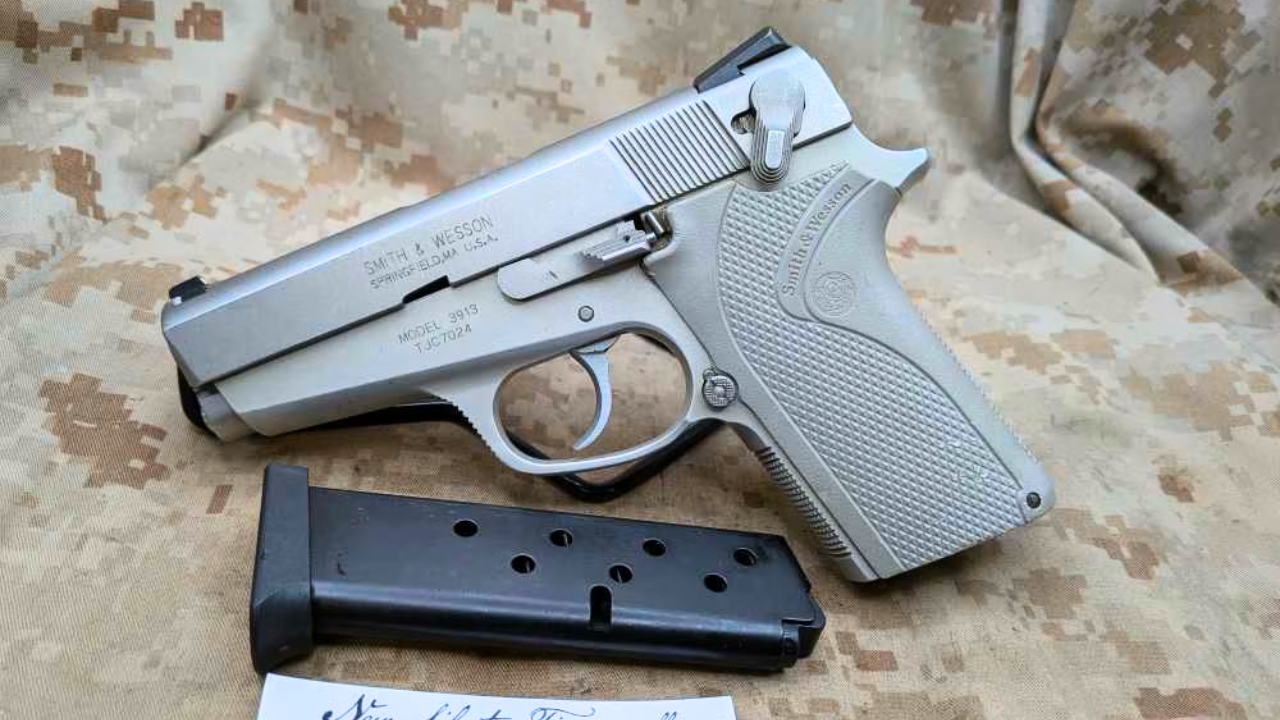
The Smith & Wesson 3913 was easy to underrate when slimmer single-stack 9mms still felt old-fashioned instead of smart. It looked like one of those practical carry pistols that would always remain available to people who appreciated them. Then the market changed, nostalgia deepened, and shooters started realizing how many modern pistols still fail to deliver the same mix of size, manners, and real-world carry sense.
That shift hit hard. The 3913 now lives in the zone where demand comes from both people who remember them and people who discovered too late how good they are. Once a discontinued carry pistol gains that kind of reputation, the market usually stops pretending to be reasonable. Buyers who walked past these back when they felt merely sensible still kick themselves.
Ruger Deerfield Carbine

The Ruger Deerfield Carbine spent a long time looking like a niche rifle for a narrow kind of hunter. That kept it from getting the attention it deserved while prices were still sane. It was handy, quick, and chambered for people who liked hard-hitting woods performance in a compact package, but it never felt trendy enough to spark a panic while it was still affordable.
That calm did not last. The second buyers started missing them, the whole story changed. Suddenly the rifle’s uniqueness mattered more, the discontinued status started doing its usual damage, and the pool of available guns looked a lot smaller. That is how these things go. A rifle people once treated like a specialized oddball turns into something they wish they had bought two of.
Browning Hi-Power Practical

There was a time when the Browning Hi-Power Practical felt like a cool older pistol rather than a financial regret waiting to happen. Buyers who liked steel guns, classic service pistol lines, and real-world shootability could still make a move without feeling like they were buying into a collector feeding frenzy. That now feels like ancient history.
The Practical had enough character to stay interesting and enough usability to stay relevant, which is a dangerous combination once supply dries up. It is not just a gun people want to look at. It is one people still want to own, carry, and shoot. That keeps pressure on the market. Buyers who hesitated because they thought Hi-Powers would always be around learned the hard way that “later” is often the most expensive word in guns.
Winchester 9422

The Winchester 9422 used to sit in that comfortable space where people appreciated it without treating it like a treasure. It was a slick little rimfire lever gun from a respected name, but for years it still felt like something a buyer could stumble across without making a life decision. Then people remembered how well made they were, how fun they were to own, and how few truly comparable rifles were still being built.
That combination sent prices in the usual ugly direction. A rimfire with real Winchester appeal and a strong reputation for quality was never going to stay cheap once older production started drying up. Buyers who once passed because it seemed like a luxury plinker now look back at those old prices like they were misprints.
Benelli M1 Super 90

The Benelli M1 Super 90 used to be the kind of shotgun smart buyers respected without chasing. It had performance credibility, sure, but it had not yet fully crossed into that painful territory where people talk about used examples with the same tone they use for discontinued sports cars. It was just a really solid semi-auto shotgun that did what it was supposed to do and did it well.
Then the market did what it always does with proven Benellis that are no longer the current catalog darling. People started missing them. The older design got recast as a classic instead of merely older. Buyers who once figured they would just pick one up eventually found out that eventually had become expensive, and the quiet regret set in fast.
Norinco 84S

The Norinco 84S used to live in the weird corner of the market where imported rifles could be interesting without yet becoming impossible. Plenty of buyers looked at them as neat variants, maybe a little unusual, but not something that demanded urgency. That attitude aged terribly. Once import restrictions and AK-market nostalgia did their work, rifles like the 84S became exactly the sort of thing buyers wished they had quit overthinking.
What really pushed them up was the mix of legitimacy and scarcity. This was not some generic clone with no story behind it. It had import-era appeal, AK value, and just enough weirdness to make collectors care. Once that formula catches fire, regular buyers usually get priced out first and left muttering about the one they almost bought.
Smith & Wesson Model 66 no-dash

There was a stretch when older pinned-and-recessed Smith & Wesson revolvers could still be found by buyers who knew what they were looking at and were willing to act. The Model 66 no-dash was one of those guns that did not feel cheap exactly, but it still felt possible. It was a handsome, practical revolver with real pedigree, and too many people assumed that meant there would always be another one floating around.
That assumption got punished. Classic Smith revolvers have been climbing for years, but the no-dash guns hit a particularly painful nerve because they combine usefulness with old-school desirability. They are not just collectible enough to sit in a safe. They are appealing enough to shoot and carry. That is usually when prices go from irritating to stupid in a hurry.
Steyr AUG A1 pre-ban

Pre-ban rifles have a special way of turning missed chances into permanent bitterness, and the Steyr AUG A1 is a perfect example. There was a time when buyers could stare at one, decide it was too weird, too expensive, or too niche, and walk away assuming they would revisit the idea later. Later turned into a much uglier conversation.
The AUG had import appeal, a distinct look, and a level of recognition that was always going to age well once availability got tighter. It did not need mass-market popularity to get expensive. It only needed enough buyers to realize too late that true pre-ban examples were not getting easier to find. That realization did the rest.
Colt Woodsman Match Target

The Colt Woodsman Match Target used to be one of those classy old pistols people admired without always moving on. It had a reputation, obviously, but for years it still felt like something you might buy because you appreciated good old rimfire pistols, not because you were racing a collector market. That distinction matters, because once the market shifts from appreciation to scarcity, the price usually stops making much sense.
That is exactly what happened here. The Woodsman carries Colt history, serious rimfire appeal, and enough elegance to hook buyers who care about old-school craftsmanship. Once collectors and shooters started pulling from the same pool, prices climbed fast. Buyers who once thought of them as “someday” pistols learned that someday is often code for never at a decent number.
Ruger Red Label

The Ruger Red Label was once a shotgun people could debate on practical terms. Was it the best over-under for the money? Did it fit you? Did you want American-made charm or were you leaning toward something else? Those were normal questions when the market still behaved. What hurt later was watching the Red Label stop being a practical shopping discussion and start becoming a regret story.
Discontinued American-made shotguns with recognizable names almost never stay reasonable forever. Once buyers realized the Red Label was not coming back in any meaningful way, the tone changed. Suddenly the shotgun’s flaws mattered less than its scarcity and identity. Buyers who once passed because they thought there would always be another clean one waiting later found out the market had other plans.
IMI Desert Eagle Mark VII

The Desert Eagle Mark VII used to be one of those guns buyers talked themselves out of because it seemed too ridiculous to prioritize. That is fair to a point. It is oversized, heavy, expensive to feed, and never exactly subtle. But markets do not care whether a gun is sensible. They care whether it is iconic, limited enough, and backed by strong enough demand to become a problem.
That is what happened here. The Mark VII gained ground because it was not just a novelty. It was a recognizable piece of handgun culture with real collector pull. Buyers who once laughed and said they would maybe grab one later now have to watch later keep getting dumber. The market loves guns with unforgettable silhouettes, and this one was always doomed to become costly.
Remington Nylon 66

The Remington Nylon 66 used to be the kind of rimfire people remembered fondly without treating like a hot commodity. It was light, distinctive, and tied to a different era of American gun design, but for a long time it still felt attainable enough that buyers did not rush. That made it easy to postpone, especially if you figured they would keep floating around at casual prices forever.
Then the usual ingredients hit. Nostalgia deepened, nice examples got harder to find, and people started realizing that no modern rifle really scratches the same itch. Once that clicked, prices headed upward and stayed there. Buyers who used to treat the Nylon 66 like a fun someday pickup now look at the market and realize they should have grabbed one when it still felt like a simple whim.
Like The Avid Outdoorsman’s content? Subscribe to our newsletter so you never miss an article.
Here’s more from us: