Photo credit: GUNS/YouTube
A lot of rifles spend years being treated like background noise. They are the ones leaning in closet corners, riding in truck cabs, or showing up in deer camp without anybody making a big deal about them. They do not have the swagger of a military clone, the glamour of a flashy magnum, or the kind of styling that gets people talking at the gun counter. For a long time, that works against them. Buyers walk right past them because nothing about them feels urgent.
Then something changes. Maybe prices start climbing. Maybe people realize the rifle was better built than what replaced it. Maybe hunters start looking back and remembering how well those plain old guns actually carried, fed, and shot. That is when boring starts looking a whole lot smarter. These are the rifles that lived in the shadows until the market, the field, or simple hindsight made people wish they had grabbed one while they were still easy to find.
Remington 788

The Remington 788 looked plain even when it was new. It did not have the prestige of the Model 700, and it was rarely the rifle anybody bragged about owning. A lot of buyers saw it as the budget option, the backup gun, or the rifle you bought because you wanted something that worked without spending extra money on shine and reputation. For years, that kept it in a strange place where people respected it quietly but rarely chased it hard.
Then more shooters started admitting the same thing: these rifles could flat-out shoot. Once that reputation settled in, the old “cheap Remington” label stopped keeping prices down. People realized the 788 had been overlooked mostly because it lacked glamour, not because it lacked performance. That is usually when a boring rifle starts getting interesting in a hurry.
Marlin 336W

The 336W spent a long time being treated like the plain version of a plain rifle. It was not the fancy lever gun with deep polish and handsome walnut. It was the working man’s deer rifle that usually showed up with a few honest scratches and a box of soft points riding next to it. For a while, that kept it from feeling special. It was just a Marlin lever gun, and a lot of people assumed there would always be another one around.
That mindset changed once quality, availability, and nostalgia all started colliding. Hunters remembered how handy the 336W felt in the woods and how naturally it fit real hunting country. Suddenly the rifle that once seemed too ordinary to notice looked exactly like the kind of honest field gun people wanted back. That is how an unexciting lever action turns into something buyers start hunting down.
Winchester Model 70 Featherweight

The Model 70 Featherweight never really screamed for attention. It was trim, tasteful, and practical in a way that almost worked against it in louder years. Plenty of buyers admired it, but admiration is not the same thing as urgency. For a long time, it was the sort of rifle people assumed would always be around if they ever decided they wanted one. It looked more like steady good taste than something you had to jump on right now.
Then people started noticing how many newer rifles felt less alive in the hands. The Featherweight began looking better with age because it carried like a real hunting rifle and avoided the clunky, overbuilt feel that crept into a lot of modern bolt guns. That is when boring refinement stopped looking boring. It started looking like something people missed.
Ruger 77/22

The Ruger 77/22 was one of those rimfires people often appreciated without getting excited about. It was handsome, reliable, and built with enough centerfire-style feel to make it more serious than the average .22, but that did not always translate into buzz. A lot of shooters just treated it like a nice small-game rifle and moved on. It lacked the cheap thrill of a plinker and the collector energy of something more unusual.
Over time, though, that exact middle ground started working in its favor. People realized the 77/22 offered a kind of quality and handling that felt more substantial than many rimfires sold later. Once the market filled up with rifles that felt cheaper, rougher, or more disposable, the old Ruger started looking a lot more appealing. Suddenly that “nice but nothing special” .22 had real pull.
CZ 527 American

The CZ 527 American never had mass-market charisma. It was a trim little bolt gun with old-world flavor, a mini-Mauser feel, and chamberings that appealed more to riflemen than hype-driven buyers. That meant it lived for years as the kind of rifle smart people liked without causing much noise. It was easy to overlook if you were chasing larger trends or just buying whatever name sat highest on the rack.
Then shooters started realizing how few rifles still offered that size, that handling, and that kind of practical elegance in small cartridges. The 527 American began looking less like an oddball and more like something the market had foolishly drifted away from. Once it left the stage, more people started wanting what it had been quietly doing all along. That is when the demand showed up.
Browning BAR Safari

The BAR Safari often got stuck in an awkward spot. It was not the semiauto people bought for tactical excitement, and it was not the bolt gun crowd’s darling either. To a lot of hunters, it was just a polished deer rifle that their uncle or grandfather liked. That made it easy to underestimate. It looked traditional, felt a little old-school, and rarely got treated like a must-have rifle unless somebody had already spent real time around one.
Then buyers started remembering what it actually offered. Fast follow-up shots, dependable field performance, and a smooth, mature feel that a lot of newer rifles never really matched. Once hunters started looking back with clearer eyes, the BAR Safari quit feeling dull and started feeling solid in a way that was harder to replace than many had assumed.
Savage 99

For years, the Savage 99 sat in that uncomfortable category where it was respected but not chased by enough people. It was an old lever action, yes, but not the kind with instant cowboy appeal. It looked more like a practical hunter’s rifle than a romantic icon, and that probably held it back with casual buyers. Plenty of people saw one and thought it was interesting without feeling like they needed to own it.
Then the appreciation curve caught up. People started noticing the rotary magazine, the handling, the balance, and the way the rifle bridged old-school charm and genuine usefulness. Once enough buyers understood that it was not just another dusty lever gun, prices and interest began climbing. That is the pattern with rifles like the 99. They stay quiet until the right kind of shooter starts paying attention.
Remington 7600

The Remington 7600 spent years being dismissed by people who did not grow up around the kind of hunting where a pump rifle makes real sense. In the right country, though, it was never a joke. It was quick, familiar, and effective in thick woods where shots came fast and distances stayed honest. Outside those circles, it could look almost painfully ordinary. That kept a lot of buyers from recognizing how loyal its user base really was.
Once more shooters started thinking less about image and more about regional practicality, the 7600 began getting overdue respect. It was not exciting in the showroom, but it had a lot going for it where deer hunting actually happens. That kind of rediscovery has a way of pushing demand upward, especially when fewer good, honest examples are floating around.
Weatherby Vanguard

The Vanguard spent a lot of its life being treated like the Weatherby you bought when you were not buying the flashy Weatherby. That was not entirely fair, but it shaped the way people saw it. It looked sensible, shot well, and offered a lot of value, which oddly made it easier to overlook. Buyers chasing status often wanted something louder. Buyers chasing bargains often looked even cheaper. The Vanguard sat in the middle, doing its job without much applause.
That kind of rifle ages well. Over time, more hunters started realizing the Vanguard offered exactly what a lot of them claimed to want: dependable performance without unnecessary drama. Once people saw how many newer rifles felt more disposable or less refined, the old “boring” Vanguard started looking like a smarter buy than it ever got credit for being.
Howa 1500

The Howa 1500 has always had a hard time winning the first round of attention. It is a practical rifle with a solid action, real accuracy, and a reputation for doing the work, but it never came wrapped in much romance. A lot of buyers treated it like a safe choice rather than an exciting one, which kept it from becoming the rifle people bragged about. It was often respected more than desired.
Then the longer view started helping it. Shooters who had actually owned and used Howa rifles kept saying the same things: they were dependable, they shot well, and they gave you a lot more rifle than some better-known names at similar prices. Once that message landed with enough buyers, the 1500 started getting looked at less like the boring option and more like the smart one people should have grabbed sooner.
Tikka T3 Lite

The Tikka T3 Lite did not look boring because it was bad. It looked boring because it was so clean and efficient that there was not much to talk about beyond how well it worked. It had no oversized personality, no dramatic styling, and no fake toughness built into its image. For some buyers, that made it feel too plain to get excited about. It was just a light hunting rifle that shot well and stayed out of its own way.
That description turns out to age extremely well. The more hunters carried them in real country, the more the T3 Lite built a reputation that louder rifles could not match. Smooth action, dependable accuracy, and field-friendly weight have a way of becoming more attractive over time. That is why the rifle so many people once found unremarkable became one that plenty now actively look for.
Ruger American Rifle

The Ruger American looked like a budget rifle from the moment it appeared, and that shaped the way people talked about it. Many assumed it was simply another low-cost bolt gun built to fill shelves and get beginners into the field. That kept expectations low. It did not have beautiful wood, a high-end nameplate, or the sort of finish that made buyers stop and stare. It looked practical to the point of being forgettable.
Then hunters started using them, and the story changed. The Ruger American proved accurate enough, light enough, and reliable enough to matter in the real world, which is usually how a “cheap” rifle starts earning long-term respect. Once buyers realized these rifles actually worked, and worked well, the plain looks became a lot easier to forgive. What once seemed boring started looking like honest value.
Winchester XPR

The Winchester XPR was never the rifle that got hearts racing at first glance. It looked like a straightforward modern bolt gun from a famous name, which can be a blessing and a curse. Some buyers appreciated that, but many treated it like a placeholder, something practical but not memorable. It did not have the old-world appeal of classic Winchesters or the buzz of more aggressively marketed rifles, so it often got stuck in the background.
Over time, though, the XPR started benefiting from that exact lack of drama. It fed, shot, and handled well enough for real hunters who cared more about performance than image. As buyers grew tired of overhyped rifles with more attitude than substance, the XPR started looking like the sort of sensible rifle more people should have taken seriously the first time around.
Thompson Center Compass

The Compass looked like one more budget-minded bolt gun in a market already full of them, which made it easy to dismiss. It was not glamorous, and it did not arrive with the kind of prestige that makes people open their wallets on emotion alone. For a while, it lived in that lower-cost lane where buyers often assume “good enough” and stop paying much attention. That can bury a rifle fast, even when it deserves better.
But practical shooters noticed something the casual crowd often misses. The Compass offered real value, useful accuracy, and no-nonsense field potential for the money. Once enough people figured out it was more capable than the price suggested, it started gaining the kind of respect that boring rifles often earn late. The market may not have loved it loudly at first, but it definitely noticed once it was harder to come by.
Marlin X7
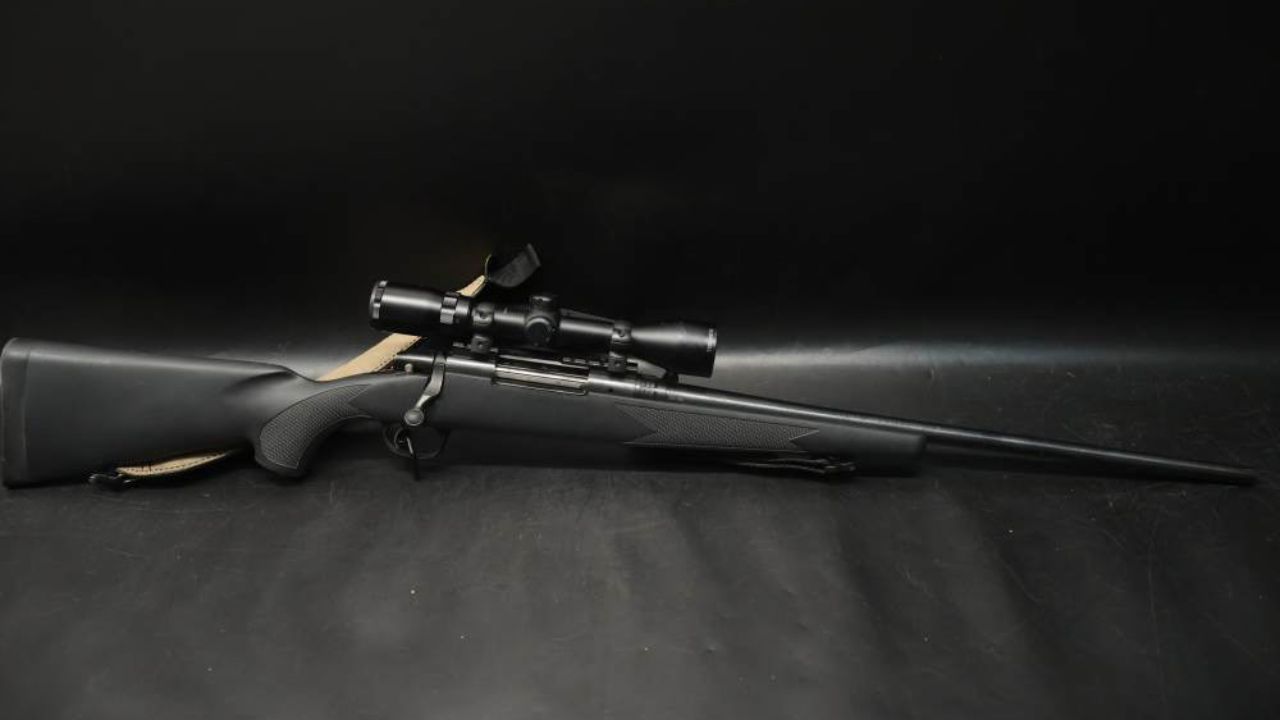
The Marlin X7 was one of those rifles almost nobody bragged about when it was easy to buy. It looked basic, wore a modest price, and never carried the sort of image that made people feel clever for owning one. At first glance, it was just another plain bolt-action deer rifle sitting in a crowded rack. That kind of first impression can keep a good rifle invisible for years if the market is not paying close attention.
Then people started remembering how well these things actually shot. The X7 had more performance in it than many expected, and once it disappeared, the usual second-guessing began. Buyers who once ignored it started wishing they had picked one up when they had the chance. That is usually the final stage in the boring-rifle cycle. What sat unnoticed becomes exactly what people start asking for.
Like The Avid Outdoorsman’s content? Subscribe to our newsletter so you never miss an article.
Here’s more from us: