Photo credit: Carolina Leadslingers/YouTube
Some firearms get ignored for the dumbest reason possible: they do not look exciting in the first five seconds. They are not oversized, not dripping with tactical styling, not tied to some giant hype cycle, and not the kind of gun people rush to show off online. So they get treated like background noise while louder, flashier models soak up all the attention.
That usually works right up until someone actually spends time with one. Then the whole tone changes. The gun that looked plain starts feeling dependable, useful, accurate, or just smarter than the guns that got all the early praise. Here are 15 firearms people often underestimated simply because they were never flashy enough to grab attention fast.
Smith & Wesson Model 64

The Model 64 has never been a glamorous revolver. It is a stainless .38 service gun with working-man looks and none of the big-magnum swagger people love to romanticize. That plainness is exactly why so many shooters underestimated it for years. It looked more like a duty sidearm than something worth getting excited about.
Then people actually shot one. Good balance, manageable recoil, and the kind of straightforward double-action performance that makes range time honest and enjoyable tend to change minds quickly. It was never flashy. It was just solid, and solid usually ages a lot better than flashy does.
Ruger P95

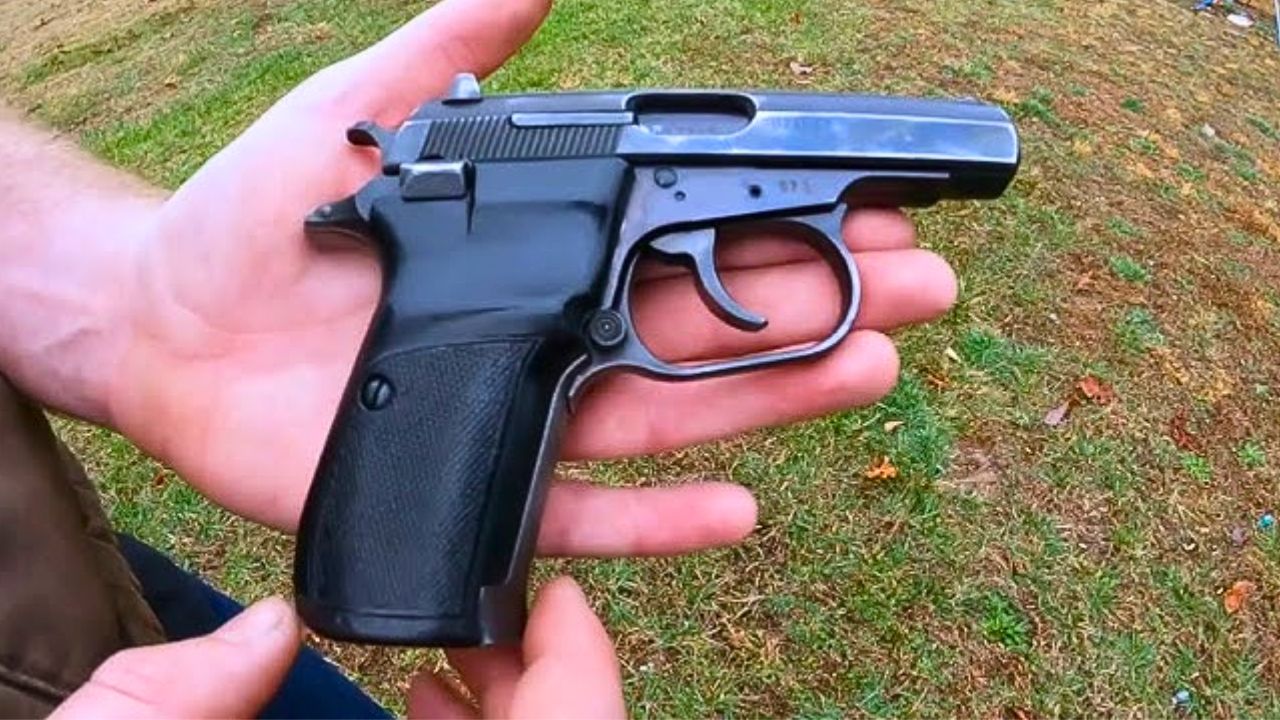
The P95 got dismissed for years because it looked like a brick with a trigger. It was bulky, not especially elegant, and never the kind of pistol someone bought to impress anyone standing at the counter. A lot of people wrote it off before they ever gave it a fair chance.
That was a mistake. Underneath the chunky shape was a pistol with a real reputation for durability and no-nonsense reliability. It was the sort of handgun people laughed at until they needed a gun that simply kept running. Flashy handguns get remembered. Ugly dependable ones get trusted.
Winchester Model 100
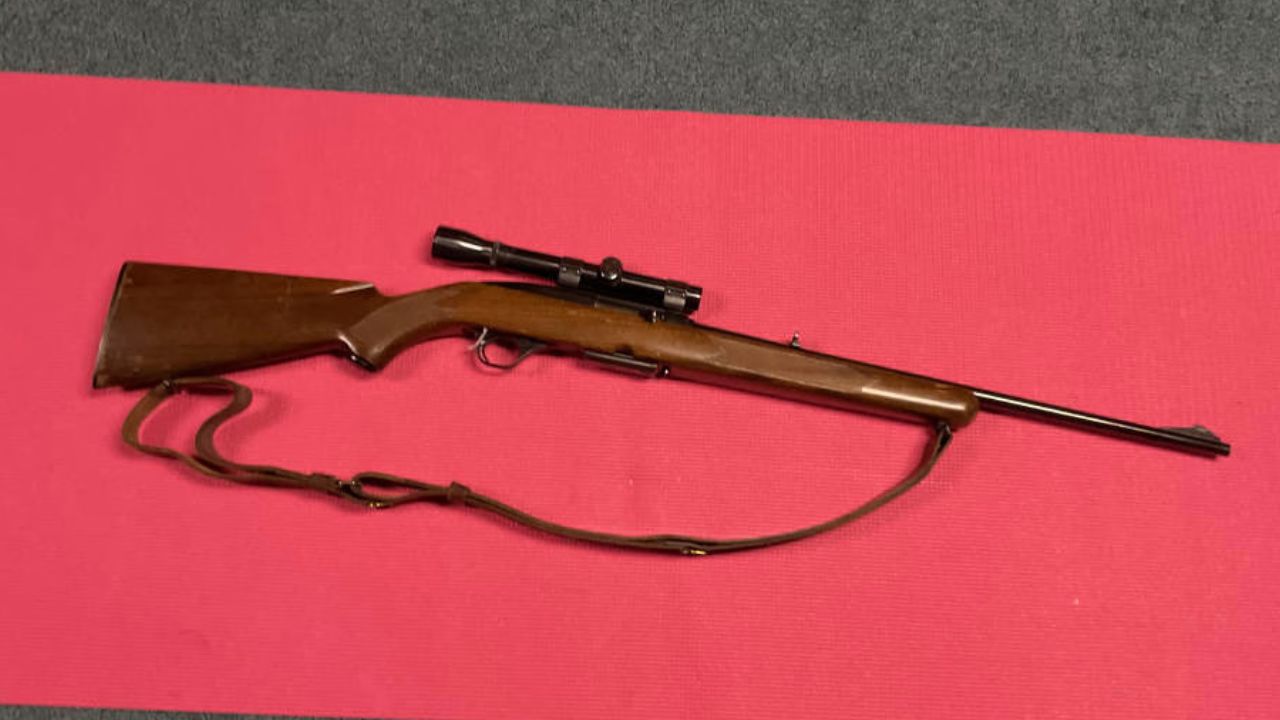
The Model 100 never had the easy collector romance of a lever-action Winchester or the automatic respect people give classic bolt guns. Because of that, it spent a long time being treated like a nice-enough old rifle instead of something people should have been paying closer attention to.
What got missed was how handy and appealing it really was. Traditional-stock semiautos that feel this natural in the hands do not come along every day, and once enough people actually lived with them, the appreciation changed. It never screamed for attention. It just made sense.
Browning BPS

The BPS has always lived in the shadow of louder pump-shotgun names. It did not have the same constant cultural push as some competitors, and it was never the shotgun people bragged about just for owning. That helped make it one of the most underestimated shotguns on the rack.
Then hunters and shooters spent real time with one and noticed the things that actually matter. Smooth action, solid feel, and honest field performance have a way of outlasting all the chatter. The BPS was never underbuilt. It was just underhyped.
CZ 83
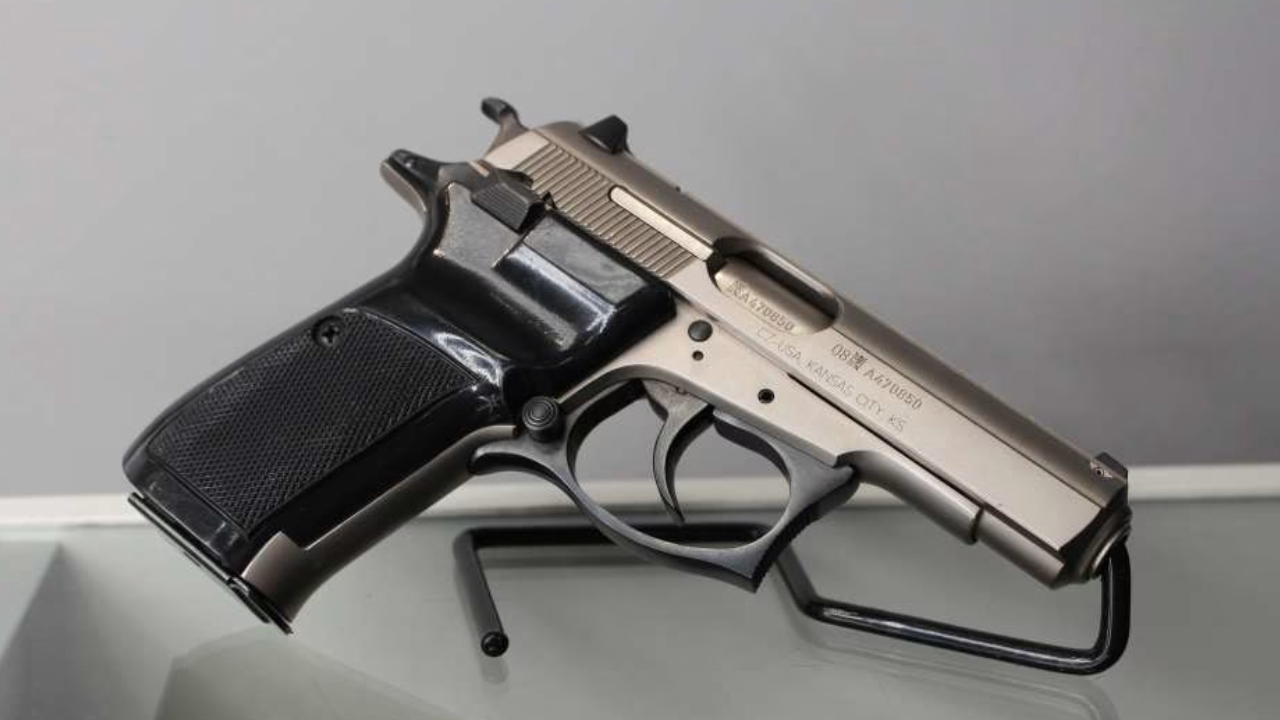
The CZ 83 was never a “look at me” handgun. It was not especially trendy, not attached to a lot of marketing noise, and not the sort of pistol that made people feel like they were buying into a lifestyle. That made it easy to underestimate if you judged handguns by how loudly they entered the room.
In use, though, it had a lot more going for it than its quiet reputation suggested. Comfortable shooting manners, real quality, and a lot of plain usability helped it win over people who gave it a real chance. It did not need flash. It needed trigger time.
Ruger Hawkeye

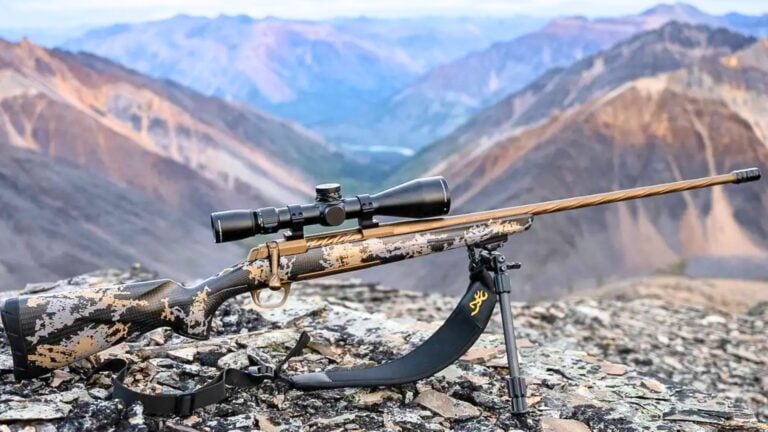
The Hawkeye has never been the rifle people rushed to show off when more hyped bolt guns were available. It looked like a traditional hunting rifle, acted like one, and did not beg for attention with gimmicks or trend-friendly styling. That kept some buyers from noticing how much rifle they were actually getting.
The payoff came in the field. Reliable performance, sturdy build quality, and the kind of long-term confidence hunters actually care about made it a lot more valuable than the first glance suggested. It was never trying to be cool. It was trying to work, and that tends to matter more.
Beretta PX4 Storm

The PX4 Storm was hurt badly by its looks. Plenty of shooters took one glance at the shape and decided it was some awkward plastic experiment they did not need to bother with. It never got the kind of broad admiration more conventional-looking pistols got, even though that says more about the audience than the gun.
Once people actually fired one, the conversation got a lot more respectful. Soft shooting, dependable, and better in the hand than the exterior suggests, the PX4 is one of those pistols that exposed how often buyers mistake visual cool for actual quality. It was better than its reputation for a long time.
Marlin Model 60
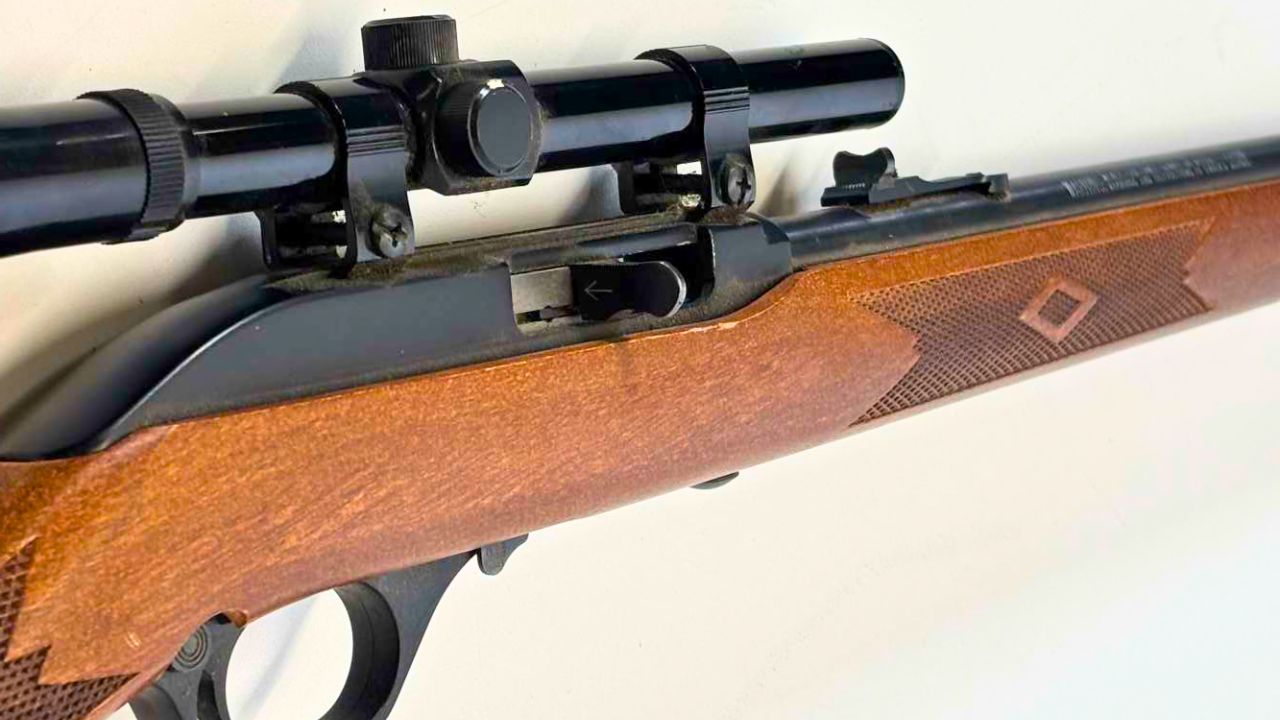
The Model 60 was easy to overlook because it was too common to feel special. It was the rifle people saw everywhere, which made it easy to dismiss as ordinary. A lot of shooters treated it like a background rimfire and never really thought of it as something worth serious appreciation.
That familiarity hid how good it was. The Model 60 taught generations to shoot, ran well enough to earn trust, and stayed useful long after trendier rimfires lost their shine. It was never flashy, but it quietly became one of the smartest .22 rifles a person could have around.
Smith & Wesson 3913

The 3913 never had the loud energy of the biggest service pistols or the tiny-pocket-gun hype of later carry trends. It just sat there being a slim, practical metal-frame 9mm for people who cared more about carrying a handgun than talking about one. That did not make for loud buzz.
It did make for lasting respect. Once shooters actually spent time with one, the balance, carry comfort, and overall maturity of the design became hard to ignore. It was not built to impress quickly. It was built to make sense over time, and that is exactly what it did.
Mossberg 835

The 835 was easy to underestimate because it looked like a task-specific hunting shotgun instead of some broad, do-everything favorite. It never had much glamour to it. A lot of buyers saw it as a practical turkey gun and not much more, which made it easy to overlook.
That practical label hid a lot of real value. In the field, these guns proved tough, dependable, and exactly the kind of shotgun many hunters ended up trusting more than prettier options. It did not sell itself with charm. It sold itself with performance, which is usually more valuable anyway.
FN 509

The 509 never quite caught the same broad enthusiasm some competing striker guns did, partly because it arrived without much romance attached. It looked serious but not especially exciting, and a lot of buyers treated it like just another polymer duty pistol in a market full of them.
That changed for people who actually put rounds through one. Sturdy, dependable, and very believable as a hard-use handgun, the 509 built respect the slow way. It was not underestimated because it was weak. It was underestimated because it did not beg loudly enough for attention.
Savage 24

The Savage 24 was never cool enough for people who wanted collector swagger and never tactical enough for people who wanted modern excitement. It was a practical combination gun, which made it easy to underestimate if your whole idea of value started with style.
But practical oddballs have a way of aging well. Once people spent real time with them, the versatility and plain usefulness became much more obvious. It was never a flashy firearm. It was a smart one, and those two things rarely get equal attention at first.
Colt Lawman Mk III
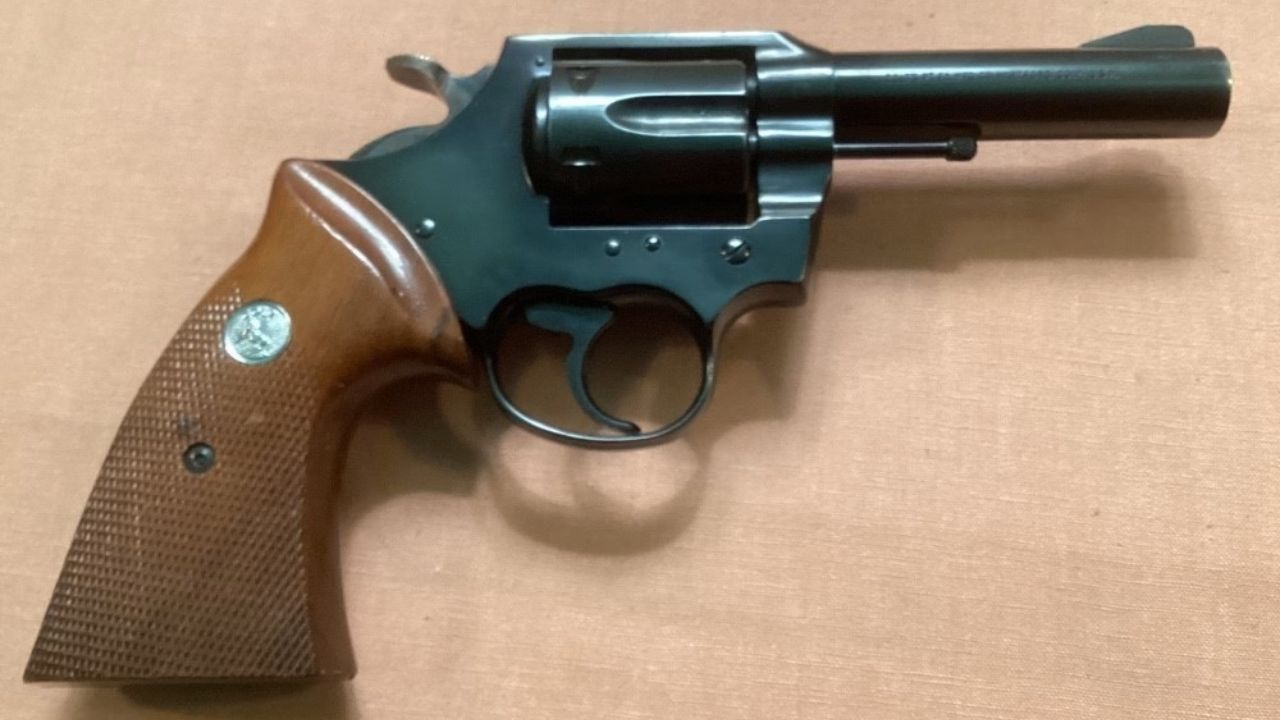
The Lawman Mk III has always been overshadowed by more glamorous Colt revolvers. It did not have Python shine or snake-gun mythology, so a lot of buyers treated it like a lesser Colt without bothering to see what it actually offered. That kept the excitement level lower than the quality level for a long time.
Once people shot them honestly, the old assumptions started looking lazy. Strong, practical, and very usable revolvers do not have to wear prestige better than they wear holster marks. The Lawman was a working revolver, and that made it easier to underestimate than it should have been.
Weatherby Vanguard

The Vanguard often gets overlooked because it has lived in the space between premium-image rifles and cheap impulse buys. It does not have the loud collector shine of some brands, and it does not scream bargain-bin miracle either. That middle-ground identity made it easy to underrate.
Then hunters actually use them. Accurate enough, dependable enough, and honest enough to build real trust, the Vanguard tends to leave a much better impression after ownership than it does at first glance. It was never flashy enough to drive hype, which is probably why it kept surprising people.
Ruger LCR
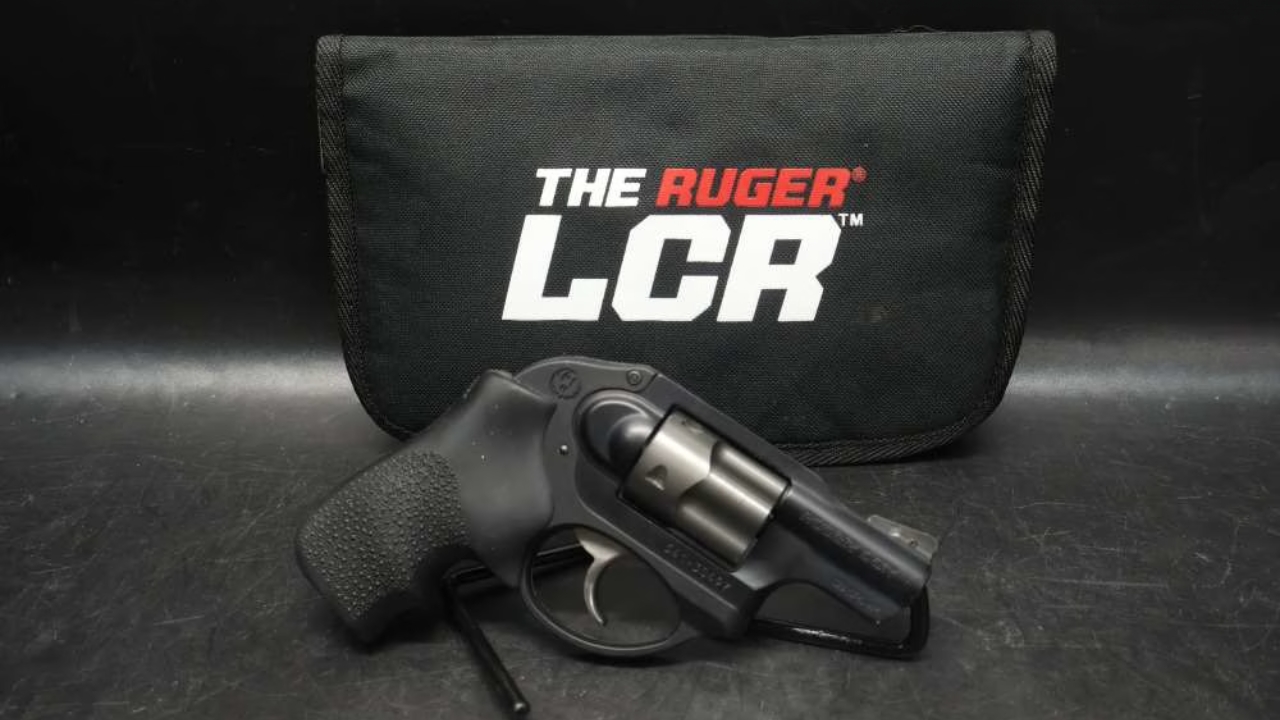
The LCR did not win many people over on looks alone. It is not a romantic revolver, not a blued-steel beauty, and not the kind of wheelgun people imagine when they talk about classic handguns. That made it easy to underestimate, especially for shooters who equate style with seriousness.
In actual use, though, it proved to be one of the smarter small revolvers on the market. Lightweight, practical, and easier to live with than plenty of older snub-nose designs, it earned respect the hard way. It was never pretty enough to get free admiration, so it had to win on performance. It did.
Browning SA-22

The SA-22 was often underestimated because it looked like a refined little sporting rimfire instead of something urgent or exciting. A lot of buyers appreciated it without fully appreciating it, which is often the fate of elegant .22s that do not fit the louder categories.
That kind of rifle grows on people. Once they spend time with the handling, the quality, and the simple satisfaction of owning a rimfire this well sorted, the underestimation starts to look silly. It was never flashy enough to dominate conversations. It was just too good to stay ignored forever.
Like The Avid Outdoorsman’s content? Subscribe to our newsletter so you never miss an article.
Here’s more from us: