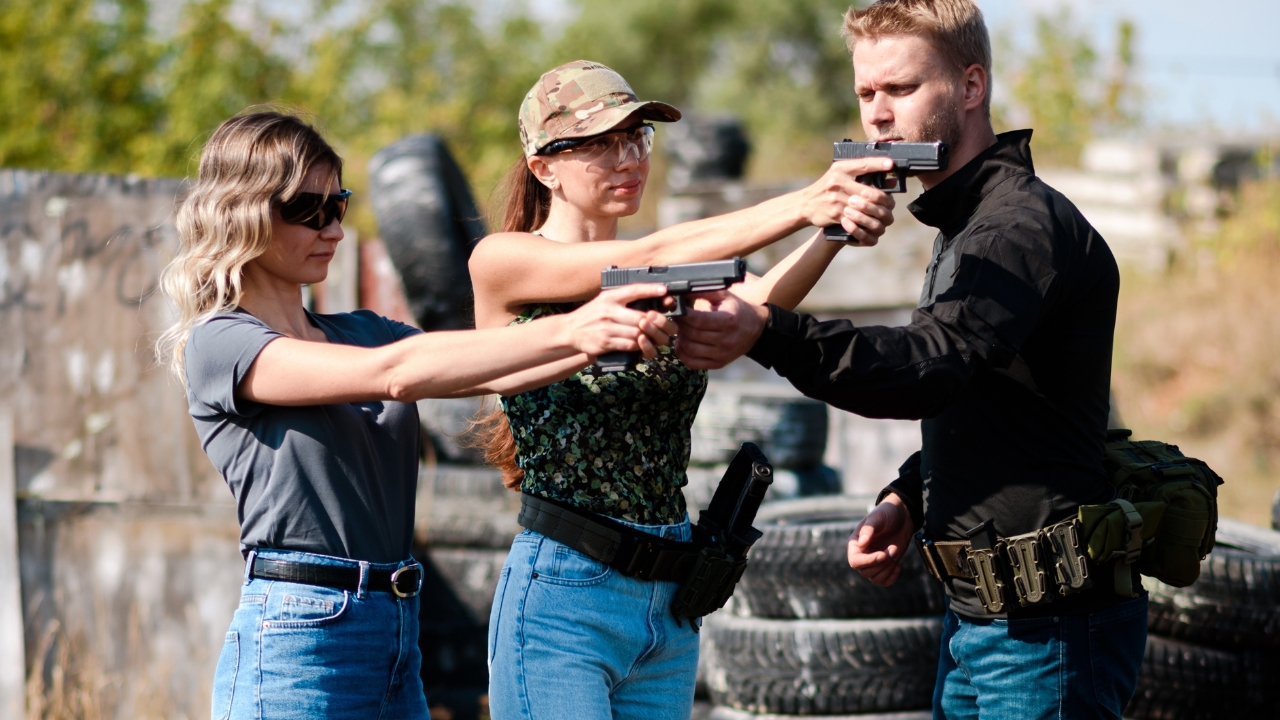
Photo credit: Alexandr Grant/Shutterstock.com
Starting out, the biggest thing you’re fighting isn’t the target. It’s noise, recoil, and that little voice in your head that braces for the next shot. The right caliber takes that away. It lets you focus on sights, trigger press, and follow-through instead of flinching and hoping. Confidence comes from reps, and reps come easier when the gun isn’t beating you up.
Beginner-friendly doesn’t mean weak or pointless. It means controllable, affordable enough to practice with, and common enough that you’re not hunting for ammo every weekend. These are calibers that help you build fundamentals fast, and still have a real place once you’re past the beginner stage.
.22 Long Rifle

The .22 LR is where good shooters are made. The recoil is basically nothing, the noise is manageable, and you can shoot a lot without getting tired or sore. That means you actually learn what your sights are doing and what your trigger finger is doing. When you miss with a .22, it’s usually you, and that’s a good thing early on.
It’s also cheap compared to centerfire, which matters more than people want to admit. More rounds downrange equals more confidence. In pistols and rifles, the .22 teaches you follow-through and discipline without punishing mistakes. If you start here and take it seriously, you’ll progress faster in every other caliber you touch.
.22 Winchester Magnum Rimfire

The .22 WMR, or .22 Magnum, is a nice step up when you want more punch without a big recoil jump. You still get a mild shooting experience, but the cartridge carries more energy and tends to hit harder on small game and varmints. In a rifle, it’s easy to shoot accurately and it stays fun even during long range sessions.
For beginners, it’s useful because it feels familiar if you’ve already been shooting .22 LR. You’re still working on the same fundamentals, but you’re seeing a bit more reach and impact. Ammo costs more than .22 LR, but it’s still approachable. It’s a good bridge cartridge when you’re not ready to jump straight into centerfire.
.17 HMR
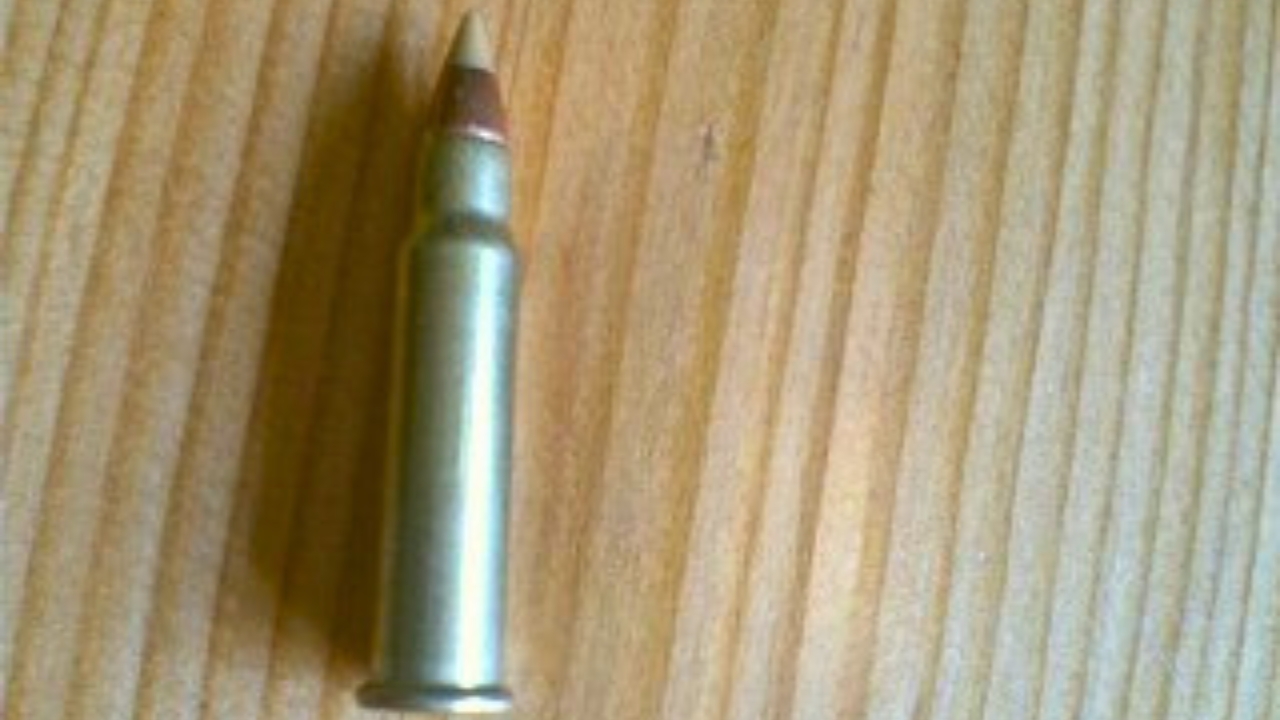
The .17 HMR is a confidence builder for anyone who likes seeing results. It’s flat-shooting for a rimfire, accurate in good rifles, and it makes hits on small targets feel almost unfair. Recoil is light, so you stay on the gun and watch your impacts. That feedback loop is a big deal when you’re learning.
It’s also a strong choice for varmints and small pests where precision matters. You’re not getting the same ammo availability as .22 LR, but it’s common enough in most places and it tends to be consistent. For a new shooter who wants a rimfire that feels “serious” without being harsh, .17 HMR scratches that itch.
.223 Remington

The .223 Remington is one of the best centerfire training rounds ever created. Recoil is mild, rifles are easy to handle, and you can shoot it accurately without fighting the gun. That makes it a great caliber for learning fundamentals like proper position, breathing, and calling your shots.
It’s also practical. Ammo is widely available, and the cartridge works for varmints and predators and can handle some deer hunting where legal with the right bullets and discipline. The big win is confidence. You can run drills, shoot from field positions, and put in real practice without developing a flinch. If you want a centerfire rifle caliber that’s forgiving and useful, .223 is hard to beat.
.22-250 Remington

The .22-250 is still beginner-friendly in the recoil department, but it adds speed and reach. It’s a predator and varmint classic because it shoots flat and hits hard on coyotes. If you’re the kind of new shooter who gets motivated by seeing dramatic impact, the .22-250 delivers that without shoulder punishment.
You do want to respect it, though. It’s louder and it can be harder on barrels than slower cartridges, which matters if you shoot high volume. But for normal hunting and reasonable practice, it’s a great way to learn wind and trajectory while still staying comfortable behind the rifle. If you want a fast, flat-shooting step up from .223, this is it.
.243 Winchester

The .243 Winchester is one of the best “do it all” calibers for a beginner hunter. Recoil is usually mild enough that you can practice without fear, but the cartridge still has the legs and the energy to take deer cleanly with proper bullets and shot placement. That mix builds confidence fast.
It’s also accurate in a lot of rifles, and it teaches you good habits. You can’t rely on brute force, so you learn to aim small and pick good angles. The .243 is also useful for varmints, which means you can shoot it year-round instead of only during deer season. For a new hunter who wants one rifle that won’t intimidate them, .243 is a smart start.
6mm Creedmoor

The 6mm Creedmoor takes the “easy to shoot well” idea and pushes it toward distance. Recoil is light, the cartridge is designed for consistency, and it tends to shoot flat with high-BC bullets. That helps new shooters learn wind and elevation without getting beat up by the rifle.
For hunting, it can be effective on deer-sized game with proper bullets and responsible shot selection. The bigger advantage is practice. When the cartridge is comfortable, you shoot more, and you get better faster. Ammo availability can vary compared to older staples like .243, but it’s out there. If you want a modern, low-recoil caliber that makes precision feel achievable, this one fits.
6.5 Creedmoor

The 6.5 Creedmoor is popular for a reason: it’s manageable, accurate, and practical. Recoil is mild enough that most beginners can shoot it well, but it still carries enough energy for deer and, with the right bullets and discipline, larger game. It’s a caliber that grows with you.
It also makes learning easier because it’s predictable. Good factory ammo is common, many rifles are built around it, and the cartridge handles wind better than lighter options. That means your mistakes aren’t punished as brutally when conditions aren’t perfect. If you want a first “serious” rifle caliber that you won’t outgrow in a year, 6.5 Creedmoor is a solid choice.
7mm-08 Remington

The 7mm-08 is one of those calibers that feels like it was designed for hunters who actually practice. It’s efficient, accurate, and it hits harder than its recoil suggests. In most rifles, it’s comfortable to shoot, which keeps you from developing the bad habits that come from getting knocked around.
For deer, it’s excellent. For elk, it can work with the right bullets and good shot selection. The best part for beginners is how balanced it feels. It doesn’t demand a heavy rifle, it doesn’t demand a muzzle brake, and it doesn’t demand perfect conditions. It’s a calm, steady performer that lets you focus on fundamentals and fieldcraft instead of managing recoil.
.30-30 Winchester

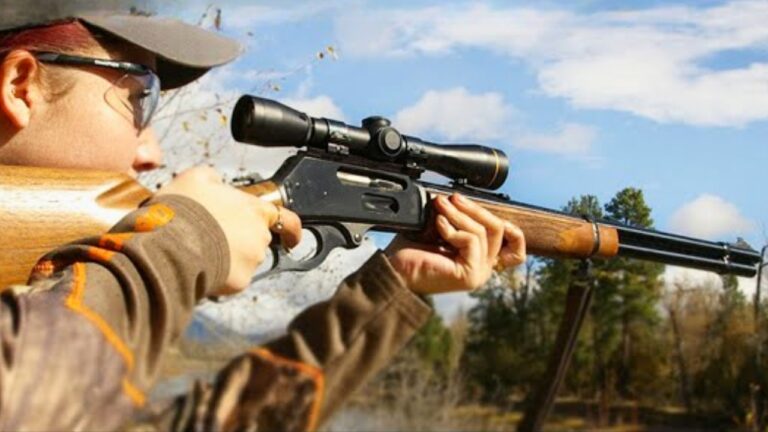
The .30-30 is a confidence caliber for hunters who live in real woods, not wide-open fantasy country. In a lever gun, it points naturally, handles fast, and keeps recoil very manageable. That makes it easier for beginners to shoot well from awkward positions and quick windows, which is how a lot of deer are actually taken.
It also teaches good hunting discipline. You learn to pick your shots, keep distances reasonable, and place bullets where they count. Within its comfort zone, it kills deer cleanly and has for generations. Ammo is widely available, and rifles are common. If you want a beginner deer setup that feels intuitive and doesn’t punish you, .30-30 is still one of the best answers.
.350 Legend

The .350 Legend is beginner-friendly because it’s mild, practical, and effective on deer at sensible distances. Recoil is usually easy, especially in heavier rifles, and the cartridge is straightforward to understand. It’s also a big deal in straight-wall states, where it gives you more reach than older straight-wall options without turning the rifle into a cannon.
It builds confidence because hits feel decisive without being violent on your shoulder. You can practice comfortably and still have a cartridge that works when the season opens. Ammo availability is decent in many areas, and rifles chambered for it are everywhere now. If you want a deer caliber that feels calm and controllable, the .350 Legend is a strong modern pick.
.20 Gauge

A 20 gauge shotgun is one of the best ways to get comfortable with recoil while still having real hunting versatility. With proper fit and good technique, it’s easy to manage, and it can handle everything from doves and quail to turkey and even deer with the right loads. For new shooters, that flexibility is huge.
It also teaches you how to mount a gun and track targets smoothly, which builds confidence fast. The recoil can still bite if you run heavy loads in a light gun, but it’s generally more forgiving than a 12 gauge. Ammo is easy to find, and shotgun options are endless. If you want one platform that can do a lot without punishing you, the 20 gauge belongs on the shortlist.
.410 Bore
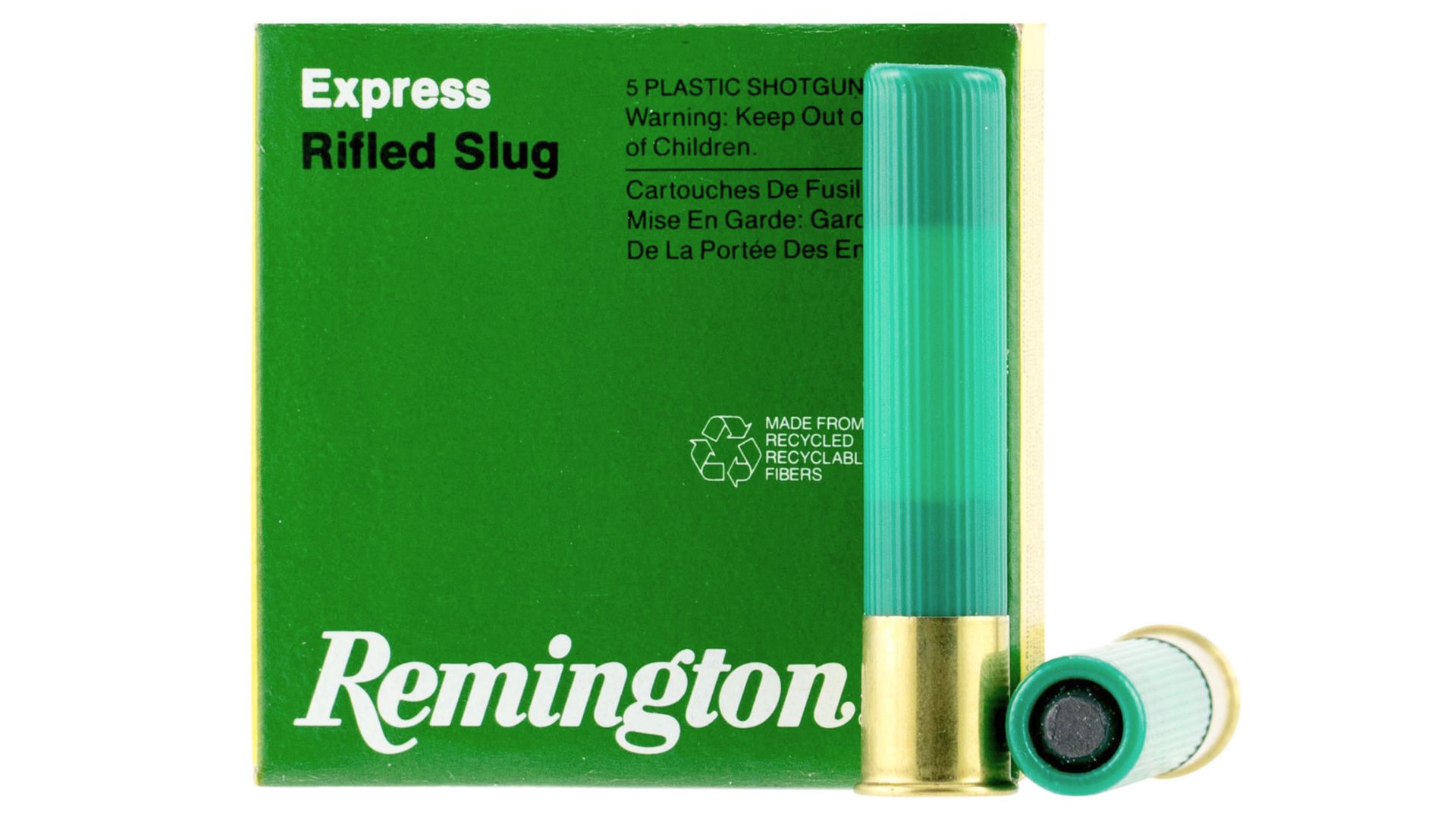
The .410 is not a magic beginner tool, but it can be a confidence builder in the right hands and the right use. Recoil is light, and the small gun feel can be less intimidating for new shooters. For close-range small game, light clay practice, and learning basic shotgun handling, it has a place.
The honest truth is that it demands good shooting. Patterns are thinner, and you don’t get the same margin for error as a 20 gauge. That means it’s best when you keep expectations realistic and focus on learning form. If you treat it as a training step and use it at appropriate ranges, it can help you build comfort without fear. It’s a tool, not a shortcut.
9mm Luger

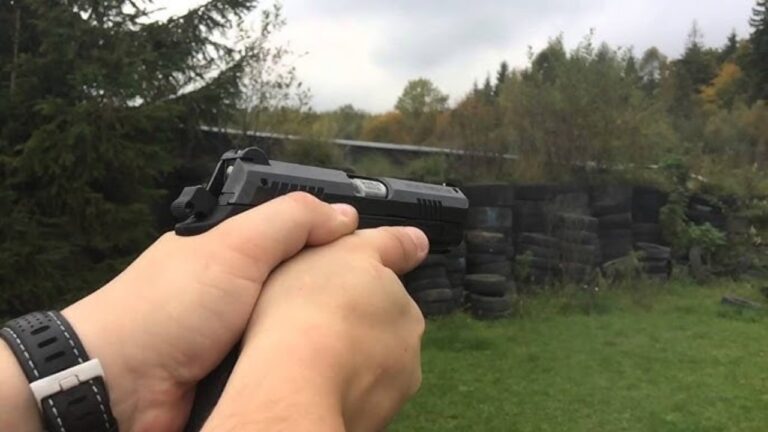
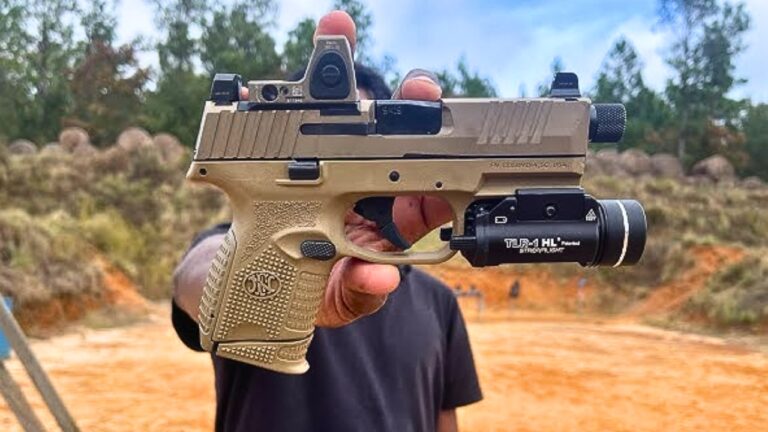
In handguns, 9mm is the most beginner-friendly caliber that still feels like a real defensive round. Recoil is manageable in most full-size and compact pistols, ammo is widely available, and you can afford to practice. That last part matters, because pistol confidence comes from repetition and good fundamentals.
It’s also forgiving enough that you can work on speed without losing control. You’ll still feel recoil, but it won’t usually knock you off the sights like harder-kicking calibers can. With modern defensive loads, 9mm performs well, and it’s easy to find quality training ammo that matches your carry setup. If you want to learn handguns without developing a flinch, 9mm is the practical starting point.
.38 Special

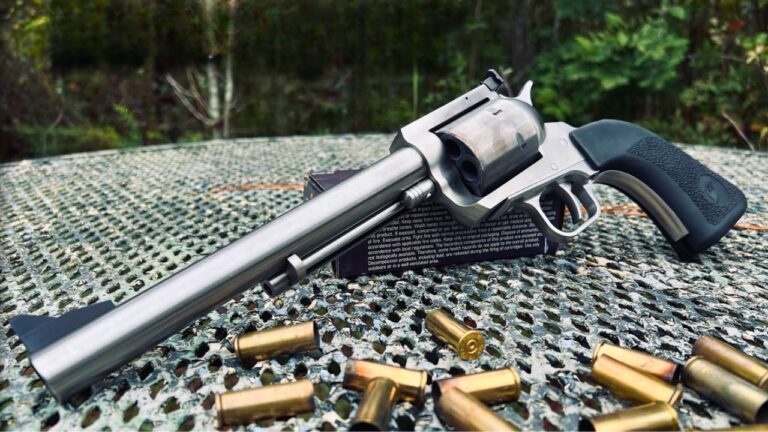
The .38 Special is a classic confidence caliber, especially in a medium-frame revolver. Recoil is usually mild, the report is manageable, and the cartridge lets you focus on sights and trigger control without being punished. It’s also a great way to learn double-action shooting, which pays dividends in overall handgun skill.
The key is matching the gun to the shooter. A lightweight snub can feel sharp, but a steel revolver makes .38 Special pleasant to shoot. Ammo is common, and you can work up from mild practice loads to defensive loads as your comfort grows. If you want a caliber that teaches you patience and clean trigger work while still being practical, .38 Special is still one of the best starting points.
Like The Avid Outdoorsman’s content? Be sure to follow us.
Here’s more from us: