Photo credit: WHO_TEE_WHO/YouTube
Every hunter has chased a caliber that looked good on paper. You see the charts, the velocity numbers, and the impressive foot-pounds of energy—and you start thinking it might be the magic answer for everything from elk to moose. Then you shoot it. Suddenly those ballistic tables don’t mean much when your shoulder feels like it took a hammer swing. Some rounds promise power but only deliver punishment. You can’t stay accurate if you’re dreading the trigger pull, and a bruised shoulder doesn’t make for a better hunt. These are the calibers that teach you the hard way that energy means nothing without control.
.300 Winchester Magnum
The .300 Win Mag sells itself with impressive stats—flat shooting, tons of energy, and reach for days. The problem is what it takes to get there. The recoil hits fast and sharp, especially from lightweight rifles. You can tame it with a brake, but that just means trading pain for noise. The .300 Win Mag is accurate and capable, but few shooters can run it comfortably enough to use that potential. It’s a powerhouse, sure, but one that leaves many hunters developing a flinch before the season’s even halfway through.
.338 Winchester Magnum
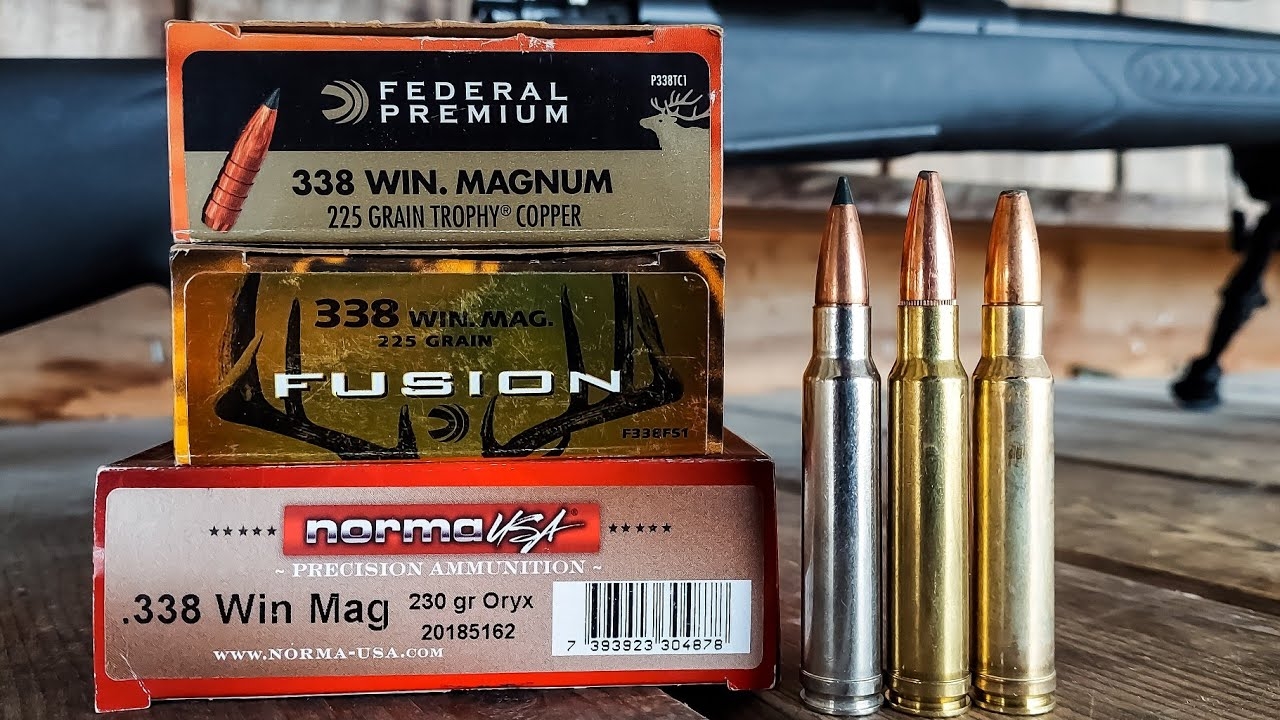
If you’ve ever touched off a .338 Win Mag in a mountain rifle, you know the feeling. It pushes big bullets at big speed, but that power comes at a cost most hunters aren’t willing to pay. It’s punishing on both ends, and it’s not forgiving when your form slips. The cartridge shines in capable hands, but for the average deer or elk hunter, it’s more misery than magic. Most guys shoot it a few times, brag about the energy numbers, and then quietly go back to their .30-06 or 7mm Rem Mag—rounds that hit almost as hard but don’t leave bruises.
.45-70 +P Loads
There’s something romantic about the .45-70 until you load it hot. Those +P rounds promise “modern performance” in lever guns that weigh less than your daypack. Fire one, and you’ll think twice about pulling the trigger again. The recoil is violent—more of a shove than a kick—and it rattles fillings loose in lightweight rifles. Sure, it’ll anchor a bear or a big bull, but most of the time you don’t need that much punch. Plenty of hunters shoot a few rounds, decide life’s too short for shoulder pain, and start buying the mild stuff again.
.300 Weatherby Magnum

The .300 Weatherby Mag is impressive in every measurable way except comfort. It burns through powder like a jet engine and delivers blistering velocity, but it also delivers recoil that can end a shooting session fast. The sharp impulse makes it tough to stay consistent, especially in lighter hunting rifles. You can appreciate its power without wanting to pull the trigger again anytime soon. For hunters chasing elk or moose at long range, it might make sense. But for everyone else, it’s more of a curiosity—one they’re glad to leave in the safe after a few bruising boxes.
7mm Remington Ultra Magnum
The 7mm RUM is what happens when speed becomes an obsession. It pushes bullets so fast you start to question physics, but all that energy comes with recoil that rivals a .338. It’s loud, it’s overbore, and it’s hard on barrels. The first shot might impress you, but by the third, you’ll be wondering what you got yourself into. Sure, it drops animals hard when everything lines up, but most hunters realize they’d rather hit comfortably with a slower cartridge than flinch their way through a day with this one.
.375 Ruger
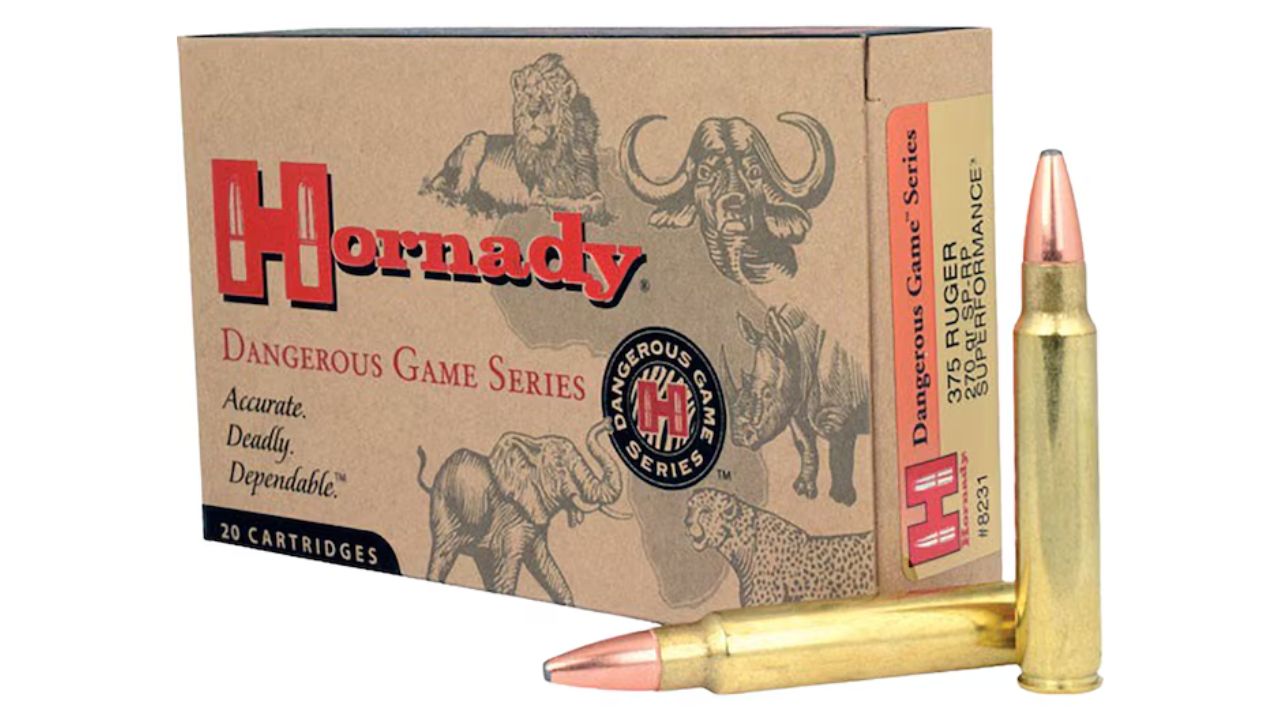
The .375 Ruger was meant to modernize a classic. And it did—on paper. In practice, it’s a shoulder-thumper that few people enjoy shooting more than once or twice a year. It’s powerful, accurate, and completely unnecessary for most North American hunts. If you need that kind of energy, you’ll appreciate it. If you don’t, it’s just punishing recoil for bragging rights. Many hunters buy one thinking they’ll train up with it, only to find out range days turn miserable fast. You’ll learn to respect it—but that doesn’t mean you’ll want to shoot it often.
.458 Winchester Magnum
This round was built for stopping big game, not comfort. It delivers brutal recoil—so much that many hunters can’t get through a box without wincing. Even in heavy rifles, the shove is hard enough to break scopes and loosen mounts. It’s legendary for dangerous game, sure, but unnecessary for 99% of hunts. The power is real, but it comes with flinch-inducing punishment that ruins follow-up shots. Most hunters who try one quickly decide it’s better left to professionals who actually need it. It’s impressive, but only if someone else is behind the trigger.
Like The Avid Outdoorsman’s content? Be sure to follow us.
Here’s more from us:
The worst deer rifles money can buy
Sidearms That Belong in the Safe — Not Your Belt
*This article was developed with AI-powered tools and has been carefully reviewed by our editors.