Photo credit: JWheeler331/YouTube
Some guns climb into a strange part of the market where owners stop treating them like ordinary firearms but never fully stop wanting to shoot them either. They are too expensive now to feel casual, too well made to dismiss, and too useful to write off as pure collector bait. That is how a lot of good shooters turn into safe-queen money. The market starts valuing them like precious objects, while the people who know the guns best still remember they were built to run, carry, hunt, or print tight groups instead of just sitting under soft light in a climate-controlled room.
That tension is what makes this category so interesting. These are not flimsy commemoratives or empty prestige pieces that only survive on branding. These are guns that earned real respect the hard way, then got expensive enough that owners started babying them. The problem is that many of them are still genuinely good firearms. They still shoot well. They still handle well. They still make practical sense. These are the firearms that became safe-queen money while still being shooters.
Browning Hi-Power Mk III

The Browning Hi-Power Mk III is one of the clearest examples of a pistol that drifted out of “good old service gun” territory and into “maybe I should leave it in the case” money. For years, buyers looked at them as practical steel 9mms with history, great lines, and enough real-world shootability to stay relevant even after the market got crowded with newer service pistols. Then the supply tightened, production ended, and suddenly the same pistol people once bought to enjoy started carrying the kind of price tag that makes range trips feel more thoughtful.
The irony is that the pistol never stopped being a shooter. A good Mk III still points naturally, still feels slim in the hand, and still offers the kind of all-steel calm many newer pistols never quite replicate. That is why people get so weird about them now. They know the gun is worth shooting, but they also know the market has started treating clean examples like little vault items. The result is a pistol that still begs to be used while quietly punishing owners for wanting to use it.
Colt Python

The Python has become expensive enough to make owners nervous, but the reason the market got there in the first place is that the revolver was never only a display piece. Even before the modern collector heat really took hold, people bought Pythons because they were handsome, smooth, and capable of making ordinary revolvers feel crude by comparison. The problem now is that the same polish, prestige, and old-school Colt aura that made people love them as shooters is exactly what pushed them into the safe-queen bracket.
That creates a weird emotional fight in the owner’s head. He knows a Python is not some dead relic that should only be looked at through white gloves. He knows it is still a beautiful, shootable .357 with real range appeal. But the higher prices climb, the harder it becomes to look at one like a normal revolver. That is what happens when a gun keeps its usefulness after the market has already decided it belongs on a pedestal. The owner ends up protecting a shooter from the reality that it is still one of the better shooters around.
Smith & Wesson 3rd Generation 4506
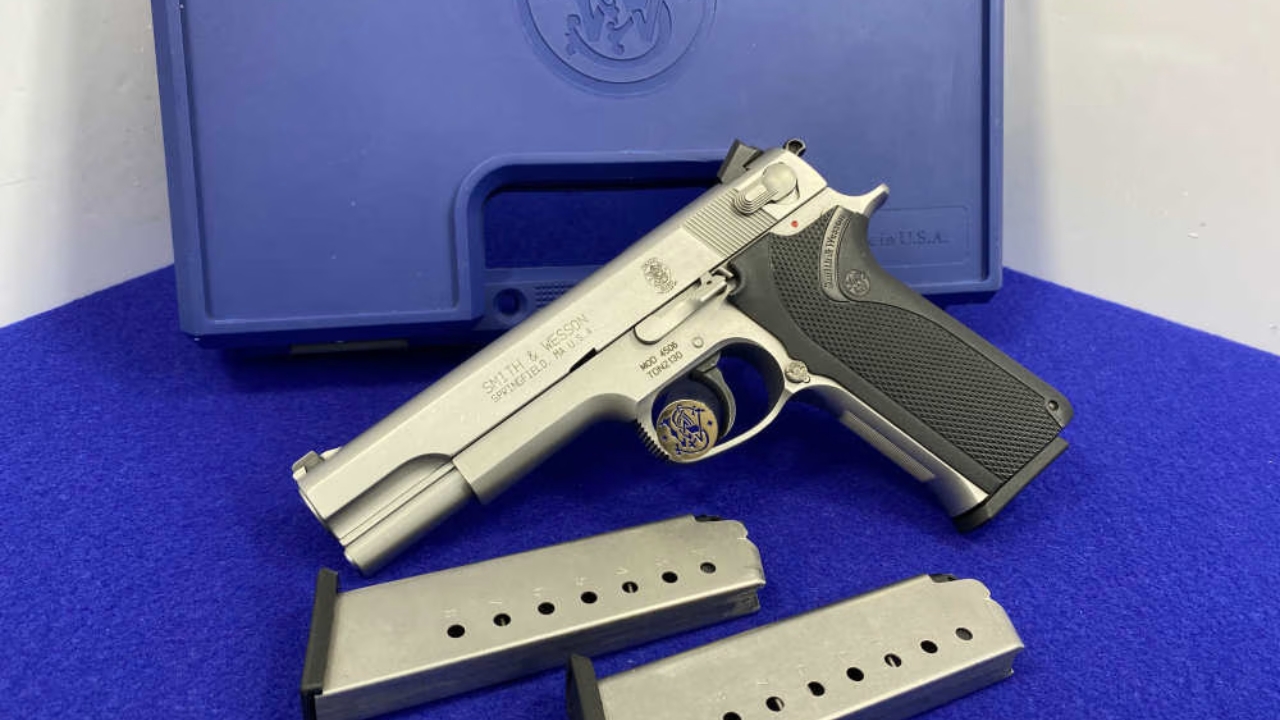
The 4506 was once the sort of all-steel .45 people bought because they wanted a serious pistol, not because they wanted a collector piece. It was heavy, durable, and built with the kind of confidence that came from expecting the gun to actually be used hard. For a long time, that kept it in the practical lane. Then the market started warming up to older metal-frame duty guns, and buyers began noticing that the 4506 was not just another old service pistol. It was one of the tougher, more substantial .45s from a period when companies still made handguns like they meant it.
That shift in attention pushed clean guns into a different category. Now a really nice 4506 can feel almost too expensive to toss in the range bag the way owners once did. The funny part is that the gun still behaves like a workhorse. It still shoots like a grown-up .45, still feels solid in the hand, and still shrugs off range time like that is what it was built for. That is why it fits this headline so well. The market started treating it like protected property while the pistol itself never stopped acting like a duty gun.
Winchester 9422
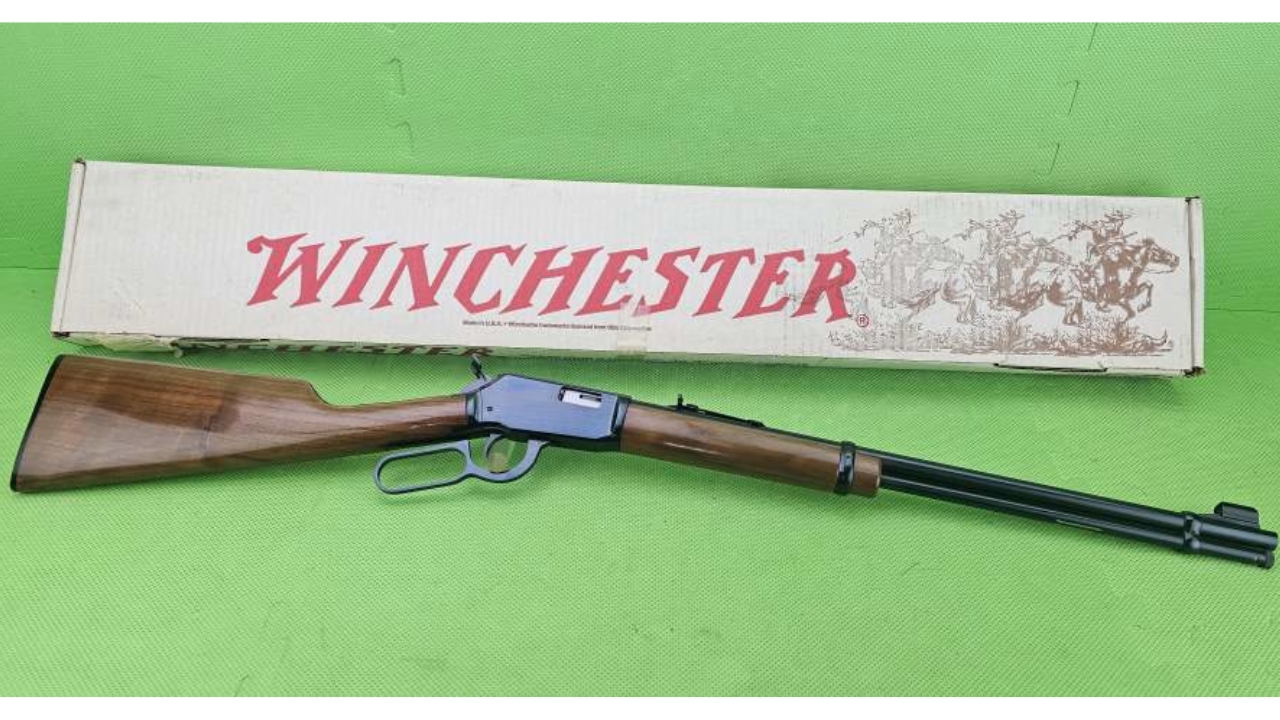
The 9422 spent years as the sort of rifle people simply liked. It was a quality rimfire lever gun with the Winchester name, smooth handling, and the kind of practical appeal that made it easy to take to the range, into the squirrel woods, or out with new shooters. Nobody needed to invent some grand story for why it mattered. It mattered because it was a really good .22. That is usually how trouble starts. Once enough people realize a gun is both useful and well made, the price begins drifting upward in a way that surprises everybody who kept assuming they could buy one later.
Now the 9422 often wears money that makes owners hesitate. It still feels like one of the best lever-action .22s to actually shoot, but it also feels like the sort of rifle people put back in the safe a little more carefully than they used to. That hurts because a rimfire like this should live on the range. It should be the rifle that gets passed around, shot often, and enjoyed without drama. Instead, a lot of owners now find themselves treating a perfect little shooter like a fragile heirloom because the market finally figured out what it was.
Marlin 39A

The Marlin 39A became safe-queen money in the most frustrating way possible. It did not get there because it stopped being useful or because it turned into some weird specialist collectible. It got there because people finally admitted it was one of the best rimfire lever guns ever made. For years it was simply a serious .22 with real quality, the kind of rifle someone could own for life and keep using without needing to explain it. Then older Marlin quality got more attention, cleaner examples got harder to find, and prices started moving into territory that made owners look at them differently.
That change in mindset is the real story. A 39A still begs to be shot. It is accurate, beautifully balanced, and satisfying in a way cheap rimfires never are. But once the numbers get high enough, owners start treating ordinary wear like a financial event. That is exactly what safe-queen money does to a gun like this. It does not erase the fact that the rifle is a shooter. It just makes enjoying that truth feel more expensive than it used to.
Ruger No. 1
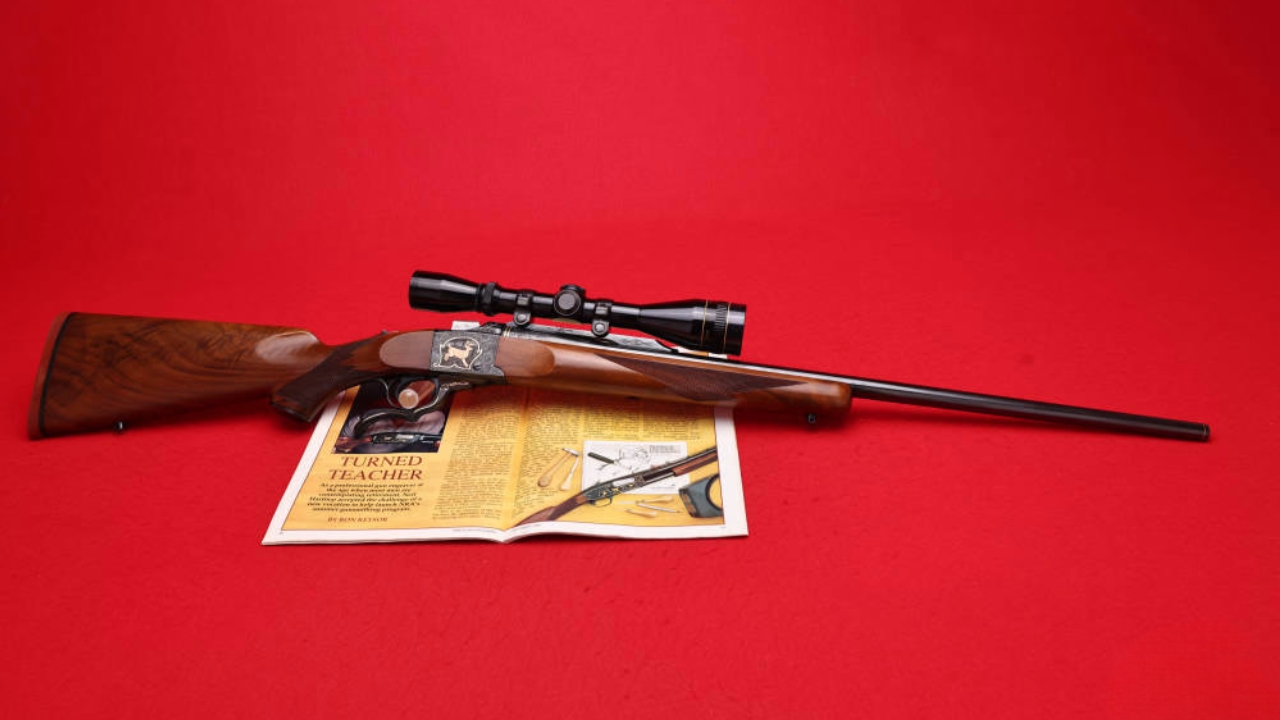
The Ruger No. 1 always had a little more elegance than the average hunting rifle, so maybe it was destined to end up here. Even back when prices were friendlier, buyers were drawn to the rifle because it felt special. The falling-block action, the clean lines, and the sheer satisfaction of owning a single-shot rifle with real quality all made it more than just another practical hunting gun. But it was still a hunting gun. People bought them to carry, to sight in, and to enjoy in the field, not only to admire in silence.
Then the market started rewarding chambering scarcity, condition, and old-school Ruger appeal much harder than many owners expected. Now a nice No. 1 often lives in that uneasy place where the owner still sees a wonderfully shootable rifle but also sees dollar signs every time the gun gets another scratch or another season in rough weather. The strange part is that the rifle still makes emotional sense as a shooter. It is still one of the most satisfying sporting rifles to carry and fire. It just now carries the sort of money that makes use feel like a risk.
SIG Sauer P228

The P228 became expensive in a way that caught a lot of people off guard because it never felt like a collector’s pistol first. It felt like one of the best-balanced compact service pistols a person could own. It was dependable, easy to shoot well, and full of the kind of practical handling that usually keeps a gun in the “smart shooter’s choice” lane instead of the “don’t breathe on it” lane. But that same real-world quality, mixed with older German SIG appeal, helped the model drift steadily upward until buyers finally realized the old prices were gone.
That leaves owners in an awkward spot. A P228 is still exactly the kind of pistol you want to take to the range and appreciate through use. It has not become less shootable just because it became more expensive. If anything, the reason people prize them is that they still feel so right in the hand. But once the market starts treating a compact duty pistol like a semi-sacred artifact, every holster mark suddenly feels heavier. That is a hard way for a shooter to become a safe queen.
Browning Auto-5 Sweet Sixteen
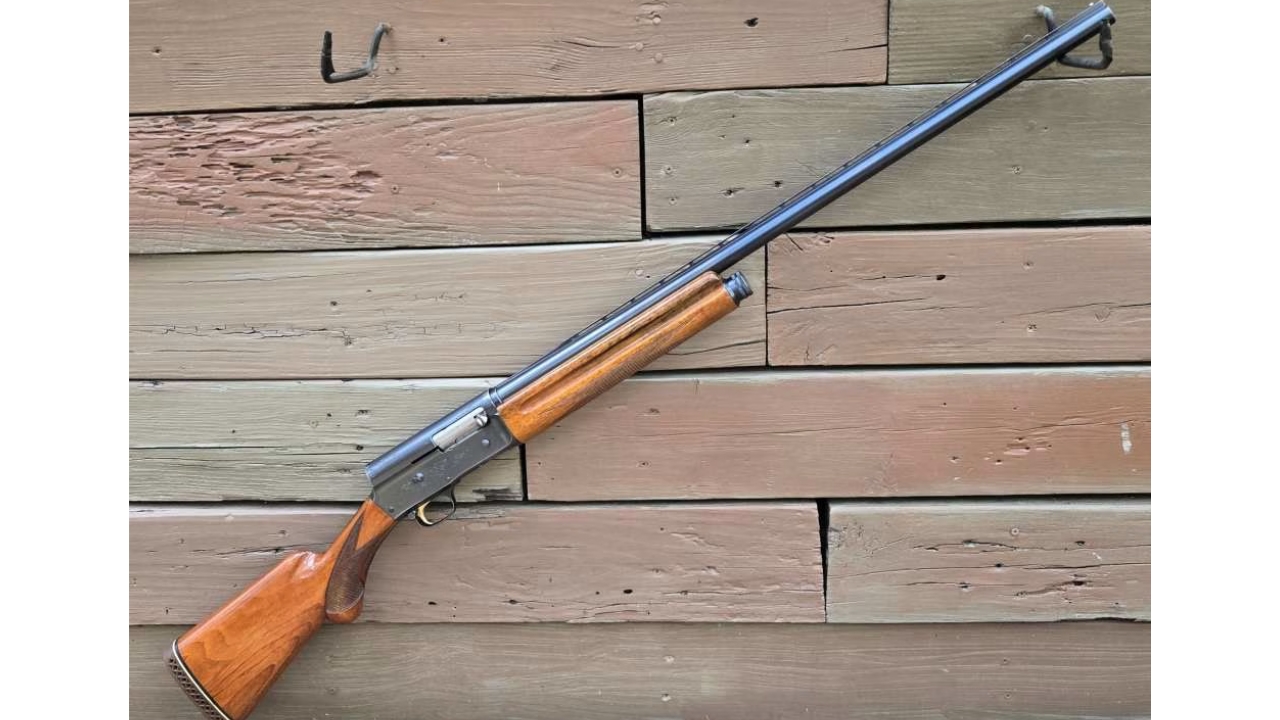
The Sweet Sixteen is one of those shotguns that people still want to hunt with because it remains such a natural field gun. The balance is real. The charm is real. The old humpback profile is not just nostalgia. It is tied to a shotgun that carried beautifully for upland work and still feels alive in the hands in a way many newer guns do not. That practical field worth is exactly why people loved them for so long without feeling the need to lock them away.
Now, of course, the market has complicated that. Cleaner Sweet Sixteens are no longer the kind of shotguns owners throw in and out of the truck without thinking. Prices have made people more careful, more sentimental, and more protective. But the gun itself did not change. It is still the sort of shotgun you shoulder and immediately understand. That is what makes it belong here. The market put it into safe-queen territory while the shotgun kept behaving like a bird gun that would rather be in the field.
Smith & Wesson Model 19
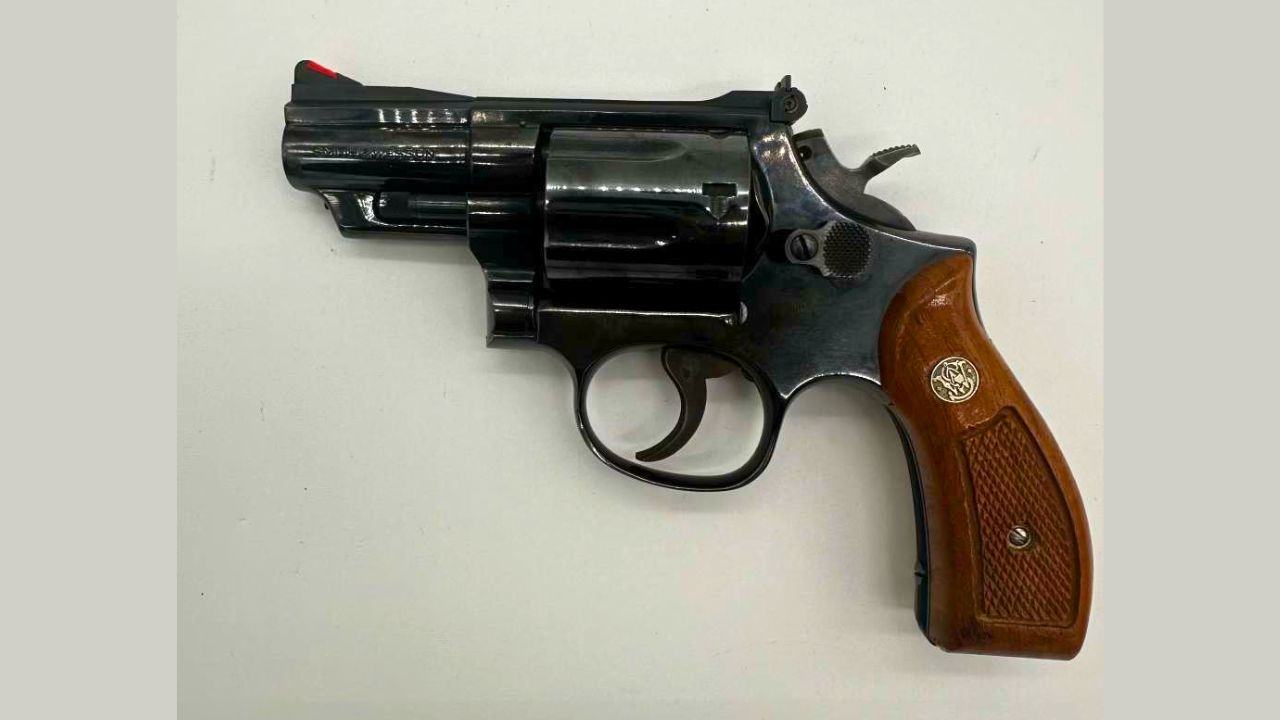
The Model 19 became one of those revolvers owners started treating more gently only after the market reminded them how much they would hate replacing it. For a long time, it was simply one of the most appealing .357 revolvers a person could own: balanced, handsome, lively in the hand, and easy to appreciate as both a shooter and a carryable revolver from a better era of handgun design. That made it something people used and enjoyed rather than worshipped.
Then older K-frame magnums started getting hotter, cleaner guns became more expensive, and the whole ownership experience changed tone. A nice Model 19 is still one of the most satisfying revolvers to shoot with .38s and very easy to love with the right .357 loads, but now many owners handle them like every trip to the range is an appraisal risk. That is safe-queen money in action. It does not erase what the revolver is good at. It just makes owners more anxious about continuing to enjoy it the way previous generations did without a second thought.
CZ 550 Full-Stock Mannlicher
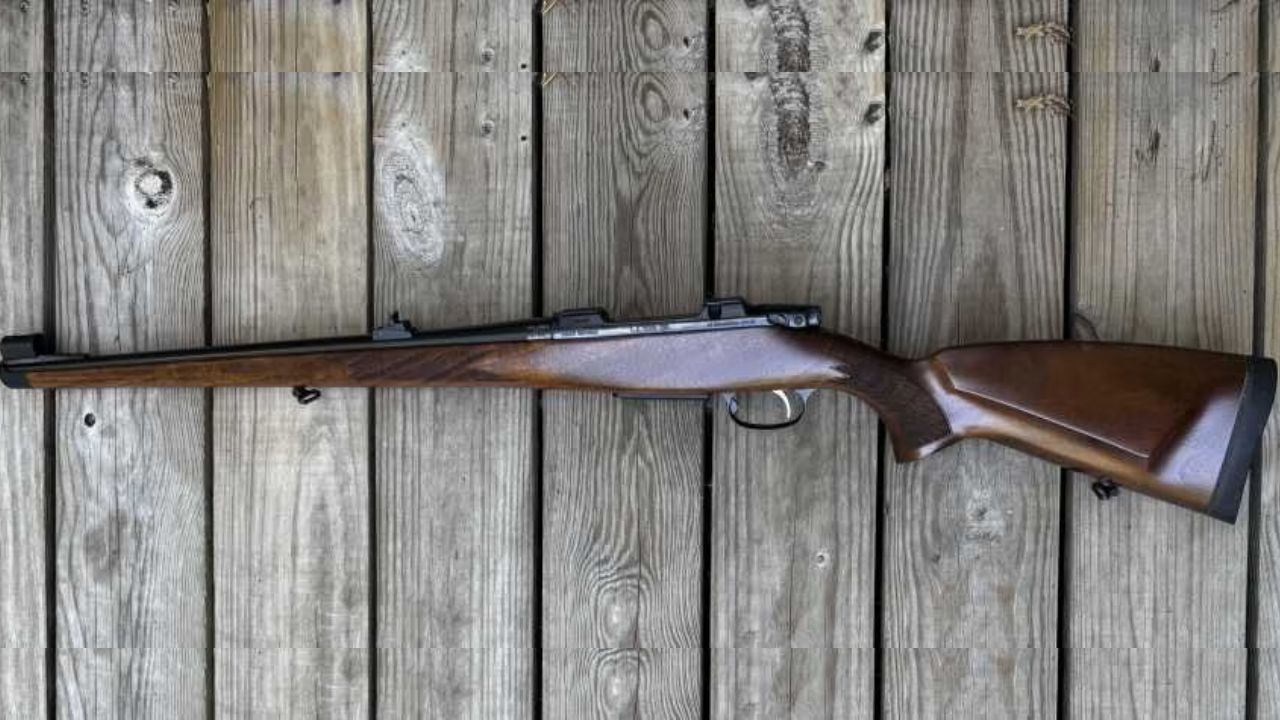
The full-stock CZ 550 always felt like more than a generic bolt-action rifle. It had the old-world styling, the controlled-round-feed appeal, and the kind of visual presence that made people slow down and really look at it. But it was still a hunter’s rifle, the sort of gun someone could take into the field and genuinely enjoy as a working sporting arm. That mix of beauty and practicality is exactly the kind of thing that gets more expensive once enough buyers start noticing it.
And notice it they did. Full-stock rifles always attract a little extra emotion, but once the CZ 550 line disappeared and buyers realized how little in the current market felt quite the same, the money got more serious. Now the owner is left with a rifle that still absolutely begs for a mountain hunt or a cold-weather deer season but also carries enough value to make every branch scrape feel personal. It is still a shooter. It just now wears the sort of price that makes field use feel more deliberate than it should.
Colt Woodsman

The Woodsman climbed into a money category many owners did not see coming because for so long it simply felt like an elegant old rimfire pistol. And that is exactly what it is. It is slim, enjoyable, accurate enough to matter, and built with the kind of quality that makes ordinary rimfires feel cheap. Buyers used to think of them as handsome shooters. Then the market started taking old Colt rimfires more seriously, and the same pistols people once bought to enjoy on the range began carrying collector heat that made owners look at them differently.
The tragedy, if you want to call it that, is that the pistol still wants to be used. A Woodsman is not some dead object that only looks good in a display case. It is one of those handguns that keeps rewarding careful range time. That is why it fits here so well. The money got fancy, but the gun itself never stopped being a pistol you would actually want to shoot.
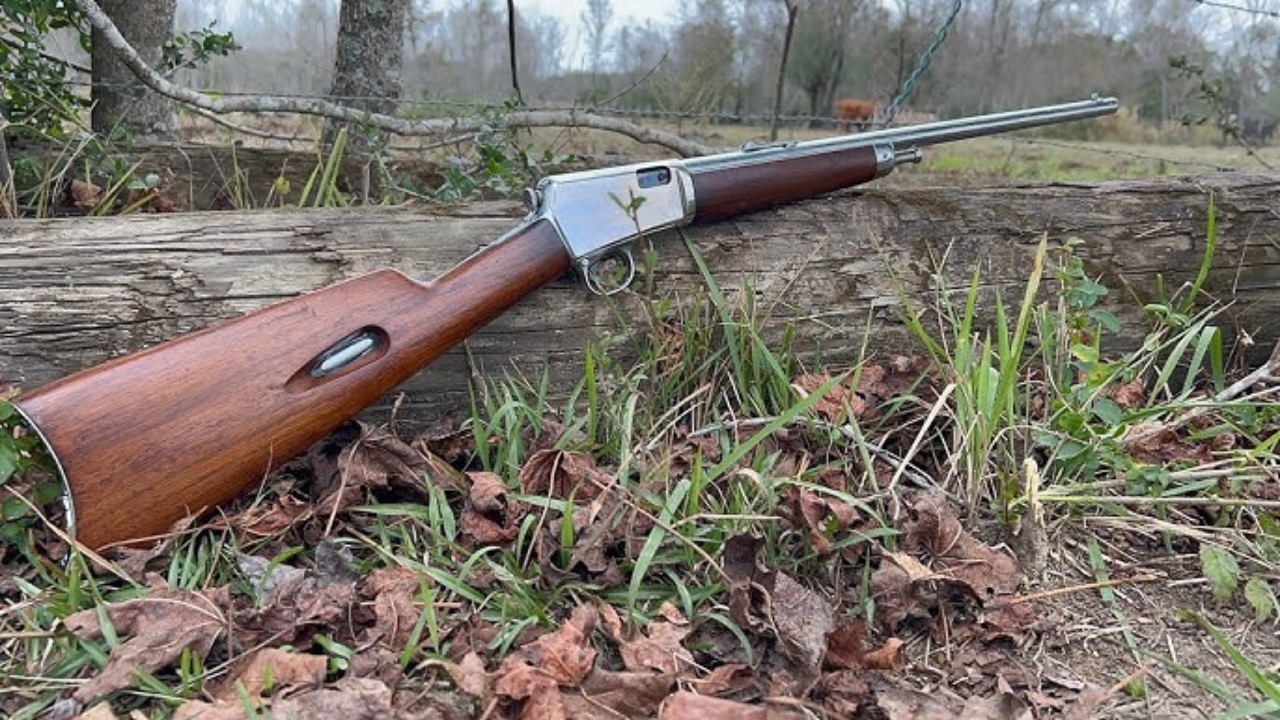
Winchester Model 63

The Model 63 is one of those rifles that quietly turned from “very nice old .22” into “are you kidding me?” money without ever stopping being exactly the kind of rimfire someone wants to own for real use. It always had practical appeal because it was handy, dependable, and fun in the low-drama way good rimfires tend to be. People did not need to overtalk it. It simply worked and carried Winchester charm while doing it.
Then, as happens with quality old .22s, the supply of clean guns started shrinking while appreciation kept building. Now the same rifle that would have once been tossed into a pleasant afternoon of squirrel hunting or rimfire plinking suddenly feels like something owners baby a little too much. The market turned it into safe-queen money, but the rifle itself is still clearly a shooter. That tension is exactly why it belongs here.
Dan Wesson 15-2
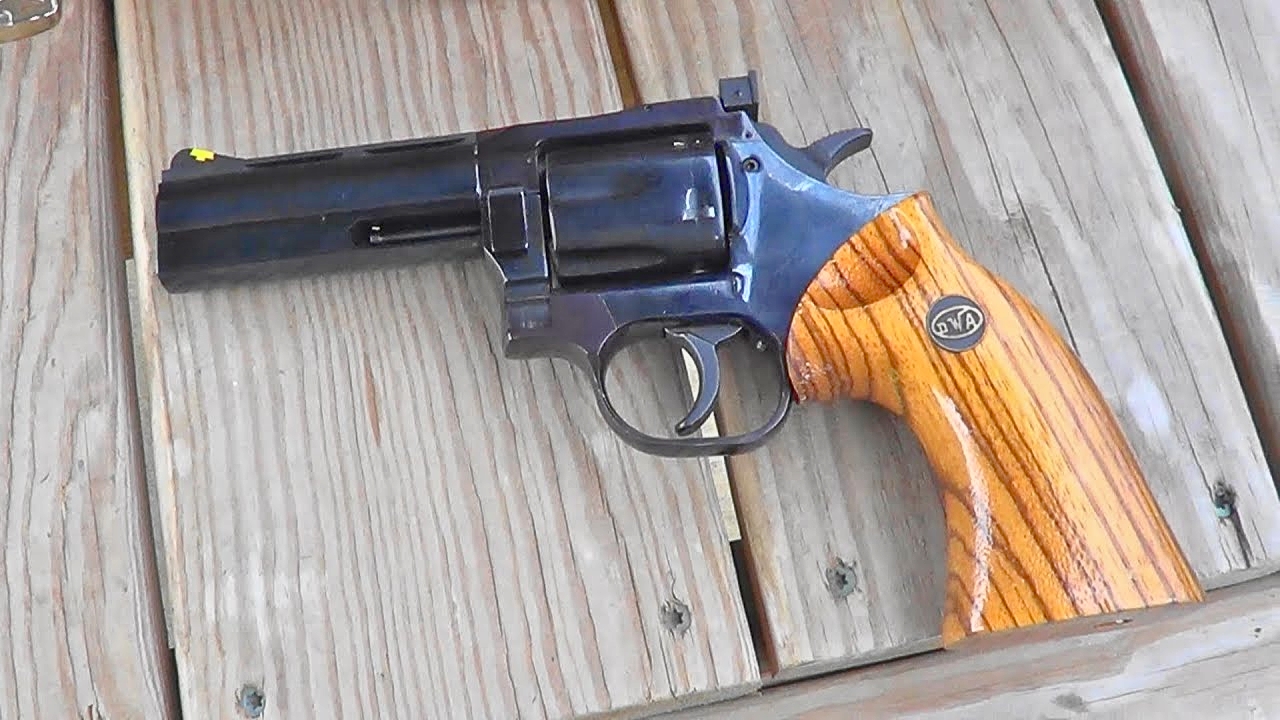
The 15-2 used to be the sort of revolver thoughtful shooters appreciated without treating it like fragile treasure. It had real range merit, interchangeable-barrel novelty that was actually useful, and enough quality to keep serious revolver people interested. It was not bought only for status. It was bought because it shot well and gave owners something a little different without being impractical.
Then the market for older quality revolvers tightened, and Dan Wesson values began getting a lot more attention. That has made good examples feel less casual and a little more protected than they used to. The problem is that a revolver like the 15-2 really does reward use. It is still a shooter’s revolver. But once the money rises high enough, owners start feeling torn between preserving value and enjoying the gun the way it was clearly built to be enjoyed.
Remington 1100 Trap
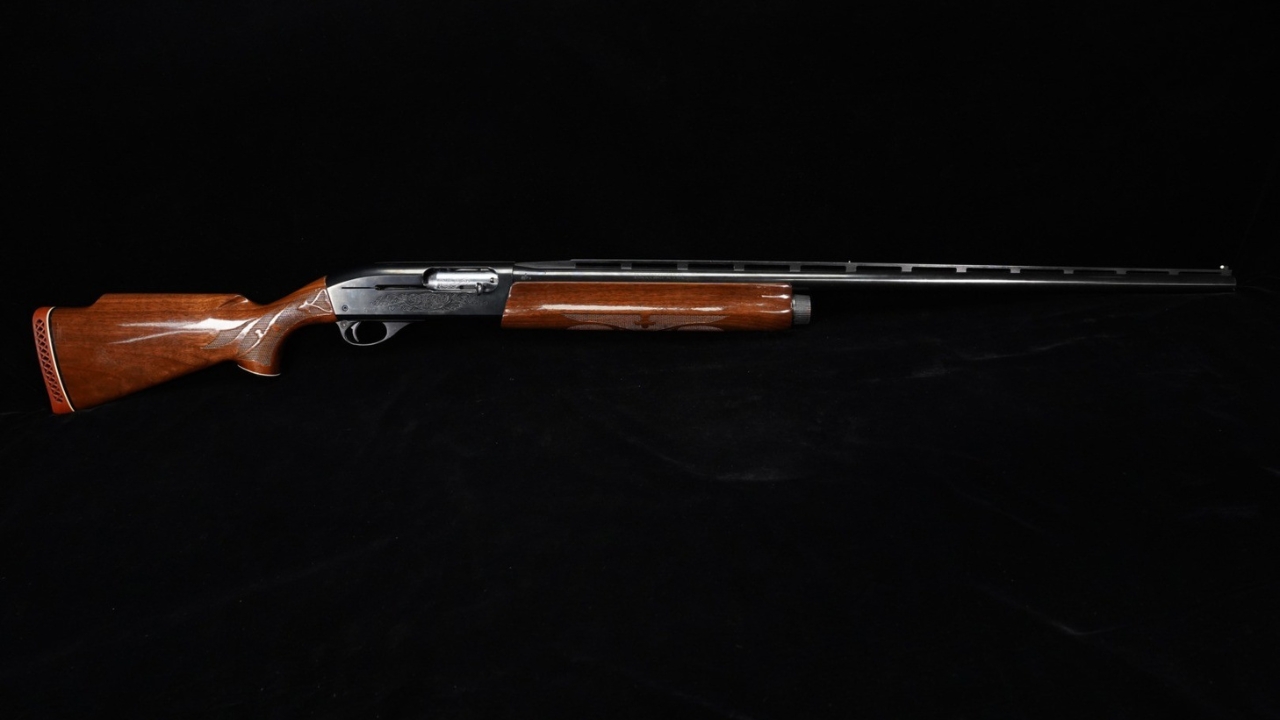
The 1100 Trap became safe-queen money for a lot of owners because it occupied that dangerous zone where a gun is both useful and beloved. It was never some hollow display piece. It was a shotgun people actually shot hard. Trap shooters used them, trusted them, and built long relationships with them because the guns worked and felt right in the hands. That kind of real-world affection is usually what creates lasting value.
The market eventually caught up to that affection, especially around cleaner, more desirable examples. Now some owners look at an old 1100 Trap and see not just a wonderful shooter, but a gun that has gotten too nice to risk in the same casual way it used to be used. The irony is obvious. The shotgun earned its reputation by being shot, then became valuable enough that people got scared to keep doing exactly that.
Browning Medalist
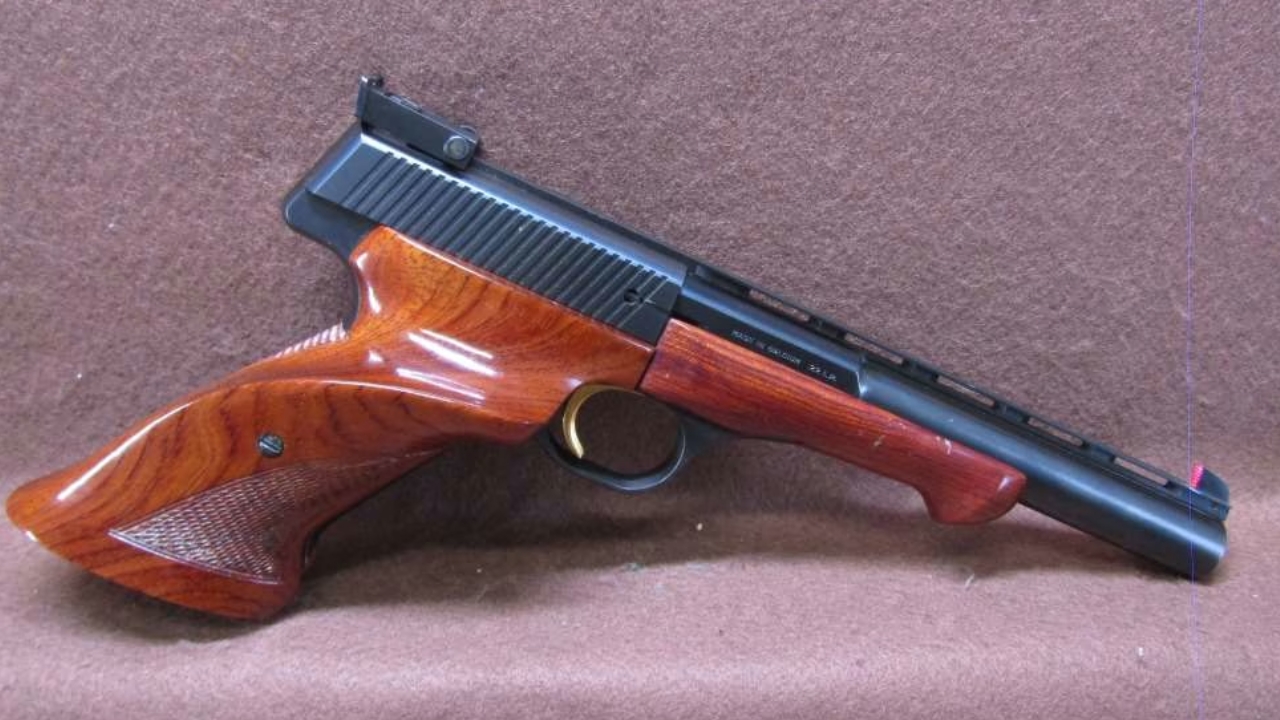
The Browning Medalist always had the look of something a little too elegant for rough treatment, but it was still a real target pistol with real shooting value. Buyers did not love it only because it looked good in the box. They loved it because it handled well, shot well, and carried the kind of serious rimfire-target identity that made ownership feel meaningful. That blend of function and presentation is usually how a gun gets into trouble later.
Sure enough, prices and collector interest pushed the Medalist well beyond casual-rimfire status. Now it sits in that exact uncomfortable place this headline describes. It still makes perfect sense as a shooter. In fact, the whole reason people cared about it to begin with was that it was not merely decorative. But the value has become high enough that owners increasingly treat a target pistol like something that should mostly be admired from a respectful distance.
Like The Avid Outdoorsman’s content? Subscribe to our newsletter so you never miss an article.
Here’s more from us: