Photo credit: tomeqs/Shutterstock.com
Every new gun owner eventually hears it: do not trust that rifle or pistol until you have put a specific number of rounds through it in a carefully scripted “break‑in” ritual. The biggest myth buried in that advice is the idea that you are somehow finishing the factory’s work, transforming an unreliable machine into a trustworthy one through sheer patience and solvent. In reality, you are mostly learning the gun, checking for defects, and managing fouling, while modern manufacturing does almost all of the true precision work long before you open the box.
If you treat break‑in as a magic accuracy switch, you risk wasting time, money, and barrel life chasing a result that careful testing and basic maintenance could deliver more directly. If you treat it as a structured shakedown that helps you understand how your firearm behaves, the same range sessions suddenly make a lot more sense.
The myth at the center of the break‑in debate
The core belief that still divides shooters is simple: many people insist a new gun is not “ready” until you have followed a strict break‑in recipe, while others argue that a modern factory firearm should run correctly from the first magazine. You see that split in online arguments where one side swears that skipping a ritual of single shots and cleanings will doom accuracy, and the other side replies that a properly built barrel or slide does not need you to polish it with bullets. The myth is not that metal surfaces can change slightly with use, but that you must perform a specific ceremony or the gun will never reach its potential.
That tension shows up in detailed forum posts where one commenter flatly states that There is no such thing as a gun break in period for all factory guns, then immediately describes the very step‑by‑step procedure that believers recommend. That contradiction captures the real issue: shooters are not just arguing about metallurgy, they are arguing about what responsibility you have to “finish” a product that should already be serviceable. When you strip away the emotion, the useful question is narrower and more practical: what, if anything, does a new firearm actually need before you rely on it?
How the ritual took hold among rifle shooters
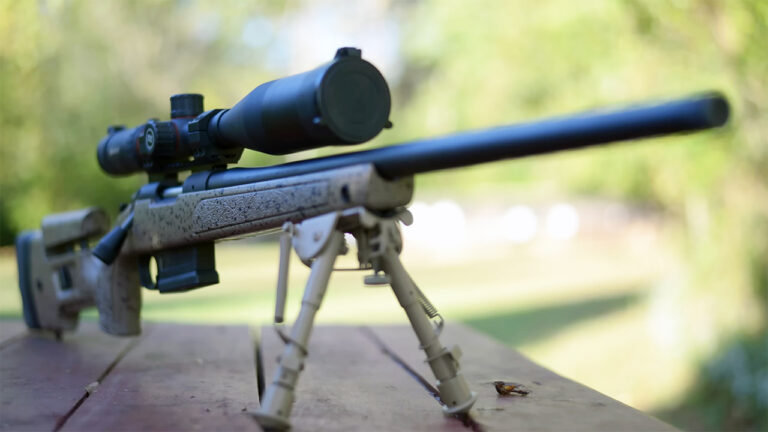
Rifle culture is where the break‑in ritual became almost religious, especially among precision and varmint shooters who obsess over tiny groups. For years, new owners were told to fire a single round, clean to bare steel, repeat for ten shots, then gradually increase the string length, all in the name of smoothing tool marks and preventing copper from “baking in” to the bore. That script still circulates in long‑range communities, where some shooters report that instructors with combat and sniper backgrounds taught them to treat a fresh barrel as unfinished until it had been carefully cycled and cleaned.
In one long‑range discussion, a student recalls that a 20‑year marine combat veteran sniper recommended a measured approach that focused less on superstition and more on not damaging the bore with careless cleaning rods. That kind of advice hints at how the ritual grew: shooters blended legitimate concerns about crown damage and fouling with older shop lore about rough machining. The result is a hybrid tradition where some steps are about protecting the barrel, and others are about reassuring the shooter that nothing has been left undone.
Modern barrel makers and the “50‑round” reality
Contemporary barrel manufacturers complicate the myth because they acknowledge that surfaces change slightly with use, yet they also design products to shoot well immediately. One prominent maker of carbon‑wrapped barrels explains that a new bore may have microscopic roughness that gradually smooths as bullets pass through, but that this process is limited and predictable. Instead of prescribing an elaborate cleaning marathon, they frame early shooting as a short conditioning phase that should not dominate how you use the rifle.
That perspective shows up clearly when a factory guide notes that 50 rounds is usually sufficient to smooth the surface of the barrel lining and “break in” the bore. The same company’s broader barrel break‑in instructions focus on consistent cleaning and inspection rather than mystical thresholds. When a manufacturer that lives or dies by accuracy tells you that a few boxes of ammunition are enough, it undercuts the idea that hundreds of carefully spaced shots are required to unlock performance that the factory somehow left hidden.
Why some gunsmiths say not to bother at all
On the other side of the argument, experienced writers and gunsmiths have grown increasingly blunt about what they see as wasted effort. They point out that modern button‑rifled and cut‑rifled barrels leave the factory with far fewer burrs and tool marks than older designs, and that any remaining imperfections are usually too small to matter at typical hunting or defensive distances. From that vantage point, elaborate break‑in routines look less like science and more like a way to sell extra cleaning gear and ammunition.
One columnist describes how he long suspected the ritual was unnecessary, then gathered evidence that the supposed need to break in a new rifle barrel is a myth rooted in outdated concerns about tool marks and rough edges. In the same piece, he recounts how a recrowning job on his Winchest changed group size more dramatically than any cleaning regimen ever had. That kind of experience reinforces a simple point you can test yourself: crown quality, ammunition choice, and shooter fundamentals usually matter far more than whether you followed a prescribed shot‑and‑swab schedule on day one.
Handgun “break‑in” and the reliability question
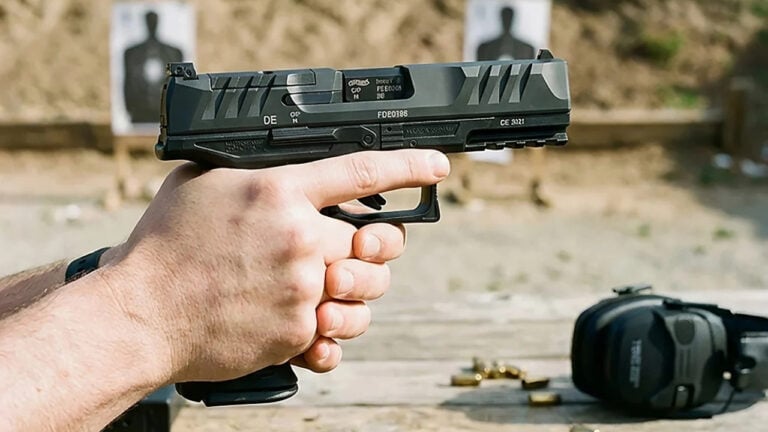
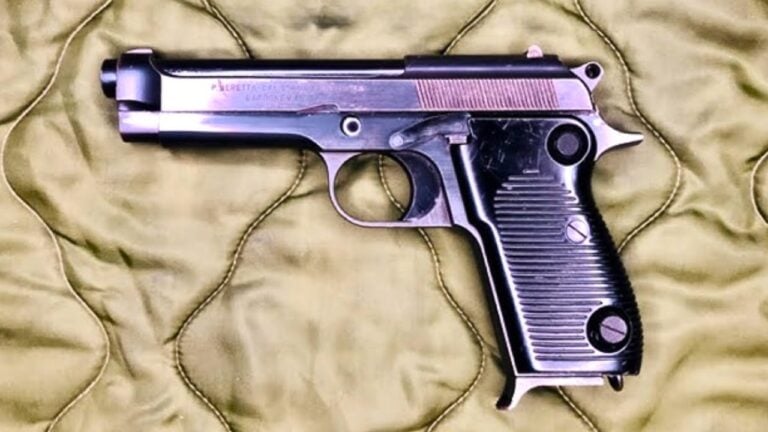
Handgun shooters often talk about break‑in in a different way, less about polishing a bore and more about proving reliability. When you buy a new defensive pistol, the real concern is whether it will feed, fire, extract, and eject with the ammunition you plan to carry. That is why many instructors urge you to run structured drills with your chosen loads, not because the metal needs to wear in, but because you need to confirm that magazines, springs, and tolerances all play nicely together under real use.
One defensive‑shooting guide puts it plainly, noting that Although pistol break‑in is not as intensive as rifle rituals, you should still treat the first range sessions as a proving ground. The same source recommends that, at a minimum, 100 rounds through your new handgun, fired in deliberate groups, will both expose any reliability issues and make later clean‑up easier. That is less about appeasing a myth and more about building a data set: if a pistol cannot get through 100 rounds of your chosen ammunition without a problem, you have learned something important before you ever carry it.
Tight pistols, loose pistols, and why some need more rounds
Not all handguns are built with the same philosophy, and that affects how much early shooting they may need before they feel smooth. Some manufacturers chase the perception of quality by fitting slides and frames very tightly, which can produce excellent mechanical accuracy but may also make the gun less forgiving of dirt, weak ammunition, or imperfect grip. Others leave a bit more clearance, accepting a tiny loss in theoretical precision in exchange for greater reliability in adverse conditions.
A detailed look at new service pistols notes that Many pistols these days are assembled with tight‑fitting parts precisely because buyers equate that feel with quality, then are told they must “BREAK IN” the gun before trusting it. That dynamic helps explain why some owners report early malfunctions that disappear after a few hundred rounds: the parts are simply wearing into each other’s microscopic high spots. A separate video discussion that asks Do Modern Handguns Need a Break‑In Period? pushes back on the idea that this is mandatory, arguing that a well‑designed pistol should run out of the box, but still encouraging you to shoot it enough to be confident in your own sample.
AR‑15s, carbon fouling, and what really changes over time
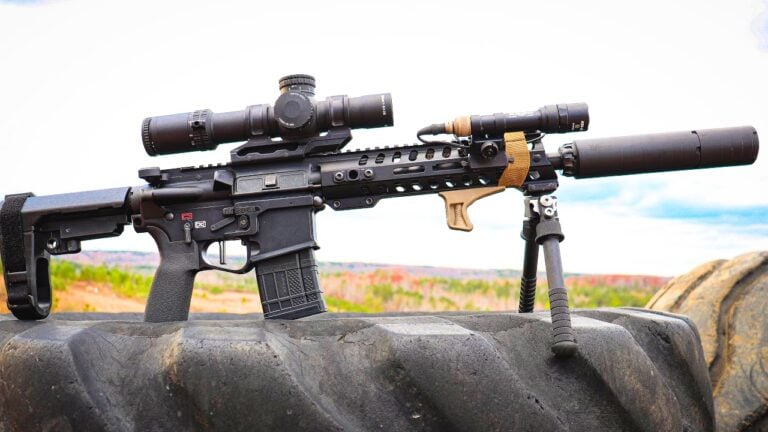
Semi‑automatic rifles like the AR‑15 sit at the crossroads of these debates, because they combine a rifled barrel with a complex gas and action system. Owners often wonder if they should treat a new AR like a precision bolt gun, a defensive pistol, or something in between. The most practical advice tends to focus on two things: ensuring the action cycles reliably with your chosen ammunition, and managing carbon and copper fouling so that accuracy and function stay consistent as round counts climb.
One technical guide aimed at AR owners frames the issue directly, explaining that Some gun owners might wonder if break‑in is necessary at all, then answering that a short, structured period of shooting and cleaning can help smooth the action and improve overall reliability. A separate engineering‑focused analysis of Barrel Cleaning and Break practices describes a test regimen where the team chose to clean the bore every ten rounds after an initial series, not because they believed in a mystical threshold, but to control how carbon buildup affected group size. Together, those perspectives suggest that what really changes over time is fouling and surface smoothness, not some hidden accuracy potential that only appears after a magic number of shots.
What history and online culture reveal about fouling
If you zoom out beyond modern firearms, the obsession with break‑in starts to look like a new expression of a very old problem: fouling. Black powder muskets and early rifles were notorious for how quickly residue built up, making loading harder and accuracy worse after only a few shots. Soldiers and hunters learned to clean frequently not to “break in” the barrel, but simply to keep it usable. That historical reality helps explain why so many modern rituals still revolve around alternating shots and cleaning, even though propellants and barrel steels have changed dramatically.
A historian answering a question about 18th‑century tactics notes that heavy black powder fouling would quickly foul a gun barrel if it was not cleaned between shots, which in turn limited the practical rate of fire and delayed the creation of reliable repeating arms. In modern online spaces, you see echoes of that concern in threads where users debate whether early cleaning prevents long‑term accuracy loss, or whether it simply wastes time. One popular post titled Why this myth is so widespread points out that unless the gun is custom built or uses unusual materials, the main thing you are managing in the first few magazines is fouling and lubrication, not some fragile, unfinished surface.
How to treat break‑in as a shakedown, not superstition
Once you separate myth from mechanics, a more useful pattern emerges. Instead of asking whether you “must” break in a gun, you can ask what information you want from the first 100 to 200 rounds. For a rifle, that might mean shooting slow, carefully documented groups with different loads, watching how point of impact and group size change as the barrel warms and fouls. For a pistol, it might mean mixing practice and carry ammunition in realistic drills, tracking any stoppages, and noting which magazines or grip techniques cause trouble.
Several experienced shooters frame this as a duty to know your equipment, a point echoed in a technical talk that describes it as kind of our duty to make sure we know our equipment rather than a chore imposed by the factory. Another video on Is Barrel Break In A Myth? emphasizes careful cleaning with a bore guide and proper rods, not because the barrel is fragile, but because careless maintenance can do more harm than any imagined failure to follow a ritual. When you adopt that mindset, the first range trip with a new gun becomes less about appeasing tradition and more about building a baseline you can trust.
Practical guidelines you can actually use
So what should you do with a new firearm in your hands and a head full of conflicting advice? Start with a simple checklist. Inspect and clean the gun before firing, lubricate according to the manual, and verify that all screws, sights, and accessories are secure. Then plan a structured shooting session that balances realism with observation: slow enough that you can spot patterns, fast enough that you are not just babying the gun in ways you will never repeat later. For a defensive pistol, that likely means at least 100 rounds of mixed drills, for a rifle, a few boxes of quality ammunition fired in measured strings with notes on performance.
Online communities can help you calibrate expectations. One thread titled Barrel break‑in is one of the most controversial topics in the precision world, yet even there, experienced voices tell new owners not to stress if they did not follow a specific script. Another post that lays out a classic procedure, advising you to Fire 10 single shots with cleaning after each, then 5 three‑shot groups, is best read as one optional way to combine fouling control with inspection. If you treat those recipes as tools rather than commandments, you can adapt them to your own goals, your ammunition budget, and the realities of how you actually shoot.
Like The Avid Outdoorsman’s content? Be sure to follow us.
Here’s more from us: