Photo credit: CW Longshot/YouTube
Some rifles reveal their value slowly. They do not always look like the smartest buy in the rack on day one, and they do not always come with the kind of hype that makes a buyer panic and grab a second. Then time passes. The rifle shoots better than expected, carries better than expected, or simply becomes one of those guns you trust more every season. That is when the regret starts creeping in.
The regret usually sounds the same. I should have bought another one when they were still around. One to hunt with and one to keep clean. One in this caliber and one in that caliber. One for me and one to hand down. These are 15 rifles that tend to create exactly that kind of hindsight.
Howa Mini Action

The Howa Mini Action is the kind of rifle that makes more sense the longer you live with it. At first, it can look like just another compact bolt gun with a slightly different footprint. Then you start carrying it, shooting it, and noticing how much more proportional it feels in smaller cartridges than a lot of full-size actions do. It starts feeling like a rifle that was actually matched to the job.
That is where the second-rifle regret starts. Owners begin realizing they should have bought one in another chambering while they still could. The platform is light, practical, and just different enough to stay interesting without becoming weird. Once you get one set up and see how useful it is, one suddenly feels like poor planning.
Browning T-Bolt
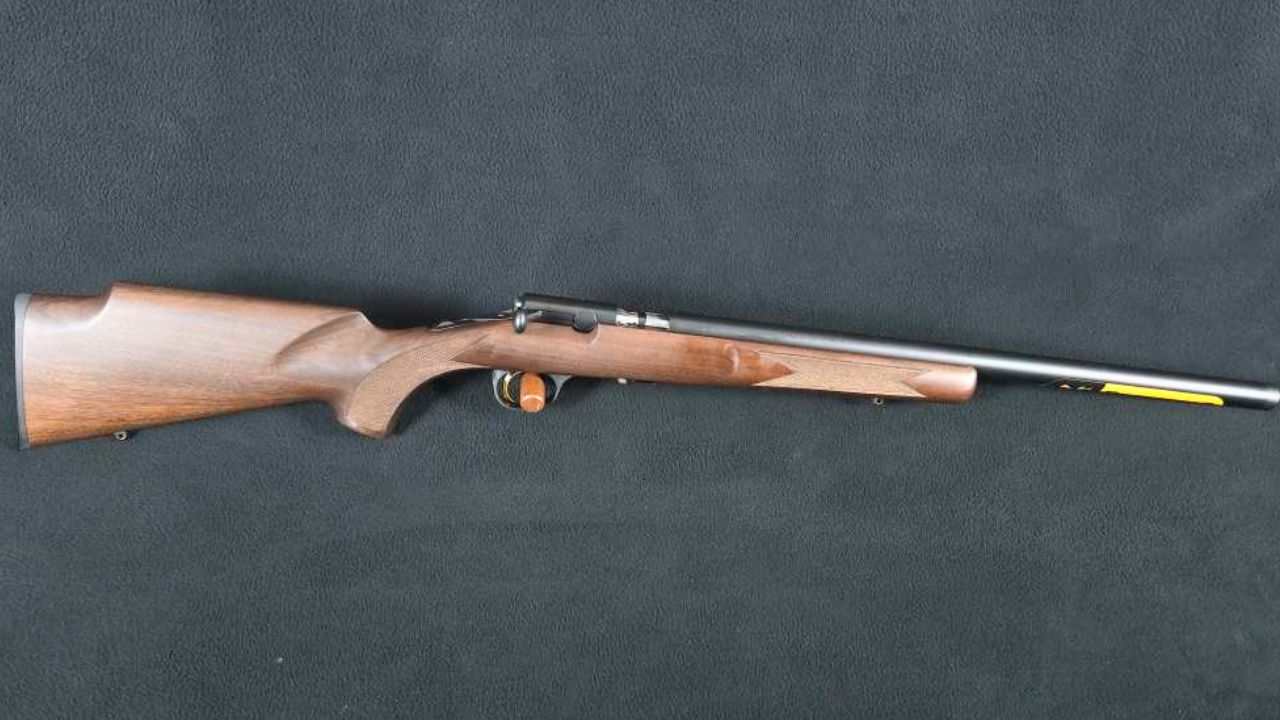
The T-Bolt usually does not create panic at the counter because it is a rimfire, and too many buyers still talk themselves into thinking they can always come back for a good .22 later. Then they actually own one. The straight-pull action feels slick, the rifle is genuinely enjoyable to shoot, and the whole package has more personality than a lot of rimfires that initially seemed more urgent.
That is when owners start wishing they had bought two. One nice rimfire becomes a rifle they want to preserve, but they also want to keep shooting it because it is just that easy to enjoy. Rifles like this make people realize too late that a really good .22 can be every bit as hard to replace as a centerfire they took much more seriously.
Winchester XPR
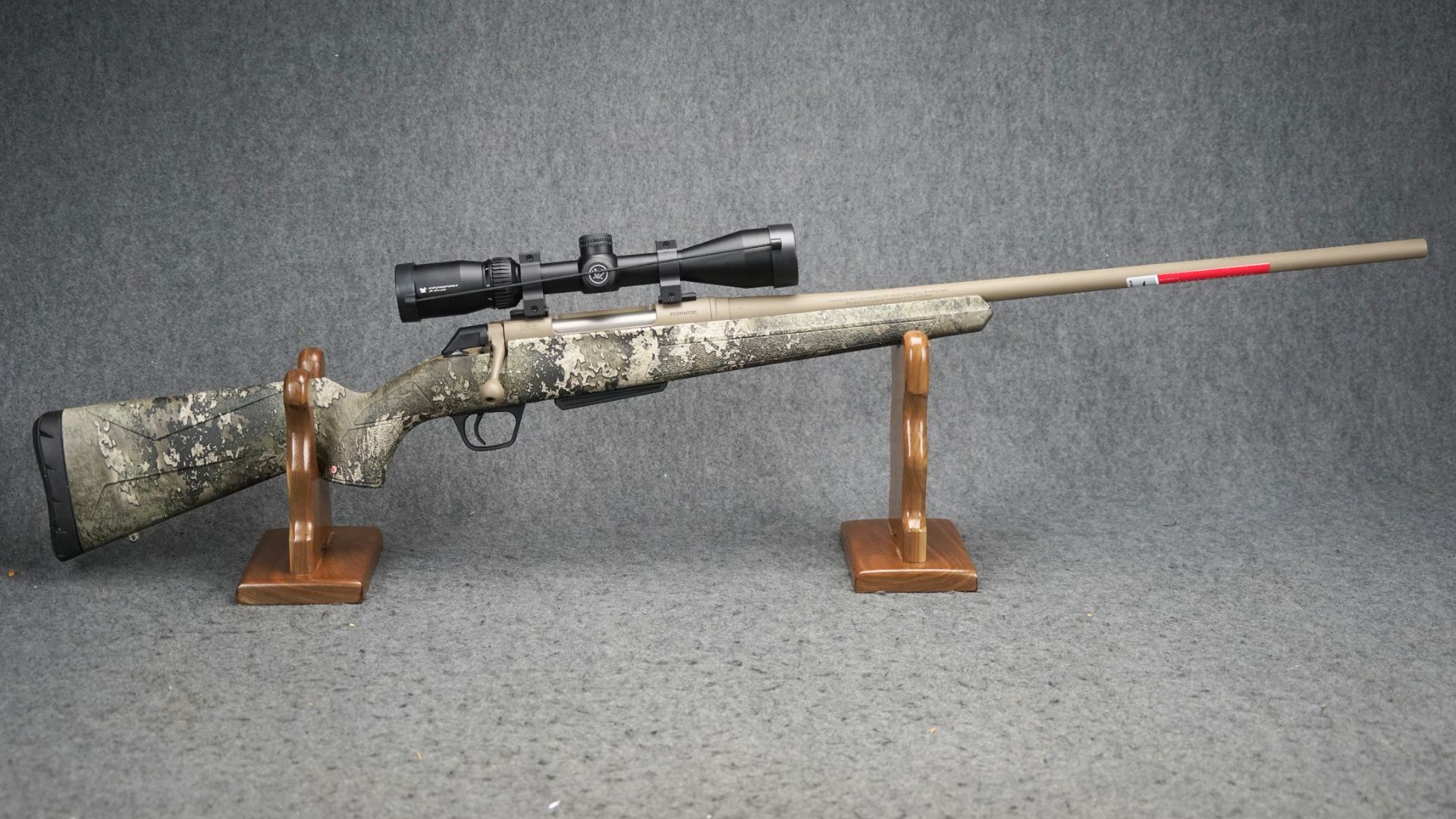
The XPR often gets underestimated because it is too practical to feel exciting. It looks like a modern hunting rifle, does modern hunting rifle things, and rarely gets talked about with the kind of romantic energy that drives people to buy multiples. Then an owner spends real time with one and realizes it quietly solves a lot of problems without costing a fortune or demanding attention.
That is what makes people wish they had grabbed another while prices were still grounded. Once a rifle proves itself as reliable, accurate enough, and easy to live with, buyers start wanting one in a second caliber or a backup version for bad weather. The XPR is exactly the sort of plain-looking rifle that can sneak into that role.
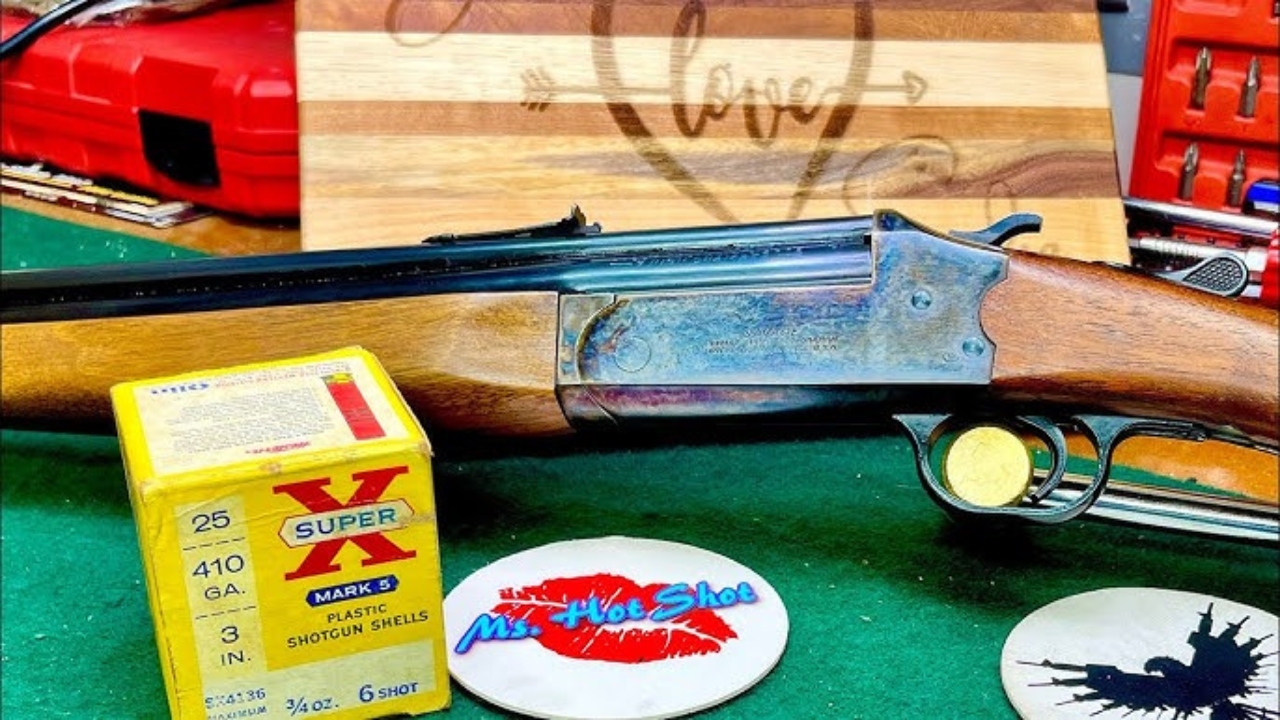
Savage 24

The Savage 24 creates second-rifle regret because it takes a while for people to understand how useful it really is. At first, it can feel like a quirky utility gun from another era, something neat but not urgent. Then real ownership changes that. A rifle-and-shotgun combination gun starts making more and more sense the more practical your shooting life becomes.
That is why owners often wish they had bought another in a different configuration or simply bought one cleaner while they still could. Once you realize a gun like this does not really have a modern replacement that feels the same, one starts feeling more vulnerable than enough.
Ruger 96/22
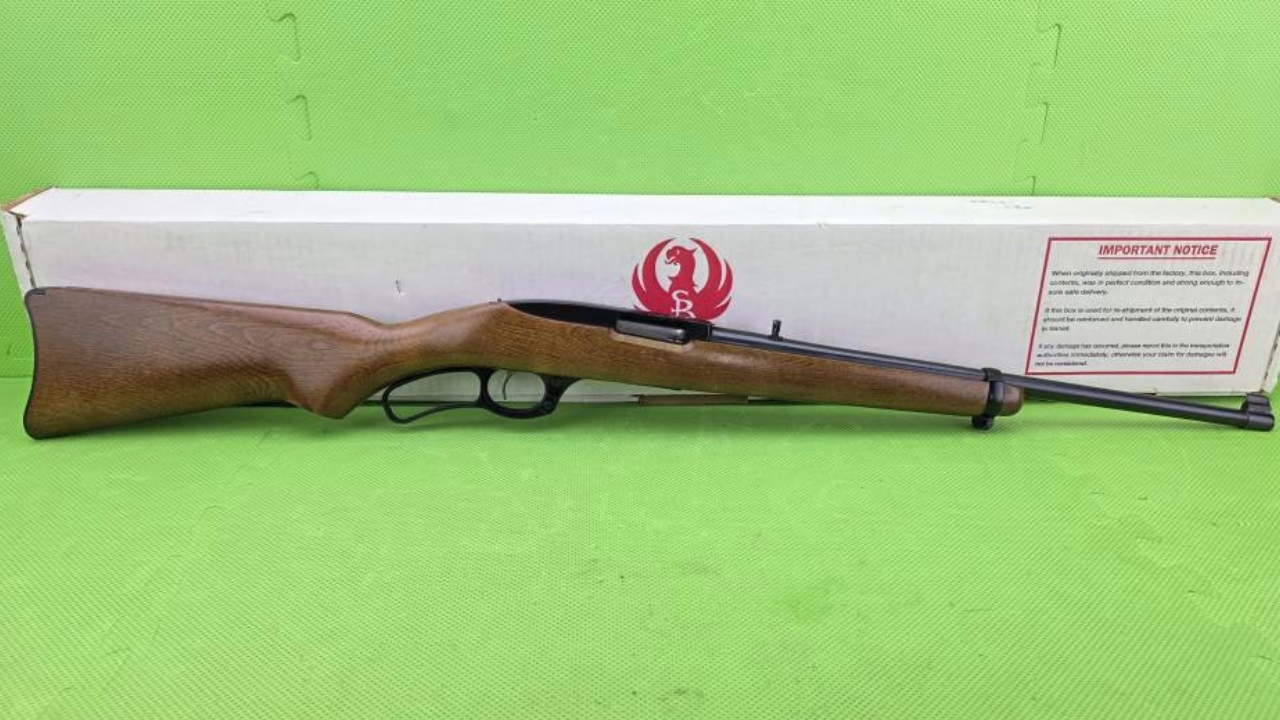
The 96/22 tends to create regret because it looked like a fun oddball when people should have been seeing it as a genuinely smart little rifle. Lever-action feel, rotary magazine convenience, and plain rimfire usefulness gave it a recipe that was more unique than many buyers appreciated at the time.
Later, after the rifle is gone from regular shelves and the owner realizes how handy and pleasant it is, the whole thing feels different. That is when people start wishing they had bought a second one to keep nice or one for somebody else in the family. Guns that combine fun and usefulness that well usually do not stay underappreciated forever.
Remington 572 BDL Fieldmaster

The 572 BDL is the kind of pump .22 that can look almost too traditional to feel urgent. Buyers see it, recognize that it is nice, and then drift toward something else because the rifle seems like the sort of thing that will always be around. Then they shoot one enough to realize it has that smooth, settled feel older rimfires often carry better than newer ones.
That is usually when the second-rifle thought hits. One Fieldmaster turns into a rifle somebody wants to keep forever, and the idea of having another in similarly nice condition starts making a whole lot of sense. Good old rimfires do that to people once they stop taking them for granted.
Sako Quad
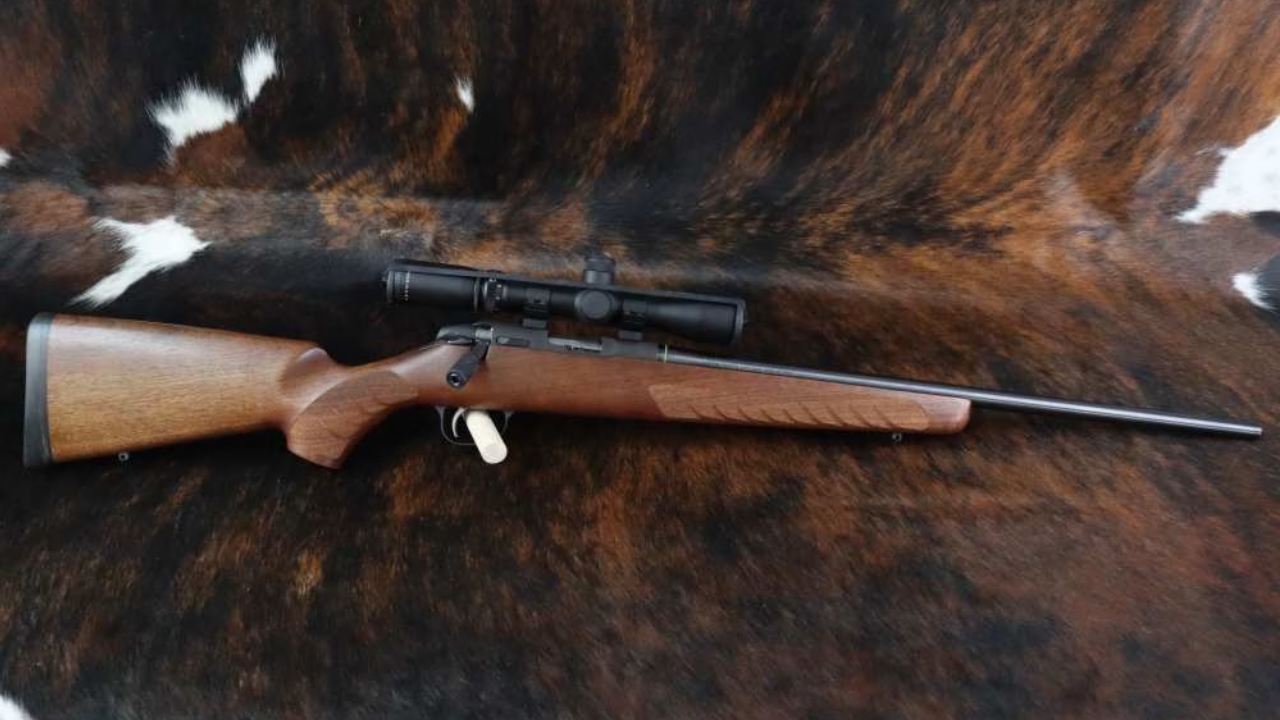
The Sako Quad usually feels a little too specialized for some buyers at first, which is exactly why they only buy one. Then they start living with it and realize that the accuracy, flexibility, and overall quality make it one of those rimfires that does not feel gimmicky at all. It feels like a serious system that actually works.
That is when owners start wishing they had gone farther the first time. Another barrel setup, another complete rifle, or simply another clean example starts sounding like a very smart move. A gun that handles this many roles this well usually does not stay “nice to have” for long.
Mossberg 464 SPX
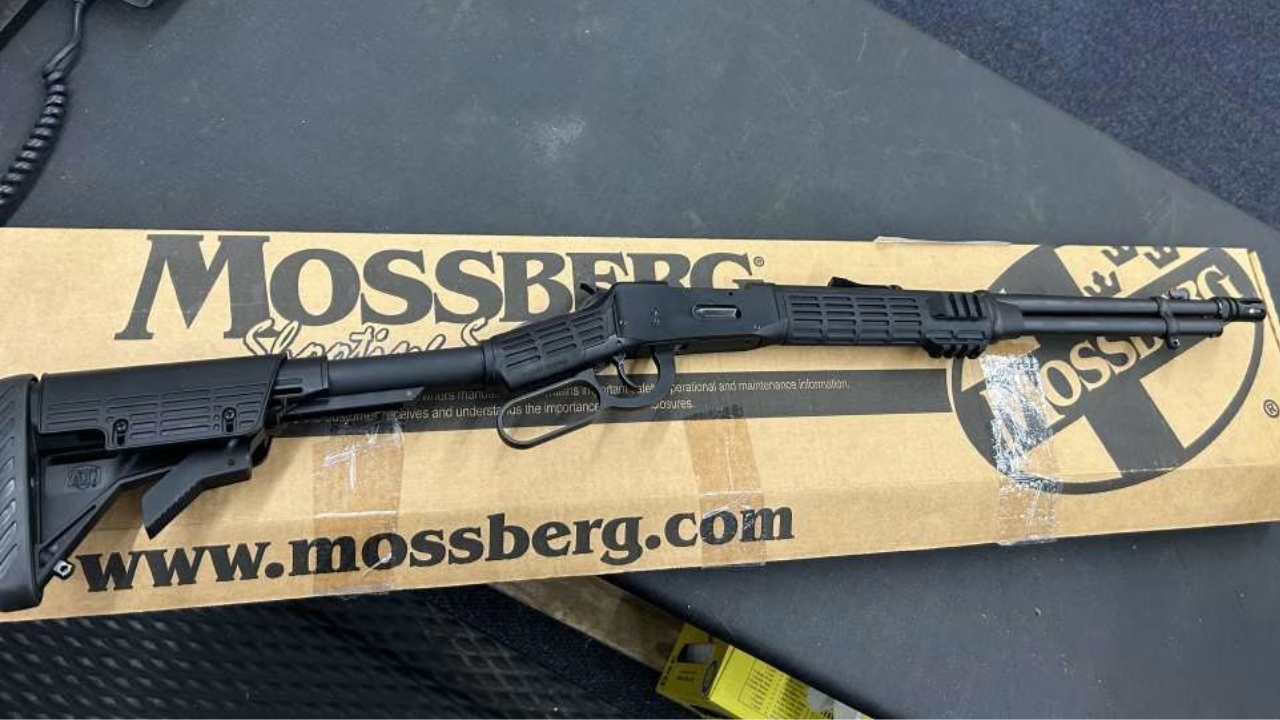
This one got written off by a lot of buyers as a trend piece, which is exactly why some owners later wish they had bought another while nobody was paying enough attention. Once the early eye-rolls faded, plenty of shooters realized the rifle was more useful than people wanted to admit and more distinct than the basic lever-gun crowd expected.
That kind of reevaluation creates regret fast. One rifle starts feeling like a curiosity worth preserving, especially after it becomes harder to find and people stop pretending it was just a passing gimmick. Buyers who actually enjoyed theirs often ended up wanting a second simply because the market turned colder on supply than it ever did on usefulness.
Ruger American Rimfire

The American Rimfire is easy to underestimate because it feels so practical from the start. Buyers think they are just getting a sensible .22, nothing more. Then the rifle keeps shooting well, keeps handling the work, and keeps being the one they reach for when they want a no-fuss rimfire that still feels like a real rifle.
That is when one starts feeling like too little. Owners often wish they had bought a second one in another trim or caliber variant because the first one becomes such a dependable part of their regular shooting life. Plain, smart rifles create this kind of regret more often than flashy ones do.
Browning BAR DBM
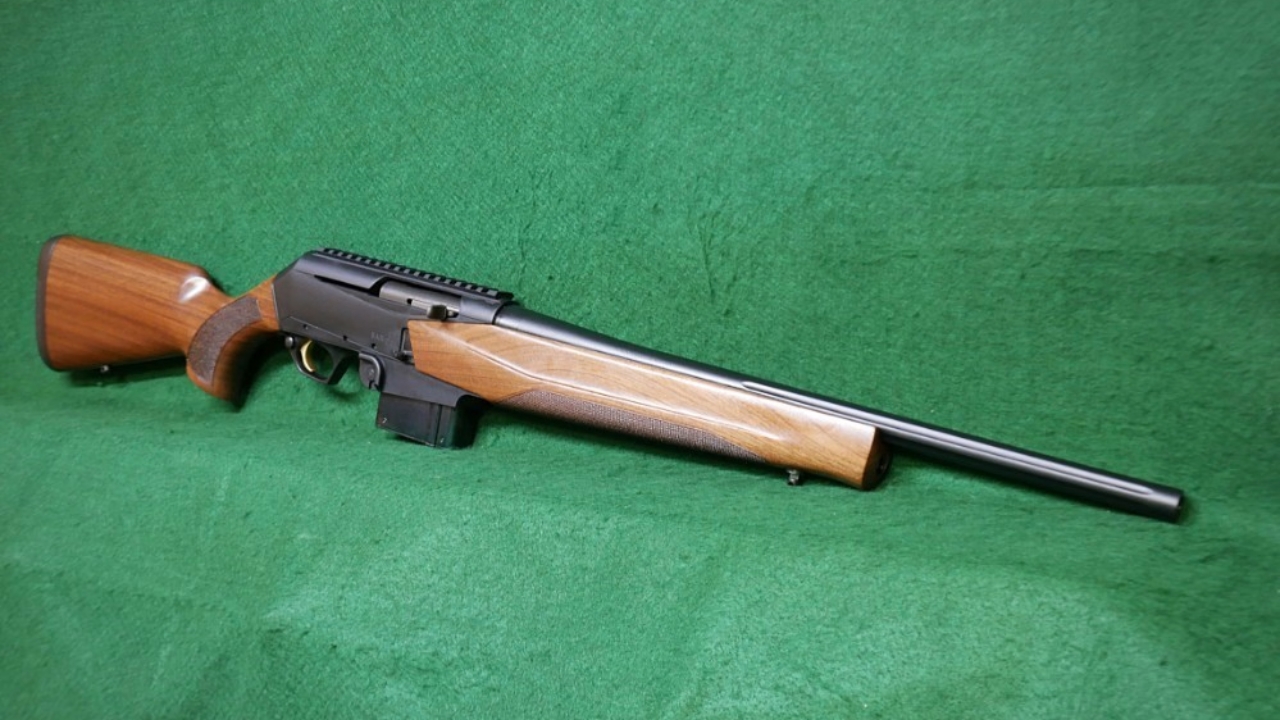
The BAR DBM is one of those rifles that people often bought as a practical hunting semiauto and later realized they should have bought another while they were easier to find. It has enough real-world usefulness, enough serious-rifle feel, and enough distinct personality that it stands apart from more ordinary hunting guns without needing much fanfare.
That combination tends to age very well. Once the owner has enough seasons with one, it becomes harder to imagine replacing it with something newer that does not actually offer much more. That is the exact kind of relationship that makes people wish they had doubled up when the opportunity was cleaner.
Anschütz 1416
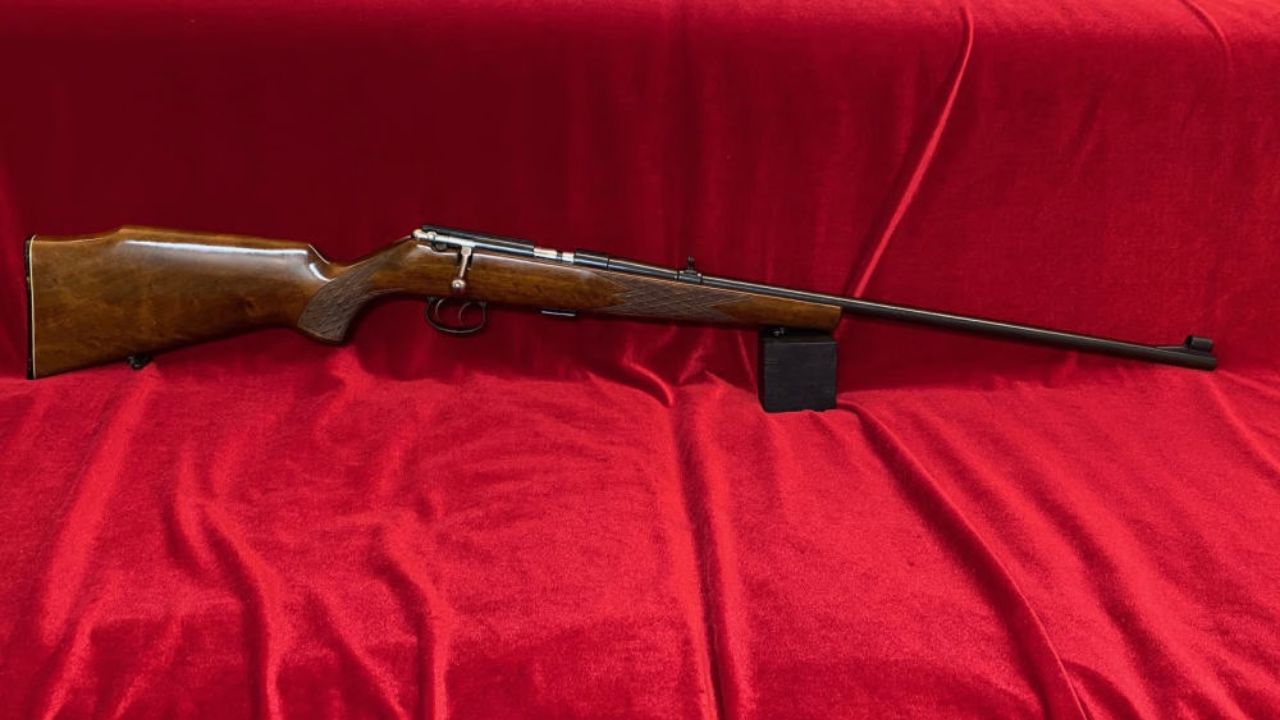
The 1416 creates second-rifle regret because buyers often underestimate how much they will care about a really good sporting rimfire until they already own one. It is accurate, refined, and the sort of rifle that makes ordinary range time feel better instead of merely cheaper. The quality starts to show up in the little things first, then in the owner’s habits later.
That is when the thought starts creeping in. Maybe I should have bought another one before prices moved. Rifles like this become hard to ignore once they are in the safe, and people begin thinking about backups, alternate stock styles, or simply another example they would not mind keeping pristine.
Winchester Wildcat original

The original Wildcat can surprise owners in a way that makes them wish they had paid more attention while the rifles were still easier to find in strong shape. It never had a huge ego about itself. It was just a practical little semiauto .22 with enough useful features and enough honest performance to become more beloved over time than many more expensive rifles.
That is usually how second-rifle regret begins. The owner starts seeing that the rifle was better than the market treated it and more charming than the plain first impression suggested. Once that realization hits, the idea of finding another one sounds less like duplication and more like common sense.
Remington Model 141 Gamemaster

The Model 141 is the sort of rifle many people only fully appreciate after enough ownership to understand just how much character and practical field appeal are built into it. Early on, it can feel like an old pump rifle with niche appeal. Later, it starts to feel like the kind of rifle nobody is really making anymore in the same spirit.
That usually leads directly to the “I should have bought two” feeling. One to hunt with, one to hold onto. One in this chambering and one in another. When an old rifle keeps proving it has more life and more usefulness than its plain first impression suggested, owners start wishing they had acted on that sooner.
CZ 600 Lux

The 600 Lux can create second-rifle regret because it gives buyers an old-world hunting feel in a package that still works for modern use. That balance is harder to find than it should be. Once an owner has one in hand long enough to see how the rifle carries and how satisfying it is to use, the desire for another in a different chambering becomes very easy to understand.
This kind of regret tends to hit hardest with rifles that feel distinctive without becoming impractical. They are pleasant enough to use hard, but attractive enough that you also wish you had another one left untouched. That is exactly the sort of tension that turns one rifle purchase into long-term wishing.
Henry Long Ranger

The Long Ranger often gets bought by somebody curious about the concept and then kept by somebody who realizes it is more useful than the early conversation around it suggested. It has enough lever-gun familiarity to stay interesting and enough practical rifle function to become a genuine working gun instead of just a novelty in the safe.
That is why owners often wish they had bought two. Once the rifle proves it can actually hold a real role in the field, the owner starts thinking about a second caliber, a cleaner backup, or just another chance at a rifle they now understand better than they did at the counter.
Savage A22 Magnum
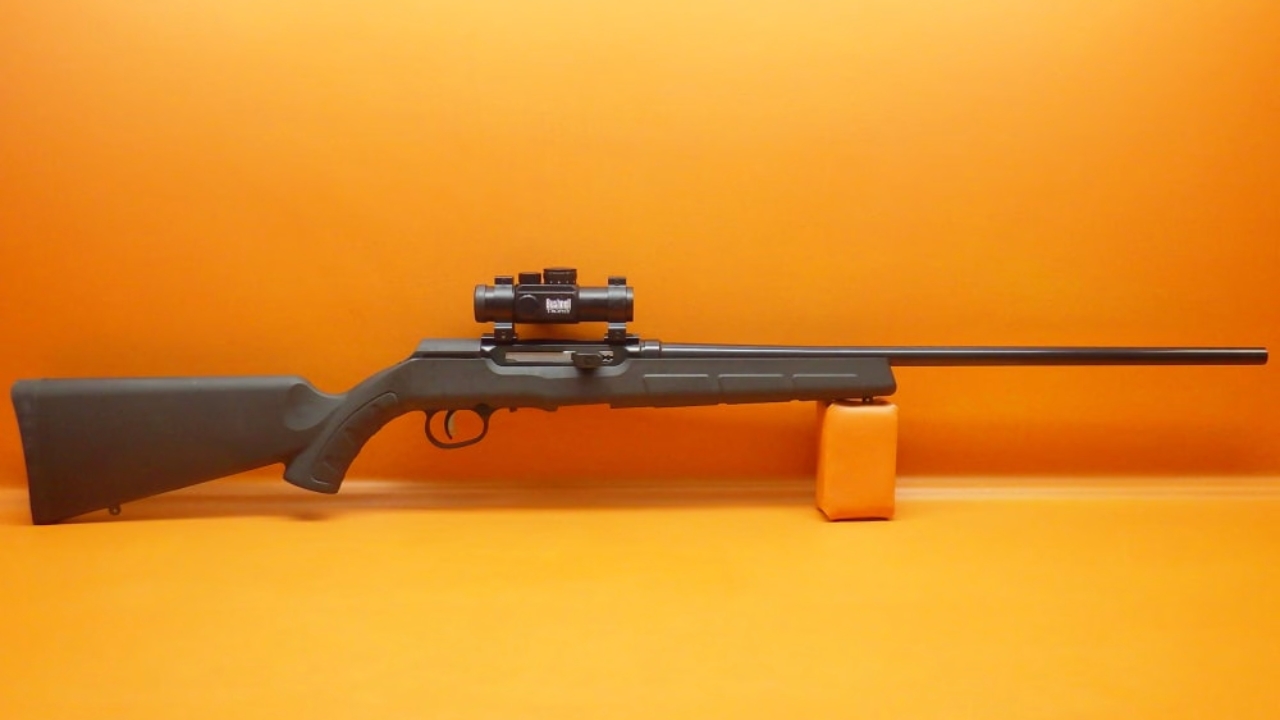
The A22 Magnum is easy to underestimate because a lot of buyers do not think especially hard about .22 WMR semiautos until they own a good one. Then they realize how much practical use and plain enjoyment can come out of a rifle that hits a little harder than a .22 LR while staying fast, handy, and easy to keep around.
That is the kind of surprise that leads directly to second-rifle regret. Once a rifle proves itself in actual pest work, casual range use, and general everyday utility, people start wishing they had bought one to use hard and another to hold onto while prices and availability were still kinder.
Like The Avid Outdoorsman’s content? Subscribe to our newsletter so you never miss an article.
Here’s more from us: