Photo credit: mixup98/YouTube
Some firearms sell themselves long before the first round is fired. The name sounds right, the reputation is already built, and the buyer walks in half-convinced before he ever touches the gun. That is how a lot of disappointing purchases happen. People stop asking what the firearm actually does well and start focusing on what they have heard, what older shooters still praise, or what the gun is supposed to represent. Reputation starts doing the thinking for them.
That does not mean every well-known gun is bad. Some absolutely earned their place. But plenty of firearms keep moving because of legacy, image, or collector heat more than real-world value. They fool buyers who want to own something respected more than they want something that actually fits their needs. These are the guns that keep getting bought by people chasing status, nostalgia, or myth, then quietly moved along once performance, comfort, or practicality finally enters the conversation.
Colt Python
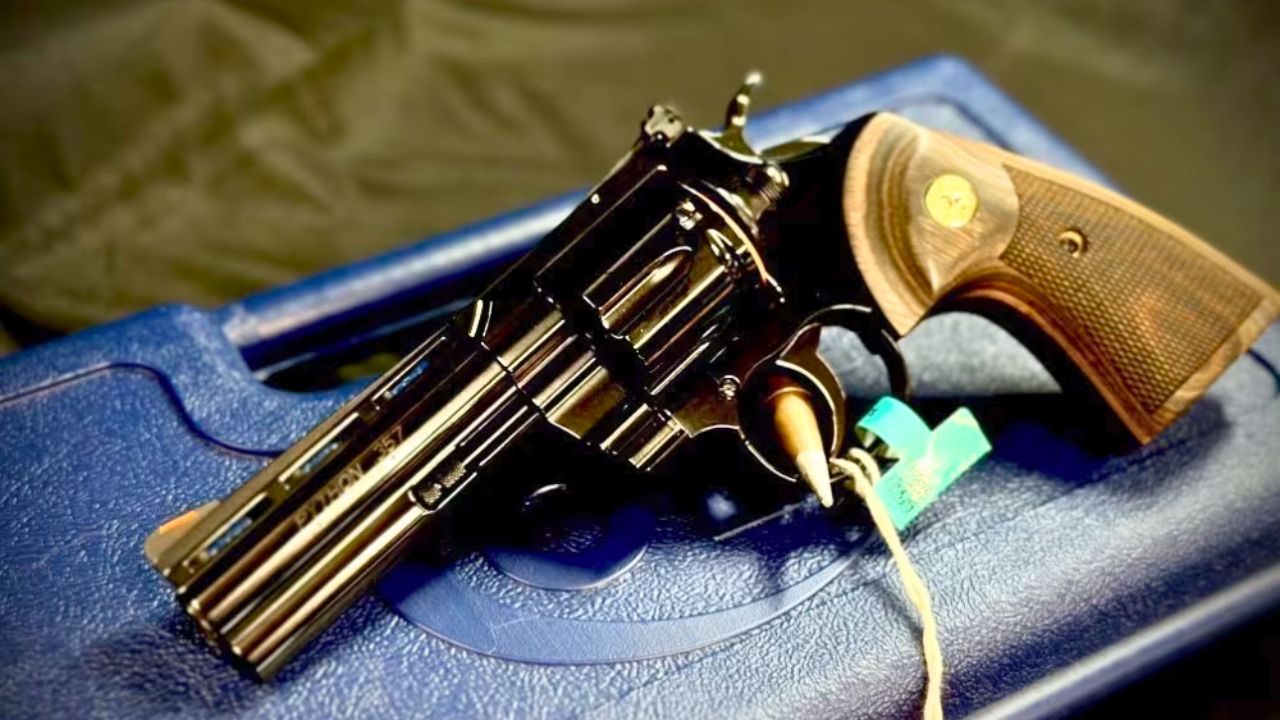
The Colt Python fools a lot of buyers because the name hits so hard that people assume the experience must automatically justify the price. They hear all the usual talk about polish, prestige, and elite revolver status, and that is often enough to make them stop evaluating the gun like normal adults. The Python becomes something they feel they should want, not something they have carefully decided fits their goals.
Then real ownership begins. A lot of buyers discover they paid a premium for a revolver they are nervous to shoot hard, reluctant to carry, and not always convinced was worth the financial stretch. It can still be a fine revolver, but many buyers were never truly shopping for results in the first place. They were shopping for the feeling of owning a Python, and that is exactly why the gun fools them.
Desert Eagle
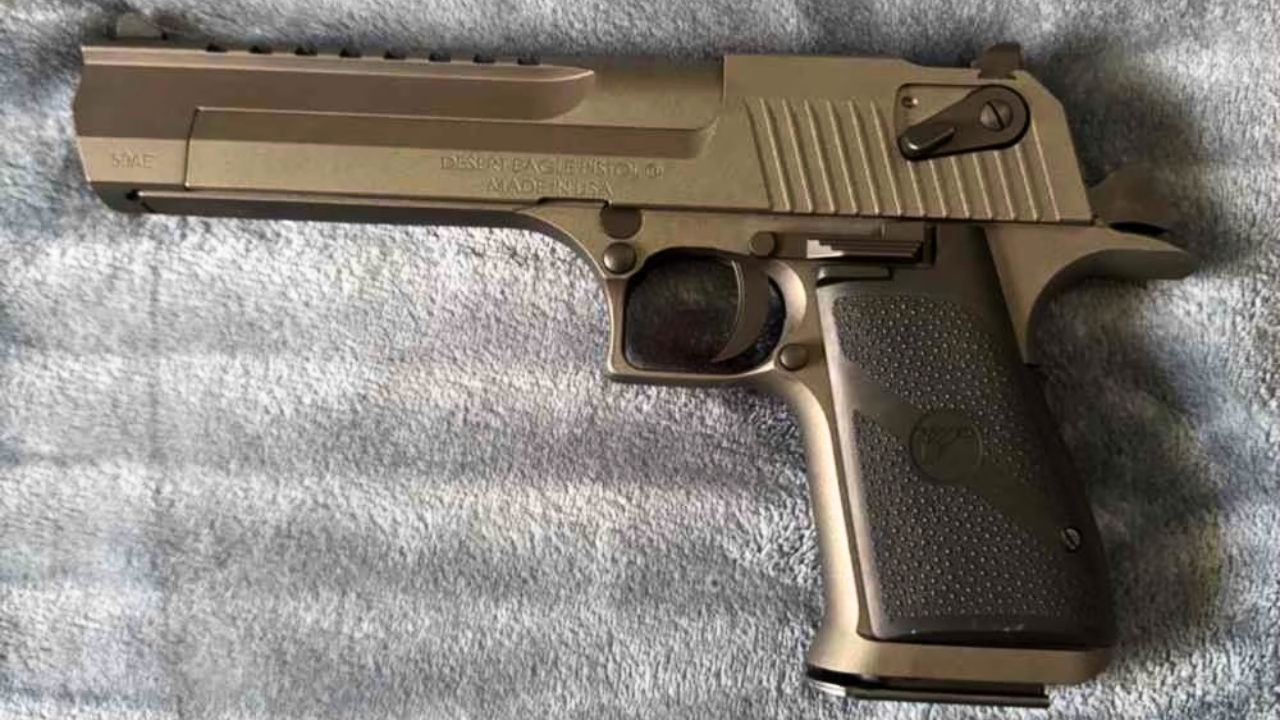
The Desert Eagle fools buyers because almost nobody comes to it through practical handgun needs. They come to it through reputation, spectacle, and the idea that owning one must be incredible because it has been famous for so long. The name alone creates a kind of mental shortcut. Buyers assume there must be something deeply worthwhile underneath all that size and attention.
What they often get instead is a pistol that is bulky, expensive to shoot, awkward for most real uses, and far less rewarding over time than the fantasy suggested. That does not stop people from buying them at strong prices. They are buying notoriety, not results. Once that difference becomes obvious, the regret usually arrives right on schedule.
Springfield Armory M1A

The Springfield Armory M1A fools buyers who are drawn to military-style image and old-school authority without fully thinking through the ownership experience. It looks serious, feels substantial, and benefits from the long shadow of the M14 pattern. That reputation makes people assume they are getting a timeless .308 rifle that somehow rises above ordinary modern options.
Then they deal with the weight, the cost, the optics mounting compromises, and the reality that a lot of modern rifles are simply easier to live with. The M1A can still be appealing, but plenty of buyers were seduced by the story first. They cared more about how respected it feels than how well it fits their actual shooting life, and that is where the rifle does its best fooling.
Walther PPK
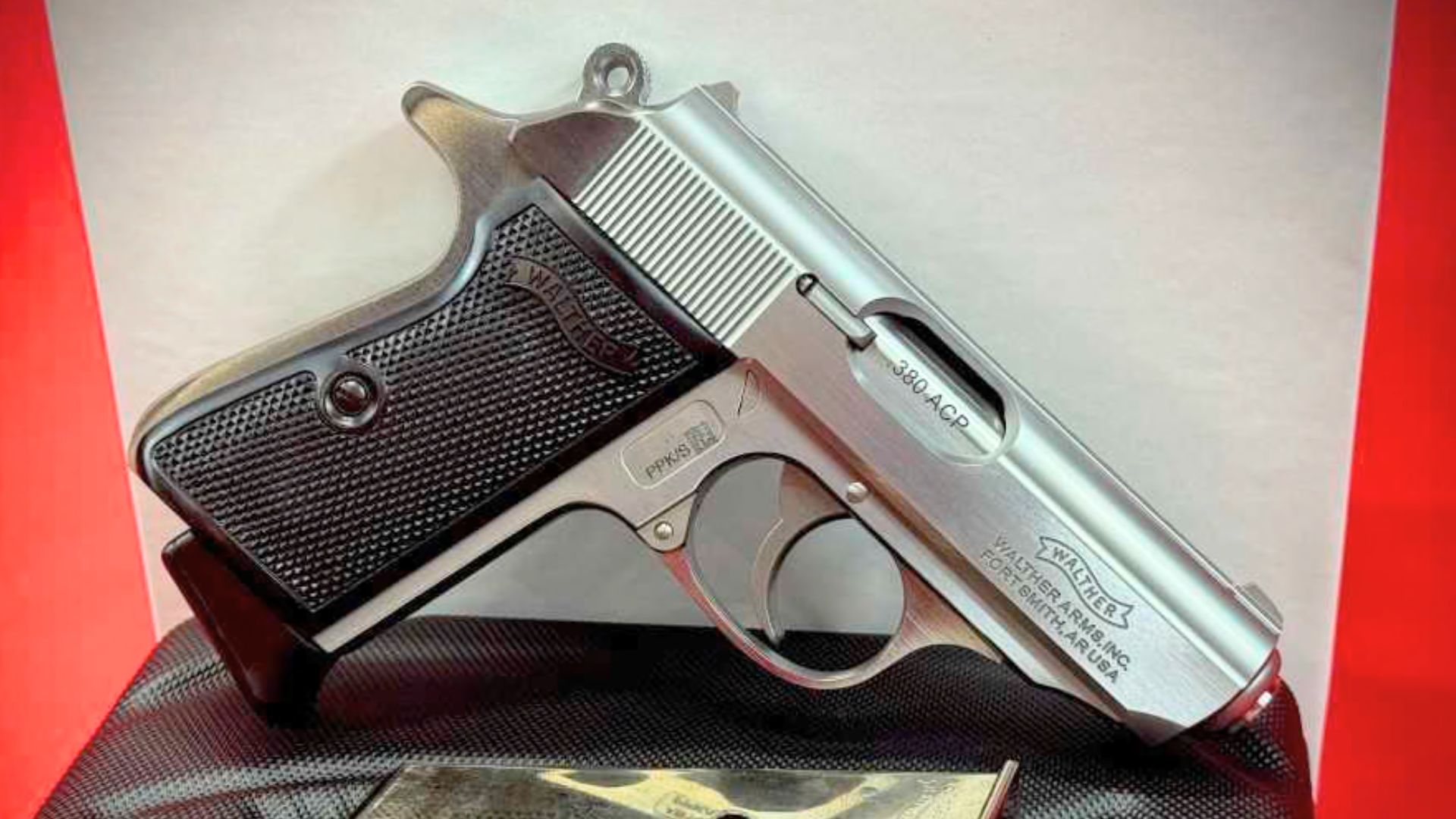
The Walther PPK fools buyers because it still carries more style than most handguns ever will. People see one and immediately start thinking class, concealment, and timeless appeal. The reputation is so polished that buyers often assume the actual shooting experience must be just as charming. That is where they get caught.
Once range time starts, they realize the pistol is not especially forgiving, not especially pleasant for its size, and not nearly as compelling as modern carry guns if pure performance is the goal. Still, people keep buying them because they want the image attached to the PPK. The name and look do most of the work. Results are often an afterthought, which is exactly why the pistol keeps fooling buyers.
Winchester Model 94

The Winchester Model 94 fools buyers because it comes wrapped in so much nostalgia that people forget to treat it like an individual rifle. They do not see a specific condition, a specific price, and a specific level of utility. They see heritage, deer camp history, and a rifle that seems too American to question too closely. That emotional response makes buyers easy prey for inflated prices and average examples.
Once the excitement settles, many realize they paid more for memory and symbolism than for pure function. The rifle may still be useful and enjoyable, but the reputation often creates a premium that the actual rifle does not fully support. Buyers who care more about what the 94 means than what it offers are exactly the ones most likely to get fooled.
HK P7

The HK P7 fools buyers by making them feel smarter than everybody else. It is clever, unusual, German, and surrounded by the kind of cult admiration that makes people think owning one proves they understand firearms on a deeper level. That is powerful bait for reputation-driven buyers. The gun feels like a secret handshake.
Then the ordinary realities show up. It is expensive, parts comfort is limited, magazines are not cheap, and the heat issue is real enough to matter. Many owners still admire it, but admiration and value are not the same thing. Buyers who were chasing a gun with results in mind usually ask harder questions. Buyers chasing reputation tend to let the mystique answer them instead.
Browning Hi-Power

The Browning Hi-Power fools buyers because it is one of those pistols people feel obligated to respect. It has history, military credentials, and beautiful lines, so buyers often assume that respect must naturally translate into a satisfying ownership experience. The reputation creates momentum before the gun ever has to prove itself on the range.
Later, some owners discover that what they really bought was a classic, not necessarily the best value or the most practical pistol for their life. The Hi-Power can still be a fine gun, but many buyers were not actually shopping on those terms. They were buying an icon and hoping the results would sort themselves out afterward. Sometimes they do. Often, the price paid makes that hope feel a little thin.
Colt Single Action Army

The Colt Single Action Army fools buyers because the legend is so overwhelming that the gun almost never gets judged as plainly as it should. Buyers do not see just a single-action revolver. They see frontier mythology, collector prestige, and the chance to own something that sounds important the second they say its name out loud. That is reputation doing a lot of heavy lifting.
Once the emotional charge fades, some buyers realize they paid premium money for a gun whose real value to them was mostly symbolic. It may be historically important, but that does not mean every buyer gets matching value from owning one. People chasing results usually look elsewhere. People chasing legend are the ones who keep getting fooled by how much the name can hide.
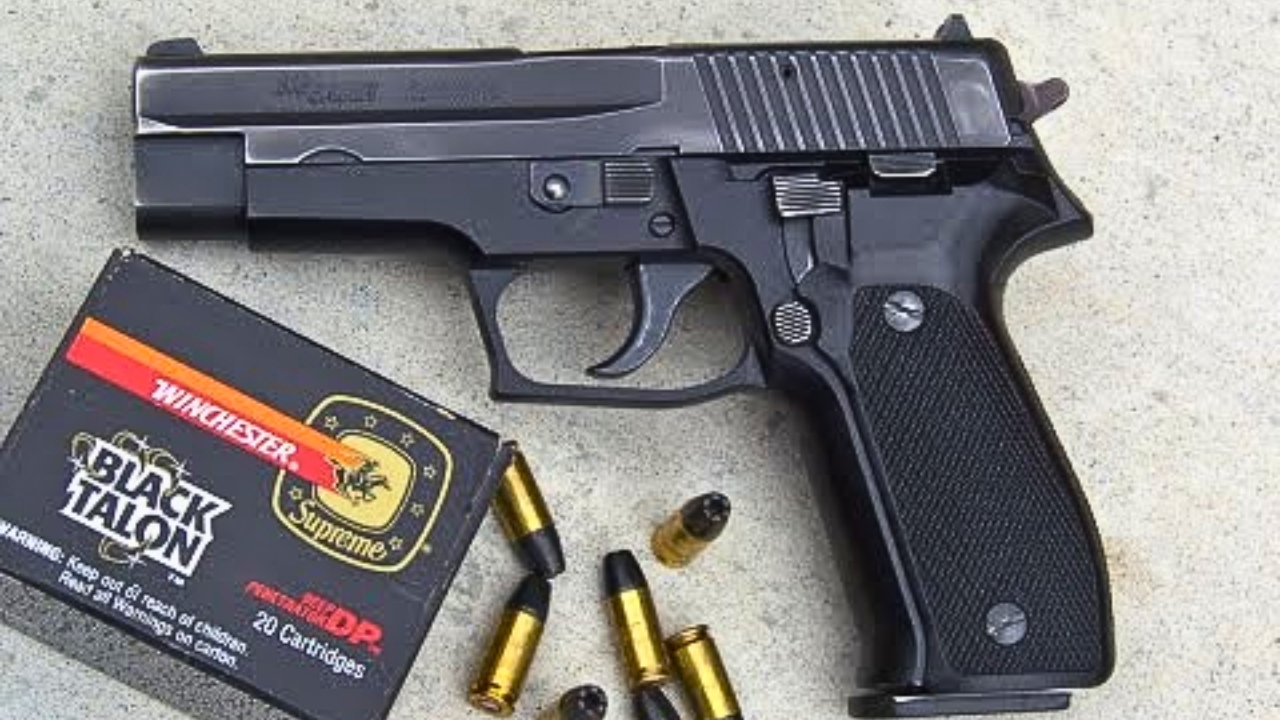
SIG Sauer P226 West German
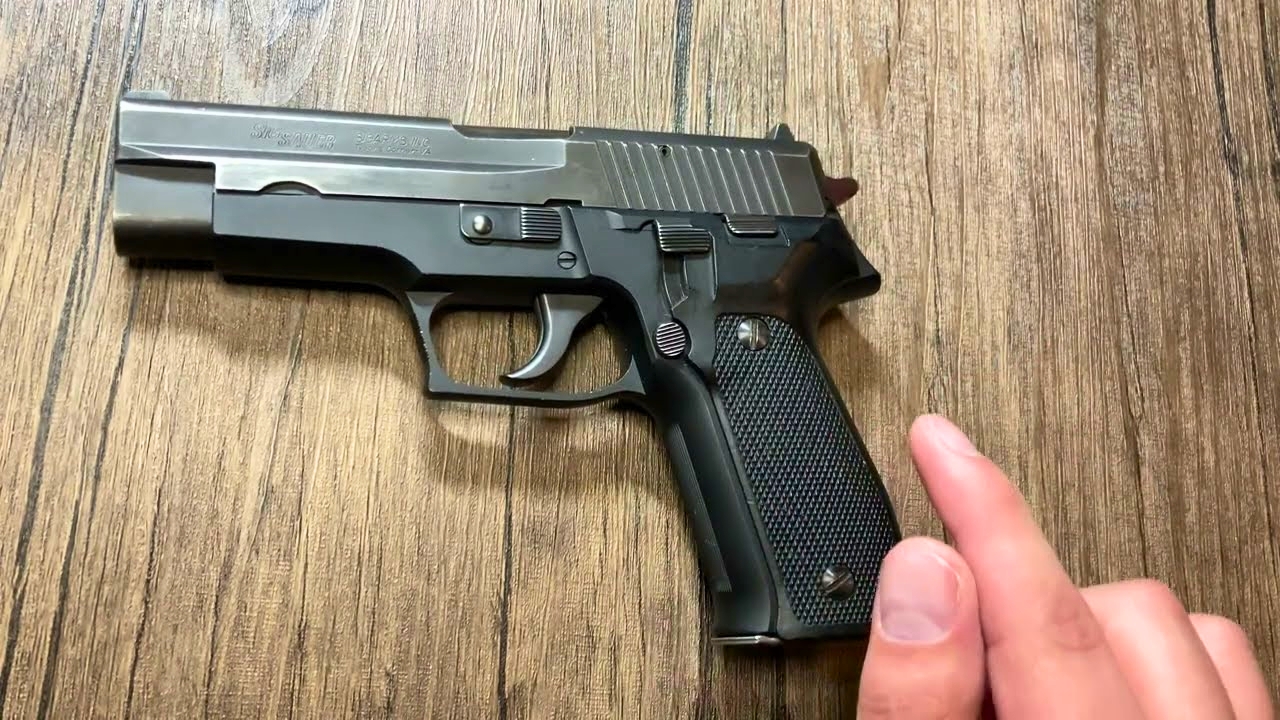
West German SIG pistols fool buyers because the phrase itself has become a shortcut for quality in people’s minds. They hear it and stop thinking in specifics. They assume they are getting one of the truly special old pistols, and sometimes that assumption becomes so strong that they stop caring what the individual gun actually looks like, what shape it is in, or whether the premium makes sense.
That is the trap. The pistol may be good, but the price often reflects mood and nostalgia just as much as function. A buyer focused on results compares it honestly to other service pistols and makes a grounded choice. A buyer focused on reputation starts paying for the idea of “the old good SIG” and hopes the numbers will make sense later. That is how the gun fools them.
Ruger No. 1

The Ruger No. 1 fools buyers because it flatters their taste. It looks refined, feels different, and carries an image of quiet confidence that many rifles do not have anymore. Buyers start thinking of themselves as the kind of person who appreciates a single-shot rifle with style, and that self-image makes them unusually willing to ignore the practical side of the purchase.
Then comes the part where they live with it. The rifle may still be beautiful, but the premium, the chambering choice, and the simple lack of practicality compared to easier rifles begin to matter more. People who buy on results tend to ask whether the rifle fits real use. People who buy on reputation get seduced by what owning a No. 1 seems to say about them.
Beretta 92FS Inox
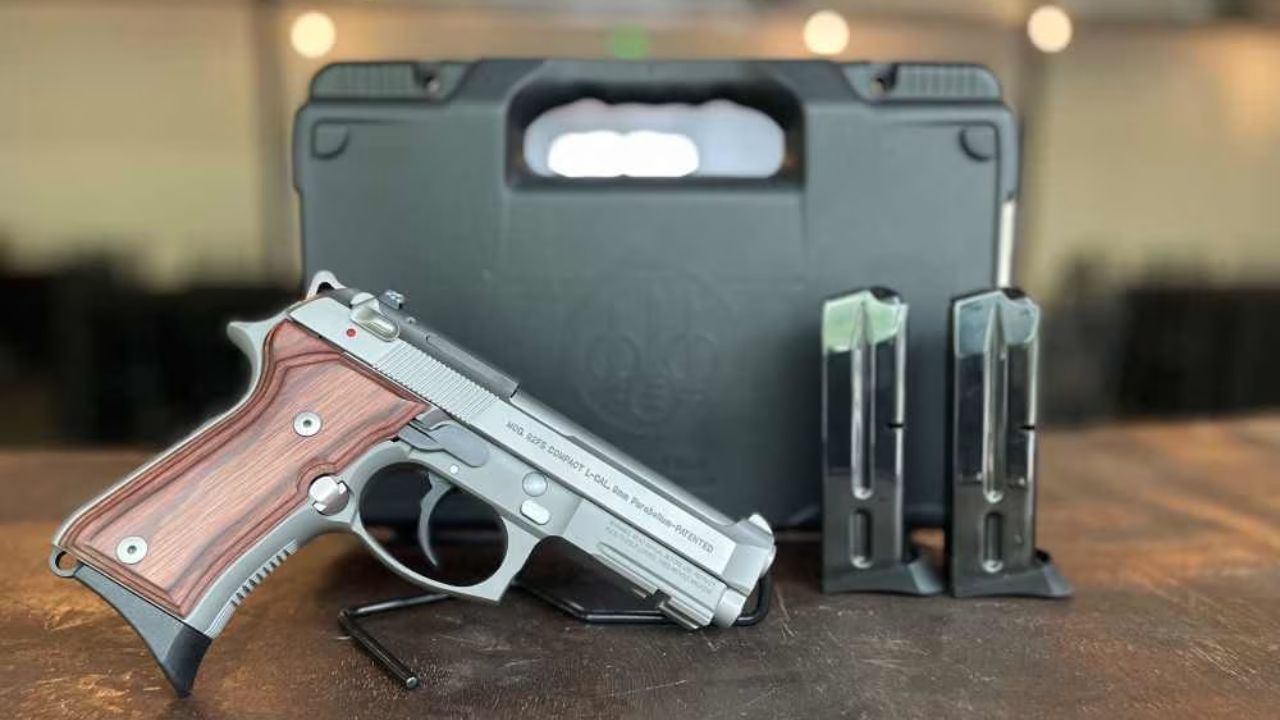
The Beretta 92FS Inox fools buyers because it takes an already respected pistol and gives it just enough visual flair to make people pay more than they normally would. The finish looks right, the service-pistol history is already there, and the buyer starts feeling like this is the version that matters. That can push people into a very reputation-driven purchase quickly.
Later, some realize they paid extra for the look and the mood more than any dramatic difference in real-world performance. It is still a large pistol with the same basic strengths and limitations, but the Inox reputation encourages buyers to think they are getting something much more special. That is where the fooling happens. They buy the aura first and only later revisit the actual results.
Savage 99

The Savage 99 fools buyers in a more subtle way because it attracts people who like feeling informed. It is not the obvious flashy collector piece. It is the rifle people chase when they want to feel like they understand something deeper than the average buyer. That can be a smart instinct, but it can also become a blind spot fast.
A lot of buyers end up paying strong money for ordinary examples because the reputation of the model makes them feel like any 99 is automatically a wise pickup. That is not always true. The rifle has real appeal, but results still matter. Condition, chambering, originality, and price all matter. Buyers who focus on the model’s reputation more than the actual rifle are the ones most likely to get fooled.
Browning Auto-5

The Browning Auto-5 fools buyers because the shape and the history create a nearly instant emotional reaction. People see that humpback profile and start imagining a level of craftsmanship and significance that makes the gun feel too important to question. Reputation takes over before they ever get around to thinking about whether the shotgun, at that price, truly makes sense for them.
That is why so many ordinary examples keep pulling premium money. Buyers are responding to identity, memory, and the comfort of owning something iconic. A buyer focused on results checks originality, condition, and actual value. A buyer focused on reputation is much more likely to pay extra just because the shotgun feels like something he is supposed to admire.
Walther P38

The Walther P38 fools buyers because it carries military history and design significance that can make it seem automatically more rewarding to own than it really is. Buyers often approach it with a collector’s respect before they have honestly thought about whether the gun offers much beyond that respect. That is how reputation gets a head start.
Once they spend time with one, some realize they bought the history lesson more than the handgun. That is not always a bad thing, but it often becomes expensive when the buyer convinced himself he was also getting top-tier satisfaction or strong practical value. The P38 survives on how important it sounds, which is exactly why it keeps fooling people who prioritize status over results.
Colt Detective Special

The Colt Detective Special fools buyers because it feels cool in a way that seems grounded and believable. It is not cartoonish. It feels like a real classic carry gun with genuine style, and that makes buyers think they are making a practical, tasteful choice rather than an emotional one. That is part of what makes it such an effective trap.
Then they realize the premium they paid had more to do with the Colt name and the old-school aura than with actual performance advantages. It is still an appealing revolver, but many buyers were not really chasing results. They were chasing character. Once that difference becomes clear, some start wishing they had looked a little harder at what they were really buying.
Pre-64 Winchester Model 70

The pre-64 Winchester Model 70 fools buyers because the label itself has become bigger than the individual rifles wearing it. The phrase creates instant collector gravity. Buyers hear it and start assuming the rifle must be worth chasing, worth stretching for, and worth forgiving. That kind of brand-and-era reputation is extremely powerful.
A buyer who cares about results still checks the actual chambering, condition, originality, and price against real value. A buyer who cares more about reputation lets the phrase “pre-64” do most of the decision-making. That is how average examples in common configurations keep pulling money that surprises nobody except the guy who eventually realizes he bought the label more than the rifle.
Like The Avid Outdoorsman’s content? Subscribe to our newsletter so you never miss an article.
Here’s more from us: