
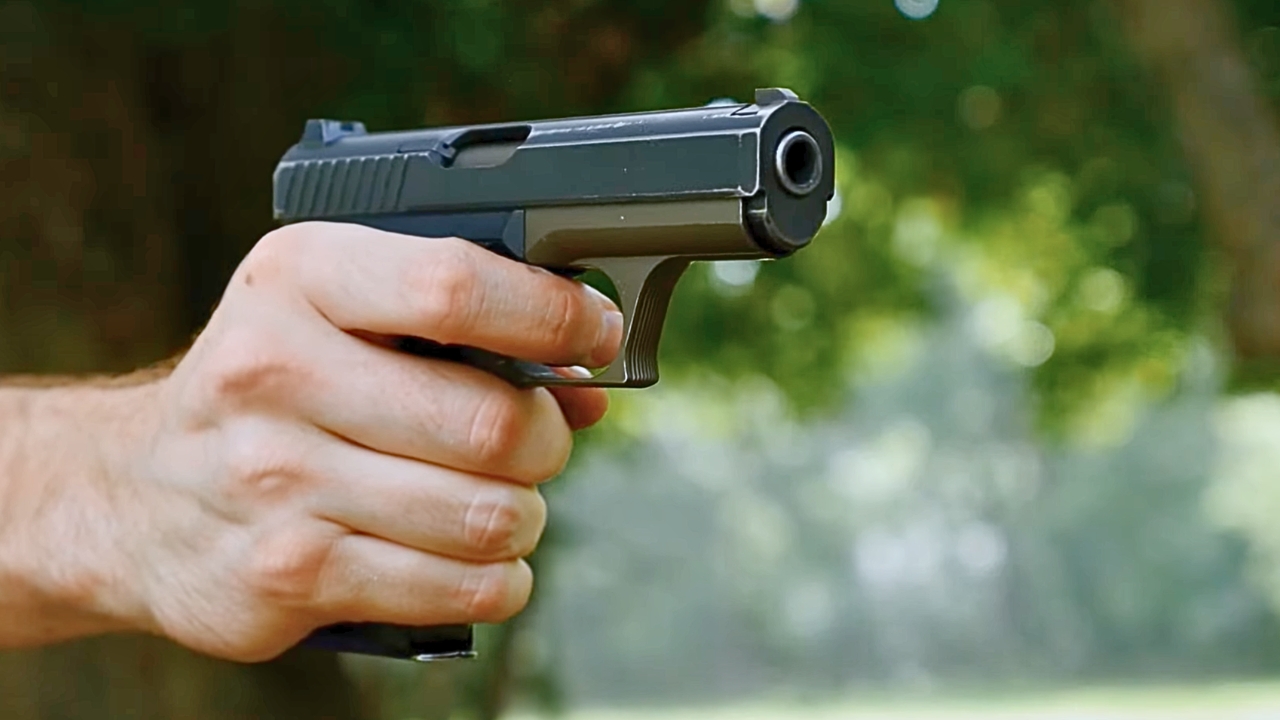
Photo credit: TFB TV/YouTube
Some guns always had fans, but they did not always feel especially cool when they were still sitting on racks at normal prices. A lot of them were treated like old police trade-ins, surplus leftovers, niche imports, or oddball rifles that only a small crowd cared about. Then supply tightened, imports dried up, production stopped, or collectors started circling, and suddenly the same gun people used to shrug at took on a whole different kind of shine. That is how it usually goes. Scarcity changes the mood fast.
What makes it funny is that many of these firearms did not suddenly become better. They were already interesting, already useful, or already well made. Regular buyers simply had access, took that access for granted, and then watched the door close. Once that happened, the guns felt cooler, more desirable, and more worth talking about than they did when people could have bought them without much pain. These are the firearms that got cooler the second regular buyers could not get them.
HK SP5

The SP5 was always going to have a certain pull because the MP5 shape still does things to people’s brains. The lines are right, the roller-delayed action has real appeal, and the whole package carries that old-school cool that newer pistol-caliber guns usually cannot fake. But when availability tightened and pricing pushed it farther away from regular buyers, that appeal seemed to grow overnight. It stopped being a neat high-end range toy and became a symbol of what people wished they had grabbed sooner.
That is what happens when a gun already has image, reputation, and mechanical charm working in its favor. Once access becomes limited, people stop talking about whether it is practical and start talking about how badly they want one. The SP5 felt cooler because it became harder to justify, harder to find, and harder to casually own. Scarcity turned admiration into obsession.
Colt Python

The Python was respected for years, but there was a long stretch when plenty of shooters still saw it as a nice old Colt revolver rather than an untouchable object. Then clean examples got harder to buy, the prices started rising hard, and suddenly the gun’s whole identity changed in the eyes of average buyers. It stopped being something you could maybe save up for and became something people talked about like a missed opportunity wrapped in blued steel.
That shift made the gun seem even cooler than it already was. The vent rib, the finish, the smoothness, and the old Colt mystique all hit differently once regular buyers were priced out. A gun that had once felt merely desirable started feeling legendary. Nothing about the revolver itself changed. The market just made people look at it with more hunger than they did when one still felt remotely within reach.
FN FAL imports

The FAL always had history and presence, but there were years when regular buyers could still talk themselves into waiting. It was heavy, magazines were around, parts kits existed, and there always seemed to be another variant to look at later. That “later” mindset helped keep the FAL in the category of admired rifle instead of urgent buy. Then the supply picture changed, import options narrowed, and suddenly the old Cold War rifle everybody respected became something far more magnetic.
A lot of that comes from what the FAL represents. It is not just a rifle. It is a full-power battle rifle with real international pedigree and a feel that modern rifles do not really duplicate. Once average buyers could no longer get in comfortably, the gun’s cool factor jumped because it no longer felt like a choice. It felt like a club people had failed to join in time.
Browning Hi-Power Belgian models
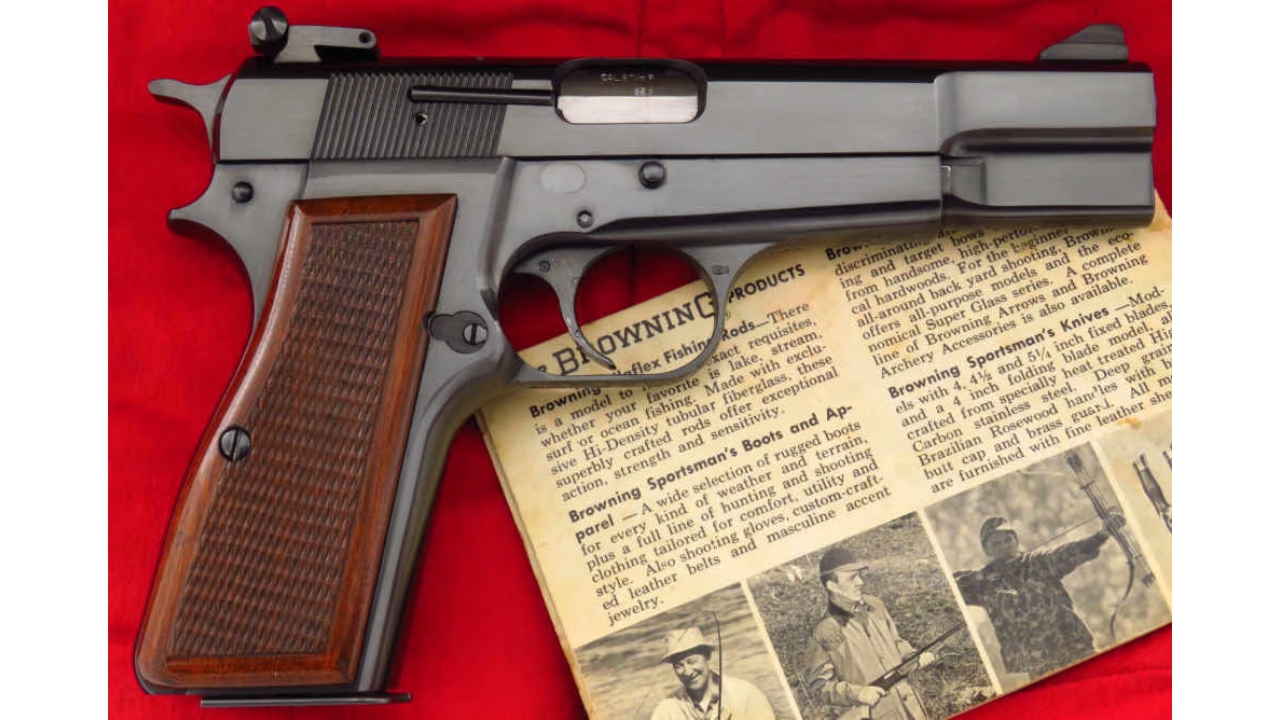
Belgian Hi-Powers had class long before they got expensive, but they were once common enough that buyers could keep pushing the decision down the road. People respected them, liked the history, and appreciated the way they felt in the hand, but a lot of shooters still treated them like a pistol they could get around to eventually. Once production ended and cleaner Belgian guns started climbing, that whole casual attitude vanished.
That is when the Hi-Power got even cooler. The pistol’s slim profile, military history, and steel-frame grace suddenly felt more important because they were no longer easy to access. It was no longer just an old classic 9mm. It became the kind of gun buyers talked about with regret and collectors treated with more seriousness. The market made it feel rarer, and rarity made it feel sharper.
Marlin 1895 JM-stamped rifles
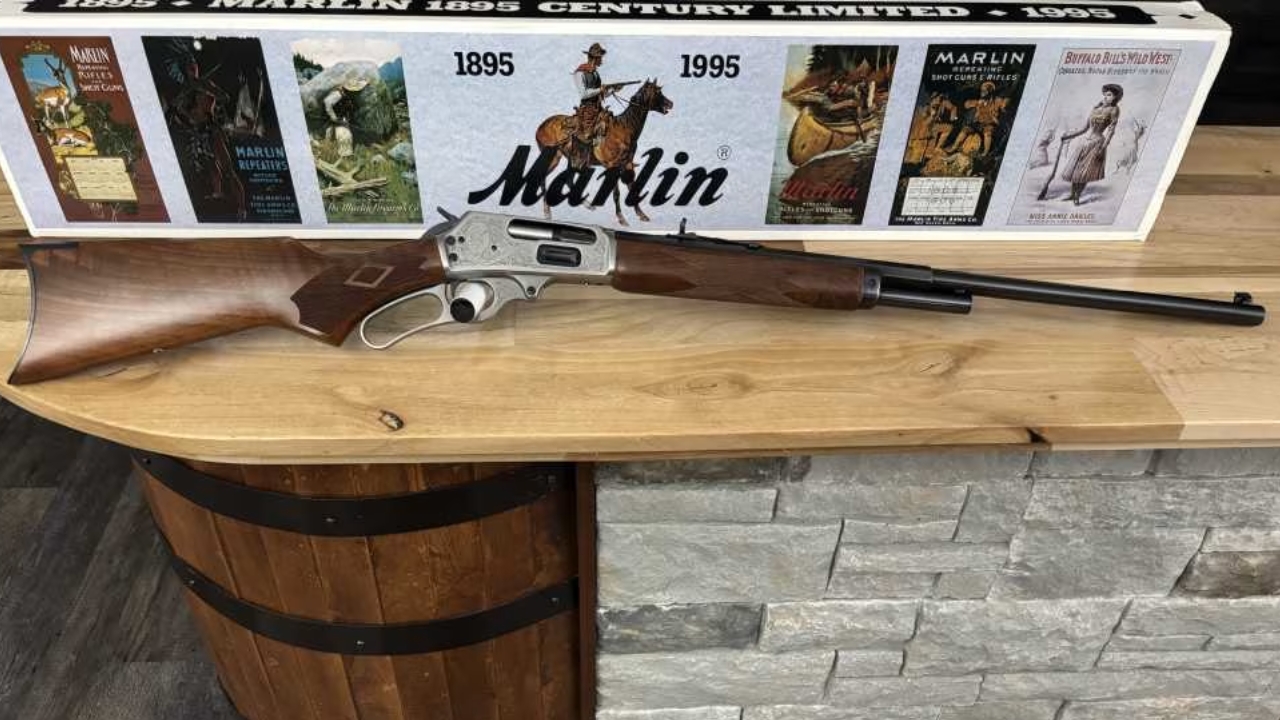
There was a time when older Marlin 1895 rifles were simply solid lever guns people bought to hunt with or keep around because they liked big-bore woods rifles. Then production drama, quality concerns, and shifting interest in older Marlins pushed buyers back toward JM-stamped guns with real force. Once those older rifles stopped feeling easy to replace, they picked up a whole new level of cool in the eyes of people who had once walked right past them.
Part of that comes from the kind of rifle it is. A good old Marlin 1895 feels useful, honest, and distinctly American without trying too hard. Once the easy supply disappeared, that same working-rifle identity started feeling more special. It became a lever gun you were lucky to own instead of one you figured you could always find later. That change in access made people admire it harder.
SIG P210

The P210 used to sit in that strange zone where people knew it was excellent but often assumed it belonged to some other kind of buyer. It had the reputation, the accuracy talk, and the old-world quality, but regular shooters could still talk themselves out of it because it felt almost too refined to chase seriously. Once good examples got farther away from regular budgets and easier availability dried up, the pistol suddenly felt much cooler than it had when people still had time to rationalize one.
That is the power of scarcity mixed with genuine quality. The P210 did not need internet hype because the gun already had mechanical credibility and a kind of European precision appeal that stood out. But once ordinary buyers were no longer in easy range, the pistol went from respected to almost mythical. It became the handgun people referenced when talking about the one that got away.
Winchester 94 pre-64
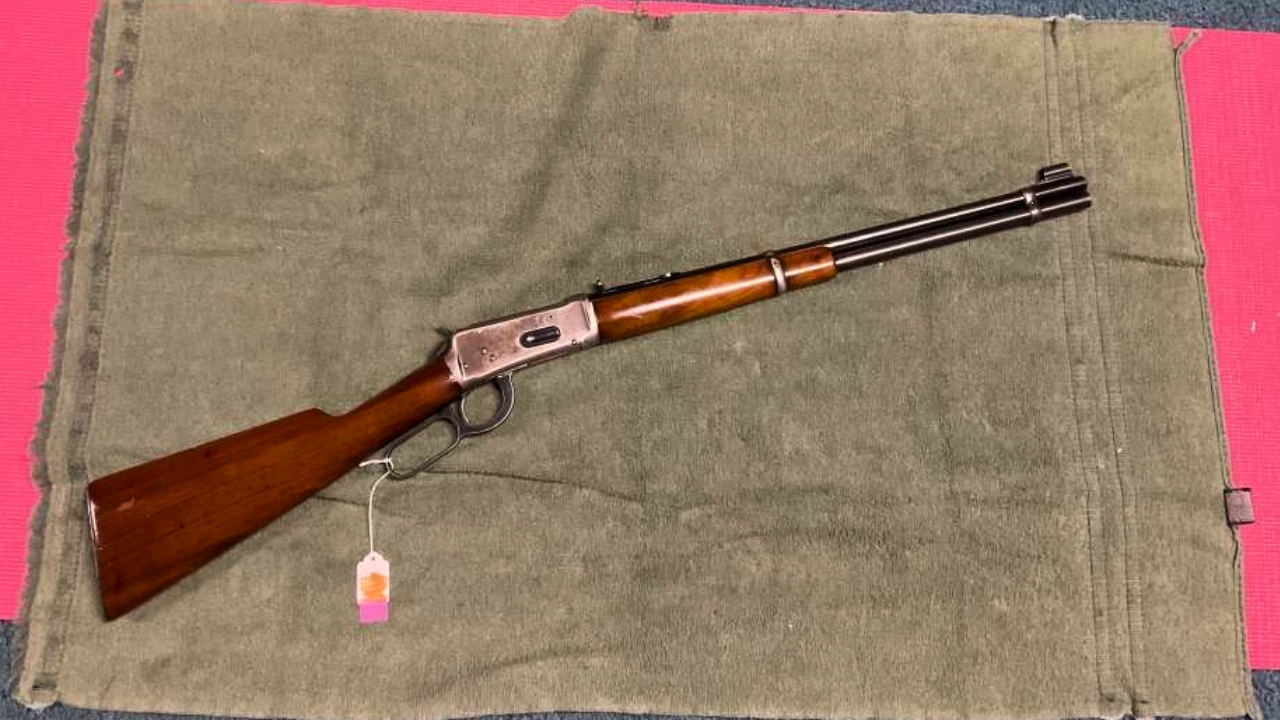
The pre-64 Winchester 94 spent years suffering from being too familiar. It was a classic, sure, but it was also the rifle hanging in cabins, leaning in closets, and showing up at gun shops with worn finishes and old scope marks. That kind of familiarity made it easy for buyers to take the gun for granted. Once cleaner examples started drying up and prices started stinging, people suddenly began seeing the pre-64 94 as a lot cooler than they had when one could still be had without a small internal crisis.
A lot of that comes from the way buyers reinterpret old working guns when access gets harder. The same carbine that once felt common starts feeling iconic. The handiness, the history, the old Winchester appeal, and the sense of American rifle tradition all hit harder once buyers realize they are not as easy to replace as they thought. Scarcity gave the rifle a sharper aura.
Steyr AUG imports
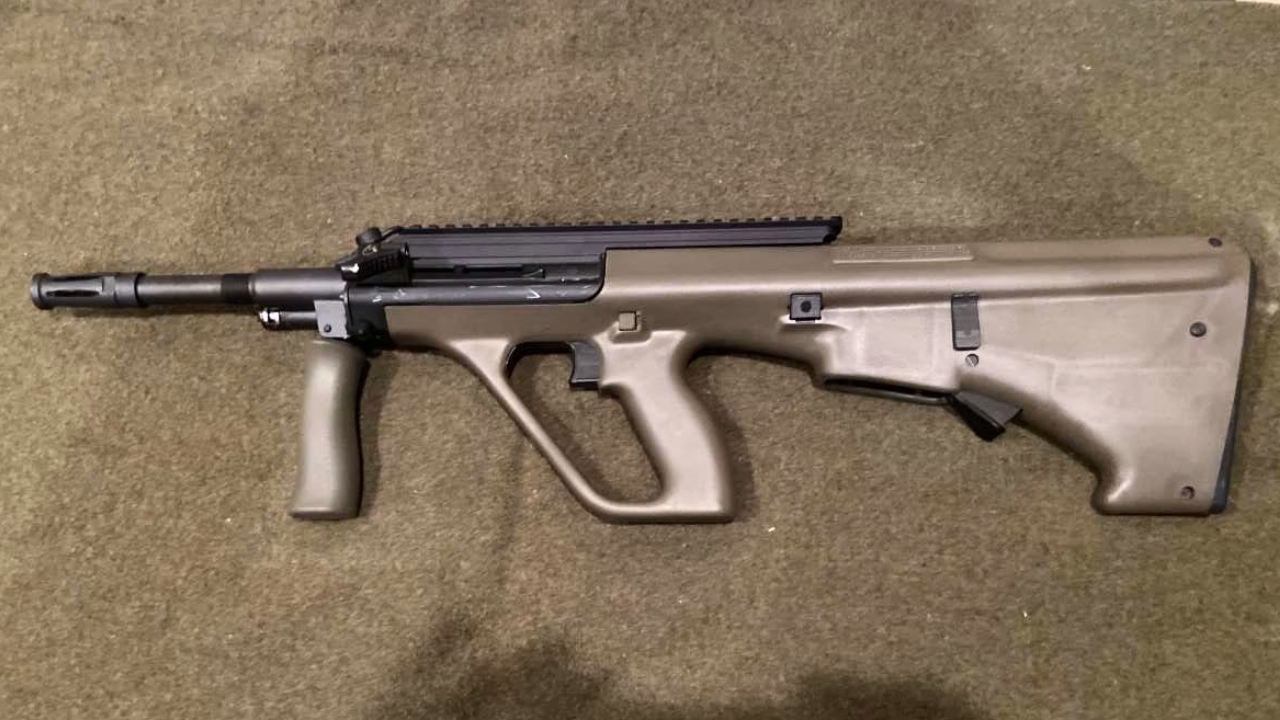
The AUG always looked cool, but it reached another level once getting one became less simple for regular buyers. When a rifle already looks like science fiction and carries actual military pedigree, it does not take much to make people obsess over it harder. Tightened availability, import reality, and higher price pressure made the AUG feel less like a quirky bullpup choice and more like a rifle you either got in time or kept dreaming about.
That distance made it cooler because it made the rifle feel less ordinary and less compromised by comparison shopping. Nobody was weighing it as casually against everyday rack options anymore. They were thinking about the AUG as the AUG, which is exactly where that rifle wants to live. It is one of those guns whose identity gets stronger the farther away it drifts from easy ownership.
Colt Woodsman

The Woodsman was one of those pistols people admired politely for years without always acting like they needed to own one. It was a rimfire, after all, and that alone kept some buyers from treating it with real urgency. Once older Colt prices started climbing across the board and good Woodsman examples became less attainable, the pistol’s whole vibe shifted. It stopped feeling like a charming old .22 and started feeling like one of those classy old Colts regular buyers had underestimated badly.
That made it cooler because the design had always had the lines, balance, and old-school Colt appeal to carry more status than the market once gave it. Once access narrowed, people looked at it with fresh eyes. Suddenly the rimfire label mattered less, and the elegance mattered more. It became the pistol buyers wished they had taken seriously before the window got expensive.
HK P7

The P7 had a cult following for a long time, but cult status is different from mainstream cool. For years, plenty of buyers viewed it as a strange, clever pistol with a unique squeeze-cocker system and a price tag that seemed high for what it was. Then supply got tighter, police trade-ins became less common, and clean examples moved farther out of normal reach. That is when the P7 started feeling less like an oddball favorite and more like one of the coolest pistols a regular buyer had missed.
The scarcity helped people focus on what had always made it interesting. It was thin, well made, mechanically unusual, and totally unlike the flood of ordinary carry pistols on the market. Once it became harder to buy casually, all of those traits felt more valuable. The P7’s cool factor was always there. It simply got amplified once access disappeared for most people.
Norinco MAK-90
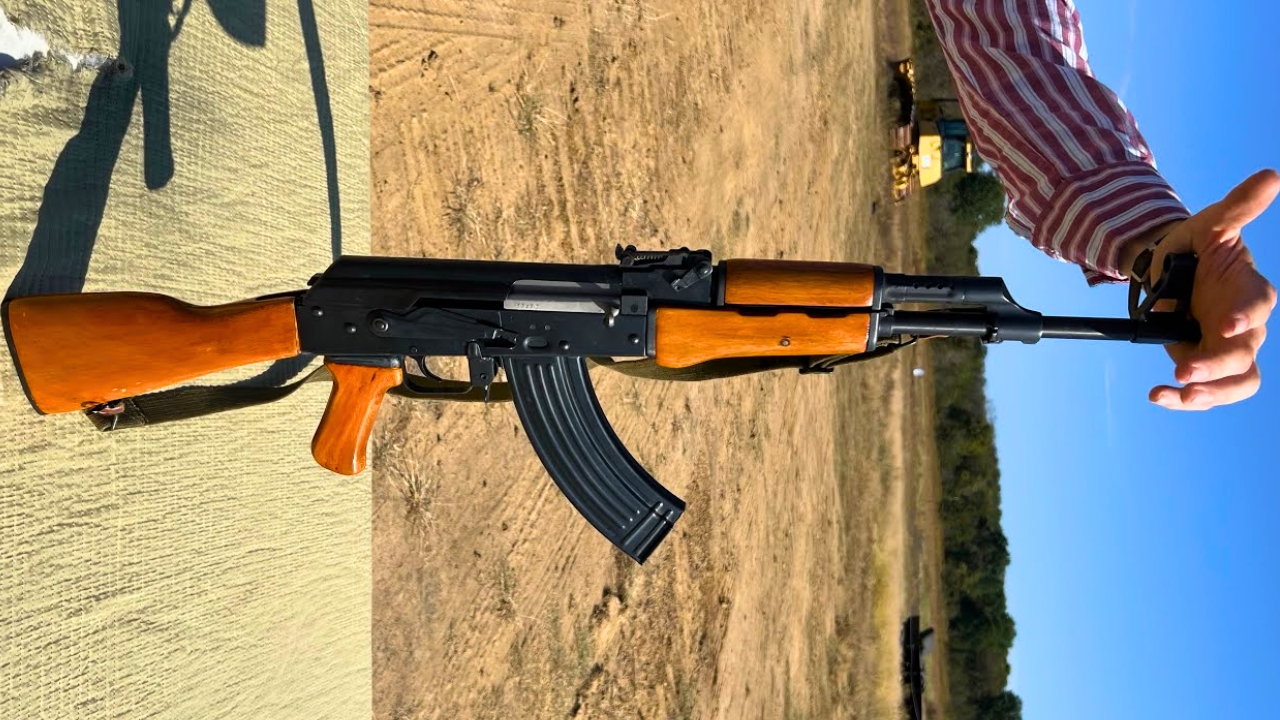
The MAK-90 spent years getting treated like the not-quite-cool AK. It had ban-era baggage, thumbhole stock issues, and a reputation as the compromise gun buyers accepted instead of the import they really wanted. Then the broader AK market changed, Chinese rifles became more appreciated, and regular buyers realized the easy days were gone. That is when the MAK-90 got much cooler than it ever seemed when they were still sitting around as the “good enough” option.
What changed was not the rifle’s basic quality. It had always been sturdy, useful, and more important than many buyers admitted. But once it could no longer be had without real money, people suddenly started appreciating its Chinese-import identity, its role in the market, and its place in AK history. It became the rifle buyers used to overlook and now talk about like they saw the value too late.
Remington Nylon 66

The Nylon 66 used to live in that relaxed category of neat old rifle, which is a dangerous place for future value and future cool. People liked them, enjoyed shooting them, and remembered them fondly, but they rarely treated them like something they needed to grab before the market changed. Once nice examples got harder to find and collector attention got more serious, the rifle started carrying a much stronger kind of charm.
That extra cool factor came from the realization that the Nylon 66 was not merely quirky. It was different, iconic, lightweight, and tied to a specific era of American gun design that no longer feels common. As soon as regular buyers could not easily reach them anymore, the rifle stopped feeling like a fun oddity and started feeling like one of those classics people were lucky to own at all.
Beretta 84 Cheetah older imports

The Beretta 84 Cheetah had style from the beginning, but it never always got treated like a must-own pistol by everyday buyers. It was a .380, it was older, and it often felt like something people admired from a distance more than chased with urgency. Once the better older examples and imports started becoming less easy to track down, the pistol’s image sharpened fast. Suddenly it was not just a nice little Beretta. It was a cool little Beretta people wished they had bought when the prices still felt sane.
That is usually how these things happen. Once a gun becomes less accessible, buyers stop nitpicking and start appreciating. The 84 had always offered good looks, a great grip, and a softness that many smaller .380s could not match. Scarcity simply pushed more people to recognize that all at once. The pistol got cooler because regular buyers were no longer casually invited to the party.
Springfield M1 Garand CMP-era rifles

The Garand had national-history cool long before the easy CMP days started fading, but there was still a period when regular buyers could treat it like a someday purchase. That hurt the gun’s mystique a little because easy access always softens urgency. Once those comfortable entry points got harder, and once buyers realized that the “I’ll get one later” era was ending, the Garand suddenly felt even more special than it had when it was sitting there waiting to be ordered.
That shift matters because the rifle already had the history, the feel, and the visual identity. Scarcity simply restored some of the gravity that easy access had softened. The Garand started feeling cooler because it no longer felt guaranteed. It became something buyers had missed the easy route on, and that gave ownership a stronger sense of luck and status than it had when the process felt routine.
CZ 527

The CZ 527 was one of those rifles smart buyers liked without turning it into a frenzy. It was trim, handy, accurate, and full of character, but it also lived quietly in the market for a while. Then discontinuation hit, availability dried up, and regular buyers realized that the little rifle they had always respected was no longer something they could simply circle back to whenever they felt like it. That is when the 527 got much cooler in a hurry.
Its cool factor rose because the rifle had always had something many modern bolt guns lack: personality without uselessness. It felt compact, clever, and different in a good way. Once it became harder to find, those traits mattered more. Buyers stopped thinking of it as just a nice option and started thinking of it as the specific rifle they should have grabbed while normal ownership was still on the table.
Like The Avid Outdoorsman’s content? Subscribe to our newsletter so you never miss an article.
Here’s more from us:


