Photo credit: sootch00/YouTube
Gun people miss the mark all the time. A firearm gets labeled awkward, outdated, too bulky, too foreign, too plain, too expensive for what it is, or simply not cool enough for the moment. That label sticks for a while, and plenty of buyers walk right past something they would later swear they always respected. Then the market shifts, availability tightens, or shooters finally spend enough time around the gun to understand what was sitting in front of them the whole time.
That is when the laughter stops. The same firearms that once got dismissed as second-tier, weird, or boring start getting treated like they belong in the front of the safe. Some became collectible. Some became hard to replace. Some simply earned more respect once newer guns failed to age as well. These are the guns people mocked once and now treat like treasure.
Colt Mustang Pocketlite

There was a time when the Colt Mustang Pocketlite felt like a tiny old answer to a carry problem the market had supposedly moved past. A lot of shooters saw it as a dated little .380 with more name value than practical relevance. Before the micro-compact craze really changed how people looked at small handguns, plenty of buyers treated pistols like this as cute leftovers from another carry era.
That changed once shooters started appreciating slim, lightweight carry guns with actual character instead of just capacity numbers. The Mustang suddenly looked a lot smarter in hindsight. Add the Colt name, shrinking supply, and the fact that good small pistols tend to age well once the market starts missing them, and the old mockery starts sounding pretty foolish. A lot of people laughed at them until they got expensive.
Remington Nylon 66

For years, the Nylon 66 was easy to treat like a quirky plastic squirrel rifle from a weird chapter in gun history. Traditionalists especially liked acting like it was some strange compromise gun that looked cheap compared to walnut-and-steel rimfires. It had fans, but it also had plenty of people dismissing it as a novelty that somehow survived longer than it should have.
Now it gets treated a whole lot differently. Once people remembered how light, durable, and reliable those rifles actually were, the tone changed fast. The same design that once looked like a gimmick started looking like a smart, durable rimfire from an era when manufacturers were willing to take real chances. Today, clean Nylon 66 rifles do not feel like a joke at all. They feel like the kind of clever old gun buyers wish they had respected earlier.
Astra Constable

The Astra Constable spent years getting shrugged off as one more foreign surplus-style pistol from a brand many American shooters never took seriously enough. It was easy to ignore because it did not carry the prestige of the bigger European names, and easy to mock because it looked like the kind of gun somebody bought only because it was cheap enough to try.
Then availability tightened and attitudes softened. Older compact steel pistols with honest utility started looking more attractive once the market filled with disposable-feeling alternatives. The Constable stopped looking like filler and started looking like a smart little carry-size pistol from a category people had undervalued for too long. It still is not mainstream-famous, but among people who know what they are looking at, it gets a lot more respect now than it once did.
Winchester Model 88

The Model 88 always had admirers, but it also spent years being treated like an oddball in between worlds. It was not a classic lever gun in the way traditionalists wanted, and it was not a standard bolt rifle either. That made it easy to admire from a distance and then pass on for something more familiar. Plenty of hunters appreciated it without feeling like they needed to own one.
That mistake got expensive. Once shooters started realizing how sleek, handy, and genuinely useful the Model 88 really was, good rifles began getting harder to find. What had once seemed like a weird middle-ground deer rifle started feeling like one of the smarter hunting-rifle designs buyers had underestimated. The rifle people once left sitting because it did not fit their favorite category now gets treated like a real prize when a clean one shows up.
Beretta 84 Cheetah

For a long time, the Beretta 84 got dismissed as a soft old .380 for people who had not caught up to more modern pistol trends. It had style, sure, but style does not buy much respect in a crowd that wants everything to sound tactical and current. A lot of shooters treated it like a classy but irrelevant gun from a lane the market had already left behind.
That attitude did not hold up. The 84 had quality, shootability, and a feel that many newer pistols never really matched. Once older Berettas started getting more appreciation, the Cheetah family became exactly the kind of pistol people wished they had not laughed off as yesterday’s carry option. Now a nice one feels less like an outdated .380 and more like a well-made old-world pistol people finally learned how to value.
Ruger P95

The P95 got mocked hard for being chunky, unattractive, and about as graceful as a cinder block. Nobody bought one because it looked refined. People bought them because they ran, and that practical reputation rarely earns immediate affection in a market that likes to chase whatever seems slicker and newer. For years, the P95 was the pistol people defended with a shrug rather than a grin.
That rough old reputation has aged surprisingly well. Once buyers got tired of fragile reputations and guns that felt disposable after a few years, the P95 started looking better in hindsight. It was durable, dependable, and honest about what it was. That still matters. No, it did not become a high-dollar collectible, but it absolutely became one of those guns people now speak about with far more respect than the old jokes would have suggested.
Browning BDA .380

The Browning BDA .380 once lived in that dangerous zone where a gun is clearly nice but somehow still easy for people to treat as unnecessary. It did not dominate conversations, and many shooters reduced it to a polished little .380 for buyers who cared too much about finish and not enough about keeping up with the times. That made it easy to overlook and easy to underestimate.
Now it feels a lot different. Older Browning pistols with real quality behind them have gotten harder to ignore, and the BDA benefits from that shift. It has style, real shootability, and enough scarcity to make people pay attention. The same pistol that once felt like a luxury side note now gets treated like the kind of classy older handgun buyers should have taken more seriously while they still had easier access to one.
Savage 24

The Savage 24 used to get treated like a utility gun for people who could not make up their minds. A combination gun always looks a little strange to the shooter who wants one firearm to do one job really well. That made it easy to mock as an awkward compromise. Plenty of buyers saw them, recognized the practical idea, and still kept walking because the concept seemed a little too quirky to feel urgent.
Then real-world usefulness caught up with the design. The Savage 24 started looking smarter once people began missing straightforward, versatile guns that could handle small game, pests, and camp use without needing much explanation. Once they became harder to find, those old laughs dried up in a hurry. What once looked like a weird compromise now looks like one of those clever, adaptable rifles people wish they had grabbed when they were still reasonably common.
Smith & Wesson 422

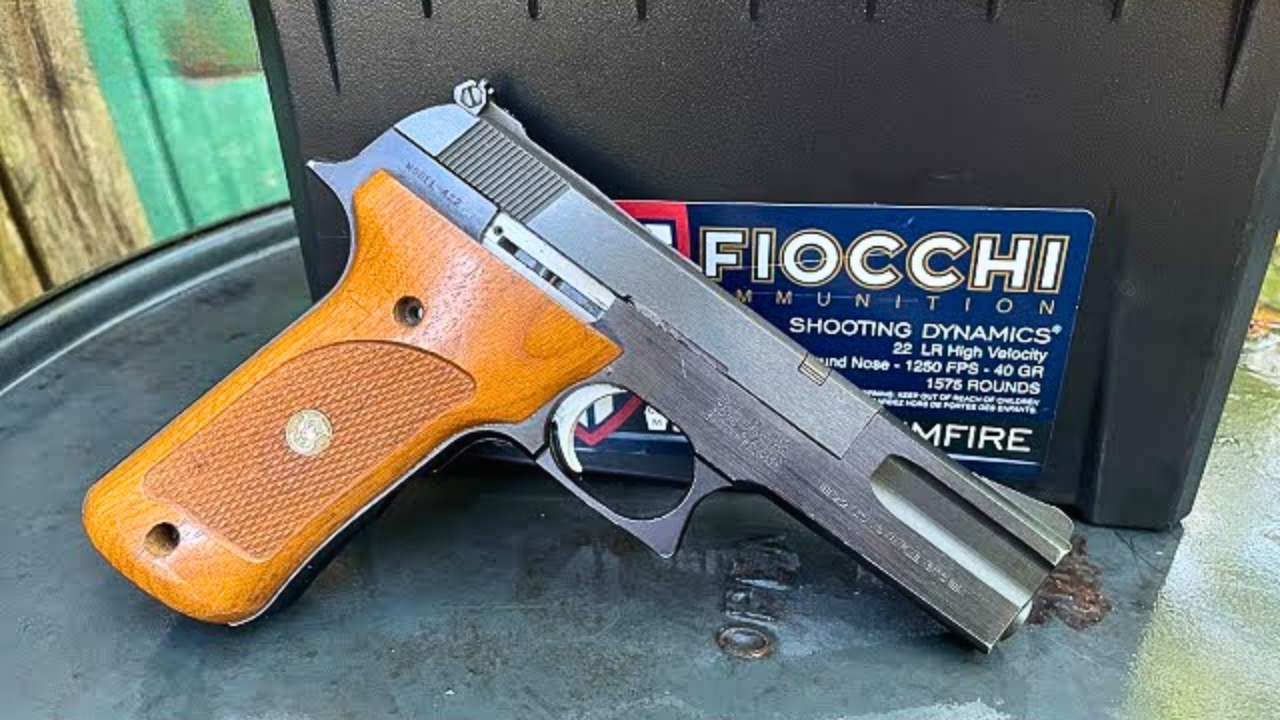
The 422 was one of those rimfire pistols that a lot of shooters never seemed to fully understand when it was around. It looked different, sat lower, and carried a style that made some people treat it like an oddball .22 rather than a genuinely smart pistol. The market tends to punish anything that is good but slightly unusual, and the 422 definitely felt the effects of that.
Time has been kinder to it than the original gun-counter chatter ever was. Shooters who spent real time with them figured out they were accurate, handy, and more interesting than their old reputation suggested. That rediscovery changed the tone. What used to get passed off as a strange little rimfire now gets treated like a smart, well-designed pistol from a period when manufacturers were willing to do something a little different and still get it right.
Ruger Deerfield Carbine

The Deerfield Carbine spent years getting overshadowed by other rifle categories. It was not an AR, not a classic lever gun, and not the type of semi-auto deer rifle most buyers were rushing to brag about. That made it easy to overlook. Plenty of people saw it as a neat but niche Ruger that would always be around if they ever decided they wanted one.
That assumption did not age well. The Deerfield had practicality, compact handling, and real appeal for hunters who wanted a short-range semi-auto with more punch than the average utility rifle. Once people started looking back at discontinued Rugers with more appreciation, the Deerfield got pulled into that conversation fast. A rifle many people once ignored because it felt too specialized now gets treated like one of those lost Ruger designs buyers were too slow to appreciate.
Star Firestar

The Firestar got mocked because it showed up in an era when heavy little steel pistols started looking old-fashioned in a hurry. It was compact, yes, but it was also weighty, a little overbuilt, and easy for critics to dismiss as outdated next to lighter carry guns. Plenty of shooters treated it like a chunky relic from a carry philosophy the market had already moved past.
Now the tone is different. The Firestar was well made, surprisingly solid, and part of a category buyers have started to miss more as the market has gone lighter, thinner, and often less satisfying in the hand. Once the easy surplus and bargain-pistol days ended, guns like the Firestar stopped feeling disposable. They started feeling like sturdy little carry pistols from a time when even modest guns often had more steel and more personality than what replaced them.
Browning BLR Steel Receiver

There was a time when the steel-receiver BLR was easy to pass off as a lever gun for people who could not decide whether they really wanted a bolt rifle. Traditionalists liked other levers better, and modern hunters often bypassed it for more ordinary options. That left the BLR in a spot where it got respect without much urgency, which is a dangerous place for any genuinely good rifle.
Once more buyers started appreciating what it offered, the old indifference looked pretty shortsighted. The steel-receiver BLR had quality, fast handling, and the ability to run more modern cartridges in a lever-action format that still felt serious in the field. That is a combination people value much more now than many did at the time. What used to get treated like a slightly odd alternative now gets hunted down like a rifle people were foolish to overlook.
Walther TPH

The TPH was easy to laugh off because tiny pistols always attract a certain kind of criticism. Too small, too delicate-looking, too easy to label as a novelty for people who cared more about cleverness than usefulness. That kind of talk followed the TPH for years, especially among shooters who preferred their handguns bigger, louder, and easier to brag about in more obvious ways.
Then the market started remembering that well-made pocket pistols do not stay cheap or ignored forever. The TPH had quality, compact charm, and the kind of old-school small-pistol appeal that gets stronger once the supply of nice examples starts drying up. What once felt like a tiny joke to some buyers now feels like one of those elegant little pistols they should have taken more seriously when they still had the chance.
Remington Model 81 Woodsmaster

The Model 81 spent a long time looking like old hardware to people who had already mentally moved on to newer hunting rifles. It was big, old-fashioned, and tied to a chapter of sporting-rifle history many buyers never bothered to learn much about. That made it easy to treat as a curiosity instead of something worth chasing.
That changed once older sporting semiautos started getting more serious attention. The Model 81 had history, presence, and the kind of mechanical character that modern rifles simply do not offer. Once people noticed how few clean examples were left and how much appeal those old autoloaders still carried, the dismissive tone faded. A rifle people once glanced past now gets treated like a serious piece of sporting history.
FEG PA-63

The PA-63 spent years wearing the usual surplus-pistol stigma. Cheap alloy frame, Eastern Bloc roots, odd cartridge choice, and just enough rough edges for plenty of shooters to dismiss it as one more budget import not worth emotional investment. That was the easy read, and for a while it stuck.
Then the cheap imports slowed down and the old surplus world started drying up. Buyers began rethinking what these pistols actually offered: real history, honest utility, and a kind of scrappy appeal that gets stronger once the bargains disappear. The PA-63 still is what it always was, but people see it differently now. What used to get mocked as a cheap throwaway military pistol now gets treated more like a smart leftover from a market that no longer exists.
Like The Avid Outdoorsman’s content? Subscribe to our newsletter so you never miss an article.
Here’s more from us: