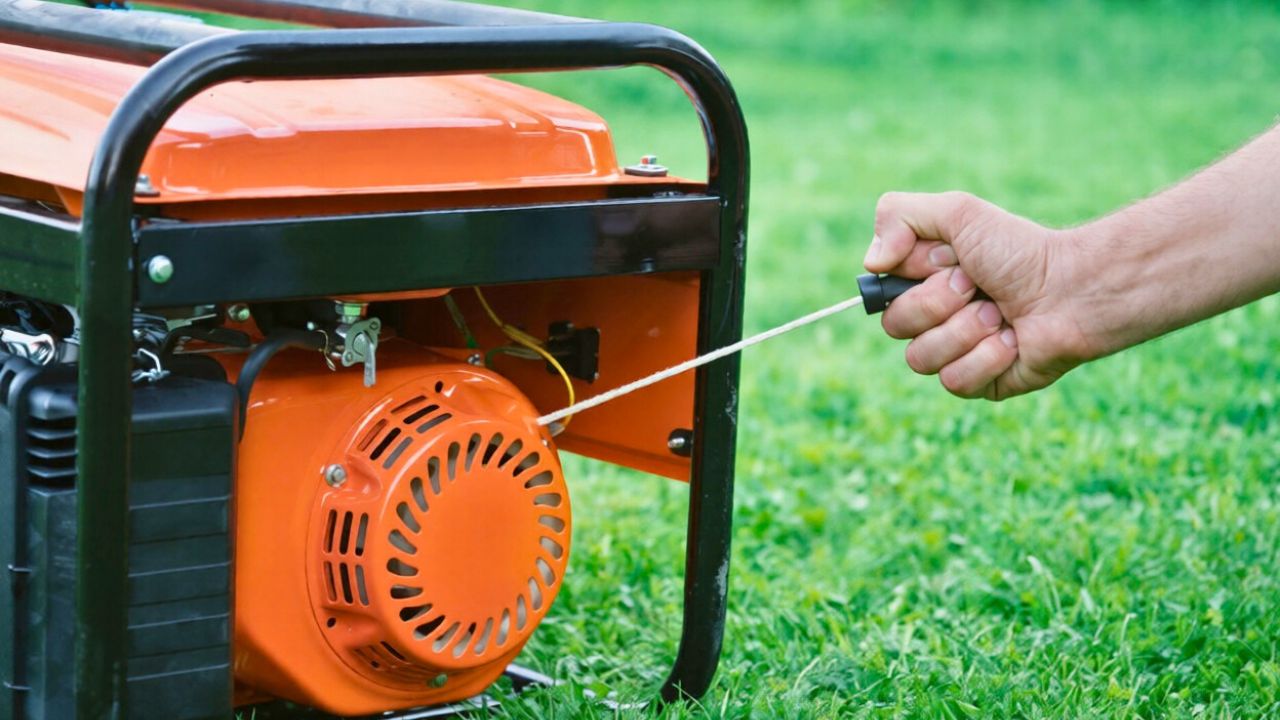
Photo credit: Dzurag/istock.com
Generators are one of those things people buy to feel prepared, then they never truly test the setup the way it will be used. They pull it out once, start it for five minutes, feel proud, and shove it back in the garage. Then the power goes out for real, it’s cold or hot, everyone’s irritated, and suddenly the “simple” generator plan turns into a mess. Extension cords don’t reach what you thought they would. Fuel disappears faster than expected. You realize you can’t run the stuff you assumed you could. Noise becomes an issue. Safety becomes an issue. And the longer the outage lasts, the more obvious it is that the generator wasn’t the plan. The generator was just one tool inside a plan you never finished.
Day one is usually manageable because you’re running on adrenaline and you still have phone battery, fridge temp, and patience. Day three is where weak setups get exposed. That’s when you start seeing people running a generator nonstop, burning through fuel, overheating equipment, and doing unsafe stuff indoors or too close to the house because they’re tired of messing with it. A generator can absolutely carry you through an outage, but only if you build the whole system around reality instead of assumptions.
The first mistake is thinking you need to power “the house”
This is where people lose the plot. They treat a generator like a replacement power grid. They try to run everything they normally run, and then they’re shocked when it can’t keep up or when fuel costs pile up. A generator works best when you’re ruthless about priorities. Food safety, basic lights, charging phones, maybe a small heater or fan, maybe a sump pump, maybe a freezer if you’ve got one packed full. That’s the core. Everything beyond that is optional and should be evaluated against fuel and run time.
If you set it up like “we’ll just power everything like normal,” you will either trip breakers, overload the unit, or burn through fuel like crazy. The longer an outage goes, the more painful that becomes. A smart generator setup isn’t about powering your lifestyle. It’s about keeping your essentials running so your week doesn’t collapse.
Fuel planning is where most people get humbled
Fuel is the limiter, and people don’t like to admit that. They buy a generator and maybe one can of gas, and they think they’re good. Then they run it hard on day one, and by day two they’re scrambling. Even worse, they may be stuck in a situation where fuel is hard to find or lines are long, or it’s unsafe to travel. On top of that, fuel storage has its own problems. If gas sits too long without stabilizer and rotation, it turns into a headache right when you need it. If you store it wrong, it’s a hazard.
A realistic setup includes knowing how much fuel you’ll burn per day at the loads you plan to run, and having a run schedule instead of just letting it rip all day. Most homes don’t need a generator running 24/7. They need it in bursts: cool down the fridge/freezer, recharge batteries, run a few key devices, then shut it down and let it rest. That approach stretches fuel and reduces wear.
People underestimate cords, placement, and weather
The number of folks who own a generator and don’t own the right cords is wild. They’ve got thin, cheap extension cords that get hot, don’t reach, and create a tangled mess in the dark. Then they end up moving the generator too close to the house because “it’s raining” or “the cord won’t reach.” That’s when safety gets stupid. Carbon monoxide is no joke, and you don’t get a warning when it’s building up. If your setup forces you to run the generator in a risky spot, you don’t have a generator plan. You have a disaster waiting to happen.
Weather protection is another big miss. People realize too late that they need a way to keep the generator dry while still keeping it in a safe, ventilated place. They rig something unsafe or they run it uncovered in the rain, and then they’re surprised when things act up. If you want a setup that holds up, you need a thought-out location, a plan for rain, and cords that make that location workable without compromising safety.
The “what do I power first” question gets ignored
When the power goes out, people waste time and fuel because they haven’t decided what matters. They plug in random stuff. They forget the freezer is the big money item. They ignore battery charging early, then scramble when phones die. They forget about medical devices. They don’t think about the basics like a few lights and a fan, which actually keeps everyone calmer. On day three, they’re tired and they’re making decisions on the fly, which is how you end up burning fuel on nonsense.
The fix is simple: pick a priority list ahead of time. Not a fantasy list. A realistic list. If you know what you’ll power first and what gets cut, you run the generator with intention instead of emotion. That’s the difference between “we made it through fine” and “we spent a fortune and still suffered.”
A solid setup is boring and scheduled
The generator setup that works is not impressive. It’s a schedule, a fuel plan, and a small set of priorities. It’s clean storage of cords and gear so you can deploy it without a scavenger hunt. It’s a test run under load, not just a quick start in the driveway. It’s knowing what you can run at the same time without overdoing it. It’s having enough fuel to get through a few days without panic. And it’s the discipline to shut the generator off when you don’t need it, even if you want the comfort of full power.
Generators aren’t magic. They’re a tool that demands planning. The folks who love their generator during an outage aren’t the ones with the biggest unit. They’re the ones who built a simple system around it and actually practiced using it when it wasn’t an emergency.
Like The Avid Outdoorsman’s content? Subscribe to our newsletter so you never miss an article.
Here’s more from us: