Photo credit: Kamaji Ogino/Pexels.com
These days a guy can build a whole outdoor identity without leaving his phone charger. He can watch gear breakdowns, survival clips, camp setup videos, backcountry tips, fishing hacks, and “five mistakes everyone makes” content until he starts feeling like he’s earned experience by exposure. And to be fair, some of that stuff can be helpful. There’s good information out there. The problem starts when a man mistakes familiarity with footage for time in the field. Those are not the same thing, and the outdoors has a real mean way of clearing that up.
You can usually spot it pretty fast. He sounds polished. He uses all the right words. He has opinions on everything from fire-starting methods to pack weight to how camp “ought to be run.” But once he’s actually outside, little cracks start showing. He overcomplicates simple things, underestimates the boring stuff, and acts shocked when real conditions don’t behave like a seven-minute highlight reel. These are the signs a man has watched too many outdoor videos and not done enough actual outdoors.
He Talks Like a Tutorial
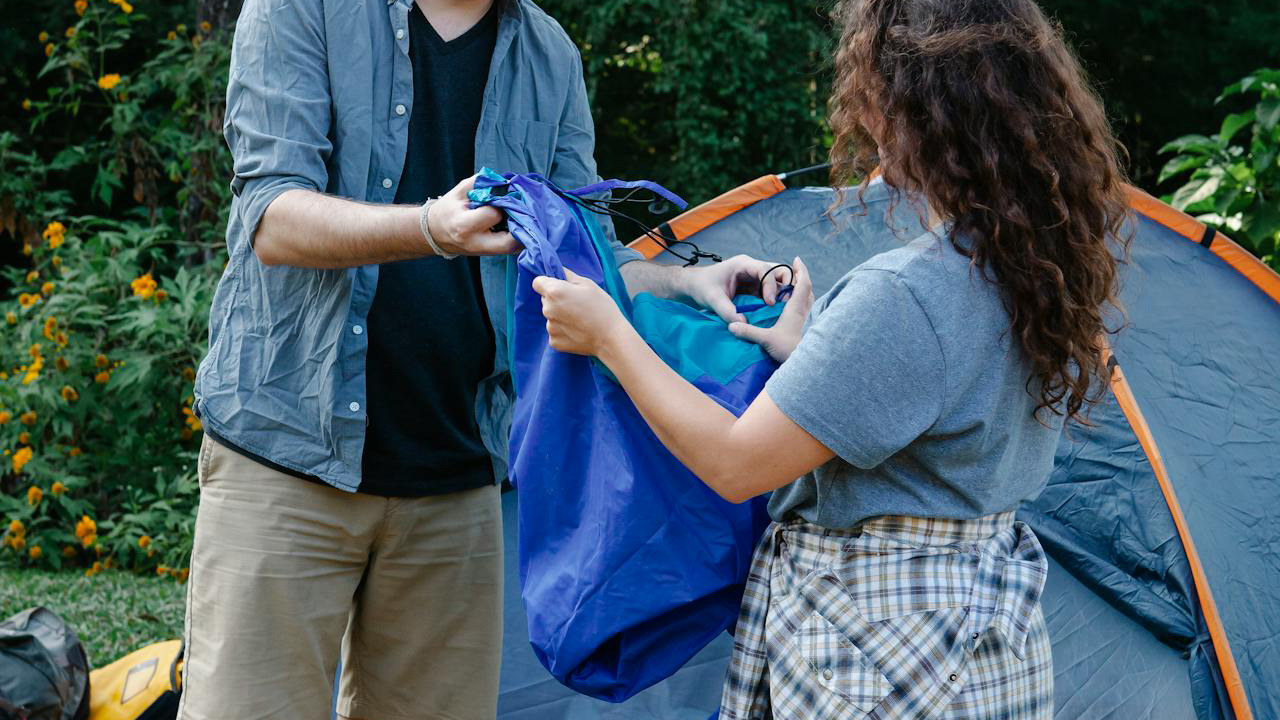
You can tell right away when a guy has learned more from screens than from repetition. He doesn’t just say what he’s doing. He narrates it like he’s halfway through an instructional video. Every small move gets explained, every choice has a “reason behind it,” and somehow tying down a tarp starts sounding like a formal presentation. It’s not that talking through things is always bad. It’s that he sounds like he’s performing knowledge instead of simply using it.
Guys with real time outside usually sound a lot less polished because they’re busy doing the thing instead of trying to frame it. They don’t feel the need to package every little choice into a lesson. They just know what works, what doesn’t, and what needs doing next. The man who turns every camp chore into a tutorial usually hasn’t done it enough for it to feel natural yet. He’s still repeating what he heard instead of relying on what he knows.
He Uses Fancy Terms for Basic Stuff
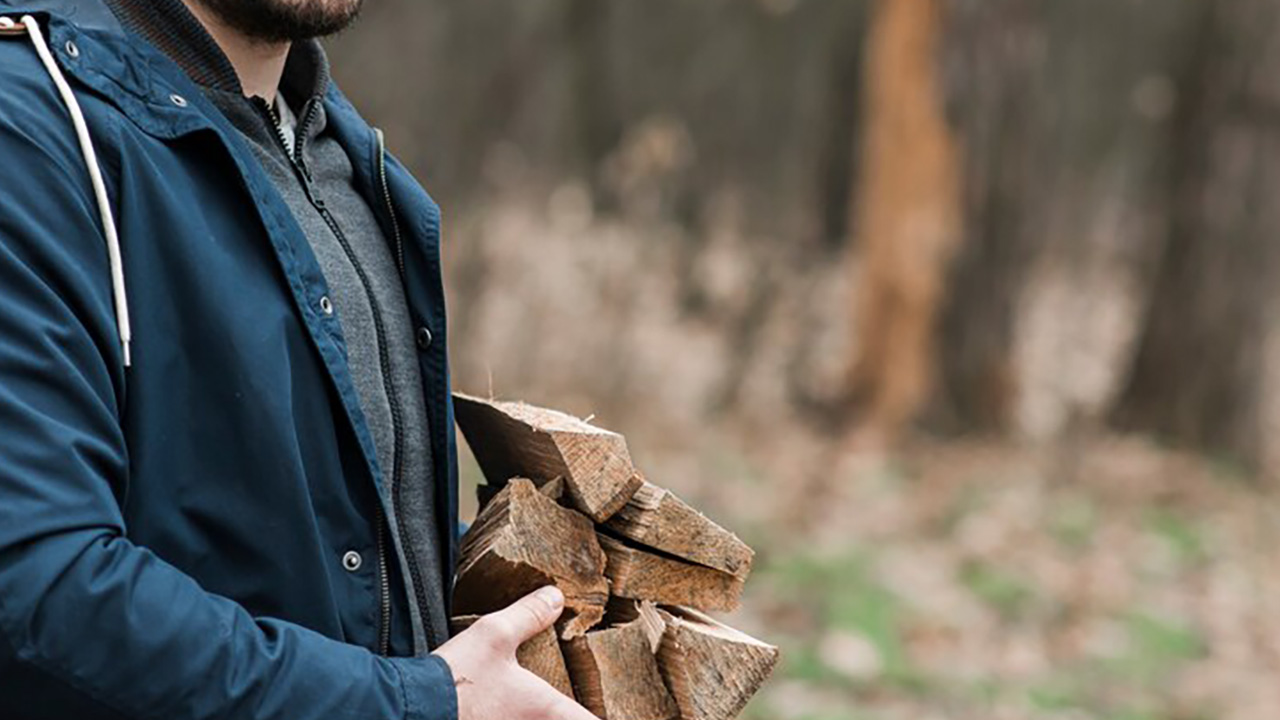
There’s always a man who can’t just say “we need dry wood” without turning it into a whole speech about fuel selection, ignition stages, thermal efficiency, or some other phrase he picked up from a guy with a beard and a ring light. He makes normal camp talk sound like he’s submitting paperwork for a grant. It’s not that the words are always wrong. It’s that he reaches for the polished version of everything before he even proves he can handle the simple version.
Most experienced outdoorsmen get more plainspoken over time, not less. They know enough to stop trying to sound impressive. Dry wood is dry wood. A good setup is a good setup. Cold, wet, tired, muddy, and useful are all still perfectly good words. The man who talks like a comment section with hiking boots usually hasn’t been outside long enough to have his vocabulary simplified by real conditions.
He Overpacks for Every Scenario
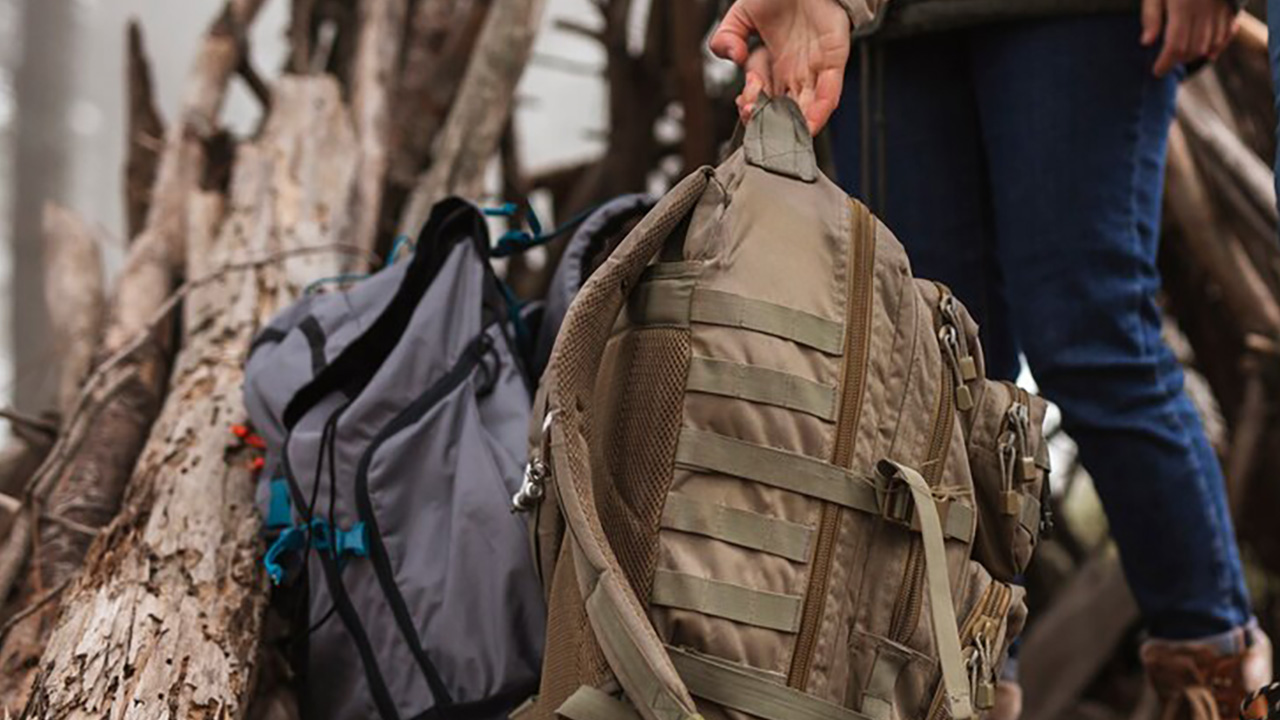
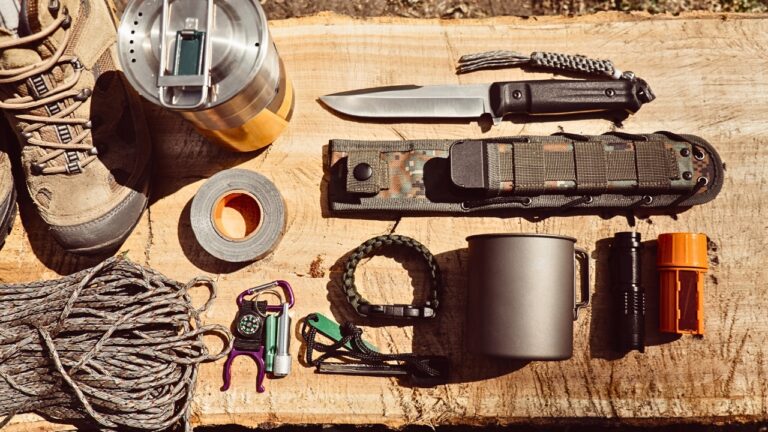
One of the clearest signs is a man who packs like he’s starring in a survival special when the trip is really just a weekend outdoors with a truck thirty yards away. He’s got gadgets for problems that are unlikely, backups for his backups, enough specialized items to stock a display case, and almost no sense of what the trip actually calls for. The bag is heavy, cluttered, and built around content categories instead of lived experience.
That happens when a guy absorbs too many videos about “must-have gear” and not enough real lessons about what actually earns its spot. Time outdoors usually strips a setup down. You get tired of carrying junk you don’t use. You get tired of digging through extras to find basics. The video-fed guy goes the opposite direction. He packs like every buzzword might come true at once, which usually just means he spends the day hauling a bunch of expensive uncertainty.
He Makes Fire Harder Than It Has To Be

This one shows up a lot. A guy sees enough fire-building content and suddenly he can’t just start a simple campfire like a normal person. Now he’s trying methods, techniques, feathering sticks like he’s being graded, discussing airflow like he invented it, and acting like the fire only counts if it looks impressive on camera. Meanwhile, somebody else with a lighter, dry kindling, and common sense has already done the job.
Real outdoor experience usually teaches a man to value reliable over dramatic. You stop caring whether the fire-start was clever and start caring whether the fire is hot, steady, and ready before supper needs it. The overcomplicated fire guy often knows the language of fire-starting better than the rhythm of it. That’s how you know the lesson came from content more than practice. He’s trying to make a moment out of a chore that should already be finished.
He Thinks Every Problem Needs a “Hack”
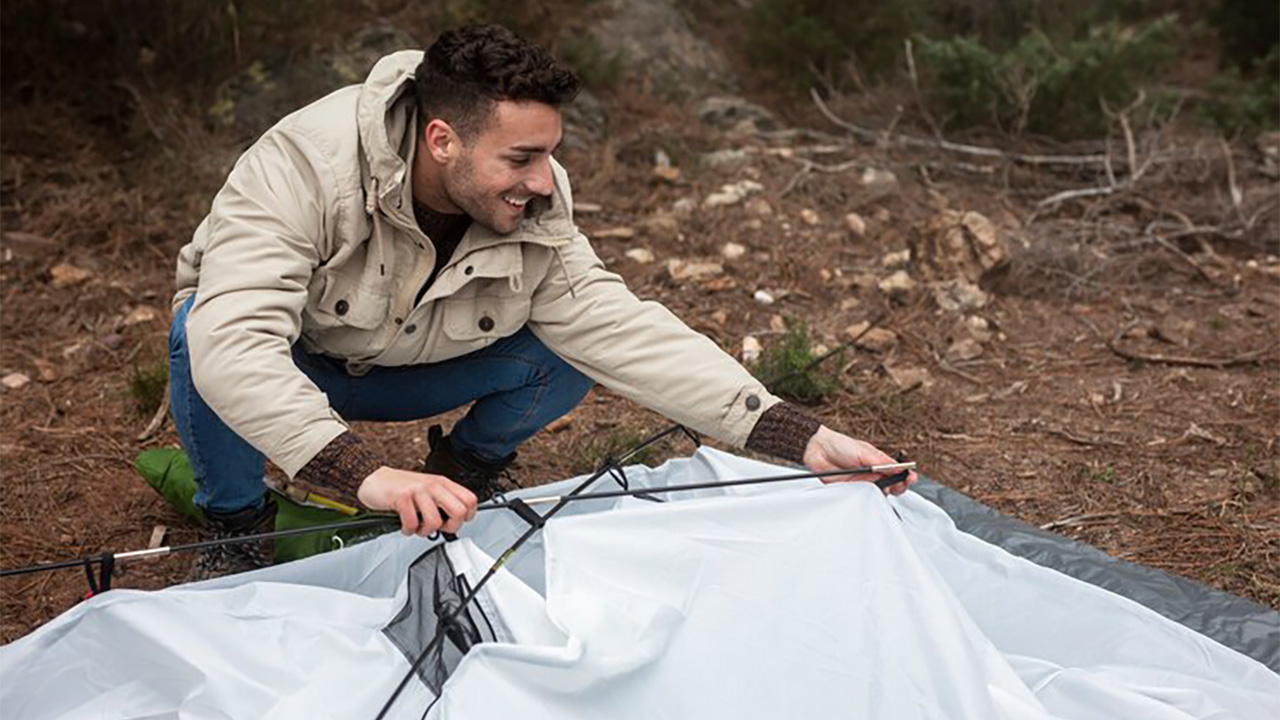
A man who’s watched too much outdoor content often believes every ordinary problem must have some clever workaround attached to it. He doesn’t want the plain answer. He wants the trick, the shortcut, the “game-changing” move that turns basic camp life into something worth explaining. So instead of doing the obvious thing, he starts experimenting with weird methods he saw online and acting surprised when they don’t hold up under real use.
Most outdoor problems don’t need a hack. They need a steady hand, the right tool, a little planning, and maybe ten more minutes than you hoped. Experience teaches that quick. It also teaches that hacks tend to sound better indoors than they perform outdoors. The man who goes looking for a clever answer before he tries the normal one is usually carrying more internet than dirt under his nails.
He Buys Gear for an Identity
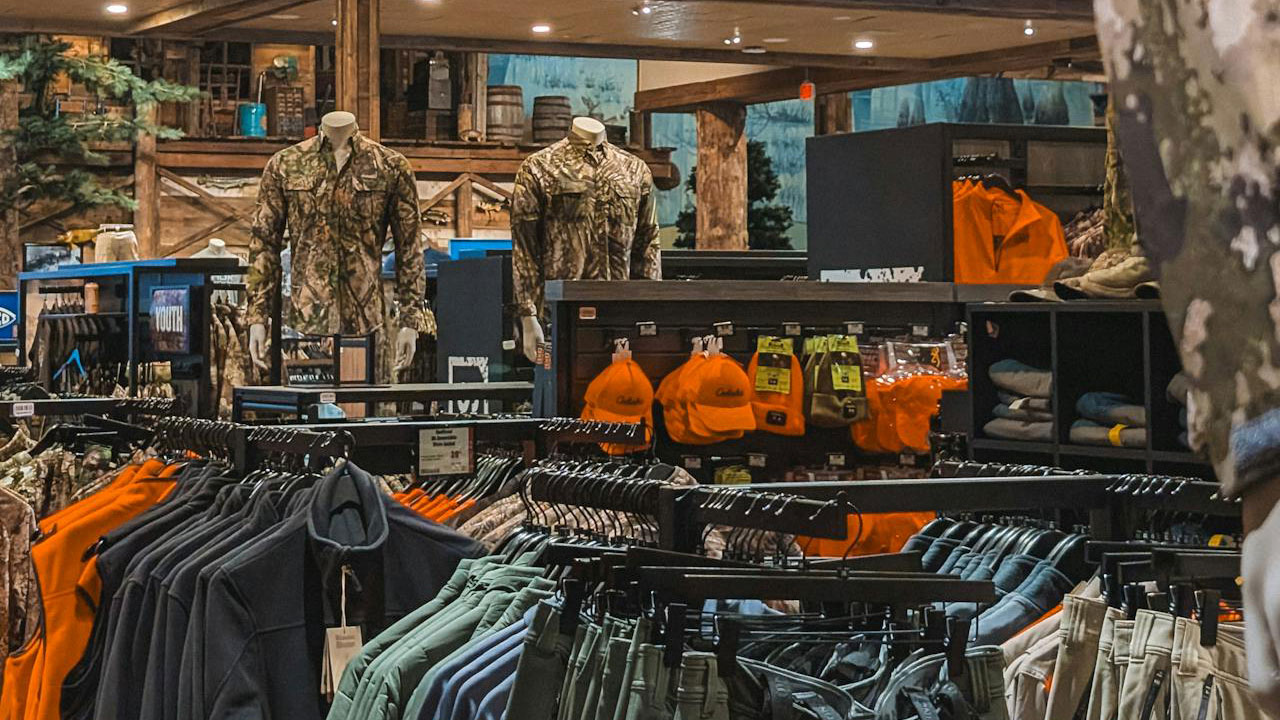
You can learn a lot from the kind of gear a guy owns and the reason he owns it. The video-heavy guy often buys things because they say something about the kind of outdoorsman he wants to be. The item looks serious, sounds advanced, or belongs to the right category of person in his head. So now he’s got all the symbols of experience without much evidence that he’s put them through anything harder than unboxing.
A man who’s spent real time outside usually buys gear to solve a repeated problem. His choices get narrower and more practical over time. He wants equipment that holds up, stays simple, and fits how he actually moves. The identity shopper does the opposite. He builds a collection around the story he likes instead of the work he does. That’s why his setup can look impressive and still leave him weirdly helpless once the day gets ordinary and uncomfortable.
He Keeps Rearranging Things That Were Working Fine
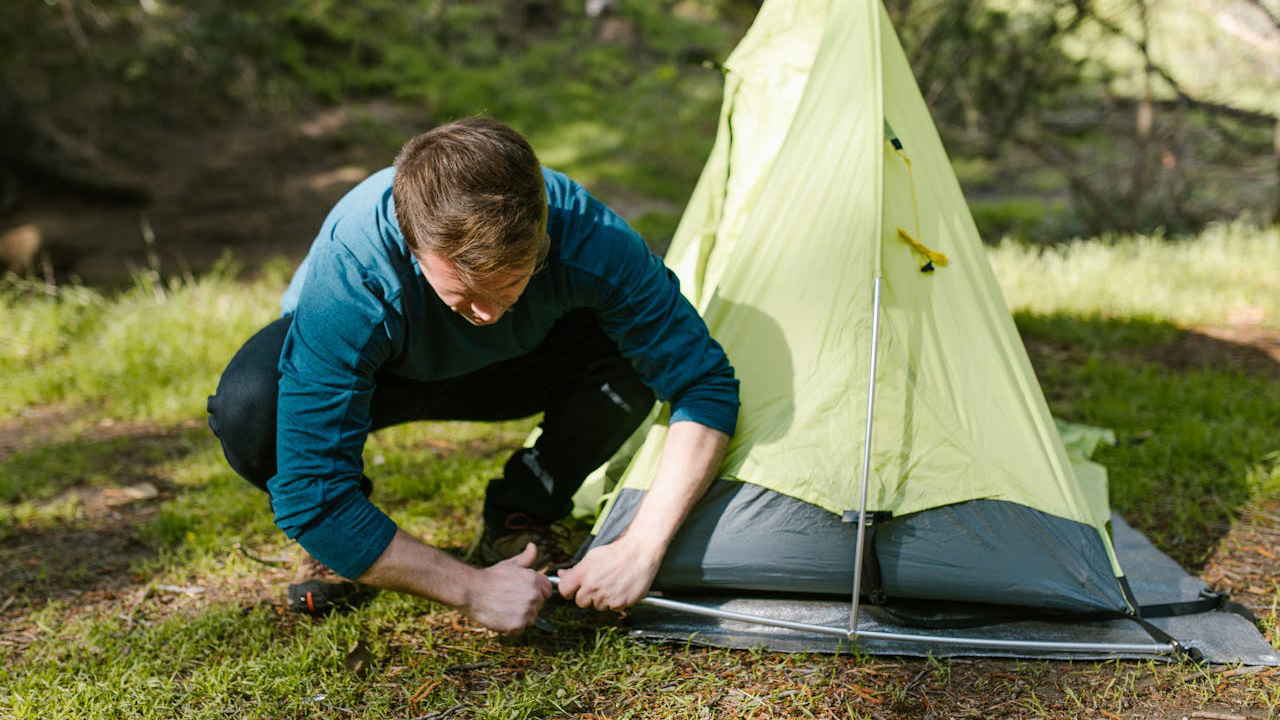
Another sign is a man who can’t leave anything alone because he’s always trying to apply the “better system” he saw somebody use online. The camp is functioning. The cooler setup makes sense. The tools are where people expect them. The fire is burning clean. But now he wants to optimize everything with a method he watched last week from a guy who camps in an entirely different climate with entirely different needs.
Experience has a way of calming that instinct down. Once you’ve spent enough time outdoors, you start respecting systems that are already working. You don’t reinvent things just because another method looked sharp on your phone. The constant rearranger usually hasn’t logged enough real hours to understand that practical beats trendy almost every time. He’s still chasing the idea of improvement instead of recognizing when “good enough and dependable” is already the right answer.
He Dresses for the Aesthetic, Not the Day
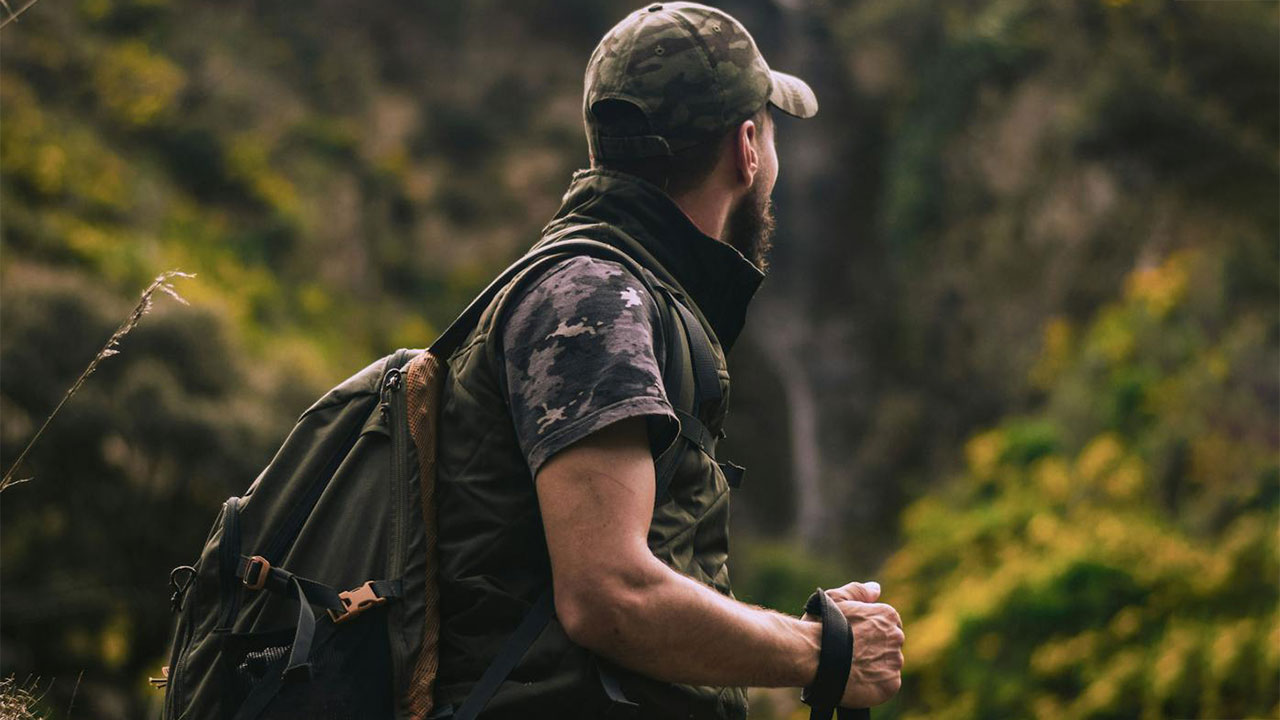
You can usually spot this one at the truck. He steps out looking exactly like the kind of man outdoor media taught him to become, but not necessarily like someone dressed for the actual conditions. Wrong layers, wrong fabric, boots chosen more for image than terrain, and not much thought given to the fact that weather changes and comfort matters after the first twenty minutes.
People who’ve spent real days outside get a lot less romantic about clothing. They want stuff that works wet, works cold, works hot, dries reasonably fast, and doesn’t make them miserable by afternoon. The video-fed guy often looks more “dialed in” at first glance, but he’s the one sweating too much, freezing too early, or running out of patience because the outfit matched the content in his head more than the conditions under his boots.
He Thinks Good Camps Are Built in One Perfect Motion

A lot of outdoor content gets edited to make setups look clean, fast, and almost seamless. So the guy who’s absorbed too much of it starts thinking camp should come together in one smooth little process if people know what they’re doing. Then real life shows up. The ground’s uneven, somebody forgot a thing, wood is wetter than expected, bags are in the wrong truck corner, and daylight moves faster than the plan did.
Men with real camp experience know a good setup usually comes together in stages. You get the important parts handled first, then tighten up the rest as you go. It rarely looks elegant in the middle. The man who thinks every camp should unfold like a tidy video is usually the same one getting frustrated that nobody’s matching the script in his head. That tells you he’s watched a lot of outdoors. He just hasn’t lived enough of it.
He Wants to Be the Gear Expert Before He’s Useful
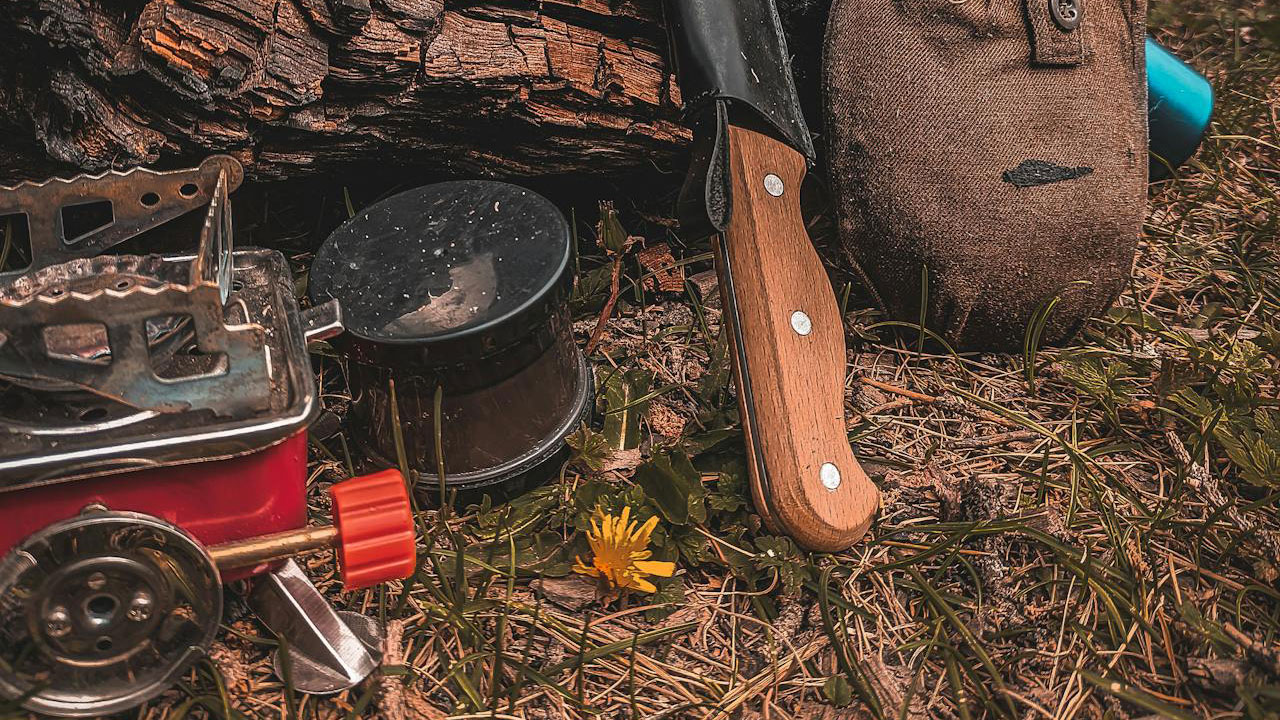
There’s a difference between being interested in gear and building your whole role around talking about it. The video guy often volunteers expertise before he’s proven he can carry his weight in basic camp life. He’s ready to compare systems, brands, materials, methods, and pack philosophy long before he’s shown he can stay organized, work steadily, and help solve simple problems without a speech attached.
Useful men tend to earn authority backwards. First they carry, fix, notice, help, and stay solid. Then, over time, people start asking what they like and why. The man who leads with gear opinions instead of useful habits usually got his confidence from repeated exposure, not repeated effort. He may know a lot of talking points, but outdoors doesn’t really care about those until the work part holds together.
He Looks for Big Lessons in Every Small Thing

Some men come back from a damp morning or a half-decent fire like they’ve just completed a mountain documentary. Everything becomes a lesson, a mindset, a philosophy, a “reminder that nature doesn’t care.” He wants every small inconvenience to carry some dramatic meaning because that’s how a lot of outdoor content is framed. But most of the time outdoors is a lot less poetic than that. Most of the time it’s just practical.
Experience tends to knock that edge off a man. He stops turning every wet sock into a life principle and just changes his socks. He stops treating every weather shift like a revelation and starts treating it like weather. The guy who is constantly pulling grand meaning out of basic camp realities usually hasn’t done them enough for them to feel normal yet. He’s still consuming the outdoors as a story instead of participating in it as a routine.
He’s Weirdly Confident in Conditions He Barely Understands

This is where too much video learning can get a little dangerous. A man watches enough people move through rough weather, tough terrain, or remote setups and starts feeling like those conditions are familiar to him. They aren’t. They’re familiar in the way a rodeo is familiar from the bleachers. Once he’s actually in wind, mud, darkness, cold, or a real navigation problem, that secondhand confidence starts shaking fast.
Men with real miles behind them are usually more measured, not more reckless. They’ve had enough little things go sideways to know where confidence needs to be backed by caution. The overconfident content consumer often hasn’t paid enough real dues yet to respect the difference. He’s seen a lot of conditions. He just hasn’t been responsible inside enough of them.
He Gets Disappointed When the Day Feels Boring

This one is easy to miss, but it says a lot. The outdoorsman raised on clips and videos often expects more “moments” than real days usually deliver. He’s waiting for the dramatic weather, the perfect catch, the great story, the big reveal, the satisfying payoff. When the day turns out to be mostly walking, waiting, adjusting, carrying, and doing ordinary things in an ordinary rhythm, he starts looking a little let down.
That’s a strong sign he likes the idea of the outdoors more than the full texture of it. Real outdoor life has a lot of repetition. It has chores, downtime, false starts, dry stretches, cleanup, discomfort, and hours that would look terrible on camera and feel just fine in real life. Men who’ve truly settled into it know that’s the whole thing. The man who needs constant payoff is often still chasing the edited version.
He Can’t Adapt Once the Plan Gets Ugly
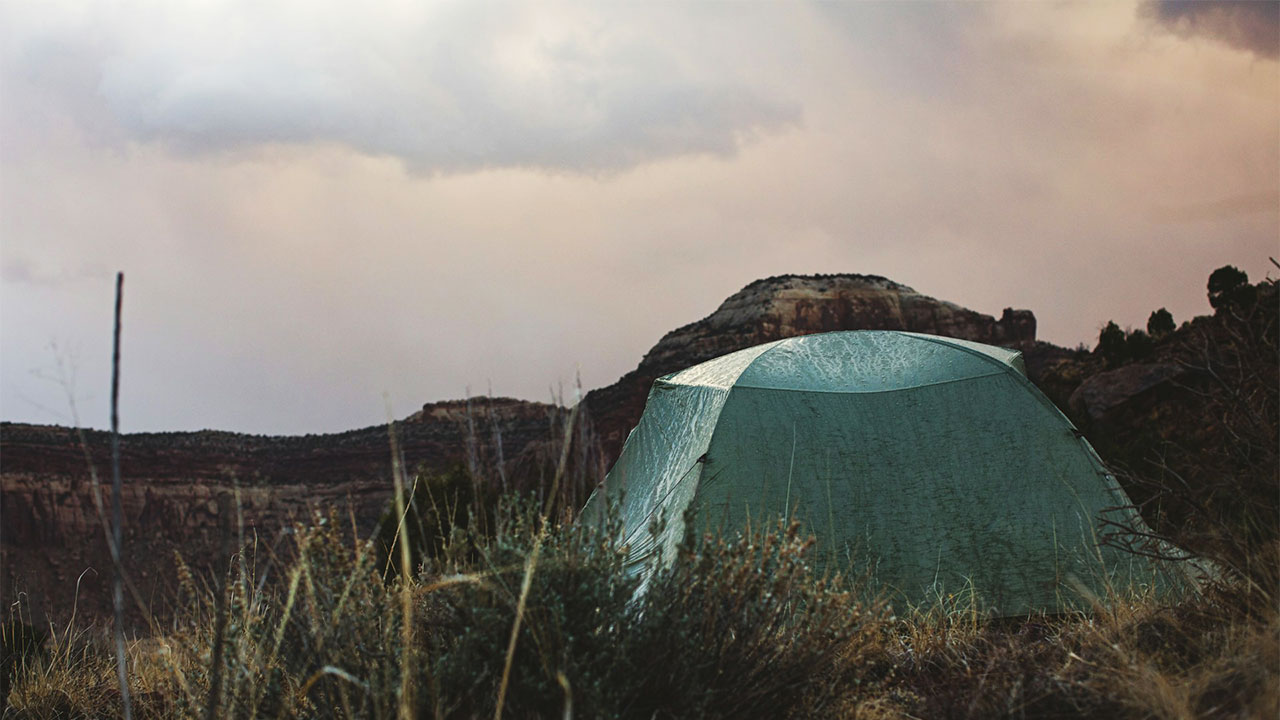
Videos make things look linear. Step one leads to step two, weather behaves, gear cooperates, and the situation stays clean enough to explain. Real outdoor days rarely do that for long. A strap breaks, the wind shifts, one needed item got left home, the ground’s worse than expected, the firewood’s half-wet, or somebody’s energy falls off earlier than planned. That’s where practice starts mattering more than information.
A guy who has mostly learned outdoors through content often freezes up a little when the plan goes crooked. Not because he knows nothing, but because the version in his head was always cleaner than the version under his boots. Men with real time outside tend to adapt faster because they’ve already been annoyed in enough different ways to stop taking it personally. The stiff, disappointed reaction to ordinary setbacks is a real giveaway that the lesson was watched more than lived.
He Wants the Look of Competence More Than the Work of It

At the end of the day, this is really what it comes down to. A man who’s consumed too much outdoor media and not enough outdoor reality usually cares a little too much about how competence appears. He wants the gear, the language, the methods, the look, the posture, the right kind of opinions. But the work of competence is quieter than that. It’s getting useful without making a speech, staying steady when things get annoying, and solving boring little problems over and over until people trust you.
That kind of trust is earned in weather, in repetition, in cleanup, in fatigue, in unglamorous stretches where nobody is filming and nothing impressive is happening. The men who have it rarely need to advertise it. The men who don’t often try to wear it a little too early. That’s why too many videos and not enough real time outside always eventually show themselves. The outdoors has a way of stripping a man back down to what he can actually do.
Like The Avid Outdoorsman’s content? Subscribe to our newsletter so you never miss an article.
Here’s more from us: