Photo credit: Iron Sights/YouTube
Popularity can fool a lot of buyers. A gun starts showing up everywhere, gets praised by enough people, and before long folks begin treating it like its success automatically proves it is one of the best things money can buy. Sometimes that is partly true. A lot of times, though, it just means the gun was marketed well, hit the right price point, or became the default answer for people who did not spend much time comparing it to anything else. Popular guns can absolutely be good, but popularity and quality are not the same thing.
That is where people get themselves into trouble. They buy what everybody else is buying, repeat the same talking points, and only later realize the trigger is rough, the ergonomics are awkward, the value is questionable, or the gun is living off momentum more than real excellence. These are the guns people keep buying because they mistake market popularity for actual quality.
Taurus Judge

The Taurus Judge keeps selling because the idea sounds bigger and smarter than the actual gun usually feels. A revolver that can fire both .45 Colt and .410 shells grabs attention fast, especially with buyers who like the thought of a do-it-all defensive handgun. That popularity has kept it moving for years, even though real-world use tends to expose the usual tradeoffs pretty quickly. It is bulky, limited in capacity, and not especially graceful in any role it claims to cover.
What keeps people buying it is the concept, not the execution. The Judge sounds powerful, versatile, and different, which is enough to make plenty of buyers stop asking harder questions. But once you get past the novelty, you are often left with a handgun that is harder to carry, slower to reload, and less practical than more conventional options. It stays popular because it is easy to talk about, not because it is especially polished.
Springfield XD

The Springfield XD became popular during a time when people wanted more striker-fired options, and it benefited from arriving at exactly the right moment. That kind of early momentum can carry a gun a long way. A lot of buyers ended up treating it like a top-tier choice simply because it became a common alternative to Glock. But common and excellent are not identical. Once you spend enough time shooting one, the trigger, bore height, and overall feel can start seeming a lot less impressive.
The XD is one of those pistols people keep buying because it has enough name recognition to feel safe. It is familiar, it is available, and it has been around long enough to seem proven. But that same familiarity often stops buyers from noticing that other pistols now offer cleaner triggers, better ergonomics, and a more refined shooting experience. The XD is not horrible. It just benefits from popularity more than it benefits from actually standing out.
Ruger Mini-14

The Mini-14 remains a very popular rifle because people like the look, like the Ruger name, and like the idea of owning something that feels a little different from the endless sea of AR-pattern rifles. That popularity has helped the Mini survive a lot of honest criticism. It is often bought as though it automatically represents rugged quality, when in reality the rifle usually asks buyers to accept more compromises than they expected for the money.
That is where popularity starts masking value. The Mini-14 has charm, but charm is not the same thing as delivering the best accuracy, support, or overall utility for the price. A lot of buyers choose it because it is recognizable and because it feels like a classic answer. Then they get it on the range and realize they paid a premium mostly for familiarity and styling. The rifle’s reputation keeps helping it sell harder than its performance really justifies.
Mossberg Shockwave

The Mossberg Shockwave became wildly popular because it looked like a loophole-powered answer to every close-range defensive fantasy people could think up. It was compact, aggressive-looking, and easy to market as something clever and powerful. That buzz made a lot of buyers assume they were getting a quality defensive tool simply because it was everywhere. But actual use has a way of exposing how specialized and awkward it really is once the excitement wears off.
A lot of people confuse how much attention the Shockwave gets with how useful it is for ordinary shooters. It is harder to control than a stocked shotgun, slower to shoot well under stress, and far less forgiving than the sales pitch suggests. It stays popular because it looks tough and different, not because it is the smartest shotgun choice for most people. Buyers often mistake the hype around it for proof that it is automatically well suited to real use.
Walther P22

The Walther P22 keeps attracting buyers because it looks good, feels approachable, and has been around long enough to become a very familiar rimfire option. That kind of popularity can be powerful, especially with newer shooters who assume the gun must be good because so many people have heard of it. But fame has carried the P22 much farther than consistent quality ever did. Once range time enters the equation, the usual complaints tend to show up fast.
What buyers often miss is that the P22 became well known partly because of timing and appearance, not because it became the standard for dependable rimfire performance. There are plenty of .22 pistols that feel sturdier and run more confidently, but they do not always benefit from the same level of shelf recognition. The P22 keeps selling because people know the name and like the shape. That is popularity doing the work more than real long-term excellence.
Taurus G2C

The Taurus G2C has sold in huge numbers because it hits a price point that makes buyers feel like they found a smart shortcut. It is small, affordable, and recognizable enough that many people assume its popularity confirms the quality. That is a common trap with budget pistols. A gun can become widely owned simply because it is cheap and functional enough, not because it is truly strong in terms of refinement, durability, or shootability over time.
The G2C is exactly the sort of pistol that benefits when buyers treat “lots of people bought one” as proof of real merit. For some owners, it may do the job well enough. But that does not change the fact that it often feels like a price-driven compromise more than a genuinely well-sorted defensive handgun. Its popularity comes from accessibility first. Buyers who confuse that with true quality often realize later that there is a reason better pistols cost more.
Smith & Wesson SD9 VE

The SD9 VE got popular because it wore a respected brand name and landed at a price many buyers found hard to resist. That combination gave people confidence before they ever fired a shot. If Smith & Wesson made it and plenty of stores carried it, then it had to be a quality pistol, right? That kind of logic is exactly how popularity gets mistaken for real performance. Time behind the trigger tends to make the answer feel more complicated.
The heavy trigger alone has long been enough to make shooters rethink the reputation. The gun was popular because it looked like a smart buy, not because it truly excelled once compared side by side with better striker pistols. Buyers often gave it credit for being common and affordable rather than genuinely impressive. It sold because it seemed like the safe budget answer. That is not the same thing as being the best budget answer.
KelTec SUB-2000

The SUB-2000 became popular because it folds, takes common magazines, and sounds clever enough to make people feel like they found something especially practical. That popularity has kept it in a lot of conversations where quality should matter more. The design absolutely grabs attention, and that attention often turns into sales from buyers who assume the unique concept must reflect equally strong overall execution. Real use tends to show that the idea is doing most of the heavy lifting.
Once you actually live with the rifle, the tradeoffs become harder to ignore. The ergonomics are odd, the trigger is not exactly inspiring, and the whole shooting experience often feels more gimmicky than refined. Still, people keep buying it because it stays popular in that “smart backpack gun” lane. They are not always buying quality. They are often buying the appeal of a product that sounds innovative, even if actual handling leaves a lot on the table.
Hi-Point C9

The Hi-Point C9 is one of the clearest examples of a gun that benefits from popularity for reasons that have almost nothing to do with real quality. It became famous because it was cheap, surprisingly functional for the price, and easy to joke about or defend. That kind of notoriety can translate into a strange form of popularity where buyers start assuming the gun must be better than critics say simply because so many people know about it.
The problem is that “better than expected” is not the same as actually good in any broader sense. The C9 is still heavy, awkward, crude in feel, and full of compromises that show up the more seriously you try to use it. A lot of buyers convince themselves the gun’s cultural popularity proves hidden quality. Really, it proves that a cheap gun with a memorable reputation can sell for reasons that have little to do with refinement or long-term satisfaction.
KelTec PMR-30

The PMR-30 became popular because the concept is irresistible to a certain kind of buyer. Thirty rounds of .22 Magnum in a lightweight pistol sounds like something you almost have to try. That buzz made the gun feel more impressive than it often turns out to be in actual use. People saw the unusual capacity and futuristic look, then assumed quality was part of the package because the pistol got talked about so much.
In reality, the PMR-30 is one of those guns where the conversation often outshines the ownership experience. Ammo sensitivity, odd handling, and the general sense that the gun is more fun idea than polished tool keep surfacing once people spend enough time with it. It sells because it is memorable and different. That popularity gives buyers the impression they are getting something special, when sometimes they are really just getting something unusual.
Bersa Thunder 380

The Bersa Thunder 380 stays popular because it looks like a sensible, affordable defensive pistol from a format people already understand. That popularity has helped it develop a reputation that often feels stronger than the actual shooting experience. A lot of buyers see the familiar shape, the approachable size, and the loyal fan base, then assume they are getting a little hidden gem. In practice, the pistol often feels more adequate than impressive.
That is the trouble with guns that become popular by being “good enough” at the right price. Buyers start treating that commercial success like proof of genuine quality. The Thunder 380 can work, sure, but its sights, weight for the caliber, and overall feel are not exactly hard to improve upon. It remains widely purchased because it looks like a safe answer. Too many buyers stop there instead of asking whether it is actually one of the better answers.
Charter Arms Undercover

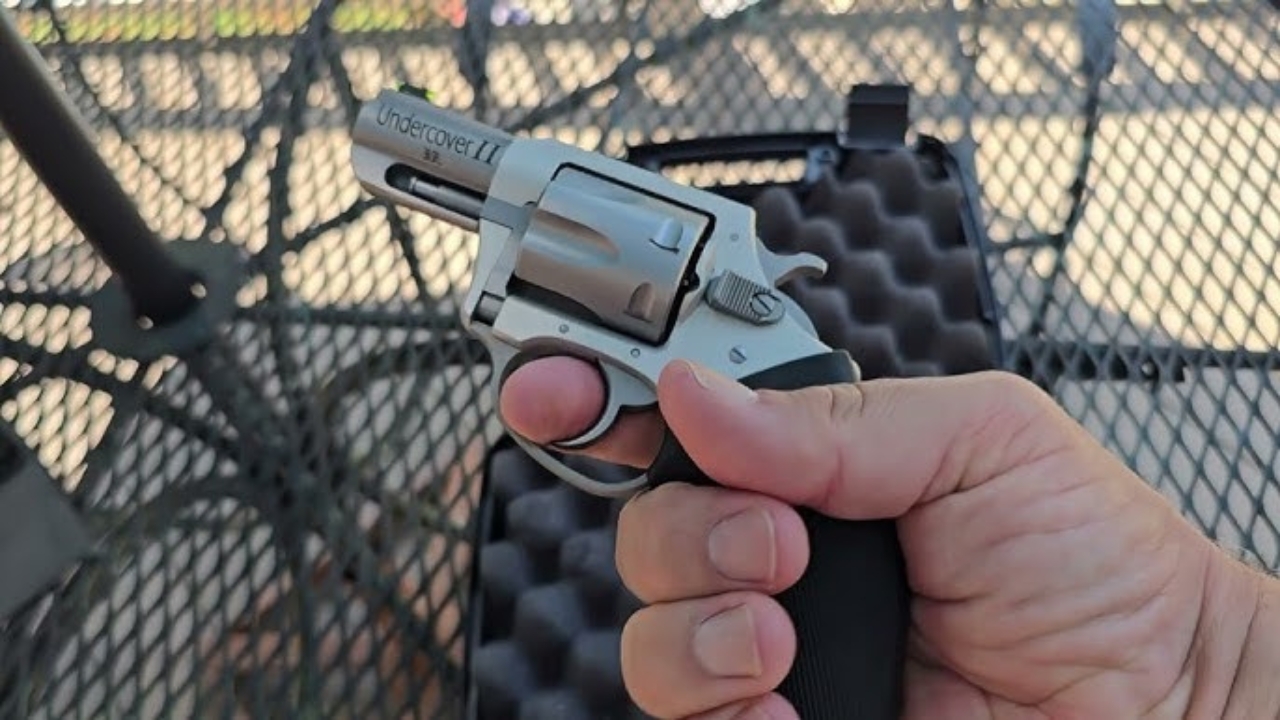
The Charter Arms Undercover keeps attracting buyers because it seems to offer a straightforward path into revolver ownership without the cost of a Smith or Ruger. That appeal has been enough to keep it popular with people who assume simplicity and familiarity equal real quality. A compact revolver from a known brand sounds dependable on paper. But once you start comparing trigger feel, finish, consistency, and overall confidence against stronger revolvers, the gap often opens up fast.
Its popularity comes from affordability and category appeal more than from truly impressive execution. Buyers want a small revolver, see that this one has been around for a long time, and treat that survival as proof that it must be good. Sometimes longevity just means there is always a market for lower-cost options. The Undercover benefits from that dynamic. It stays in the conversation because it is accessible, not because it is one of the more refined revolvers in the lane.
Remington 870 Express

The 870 name carries so much popularity that plenty of buyers stop paying attention the second they see it on the receiver. That is how the 870 Express kept selling to people who assumed they were getting the same quality associated with older Remington pump guns simply because the name was famous. In truth, a lot of later Express guns left buyers feeling that the reputation had outgrown the execution by quite a bit.
That is the danger of confusing a legendary model line with consistent modern quality. The 870 itself absolutely earned huge respect over time, but the Express version often benefited from buyers assuming the popularity of the platform meant every version was equally worth owning. Rougher finishes, rougher actions, and a more mixed ownership experience made that assumption look shakier than many fans wanted to admit. People were often buying the reputation first and the actual gun second.
Century-built AK variants

Century-built AK-pattern rifles remain popular because the AK platform itself is wildly recognizable and wrapped in a reputation for toughness. That platform popularity can make buyers lower their standards without even realizing it. They see “AK,” think reliability and battlefield durability, and assume the rifle in front of them must carry that same quality. But once assembly quality and model-specific issues come into play, the story gets more complicated than the broad platform legend suggests.
A lot of these rifles sell because buyers confuse the popularity of the AK concept with the quality of the actual product they are holding. That is a costly mistake. A rifle can look the part and still feel rough, inconsistent, or poorly put together. The popularity of the platform often protects weaker examples from the skepticism they deserve. Buyers walk in chasing AK credibility and walk out with a rifle that benefited far more from the platform’s fame than its own craftsmanship.
Kimber 1911 entry-level models
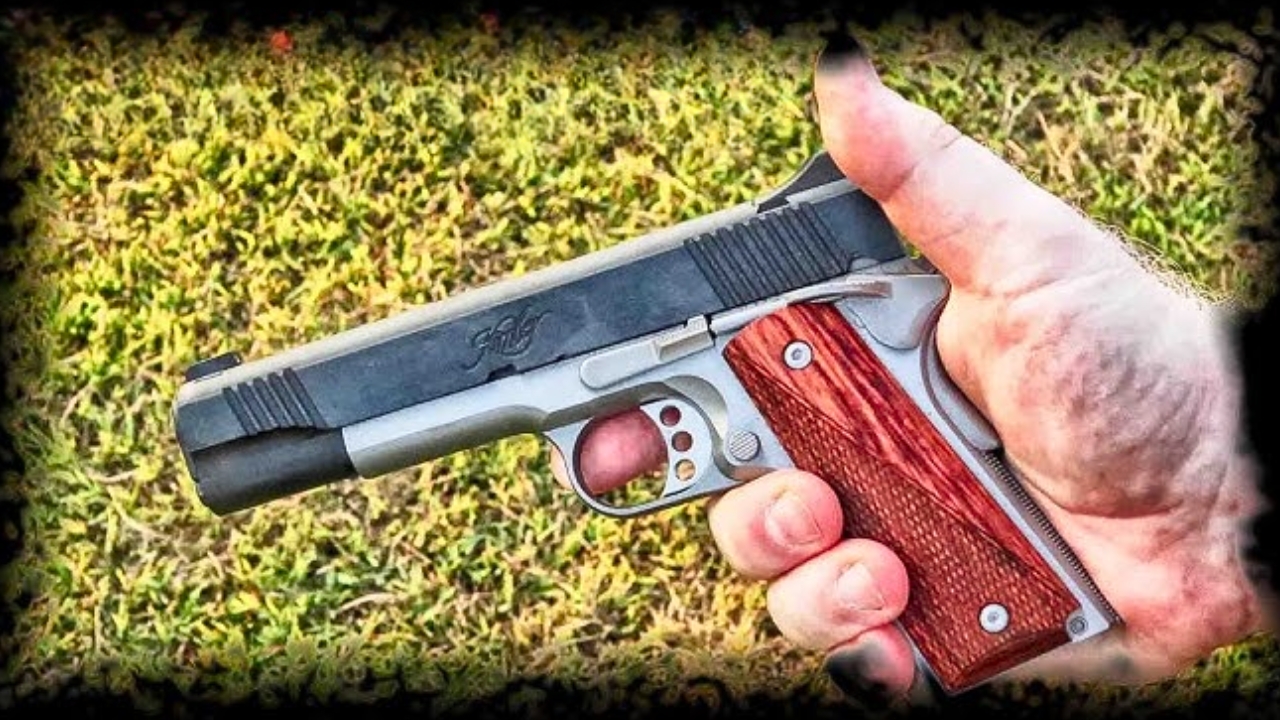
Kimber 1911s became hugely popular because the brand looked upscale, the guns looked sharp in the case, and people wanted a 1911 that felt a little more premium without stepping into full custom territory. That popularity made a lot of buyers assume quality was guaranteed. A handsome pistol with a strong brand presence can create that impression very easily. But actual use has often shown that attractive presentation and real consistency are not always the same thing.
This is where popularity becomes misleading. People buy a Kimber because they have heard the name, seen the finish, and watched enough others do the same that it feels like a proven quality pick. Then range time starts sorting out which guns truly justify that reputation and which ones mostly rode the brand’s momentum. The popularity is real. That does not automatically mean every widely purchased example reflects the level of quality buyers thought they were paying for.
Glock 43
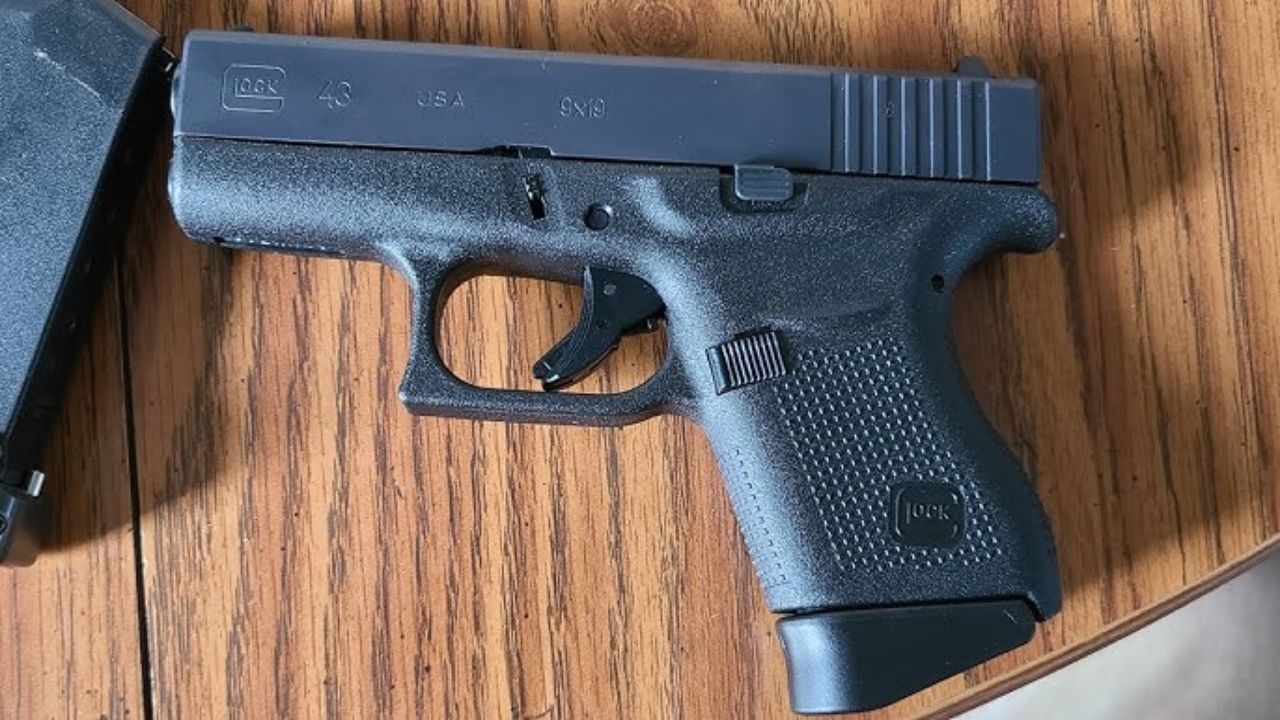
The Glock 43 became popular because it landed at the right time and wore the right badge. People wanted a slim carry pistol, trusted the Glock name, and treated the gun’s instant popularity like proof that it had to be one of the best small carry choices available. That assumption carried a lot of sales. But real use showed that being a successful release and being the most impressive option are two different things.
The Glock 43 is reliable enough, sure, but its capacity, shooting feel, and overall value started looking less remarkable once competing micro-compacts pushed the category forward. It stayed popular because it was a Glock, not because it kept dominating the field once the market matured. Buyers often confused the pistol’s instant popularity with clear superiority. In reality, it benefited heavily from brand trust and timing, which is not quite the same thing as true category-leading quality.
Like The Avid Outdoorsman’s content? Subscribe to our newsletter so you never miss an article.
Here’s more from us: