Photo credit: Šautuvas/YouTube
Some handguns run for decades without needing more than a little lubrication and a fresh recoil spring once in a while. Others chew through springs so fast you start keeping spares in your range bag like they’re AA batteries. When a pistol is hard on springs, you end up chasing reliability issues that show up at the worst times—failures to go into battery, sluggish slides, and random feeding problems that feel like they appear out of thin air.
Most of the time, these problems come from design quirks, aggressive slide velocity, or guns tuned for ammo they don’t normally see. When you put steady rounds through them, they wear out springs long before they should. If you’ve owned one of these pistols, you already know how often you’re swapping parts just to keep it running.
Colt Mustang

The Colt Mustang is a classic little pistol with solid ergonomics, but its small-scale 1911-style design runs springs hard. The recoil system is tiny, and when you combine that with a lightweight slide and snappy blowback feel, the springs wear out far quicker than most shooters expect. If you run the gun regularly, you start to see sluggish return-to-battery issues earlier than you should.
A lot of owners end up replacing springs as part of routine maintenance every few hundred rounds. That’s not ideal if you’re depending on it or carrying it daily. While it’s a fun pocket pistol and surprisingly accurate for its size, it’s simply not built for a high-volume life without spring replacements becoming part of the rhythm.
SIG Sauer P238 (early production)

Early SIG P238 pistols shared some of the same weaknesses as the Mustang they were based on. The recoil springs were thin, tightly wound, and prone to weakening faster than expected. On top of that, slide velocity varied more than it should depending on ammo. Put those two together and you ended up with springs that tired out long before most shooters thought to replace them.
As the springs weakened, the pistol became more sensitive to firing grip, lubrication, and even slight magazine wear. SIG eventually improved the design, but early owners still remember how often they were shopping for replacement springs just to keep things running smoothly. It’s a refined pocket gun—just one that originally demanded more upkeep than most.
KelTec PF9

The KelTec PF9 is lightweight, snappy, and surprisingly capable for its size, but that featherweight frame comes at a price. Every bit of recoil force routes through a compact slide and a small, heavily stressed recoil spring assembly. When you run standard-pressure ammo at volume, the springs fatigue quickly and start showing it through failures to return to battery.
The PF9’s design amplifies slide velocity, and if you’re shooting more than a box or two at a time, you’ll notice the gun getting increasingly picky. Many long-time PF9 owners keep multiple spring assemblies on hand because they know replacements aren’t optional—they’re part of routine ownership. It’s a carry-friendly pistol, but not a range workhorse.
Kimber Micro 9 (early runs)

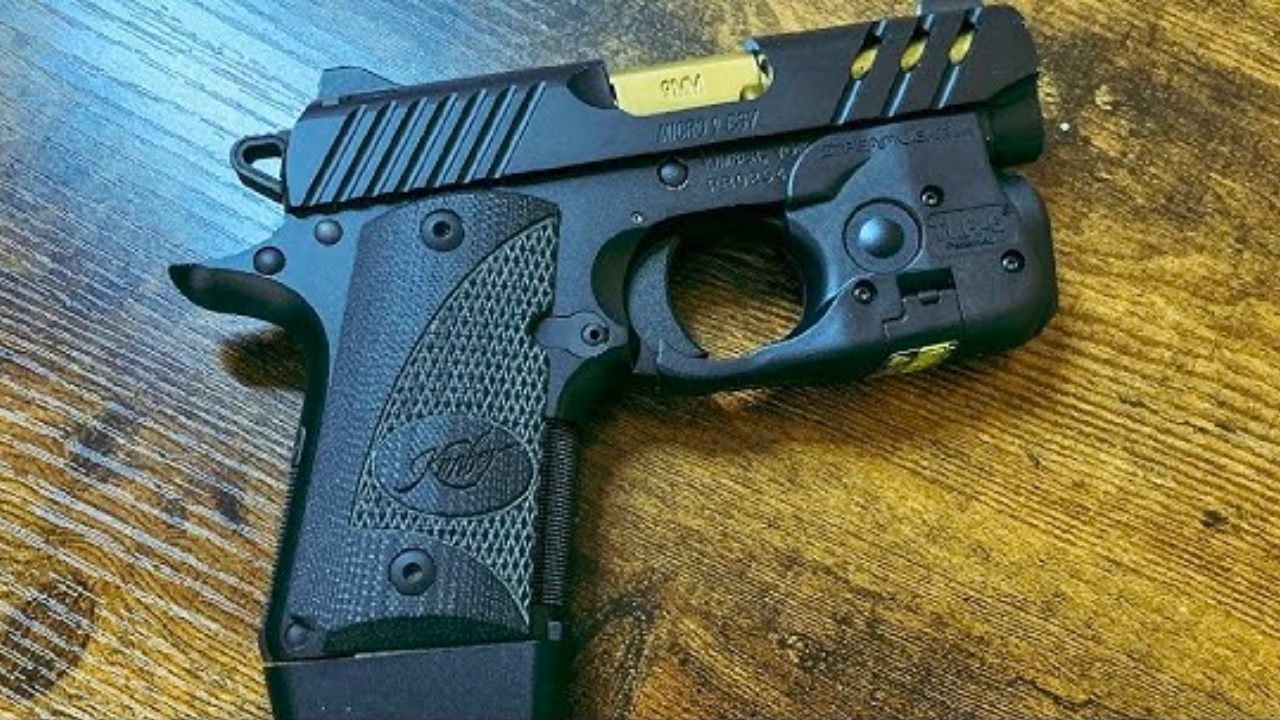
The Kimber Micro 9 is comfortable to carry and easy to conceal, but early models ran hot when it came to spring life. The recoil spring assembly was compact and under significant tension, and aggressive slide speed meant springs weakened rapidly. Once they started to go, the gun became noticeably harsher and increasingly prone to nose-dives and sluggish feed cycles.
Shooters who trained regularly with their Micro 9 often found themselves replacing springs far more often than with other compact 9mms. Kimber made improvements over time, but those early models earned a reputation for needing fresh recoil springs if you wanted any real reliability. As a carry gun it works fine, but as a high-volume shooter it asks for more upkeep.
Kahr PM9

The Kahr PM9 delivers soft recoil for its size, but its tight-fitting, offset-feed-ramp design puts more strain on its recoil springs than many expect. Because the slide is lightweight and the spring assembly is compact, the springs tend to wear out quickly if you shoot the gun regularly. Once that weakening starts, you see failures to go into battery and erratic ejection.
Many PM9 owners who practice weekly learn quickly that replacing the recoil spring every few hundred rounds becomes part of the maintenance schedule. For a pistol designed around deep concealment and minimal weight, the spring system simply shoulders more work than usual. It’s reliable—if you stay ahead of the maintenance curve.
KelTec P3AT

The P3AT’s rugged simplicity is part of its charm, but its extremely light slide and basic recoil system don’t do the springs any favors. Because the gun is so small and the recoil impulse is sharp, the springs fatigue rapidly under steady shooting. Long sessions at the range often leave the slide returning sluggishly, signaling that it’s time for another spring set.
Owners who treat the P3AT as a true carry piece rarely notice issues, but anyone who practices heavily runs into spring life problems early. Many keep spare springs on hand simply because they know the pistol goes through them routinely. The gun fills its niche well, but its spring longevity lags behind most other pocket pistols.
SCCY CPX-1

The SCCY CPX-1 offers a lot of value for the price, but its dual recoil spring assembly wears out quicker than many shooters expect. The slide velocity can be inconsistent depending on ammo, which places uneven stress on the springs. After a few hundred rounds, the pistol may start feeling sluggish, and failures to feed become more common.
This design also has a reputation for spring bind when the assembly begins to weaken. Once that starts, reliability takes a noticeable hit. SCCY improved things with later generations, but early CPX-1 owners often kept spare recoil springs in their cleaning kits because they knew replacements weren’t far off.
Taurus PT738 TCP

The Taurus PT738 TCP is a better gun than many give it credit for, but it still runs through recoil springs faster than ideal. Its small frame and snappy recoil cycle put the entire workload onto a compact spring system that fatigues quickly. As the spring weakens, feeding issues and slow slide movement become more obvious.
For occasional carry use, the pistol behaves fine, but consistent range time exposes its spring limitations. Many TCP owners learned to replace springs proactively, not reactively, because reliability dropped quickly once fatigue set in. It’s a lightweight, handy little .380 that simply demands closer tracking of spring condition.
Bersa Thunder .380

The Bersa Thunder is a popular budget-friendly .380, but it’s hard on recoil springs when used heavily. Its blowback design pushes significant slide mass against the spring with every shot, and that force takes a toll over time. High-mileage Thunders often show failures to return fully to battery as springs weaken.
For most casual shooters, this never becomes a real issue. But for anyone who trains regularly, the Thunder’s recoil springs need replacement sooner than expected. It’s a solid pistol in many ways, but its old-school operating system puts more work on the spring than modern locked-breech designs.
Ruger LCP (Gen 1)
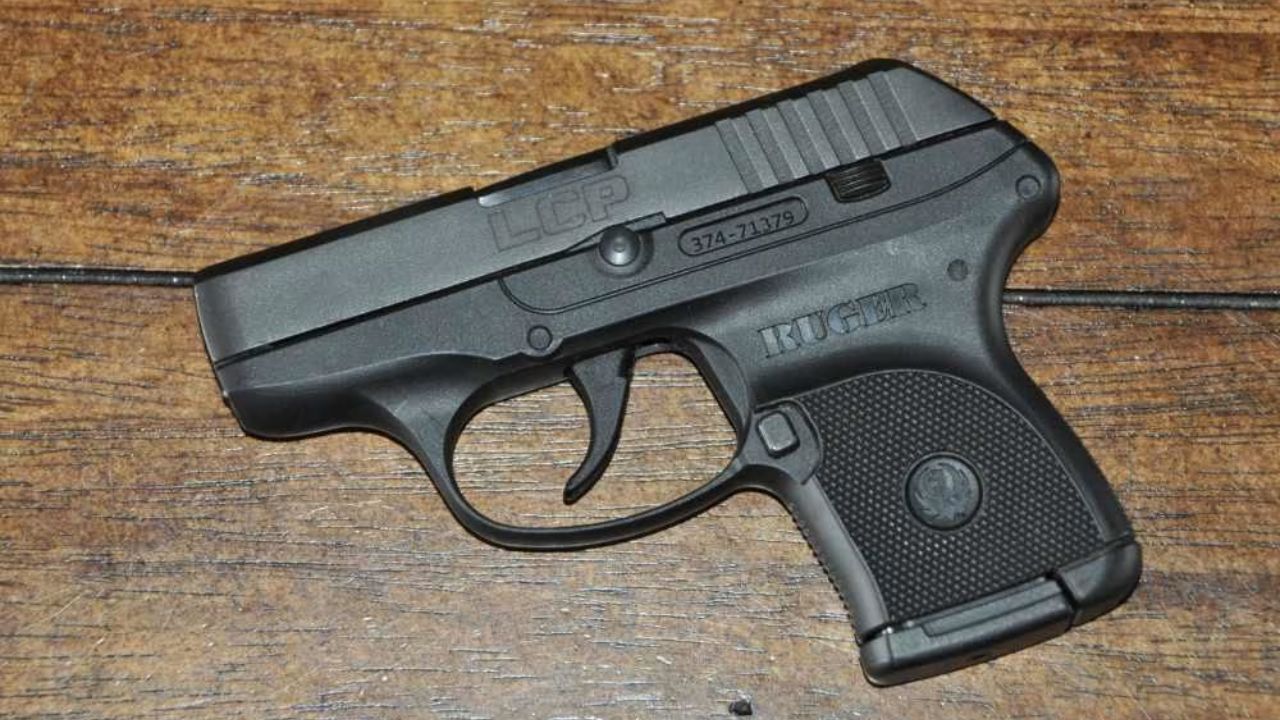
The first-generation Ruger LCP achieved legendary popularity, but it also had a reputation for running through recoil springs quickly. Its extremely light slide slaps back hard under recoil, and the twin-spring setup fatigues earlier than many shooters expect. Once the springs start to go, the gun becomes more sensitive to limp-wristing and magazine condition.
Gen 2 models improved overall reliability, but the original LCP requires more attention to spring health. Many experienced owners keep spare spring sets ready because they know the gun performs best when the springs are fresh. It’s still a dependable carry option, but only with steady upkeep.
Remington R51

The first-generation R51 struggled with numerous mechanical issues, and spring life was one of them. Its Pedersen action was complex, and inconsistent slide speed put uneven stress on the recoil system. Springs weakened faster than they should have, creating failures to feed and return-to-battery issues that frustrated many early adopters.
Even after factory revisions, the spring system never gained a reputation for longevity. If you shot the R51 regularly, you eventually found yourself swapping springs to keep it running smoothly. It’s an example of an ambitious design that never fully solved its early durability problems.
Kimber Solo

The Kimber Solo was designed around premium defensive ammo, and anything outside that window caused the slide to behave unpredictably. That unpredictability translated into heavy strain on the springs. Many owners found recoil spring life surprisingly short, especially when practicing with lighter or cheaper loads.
Once the springs began to fatigue, the Solo became increasingly finicky—failing to chamber rounds cleanly and occasionally stopping short of full lockup. Regular shooters quickly learned that spring replacement was part of routine maintenance. The Solo had potential, but its spring demands kept it from gaining traction.
Taurus PT709 Slim
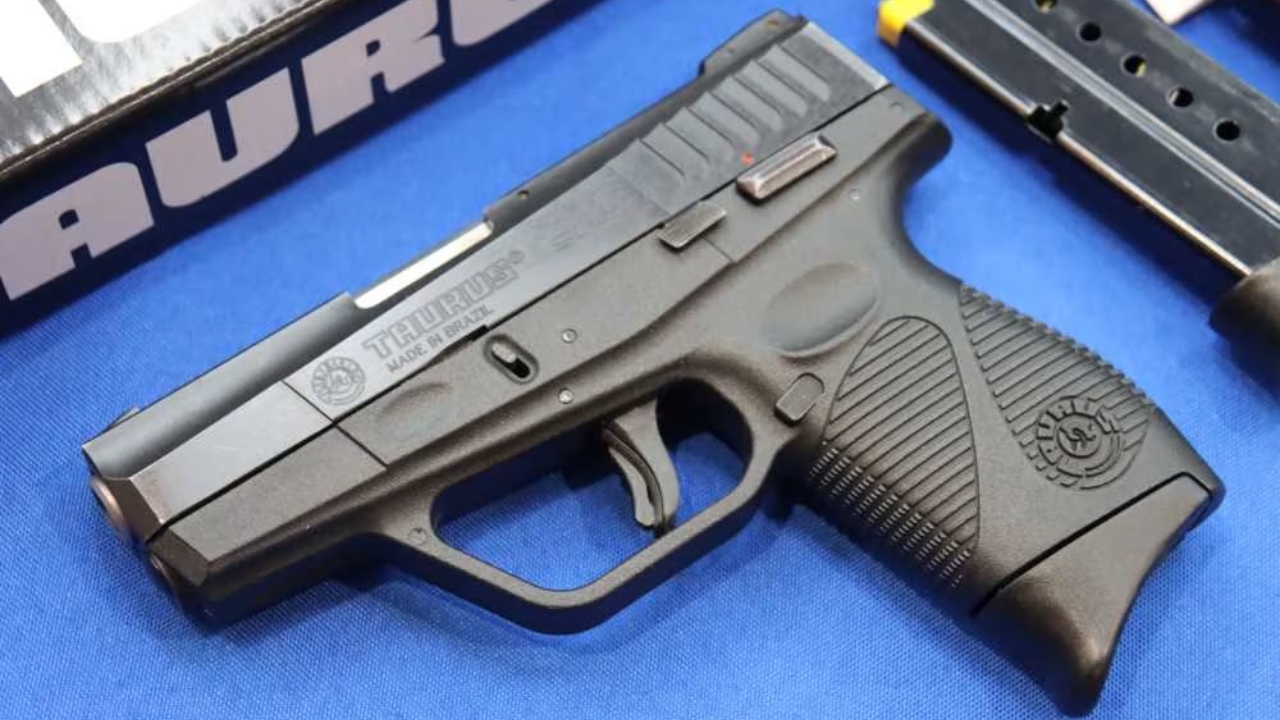
The PT709 Slim is comfortable to carry and easy to conceal, but steady range use exposes its spring weaknesses. The compact slide and straightforward recoil system experience noticeable wear when fed a mix of defensive and practice ammo. As the springs weaken, the pistol becomes more sensitive to grip and lubrication.
Many owners report needing new recoil springs more often than expected, even under moderate shooting schedules. When kept fresh, the handgun functions well enough, but it simply doesn’t offer the longevity you get from more refined designs. It’s workable—but it needs attention.
SIG Sauer Mosquito

The SIG Mosquito has long been known for needing specific ammo to run correctly, and its spring system plays a big role in that. Because the pistol uses a heavier slide than most .22s, the recoil spring absorbs a surprising amount of force relative to the rimfire pressure curve. That mismatch makes the springs fatigue quickly under regular use.
As the springs weaken, the Mosquito becomes even more finicky—struggling to cycle lighter .22 loads and producing failures to eject. Many owners keep spare springs on hand because they know the gun’s reliability falls apart as soon as the spring starts to soften. It’s a range toy that demands more upkeep than most .22 pistols.
Walther P22

Early Walther P22 pistols had recoil springs that wore out faster than most shooters expected. The lightweight slide and high slide speed put a lot of strain on the spring assembly, and once the spring started to weaken, the gun became noticeably more sensitive to ammunition choice. Cycling reliability dropped fast, especially with standard-velocity .22 LR.
Many early P22 owners learned that replacing springs regularly was the only way to keep the pistol running consistently. Later revisions improved things, but the reputation stuck. It’s a fun little pistol, but the first runs needed more spring maintenance than most rimfire shooters bargained for.
Like The Avid Outdoorsman’s content? Subscribe to our newsletter so you never miss an article.
Here’s more from us: