Photo credit: Tactical Considerations/YouTube
Some guns hang around on reputation long after real-world experience should have humbled the conversation. That does not always happen because the gun is worthless. Sometimes it happens because the owner paid too much, waited too long to get one, bragged too loudly about it, or tied a little too much pride to the name on the slide or receiver. Once that happens, admitting the thing is just okay starts feeling a lot more painful than defending it.
So people keep calling these guns “solid.” Not great. Not flawless. Just solid enough to protect the purchase and save face. That word gets used a lot when shooters know something is heavier, harsher, less reliable, or less practical than they hoped, but cannot quite bring themselves to say it out loud. These are the guns people keep defending because admitting otherwise stings.
Remington R51
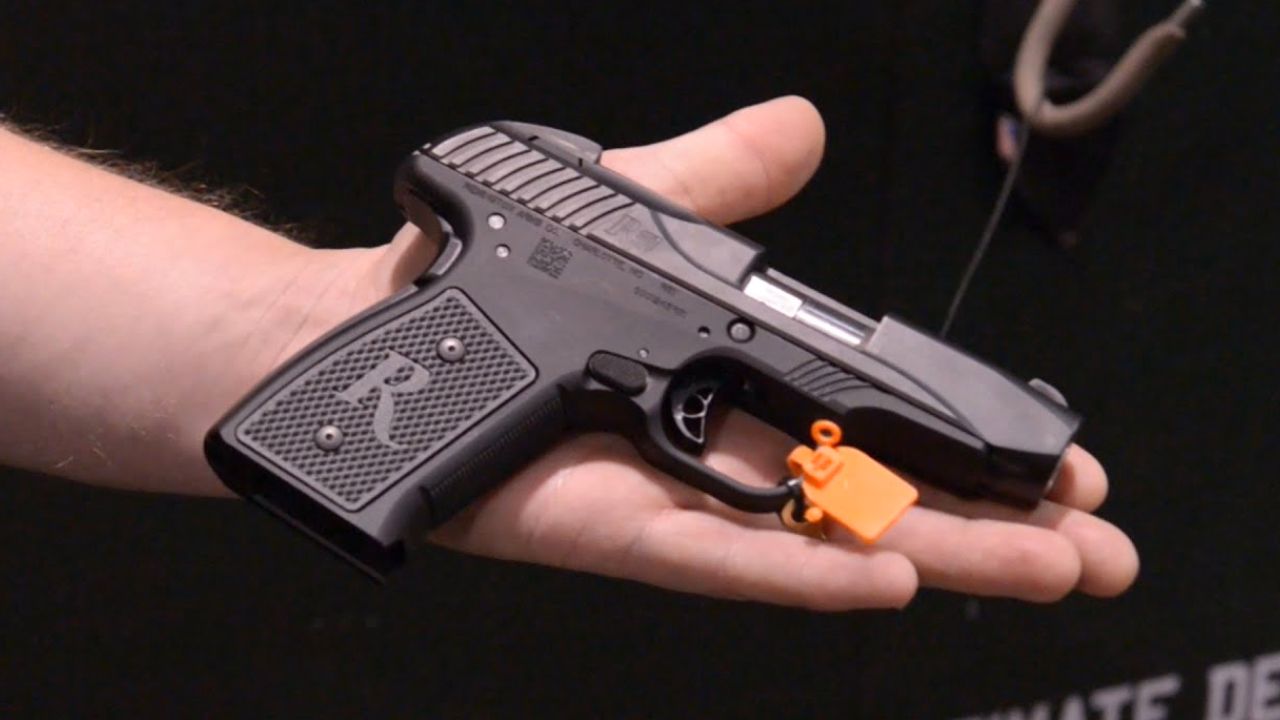
The Remington R51 looked like the kind of pistol people wanted to believe in. It had a familiar old name, a different operating system, and just enough style to make buyers feel like they were getting something more thoughtful than another plain carry gun. When it first showed up, a lot of people wanted it to work because the idea sounded smarter than the average pocket 9mm.
That is exactly why some owners kept calling it solid long after frustration set in. Reliability complaints, rough launches, and uneven confidence did not stop people from defending it because admitting the gun was a letdown also meant admitting they got sold on a concept more than a finished pistol. It became one of those handguns people explained away harder than they enjoyed shooting.
Kimber Solo Carry

The Kimber Solo Carry had all the ingredients for a pride-heavy purchase. It was compact, attractive, and wore a name that already convinced plenty of buyers they were stepping into something more refined than the usual little carry pistol. It felt upscale in the way that gets people emotionally invested before they ever put enough rounds through a gun to know whether it deserves that confidence.
Once range time started exposing its fussier side, some owners got real defensive real fast. That is what happens when the image is stronger than the ownership experience. Instead of saying the gun could be picky or disappointing, people often defaulted to calling it solid and then blaming ammo, technique, or break-in. That word usually shows up when somebody is trying to protect the decision as much as describe the pistol.
Taurus PT1911

The Taurus PT1911 has always had defenders who talk like they outsmarted the market. They got a 1911 with features, style, and recognizable appeal without paying what some of the bigger names demanded. On paper, that can feel like a win. That feeling alone is enough to make people emotionally attached to the idea that the pistol is every bit as dependable and polished as they hoped it would be.
So when the ownership experience gets mixed, “solid” becomes the safe word. Not excellent, not duty-grade, not clearly better than the alternatives. Just solid. That lets people hold onto the feeling that they made a smart buy without having to square up with the possibility that the gun did not quite deliver on the version of the story they told themselves at the counter.
Ruger Mini Thirty

The Ruger Mini Thirty is one of those rifles people want to love because it feels practical, familiar, and just different enough from the usual black-rifle conversation to seem like the smarter, more grounded choice. Owners often like the way it looks, the way it handles, and the way it separates them from the crowd chasing more obvious tactical picks.
That is why some people keep calling it solid even when the rifle gives them reasons to be less enthusiastic. Questions about magazine preferences, ammo sensitivity, or accuracy expectations do not always lead to honest conversations. A lot of owners would rather defend the identity of owning a Mini Thirty than admit it was more charming than impressive. That sting of disappointment gets softened real fast when you keep the praise vague.
Springfield XD-S
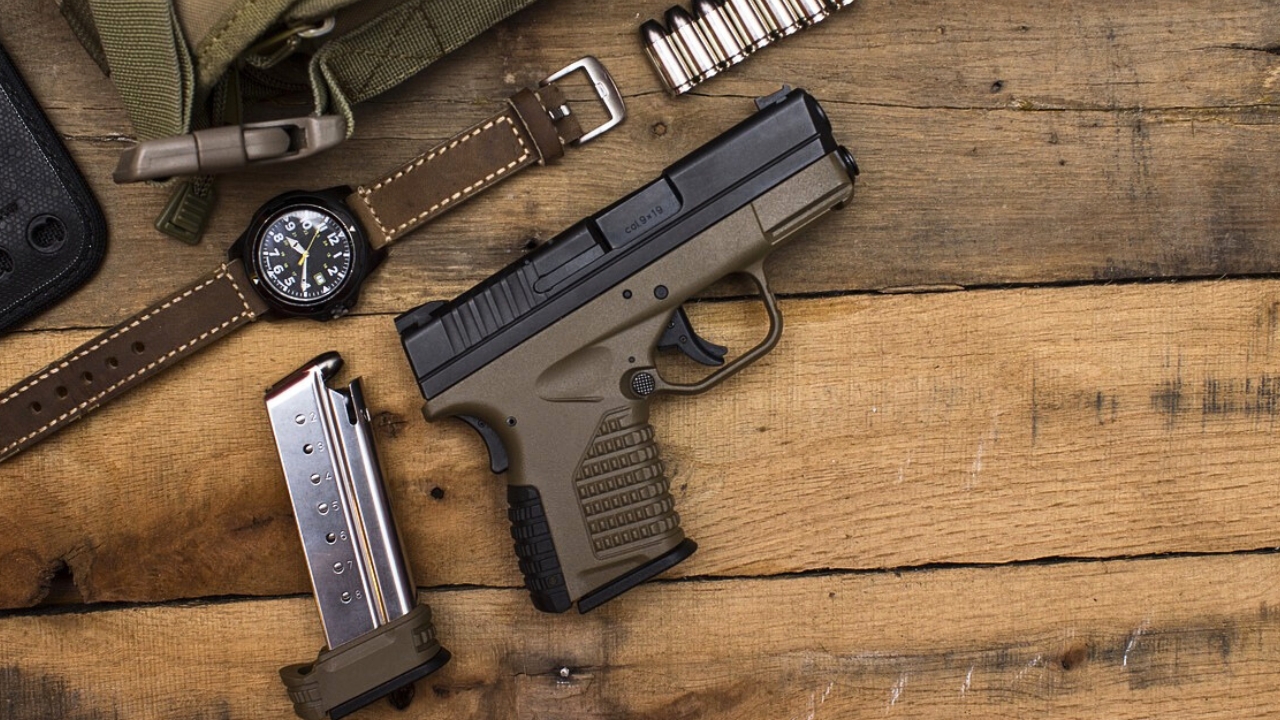
The Springfield XD-S built a following during the period when everybody wanted a slim carry pistol and plenty of buyers were still trying to decide which brand they trusted most. Springfield had the name recognition, the pistol looked serious enough, and for a lot of people it felt like the dependable middle-ground answer between cheaper options and more celebrated ones.
That made it harder for some owners to be honest once the shine wore off. The gun was not always awful by any means, but “solid” became the fallback description when people did not want to admit it felt harsher, less enjoyable, or less confidence-inspiring than newer carry pistols that came along later. It is easier to defend yesterday’s smart buy than admit the market passed it by faster than expected.
Charter Arms Bulldog
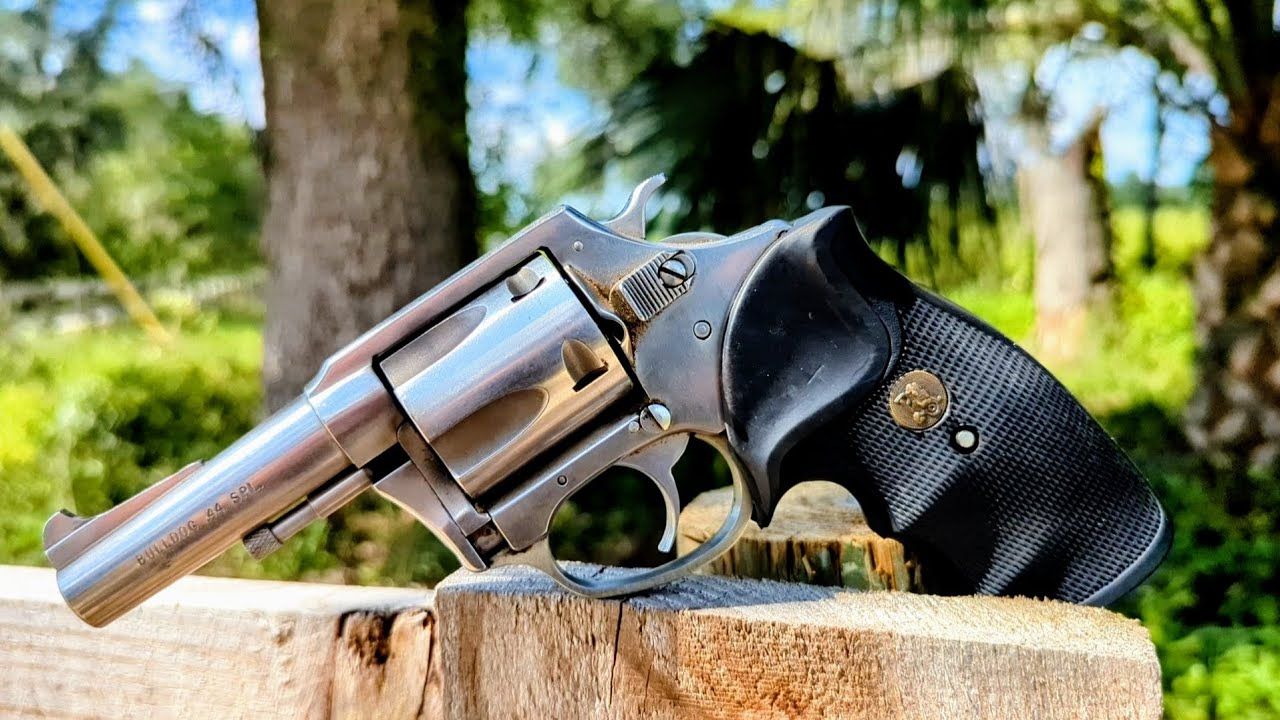
The Charter Arms Bulldog keeps getting defended because it sits right in that sweet spot where nostalgia, simplicity, and attitude can do a lot of work for a revolver. People like the idea of a compact big-bore wheelgun that feels blunt and old-school. It sounds tough, looks different, and gives owners the feeling that they chose something with real character instead of just buying the same thing as everybody else.
That is also why criticism can sting. Once somebody has bought into the Bulldog as a serious, hard-hitting classic, it gets uncomfortable to admit the overall experience can be rougher and less confidence-building than the romance suggests. So it becomes “solid.” That word helps keep the mythology alive without having to say the gun may be more lovable in concept than in sustained use.
Mossberg MC2c

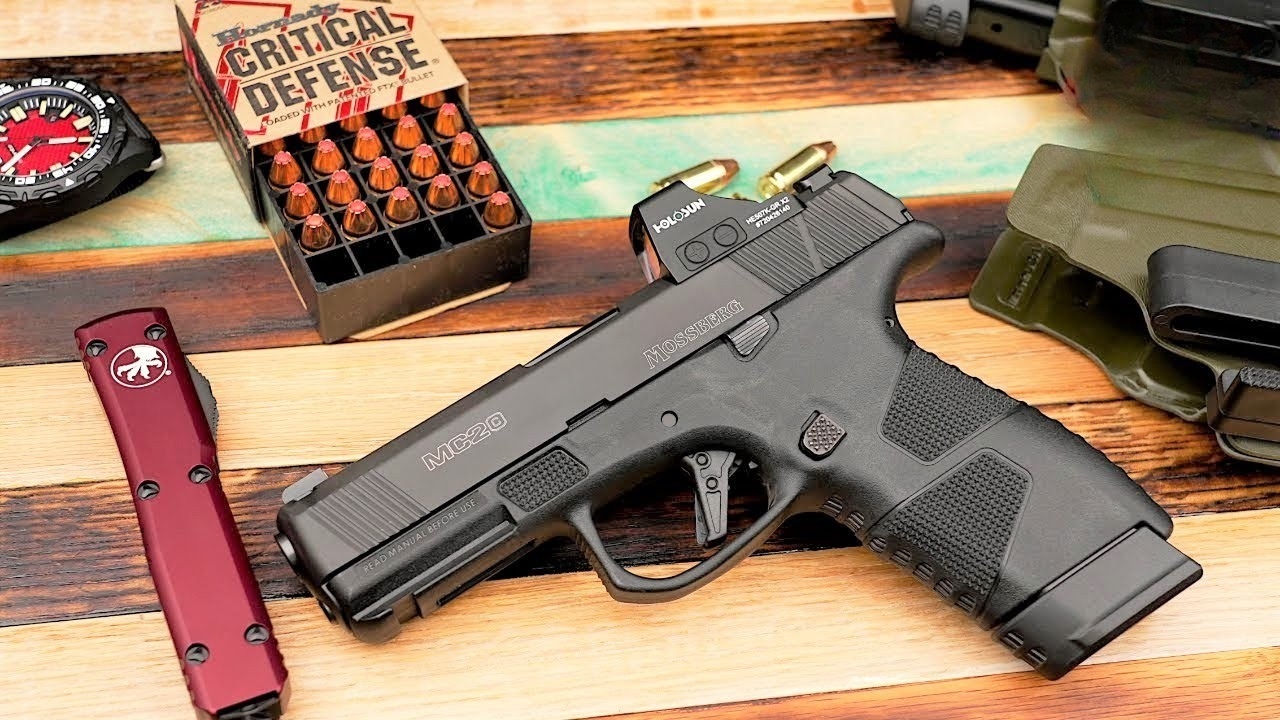
The Mossberg MC2c got attention because people wanted to believe Mossberg could quietly slide into the pistol market and offer a real hidden-value option. That kind of underdog appeal is powerful. Buyers enjoy feeling like they found a capable handgun the bigger-name crowd overlooked, and that emotion can make people more protective of a purchase than they realize.
When that happens, “solid” becomes a shield word. It does not necessarily mean the pistol is bad. It means some owners start using the label before they have been fully honest with themselves about whether the gun truly earned any deeper praise. A handgun that mostly gets defended in vague terms rather than recommended with conviction usually tells you something. People often say “solid” when they want to avoid saying “it’s fine, I guess.”
Rock Island Armory GI 1911

The Rock Island GI-style 1911 is one of those pistols that invites emotional loyalty because it lets buyers feel like they got into the 1911 world without emptying their wallet. That matters. A lot of owners take pride in making a budget version work, especially when the gun carries the kind of old-school shape and feel that already has people rooting for it before the first range trip.
That is why some shooters defend it so hard with language that never gets too specific. “Solid” does a lot of heavy lifting there. It can mean the gun runs okay for the price, feels fine in the hand, and scratches the itch. It can also mean the owner does not want to say out loud that the experience is more compromise-heavy than they hoped. That difference gets buried under a lot of stubborn loyalty.
KelTec Sub-2000

The KelTec Sub-2000 has always sold hard on cleverness. It folds, it takes familiar magazines, and it gives buyers the feeling they are getting something practical, compact, and smarter than the average pistol-caliber carbine. A lot of people really want that idea to succeed because it sounds like such a clean answer for range use, storage, and general utility.
That is what makes the word “solid” show up so often. Once a buyer gets attached to how clever the gun seems, it gets harder to admit that the actual shooting experience, feel, or overall refinement may not match the fantasy. So instead of calling it crude, awkward, or just less satisfying than expected, people stay vague and keep defending the concept. Sometimes the idea is what they are really protecting.
Walther CCP

The Walther CCP pulled in plenty of buyers because it sounded like a softer-shooting, easier-to-manage carry gun from a respected brand. That is an easy pitch to like, especially for people who wanted something that seemed more approachable than the snappier little pistols crowding the market. The Walther name added enough confidence to make buyers feel safe taking the chance.
Then came the part where people had to live with it. When the experience turned out to be more mixed than hoped, some owners leaned hard on calling it solid because that let them preserve the logic of the purchase. It is a softer word than “excellent,” which helps. It leaves room for excuses, workarounds, and brand loyalty without forcing anyone to confront the possibility that the gun simply did not become the answer they expected.
Century CETME Sporter

The Century CETME Sporter is exactly the kind of rifle that creates defensive owners. It looks cool, carries battle-rifle energy, and gives buyers the feeling they got into something substantial without paying full collector money. That setup creates a lot of emotional momentum. Once a guy has posted pictures, talked it up, and bought into the image, it gets harder to speak plainly about the rough edges.
So what do you hear instead? “Solid.” Not smooth, not refined, not especially confidence-inspiring. Just solid enough to keep the pride intact. That word shows up a lot around rifles people want to justify more than enjoy. The CETME Sporter may still scratch a certain itch, but the way people defend it often sounds like they are trying to talk themselves through the ownership experience as much as they are talking to you.
Bersa Thunder .380

The Bersa Thunder .380 gets defended because so many buyers came to it wanting a dependable, affordable alternative to pricier compact pistols with more name recognition. That makes the purchase feel smart right away. Nobody likes admitting the value pick they championed might have been only decent instead of genuinely impressive, especially after recommending it to friends or carrying it with confidence for a while.
That is where the “solid” label becomes useful. It is positive enough to protect the ego but vague enough to avoid making a strong claim the gun may not fully support. The Bersa still works for some owners, but the tone of the praise often says more than the words themselves. A lot of people sound less like they are celebrating it and more like they are defending the choice they already made.
SIG Sauer Mosquito

The SIG Sauer Mosquito had a huge advantage before it ever hit a range bag. It wore the SIG name, looked the part, and gave buyers the sense they were getting a fun little rimfire version of something serious. That brand association carried a lot of early goodwill, which made it easier for people to excuse problems they would have been much less patient with on a less glamorous pistol.
That is why the word “solid” often felt suspicious around the Mosquito. It let owners keep the SIG glow around the purchase without having to get too specific about what the gun was actually like to live with. When a pistol gets defended more by brand halo than clear enthusiasm, you usually hear that kind of language. It is the sound of somebody trying not to feel burned.
PSA Dagger

The PSA Dagger gets people emotionally invested because it promises familiar Glock-pattern usefulness at a price that makes buyers feel like they beat the system. That kind of purchase creates instant pride. Owners want it to be proof that spending more was never necessary, and once that mindset sets in, criticism feels less like a product discussion and more like a personal insult.
That is why so many conversations about it settle on “solid.” It gives owners room to stay positive without having to claim perfection. But it also shows the limits of their confidence. When people truly trust a gun deeply, they usually sound more direct than that. “Solid” is often the word of someone defending the bargain and the identity attached to it, not just describing the firearm in front of them.
IWI Jericho 941

The Jericho 941 has all kinds of built-in reasons for owners to get attached. It has style, weight, a loyal following, and just enough cult reputation to make people feel like they chose something cooler and more interesting than the usual safe answers. That matters a lot. Once a gun becomes part purchase and part personality, honest criticism gets harder.
So instead of clearly saying where the gun shines and where it may fall short for modern carry or broad practical use, people often hide behind calling it solid. That word protects the cool factor. It lets the owner stay right without having to confront whether the gun is actually better than simpler, less romantic options. Some firearms earn that kind of defense because they are beloved. Others earn it because the owner cannot stand feeling foolish.
Kahr CW9
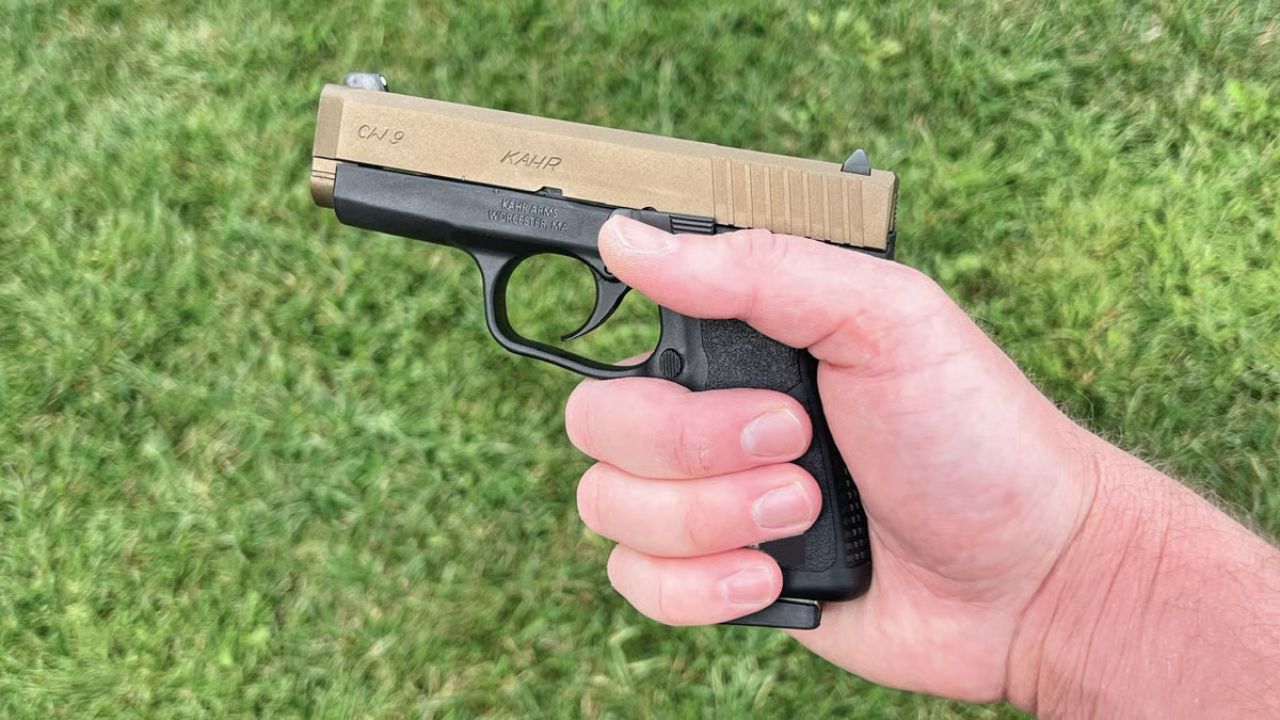
The Kahr CW9 was the kind of carry pistol that attracted buyers who wanted something slim, restrained, and maybe a little more thoughtful than the louder options in the same space. That made it easy to feel proud of choosing one. It was not flashy, and that was part of the appeal. Owners often felt like they made the mature, practical pick.
That is exactly why some of them struggled to be honest when the gun turned out to be more compromise-heavy than they wanted to admit. “Solid” became the perfect cover word. It sounds reasonable, calm, and informed, which fits the whole identity of buying the pistol in the first place. But a lot of times it really means the owner is still trying to convince themselves the tradeoffs were smarter than they felt on the range.
Like The Avid Outdoorsman’s content? Subscribe to our newsletter so you never miss an article.
Here’s more from us: