Photo credit: IrvingSuperPawn/GunBroker
Every gun shop counter has one—a pistol sitting under the glass that every experienced shooter warns about, yet it keeps selling week after week. Maybe it’s cheap, maybe it looks tough, or maybe it’s the first thing a new buyer sees online. Whatever the reason, these handguns stay popular even though they’ve earned reputations for frustrating reliability, heavy triggers, or spotty accuracy. You can’t talk someone out of them, either—they’ve already decided it’s the “perfect” choice, even if they’ll be regretting it by the second range trip.
These are the guns people buy with their hearts, not their heads. They promise more than they deliver, but their price tags and marketing pull people right in. Every shooter has owned at least one of these—something you bought because it “looked fine” or “everyone has one,” only to learn later why nobody actually recommends it.
Hi-Point C9

The Hi-Point C9 is the poster child for this category. Everyone tells you not to buy one, yet they sell faster than almost any other budget pistol. The reason is simple—it’s cheap and it works, most of the time. But reliability isn’t consistent. Some C9s run fine for hundreds of rounds, while others jam before the first magazine is empty.
Its heavy, top-heavy slide and clunky ergonomics make it awkward to shoot. The trigger feels gritty, and the sights aren’t much help. Cleaning it isn’t exactly pleasant either. Still, people grab them because they’re affordable and American-made. It’ll go bang when it wants to—but most shooters who start with one quickly realize there are better options once they’ve saved up a little more cash.
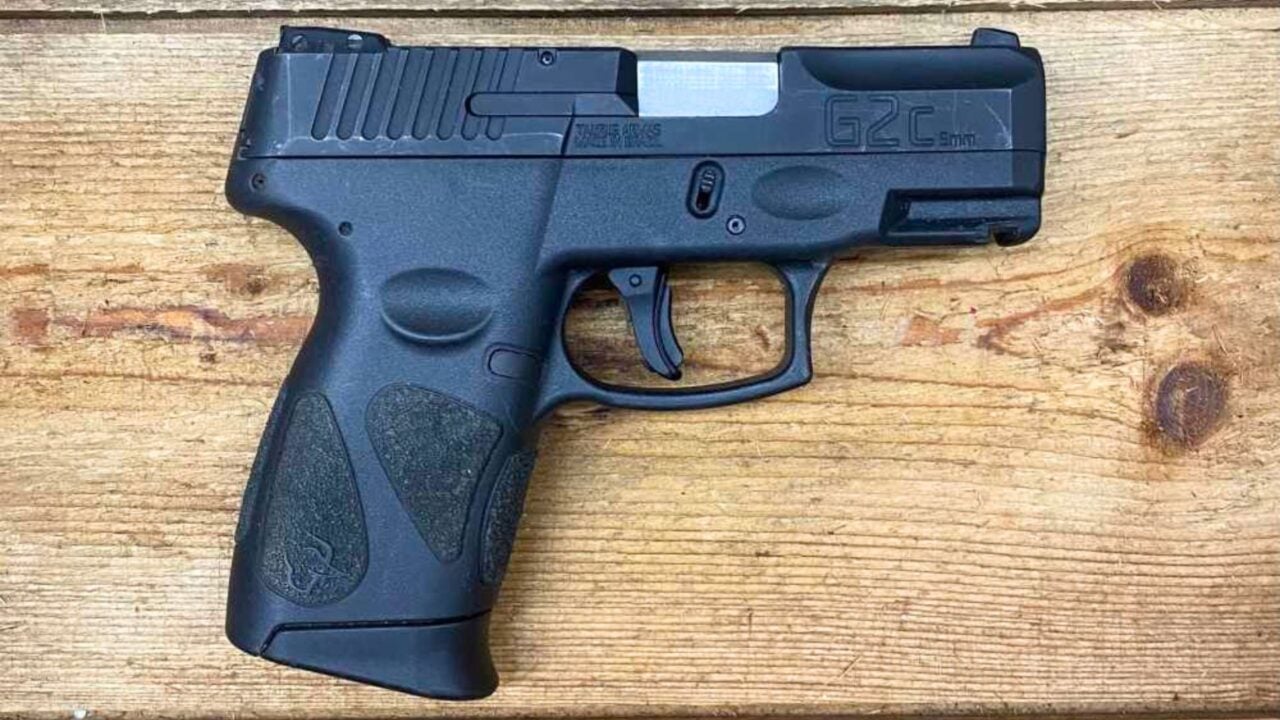
Taurus G2C

The Taurus G2C keeps showing up in holsters and glove boxes, even though most seasoned shooters will tell you to spend a bit more. It’s compact, affordable, and has a decent trigger, but it suffers from inconsistent quality control. Some run flawlessly; others choke on certain ammo or develop extractor issues after a few hundred rounds.
The appeal is obvious—it feels good in the hand and looks like a gun twice its price. For casual range use or a truck pistol, it does the job. But if you plan to depend on it, you’ll eventually wish you’d spent the extra hundred bucks for something with proven reliability. The G2C’s not terrible—it’s just one of those guns that keeps selling because it’s cheap and available, not because it’s trusted.
SCCY CPX-2

The SCCY CPX-2 has an enthusiastic following among first-time buyers, mostly because of its low cost and lifetime warranty. But it’s also a pistol that rarely earns high praise from anyone who’s spent time behind better triggers. The long, heavy double-action pull makes it difficult to shoot accurately, and its recoil feels sharper than you’d expect from a 9mm that size.
It’s not unreliable, but it’s not confidence-inspiring either. Some users report flawless performance, while others fight light primer strikes and feed issues. It’s small enough to carry and cheap enough to replace, which explains the steady sales. But after a few range trips, most owners realize why the SCCY stays off recommendation lists—it’s affordable, not exceptional.
KelTec P11
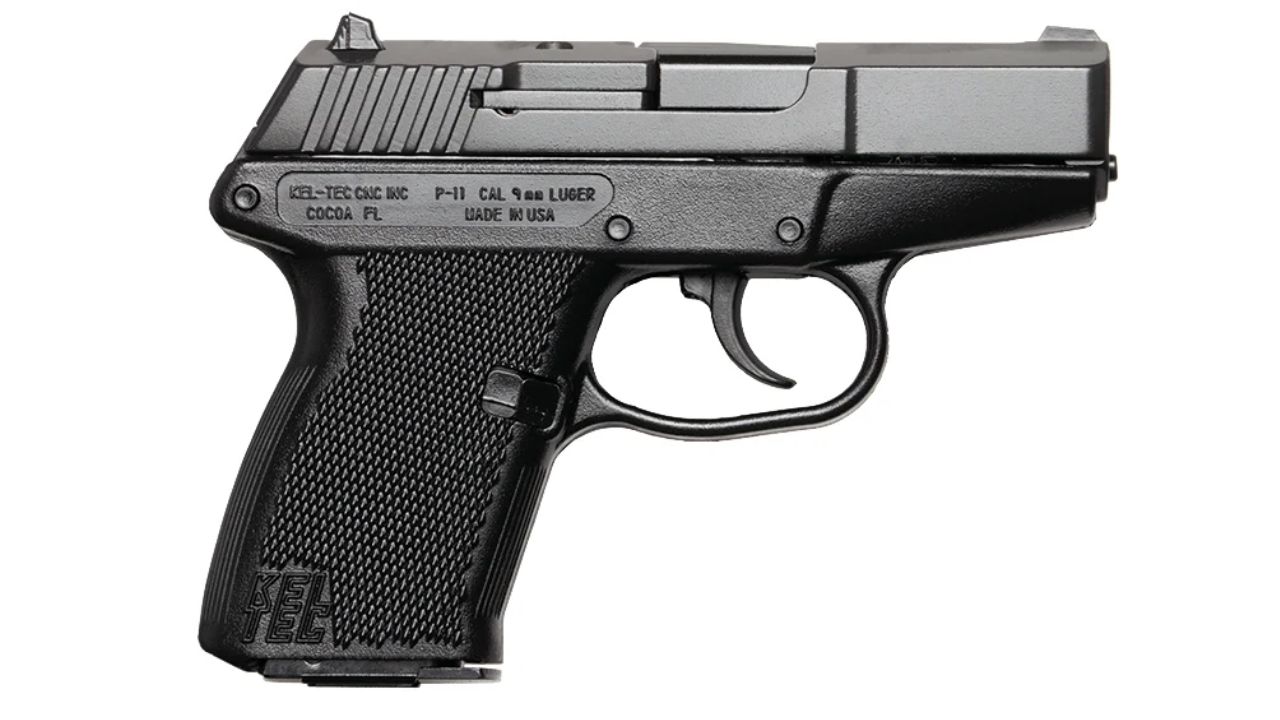
The KelTec P11 is one of those pistols everyone seems to have owned once—and nobody misses. It’s lightweight and easy to carry, but the trigger is one of the worst you’ll ever feel. It’s long, heavy, and unpredictable. Combine that with snappy recoil and a small grip, and accuracy suffers badly.
The design is clever in theory but dated in execution. While it was groundbreaking for its size back in the day, modern compact pistols have surpassed it in every way. Still, it keeps selling, mostly to people looking for an inexpensive concealed carry option. Once they shoot it a few times, though, they start looking for something more comfortable and consistent.
Ruger LCP

The Ruger LCP looks great on paper—tiny, lightweight, and easy to carry anywhere. That’s why it’s so popular, despite the fact that most experienced shooters hate firing it. The .380 ACP recoil feels sharp in such a small frame, and the tiny grip makes it hard to hold onto. The sights are almost nonexistent, which doesn’t help when accuracy actually matters.
It’s reliable enough and disappears in a pocket, but shooting more than a magazine or two is downright unpleasant. People keep buying them because they’re affordable and convenient, not because they shoot well. For true concealment, it’s tough to beat—but you’ll never mistake it for a fun range pistol.
Springfield XD Mod.2

The Springfield XD Mod.2 line keeps selling, even though it’s one of those guns that divides shooters instantly. It’s reliable enough, but it’s bulky for its capacity, and the grip safety turns off a lot of people. The trigger feels mushy compared to other polymer pistols in its price range.
Shooters who like it tend to be loyal, but most who own multiple handguns end up moving away from it. It’s accurate and dependable, but it doesn’t excel in any category. People buy them because they’re widely available, feel decent in the store, and come with Springfield’s solid marketing—but it’s rarely the pistol anyone recommends first.
Smith & Wesson Sigma Series

The Sigma series is proof that even major manufacturers can miss. Smith & Wesson built it as an affordable alternative to Glock, but the heavy trigger pull makes it feel like a chore to shoot. Accuracy suffers as a result, and most shooters end up replacing them quickly.
The reliability is decent, but the shooting experience leaves a lot to be desired. It’s clunky, with a grip angle that never feels quite right. Despite that, it keeps selling because of the brand name and budget price. It’s a common “first pistol,” but for most people, it’s also their first trade-in.
Remington R51

The Remington R51 had a disastrous launch, yet it still pops up on store shelves. The early models were plagued with feeding and extraction issues, and even the re-released versions never fully redeemed the design. It’s accurate when it works—but “when it works” is the key phrase.
Its retro styling and slim profile draw people in, but the internal design is overly complicated. Maintenance is frustrating, and reliability varies wildly between individual guns. Despite all that, curiosity keeps it alive. People keep buying them because they want to believe Remington finally got it right. Unfortunately, most end up with the same headaches as before.
Walther CCP
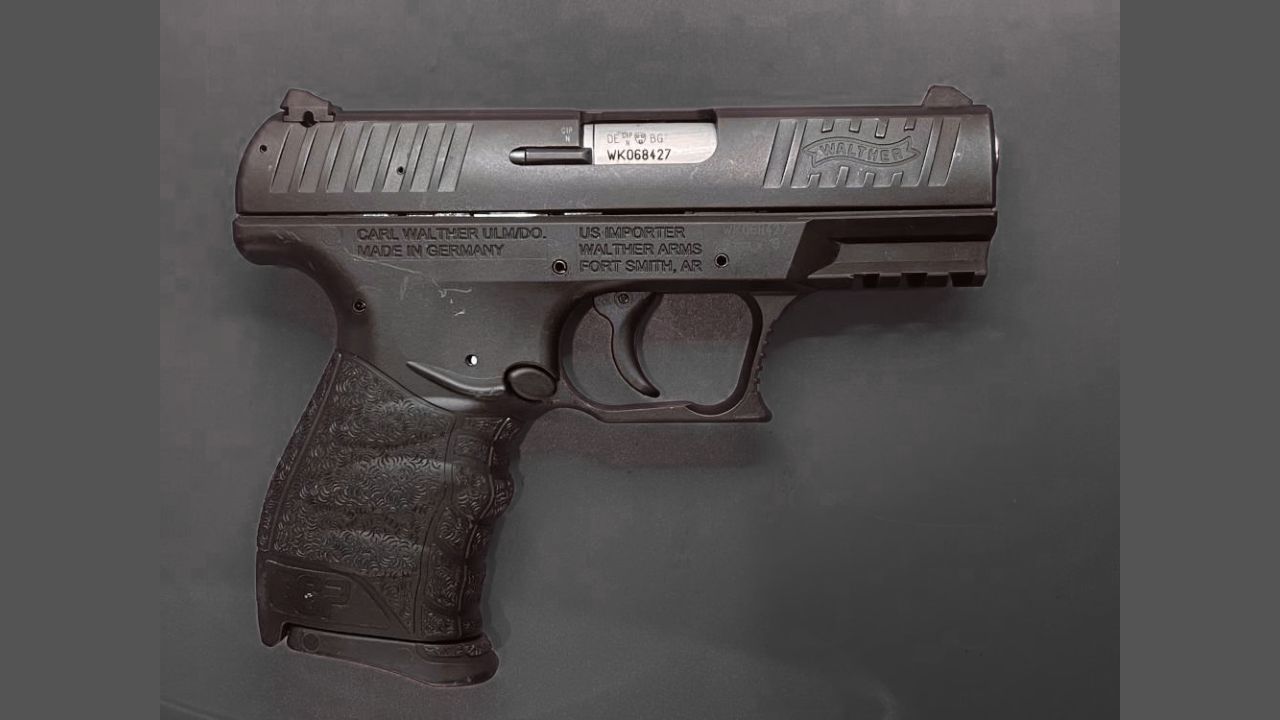
The Walther CCP looks and feels like a premium concealed carry pistol, but it has a reputation for reliability issues and difficult disassembly. Its gas-delayed blowback system sounds clever, but in practice, it adds complexity without much benefit.
Accuracy is solid, and the trigger feels good, but field-stripping it requires tools and patience. Many shooters buy it thinking they’re getting a softer-shooting 9mm, only to find maintenance frustrating and reliability inconsistent. It’s one of those guns that seems perfect at the counter but earns regret at the cleaning bench.
Glock 42

The Glock 42 has the Glock name and the reputation that comes with it—but it’s not a crowd favorite. The .380 chambering feels weak for the price, and the small frame makes it surprisingly hard to shoot well under pressure. It’s accurate enough but doesn’t deliver the same reliability record as its larger counterparts.
It’s comfortable to carry, but for many shooters, it’s too big for a .380 and too small to shoot comfortably. People keep buying it because it says “Glock” on the slide, not because it offers anything new. It’s decent—but far from the most practical Glock for most hands.
Kimber Micro 9

The Kimber Micro 9 looks fantastic and feels great in the hand, which explains why it flies off shelves. But once you put rounds through it, reality sets in. It’s known for being finicky with ammo, especially hollow points. Reliability isn’t consistent, and the short slide can make cycling sluggish in colder weather.
It’s accurate when it runs, but too often it doesn’t. The tight tolerances that make it feel high-end also make it sensitive to dirt and fouling. Many buyers love the look and brand prestige but end up frustrated after a few range trips. It’s a beautiful pistol, but beauty doesn’t always translate to trust in the field.
Desert Eagle .50 AE
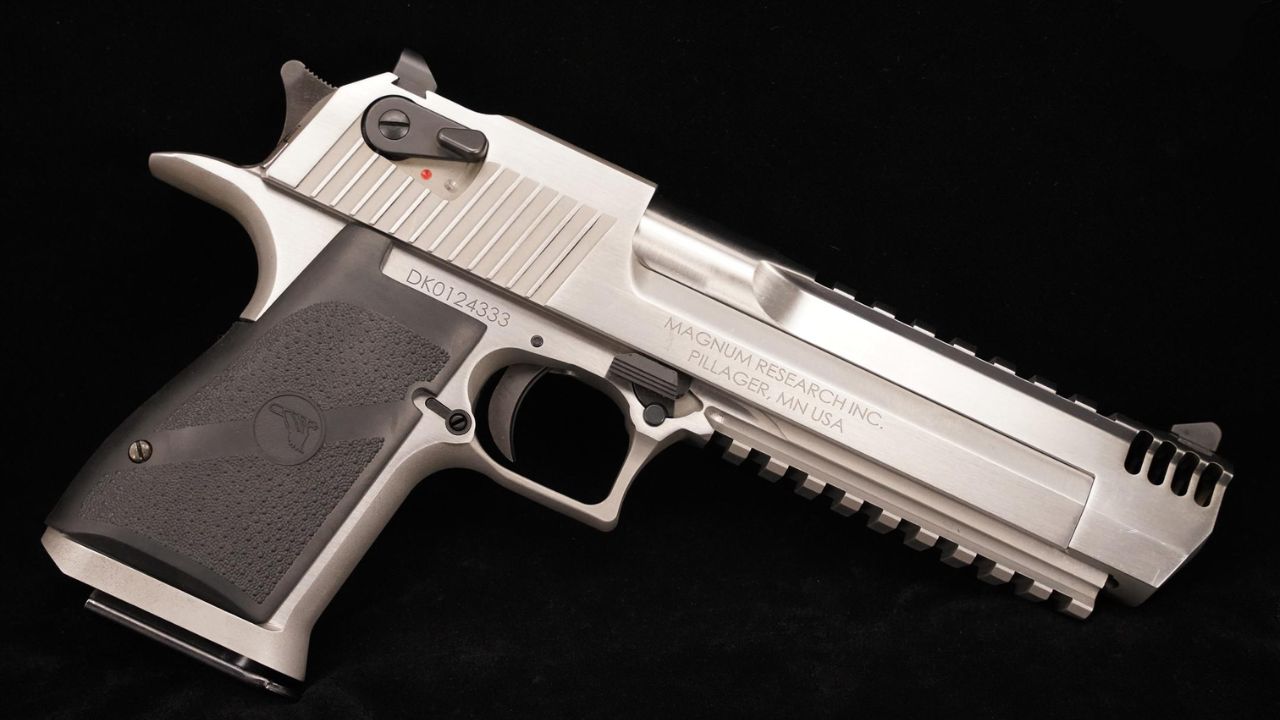
The Desert Eagle sells on sheer spectacle. Everyone wants to shoot one once—but owning one is another story. It’s massive, heavy, and impractical for anything beyond range fun. The recoil is more than most people can handle comfortably, and the gas system fouls quickly if you don’t clean it often.
Despite that, people keep buying it because it’s iconic and powerful. It’s the kind of gun that draws attention at the range, not one that rides in a holster. Every experienced shooter will tell you it’s more movie prop than practical firearm—but that doesn’t stop buyers from lining up to own one anyway. It’s a statement piece, not a shooter’s pistol.
*This article was developed with AI-powered tools and has been carefully reviewed by our editors.