Photo credit: NRApubs/YouTube
You can own a gun that prints a pretty group once, then spends the rest of its life reminding you why “accuracy” isn’t the whole story. The frustrating ones usually aren’t inaccurate at their core. They’re picky about how they’re held, what they’re fed, how they’re maintained, or what happens after the barrel heats up and the shooter settles into a rhythm.
If you’ve been around enough rifles and pistols, you start recognizing the pattern. A gun will give you that one confidence-boosting target, and then it turns into a project: chasing flyers, tuning magazines, swapping springs, tweaking torque, or learning a manual of arms that never feels natural. None of that makes them worthless. It just means you’re paying in time and patience instead of money.
Here are fifteen models that can shoot impressively, yet still manage to wear you down over the long haul.
Springfield Armory M1A
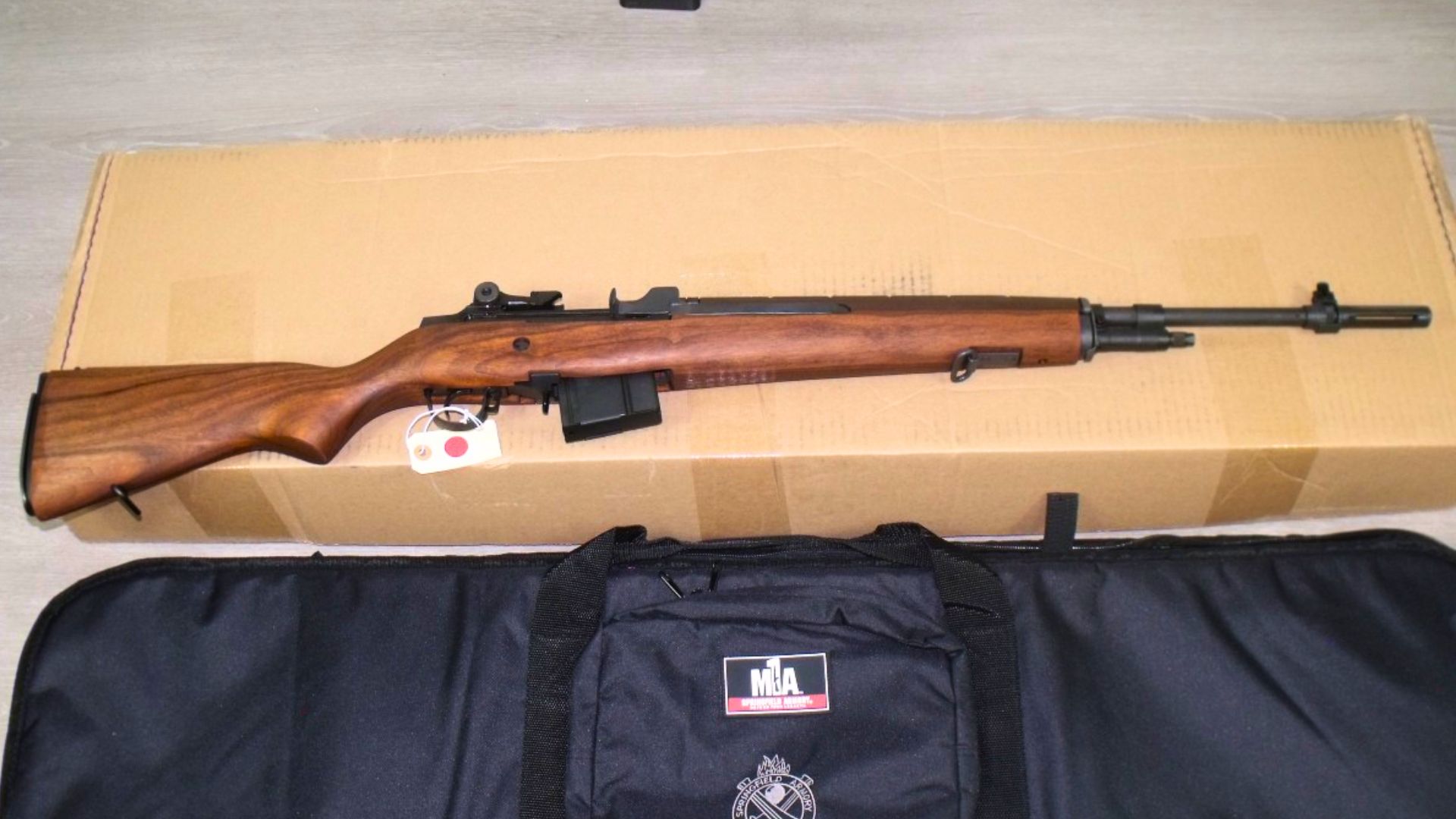
An M1A can shoot a legitimately good group when everything lines up—good ammo, a steady position, and a rifle that’s happy with its bedding. That first target makes you believe you’ve found a battle-rifle that can hang with modern accuracy standards.
Then the ownership part starts. The platform is sensitive to stock fit and consistency, and it isn’t as forgiving of little changes as a good bolt gun. Optics mounting can be its own saga, too, because you’re working around a design that wasn’t built for today’s scope culture. You end up babying screws, checking mounts, and learning what the rifle wants instead of doing what you want.
Ruger Mini-14 (older pencil-barrel models)

A classic Mini-14 can surprise you with a tight little group early on, especially with a load it happens to like. That first string feels like you stumbled onto a handy ranch rifle that does more than minute-of-coyote.
Then the heat shows up. Older, thinner barrels have a reputation for opening up as they warm, and the point of impact can wander enough to make you second-guess yourself. Add in the reality that optics mounting and consistency aren’t always as plug-and-play as an AR, and the Mini can turn into a “shoot it slow, let it cool” gun. That’s fine for a few shots, but it gets old fast.
FN SCAR 17S

A SCAR 17S can shoot extremely well for a hard-hitting 7.62 rifle, and that first range trip can feel like you bought the cheat code: light weight, serious power, and accuracy that makes steel feel easy.
Living with it is where the romance fades for some folks. The recoil impulse is different, the gun has its own ergonomics, and the cost of magazines and parts keeps you aware of every round you fire. It’s also a rifle that encourages tinkering—stocks, rails, mounts, suppressor setups—because everyone wants it tailored their way. You can wind up owning a rifle that shoots great, while constantly feeling like you’re managing an expensive personality.
Remington 742/7400/750 Woodsmaster

These Remington autoloaders have put a lot of deer in the freezer, and a clean example can shoot better than people expect. When one is running right, it’s easy to get a good group and start thinking you’ve found the perfect fast-follow-up woods rifle.
The trouble is that the design can punish neglect and rough handling. The action and rails don’t love being run dirty, and high round counts can turn into reliability headaches that feel permanent. Even when accuracy is there, confidence can vanish because you’re always aware the next issue might be feeding, extraction, or wear catching up. It’s the kind of gun that makes you miss the calm predictability of a bolt action.
Remington 700 (late-production quality roulette)
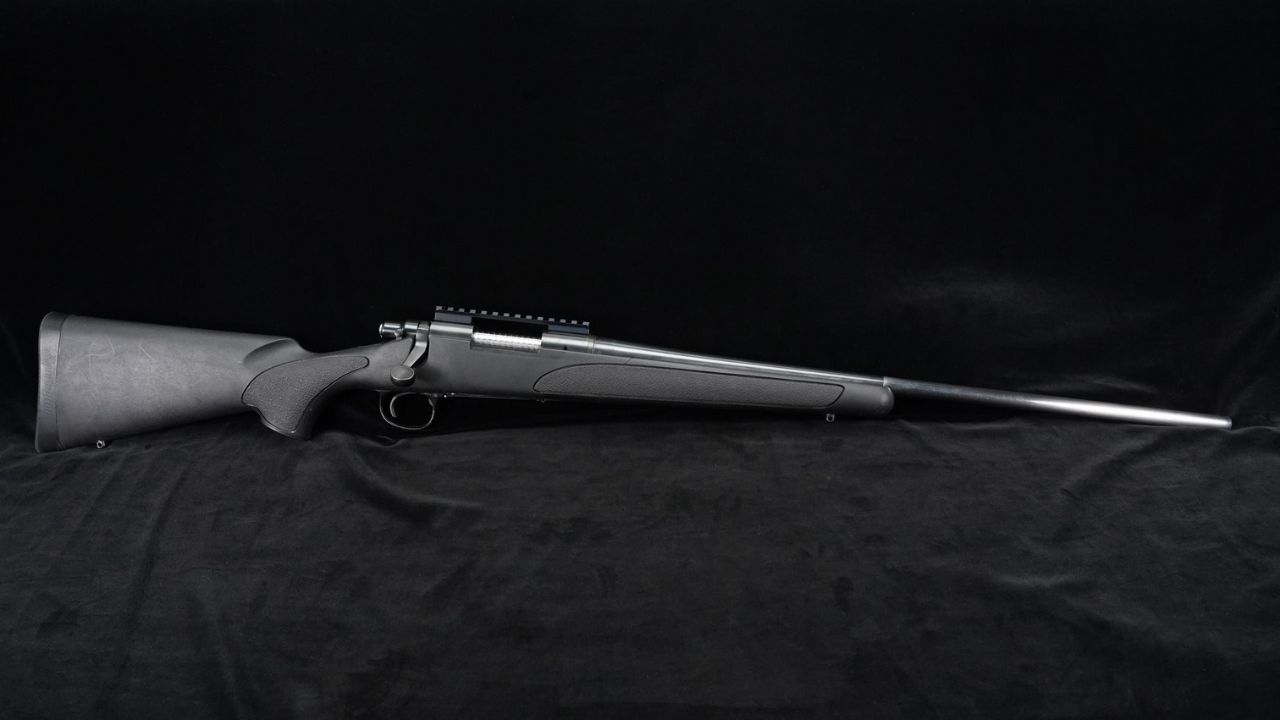
A Remington 700 is fully capable of excellent accuracy, even in factory trim, and that first tidy group is why the rifle still has such a loyal following. The design has a long history, good aftermarket support, and plenty of rifles that flat-out shoot.
The frustration comes from inconsistency across eras and individual rifles. Some examples feel slick and behave perfectly, while others arrive with rough finishing, spotty extraction, or quirks that send you down the rabbit hole of “fixing” a brand-new rifle. You start swapping parts or paying a gunsmith to make it what you thought you bought. When the platform is right, it’s great. When it’s not, it becomes a long-term project.
Mossberg Patriot

A Patriot can absolutely print a nice group, especially with a load that matches the barrel, and the trigger on many examples helps you shoot it better than you expected for the money. It’s one of those rifles that can make you grin on the first good target.
Then you spend time with the small stuff. The magazine system and overall feel can be the kind of “works fine, but…” that never stops nagging you. Stocks can feel hollow, and consistency can depend on how you rest it or torque it. The rifle may keep shooting well, but it can still feel like it’s always one little annoyance away from ruining a range session.
Savage Axis II

The Axis II has earned a reputation for shooting above its price, and it’s common to see one stack rounds early in its life. That first accurate string is exactly why these rifles sell—affordable, light, and capable of real-world hunting precision.
The frustration is that the rifle can feel like it’s built to a cost in ways you notice every time you handle it. The stock can flex, which can change how it behaves off a bipod or bags, and the magazine setup can feel fiddly compared to a more refined rifle. You might never lose the raw accuracy, but you can still end up fighting the rifle’s “budget” personality every time you try to shoot it like a serious tool.
Budget AR-10 pattern rifles (DPMS-style, various makers)

A decent AR-10 pattern rifle can shoot a great first group and make you think you’ve found the do-it-all answer: semi-auto speed with bolt-gun-level punch. With good ammo, many of them absolutely deliver impressive accuracy right out of the gate.
Then reality shows up in the form of tuning. Gas systems, buffer weights, and magazine compatibility can turn ownership into constant troubleshooting if your rifle lands on the picky side. You can also find yourself chasing “almost reliable” behavior—great groups, but inconsistent ejection, random failures to lock back, or odd cycling with different loads. When it’s dialed, it’s fantastic. Getting there can be the exhausting part.
Walther P22

A P22 can be surprisingly accurate for a small .22 pistol, and that first clean target makes it feel like the perfect trainer: light recoil, easy handling, and cheap practice. It’s the kind of gun that sells itself in the first magazine when everything goes smoothly.
The long-term headache is that rimfires can be finicky, and this model has a reputation for being extra sensitive to ammo choice, cleanliness, and magazine loading. When it starts acting up, it can feel like you’re doing constant little chores—finding the ammo it prefers, staying ahead of fouling, and accepting that “bulk pack” might not be its friend. It can shoot well and still make you work too hard for a relaxing range day.
Kel-Tec PMR-30
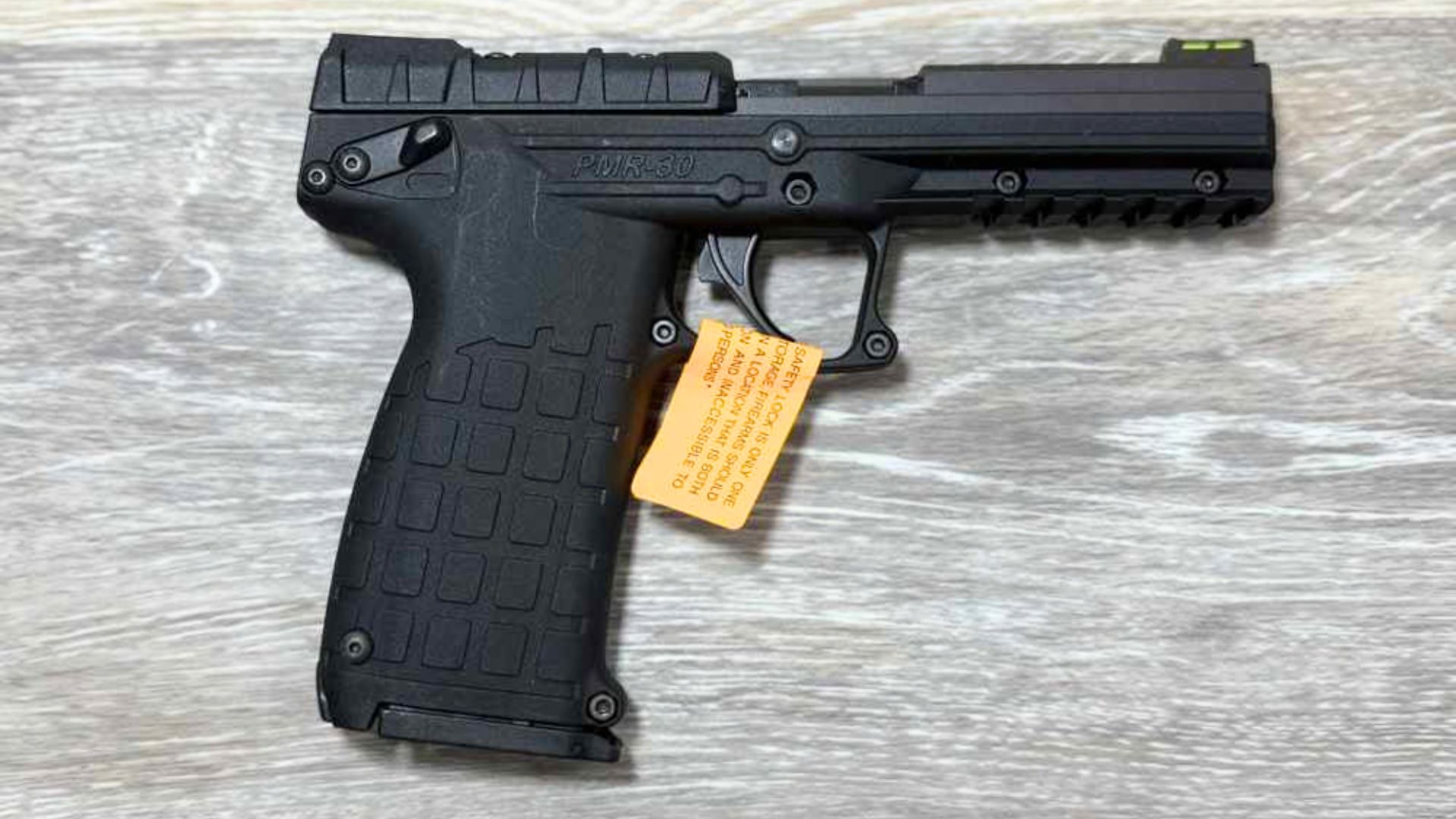
The PMR-30 can shoot shockingly well when it’s running right, and the flat-shooting .22 WMR makes first-time groups look better than they have any right to. You get that early confidence that you’re holding a lightweight, high-capacity tack driver.
Then you learn the gun’s rules. The magazines can be sensitive to how they’re loaded, and ammo selection matters more than most people expect. The pistol can reward careful handling and punish sloppy habits, which is the opposite of what many shooters want from a range toy or trail gun. When it behaves, it’s a blast. When it doesn’t, you spend more time managing it than enjoying it.
Kimber Ultra Carry II (and other short 1911s)
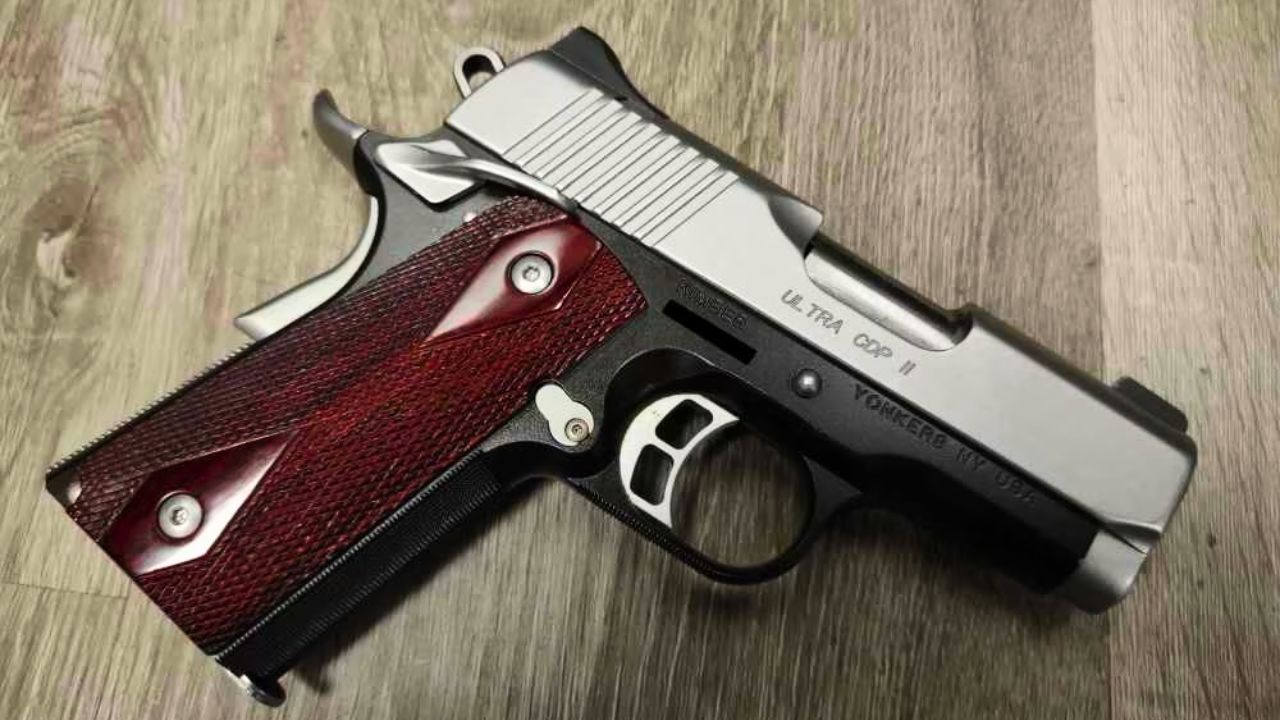
A short Kimber 1911 can shoot extremely well, and the trigger can make you look like a better pistol shot than you are. That first accurate target is the 1911 charm: crisp break, clean sight picture, and real precision when you do your part.
The frustration is that compact 1911s often have less margin for error than full-size guns. They can be more sensitive to recoil spring health, magazine quality, and ammo shape. When one gets moody, it’s never one obvious problem—it’s a stack of small variables that all matter at once. You can wind up with a pistol that shoots beautifully when it feels like it, and makes you earn every trouble-free range session.
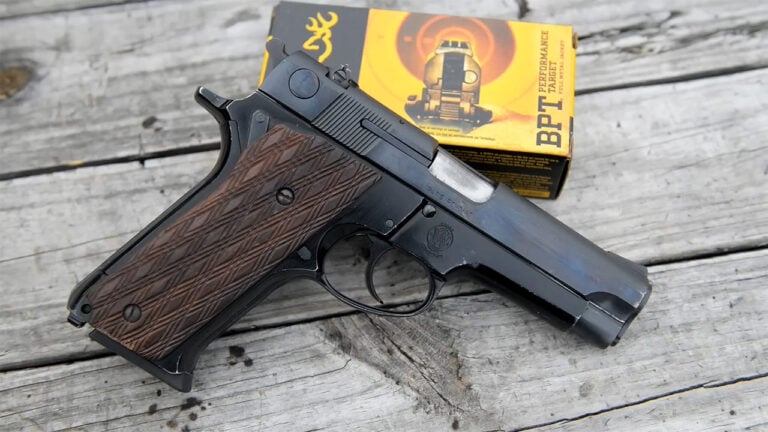
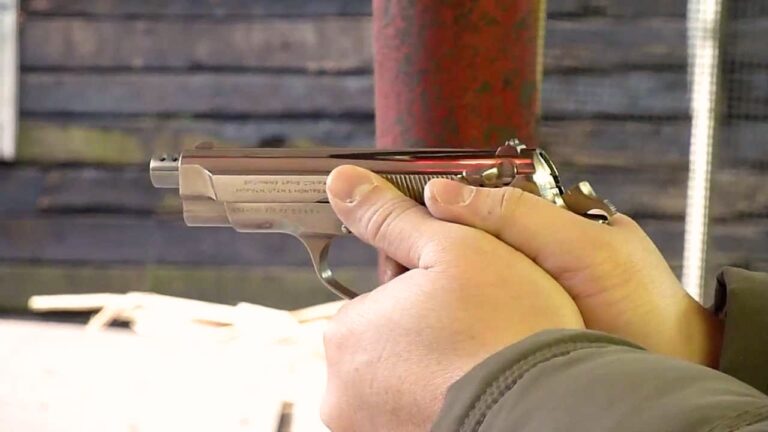
SIG Sauer P938

The P938 can be remarkably accurate for its size. A good trigger and solid sights can give you a first-magazine group that makes you think you’ve found the perfect small carry gun that still shoots like a “real” pistol.
Then you start living with the compromise. Small pistols magnify every grip mistake, and the P938’s manual safety and controls ask you to be consistent under stress and cold hands. Recoil isn’t brutal, but it’s sharp enough that long practice strings can get tiring, which means you shoot it less, which means you trust it less. It can be a great shooter, yet still feel like a carry choice you’re always managing instead of enjoying.
Smith & Wesson 329PD

A 329PD can be accurate enough to make you feel unstoppable, especially with the right load and a steady press. That first cylinder can convince you that you’ve found the ultimate backcountry revolver—light to carry, big power, and real confidence.
The forever-frustrating part is what that weight savings costs you. Recoil is violent, and it can make practice feel like work instead of training. When a gun is miserable to shoot, you don’t put the reps in, and accuracy becomes theoretical rather than practical. You also end up paying attention to screws, grip fit, and load choice because hard recoil has a way of exposing weak links. It’s a serious tool that demands a serious tolerance for punishment.
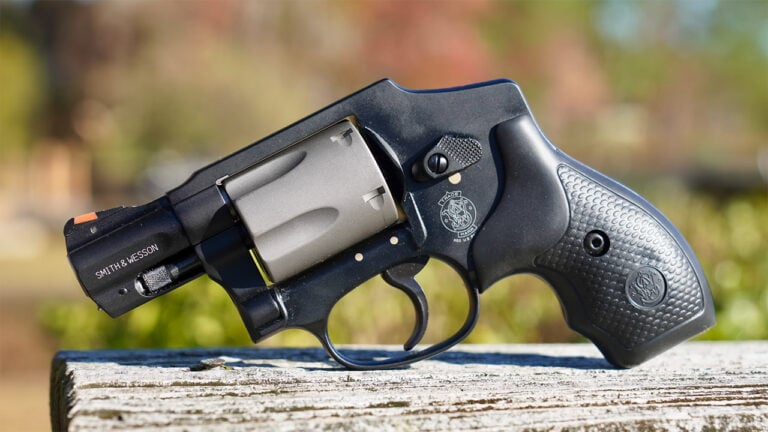
Ruger LCR .357 Magnum

The LCR in .357 can shoot better than it looks like it should, and the smooth trigger helps you place shots well when you focus. That first target can make you think you’ve found a pocketable revolver that still delivers real performance.
Then you meet the recoil reality. In a light revolver, .357 is a handful, and it can turn follow-up shots into a wrestling match. You also learn fast that grips and loads matter a lot, and the gun’s strengths often show best with .38 +P rather than full magnums. It stays accurate, but it can still frustrate you because the version of the gun you like shooting isn’t the version you bought it for.
Desert Eagle Mark XIX

A Desert Eagle can be shockingly accurate in the right hands, and that first time you print a clean group with something that looks like a movie prop is hard to forget. The weight, the sights, and the trigger can all work in your favor when the gun is behaving.
The frustration is that it’s a specialized machine with specialized needs. Ammo selection matters, lubrication matters, grip matters, and the whole system rewards shooters who treat it like a finicky performance engine. It’s also large enough that everything—cases, holsters, spare magazines—feels like a commitment. You can own a pistol that shoots brilliantly and still find yourself avoiding it because it’s never a casual range day.
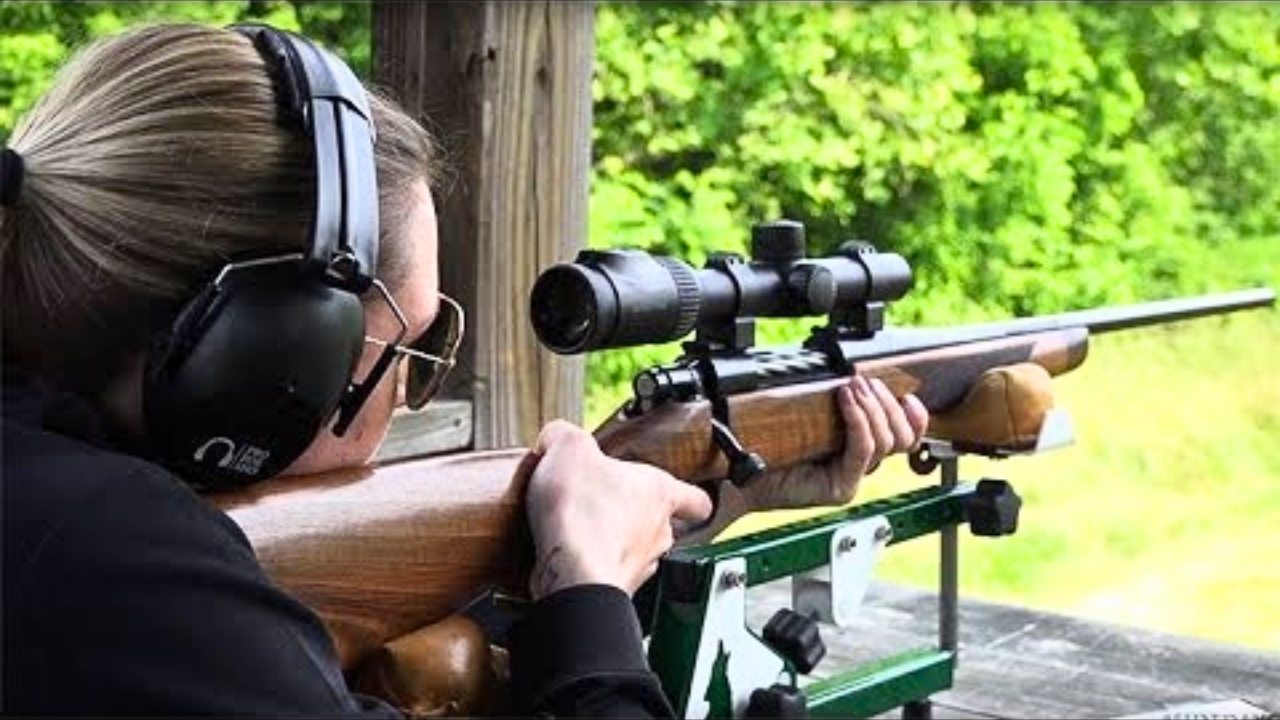
Ruger Precision Rimfire
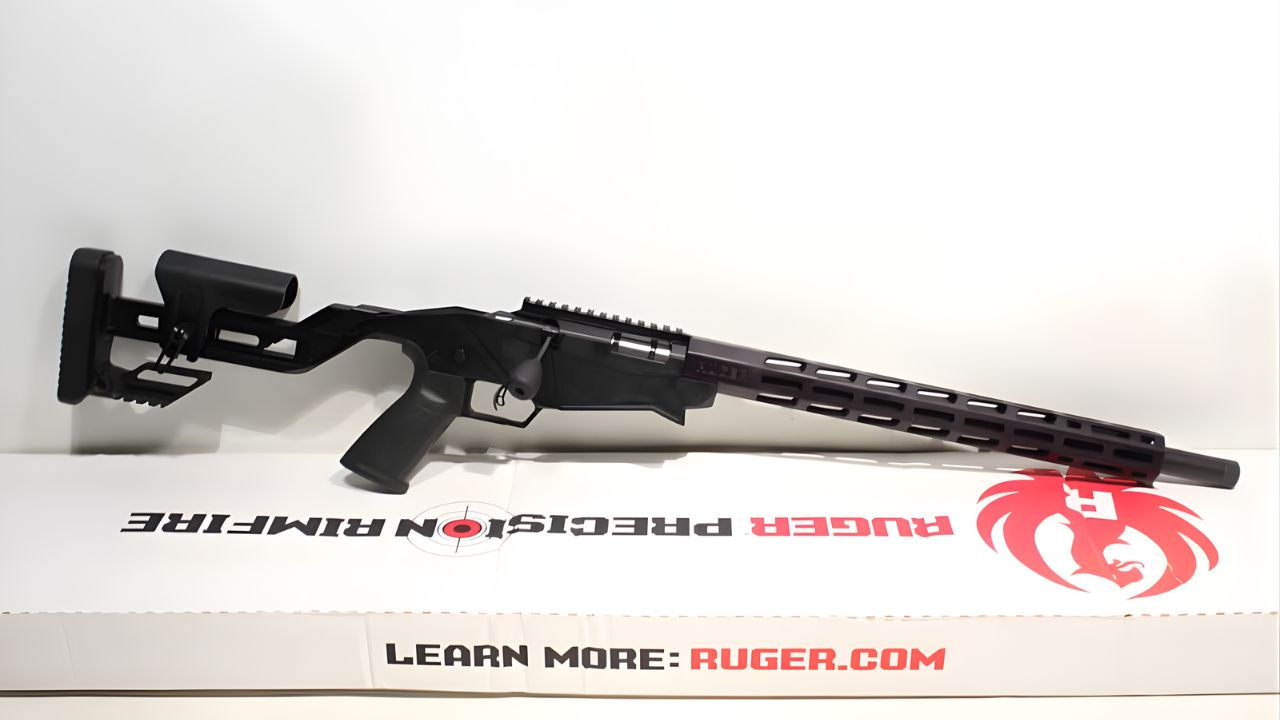
The Precision Rimfire can shoot tiny groups and make you feel like a hero with inexpensive ammo when conditions are right. That first session often looks like a highlight reel: tight clusters, easy adjustments, and a chassis rifle that feels “serious” without centerfire cost.
The long-term frustration is that rimfire accuracy is married to ammo, and the gun can make you chase perfection when you should be practicing fundamentals. You start testing lots, tweaking settings, and blaming the rifle or the wind when the real issue is that .22 LR is inconsistent by nature. It stays capable, but it can still become irritating because it invites you to obsess over variables that don’t matter for most real shooting.
Taurus Judge

A Judge can shoot a respectable group with the right .45 Colt load, and that first accurate target can trick you into thinking you’ve found a versatile revolver that covers a lot of bases. With the right ammo, it can absolutely hit what you aim at.
Then the design’s compromises show up. Long cylinder, mixed-ammo identity, and the reality that .410 performance from a handgun isn’t the same thing as a shotgun all create lingering disappointment. You end up carrying a big revolver that does several things in a limited way instead of doing one thing exceptionally well. It can be accurate, yet still frustrate you because the practical payoff rarely matches the space it takes up in your hand and on your belt.
Like The Avid Outdoorsman’s content? Be sure to follow us.
Here’s more from us: