Photo credit: travisp11/YouTube
Outdoors has a way of telling you which guns are built for real life and which ones prefer a clean bench, a soft case, and a calm afternoon. Dust, grit, pine needles, pocket lint, and that fine “powder” sand you don’t even notice at first all end up in the same places: rails, magazines, chambers, locking lugs, and anything that needs to move fast and smooth.
The tricky part is a lot of these guns can be accurate and pleasant to shoot. Some are even very reliable—right up until you add the normal mess of a truck seat, a windy day, or a hike where everything you own gets a light coating of dirt. If you want a gun that shrugs off neglect, you pick differently than if you want a gun that feels like glass in a clean environment.
Here are 15 specific models and types that tend to get cranky when “the outdoors” shows up.
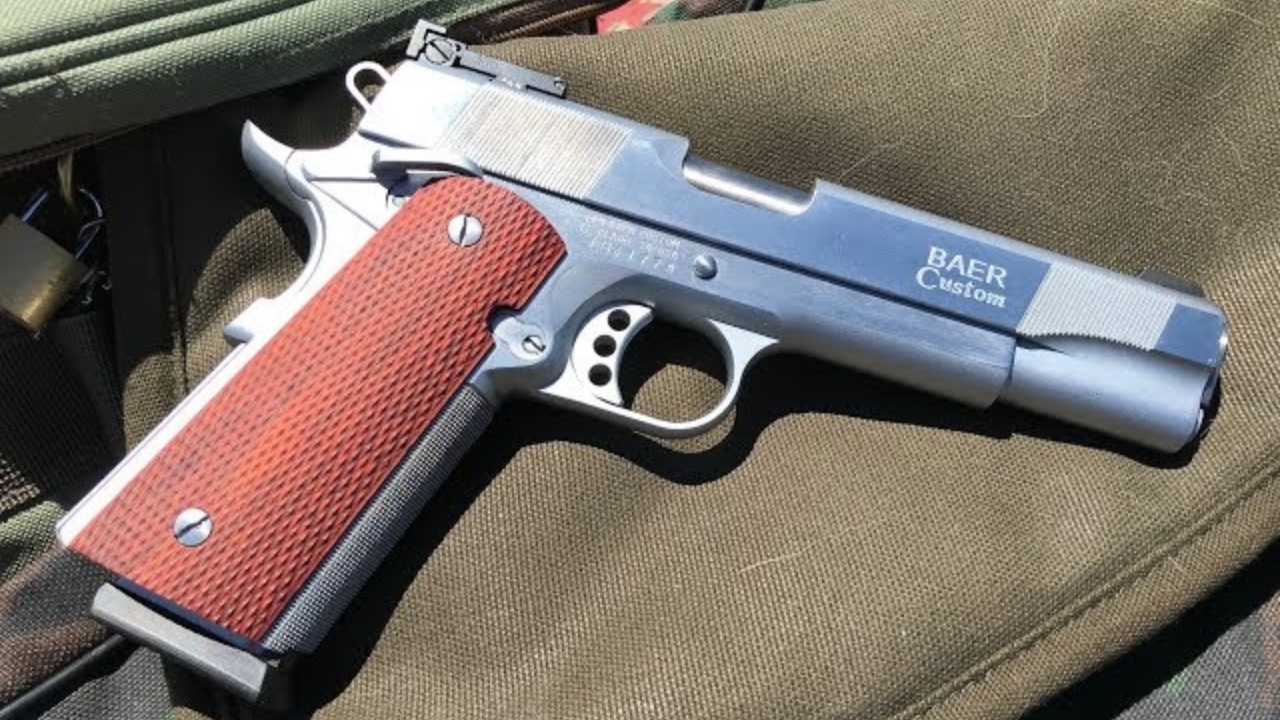
Les Baer Premier II (tight 1911s in general)

A tight 1911 like a Les Baer Premier II can feel amazing when it’s clean and properly lubed. The slide-to-frame fit is usually snug, the lockup is consistent, and you get that smooth, precise feeling that makes you want to shoot slow and admire groups.
Take that same tight fit into dust and grit and you can start feeling the drag. Fine dirt on the rails turns “buttery” into “gritty” fast, and the gun may need more lube than you’d expect to stay happy. Add in magazines that don’t love sand, and you’ve got a pistol that can run great—until the day you treat it like a trail gun instead of a range pistol.
Kimber Ultra Carry II

Compact 1911s like the Kimber Ultra Carry II can be dependable, but they’re often less forgiving than a full-size gun. Everything is happening faster in a shorter slide, and small changes in spring tension, lubrication, or friction matter more.
Dust and grit amplify that. When a compact 1911 starts slowing down, it may show up as occasional failures to return to battery or a gun that suddenly feels “tight” when you rack it. Pocket carry doesn’t help either—lint and grit collect in the same places the gun needs to stay slick. You can keep it running, but it rewards people who stay on top of maintenance.
SIG Sauer P210

The P210 has a reputation for precision, and you feel it the first time you run one. The slide fit is smooth and close, the trigger is clean, and the pistol seems to reward careful shooting. It’s easy to see why people respect it.
That same refined feel can make it less tolerant of grime than a looser, duty-style pistol. Dust on the rails and inside the frame can turn a slick cycle into a sluggish one if you run it dry. It’s not that the P210 is fragile. It’s that it’s a “nice watch” kind of gun—capable and accurate, but happier when it isn’t living in a gritty world.
CZ Shadow 2

The Shadow 2 is a soft-shooting, accurate pistol that makes you look good when you do your part. The weight, the balance, and the trigger all help you run it fast and clean on a range day. In a controlled environment, it’s a confidence builder.
Outdoors grime can change the vibe. The Shadow 2’s tight, competition-leaning feel means grit on the rails and inside the slide can be more noticeable than on a looser service pistol. It’ll usually keep going, but you may start feeling the cycle get rough, especially if you’re running it dry. If you want a pistol that you can drop in the dirt and ignore, this isn’t the first pick.
Staccato XC (competition-style 2011s)

A Staccato XC is built to shoot flat and fast, and it’s hard not to trust a gun that tracks that well. The trigger is light and predictable, the sight picture settles quickly, and everything about it encourages speed.
But 2011-style pistols are still magazine-driven machines, and magazines are where dust loves to cause drama. Fine grit can slow followers, add friction, and turn “runs forever” into “random nose dive” if you’re careless with gear. The gun itself can be reliable, but it’s not an “ignore it” system. If you treat it like a hard-use outdoors pistol, you’re signing up for more cleaning and more attention to magazines than most people expect.
Ruger Mark IV

The Mark IV is a great .22 for learning, plinking, and shooting tight groups without beating up your hands. It points well, the trigger can be excellent, and it’s the kind of pistol you can shoot all afternoon. The problem is .22 LR is dirty by nature, and rimfire ammo brings wax, grit, and grime to the party.
Add outdoor dust to rimfire residue and the gun can start feeling sluggish. Extraction and feeding issues are more common once the chamber gets fouled and gritty, especially if you’re running bulk ammo. The Mark IV is still a solid design, but it rewards a quick wipe-down and a little attention if you’ve been crawling around on dusty ground.
Browning Buck Mark

A Buck Mark can be scary accurate for a rimfire, and it has a steady, easy-to-shoot feel that makes you want to stretch it out. It’s also one of those pistols that can run well—right up until the mix of rimfire filth and outdoor grit starts stacking up.
Dust gets into the action, and rimfire residue builds quickly around the chamber and bolt face. When it starts acting up, it’s often not one dramatic failure. It’s a gradual slide into “why is this suddenly picky?” If you keep it reasonably clean, it’s a joy. If you treat it like a glovebox gun that lives through summer dust and winter grit, don’t be surprised if it starts complaining.
SIG Sauer Mosquito

The Mosquito has always had a reputation for being ammo-sensitive, and that’s before you add real-world dirt. When you find the load it likes and keep it reasonably clean, it can be a fun little trainer that feels familiar in the hand.
Dust and grime shorten the patience window fast. Rimfire pistols already have less power to work with, and a little extra friction can be the difference between cycling and choking. Outdoor grit in the slide rails or a dirty chamber can turn “mostly fine” into “constant malfunctions” in a hurry. It’s the kind of gun that teaches you a lesson: rimfires don’t love neglect, and some rimfires love it even less.
Desert Eagle Mark XIX

A Desert Eagle is reliable when you treat it like what it is: a large, gas-operated pistol with specific preferences. It can be accurate, it can run well, and it’s a blast when everything is set up right.
Dust and grit are not its friends. The gas system relies on ports and passages that don’t benefit from being packed with grime, and the gun’s size encourages people to set it down in places where dirt is unavoidable. It’s also sensitive to ammo choice compared to simpler handguns. You can absolutely keep one running, but it’s not a pistol that forgives “normal day outdoors” habits like tossing it on a tailgate and forgetting about it.
AR-15 with a dry, tight setup

An AR-15 can be extremely reliable, but it’s a system that likes lubrication and decent magazines. When you run one dry in fine dust, you’re making it work harder than it needs to. That powdery grit gets into the bolt carrier group, mixes with carbon, and turns into a paste that slows things down.
You’ll usually feel it before it fully quits. The action starts sounding different, cycling feels less energetic, and you may see sluggish feeding or weak ejection. Keep it wet enough to stay slick and it tends to behave better. Treat it like a clean-range-only rifle and then drag it through a windy, dusty day, and it can remind you that friction is undefeated.
AR-10 pattern rifles
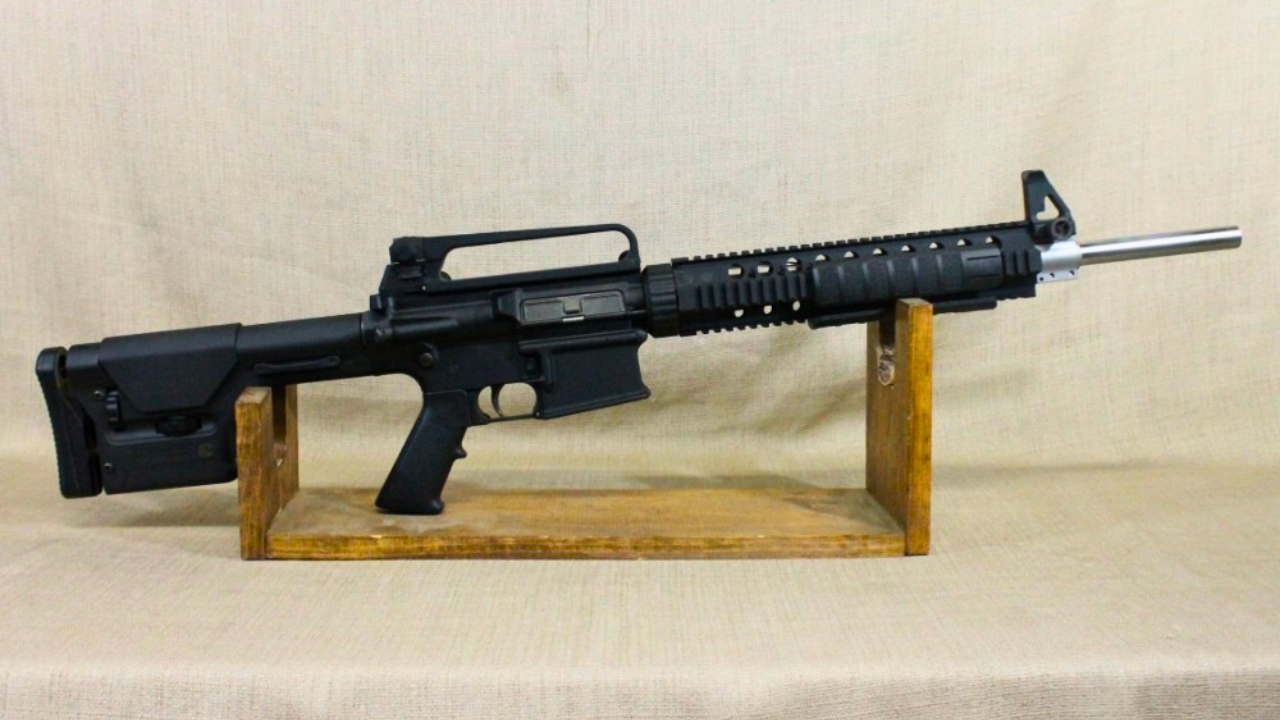
AR-10 pattern rifles can be accurate and powerful, but they can also be less forgiving than a 5.56 AR when conditions get messy. You’re moving heavier parts, dealing with more recoil energy, and sometimes juggling gas settings that were tuned for “nice day at the range” instead of “dusty day in the field.”
Fine grit can show up as inconsistent cycling, especially if the rifle is on the edge of being under-gassed or if the buffer setup isn’t quite right. Add dirty magazines and you can end up chasing problems that feel random. Plenty of these rifles run great, but when they don’t, dust and grit tend to make the troubleshooting louder and more frequent than most shooters expect.
Browning BAR (hunting semi-autos in general)

A Browning BAR is a legitimate hunting rifle that can shoot well and cycle smoothly when it’s clean. It’s also the kind of rifle people love because it feels refined and shoots comfortably for the cartridge. When everything is clean, it’s easy to trust.
The tradeoff is complexity. Semi-auto hunting rifles have more moving parts and more places for grit to create drag. Dust in the action, grime around the bolt, or debris in the magazine can show up as sluggish cycling or feeding hiccups. It’s not that the BAR can’t handle being hunted with—it absolutely can. It’s that it doesn’t reward the “ignore it for a season” approach the way a simple bolt gun often does.
Marlin 336
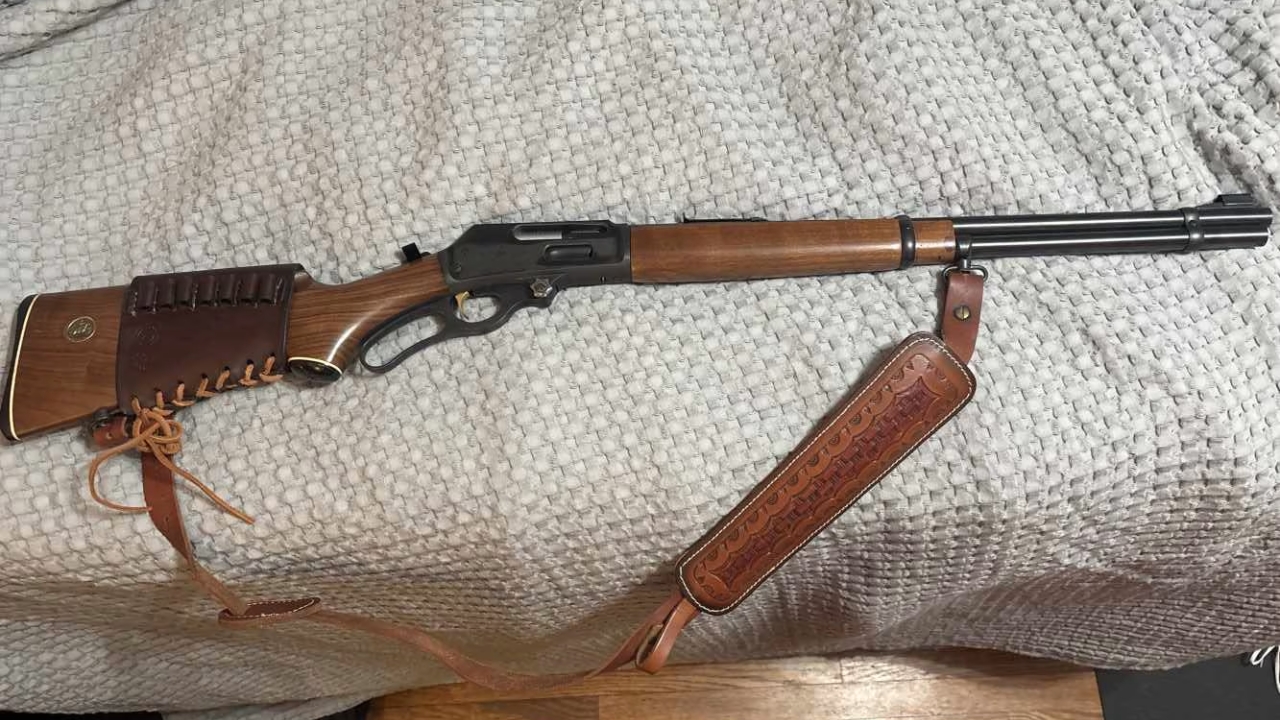
Lever guns like the Marlin 336 feel at home in the woods, and they can run for decades. They’re also mechanical in a very exposed way. The action opens up, it moves a lot of parts, and it invites dust and grit inside every time you work the lever.
When a lever gun gets gritty, you feel it immediately. The lever stroke turns rough, the carrier can start feeling sluggish, and the whole gun loses that smooth rhythm that makes it fun. It might still shoot accurately, but running it becomes less pleasant, and problems can creep in if debris builds up in the wrong spot. Lever guns aren’t delicate. They just don’t love fine, persistent grit.
Remington 870
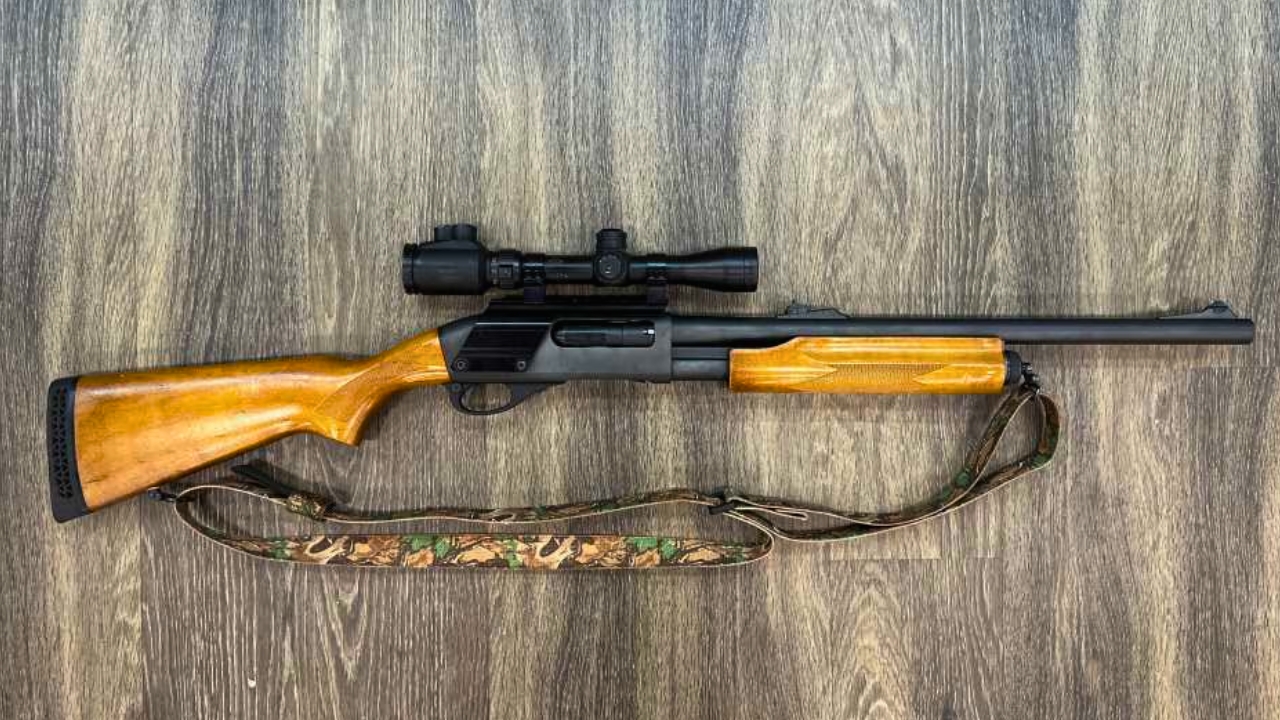
A pump shotgun like the Remington 870 has a reputation for reliability, and for good reason. But pumps are also very honest about friction. If sand or grit gets into the action bars, the forend tube area, or the receiver rails, you can feel it immediately.
The problem isn’t usually a total failure at first. It’s that sticky, gritty resistance that makes the pump stroke slow down. And with a pump gun, a slow stroke is where feeding issues like to live. If you keep it reasonably clean, it’s a tank. If you’re hunting in blowing sand, tossing it in the truck, and never wiping it down, don’t be shocked when it starts feeling like it’s full of gravel.
Benelli M2

The Benelli M2 is a proven shotgun, and inertia systems can run very clean compared to gas guns. That’s the upside. The system isn’t dumping crud into the action the same way some gas shotguns do.
The downside is inertia guns still need the moving parts to move freely. Thick grit, caked dust, or heavy debris in the wrong place can slow down what needs to cycle quickly. If you’re in fine, dry dust and you’ve got grime building up around the bolt and rails, you may start noticing sluggish behavior. The M2 is a workhorse, but it’s still a machine that appreciates a quick wipe-down after a hard, dirty day.
Ruger LCP II

Tiny pistols like the Ruger LCP II are built to be carried a lot, and that means they live in the real world. The real world includes pocket lint, grit, sweat, and whatever dirt ends up in your clothing and gear. The gun may still run fine for a while, which is what makes people forget to check it.
Eventually, pocket life shows up. Dust and lint can get into the slide rails and around the muzzle, and grime can build up in the magazine. Small pistols already have less mass and less tolerance for extra drag. When they start acting up, it can look like weak ejection, failures to feed, or a slide that doesn’t return to battery with authority. If you carry a micro pistol, you don’t need to baby it—you just need to actually maintain it.
Like The Avid Outdoorsman’s content? Subscribe to our newsletter so you never miss an article.
Here’s more from us: