Photo credit: TheFirearmFilesGunSales/GunBroker
The Ruger Mini-30 is one of those rifles that a lot of shooters recognize instantly, but not everybody knows why it mattered when it showed up. It was basically Ruger’s Mini-14 formula reworked for 7.62×39 mm, and that gave American shooters something unusual: a ranch-style semi-auto with Garand/M14 flavor chambered for the AK cartridge. American Rifleman says the Mini-30 was introduced in 1987 after Ruger altered the Mini-14 design for 7.62×39 mm, while Ruger’s serial-history page shows production beginning in 1986 and regular production rolling into 1987.
What makes the Mini-30 especially interesting is that it was never just “a Mini-14 in a different caliber.” It arrived before the 7.62×39 boom in American sporting rifles really took off, gave hunters a semi-auto option in a cartridge that could satisfy minimum-caliber deer laws in some states, and offered an entirely different feel from AKs or ARs chambered for the same round. American Rifleman says the cartridge gave it more knockdown power than the Mini-14’s .223 and made it opening-day friendly, while another American Rifleman piece notes that the cartridge’s ballistics were similar to the .30-30 Win. for many practical uses.
1. The Mini-30 officially dates to the late 1980s, not the 1990s
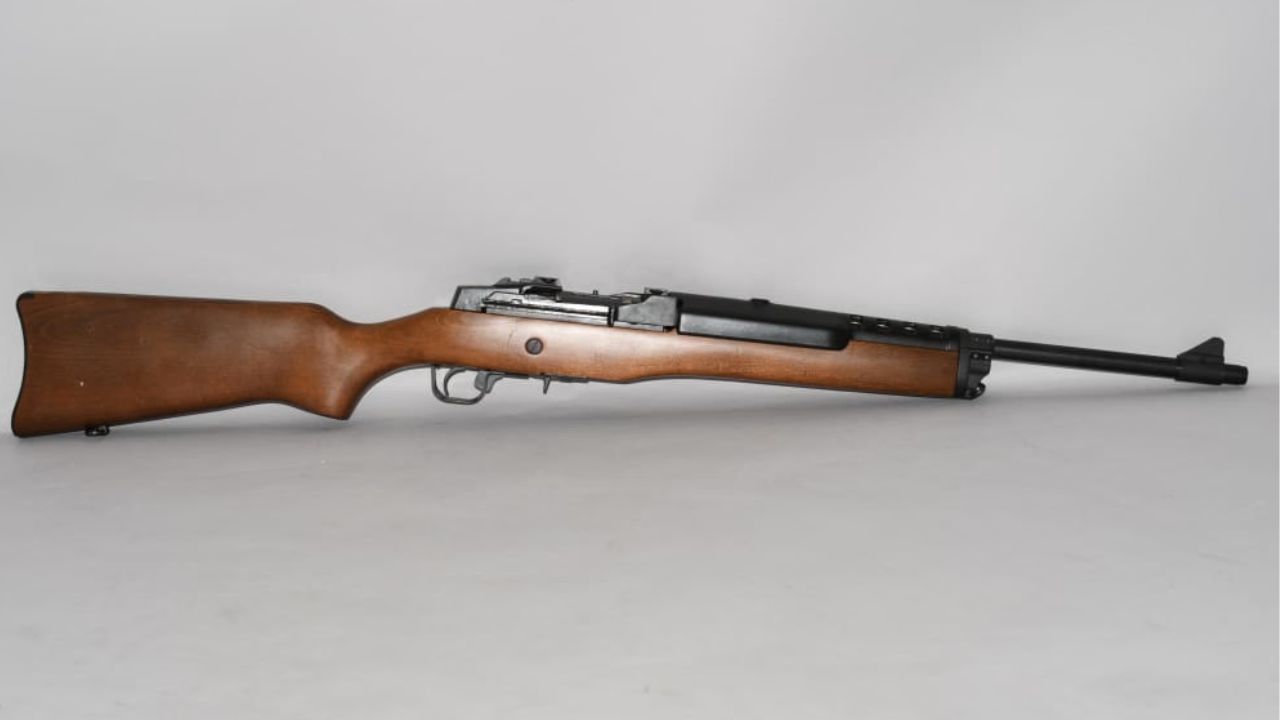
A lot of shooters think the Mini-30 came later than it really did, but American Rifleman says it was introduced in 1987, and Ruger’s serial history shows the first production year as 1986 with standard catalog continuation in 1987.
That timing matters because Ruger was early to the idea of offering a mainstream American semi-auto in 7.62×39 mm. It did not wait for the cartridge to become trendy in every rifle platform first.
2. It is literally a 7.62×39 Mini-14 at heart

American Rifleman describes the Mini-30 as the Mini-14 design altered and rechambered for 7.62×39 mm, and another article flatly calls it the “7.62×39 mm Mini-14.”
That is one of the biggest facts behind the rifle’s identity. Ruger did not invent a brand-new platform here. It took a familiar carbine layout and adapted it to a very different cartridge.
3. It was one of Ruger’s earliest big bets on 7.62×39 in the U.S. market

American Rifleman says Bill Ruger recognized the cartridge’s potential when he introduced the Mini-30 in 1987.
That matters because 7.62×39 was still far more culturally tied to imported rifles than to a domestic ranch-style semi-auto. The Mini-30 helped show the cartridge could live comfortably outside the AK world.
4. The cartridge choice was a hunting play as much as a range-ammo play

American Rifleman says the Mini-30’s .30-caliber bullet gave it more knockdown power and made it “opening-day friendly,” while The Keefe Report says the cartridge could do most of the jobs then performed by the .30-30 Win.
That is a big reason the Mini-30 found a different audience than many people expect. It was not only about cheap ammo. It was also about giving hunters a compact semi-auto with legal and practical deer-rifle appeal in places where .223 was less welcome.
5. It came along before the fall of the Iron Curtain

The Keefe Report points out that Ruger introduced the Mini-30 in 1987, “not long before the fall of the Iron Curtain.”
That is a fun little historical detail because it reminds you the rifle showed up before the massive wave of later post-Cold War 7.62×39 familiarity in the U.S. really matured. In a way, Ruger was ahead of the market.
6. It uses a piston-driven action with roots in classic U.S. service-rifle thinking

American Rifleman says the Mini-30 has a piston-driven action reminiscent of J.C. Garand’s designs, and another American Rifleman piece on the Mini family says the Mini-14 itself was Garand-inspired.
That matters because the Mini-30 was never meant to feel like an AK clone. Its whole vibe was “American service-rifle influence meets Soviet cartridge,” which is a big part of why it still stands out.
7. It gave shooters a 7.62×39 rifle that did not use AK magazines

American Rifleman’s 2014 piece on 7.62×39 ARs notes that the Mini-30 did not use AK magazines.
That is a useful detail because it explains part of the rifle’s appeal and part of its tradeoffs. The Mini-30 offered a cleaner, more traditional American-carbine manual of arms, but it was never trying to be an AK-pattern parts-and-magazine ecosystem gun.
8. It was popular partly because 7.62×39 ammo was inexpensive
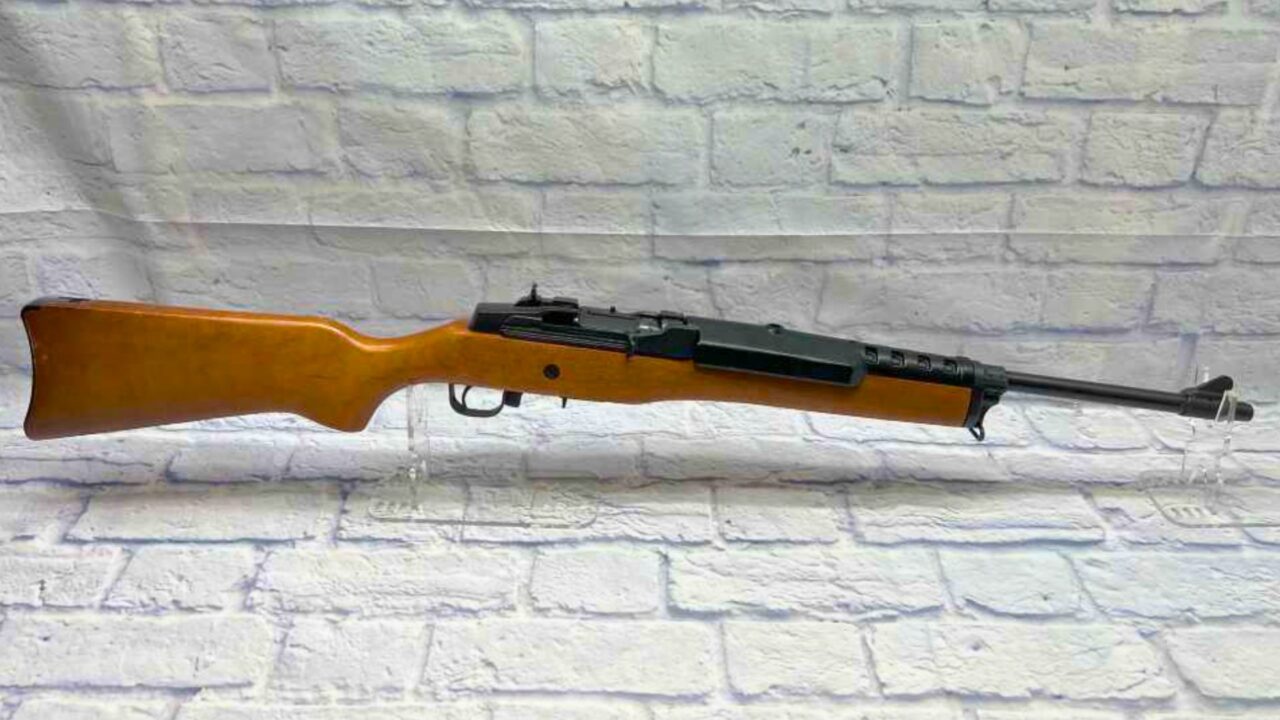
American Rifleman says the Mini-30’s ability to digest inexpensive imported ammunition was a “pocketbook bonus.”
That matters because the Mini-30 was fun in a very practical way. It gave owners a semi-auto that could be shot a lot without the same ammo cost pain some other rifles brought.
9. Stainless Mini-30s were part of the story too
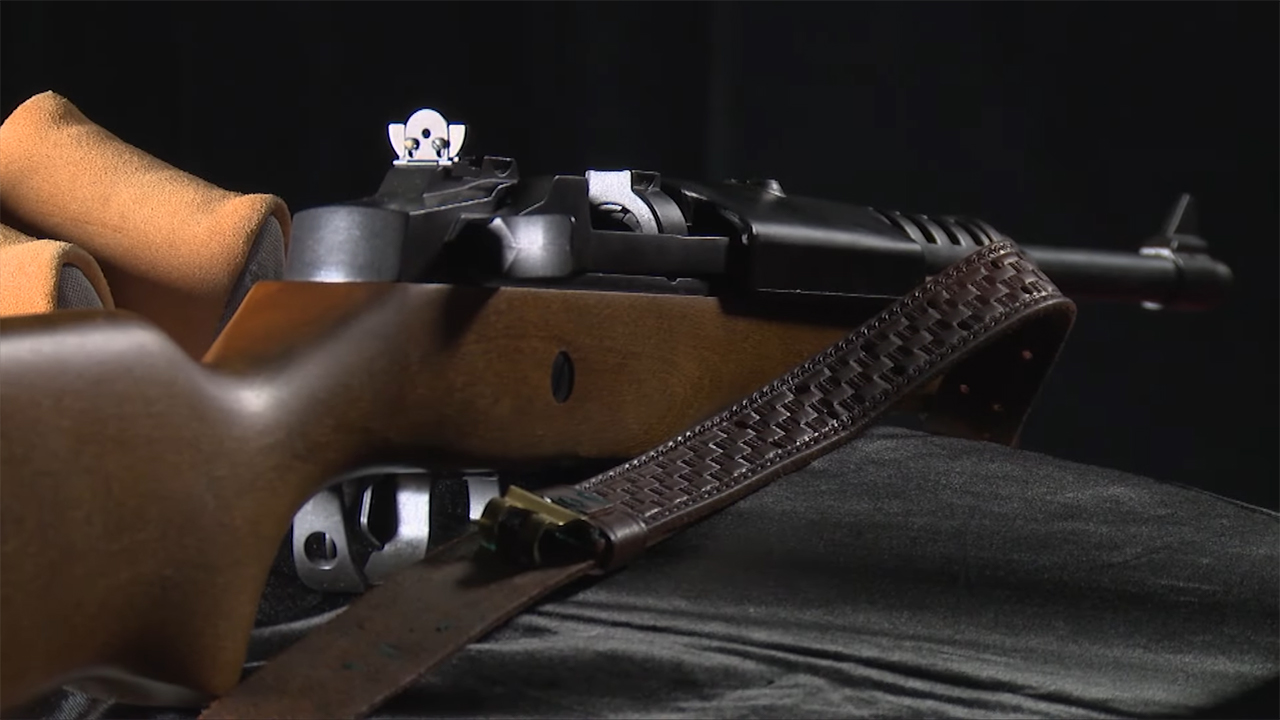
American Rifleman’s 2018 “Gun of the Week” says the Mini-30 was built using Ruger’s investment-casting expertise and was offered in either blued or stainless steel.
That is worth knowing because a lot of shooters picture only the blued wood-stocked rifle. Stainless versions helped reinforce the Mini-30’s ranch-rifle, truck-gun, and hard-use reputation. That last point is an inference, but it follows from the stainless option and the Mini family’s broader ranch-rifle identity.
10. The rifle’s name itself changed over time in how people wrote it
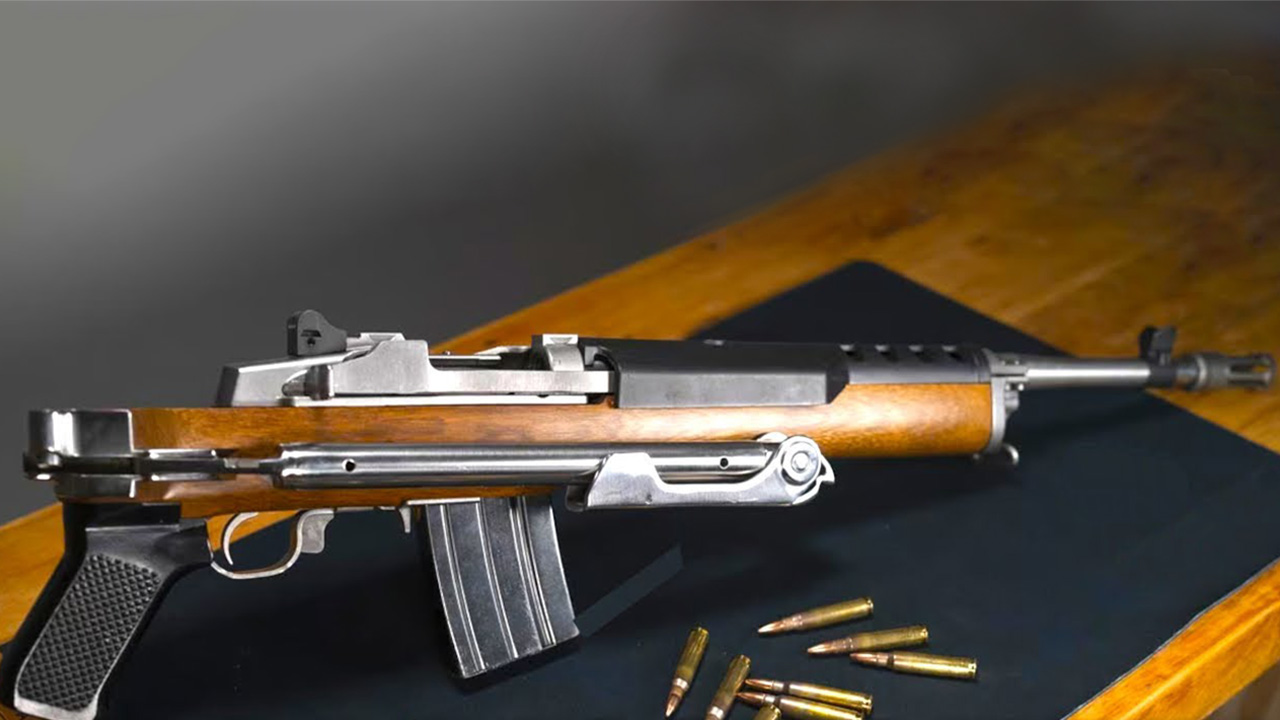
Older coverage often writes it as “Mini Thirty,” while Ruger’s own serial history labels it “Mini Thirty Rifle,” and later coverage often uses “Mini-30.”
That sounds minor, but it is a neat little clue that the gun has lived through multiple catalog and media eras. The rifle stayed the same family, but the branding language drifted.
11. It developed its own following rather than living only in the Mini-14’s shadow
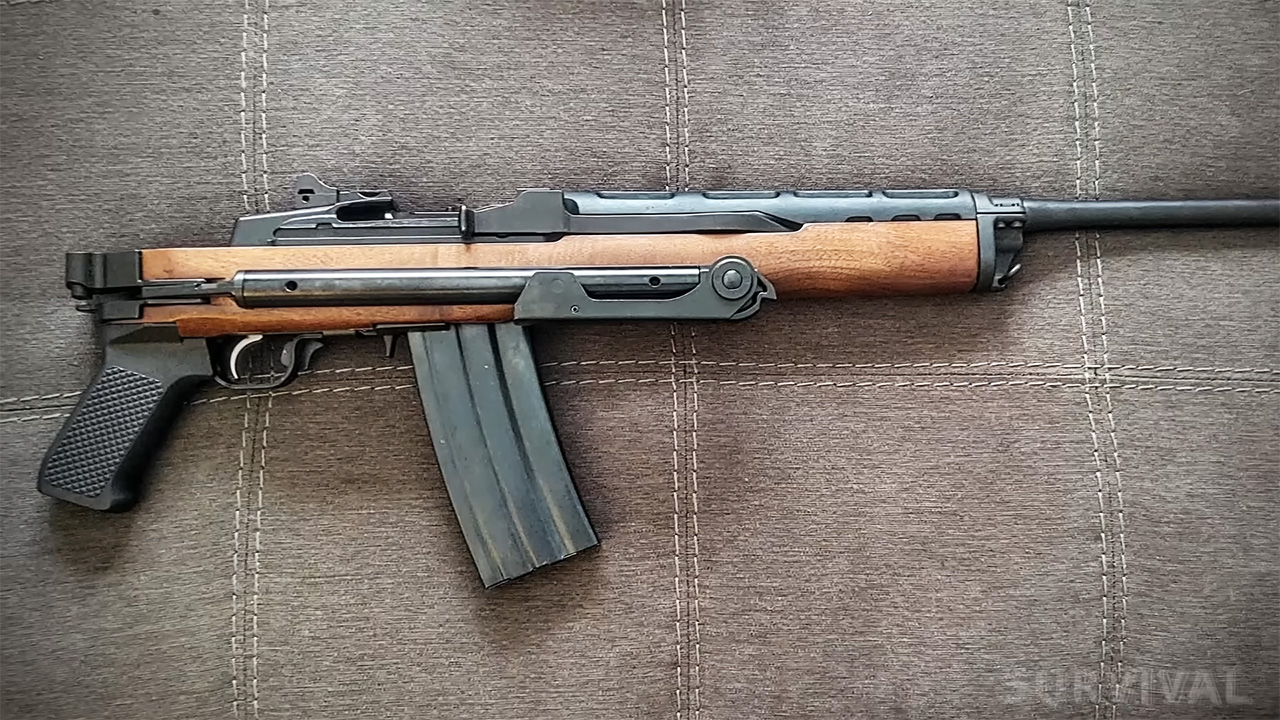
American Rifleman’s “8 Things You Might Not Know About the Ruger Mini-14” says the Mini Thirty developed its own following after its introduction in 1987.
That matters because the Mini-30 was not just a curiosity spinoff. Enough shooters found the 7.62×39 version useful that it became a recognizable platform in its own right.
12. It appealed to shooters who wanted AK-ballistics without AK ergonomics

This is partly an inference, but it is a grounded one. The sources consistently frame the Mini-30 as Garand/M14-like in feel and 7.62×39 in chambering, while also noting it did not use AK magazines.
That combination is exactly why the rifle stayed interesting: it offered familiar .30-caliber intermediate-cartridge performance in a very different handling package.
13. Steel-cased ammo became part of the Mini-30 conversation for a reason

American Rifleman ran a specific Q&A in 2014 on steel-cased 7.62×39 ammunition in Ruger Mini Thirty rifles, which tells you that ammo choice was a real enough owner concern to deserve dedicated discussion.
That is worth knowing because the Mini-30’s reputation has always been tied not just to the rifle itself, but to the wide range of imported ammo people wanted to run through it.
14. The Mini-30 helped normalize 7.62×39 outside AK-style rifles

American Rifleman’s 2014 cartridge article puts the Mini-30 right near the start of the conversation about American rifles chambered in 7.62×39, alongside later AR entries.
That matters because the Mini-30 was part of the reason shooters stopped thinking of 7.62×39 as something that belonged only in imported military-style platforms. That conclusion is an inference, but it is strongly supported by how the rifle is positioned in that article.
15. The Mini-30 was a genuinely unusual American rifle idea that worked

When you step back, the Mini-30 was a Ruger ranch-style semi-auto, Garand-inspired in feel, chambered in 7.62×39, introduced in the late 1980s, and useful for both affordable range time and real hunting roles. That is a weird combo on paper, but the sources make clear it found a real audience.
That is why the Mini-30 still matters. It was not just “the 7.62 Mini.” It was one of the more distinctive American semi-auto rifles of its era.
Like The Avid Outdoorsman’s content? Be sure to follow us.
Here’s more from us: