Photo credit: By U.S. Air Force photo by Senior Airman Clayton Lenhardt – Public Domain, /Wikimedia Commons
Shotguns are one of the easiest guns to overbuild. Give the market enough time and almost every plain, useful scattergun gets turned into a platform for rails, optics, oversized controls, shell cards, adjustable stocks, recoil gadgets, and enough add-ons to make a simple field or defensive gun feel like a gear experiment. Some of that has real value in the right role. A lot of it does not change the basic truth that a good shotgun was already a very effective tool long before people started hanging extra parts all over it.
That is why some shotguns still shine without much modern help. The fundamentals that made them good never stopped mattering. They point naturally, carry well, cycle reliably, and fit real-world use better than a lot of heavily accessorized setups. Whether the job is bird hunting, deer season, home defense, or just owning one dependable shotgun that makes sense in ordinary life, some older and simpler guns keep proving that they do not need much to stay relevant.
A natural-pointing shotgun is still hard to beat
One reason certain shotguns still hold up so well is that pointing and handling never went out of style. A shotgun is not only a firearm you aim like a rifle. In many real uses, especially hunting and practical defensive work, it is a gun that has to come up cleanly and feel right immediately. That quality is hard to fake and even harder to improve with accessories. A gun like an Ithaca 37, Winchester Model 12, or Browning Citori tends to shine because it already knows how to move with the shooter.
That kind of handling gets overlooked in favor of features too often. People start thinking about shell capacity, optic mounting, or accessory compatibility before they stop to ask whether the gun actually shoulders naturally. But when a bird gets up fast or a target appears unexpectedly, that natural feel becomes the whole story. A shotgun that mounts well and swings honestly will keep proving its worth long after more modern-looking options start feeling clumsy and overdone.
Good pumps still make a lot of modern upgrades feel unnecessary
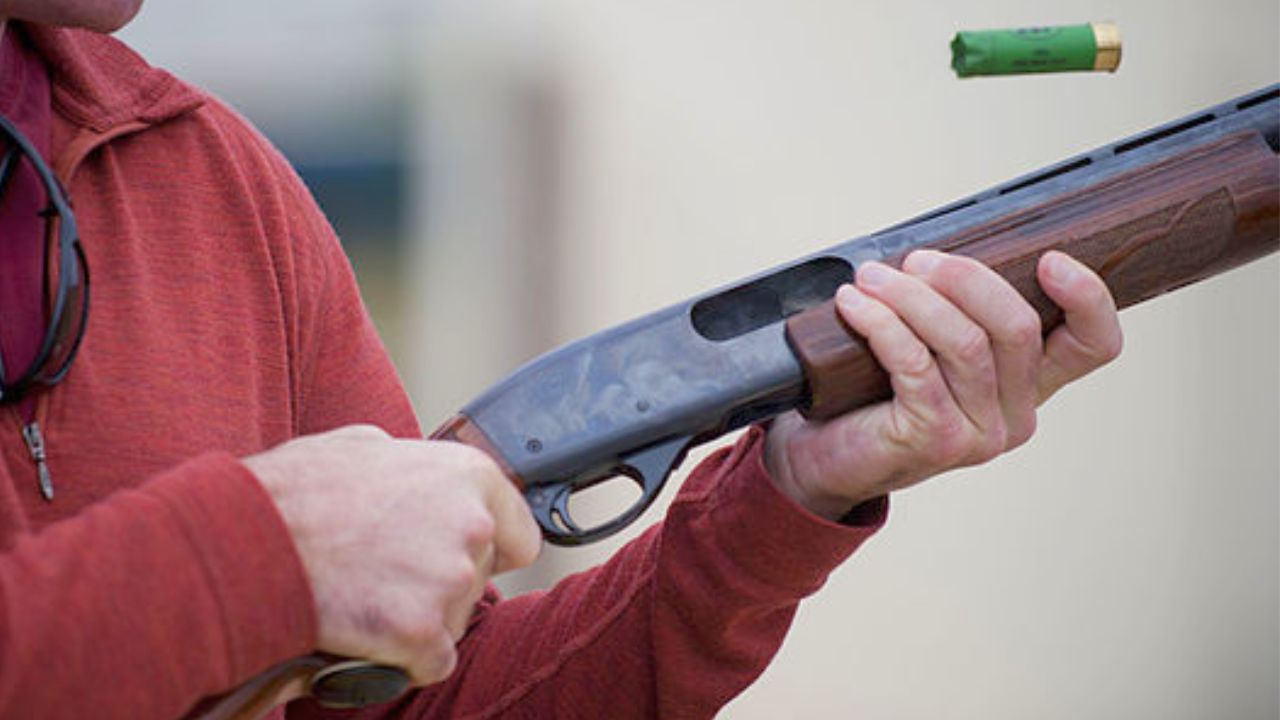
The basic pump shotgun remains one of the strongest examples of a platform that still shines with very little help. A plain Remington 870 or Mossberg 500 with a good stock, usable bead or simple sights, and ammunition it likes is still an extremely sensible gun. It does not need to become a tactical project to stay practical. It needs to run, point well enough for the role, and be simple enough that the owner can use it confidently under normal conditions.
That is part of why these shotguns keep lasting. They solve a lot of real-world problems without becoming complicated. The more a gun already does its job well, the less value there is in forcing upgrades onto it. A lot of pump guns start losing some of their best qualities once they get too heavy, too bulky, or too overloaded with extra parts. A clean, simple shotgun that cycles reliably still wins plenty of arguments in the real world.
Field guns were often already built around what matters
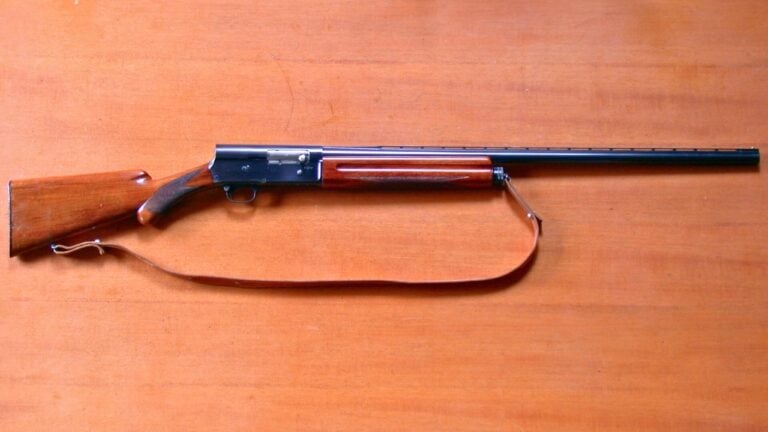
A good field shotgun does not need much modern help because many of the old design priorities were the right ones to begin with. Balance, fit, durability, and easy carry mattered then, and they still matter now. A Browning Auto-5, Remington 11-87, or Beretta 686 may not come with every modern convenience, but those guns were built around actual use in fields, marshes, and woods. That practical focus still shows.
This is especially obvious with hunting shotguns. A lot of newer guns try hard to look advanced, but the birds do not care how futuristic the receiver looks. They care whether the shooter gets the gun up smoothly and stays with the shot. The old field guns that still shine tend to be the ones that feel like they were built by people who understood that from the beginning. When the priorities stay right, the gun ages well.
Simplicity keeps paying off under stress
Another reason some shotguns still shine without much modern help is that simplicity remains one of the best forms of reliability. A plain shotgun with familiar controls and a straightforward operating system gives the owner less to think about when things get fast or unpleasant. That matters in a duck blind, in thick upland cover, and certainly in a home-defense role. A gun that does not need to be managed like a small machine project is often a better real-world tool.
This is where older or simpler designs often keep outperforming more accessorized versions of themselves. The more parts, bulk, and complexity you add, the more opportunities you create for discomfort, confusion, and maintenance headaches. A plain defensive shotgun with a useful stock and good light may make sense. A shotgun layered with extras until it feels front-heavy and awkward usually does not. Simplicity is not outdated. It is often the whole reason the gun still works so well.
Weight and balance still matter more than gadget appeal
One of the quickest ways to make a shotgun less useful is to forget what carrying it actually feels like. This is true in hunting and just as true in defensive setups. Shotguns already carry more bulk than many rifles, and once you start adding side saddles, oversized optics, rails, and accessory mounts, you often turn a naturally balanced gun into something that feels slow and awkward. The shotgun may look more capable. It may also feel worse in every moment that matters.
That is why some older or simpler guns keep shining. They have not lost the balance that made them practical in the first place. A clean Ithaca 37, Winchester Model 12, or Browning BPS still feels alive in the hands because the gun’s original shape was already right. The same is true of many traditional field over-unders and pumps. Once you spend enough time carrying a shotgun, balance starts mattering more than accessory potential.
A lot of real shotgun use does not demand reinvention
It is also worth remembering that the actual jobs shotguns do have not changed as much as the market around them has. Bird hunting still rewards smooth handling and fit. Turkey hunting still rewards a focused, dependable setup. Deer season in shotgun country still favors a gun that can be trusted with slugs and carried without misery. Home defense still rewards a shotgun that is easy to operate and easy to understand in poor light and poor conditions. None of those roles suddenly became dependent on constant modernization.
That is why the better older or simpler shotguns keep staying relevant. They were already solving real problems. If a gun fit those problems well in the first place, then it did not need a lot of outside help to stay useful. Some newer improvements are legitimate. Better recoil pads, improved choke systems, and certain practical sighting options can help. But a shotgun that was already right in the important ways often does not need much else.
The best old shotguns still feel complete
More than anything, the shotguns that still shine without much modern help usually feel complete. They do not feel like they are waiting to be fixed by aftermarket parts. They do not seem unfinished without a pile of accessories. They feel like real guns with real purpose. That can be an old Browning Auto-5 that still shoulders beautifully, a plain Remington 870 that still cycles like it should, or a classic Citori that still handles birds the way a shotgun is supposed to.
That kind of completeness is hard to improve on. Once a shotgun already carries well, points naturally, and works when asked, there is a good chance the smartest thing an owner can do is leave it mostly alone. Not every good gun needs help to stay good. Some simply keep shining because they got the basics right the first time.
Like The Avid Outdoorsman’s content? Be sure to follow us.
Here’s more from us: