Photo credit: TinkerTalksGuns/YouTube
Some guns earn real loyalty because they work. Others get defended because the name on the slide, receiver, or rollmark means more to people than the actual experience of owning and shooting them. You see it all the time. A gun starts getting excuses made for it instead of honest criticism. Suddenly the trigger “just needs break-in,” the reliability issues are “ammo related,” or the rough fit and finish are somehow part of the charm.
That does not always mean these guns are useless. A few of them have solid versions, and some owners genuinely get great performance out of them. But these are the models that seem to trigger brand loyalty faster than product honesty. When a firearm needs a long speech before it needs a range report, that usually tells you something.
Taurus PT111 Millennium G2

The Taurus PT111 Millennium G2 sold hard because it looked like a bargain carry gun in a market where people wanted Glock size without Glock pricing. On paper, you could understand the appeal. It was compact, it held enough rounds, and it gave budget-minded buyers something that seemed practical. The problem was that Taurus built so much of its reputation around being affordable that owners often ended up defending the low price more than the actual performance.
That gun had plenty of fans, but it also had a habit of making people explain away rough triggers, uneven quality control, and spotty long-term confidence. When a pistol gets described with phrases like “mine runs fine” more than “these are consistently solid,” you start seeing the difference between a lucky sample and a trustworthy product. A lot of PT111 owners sounded more like defense attorneys than satisfied shooters.
Kimber Custom II

Kimber built a huge business by selling the idea of a nicer 1911 for people who wanted something more polished than entry-level offerings. The Custom II looked sharp in the case, and the brand carried a kind of upscale swagger that made buyers feel like they were getting into serious handgun territory. That image helped a lot, because the real-world ownership experience was not always as clean as the marketing suggested.
This is one of those pistols that has inspired years of owners blaming magazines, ammo, break-in periods, and even shooter technique before admitting the gun itself might be the issue. Plenty of Kimbers shoot well, but the brand has long benefited from customers who wanted the name to deliver prestige badly enough that they kept making excuses for the gun. That is usually a red flag with a 1911.
Remington R51
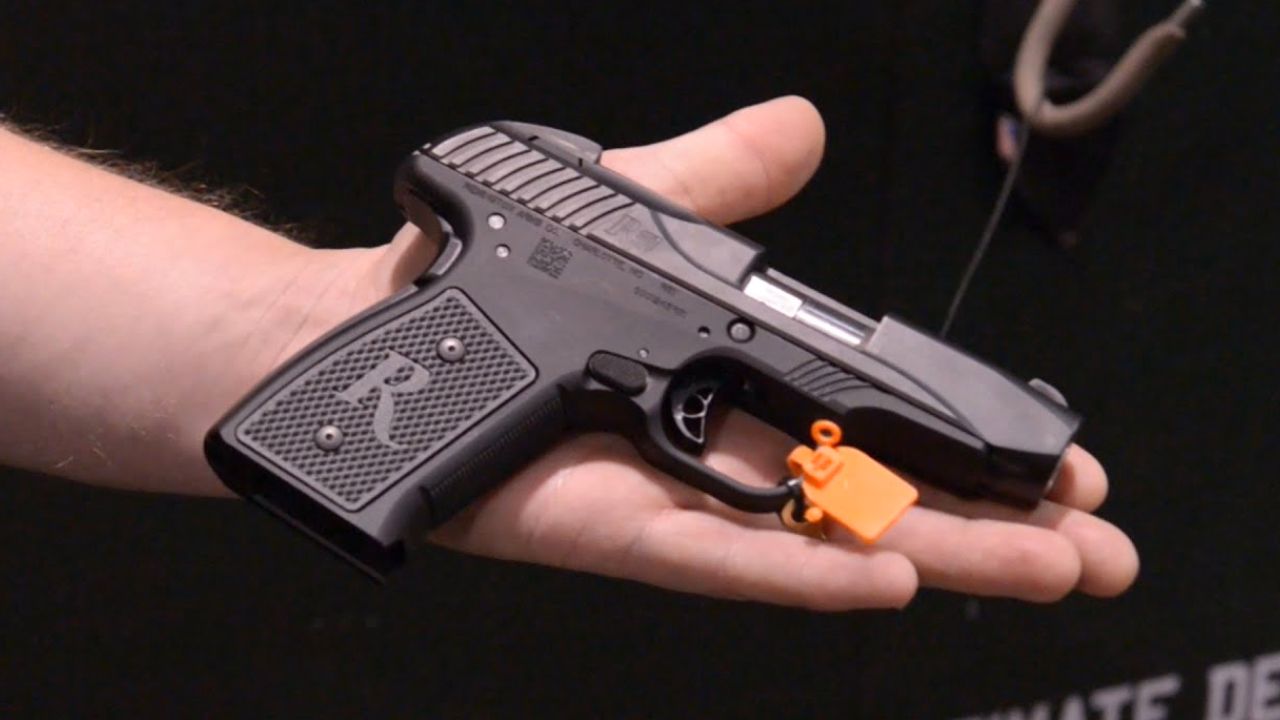
The Remington R51 is one of the clearest examples of a respected brand name dragging a weak product farther than it should have gone. Remington had enough history behind it that many buyers wanted to believe the gun would find its footing. It looked different, it had an interesting concept, and some people convinced themselves that it only needed time for the market to understand it.
What it really needed was to work better. The launch was messy, the performance reputation got ugly in a hurry, and the pistol became one of those guns people defended mostly because they were emotionally invested in the brand behind it. When shooters start talking more about a company’s heritage than the gun’s actual track record, that product is already in trouble. The R51 was supposed to be clever. Mostly, it became a lesson.
SIG Sauer P250

The SIG Sauer name has enough weight behind it that some guns survive criticism longer than they should. The P250 benefited from that for a while. Buyers saw the SIG branding, the modular concept, and the respectable fit, then assumed the gun would prove itself over time. Instead, many shooters came away feeling like they were handling an idea that never really matured into something they wanted to trust or enjoy shooting.
The long, heavy trigger was the biggest issue for many people, especially in a market that was already moving toward striker-fired pistols with simpler, more manageable feel. Yet a lot of owners kept defending it by pointing to the brand’s reputation and the concept’s flexibility. That is the kind of defense you hear when people like what a gun stands for more than what it does on the range.
Colt All American 2000

Colt can sell nostalgia better than almost anybody, and that matters when a bad product carries a famous pony on the slide. The All American 2000 had the advantage of brand history before anybody even pulled the trigger. Buyers wanted to believe Colt could build a modern double-stack service pistol that would carry the company into a different era. That hope lasted longer than the gun deserved.
This pistol became a classic case of brand faith getting way ahead of product quality. The trigger was odd, the ergonomics did not help, and the overall reputation never recovered. But even today, some people talk about it more like a misunderstood Colt experiment than a handgun that simply failed to live up to the task. Sometimes a famous brand buys a lot of patience. It does not buy a better gun.
Winchester Wildcat 22

The Winchester name still hits people in a way that goes beyond pure product evaluation. That helped the Wildcat 22 get more goodwill than it otherwise might have earned. It was light, modern-looking, and aimed at the budget rimfire crowd, but it also had the burden of wearing one of the most respected names in American firearms history. That is a nice advantage when buyers are deciding how much annoyance they are willing to tolerate.
The Wildcat is not a disaster, but it has inspired the kind of defense that usually comes from brand attachment first and product satisfaction second. When a rimfire starts drawing explanations about its quirks, feel, and cheapness instead of straightforward praise for reliability and shootability, you can tell the logo is doing real work. Winchester’s past gave this one more rope than the gun itself probably earned.
Springfield Armory XD-S Mod.2

Springfield fans can be intensely loyal, and the XD line has always had a following that sounds more committed than objective at times. The XD-S Mod.2 sold as a carry-friendly pistol with recognizable branding and enough features to look competitive in a crowded field. A lot of people wanted to treat it like a proven answer simply because Springfield had already built a tribe around the XD family.
The issue is that these pistols often inspired passionate defenses that went way beyond their actual standing in the carry market. People acted like criticism of the gun was criticism of the brand itself. That usually happens when a product has more emotional backing than clear performance advantage. The XD-S Mod.2 is not the worst carry pistol out there, but its loudest defenders often seemed more protective of Springfield than impressed by the gun.
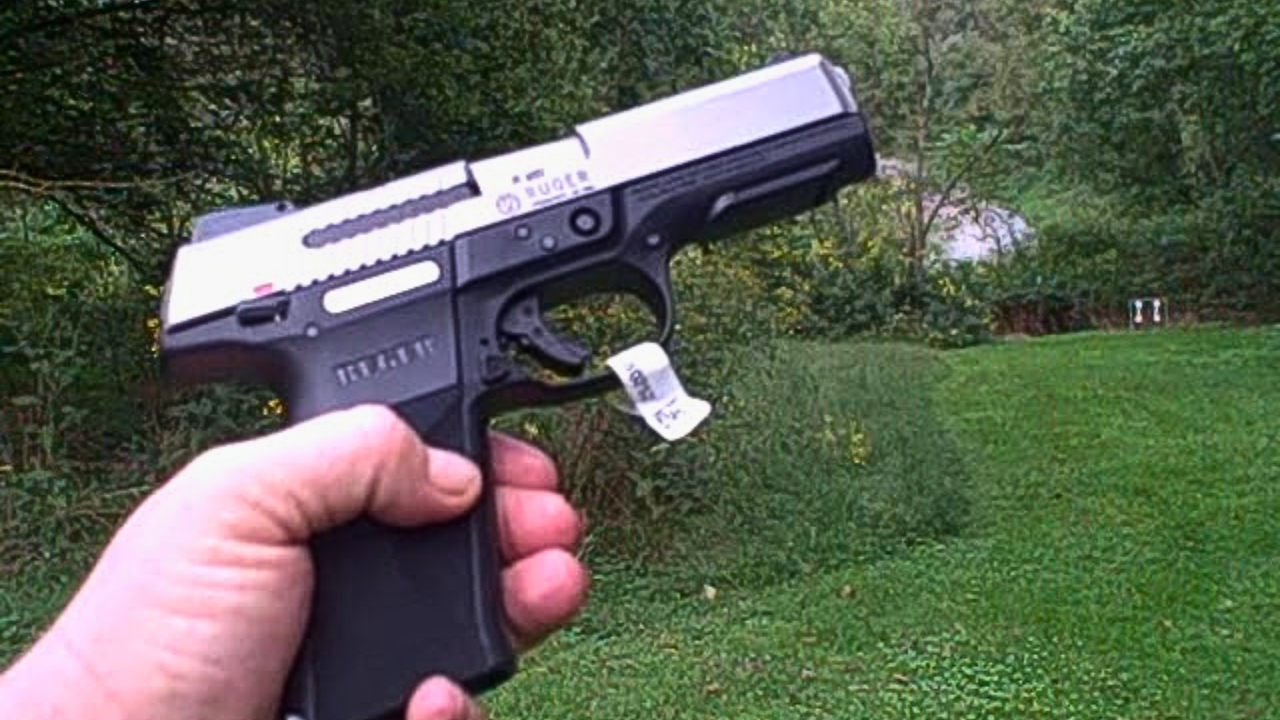
Ruger SR9

Ruger usually earns its reputation honestly, which is exactly why the SR9 is such an interesting example. The company had a loyal base of buyers who trusted the brand to produce practical, durable guns at fair prices. So when the SR9 arrived and immediately went through early controversy and recall trouble, many owners still wanted to believe Ruger would make it all right simply because Ruger was Ruger.
That brand confidence carried the gun through conversations where the product itself should have faced harder judgment. The SR9 eventually improved its standing, but the early defense around it had more to do with faith in the company than confidence in the pistol. You could hear it in the way people talked about the brand’s values, history, and customer service rather than the gun’s actual consistency and long-term appeal.
Beretta Nano

Beretta is one of those brands people want to trust, especially when it puts out a carry pistol that looks like a clean answer to modern concealed carry demands. The Nano had that kind of pitch. It was slim, simple-looking, and backed by a company whose name still means a lot to shooters. That alone bought it more patience than many competing pistols would have received.
In practice, the Nano developed a reputation for being stubborn, unimpressive, and harder to love than its specs suggested. But because it said Beretta on the slide, plenty of owners framed the experience like the market had misunderstood the gun rather than the gun failing to impress. That happens more often than people like to admit. A trusted brand can make buyers defend mediocrity long after they would have dumped the same performance from a lesser name.
Smith & Wesson Sigma
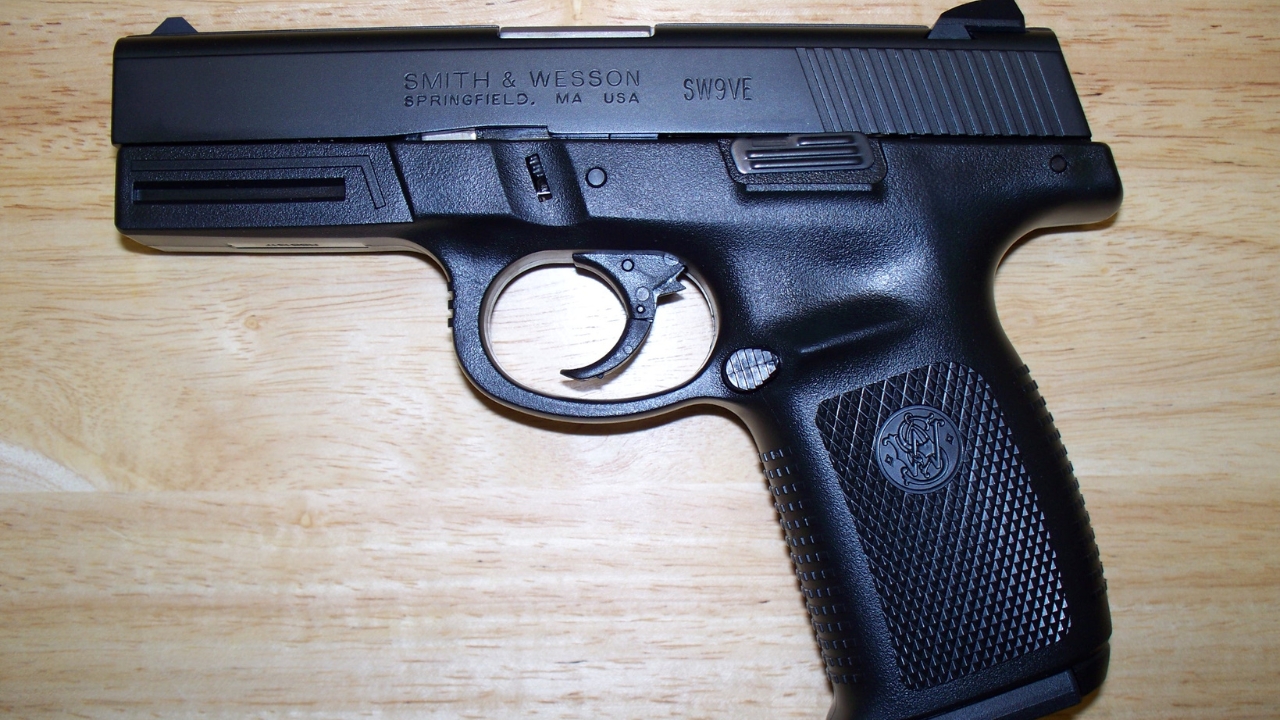
The Sigma rode into the market under a giant name and spent years living in the shadow of better striker-fired options. Smith & Wesson had enough respect that people kept taking chances on it anyway. For buyers who wanted a budget pistol from a major American maker, the Sigma looked like a sensible move. The trouble started once people actually had to live with that famously heavy trigger and the overall shooting experience.
This is one of those pistols that inspired a lot of “it’s good enough” arguments dressed up as real endorsements. Owners leaned on the Smith & Wesson brand, the low price, and the idea that simplicity mattered more than refinement. Sometimes that is fair. In the Sigma’s case, it often sounded like buyers were protecting the company name from embarrassment more than celebrating a genuinely satisfying handgun.
Mossberg MC1sc

Mossberg carries so much credibility in shotguns that people were eager to welcome the MC1sc as if brand trust would naturally transfer into the concealed-carry world. That happens a lot when a company with a strong reputation in one corner of the gun world moves into another. Buyers assume competence will carry over automatically. Sometimes it does. Sometimes the product ends up surviving mostly on borrowed credibility.
The MC1sc was not a hopeless pistol, but it landed in one of the most brutally competitive segments in the market and never really separated itself in a way that matched the enthusiasm around the brand. Even so, people defended it harder than they probably would have if it came from a lesser-known maker. When the main pitch becomes “Mossberg knows guns,” you are not really talking about the pistol anymore.
Walther CCP

Walther has a strong reputation among shooters who appreciate ergonomics and a slightly more refined feel than the typical striker-fired crowd offers. That reputation helped the CCP attract buyers who wanted something softer, easier, and more comfortable to rack. The concept sounded smart, especially for newer shooters or people with weaker hands. The problem was that concept does not always carry you very far when the gun itself becomes a headache.
The CCP earned criticism for complexity, maintenance annoyance, and a general sense that it was trying too hard to solve problems most buyers did not really have. Yet a lot of owners defended it through the lens of Walther’s reputation for thoughtful design. That is where the line starts to blur. People were often defending the engineering idea and the brand’s image more than the actual ownership experience.
KelTec PMR-30
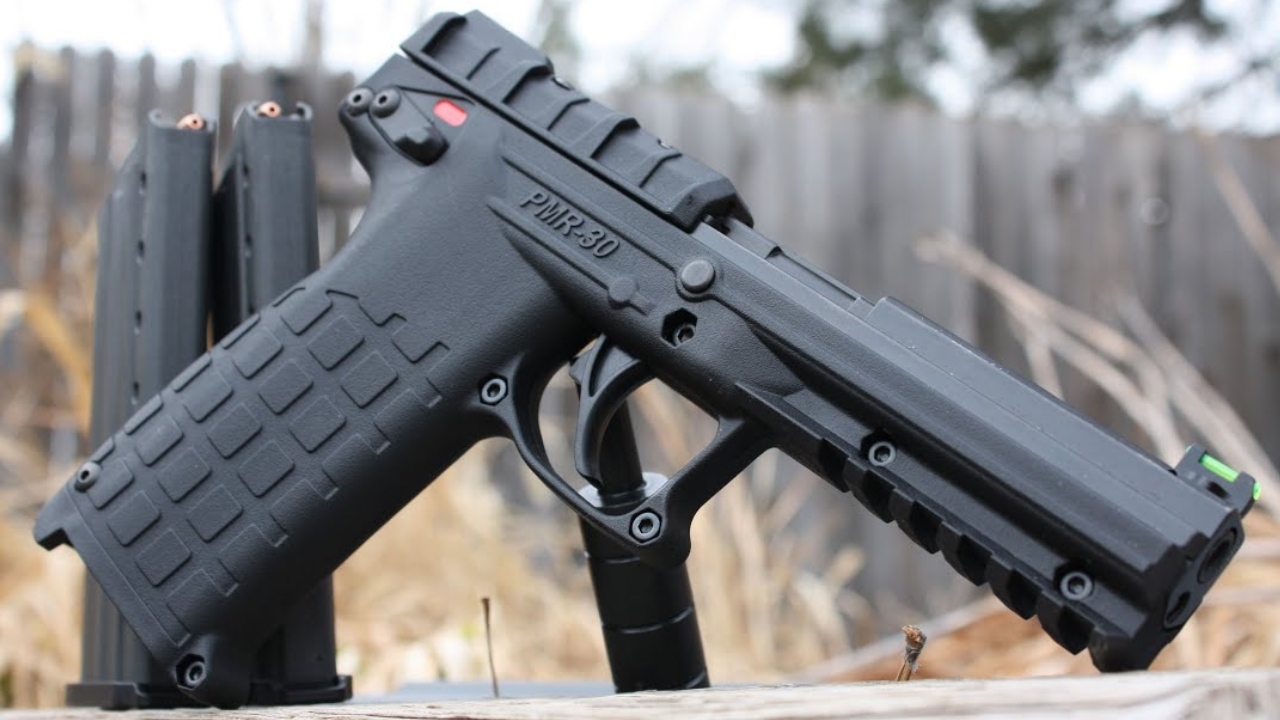
KelTec has built an entire following around guns that feel interesting before they feel proven. That works because the company understands how to sell novelty, light weight, and unusual features to buyers who want something different. The PMR-30 is a perfect example. High capacity, .22 Magnum, flashy styling, and a sense that you were buying something outside the normal boring handgun lane. That sells fast.
What follows is usually a wave of owners explaining why the gun is fun, innovative, or misunderstood instead of simply saying it runs like it should. KelTec fans often defend the company by treating reliability complaints like the cost of being creative. That is a generous way to look at it. The PMR-30 has always had more defenders who loved the idea of KelTec than shooters who could honestly say the product earned quiet confidence.
FN 509

FN makes some very good firearms, but the 509 is still a useful example of how brand prestige can fill in gaps where product enthusiasm stays mixed. Because FN has military contracts and a serious-duty image, many shooters approached the 509 expecting it to dominate the civilian striker-fired market. Some liked it immediately. Others found it blocky, average-triggered, and harder to connect with than the hype suggested.
That did not stop a lot of owners from defending it with arguments rooted more in FN’s status than in the pistol’s actual standing against rivals. You heard plenty of “it passed military testing” style praise, even from people who did not seem especially thrilled by how it shot for them. That is not always a fair knock on the 509 itself. It is more a reminder that some brands get defended by reputation before performance.
Rock Island Armory 1911 GI Standard

Rock Island Armory has won plenty of loyal buyers by offering cheap access to the 1911 platform, and that alone creates a powerful kind of brand defense. A lot of owners do not really want the gun judged against better-built 1911s. They want it judged against its price, the nostalgia factor, and the simple fact that it gave them an old-school steel pistol they could afford. That is understandable, but it also changes the conversation.
Instead of asking whether the product is actually good in a broader sense, people start making excuses for rough machining, basic sights, uneven triggers, and the kind of fit that would get roasted on a pricier gun. The brand gets defended because it delivered an affordable doorway into the 1911 world. But that is not the same thing as the product genuinely earning strong praise on its own.
Heckler & Koch VP70

HK has one of the strongest brand loyalty cultures in the gun world. That is why the VP70 remains such a fascinating entry whenever people talk about odd or disappointing pistols from major makers. Because it came from HK, people wanted to treat it like an important early polymer milestone first and a deeply unpleasant shooter second. History helped it. The brand helped it even more.
The truth is simple. The trigger is rough, the shooting experience is not pleasant, and the pistol feels more interesting as a talking point than as something you would actually choose to spend time with. Yet owners and collectors still defend it with a kind of reverence that usually has more to do with the HK name and the historical footnote than the gun itself. That is the whole pattern in one package.
Like The Avid Outdoorsman’s content? Subscribe to our newsletter so you never miss an article.
Here’s more from us: