Photo credit: Zoia Talmach/Shutterstock.com
You do not need a giant predator in the yard for a pet to be in real danger. A lot of the animals that go after cats and small dogs are the same ones people shrug off every day because they blend into neighborhoods, woodlines, drainage ditches, and open fields. The trouble starts when a pet is left outside for a few minutes, especially at dawn, after dark, or near thick cover where something can move in fast and disappear even faster.
What makes these situations worse is how quiet they usually are. There is often no long warning, no dramatic standoff, and no second chance once the wrong animal decides your pet looks vulnerable. Some predators hunt out of hunger, some react out of instinct, and some go after pets because they have learned that yards, porches, and fences do not really stop easy opportunities.
Coyotes

Coyotes are probably the animal people underestimate the most around pets. They have spread far beyond remote country and now move through suburbs, golf courses, greenbelts, creek bottoms, and neighborhoods with almost no hesitation. Small dogs and outdoor cats are especially vulnerable because coyotes are quick, quiet, and comfortable hunting close to houses once the sun starts going down.
What makes them so dangerous is how normal they can seem right up until they are not. A coyote trotting across the street may look half wild and half harmless, but that same animal can circle back later when the yard is quiet. Pets left out alone at dusk, before sunrise, or near brush and fence lines are the ones that tend to get caught in bad situations fast.
Great horned owls

A lot of people think of owls as background wildlife, not pet threats, but great horned owls are more than capable of grabbing very small animals. They hunt silently, strike from above, and do their best work when visibility is poor and people are least likely to notice. Tiny dogs, puppies, kittens, and small outdoor cats are the ones most at risk.
The scary part is how little warning there is. You are not dealing with something crashing through a fence or making a bunch of noise in the yard. A large owl can be perched nearby, watching for movement, and then drop in fast. That risk climbs around open yards, wooded edges, and areas where rabbits, rodents, and other prey already draw birds of prey in close.
Hawks

Hawks do not pose the same level of danger to pets as coyotes in most areas, but they are still a real concern for very small animals. Rabbits, squirrels, and birds are their usual targets, yet a tiny dog or young cat can still attract the wrong kind of attention, especially if it moves like prey in an open yard. That matters most with toy breeds and young animals.
Red-tailed hawks and similar birds often watch from poles, trees, or rooflines before making a move. They like open visibility and quick access, which means pets left alone in wide backyards can stand out more than owners realize. Even when a hawk cannot carry an animal off, it can still injure it badly in a strike. For small pets, that is serious enough.
Bobcats
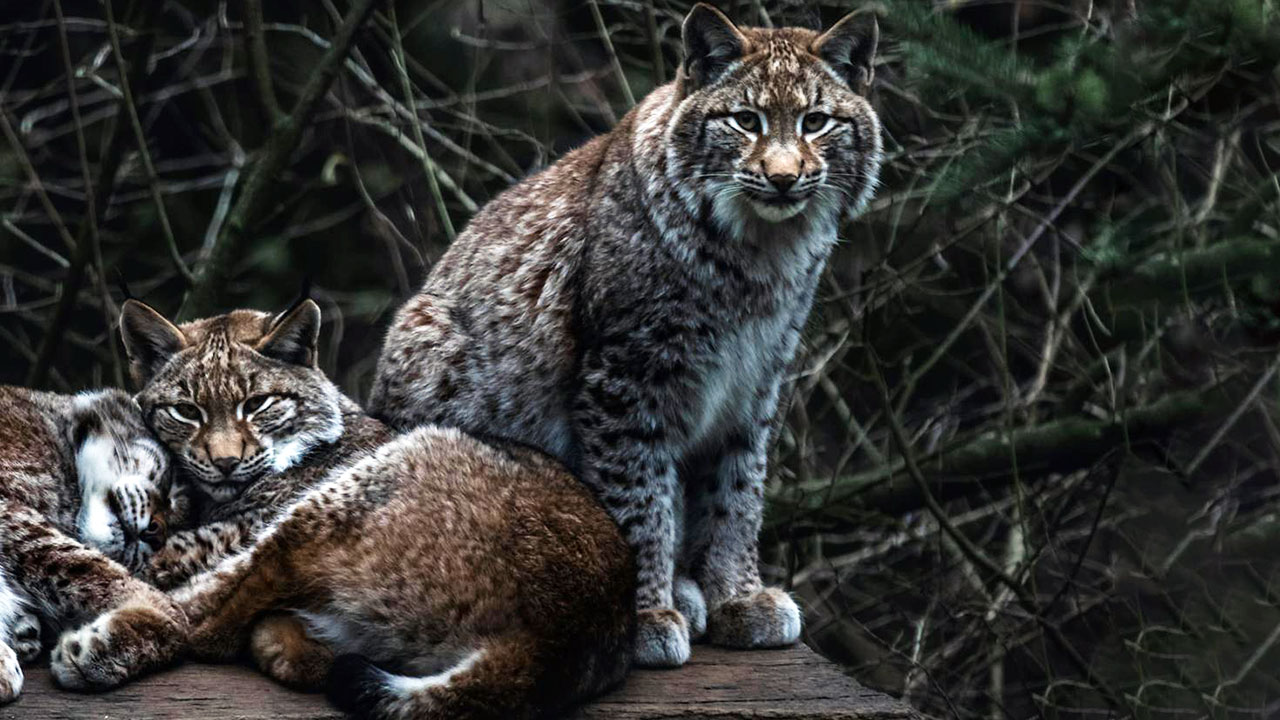
Bobcats are much more common around neighborhoods than many people realize. They are secretive, mostly avoid people, and are good at slipping through brush, creek corridors, vacant lots, and wooded subdivisions without being seen much at all. Outdoor cats are especially vulnerable, but very small dogs can also end up in danger if a bobcat decides the opportunity looks easy.
Unlike some animals that show themselves openly, bobcats tend to appear and disappear without much drama. That makes them easy to dismiss until somebody loses a pet near tree cover or thick vegetation. They are ambush hunters, and that matters. A pet wandering near a fence corner, under shrubs, or along a dark yard edge can step into a bad setup before anyone inside the house notices.
Foxes
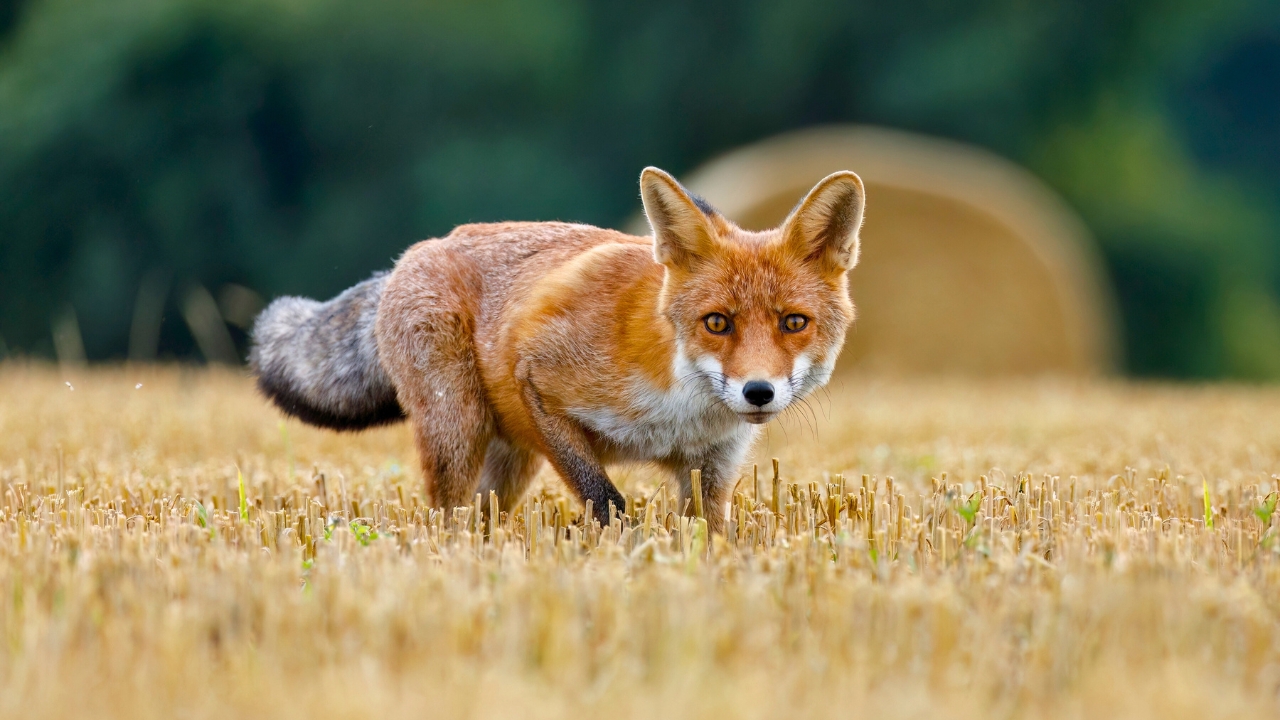
Foxes are not the first animal most people worry about, and in many cases they are less aggressive toward pets than coyotes. Still, that does not make them harmless. Small cats, kittens, tiny dogs, and backyard animals can all draw interest, especially where foxes have grown used to living near people and scavenging around sheds, decks, and outbuildings.
Part of the problem is that foxes often look too small and too neat to seem threatening. People see one trotting through the yard and think it is more curious than dangerous. But a fox that has learned where food is easy to find will keep checking the same places. That can turn into trouble for pets that are unsupervised, weak, very small, or left out on a routine.
Mountain lions

In areas where mountain lions range close to homes, the danger to pets is very real. These cats are powerful enough to take much larger prey, which means a dog or cat in the wrong place can be an easy target. Houses do not matter much if the property backs up to canyons, ridges, thick brush, or game trails where lions already move naturally.
The biggest mistake people make is assuming a fenced yard solves the problem. A mountain lion can clear barriers that would stop almost anything else, and it does not need much time to act. Most attacks happen fast and with little sound. Pets left outside at night, especially near cover or in rural-edge neighborhoods, are far more exposed than owners usually want to believe.
Wolves
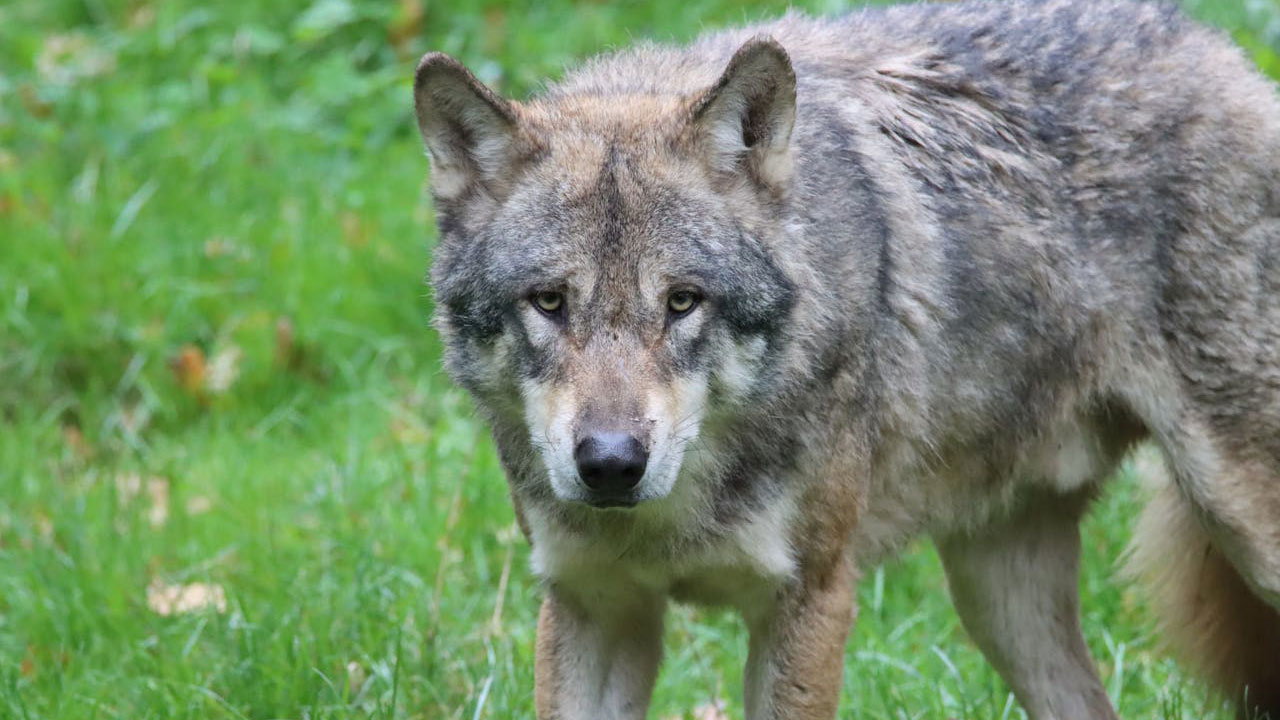
Wolves are not a common neighborhood threat in most places, but where they do exist near homes, cabins, and rural properties, they can be a serious risk to pets. Dogs are especially vulnerable because wolves may view them as either prey or competition. Cats and small livestock are also at risk where wolf movement overlaps with open yards and pasture edges.
What matters here is not just size but territory. Wolves do not think the way household pets do, and they are not likely to tolerate an unfamiliar animal moving through their space. A dog roaming loose near timber, trails, or brush can trigger a response fast. In wolf country, letting pets wander at dawn, dusk, or overnight is the kind of gamble that can go bad in a hurry.
Feral dogs

Feral dogs are one of the most overlooked dangers to pets because people tend to picture wildlife first. But loose, aggressive dogs can be just as deadly, and sometimes worse, because they are already comfortable around homes and human scent. They may travel in pairs or packs, and once they start acting on prey drive, a fenced yard is not always enough.
This danger gets brushed aside because the animals involved are still dogs, at least technically. But a neglected, half-wild, or actively aggressive dog does not behave like a family pet. Small dogs, cats, and even medium-size animals can get cornered, mauled, or chased down quickly. If an area has a known stray problem, pets should never be left out unattended like nothing can happen.
Raccoons
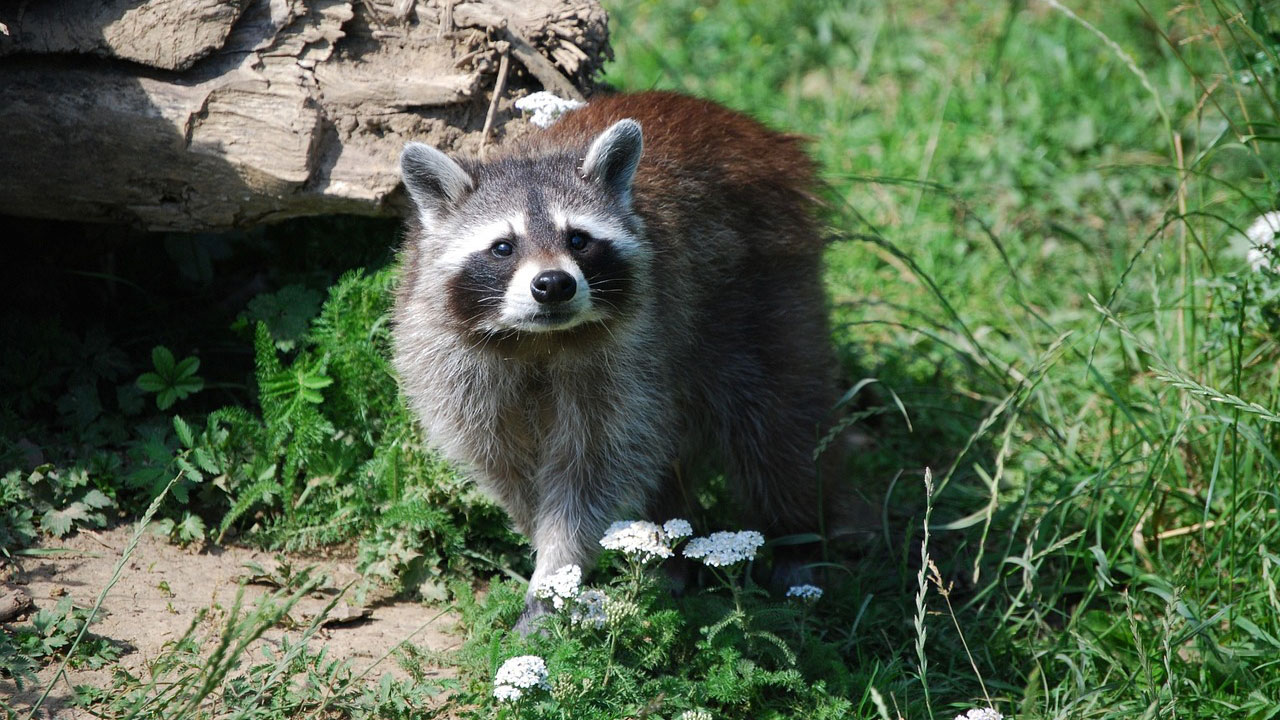
Raccoons are not classic predators in the same way coyotes are, but they can absolutely injure or kill small pets under the right conditions. They are strong, bold, and surprisingly willing to fight if cornered, competing for food, or defending themselves. Cats, tiny dogs, and backyard animals can all end up in trouble if they cross paths with a raccoon at night.
The reason raccoons are dangerous is not because they are always hunting pets outright. It is because they are aggressive enough to do serious damage once a conflict starts. A pet that approaches one near pet food, trash, a porch, or a shed may trigger a violent encounter fast. Add in disease risk and the problem gets worse. People treat raccoons like masked nuisances when they can be much more than that.
Alligators
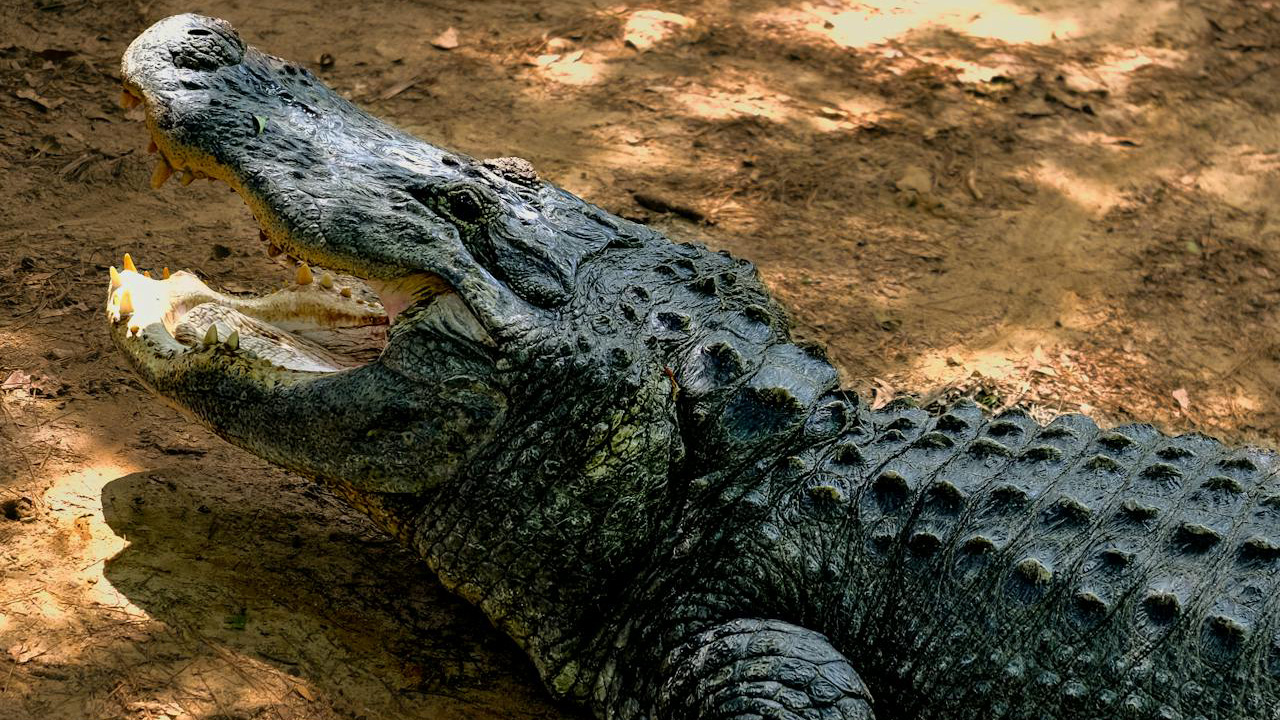
In places where alligators overlap with neighborhoods, pets near water are in constant danger. Dogs are especially vulnerable because their movement, size, and behavior near ponds can resemble natural prey. A shoreline that looks calm to you can be exactly the kind of place an alligator uses to wait. One short walk too close to the edge can turn into disaster fast.
What catches people off guard is how normal these spots can look. Retention ponds, canals, golf course water, drainage areas, and subdivision lakes all seem routine until something explodes out of the water. Small and medium-size pets are the usual victims, but even bigger dogs are not safe around large gators. In alligator country, the water’s edge should never be treated casually.
Snakes

Snakes are a different kind of threat because they do not need to drag a pet off to do real damage. Venomous snakes can kill small pets quickly, and even nonvenomous ones can injure them badly in a defensive bite. Dogs tend to get hit most often because they investigate movement and scent, while cats may get too close out of curiosity.
The danger rises around woodpiles, rock borders, sheds, tall grass, brushy fence lines, and warm spots around patios or foundations. A pet does not have to wander far to run into trouble. That is why people get blindsided by snake bites in their own yard. It is not always about wild country. Sometimes it is just one hidden snake and one curious pet at the wrong moment.
Bears

Black bears usually are not prowling neighborhoods to hunt pets specifically, but they can still become a serious danger where food has drawn them in repeatedly. Once a bear gets used to trash, pet food, bird feeders, or outdoor feeding stations, it starts treating that property as worth checking. A small pet that ends up too close during one of those visits can be in real trouble.
Bears are especially dangerous because people misread them as slow or clumsy. They are neither. A startled or food-focused bear can move with shocking speed, and a dog barking at one can escalate a bad situation almost instantly. Most of the risk comes from encounters rather than active hunting, but that does not make the outcome any less severe for a pet caught in it.
Eagles
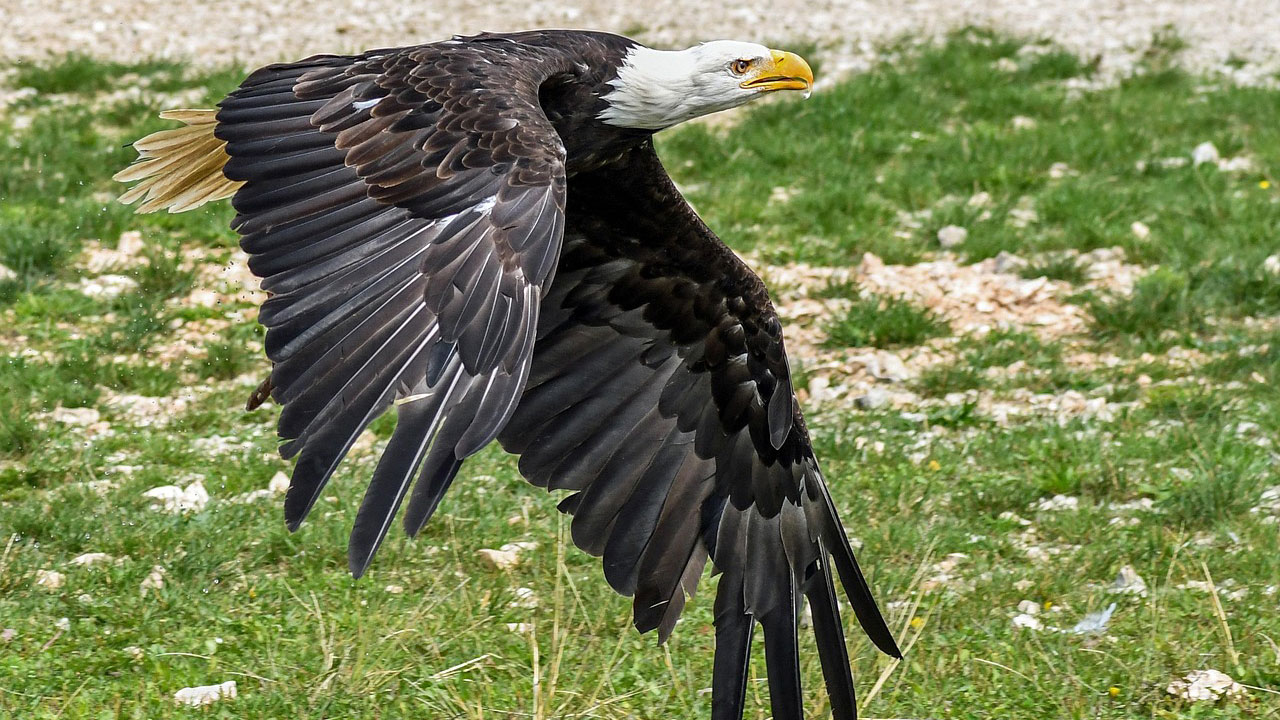
Large eagles are not a threat everywhere, but where they are established, tiny pets can be at risk. This usually applies to very small dogs, puppies, kittens, and fragile cats rather than anything of real size. People hear stories about birds taking pets and sometimes dismiss all of them, but strong raptors absolutely can pose danger under the right conditions.
Open terrain, lake country, and places with strong bird populations make that more likely. An eagle does not need to live in your yard to notice repeated movement there. Like hawks and owls, it watches before it acts. Even when the bird cannot fully carry an animal away, a strike can still be severe. For very small pets, that is more than enough reason to stay alert.
Weasels and fisher cats

These animals do not get talked about nearly as much as coyotes or bobcats, but they can be brutal on small animals. Fishers, in particular, have a reputation in some regions for attacking cats and other vulnerable pets when the chance is right. They are quick, aggressive, and perfectly comfortable moving through wooded residential edges without being seen often.
Part of why they surprise people is that many homeowners barely know they exist in the first place. They are not as widely recognized, so they do not make the usual predator checklist. But for outdoor cats, rabbits, chickens, and other small animals, they can be a real problem. In the right habitat, a fisher or similar predator can do damage before anyone even knows it was around.
Wild pigs
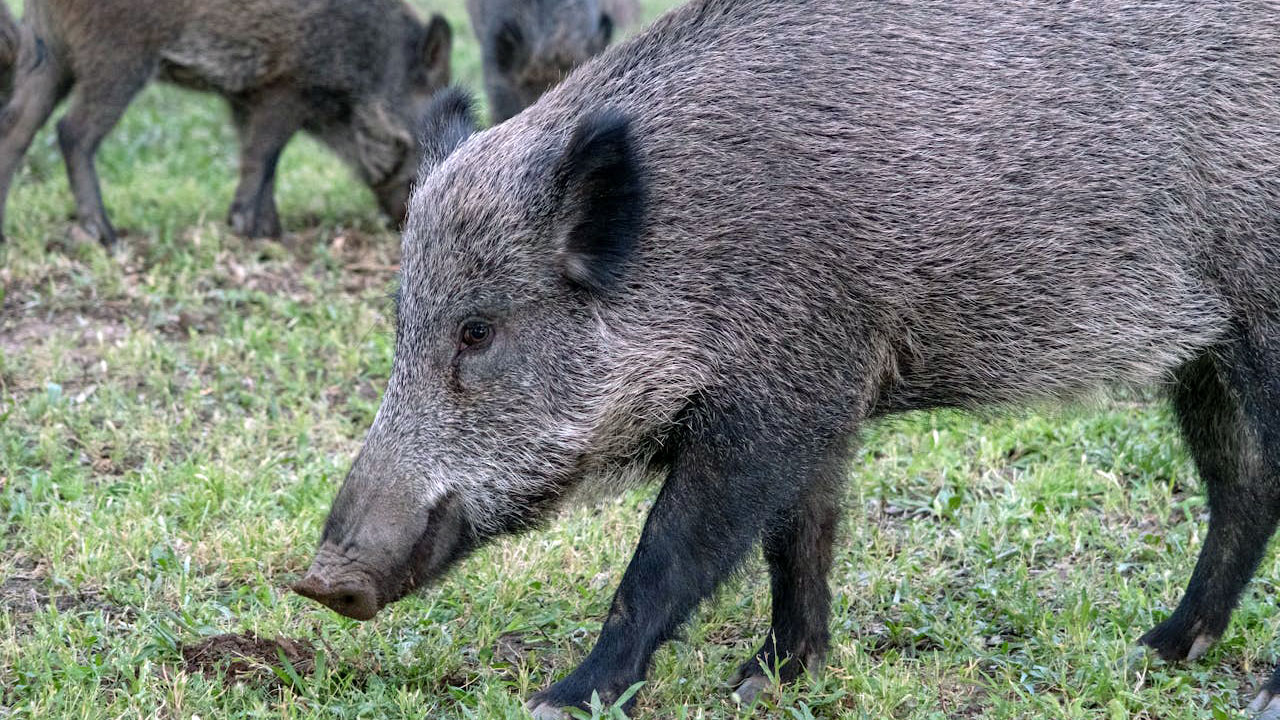
Wild pigs are not typically hunting pets as prey, but that does not mean pets are safe around them. These animals can be territorial, unpredictable, and violently aggressive when cornered or startled. A dog that barks at, chases, or stumbles into a sounder of pigs can get hurt badly. Even a single large boar is more than enough to cause a disaster.
This kind of risk shows up most on rural properties, suburban edges, and places where pigs have pushed into developed areas. Pets do not have to be far from home to find trouble if pigs are moving through creek bottoms, open lots, or brushy ground nearby. The danger is less about stalking and more about raw damage once contact happens, which is still bad news either way.
Like The Avid Outdoorsman’s content? Subscribe to our newsletter so you never miss an article.
Here’s more from us: