Photo credit: Hunt Fish Shoot/YouTube
The handgun market is packed right now. Every size class is crowded, every brand has a “better answer,” and every launch tries to sound like the one that finally changes everything. That makes it harder, not easier, for a pistol to keep feeling relevant. The guns that survive all that noise usually do it the hard way. They keep making sense after the hype wears off. They stay useful, supported, shootable, and easy to understand in the real world. Current manufacturer lineups still center many of these models, which says a lot by itself.
What keeps these guns relevant is not novelty. It is fit, function, support, and staying power. Some are compact do-everything pistols. Some are full-size workhorses. Some are carry guns that actually still feel like real guns. But all of them still hold their place in a market that gives shooters more options than ever.
Glock 19 Gen5
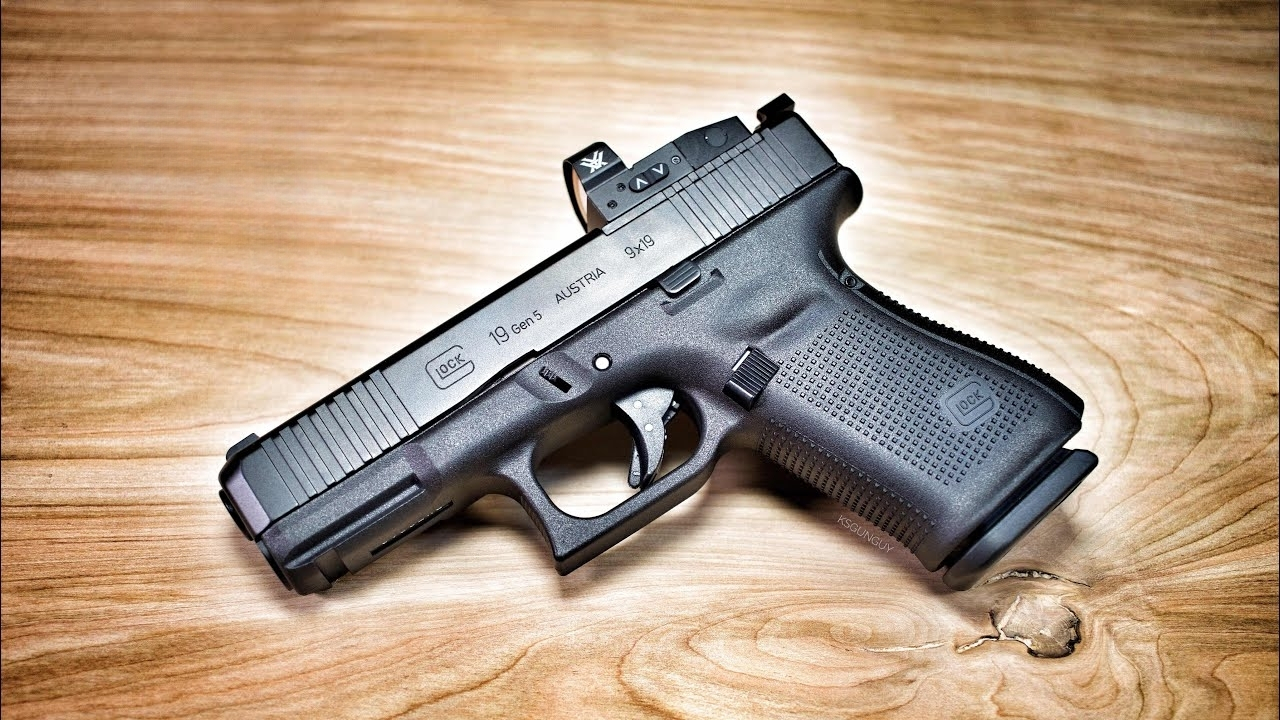
The Glock 19 Gen5 still feels relevant because it remains one of the cleanest all-around handgun formats on the market. Glock still treats it as a core pistol in the lineup, and that makes perfect sense. It is compact enough to carry, large enough to shoot well, and backed by one of the broadest support ecosystems in the handgun world.
That is why shooters keep coming back to it. In a crowded market full of pistols trying to be clever, the Glock 19 still wins by being practical and hard to outgrow. It does not need to dominate the conversation every year to keep staying relevant. It already solved too many real problems too well.
Glock 45 MOS
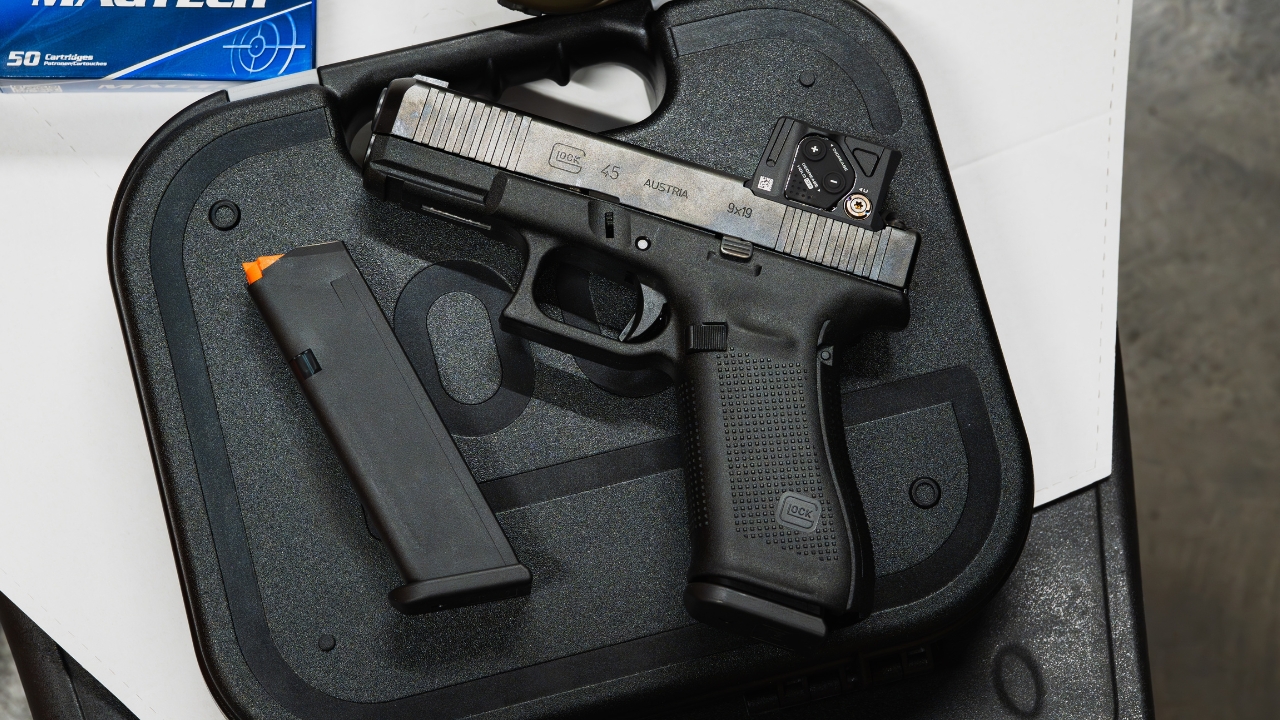
The Glock 45 MOS still feels relevant because it gives shooters a full-size grip with a shorter slide, and that combination continues to make sense for a lot of real use. Glock still keeps it in the active commercial family, and the MOS setup keeps it current without making the gun complicated.
This is one of those pistols that survives a crowded market because it does not feel trapped in one role. It carries better than a true full-size for many people, shoots better than a lot of smaller compacts, and still benefits from the huge Glock support network. That is a strong formula to keep around.
Glock 43X MOS

The Glock 43X MOS still feels relevant because the slimline carry category is now too important to ignore, and Glock’s own product pages still frame it as a major concealment-minded model with optics capability and the Slim Mounting Rail. It remains one of the clearest examples of a gun that fits modern carry expectations without turning into a tiny specialist pistol.
That is why it still matters in a crowded market. It offers more everyday carry realism than a lot of thicker compacts while still feeling more like a fighting pistol than the smallest micro guns. The fact that Glock keeps pushing it as a current core option tells you it has not drifted into irrelevance at all.
SIG Sauer P365

The SIG Sauer P365 still feels relevant because it did not just enter the micro-compact category, it helped define it. SIG still markets the P365 family aggressively as an everyday-carry series with capacities ranging from 10+1 up through 21+1 depending on configuration. That is a major sign that the platform still sits near the center of the carry market.
What keeps it relevant is that it still makes practical sense, not only historical sense. The size-to-capacity balance remains strong, the family has expanded enough to cover different preferences, and shooters still understand what role it fills. That keeps it from getting drowned out by the many imitators that followed it.
SIG Sauer P226

The SIG Sauer P226 still feels relevant because full-size service pistols still matter, and SIG’s own current product material continues to frame it as an iconic combat handgun with decades of proven use and millions of rounds of established performance. That kind of institutional and practical reputation does not fade easily.
In a market full of newer polymer options, the P226 still earns its place by feeling mature and substantial. It is one of those pistols that experienced shooters keep respecting because it remains stable, shootable, and deeply proven. A crowded market does not erase that kind of credibility.
Smith & Wesson M&P 2.0 Compact

The Smith & Wesson M&P 2.0 Compact still feels relevant because the M&P line continues to be one of the most complete current-duty-and-carry families on the market. Smith & Wesson still lists multiple compact M&P variants, including standard and carry-comp versions, which makes clear the company still sees the format as central rather than leftover.
That relevance comes from usefulness. The M&P Compact stays in the conversation because it continues to offer strong ergonomics, a realistic size, and a family structure broad enough to keep up with different shooter preferences. In a crowded market, that breadth matters.
Smith & Wesson M&P 9 M2.0 Metal

The M&P 9 M2.0 Metal still feels relevant because it shows that the market still wants modern service pistols with a little more weight and shootability. Smith & Wesson continues to list the aluminum-frame Metal model in the active lineup, complete with optics-ready configuration and flat-face trigger.
That gives the pistol a very current reason to exist. It is not trying to live off nostalgia. It is taking an already established platform and answering a modern demand for something a little steadier and more premium-feeling without abandoning the M&P’s practical roots.
Smith & Wesson M&P 2.0 Metal Carry Comp
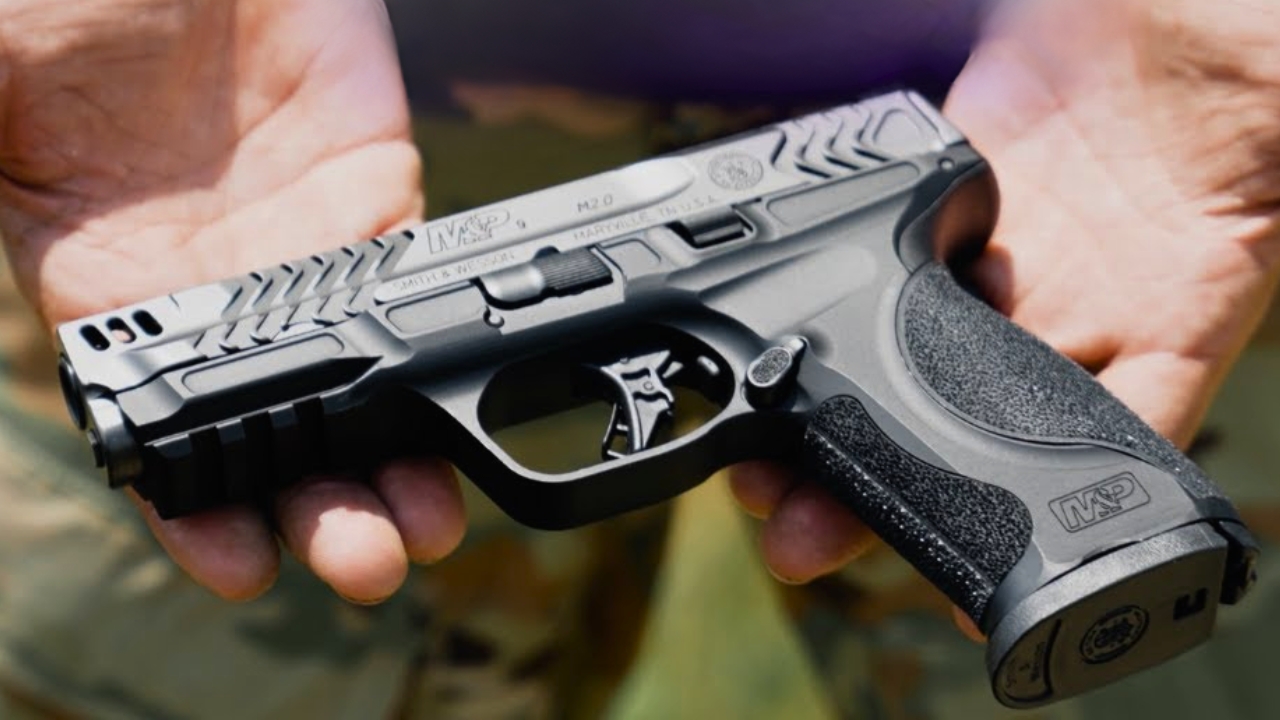
The M&P 2.0 Metal Carry Comp still feels relevant because Smith & Wesson’s Performance Center catalog makes it clear the company sees compensated carry-oriented pistols as a present-tense category, not a gimmick. The model remains an active offering in both full and compact versions.
That matters because relevance in a crowded market often comes from evolving without losing identity. The Carry Comp keeps the M&P family current by leaning into modern carry preferences while still staying within a proven handgun ecosystem. That is much smarter than trying to reinvent everything from scratch.
Smith & Wesson Shield Plus Carry Comp

The Shield Plus Carry Comp still feels relevant because the micro-compact and slim carry segment is too crowded for weak ideas to survive, and Smith & Wesson is still actively pushing this model in the Performance Center lineup. That means the company clearly sees a future in a more shootable, modernized Shield format.
That is why it stays important. The Shield line already had real carry credibility, and this version updates it without abandoning what made the platform useful. In a market where tiny guns can become forgettable fast, that kind of evolutionary improvement keeps a pistol family relevant.
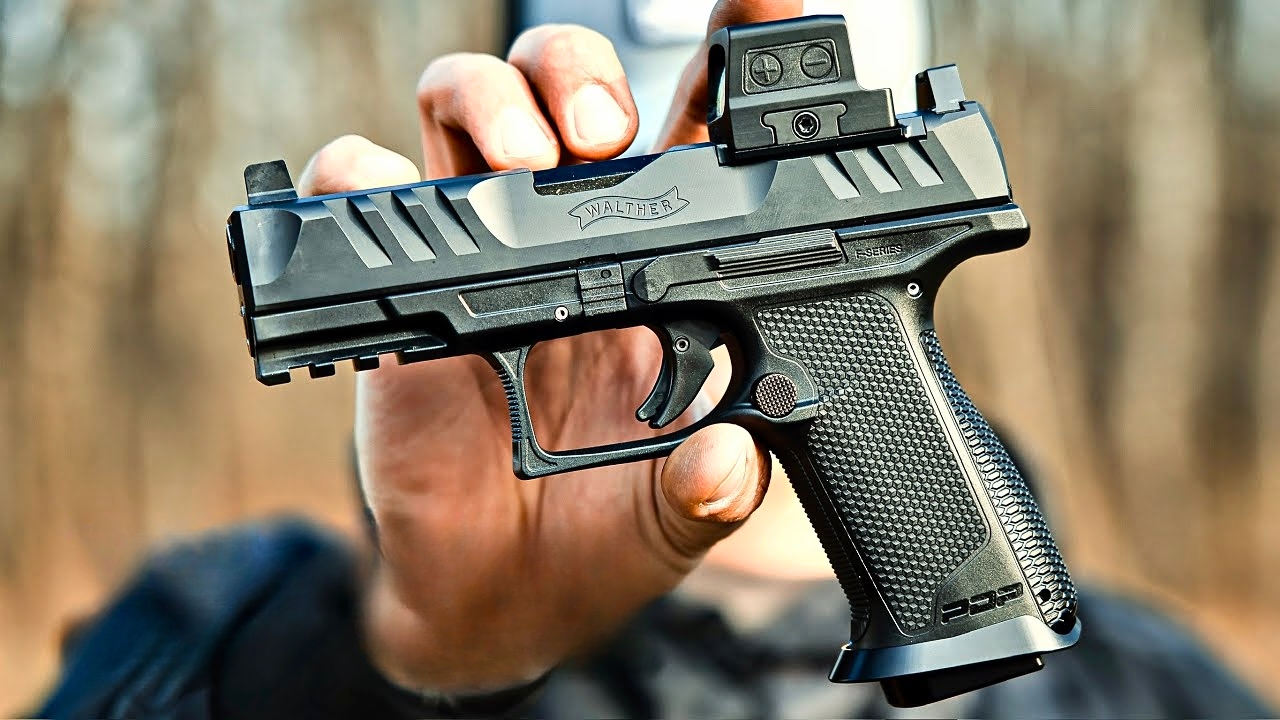
Walther PDP Compact
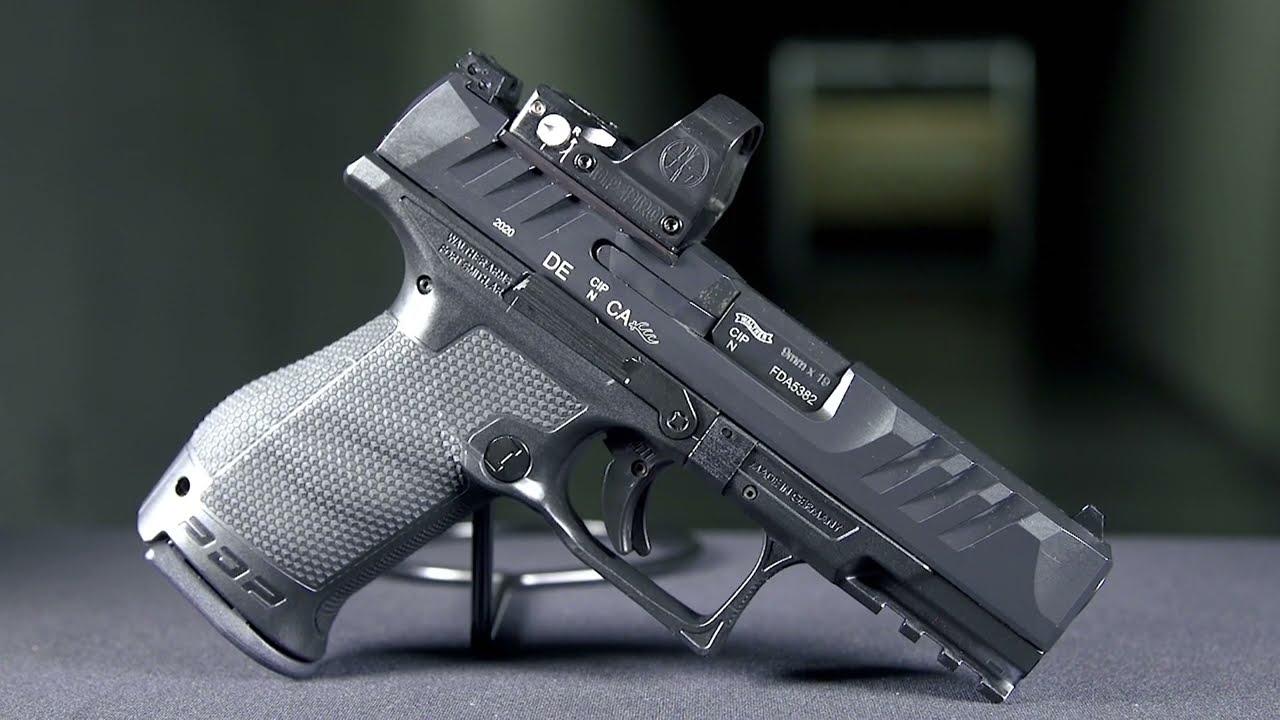
The Walther PDP Compact still feels relevant because Walther’s current PDP family is broad, active, and clearly central to the brand. Compact 4-inch models remain featured in both standard commercial and law-enforcement product listings, which is exactly what you want to see from a pistol still very much in the fight.
The PDP stays relevant because it offers a real answer to the modern “one pistol that can still do a lot” question. The ergonomics, trigger reputation, and optics-ready design all help, but the biggest point is that Walther is still building serious momentum around the platform rather than letting it drift.
Walther PDP Full Size

The Walther PDP Full Size still feels relevant because full-size striker-fired pistols still matter for duty use, home defense, and hard training, and Walther continues to support the model with multiple full-size configurations. The company’s current pages still emphasize accuracy, ergonomics, and reliability as central selling points.
That is what keeps it from getting lost. A crowded market does not only need more carry guns. It still needs pistols that are easier to shoot well under pressure, and full-size PDP variants remain one of the clearer current answers to that need.
Walther PDP F-Series

The PDP F-Series still feels relevant because a pistol line that can truly fit more shooters without becoming a watered-down side note has real staying power. Walther continues to list F-Series models within the active PDP family, including professional versions, which shows the concept still has real support.
That keeps it important in a market full of pistols that claim universal ergonomics but do not always deliver them. The F-Series remains relevant because it solves a real fit problem while staying inside an already respected platform, and that is usually how good ideas survive crowded categories.
Beretta 92FS

The Beretta 92FS still feels relevant because older service pistols do not become irrelevant just because the shelves get busier. Even in a market dominated by newer striker-fired options, the 92 pattern still holds a place because of its shootability, proven history, and distinctive full-size service-pistol feel. Beretta’s continued presence in this lane helps keep that relevance alive.
The reason it still matters is simple: it still shoots well, still has a huge installed base, and still offers something many newer pistols do not fully replace. In a crowded market, being different only helps if the difference still works. The 92FS remains one of the strongest examples of that.
Bodyguard 2.0
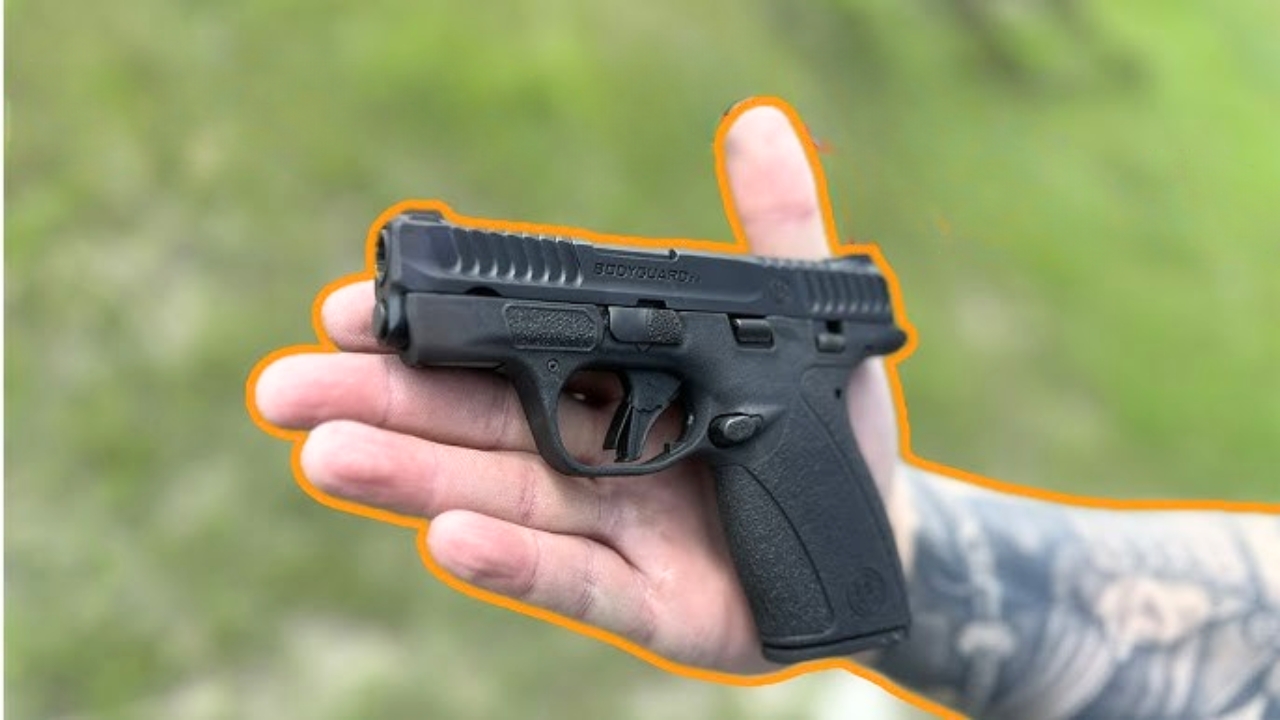
The Bodyguard 2.0 still feels relevant because Smith & Wesson’s current pistol listings show the company is putting real energy into the updated micro .380 concept rather than leaving it as a relic of an older pocket-gun era. It remains an active, currently sold part of the lineup.
That matters because relevance is often about correctly filling a lane that still exists. There is still a real market for deep-concealment pistols that are easier to carry than to shoot, and a modernized Bodyguard remains Smith & Wesson’s answer to that reality. In a crowded market, a pistol that clearly knows its purpose still stands out.
Glock 43

The Glock 43 still feels relevant because even with the expansion of the slimline family, Glock continues to list it as an active commercial pistol and still describes it as ultra-concealable and accurate. That is important. It means the smallest single-stack 9mm lane is not dead just because other versions now exist.
The Glock 43 stays relevant because many shooters still want the smallest practical answer from a major support ecosystem. It may not dominate conversation the way it once did, but a gun does not need to dominate to remain important. It only needs to keep making sense, and this one still does.
Like The Avid Outdoorsman’s content? Subscribe to our newsletter so you never miss an article.
Here’s more from us: