Photo credit: Texas Plinking/YouTube
Barrett is one of those rare gun brands where the name almost became shorthand for a whole type of rifle. Plenty of companies have built accurate rifles. Plenty have built military guns. Plenty have built big, expensive, hard-use firearms. But Barrett managed to make regular shooters, military rifle fans, and long-range guys all think of the same thing when they hear the name: serious distance, serious power, and .50 BMG.
That kind of brand identity does not happen by accident. Barrett earned it by building rifles that looked different, solved real problems, and made a huge cartridge feel like something a trained shooter could actually use from the shoulder. Then the company kept going, moving from the famous M82 and M107 world into modern precision rifles like the MRAD. That is why long-range shooters still remember the name.
Barrett Made the .50 BMG Rifle Feel Real
Before Barrett, .50 BMG was mostly tied to heavy machine guns in the minds of most shooters. The cartridge was massive, powerful, and military-focused. Ronnie Barrett saw a different possibility. He founded Barrett Firearms in 1982 with the goal of building semi-automatic rifles chambered for .50 BMG, and the first working M82 rifles appeared that same year. That idea was bold enough to sound almost ridiculous at the time.
What made Barrett memorable was that the rifle worked as a shoulder-fired system. It did not turn .50 BMG into a casual range toy, and nobody sensible treats it that way. But it made the cartridge more accessible to trained users, military units, collectors, and serious long-range shooters. Barrett took something that felt tied to crew-served weapons and gave it a rifle identity. That is a huge part of why the name stuck.
The Model 82 Became the Rifle Everyone Recognized
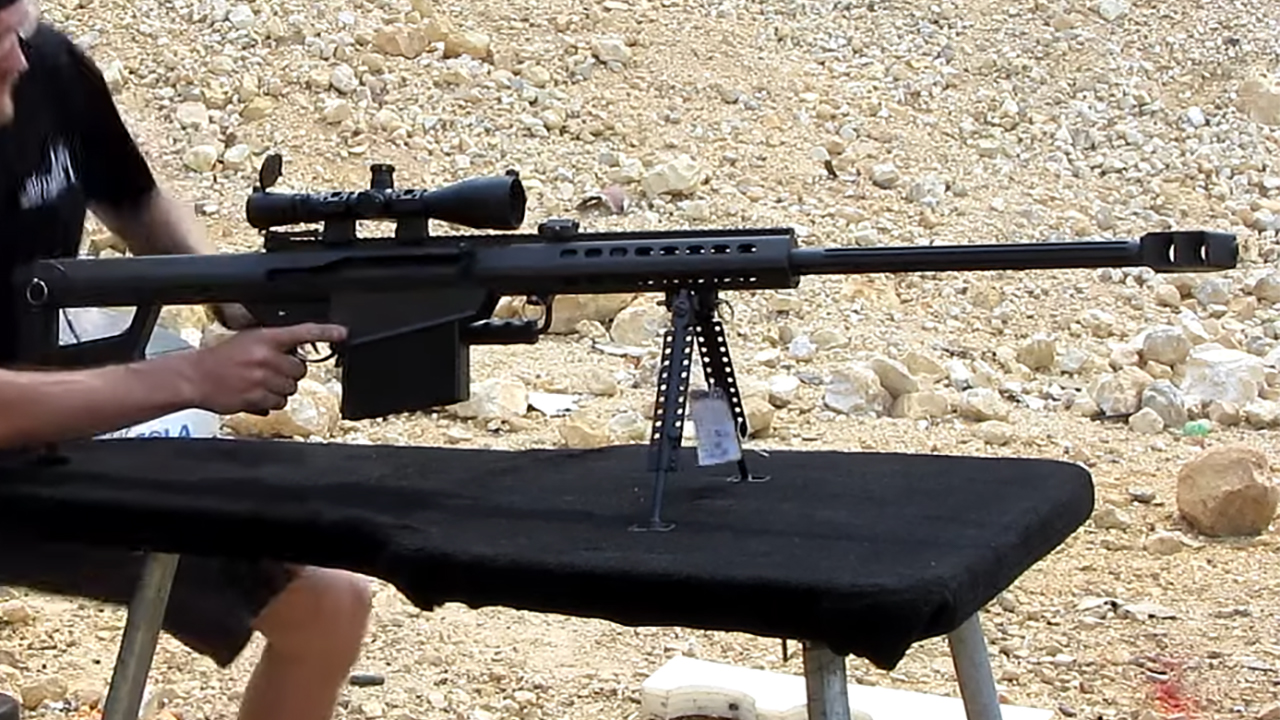
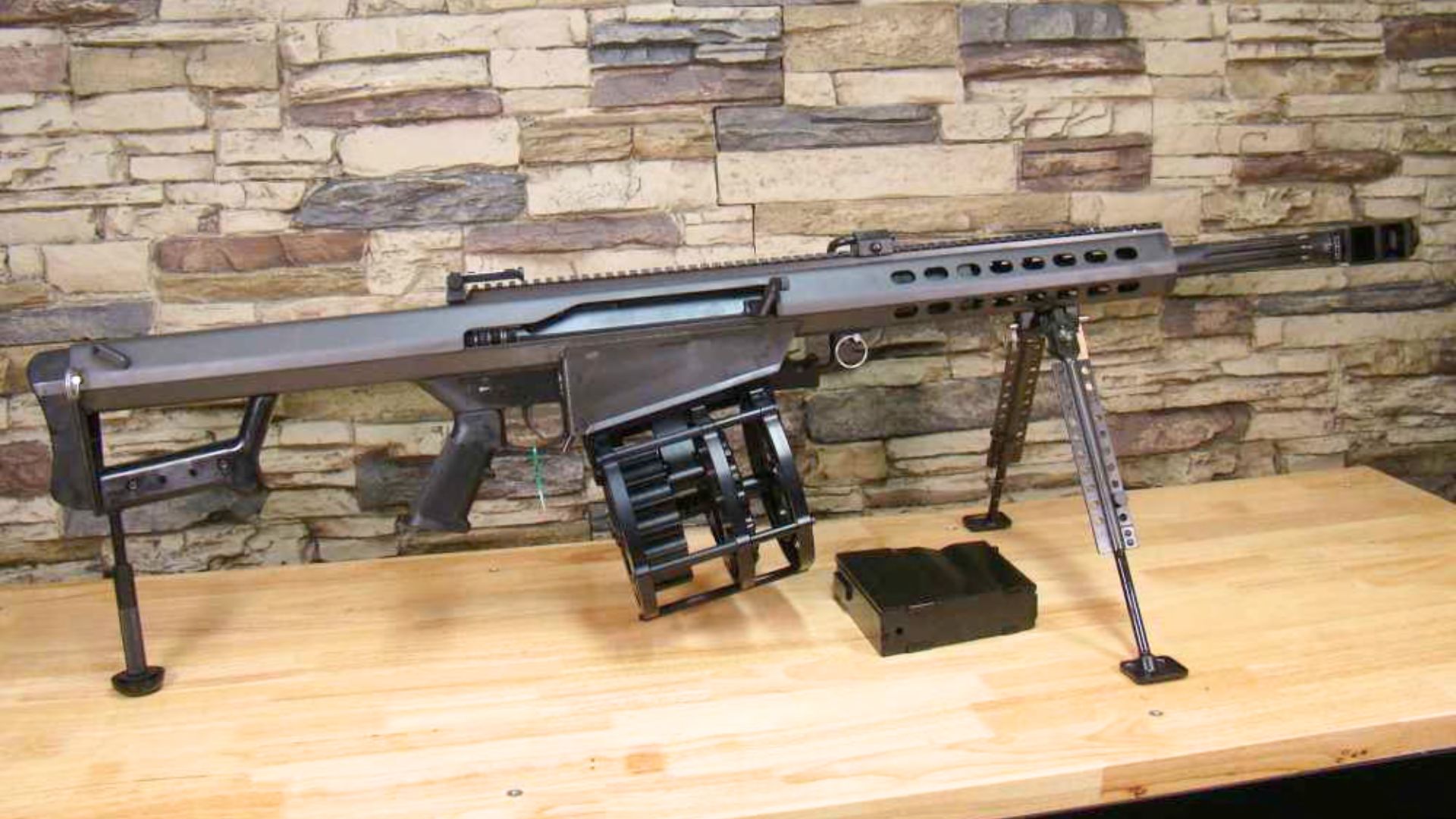
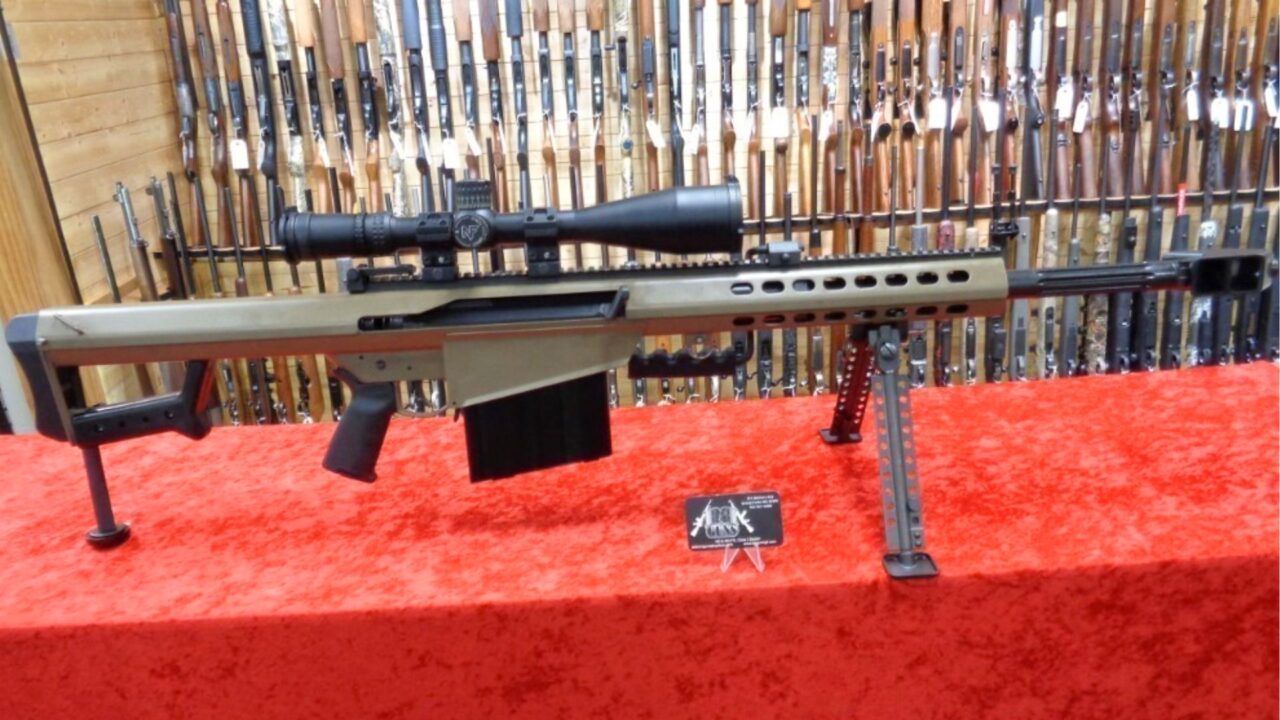
The Barrett Model 82 is the rifle that made the company famous. Also known as the M82 or Light Fifty, it became one of the most recognizable anti-materiel rifles in the world. The design uses a recoil-operated semi-automatic action with a rotating bolt and feeds from detachable box magazines. It is big, loud, heavy, and unmistakable. Even people who barely know rifles can often recognize its shape.
That visual identity mattered. The Model 82 looked like a rifle built for a job no ordinary rifle could handle. It showed up in military photos, movies, video games, documentaries, and gun magazines. For long-range shooters, it became one of those firearms that lived in the imagination before they ever saw one in person. Barrett made a rifle that people remembered from across the room.
Barrett Made Recoil Management Part of the Whole Design
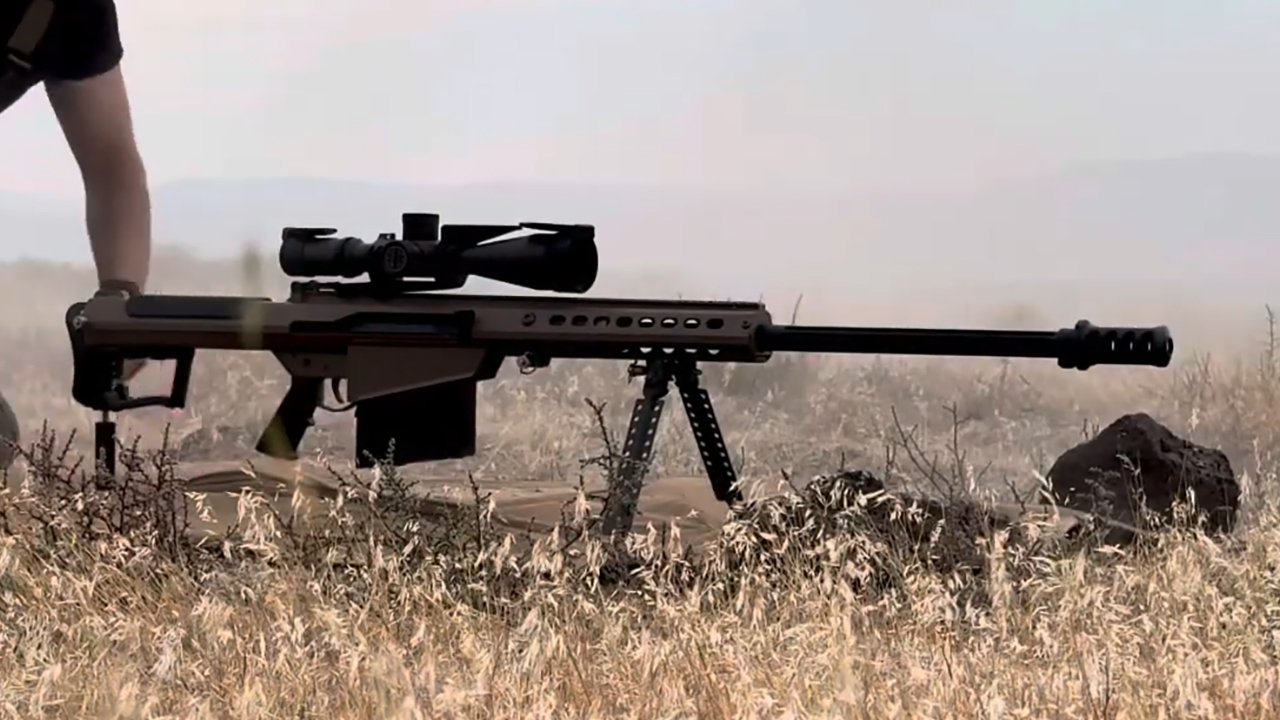
A .50 BMG rifle has to deal with recoil in a serious way. Barrett’s M82 family became famous partly because it made that recoil more manageable than many people expected from such a powerful cartridge. The rifle’s operating system, weight, and large muzzle brake all work together to reduce what the shooter feels. The M82/M107 family is still no light-recoiling plinker, but it made shoulder-fired .50 BMG use realistic.
That was a big part of Barrett’s success. Building a rifle that can chamber a huge cartridge is one thing. Building one that trained users can actually run is something else. Barrett understood that the gun had to function as a system. The brake, action, weight, stock layout, and semi-auto cycling all mattered. Long-range shooters remembered Barrett because it did not just chase power. It made power controllable enough to use.
The M107 Put Barrett Into U.S. Military History
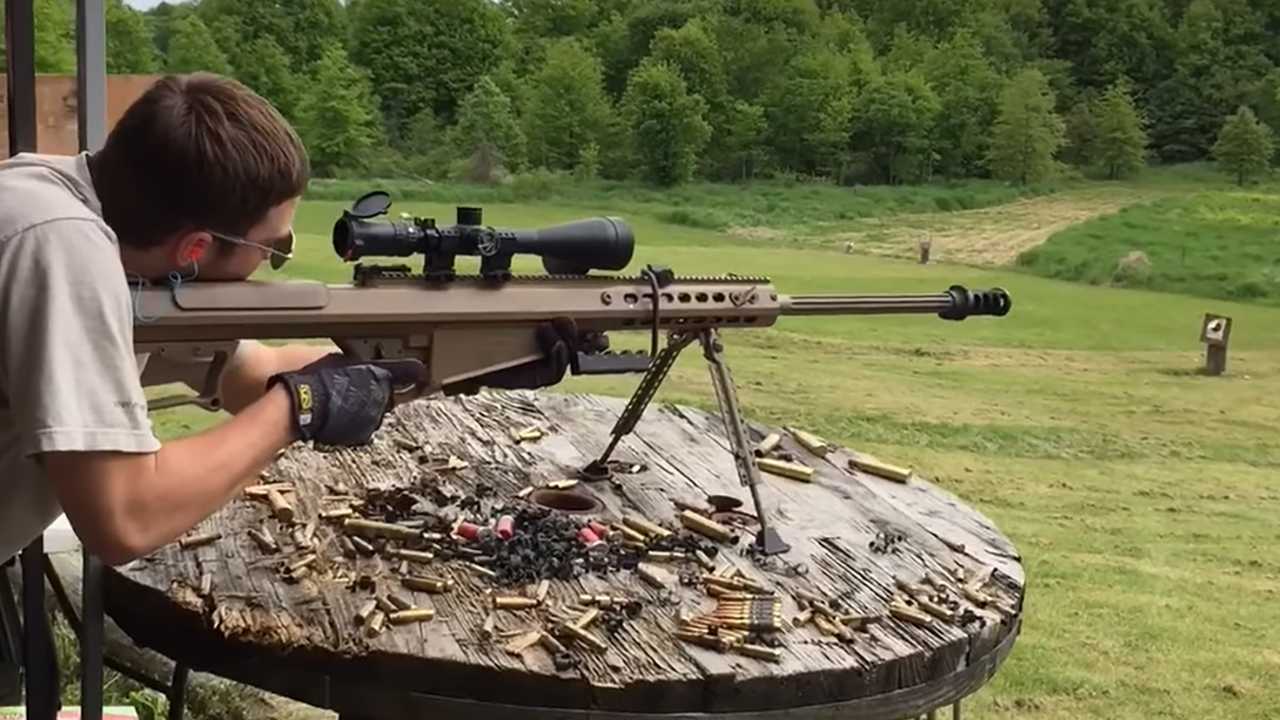
The Barrett M82 family became even more important when it entered U.S. military service as the M107. The M107 is described as a .50-caliber, shoulder-fired, semi-automatic rifle, and it emerged as the U.S. Army’s Long Range Sniper Rifle, Caliber .50 in the early 2000s. That gave Barrett a level of institutional credibility few civilian-founded rifle companies ever reach.
That military adoption mattered because it turned Barrett from an interesting big-rifle company into a name tied directly to modern battlefield use. Long-range shooters notice that. A rifle that survives military evaluation and field use has a different kind of reputation than a gun built only for the commercial rack. The M107 gave Barrett a place in American military rifle history, and that reputation spilled over into the civilian world.
Barrett Defined the Anti-Materiel Rifle for Many Shooters
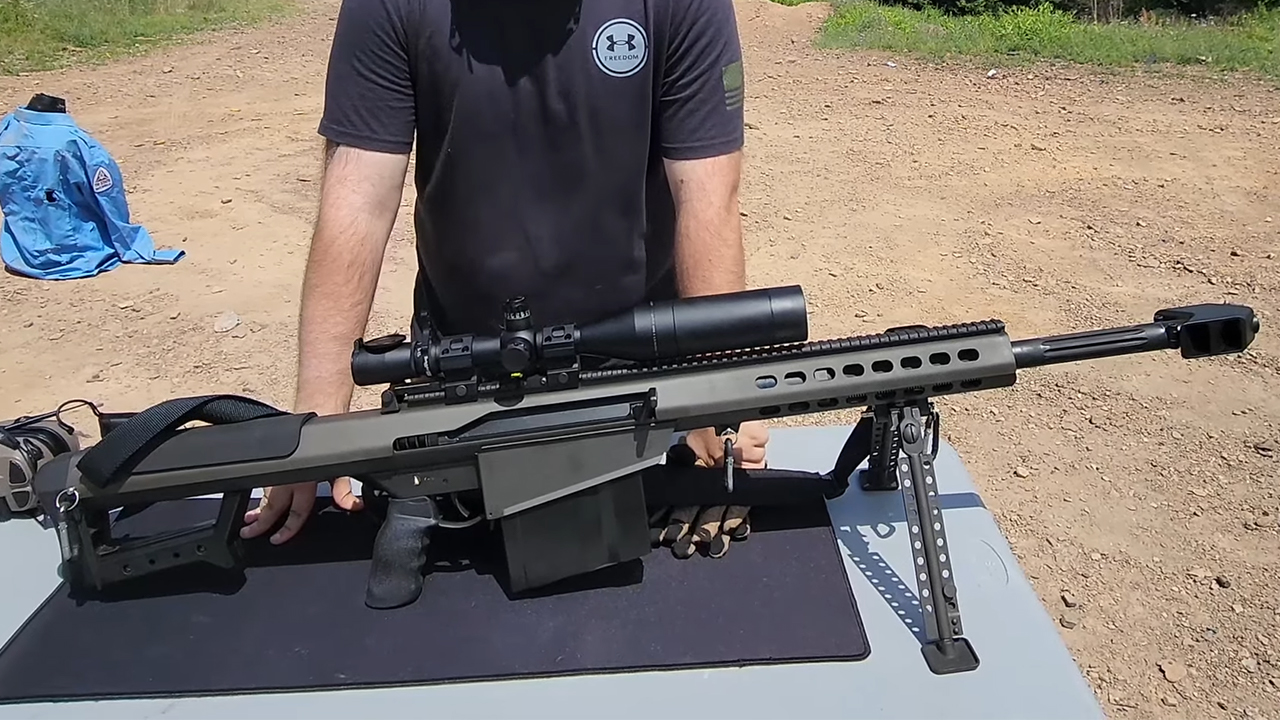
The term “anti-materiel rifle” sounds specialized because it is. These rifles are not built only around traditional sniper use against personnel. They are often associated with disabling equipment, vehicles, communications gear, light cover, and other materiel targets at distance. The Barrett M82 helped define that category for modern shooters because it gave the role a recognizable rifle.
That is why Barrett became so memorable. It was not simply another long-range rifle. It represented a different mission. The huge cartridge, semi-auto action, heavy barrel, giant brake, and long reach all told shooters this gun lived in a different category from a hunting rifle or target rifle. Even people who would never own one understood what it was built to do. Barrett made a specialized rifle famous enough that the category itself became familiar.
Barrett Made Semi-Auto .50 BMG the Dream Gun
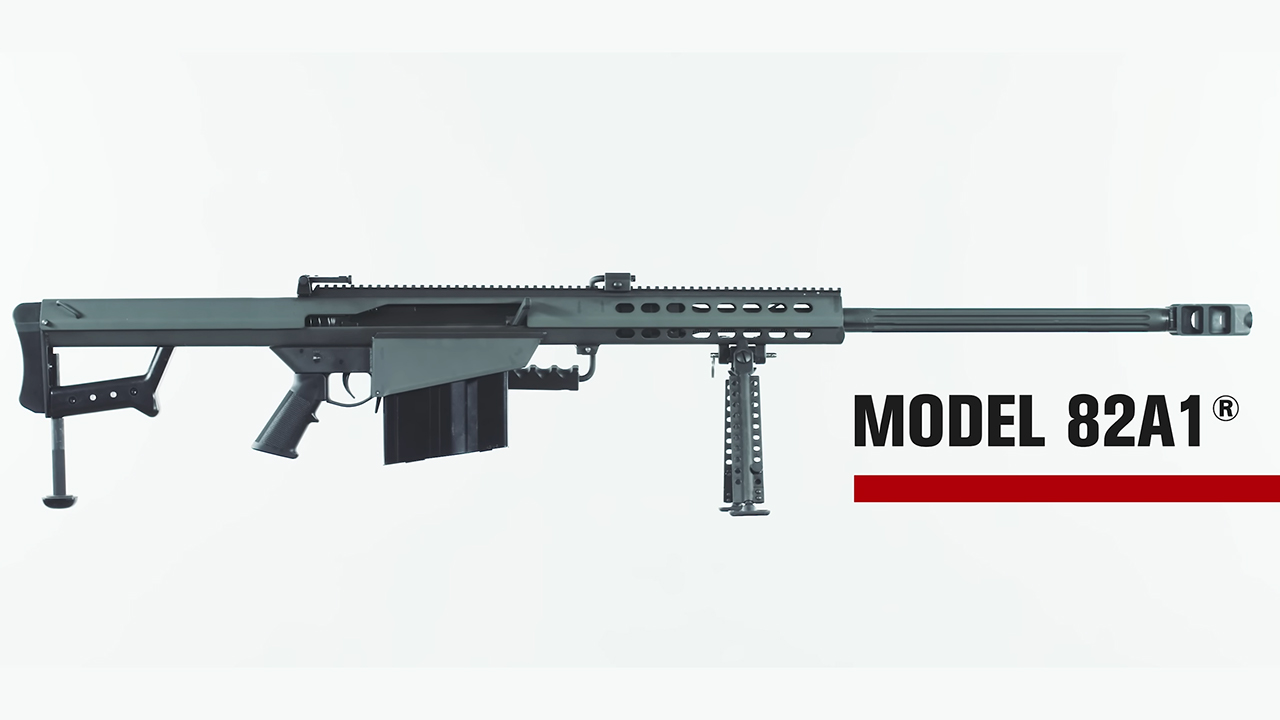
For a generation of shooters, the Barrett semi-auto .50 became one of those guns people talked about even if they would never buy one. It was expensive, loud, heavy, and impractical for most ordinary use, but that was part of the appeal. The rifle existed at the edge of what civilian shooters could imagine owning. It was not a normal gun-counter purchase. It was a bucket-list rifle.
That dream-gun status helped Barrett stay in people’s heads. Most brands would love to have one model that becomes instantly recognizable. Barrett had one that became almost mythical. Shooters saw it in magazines, at ranges, in military footage, and later in games and movies. The M82 family gave Barrett a permanent place in gun culture because it was too different to forget.
Barrett Built the Model 99 for Shooters Who Wanted Simpler Precision
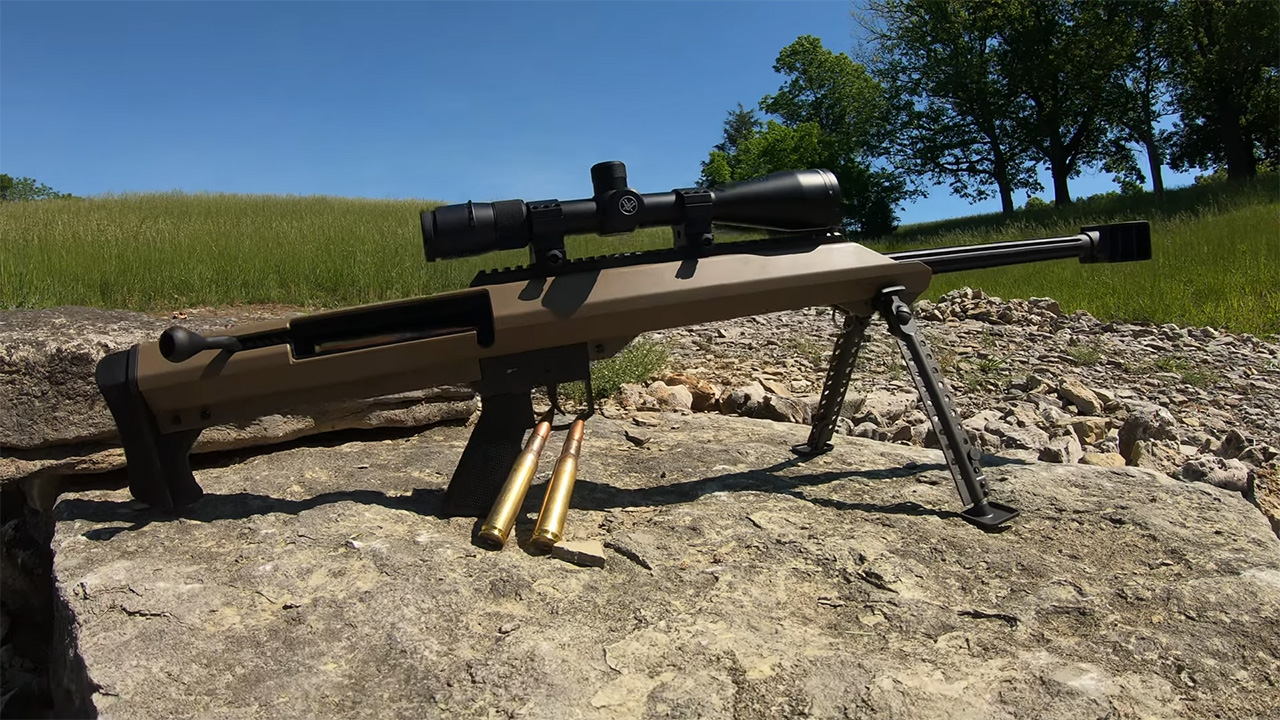
The Model 99 showed Barrett could make a different kind of big rifle. Instead of a semi-auto .50, the Model 99 is a single-shot bolt-action rifle. That sounds less exciting at first, but it made sense for shooters who wanted rigidity, simplicity, and precision without the complexity of a semi-auto system. Barrett’s current lineup still lists the Model 99 alongside the M82A1, M107A1, MRAD, and other rifles.
The Model 99 mattered because it gave big-caliber shooters another option. Not everyone needed rapid follow-up shots. Some wanted a rifle built around deliberate, accurate fire. A single-shot design also has a certain no-nonsense appeal. It keeps the shooter focused on making the one shot count. Barrett showed it could be remembered for more than one giant semi-auto. It could build simple, purpose-driven rifles too.
Barrett Proved Big Rifles Could Still Be Accurate
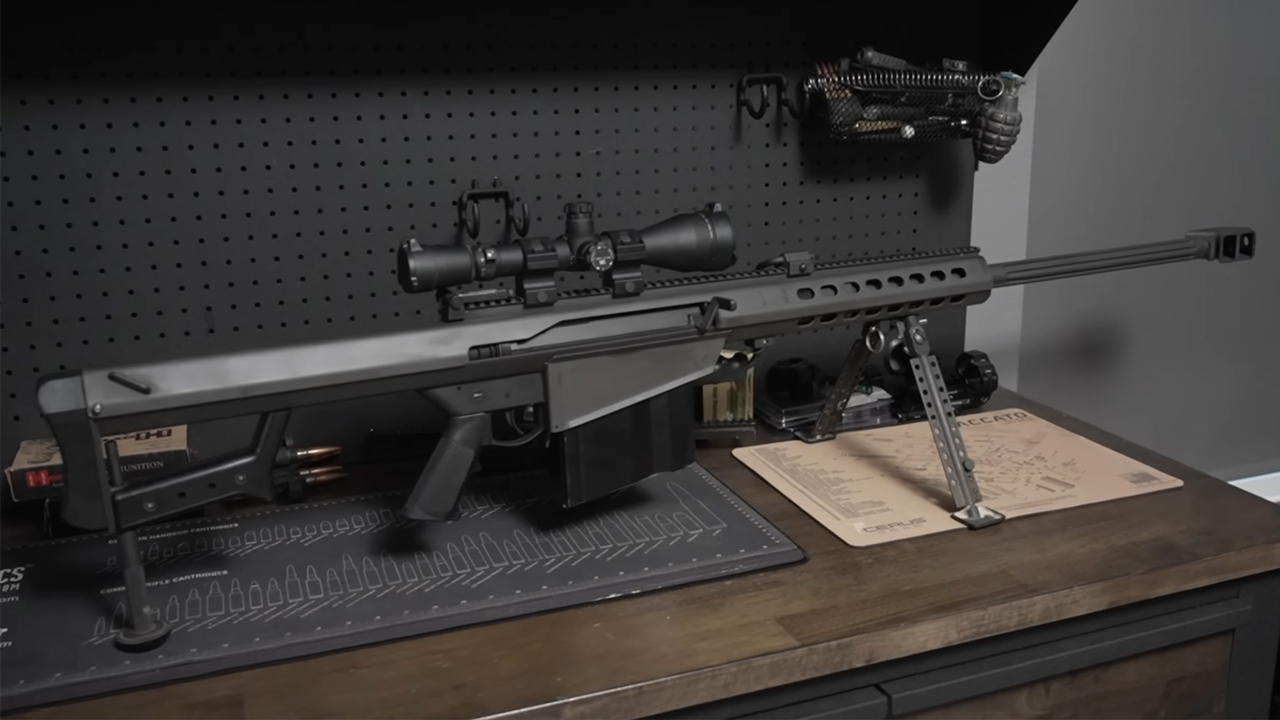
A rifle chambered in .50 BMG can easily become a noise machine if accuracy is not there. Barrett had to prove its rifles were more than spectacle. That is where the company earned respect from serious shooters. The rifles had to handle huge pressure, heavy recoil, large ammunition, and long-range expectations while still producing useful precision. That is not a small engineering problem.
Long-range shooters remember guns that perform after the novelty wears off. A .50 BMG rifle will always draw a crowd, but crowd attention does not equal respect. Barrett earned respect because its rifles had real use behind them. Military, law enforcement, and civilian long-range shooters all found roles for them. The brand stayed attached to power, but it also stayed attached to capability. That combination is why the name did not fade after the shock value wore off.
Barrett Made the Brand Feel Bigger Than One Rifle
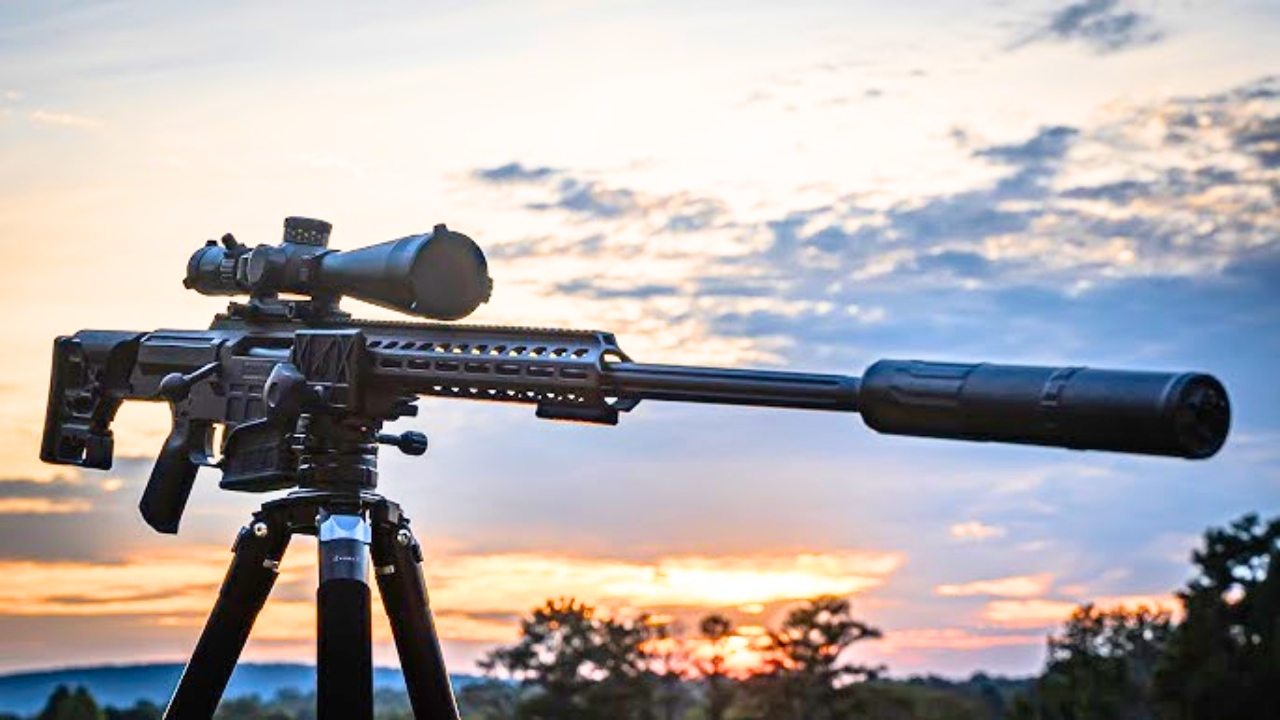
The M82/M107 may be the most famous Barrett, but the company kept expanding. The lineup now includes rifles such as the M107A1, Model 82A1, Model 99, MRAD, MRAD ELR, MRAD SMR, REC10, and REC7 DI. That matters because a brand tied too tightly to one gun can become a museum piece. Barrett stayed active by building rifles for different long-range and modern sporting roles.
That broader catalog helped Barrett avoid becoming only “the .50 company,” even though that identity will always be part of the name. The company moved into precision bolt guns, modular sniper rifles, and AR-pattern rifles while keeping the big-caliber reputation intact. Long-range shooters remembered the M82, but they also watched Barrett keep developing rifles that made sense for newer precision needs.
The MRAD Showed Barrett Could Compete in Modern Precision Rifles
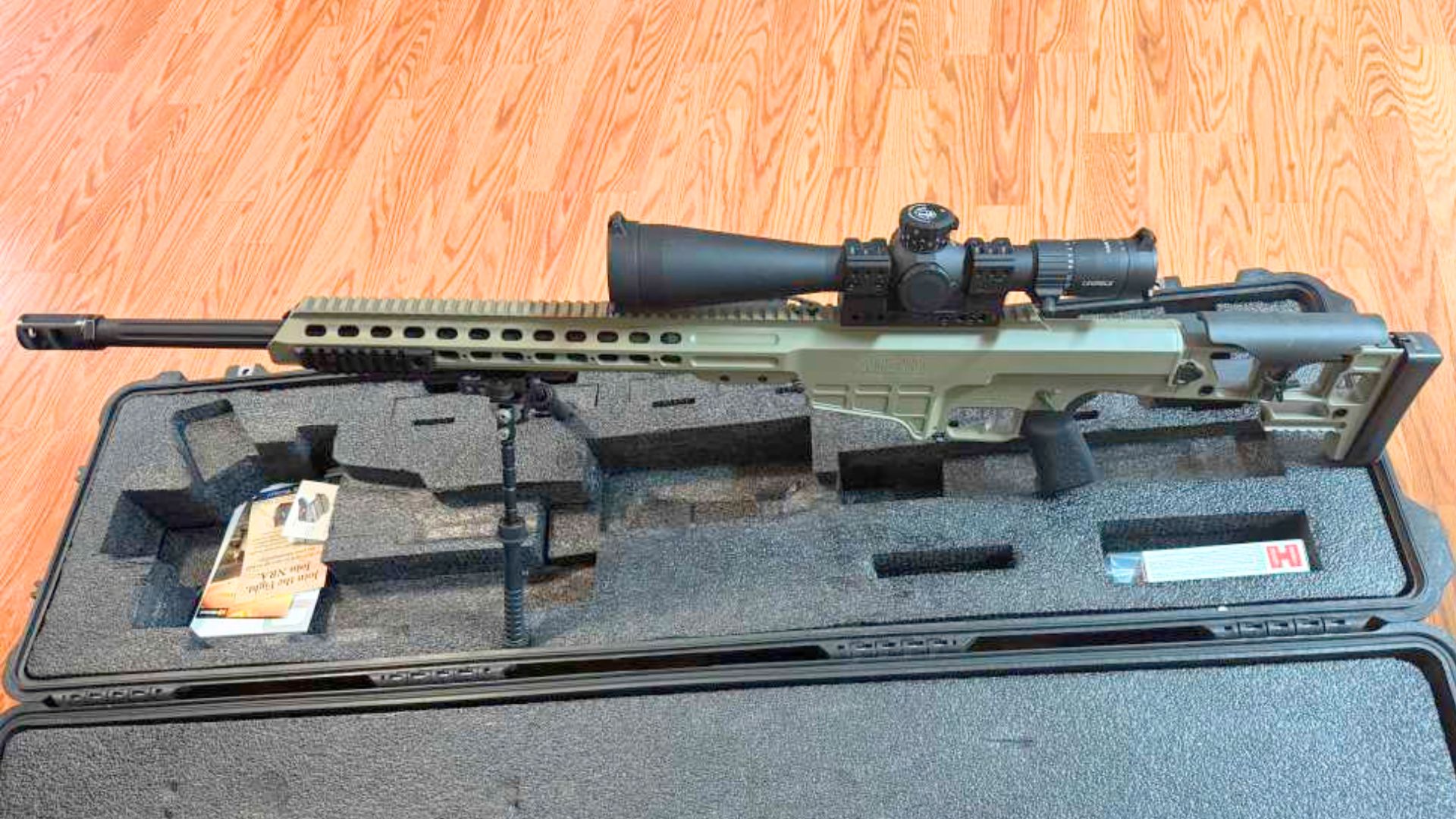
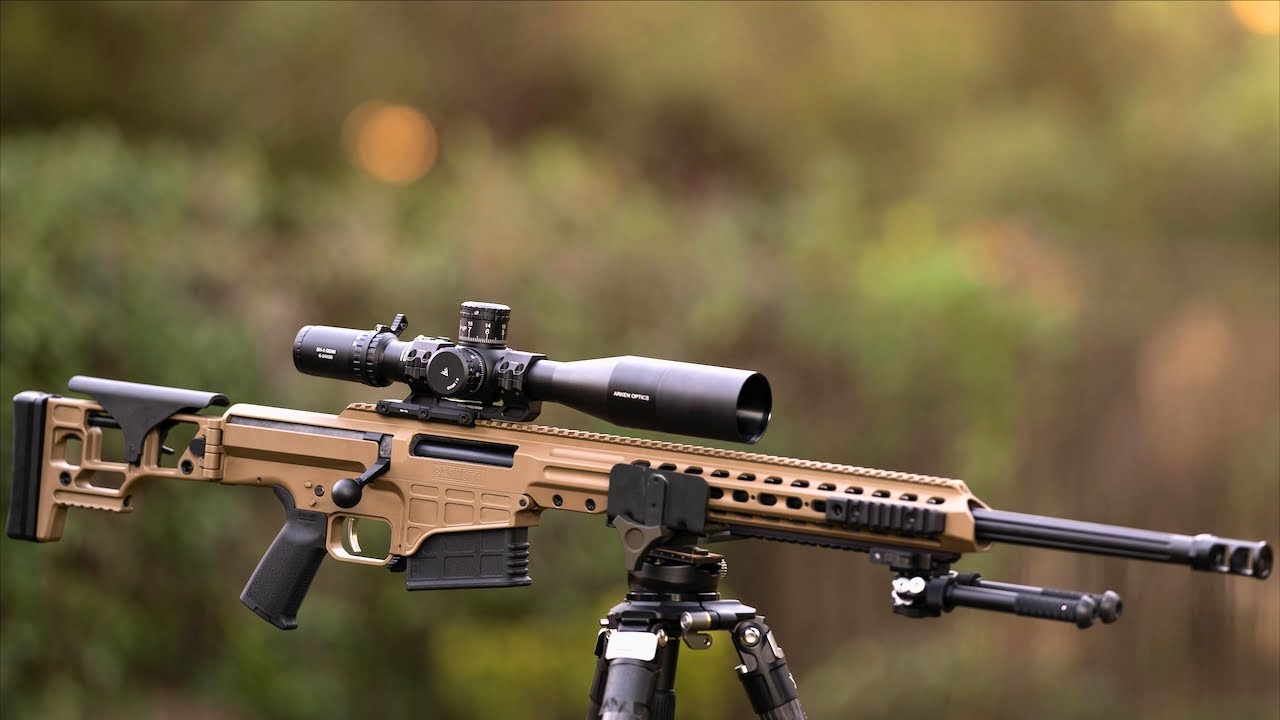
The MRAD was one of Barrett’s most important moves because it proved the company could play in the modern precision rifle world without leaning only on .50 BMG fame. The MRAD is a modular bolt-action precision rifle designed around caliber conversion, folding stock utility, and serious long-range work. It gave Barrett a rifle that belonged in the current sniper and precision market rather than only the anti-materiel world.
That mattered because precision shooting changed. Shooters started caring more about modular chassis systems, folding stocks, adjustable fit, suppressor use, advanced optics, and cartridges like .300 Norma Magnum and .338 Norma Magnum. Barrett responded with a rifle built for that world. The MRAD kept the brand relevant to a new generation of long-range shooters who might admire the M82 but need something different for actual precision work.
The Mk22 ASR Contract Gave the MRAD Serious Credibility
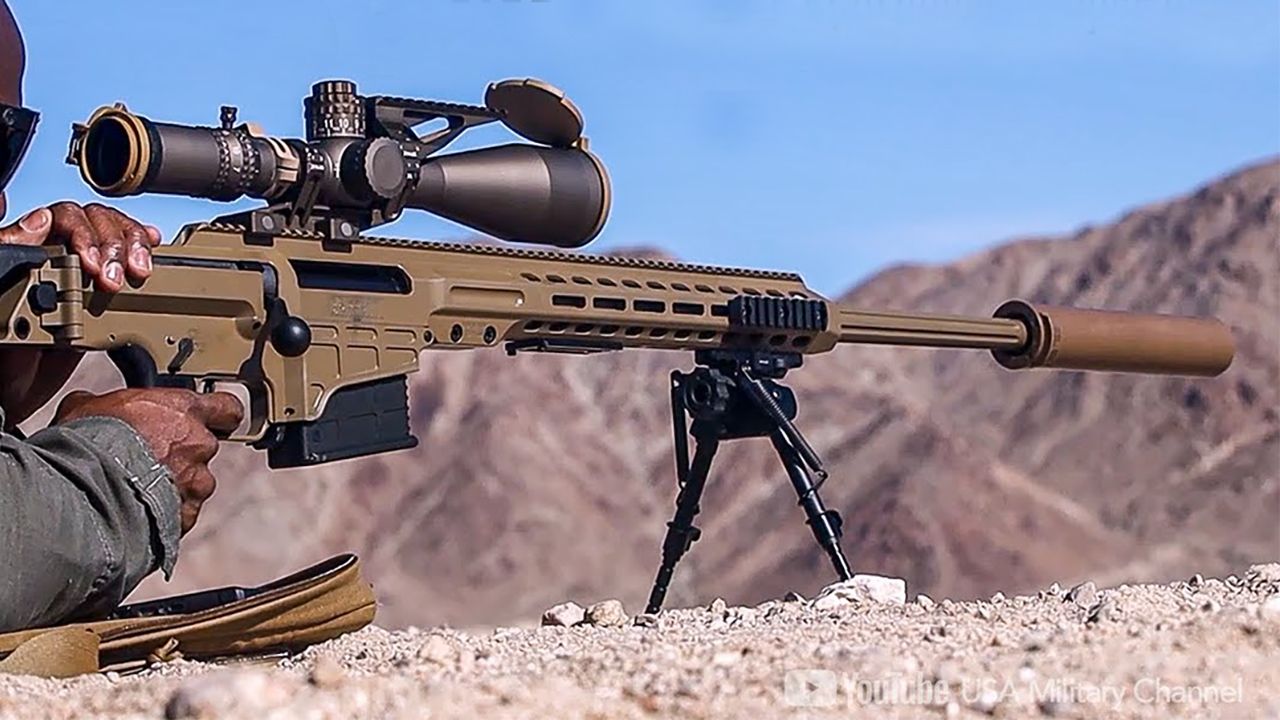
The MRAD earned major credibility when it became tied to the U.S. Special Operations Command Advanced Sniper Rifle program. In 2019, USSOCOM awarded Barrett a contract for the Mk22 ASR, a MRAD-based rifle system capable of converting between 7.62x51mm NATO, .300 Norma Magnum, and .338 Norma Magnum. That kind of selection gave Barrett another major military precision-rifle win beyond the .50-caliber world.
That mattered to long-range shooters because military sniper rifle contracts carry weight. They do not automatically make a rifle perfect for every civilian shooter, but they prove the rifle was taken seriously at a high level. The MRAD gave Barrett a modern precision identity to go with its anti-materiel legacy. That combination made the brand feel even stronger.
Barrett Understood Modularity Before It Became Mandatory
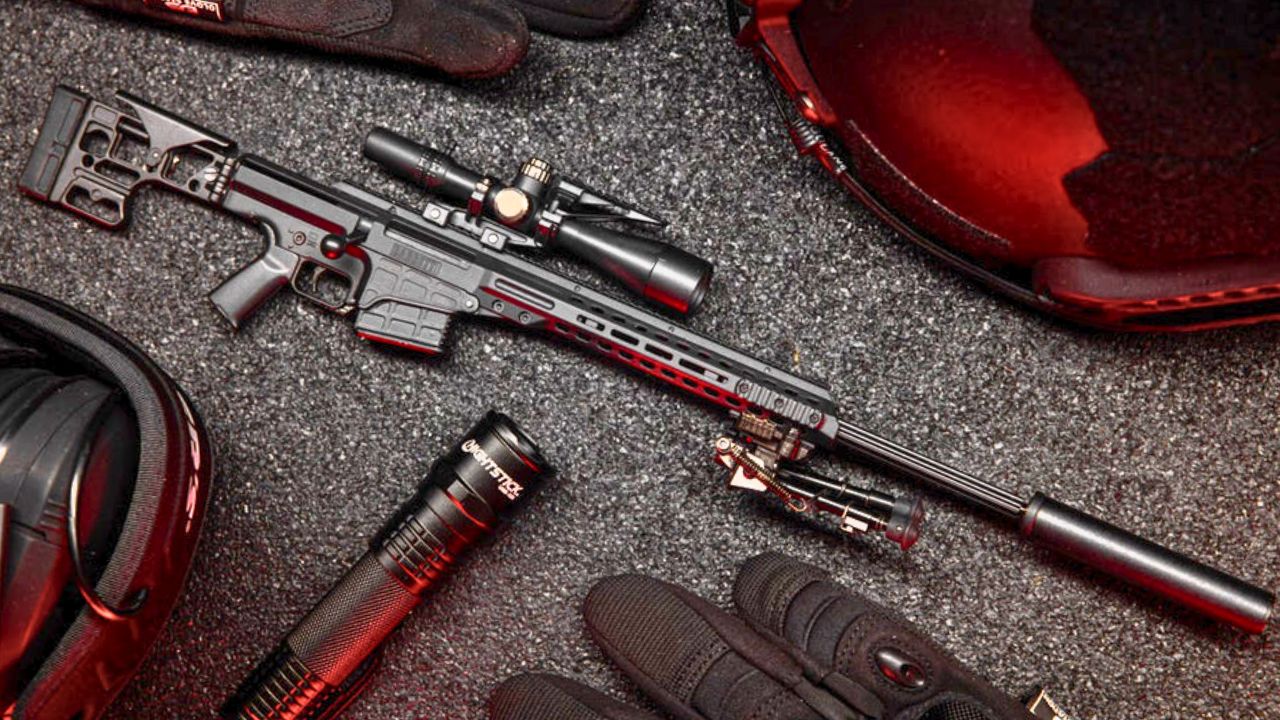
The MRAD’s modularity showed Barrett understood where precision rifles were headed. Caliber conversion, adjustable stocks, folding capability, and user-configurable setups became increasingly important as military and civilian long-range shooters demanded more flexibility. A rifle that can adapt to different missions, ranges, and cartridges has a major advantage over one locked into a single role.
That thinking helped Barrett stay current. The long-range world is not static. Cartridges rise and fall. Suppressors become more common. Optics get bigger and heavier. Shooters demand better fit and more adjustability. Barrett’s MRAD answered those trends with a serious rifle instead of a half-hearted update. That kept the company from being remembered only for an 1980s .50-caliber icon.
Barrett Made Long-Range Rifles Feel Like Serious Systems
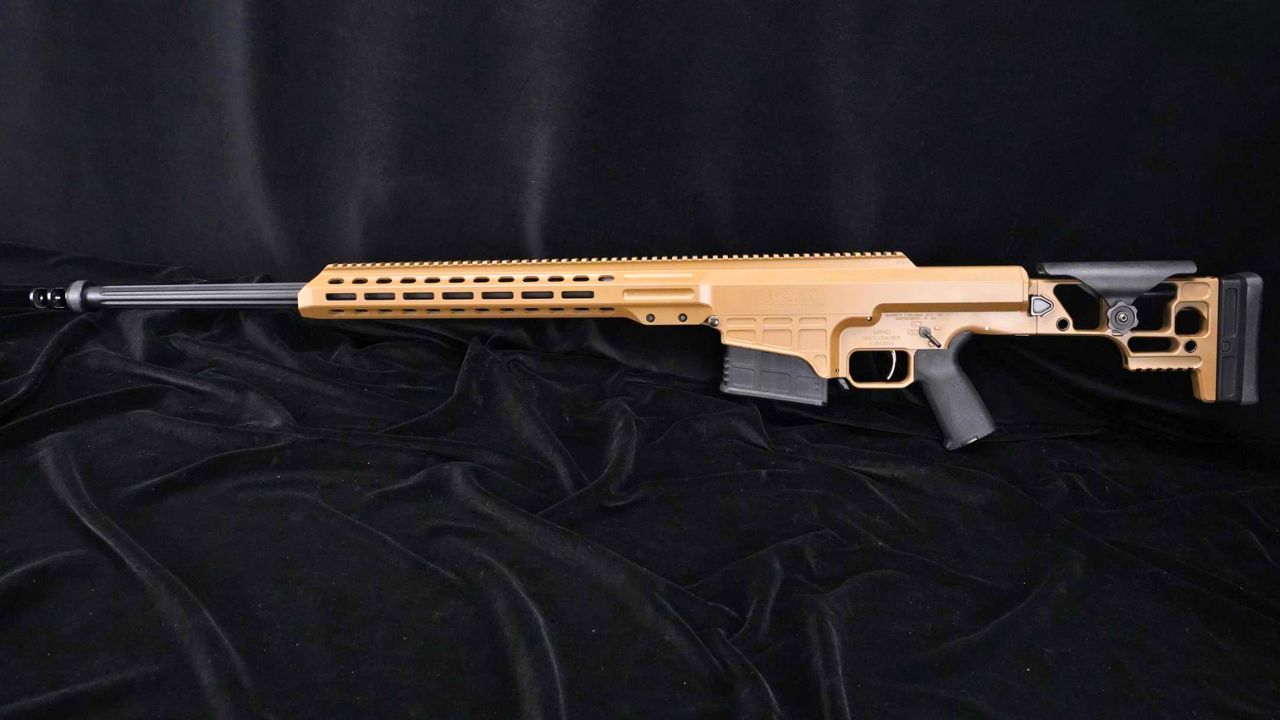
Barrett’s best rifles do not feel like random parts assembled around a cartridge. They feel like systems. The M82/M107 family is built around managing .50 BMG. The MRAD is built around precision, modularity, and adaptability. The Model 99 is built around simplicity and accuracy. That system-level thinking is part of why the brand stuck with long-range shooters.
A long-range rifle is not only a barrel and action. It is recoil management, ergonomics, optics compatibility, stock design, magazine reliability, chambering, field durability, and serviceability. Barrett became memorable because it seemed to understand the whole package. The company’s most famous rifles were not dainty. They were purpose-built. Shooters tend to remember purpose-built guns because they know exactly why they exist.
Barrett Built an Image Without Needing to Fake One
Some brands work hard to look serious. Barrett never had to try that hard. A semi-auto .50 BMG rifle, U.S. military adoption, the M107 name, and later the MRAD’s sniper-rifle credibility did most of the work. The brand image grew from real guns with real roles. That is why it feels different from companies that rely mostly on tactical styling.
That image helped Barrett stick in popular culture too. The rifles looked dramatic because their job was dramatic. Long barrels, huge brakes, giant magazines, heavy receivers, and massive cartridges all made the rifles impossible to ignore. But unlike a lot of guns that only look intense, Barrett’s reputation had real function behind it. That is why long-range shooters remembered the name instead of dismissing it as show.
Barrett Stayed Connected to American Manufacturing

Barrett’s American manufacturing identity also helped its reputation. The company began in Tennessee and is still closely tied to American rifle production, even after its 2023 acquisition by NIOA Group. The brand’s official site continues to present Barrett as a maker of rifles such as the M107A1, Model 82A1, MRAD, and REC series.
That matters because Barrett’s biggest rifles feel very American in concept: powerful, oversized, specialized, and built around big performance. The brand’s Tennessee roots became part of the story. Shooters liked the idea that a company outside the old gunmaking establishment could build something so recognizable and get it adopted by serious users. Barrett’s origin story gave the rifles more personality than a corporate design-by-committee project ever could.
Barrett Became the Name People Remember When They Think Big Distance

The biggest thing Barrett did was become unforgettable. Plenty of rifles shoot far. Plenty of brands make precision guns. But Barrett became one of the first names people think of when the conversation turns to .50 BMG, anti-materiel rifles, and extreme long-range power. That kind of mental ownership is rare.
Long-range shooters remember Barrett because the company built rifles that changed expectations. The M82 made shoulder-fired .50 BMG feel real. The M107 put the name into U.S. military service. The Model 99 gave big-caliber shooters a simpler precision option. The MRAD proved Barrett could compete in the modern sniper rifle world. That is a serious resume. Barrett did not just build big rifles. It built rifles that people could not forget.
Like The Avid Outdoorsman’s content? Subscribe to our newsletter so you never miss an article.
Here’s more from us: