Photo credit: Krasula/Shutterstock.com
A trail camera photo can tell you a lot in one second. Most of the time, you are hoping for deer movement, a good buck slipping through after dark, or proof that a certain trail is worth sitting. Then you swipe to the next picture and there is a person staring back at you. Maybe he is walking past your stand. Maybe he is carrying a rifle. Maybe he is checking your camera like he knows he got caught. That changes the whole feel of the property fast. A stranger on camera is not something to laugh off, especially if the land is private, leased, posted, or supposed to be controlled. But what you do next matters. A camera photo is useful. Your reaction decides whether it becomes a clean trespass report or just another messy camp argument.
Save Everything Before You Start Talking
The first thing to do is save the photos and videos somewhere safe. Do not just leave them on the camera app and assume they will be there later. Download them, screenshot them, back them up, and keep the original timestamps if you can. If the camera captured multiple angles, times, or visits, save all of it. One photo may be enough to prove someone was there, but a pattern is stronger.
Do not start sending the picture to every buddy in camp before you have your own records straight. That is how details get twisted, rumors start, and someone guesses a name before anything is confirmed. Keep the first round clean. Save the images, note the camera location, write down the date and time, and check whether the person entered from a road, fence, gate, neighboring property, creek crossing, or old trail.
Do Not Assume It Is a Random Stranger
Sometimes the person on camera is a true trespasser. Sometimes it is more complicated. It might be a neighbor who thinks he has permission. It might be a family member the landowner forgot to mention. It might be a utility worker, surveyor, ranch hand, trapper, lost hiker, or another lease member who walked into the wrong section. That does not mean you ignore it, but it does mean you verify before you accuse.
If you lease the land, call the landowner or lease manager first. Send the image and ask if they recognize the person. If you own the land, think through anyone who might have legitimate access before you start making claims. The goal is to figure out who it is and why they were there, not to turn one picture into a public manhunt. A calm question usually gets better answers than an angry accusation.
Look for the Pattern Around the Photo
A single camera image is a clue, not the whole story. Once you know someone was there, check the area carefully. Look for boot tracks, tire marks, disturbed leaves, cut branches, moved cameras, opened gates, flagging tape, bait, stands, blinds, or anything else that does not belong. If the person was carrying a weapon during hunting season, pay extra attention to where he may have been headed and whether he crossed property lines.
This is also a good time to check other cameras. Trespassers usually leave more than one sign if they are comfortable on a place. They may walk the same trail, use the same gate, park in the same spot, or come in around the same time of day. The more you can connect the dots, the stronger your case gets. One blurry photo is frustrating. A sequence of photos showing entry, movement, and exit tells a much clearer story.
Keep the Camera Hidden and Working
The natural instinct is to pull the camera immediately so it does not get stolen. That may be smart if the person noticed it and looked ready to take it, but sometimes leaving a camera in place gives you more information. If the trespasser does not know he was caught, the next few days may show whether this was a one-time mistake or a regular route. That said, do not risk an expensive camera if it is sitting in plain sight and the person already knows where it is.
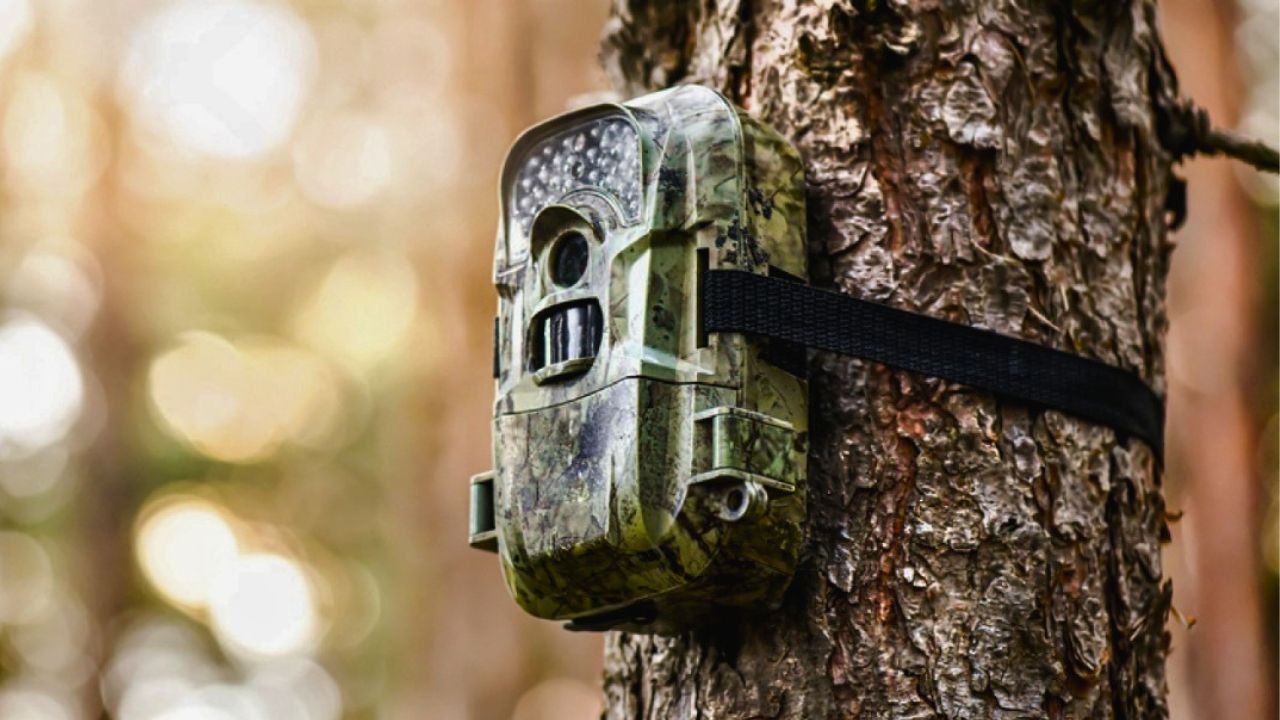
A good setup usually uses more than one camera. Keep one visible enough to capture the obvious trail, and consider placing another one higher, farther back, or watching the access point. People who mess with trail cameras often forget there might be another camera watching them. If you have cell cameras, make sure they are charged, locked down, and set to send images quickly. A stolen camera hurts less when the photo already made it to your phone.
Bring in the Right Person Early
If the image shows someone clearly trespassing, especially if they are armed, carrying game, messing with equipment, cutting fences, dumping bait, or entering posted land, do not wait too long to report it. Call the landowner, lease manager, game warden, or sheriff’s office depending on what happened. If hunting laws may be involved, a game warden is often the right call. If there is property damage, threats, theft, or repeated trespassing, local law enforcement may need to be involved too.
Give them facts, not a campfire rant. “This camera caught an unknown man at 6:18 a.m. on the north trail, 200 yards inside the posted fence line” is useful. “Some dirtbag is sneaking around my place” is less useful. The more specific you are, the easier it is for someone to take the complaint seriously.
Do Not Post His Face Online First
This is where a lot of people mess up. They get a good picture of someone trespassing and immediately post it online with a caption calling him a thief, poacher, or criminal. He may be those things. But posting first can make the situation messier than it needs to be. You could identify the wrong person. You could create a pile of comments from people who do not know the property. You could tip him off before law enforcement or the landowner has a chance to deal with it.
Handle the real process first. Send the image to the landowner or authorities. Let them tell you what they need. If you later share anything publicly, be careful with names, faces, plates, and accusations unless everything has been confirmed. A trail camera photo is strong, but it is not a reason to turn your Facebook page into a courtroom.
Tighten the Property After the First Incident
Once a camera catches someone, assume access needs work. Check every gate, sign, fence gap, creek crossing, old logging road, and pull-off that could be used to enter. Fresh posted signs, better locks, cable gates, cameras on entrances, and trimmed sightlines can make a big difference. If the person walked in from a neighbor’s side, that may be a conversation the landowner needs to have.
For leases, this is also the time to clean up guest rules. Make sure every hunter knows who is allowed on the property and who is not. If people are bringing buddies without permission, your “trespasser” may actually be someone’s unapproved guest. That still needs to be handled, but the fix starts inside the group. Loose access turns into trouble fast.
The Camera Gave You a Head Start
A trail camera catching someone who should not be there is aggravating, but it is also useful. Plenty of landowners never know who is crossing their place until stands go missing, deer vanish, gates get cut, or a confrontation happens at the worst possible time. A camera gives you a chance to act before it gets that far.
Do not waste that advantage by blowing up, guessing, or handling it halfway. Save the evidence, verify who belongs there, check for a pattern, report it when needed, and tighten the access points. The camera did its job. Now the rest comes down to whether you handle the problem like someone protecting a hunting property, not someone looking for a fight.
Like The Avid Outdoorsman’s content? Subscribe to our newsletter so you never miss an article.
Here’s more from us: