Photo credit: New World Ordnance/YouTube
A lot of handguns sell before the buyer ever handles them with any real skepticism. The logo carries the pitch, the reputation fills in the blanks, and the buyer walks away assuming the gun must be right because so many other people already said it was. That does not always mean the pistol is bad. It usually means the decision was made too early, before fit, trigger, recoil, sights, or actual use had a chance to matter.
That kind of brand-led buying happens all the time in the handgun world. Some models get recommended so often that people stop asking whether they actually suit their hands, their carry style, or the way they shoot under pressure. These are the pistols people often end up with when the name on the slide did most of the work before the first magazine was ever loaded.
Glock 19

The Glock 19 is the classic example of a pistol people buy because they are told it is the safe answer. It has earned a strong reputation, and there are good reasons for that, but plenty of buyers end up with one before they have even tried anything else in the same class. The thinking is usually simple: if everybody recommends it, it must be the right gun. That line of logic sells a mountain of Glock 19s.
The problem is that “safe answer” and “best answer for you” are not the same thing. Some shooters never love the grip angle, some shoot other compact 9mms better, and some realize the pistol feels more practical than natural in the hand. It is still a solid gun, but a lot of buyers end up choosing the brand first and convincing themselves about the fit later.
SIG Sauer P365

The P365 became such a dominant carry-gun name that many buyers stopped shopping the category and just bought the pistol everybody else was talking about. SIG put capacity front and center, and the market responded exactly the way you would expect. A lot of people saw the badge, saw the round count, and decided the decision had already been made for them. It became a shortcut purchase for people who wanted to feel current.
That does not mean the P365 is wrong for everyone. It means a lot of people bought a very small pistol without really thinking about how small guns behave when you shoot them fast. The grip can feel cramped, the gun can get lively in recoil, and some owners learn pretty quickly that easy to carry does not always mean easy to shoot well.
Colt 1911 Government Model
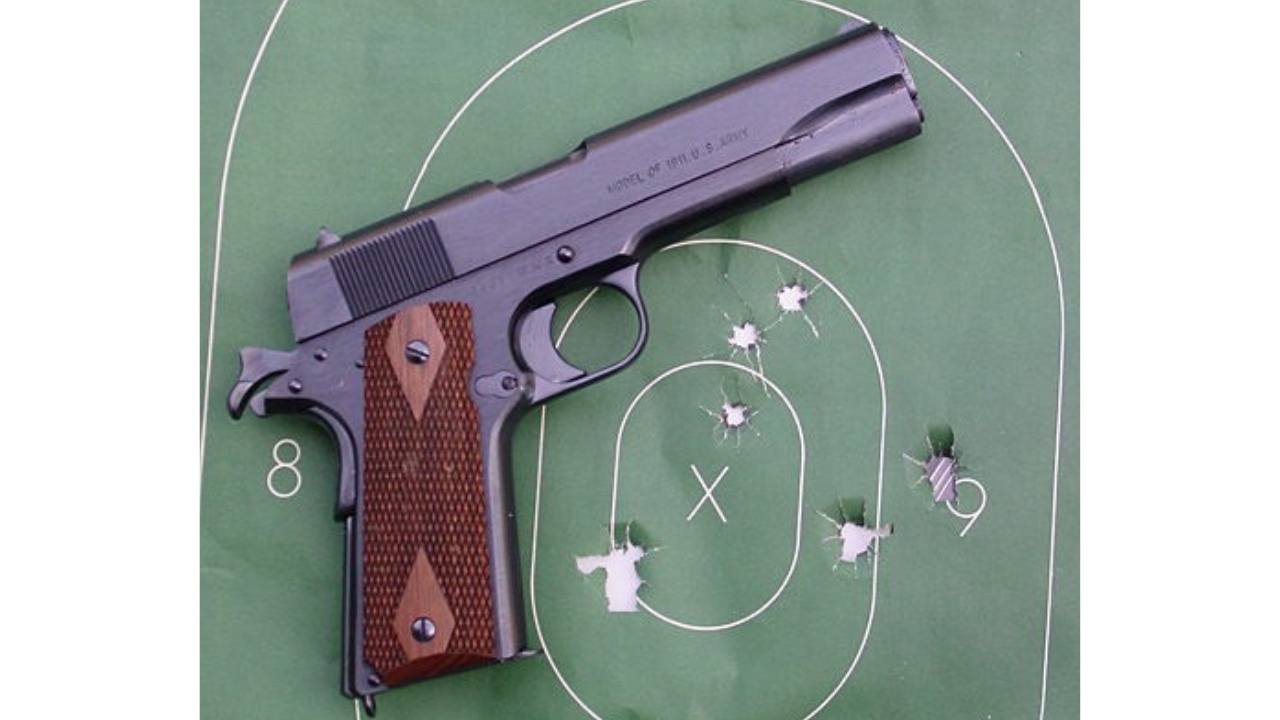
There are still plenty of buyers who walk into the handgun market wanting a 1911 simply because Colt wrote the story in their head years ago. The horse on the slide still does a lot of emotional lifting. For some buyers, that name alone makes the pistol feel like the right choice before they even think about weight, capacity, maintenance, or whether a full-size steel .45 actually fits their real-world needs.
That is where brand memory takes over. A Colt 1911 can be a fine pistol, but a lot of people buy one because they want the legend as much as the gun. Then reality shows up. It is heavier than expected, less forgiving of neglect than striker-fired buyers are used to, and often more of a commitment than a casual buyer realized when the name made the decision feel easy.
Smith & Wesson Model 642

The Model 642 keeps selling because Smith & Wesson made the small-frame revolver feel like automatic good judgment. A lot of buyers pick one because it seems like the responsible, proven, no-drama answer. Light, simple, familiar, and backed by a brand older generations already trusted. That is powerful momentum, especially for buyers who do not want to spend much time learning the carry market before making a choice.
Then they get it to the range and understand the difference between simple design and easy shooting. Lightweight revolvers are unforgiving. The trigger is long, recoil is sharp for the size, and small grips do not do many people any favors. The brand sells the comfort of tradition, but the actual shooting experience often reminds buyers that a trusted name does not make a hard little revolver easier to master.
Springfield Hellcat

The Hellcat landed in a market that was already obsessed with micro-compacts, and Springfield’s name helped push it straight into a lot of holsters. Plenty of buyers chose it because the brand made it feel like a ready-made answer to the concealed-carry question. The pistol looked aggressive, the specs looked competitive, and the name itself sounded like something built to win the comparison without much extra thought.
That kind of branding works, but it can also cover up the reality that tiny pistols demand more from the shooter than the marketing admits. Some owners find the Hellcat snappy, some do not love the trigger, and some realize they bought it mainly because it felt like the brand had already decided what kind of carry gun they should want. That happens more often than people like to admit.
Walther PPK

The PPK is one of the easiest handguns in the world to buy for reasons that have nothing to do with smart comparison shopping. The brand, the silhouette, and the pop-culture reputation all do the thinking before the buyer ever gets serious about practical use. A lot of people want one because it feels iconic in a way few pistols ever do. The Walther name sells an image before it sells a shooting experience.
Once that image wears off a bit, the pistol starts asking harder questions. It is not especially pleasant by modern carry standards, the ergonomics are dated, and it gives up a lot compared to newer designs in comfort and shootability. None of that kills its appeal, but plenty of buyers end up learning that nostalgia and branding can make a gun feel smarter in the shop than it does on the range.
Beretta 92FS

The Beretta 92FS has such a recognizable reputation that some people buy it because they think they are supposed to. The name feels official, battle-tested, and bigger than argument. That makes it easy for buyers to skip over the practical questions. They already trust the brand story. They already know the silhouette. The pistol arrives with so much built-in status that some buyers never really stop to ask whether it fits the role they need.
Then comes the part where they live with it. The 92FS is large, wide through the grip for many hands, and not exactly what most people want to carry. It can be a soft-shooting, enjoyable pistol, but it also gets bought by people who were more influenced by reputation than fit. The Beretta name carries a lot of history, and history can make buyers less critical than they should be.
FN Five-seveN

The FN Five-seveN is one of those pistols that people buy partly because the brand makes it feel more advanced and serious than the average handgun purchase. FN has a way of selling capability, and this model especially benefits from that aura. A lot of buyers convince themselves they are getting something cutting-edge and specialized, even when they have not fully thought through ammo cost, practical need, or long-term use.
That is where the brand did a lot of the heavy lifting. The pistol is interesting, no question, but many owners are really buying the idea of the gun more than the role it will actually fill. Once the novelty cools off, some find it harder to justify than they expected. It is a classic case of a respected name making an unusual choice feel more automatic than it really should.
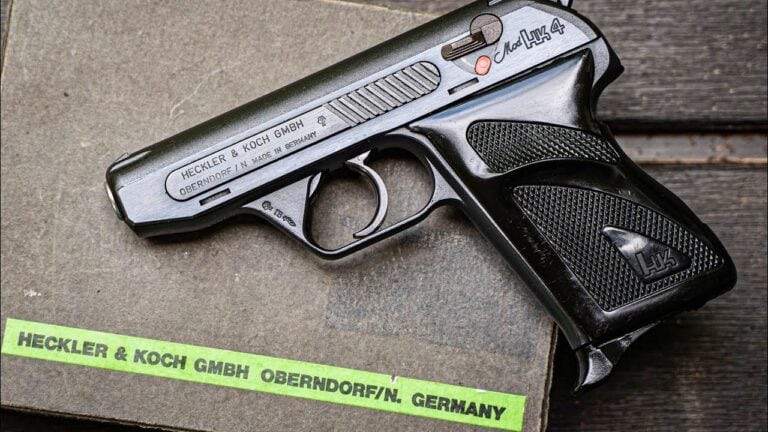
Heckler & Koch VP9

HK has one of the strongest brand reputations in the handgun world, and the VP9 benefits from every bit of it. Some buyers see the HK roll mark and stop worrying about comparison from that point on. The assumption is that the company already made the premium choice for them. That reputation for quality is powerful enough that people will sometimes buy the pistol before they have honestly compared it against guns that fit them better.
The VP9 can absolutely shoot well, but brand confidence has a way of making buyers forgive things they would question on another pistol. Maybe the controls are not their favorite. Maybe the size does not match their intended use. Maybe the price feels easier to swallow because the name makes it feel automatically justified. That is what brand-led buying looks like. The pistol may be good, but the thinking was partly outsourced.
Ruger LCP Max

Ruger has long had a grip on the practical buyer, and the LCP Max slides right into that lane. A lot of people buy it because Ruger made it feel like the sensible pocket-pistol answer. The company’s reputation for affordable, straightforward firearms does a lot of work here. Buyers often trust the badge and the format without spending enough time asking whether they are actually going to enjoy shooting such a tiny gun enough to stay proficient.
That question matters more than many people expect. Pocket guns are easy to own in theory and harder to shoot well in practice. The LCP Max makes sense on paper, but some owners learn that thin sights, tiny dimensions, and lively recoil create a pistol that is more convenient than confidence-building. Ruger did not trick anybody, but the brand absolutely made the purchase feel easier than the real shooting part.
CZ 75 B

The CZ 75 B has built such a loyal following that many buyers step into the brand almost like they are joining a club. The pistol gets talked about with so much affection that some people stop evaluating it like a purchase and start treating it like a rite of passage. CZ fans do a lot of recommending, and the brand’s reputation for shootability and steel-frame value closes the deal before some buyers ever think beyond that.
In fairness, the gun often shoots well enough to justify much of the praise. But that does not change the fact that some buyers choose it because they trust the brand’s devoted following more than their own actual use case. It is heavy, it is not ideal for every role, and it asks more commitment than many first-time buyers realize. The brand community often does part of the thinking for them.
Kimber Micro 9

Kimber has always known how to sell the polished version of handgun ownership, and the Micro 9 catches plenty of buyers through that exact appeal. The brand tells a clean story: compact, stylish, carry-ready, and a little more refined than the plain options in the case. For some buyers, that image does most of the work. They are not just buying a small 9mm. They are buying what the Kimber name says about taste.
That is not always the same as buying the smartest working pistol for the money. Some owners realize they paid heavily for presentation and branding in a category where function matters a whole lot more than charm. Small 1911-style pistols can also be less forgiving than buyers expect. The result is a gun that often gets purchased because the brand sold a feeling first and left the practical questions for later.
Taurus Judge

The Judge is one of those handguns where the brand and the marketing concept team up and do nearly all the decision-making. Taurus sold the idea hard, and a lot of buyers bought into it because it sounded like a powerful answer to every problem at once. The brand made the gun feel bold, flexible, and unforgettable, which is exactly why so many people ended up buying one without carefully thinking through what it really does well.
Later, some of those same buyers figure out that novelty and usefulness are not the same thing. The Judge has a very specific appeal, but it also gets chosen by people who were sold on identity more than performance. They liked the story, the look, and the brand pitch. Then range time and practical carry questions started thinning out that excitement in a hurry.
Canik TP9SF
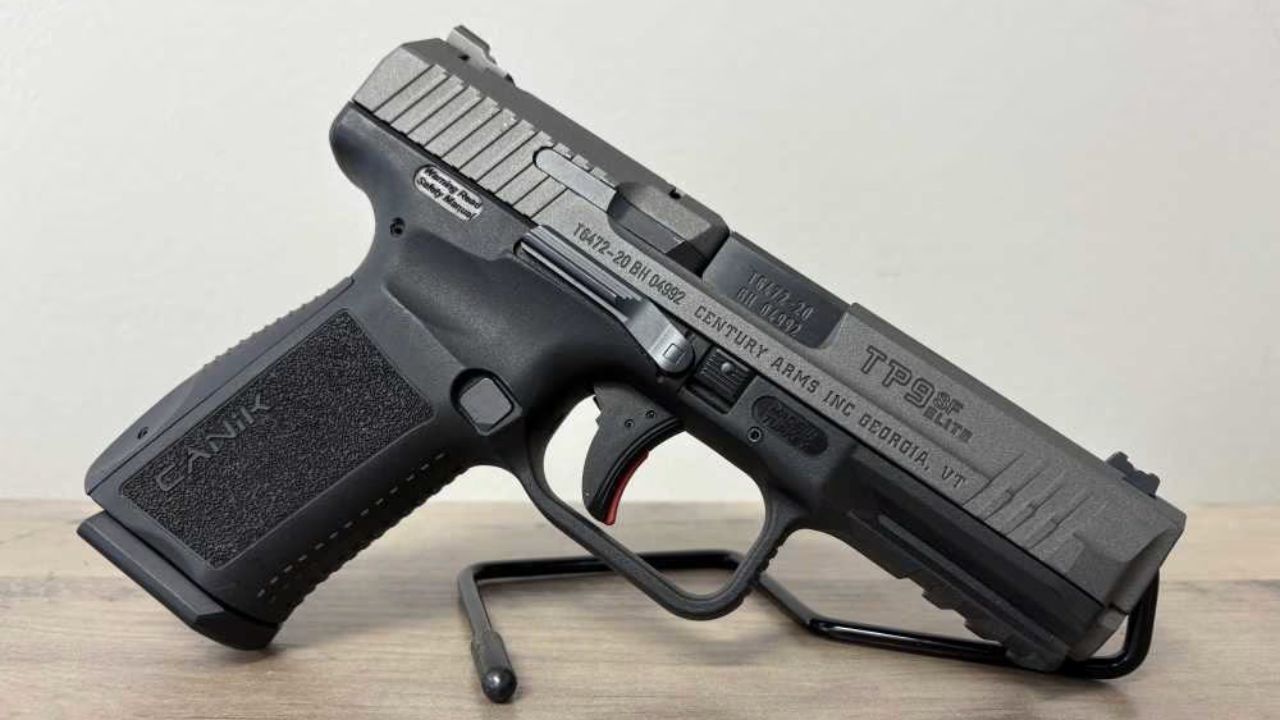
Canik built a strong reputation quickly, and the TP9SF became a pistol many buyers grabbed because the brand told them they were getting more gun for less money. That value reputation is real, but it also turns into a form of borrowed thinking. People hear enough praise online, see enough favorable comparisons, and buy one assuming the crowd already did the evaluation for them. That kind of momentum can be hard to resist.
The issue is not that the gun is bad. It is that value-driven hype can make buyers overlook their own preferences just as easily as prestige branding can. Maybe the size is not what they really wanted. Maybe they do not love the trigger feel as much as expected. Maybe they bought the internet’s bargain hero instead of their own best fit. The brand story can make that happen.
Desert Eagle Mark XIX

Few handguns get purchased with more help from brand image than the Desert Eagle. This is a pistol people buy because the name already wrote the script. Magnum Research never needed it to make ordinary sense. It only needed it to feel unforgettable. For a lot of buyers, that was enough. The brand identity, the size, and the sheer spectacle of the thing did the thinking long before practical concerns had a chance.
Then reality steps in with weight, bulk, ammo cost, and the obvious fact that this is not a pistol most people truly need for anything. That does not make it worthless. It makes it a perfect example of a handgun people choose because the brand sold the dream so effectively that practicality never had much chance in the conversation.
Smith & Wesson M&P Shield
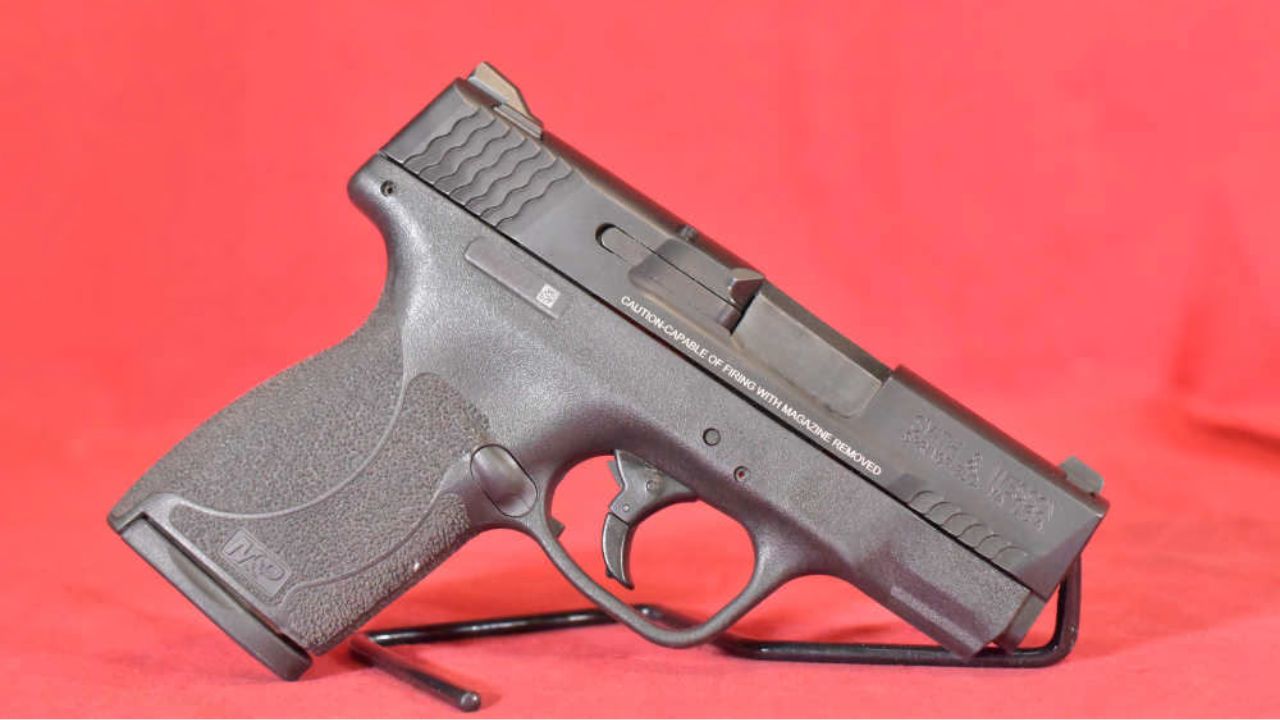
The Shield became such a familiar carry recommendation that many people bought one almost by default. Smith & Wesson made the gun feel trustworthy, straightforward, and already vetted by the market. For buyers who wanted a carry pistol without going deep into research, that was enough. The brand reputation and the model’s widespread popularity often stood in for hands-on decision-making, especially among people buying their first serious carry gun.
A lot of owners end up satisfied, but that does not change how often the purchase starts with borrowed confidence. Some shooters end up preferring a fuller grip, softer recoil impulse, or a different trigger feel than the Shield gives them. The pistol earned a place in the market, but it also became one of those guns people buy because the brand and crowd approval make the choice feel finished before it really is.
Like The Avid Outdoorsman’s content? Subscribe to our newsletter so you never miss an article.
Here’s more from us: