Photo credit: The Levergun Bum/YouTube
Some rifles get treated like they are only as good as the era that made them popular. Then the market moves on, new features get pushed hard, and buyers start acting like every older design should feel outdated by now. The funny part is how often that falls apart in real use. A good rifle does not stop being a good rifle just because the catalog got louder. If it still carries well, feeds right, shoots honestly, and makes sense in the field, it usually survives the trend cycle just fine.
That is what these rifles did. They stayed good while stock fashions changed, cartridge hype shifted, and buyers kept getting told the future had finally arrived again. Some are classics, some were never especially glamorous, and some only started getting proper respect after the newer stuff had a chance to disappoint people. All of them proved that usefulness tends to outlast noise.
Winchester 88

The Winchester 88 stayed good because it never really depended on novelty to make sense. It handled quickly, carried like a real hunting rifle, and offered a feel in the field that was different without being awkward. That mattered when it was new, and it still matters now. A lot of rifles have come along promising modern answers to old problems, but the 88 keeps reminding hunters that clean handling and real-world usefulness do not age out very easily.
It also held up because it never became one-dimensional. The 88 could still serve as a practical deer rifle, not just a piece of old Winchester interest. That is the big difference. A rifle that remains useful after the market changes is always going to age better than one that only survives on nostalgia.
Savage 99F
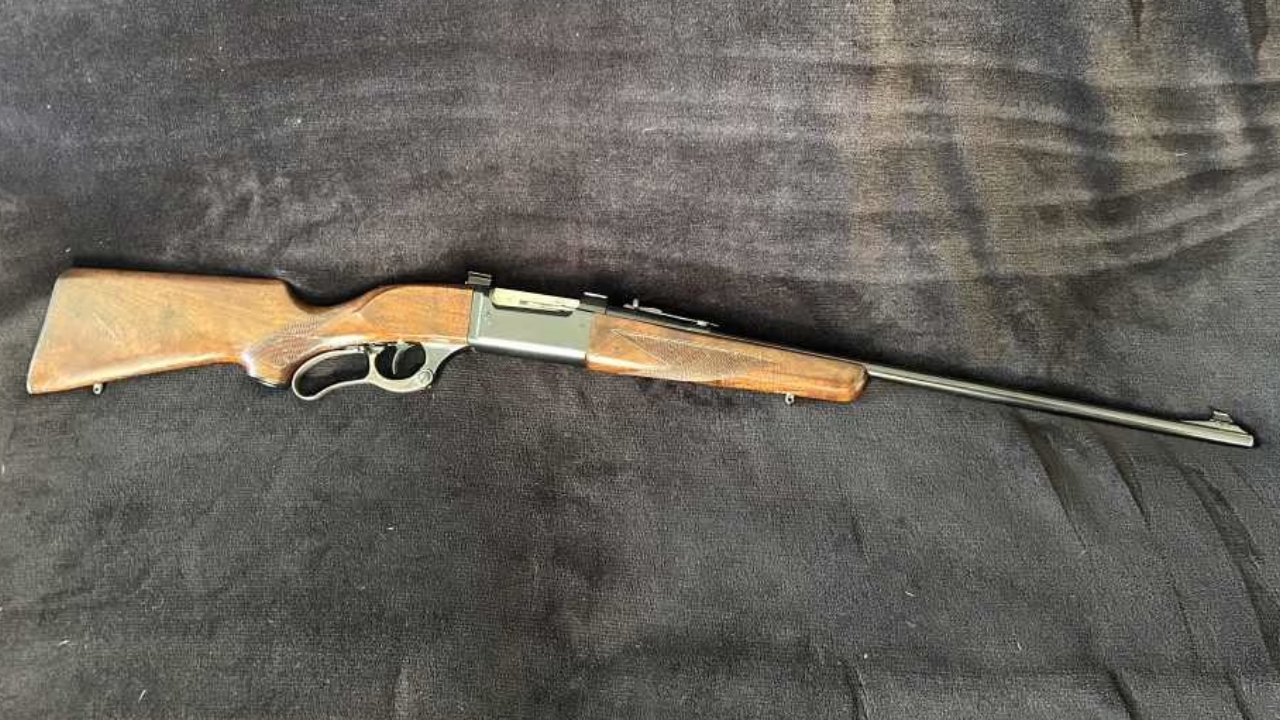
The Savage 99F stayed good because it was built around field logic instead of fashion. It is light enough to carry, fast enough in the hands, and chambered in rounds that still make practical sense for deer-sized game. That alone gave it staying power. While the market kept rolling out newer rifles with more buzz and less personality, the 99F just kept being a very smart rifle for hunters who actually spend time in the woods.
Its biggest strength is that it still does not feel generic. The rifle has its own rhythm and balance, and those qualities become more valuable the more modern rifles start blending into each other. Trends changed. The 99F never needed to. It already knew what kind of rifle it wanted to be.
Browning BAR Safari Grade

The Browning BAR Safari Grade stayed good because a sporting autoloader that handles itself well never really stops making sense. Hunters can argue bolts versus semis all they want, but when a BAR fits the shooter and the hunt, it still feels like a serious rifle. The weight settles it, the follow-up speed matters, and the whole gun carries a level of maturity that most trend-driven rifles never quite match.
That is why it survived changes in taste better than some people expected. It was never just a pretty autoloader with a respected name on it. It was a capable hunting rifle that continued to solve real problems in real country. Those rifles tend to outlast whatever the market is temporarily excited about.
CZ 527 Carbine

The CZ 527 Carbine stayed good because it got something basic right that a lot of newer rifles still miss. It actually felt scaled to the cartridges it chambered. That gave it a trim, lively feel that is hard to fake and harder to forget once a hunter has carried one. While trends pushed bulkier rifles with more aggressive styling, the little CZ kept showing how much value there still is in proportion and balance.
It also stayed relevant because it was useful, not precious. It made sense as a field rifle, a truck rifle, and a light game rifle with real personality. Those kinds of guns tend to build strong loyalty, especially once buyers realize that a lot of supposedly smarter rifles never felt half as right in the hands.
Tikka M695 Hunter
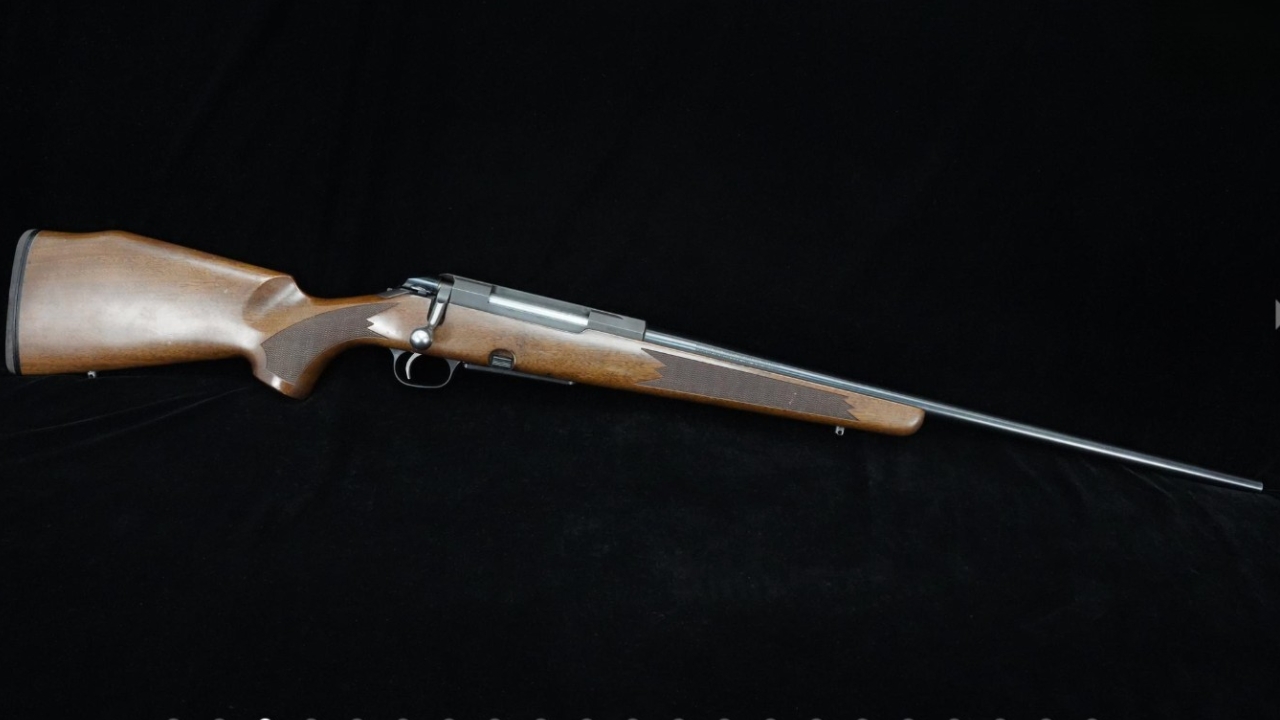
The Tikka M695 Hunter stayed good because it delivered what people were hoping later rifles would improve on, then rarely actually did. It had a smooth action, real hunting-rifle balance, and the sort of easy field confidence that keeps a rifle from becoming old in a bad way. A lot of rifles came later with more dramatic marketing, but the M695 never really gave owners much reason to feel they were missing something.
That is usually the mark of a rifle that ages well. It does not need defending. It just keeps doing the work. The M695 Hunter remains a rifle people can hunt with seriously, not simply admire as a product of another era. That practical staying power matters more than trend language ever does.
Ruger No. 1A Light Sporter

The Ruger No. 1A Light Sporter stayed good because it never tried to chase whatever the rest of the market was doing. It stayed itself. That turned out to be a strength. While buyers bounced between tactical styling, ultralight builds, and synthetic everything, the No. 1A kept offering a clean, elegant rifle that still carried beautifully and hunted honestly. It was never trying to be the answer to every question.
That kind of clarity ages well. A rifle like this does not need to dominate the market to remain good. It just needs to keep offering something the rest of the market cannot easily replace. The No. 1A still does that. It feels deliberate, and deliberate rifles often hold their ground better than the ones built around passing excitement.
Weatherby Vanguard Sporter

The Weatherby Vanguard Sporter stayed good because it was grounded in practical hunting value from the start. It shot well, carried enough weight to feel steady, and avoided most of the cheap-feeling shortcuts that made plenty of later rifles feel more temporary than they first appeared. It never had to be the most glamorous rifle on the shelf to keep earning trust.
That trust stuck because the Vanguard Sporter kept doing ordinary hunting-rifle things well. It held its own in a market that kept shifting between image, price-point gimmicks, and short-term trends. A rifle that remains dependable and straightforward while everything around it gets noisier tends to look a lot smarter with time.
Remington 725
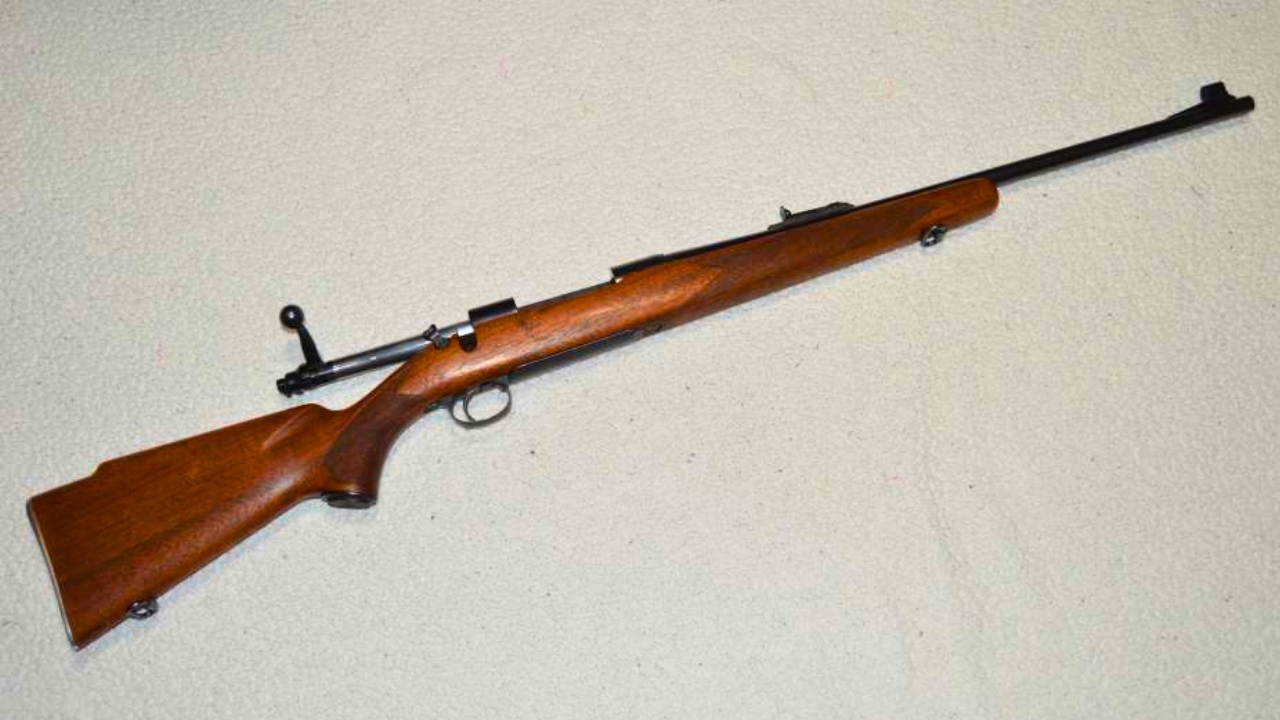
The Remington 725 stayed good because it had substance behind the styling. It is easy to talk about it as a bridge between rifle eras, but that misses part of the point. The 725 still handles like a serious sporting rifle, and it still makes sense in the field for someone who values feel as much as raw familiarity. That kept it from fading into history as just one more old Remington.
It also held up because it never turned flimsy or forgettable. The rifle has enough identity to stay interesting and enough function to stay useful. That is a strong combination. Trends changed around it, but the 725 never really lost the qualities that made a hunter trust a rifle in the first place.
Sako Forester L579

The Sako Forester L579 stayed good because it felt refined in the right ways, not the fragile ones. It had a smooth action, real stock design, and the kind of balance that made it easy to carry seriously instead of just admire. That quality did not age out when newer rifles appeared. If anything, it became more obvious once buyers handled enough rifles that looked modern but felt cheaper.
That is why the Forester still lands with experienced rifle people. It is not living on some inflated memory of the past. It still makes sense as a field rifle with real sporting value. A gun like that does not stop being good because the industry found a new buzzword. It stays good because the fundamentals were right.
Marlin 1895 Guide Gun

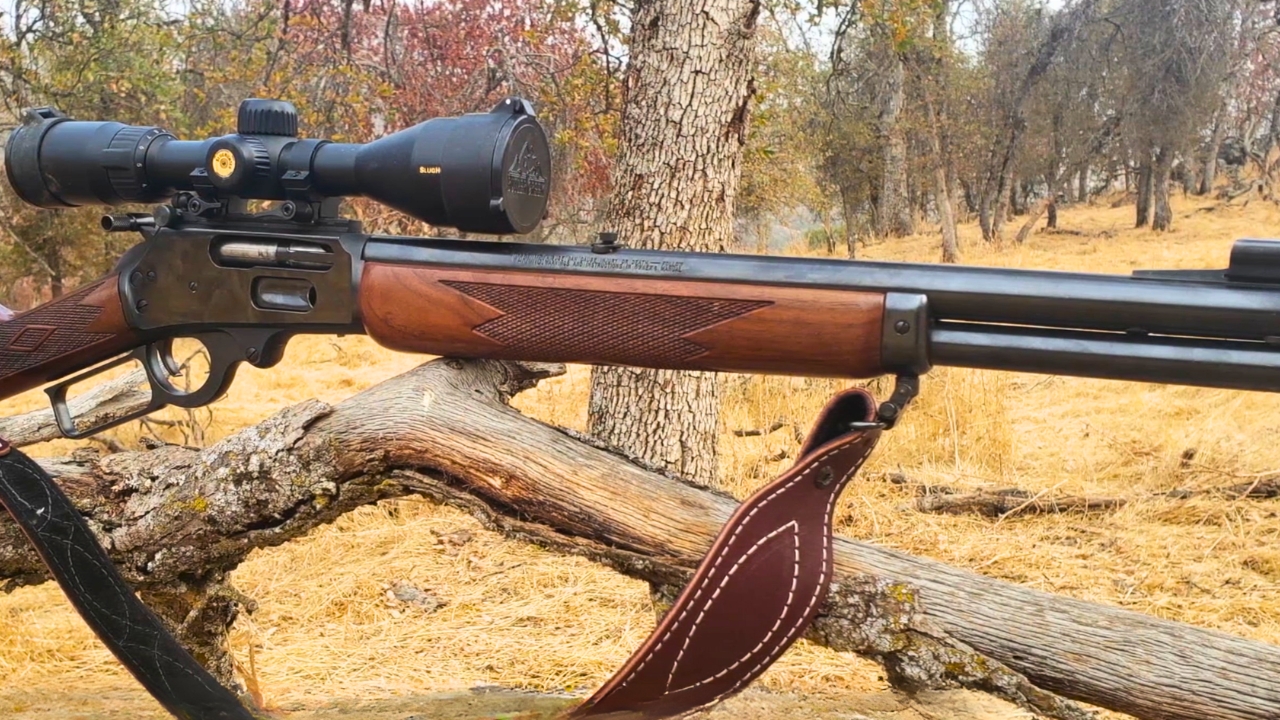
The Marlin 1895 Guide Gun stayed good because it was built around a role that never really went away. Thick cover, big-bodied game, short to moderate distances, and hunters who value fast handling still exist. That means a compact big-bore lever gun still makes real sense. While the market spent years acting like every rifle had to stretch farther and flatter, the Guide Gun kept proving there are hunts where authority and handiness are the smarter pairing.
It also stayed good because it remained brutally honest. It never pretended to be universal. It just kept doing exactly what it was meant to do. Rifles like that tend to outlast trend cycles because they were never built around the trend in the first place.
Howa 1500 Walnut Sporter

The Howa 1500 Walnut Sporter stayed good because it never got too caught up in image. It gave hunters a solid action, dependable accuracy, and a rifle that felt more mature than its place in the market sometimes suggested. While trends kept pushing buyers toward louder names or more aggressively styled hunting rifles, the Howa kept building a reputation the slow way.
That is usually the better way. Owners kept it because it hunted well, shot honestly, and did not create much regret after the purchase. A lot of rifles look interesting when they are new. The Howa 1500 Walnut Sporter kept looking like a good idea after people had lived with it for years, which is much more important.
Winchester 670
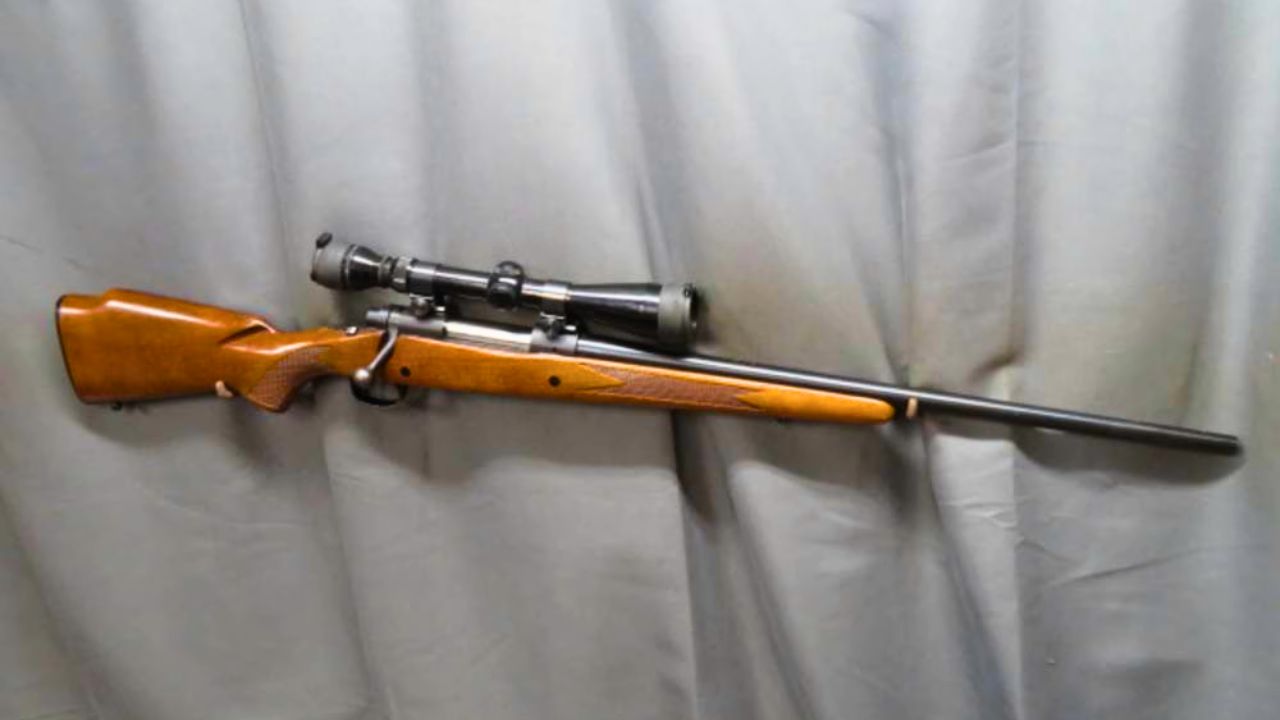
The Winchester 670 stayed good because it never tried to be anything it was not. It was a plain sporting rifle with real Winchester field sense built into it, and that turned out to be enough. Buyers who wanted flash often looked right past it, but hunters who actually used one learned pretty quickly that plain rifles can age beautifully when the fundamentals are right.
That is exactly what happened here. The 670 kept making sense as a rifle that could still go hunt, not just sit around being remembered. Its value was in use, and use tends to protect a rifle from becoming obsolete as fast as trend-driven buyers expect. A rifle that never forgets its job usually stays good.
Browning BLR Lightweight
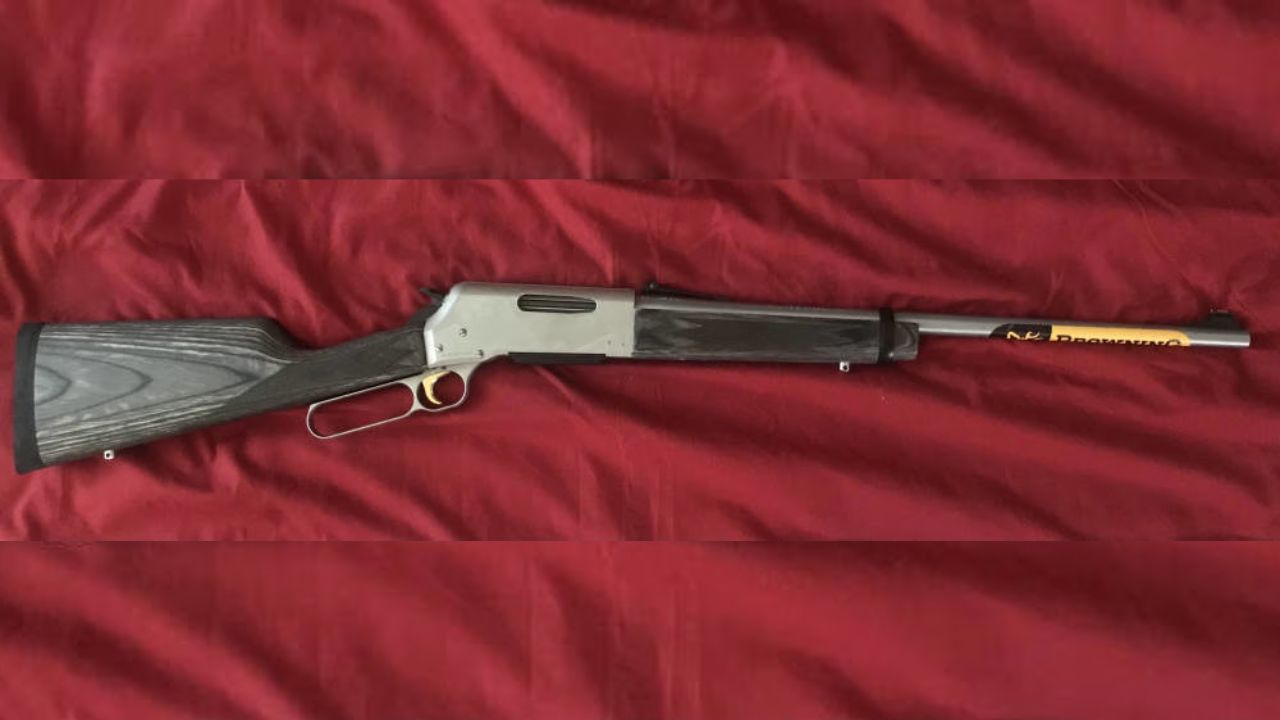
The Browning BLR Lightweight stayed good because it remained one of the more practical “in-between” rifles a hunter could own. It handled like a field rifle, used modern cartridges, and stayed compact enough to make real sense in the woods. That was smart when it first caught on, and it is still smart now. The market changed around it, but the problems it solved never really went away.
It also held up because it never felt like a compromise pretending to be a concept. The BLR actually works. Hunters who spend time with one understand why it kept surviving every wave of more fashionable rifles. It does real work in real places, and that is often the best protection against becoming obsolete.
Husqvarna 1640

The Husqvarna 1640 stayed good because it was built with the kind of quiet quality that ages upward instead of downward. It was not trying to dominate headlines. It was simply a well-made sporting rifle with strong field manners and a shape that still feels right once it is in the hands. A lot of newer rifles came along and never really surpassed what the Husqvarna already offered in feel alone.
That is why hunters and rifle people keep respecting it. The 1640 still makes sense as a rifle to own and use, not just as a relic. Its appeal is not artificial. It comes from carrying and handling like a rifle from a period when that part still got taken very seriously.
Remington 7600

The Remington 7600 stayed good because pump rifles never stopped making sense in the kind of country where quick shots and natural handling matter most. The market may have tried to act like every serious hunter should move toward something else, but hunters who actually use 7600s kept proving there was still a strong place for them. That kind of field endorsement matters more than style.
It also stayed relevant because it remained useful instead of becoming merely regional nostalgia. The 7600 is still fast, still practical, and still one of the better answers for thick woods hunting. Trends changed. Deer woods did not. That is a big reason this rifle stayed good while so many trend-based opinions did not.
Sako 85 Hunter

The Sako 85 Hunter stayed good because it never felt like it needed to apologize for being a traditional hunting rifle with real refinement. A lot of later rifles tried to seem more advanced, but many of them never felt as sorted out in the hand. The 85 Hunter kept offering smooth function, sensible lines, and enough quality to satisfy the buyer who actually intended to live with the rifle, not just admire it for a season.
That matters because good rifles are often judged best after the buying excitement wears off. The Sako 85 Hunter still feels complete. It is not trying to impress through novelty. It impresses by continuing to make sense after the market has changed three or four times around it. That is usually a strong sign the rifle was good all along.
Like The Avid Outdoorsman’s content? Be sure to follow us.
Here’s more from us: