Photo credit: EPIK ARMS/YouTube
Some rifles get called proven because they really earned it through years of dependable field use. Others get that label because owners slowly adjusted their standards until the rifle’s shortcomings became part of the deal. That does not always mean the rifle is worthless. It usually means the praise comes with a quiet understanding that the trigger is rough, the stock feels cheap, the bolt is clunky, or the accuracy is only acceptable if you stop asking for much.
That is the lane these rifles live in. They kept selling, they kept killing deer, and they kept getting defended by people who learned exactly what not to expect from them. In a lot of camps, proven stopped meaning impressive and started meaning familiar, predictable, and good enough not to argue with.
Remington 710
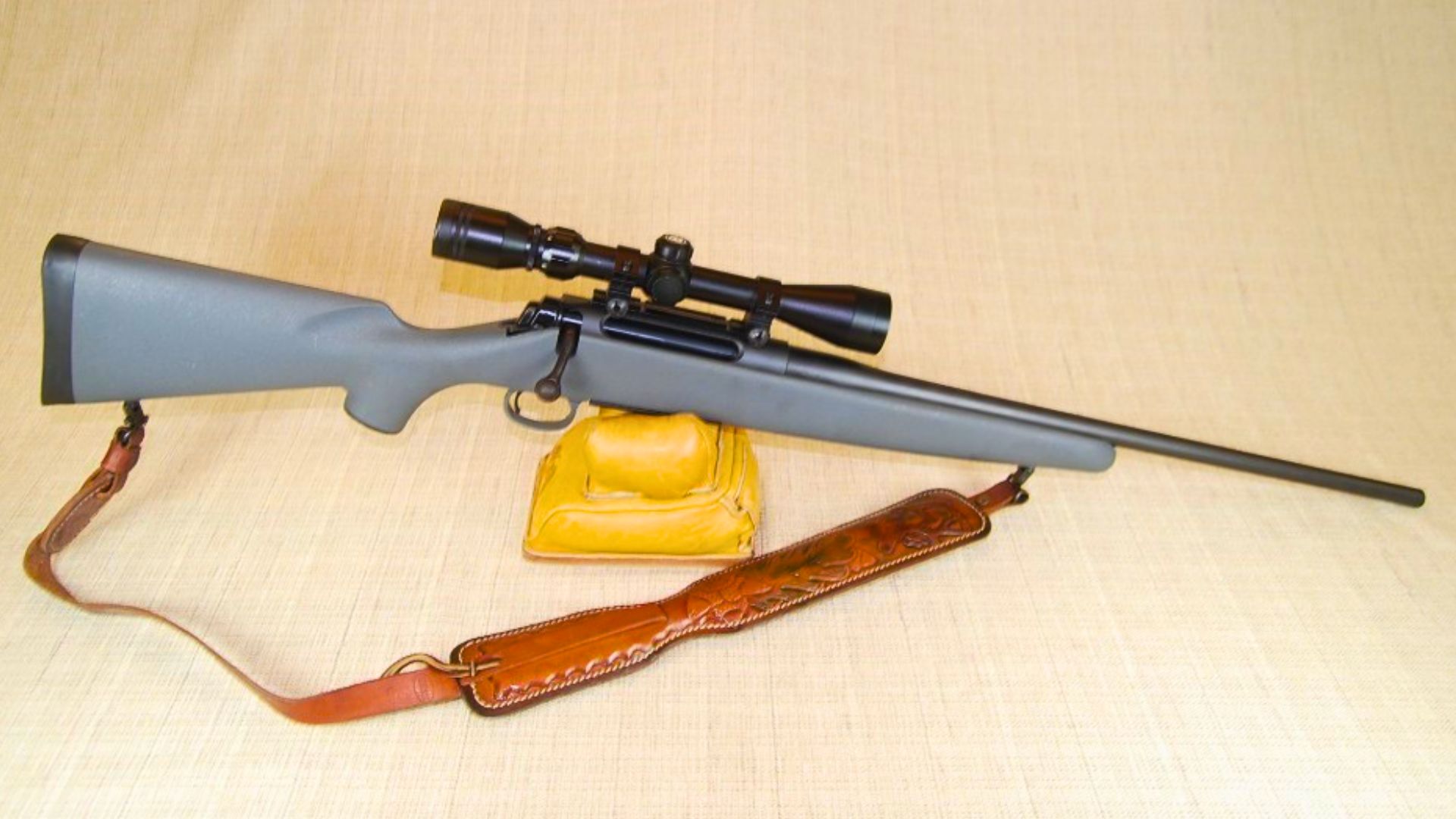
The Remington 710 is one of the clearest examples of a rifle that survived more on brand trust than real admiration. It got into plenty of deer camps because it was affordable, came scoped, and wore a famous name on the receiver. That alone bought it patience. The problem was that the rifle always felt like it had been built around shortcuts, from the rough action to the overall cheap feel that never really inspired much confidence.
Still, plenty of owners called it proven because it filled tags and stayed in the truck for years. That says more about lowered expectations than actual quality. People figured out what the 710 could do, stopped asking for smoothness or refinement, and defended it as a serviceable hunting tool. That is not the same thing as a rifle winning people over on merit.
Remington 770

The Remington 770 followed a similar path, just with slightly more polish in the sales pitch than the 710 ever had. It was another low-cost hunting package that got a lot of chances because buyers assumed a Remington bolt gun had to be at least decent. In the field, though, the 770 often felt like a rifle you tolerated rather than appreciated. The action could feel stiff, the magazine setup annoyed a lot of owners, and the whole package had a disposable quality to it.
What kept it alive was the fact that it could still put venison in a freezer. That matters, but it also explains why the word proven sticks to rifles like this. Once owners stopped expecting a good trigger, a smooth bolt, or any real sense of finish, the 770 became easier to defend. It was not winning people over. It was surviving their disappointment.
Remington 783

The Remington 783 is a better rifle than the 710 or 770, but it still fits this headline because so much of its reputation comes from people grading it against a very forgiving budget standard. It shoots well enough often enough to earn a little trust, and that has helped it hang around. But nobody picks up a 783 and confuses it with a refined bolt gun. The stock, finish, and general feel all remind you where the corners were cut.
That is why the praise for it always sounds a little restrained. Owners usually say it works, or that it is accurate for the money, or that it has never let them down. Those are real compliments, but they are also narrow ones. The 783 got called proven because buyers stopped asking for more than basic function. Once that happened, it was easy to defend as a practical rifle instead of an underwhelming one.
Savage Axis

The Savage Axis has probably been saved more by decent out-of-the-box accuracy than almost any other budget rifle in its class. That is the whole reason people keep going to bat for it. On paper, a lot of them shoot better than they feel like they should. But once you get past that, the compromises are not hard to find. The stock feels flimsy, the action is not especially satisfying, and the rifle has always carried a budget-first vibe.
That is where the proven label gets stretched. People do trust the Axis, but mostly because they learned to live with everything around the barrel and action. They stopped expecting a better stock, a nicer trigger feel, or a smoother overall package. What remained was a rifle that often shot acceptably and stayed affordable. That is enough to build a following, but it is a long way from being truly impressive.
Savage Edge
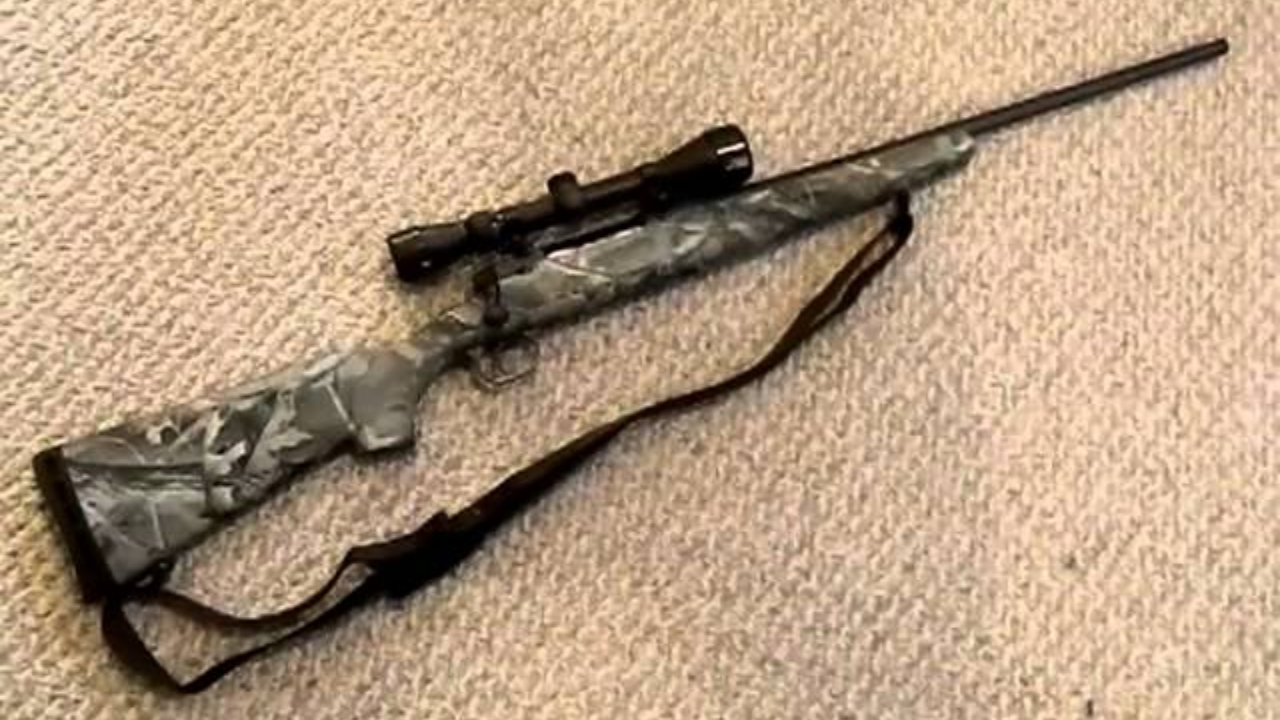
Before the Axis became the familiar name in that slot, the Savage Edge was already showing people what a stripped-down budget bolt gun looked like. It was plain to the point of feeling unfinished, and nobody bought one for pride of ownership. But the Edge did what a lot of these rifles did: it gave buyers just enough utility to earn a second season, then a third, then eventually a reputation for being dependable within a very narrow lane.
That reputation can sound stronger than it really is. People did not love the Edge because it felt good or cycled beautifully. They respected it because it met a low bar consistently enough to avoid getting tossed aside. Once you stop expecting much from a rifle, consistency starts looking a lot like excellence. That is how guns like the Edge end up being called proven by shooters who really mean predictable.
Mossberg ATR 100

The Mossberg ATR 100 always felt like a rifle built for buyers who wanted the cheapest workable way into hunting season. There is nothing especially glamorous about that role, and the ATR never pretended otherwise. It was affordable, simple, and capable of doing basic deer-rifle work without much fuss. But nobody serious ever confused it with a smooth, polished, or especially confidence-inspiring rifle once you handled it next to stronger options.
Its reputation came from being just useful enough to keep around. Hunters learned how it behaved, adjusted around the rough spots, and kept taking it afield because it still got the job done often enough. That kind of experience can turn almost any rifle into a proven one if the owner has already accepted the limitations. The ATR was not admired for being better than expected. It was defended because people stopped expecting much at all.
Mossberg Patriot

The Mossberg Patriot is one of those rifles that stays in the conversation because it is usually light, functional, and affordable enough to appeal to practical hunters. That has value. But the Patriot also benefits from a very forgiving audience. It is rarely praised for feeling especially strong, smooth, or well-finished. More often, it gets defended as being good enough for the woods, which is a very different kind of compliment.
That is why it fits this headline well. People call it proven because it tends to meet the basic assignment, not because it rises above the class. Once owners accept the plain stock, the modest feel, and the lack of refinement, the rifle becomes easy to live with. It earns tolerance, then familiarity, then a reputation for reliability that often sounds bigger than the actual experience of shooting it.
Winchester XPR

The Winchester XPR came in carrying a lot of borrowed credibility from the Winchester name, and that helped it more than the rifle’s personality ever did. It was marketed as a practical, modern hunting rifle, and in fairness, it usually handles that job well enough. But it has always felt more like a product built to occupy a price bracket than a rifle people genuinely get excited about. It works. That has been its main argument from the start.
That is also why people call it proven. Once shooters accepted that the XPR was not trying to be a Model 70, they became a lot more charitable about the plain build and forgettable feel. The rifle earns a kind of quiet approval from owners who have settled into its limitations. They trust it, but they rarely speak about it with much affection. That usually tells you the rifle met expectations only after those expectations got trimmed down.
Browning AB3
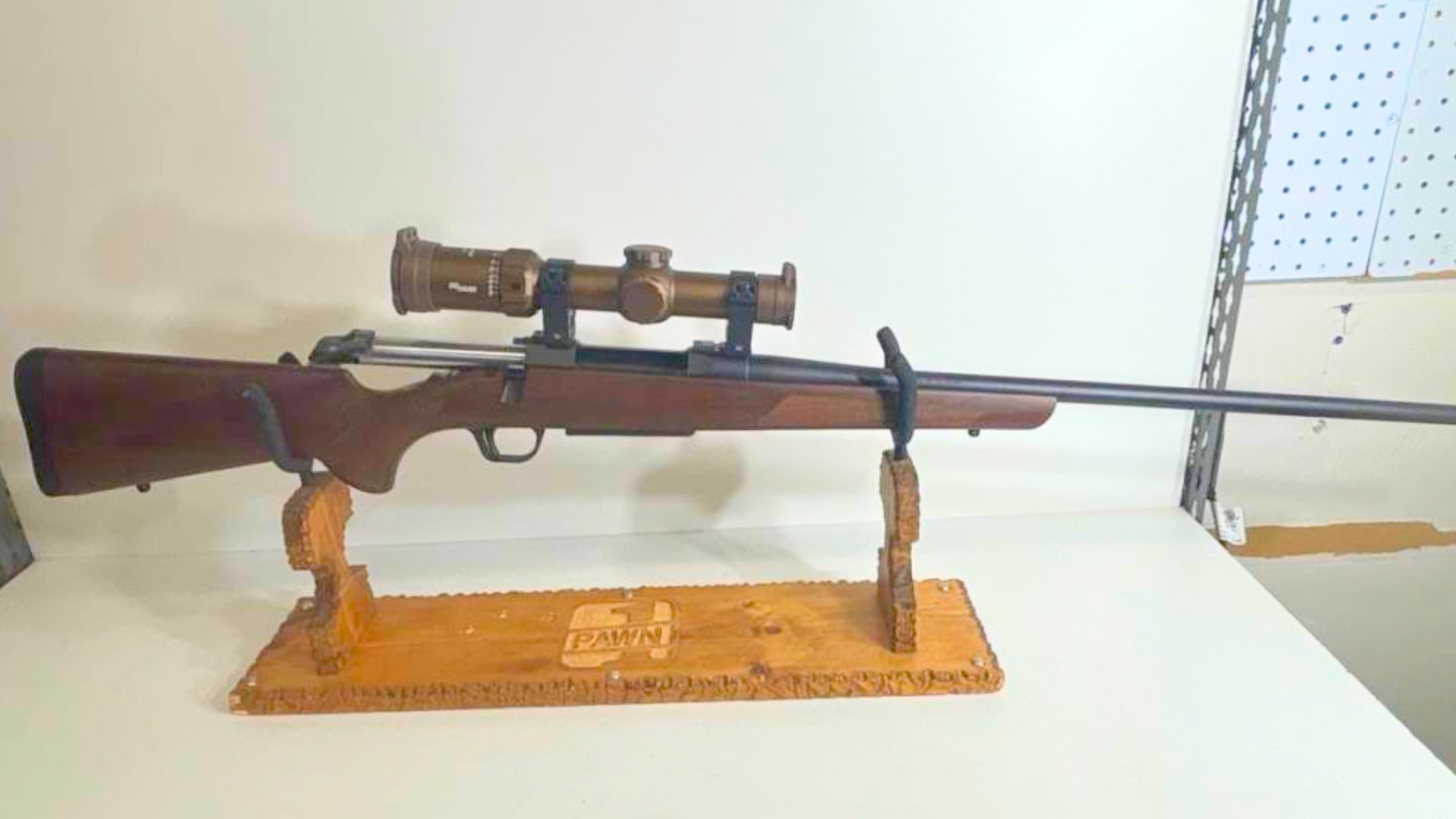
The Browning AB3 exists in a strange space where the name on the rifle creates more confidence than the rifle itself does. Buyers wanted an affordable Browning, and the AB3 gave them exactly that. The problem is that it has never really carried the kind of refinement or satisfying feel people associate with the brand’s better-known rifles. It has always felt like the budget line, even when it performed well enough in the field.
That makes the praise around it sound cautious. Owners say it is dependable, accurate enough, and suitable for hunting season. They do not usually rave about the action, the stock, or the fit and finish. That matters. The AB3 gets called proven because people stopped comparing it to what they hoped a Browning would feel like and started comparing it to what other entry-level rifles were doing. In that narrower lane, it becomes easier to defend.
Thompson/Center Compass

The Thompson/Center Compass won a lot of people over by doing one thing that always buys goodwill in the budget market: it shot better than expected. That helped cover for a lot. The rifle was never especially handsome, never especially refined, and never the kind of gun people bought because they loved handling it. But once it produced decent groups, owners became willing to forgive the plain stock, generic feel, and obvious cost-cutting around the rest of the package.
That is how a rifle like this builds a proven reputation. People stop viewing it as a complete rifle and start viewing it as a tool with one very specific strength. If that strength shows up often enough, everything else gets pushed into the background. The Compass deserved some respect for performance, but it also got more praise than it otherwise would have because buyers quit asking it to feel better than a budget gun.
Marlin X7
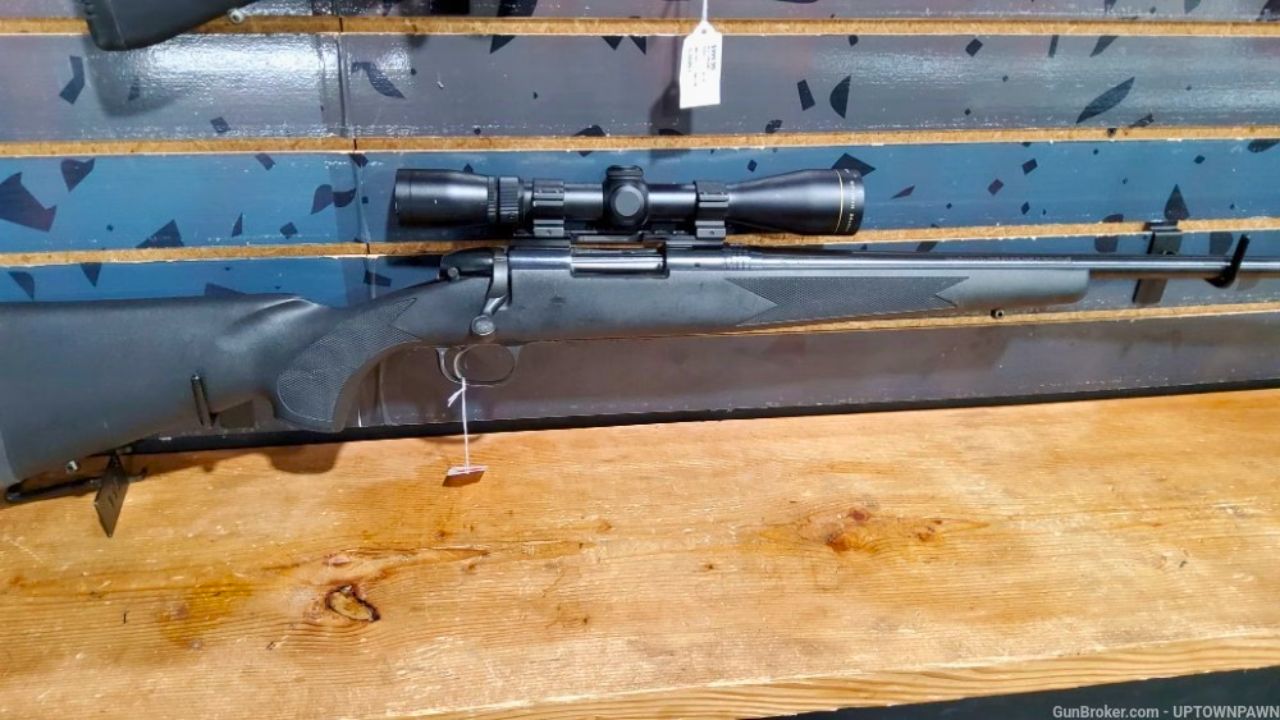
The Marlin X7 has long been treated like one of those hidden-value rifles people mention to prove they know something others missed. And yes, it did offer respectable performance for the money. But it also built its reputation inside a class full of rifles that were rough, plain, and easy to outgrow. In that setting, the X7 looked smarter than it might have in a tougher field. It was competent, but it was never especially polished.
That is why it fits this angle. Owners called it proven because they learned they could count on it within modest expectations. They were not asking for premium fit, a memorable action, or a rifle that felt great in the hand. They were asking for affordable function, and the X7 usually delivered enough of that to stick around. That kind of success is real, but it is not the same as a rifle genuinely rising above its compromises.
Stevens 200
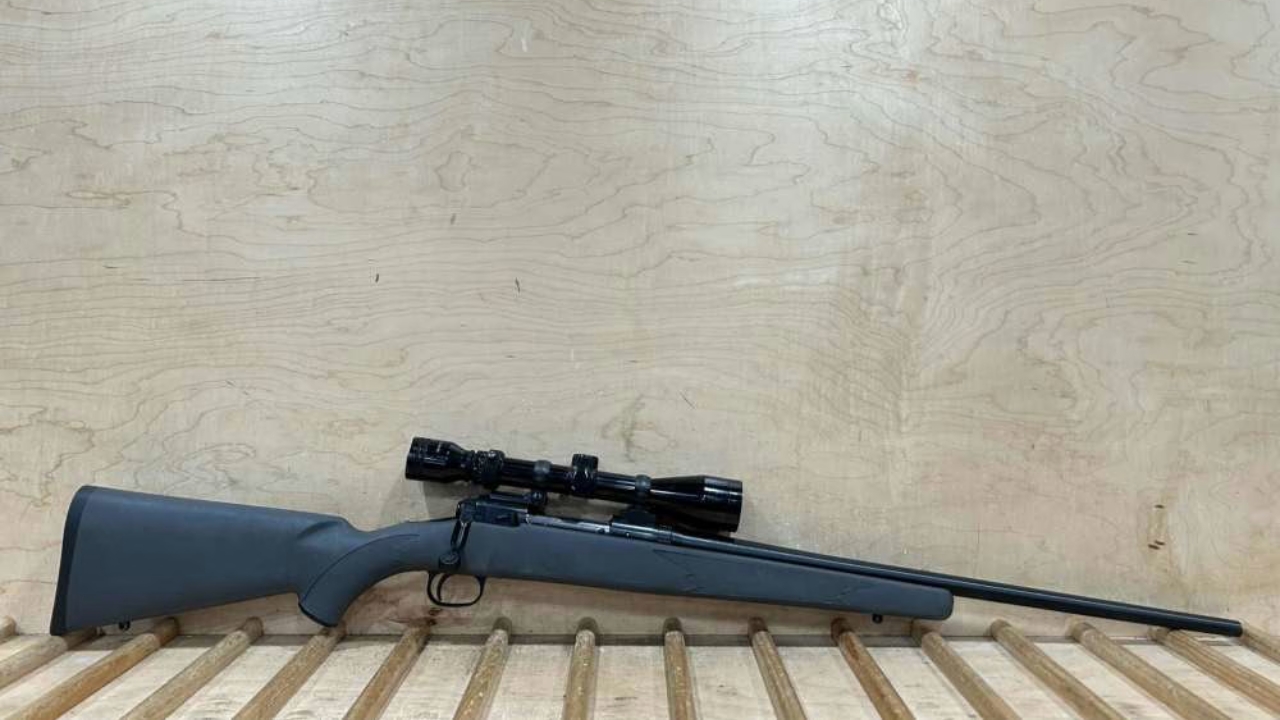
The Stevens 200 is one of the purest examples of a rifle earning respect by being ugly, plain, and hard to kill off. It offered stripped-down Savage-style functionality without much effort spent on appearance or feel. That helped it appeal to practical shooters who did not care about cosmetics, but it also meant the rifle was rarely praised for anything beyond bare usefulness. Nobody was writing love letters to the Stevens 200. They were just not throwing it away.
That matters for this headline because it explains the kind of proven reputation the rifle has. The Stevens 200 did not win people over through smooth handling or satisfying design. It won them over by being plain enough that expectations stayed low and performance only had to clear a modest bar. Once a rifle avoids failure long enough in that environment, people start speaking about it with more reverence than the actual experience usually deserves.
Howa 1500 Hogue Package Rifle

The Howa 1500 action is solid enough, but the Hogue package rifles built around it often get more credit than the full setup really earns. A dependable action inside a squishy, uninspiring stock is still a mixed bag, even if the rifle shoots decently. A lot of owners defend these rifles because the core mechanics are trustworthy, and that part is fair. But the package as a whole has always felt like something people tolerated rather than admired.
That is why it fits here better than a straight Howa 1500 in a better stock would. The Hogue versions became proven because owners adjusted to the stock, the feel, and the general lack of excitement around the rifle. They focused on the action and the field results and learned to ignore the rest. That kind of compromise can keep a rifle in service for years, but it also changes what people really mean when they call it proven.
Weatherby Vanguard Synthetic

The Weatherby Vanguard Synthetic is sturdier than a lot of rifles on this list, but it still fits because the praise around the plain synthetic versions often comes from people who stopped caring about how bulky, plain, or uninspired the rifle felt. They learned that it usually shot well and fed reliably, and once that happened, the rest became easier to dismiss. Accuracy bought this rifle a lot of forgiveness over the years.
That does not make the rifle bad. It makes the language around it a little revealing. When people call it proven, they are often talking about predictable performance while quietly overlooking the fact that it is not especially lively, sleek, or enjoyable to carry compared to other options. The rifle earns respect honestly, but it also benefits from owners who settled into a very practical relationship with it and stopped expecting anything more than solid groups and dependable function.
Ruger American

The Ruger American might be the most successful example of a rifle winning the market by doing one thing so well that people forgive nearly everything else. It usually shoots. That alone made it easy to recommend. But the rest of the rifle has always felt like a set of compromises people decided not to fight over. The stock feels cheap, the action is serviceable more than satisfying, and the overall experience has never exactly screamed refinement.
That is why it belongs here. The American became proven because owners learned to stop asking for anything beyond practical accuracy and basic dependability. Once that mindset takes hold, the rifle’s weaker points stop feeling like dealbreakers and start feeling like background noise. It is not a bad rifle. It is a rifle that gets praised most loudly by people who made peace with its shortcomings because the groups on paper gave them a reason to.
CVA Cascade

The CVA Cascade is newer than most of the rifles here, but it still fits the theme because so much of the praise around it leans on the idea that it gives buyers enough performance that they can ignore the fact it does not feel especially special. It has been treated as a practical overachiever in the budget field, and that reputation has come quickly. But it still lives in a class where expectations are shaped more by price than by any real standard of refinement.
That matters because buyers are often quick to call a rifle like this proven once it stays out of trouble for a while and prints acceptable groups. In reality, what they are often saying is that the rifle has done enough to quiet their concerns. That is not the same thing as deep confidence built over generations. The Cascade may turn into a truly strong long-term value rifle, but a lot of its current praise still comes from restrained expectations.
Like The Avid Outdoorsman’s content? Subscribe to our newsletter so you never miss an article.
Here’s more from us: