Photo credit: Lucky Gunner Ammo/YouTube
Some handgun recommendations survive way past their expiration date. Not because the gun is still the clear best choice, but because too many people got comfortable saying the same thing ten years ago and never bothered checking whether the market changed around them. That is how you end up with pistols that are still spoken about like default smart buys even after newer, more shootable, better-equipped, or easier-to-carry options have been sitting right there for years.
That does not always mean these guns are junk. Some were genuinely strong picks in their day. Some still do certain jobs well enough. But there is a big difference between “still usable” and “still the recommendation I should be handing to everyone.” A lot of shooters do not want to admit that difference because updating an opinion means admitting they got lazy. Here are 15 handguns people keep recommending mostly because they are too dug in to rethink the advice.
Glock 26

The Glock 26 still gets recommended like it is 2012 and nobody has figured out how to put decent capacity into a slimmer carry gun yet. That is the whole problem. It earned its reputation honestly when thick little double-stack subcompacts were the standard answer, but that world changed. A lot of the people still pushing it have not changed with it.
What gives the game away is how defensive the recommendation sounds now. They do not just say it is good. They say things like “real shooters don’t need all that extra capacity” or “it shoots bigger than it is,” as if that settles everything. The Glock 26 still works. It just gets recommended way too often by people who refuse to admit the category moved on.
Smith & Wesson Shield 1.0

The original Shield built a huge following because it hit the market at exactly the right time. Slim, simple, affordable, and easy enough to carry, it felt like the obvious answer for a lot of people stepping into concealed carry. That old goodwill still keeps it in recommendation lists long after the market changed around it.
What usually happens now is someone praises it like it is still the standard instead of what it really is: an older single-stack carry pistol in a world that got much more competitive. If somebody is still handing out original Shield advice with no real hesitation, there is a good chance they have not updated much else either.
Ruger LC9

The LC9 keeps getting recommended by people who still think “thin enough to hide” is the entire carry conversation. That was a much stronger argument when genuinely slim pistols were harder to find and buyers were more willing to tolerate rougher triggers and less refined shooting manners just to get something flatter on the belt.
That is not where things are now. A lot of shooters who still praise the LC9 are really praising the relief they felt when they first found a small carry gun they could live with. That is not the same as a current recommendation. It is an old memory being repeated like it is still fresh advice.
Springfield XD Sub-Compact
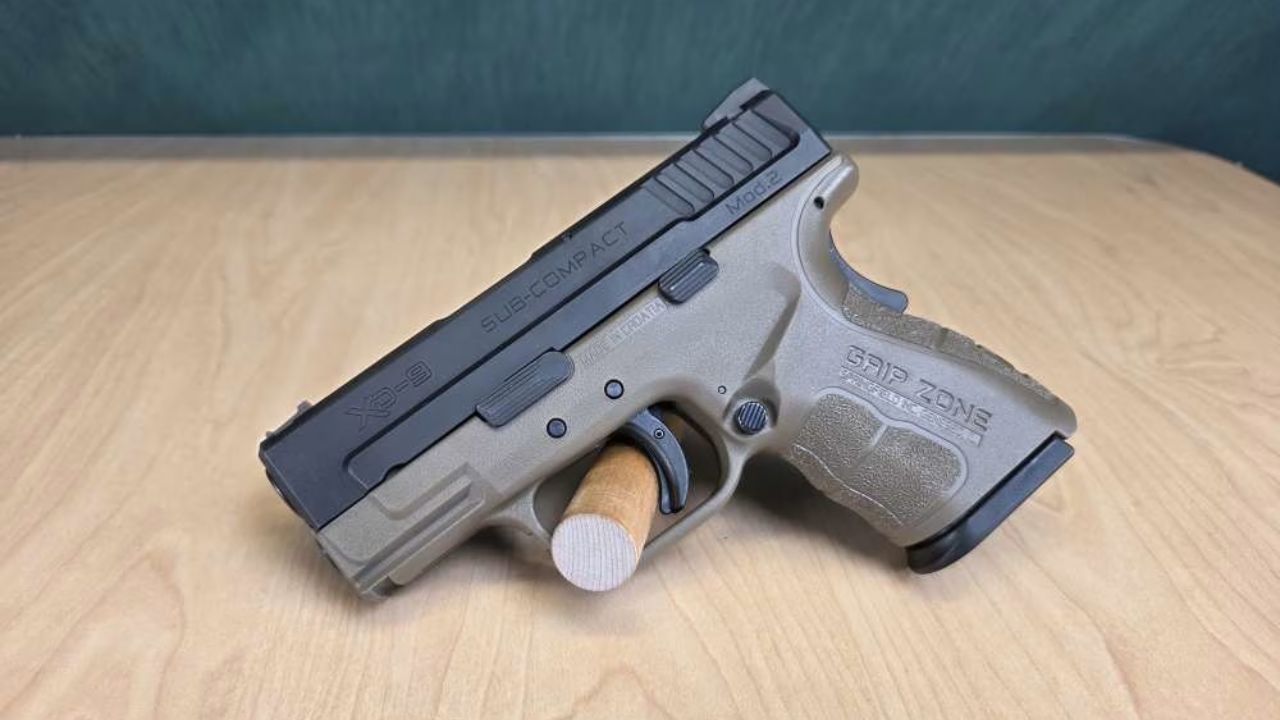
The XD Sub-Compact gets recommended by people who locked in their opinion when the XD line still felt like a serious alternative to everything else. Back then, it was easier to sell the idea that reliability and decent capacity were enough to make it an obvious choice. That kind of thinking has hung around way longer than it should have.
Now the recommendation usually sounds inherited, not honest. You hear it from people who have not really compared the gun against newer carry options with open eyes in years. They are not recommending what is best now. They are repeating what felt smart when they first bought in.
Beretta Nano

The Nano still gets occasional praise because some shooters never got over the fact that Beretta made it. That brand name carried a lot of people’s judgment for them. They wanted Beretta to have a serious slim carry answer, so they talked themselves into thinking the Nano deserved more credit than it actually did.
That old brand loyalty still shows up every time somebody recommends it like it is an underrated classic instead of a carry gun that got left behind. It is one of the clearest examples of advice people keep repeating because they do not want to admit the logo influenced them more than the shooting experience did.
Kahr CW9

The CW9 gets recommended by shooters who are still emotionally living in the era when “thin and simple” was enough to win the whole argument. And to be fair, it was a very respectable option in that moment. The problem is that the carry market grew up while a lot of its supporters did not.
Now the recommendation often sounds like somebody clinging to a comfortable old answer because they stopped trying new things. They trust it, they know it, and that is fine. But recommending it today like it is still one of the smartest broad answers usually means they are more loyal to their own old logic than to current reality.
Walther PPS M1
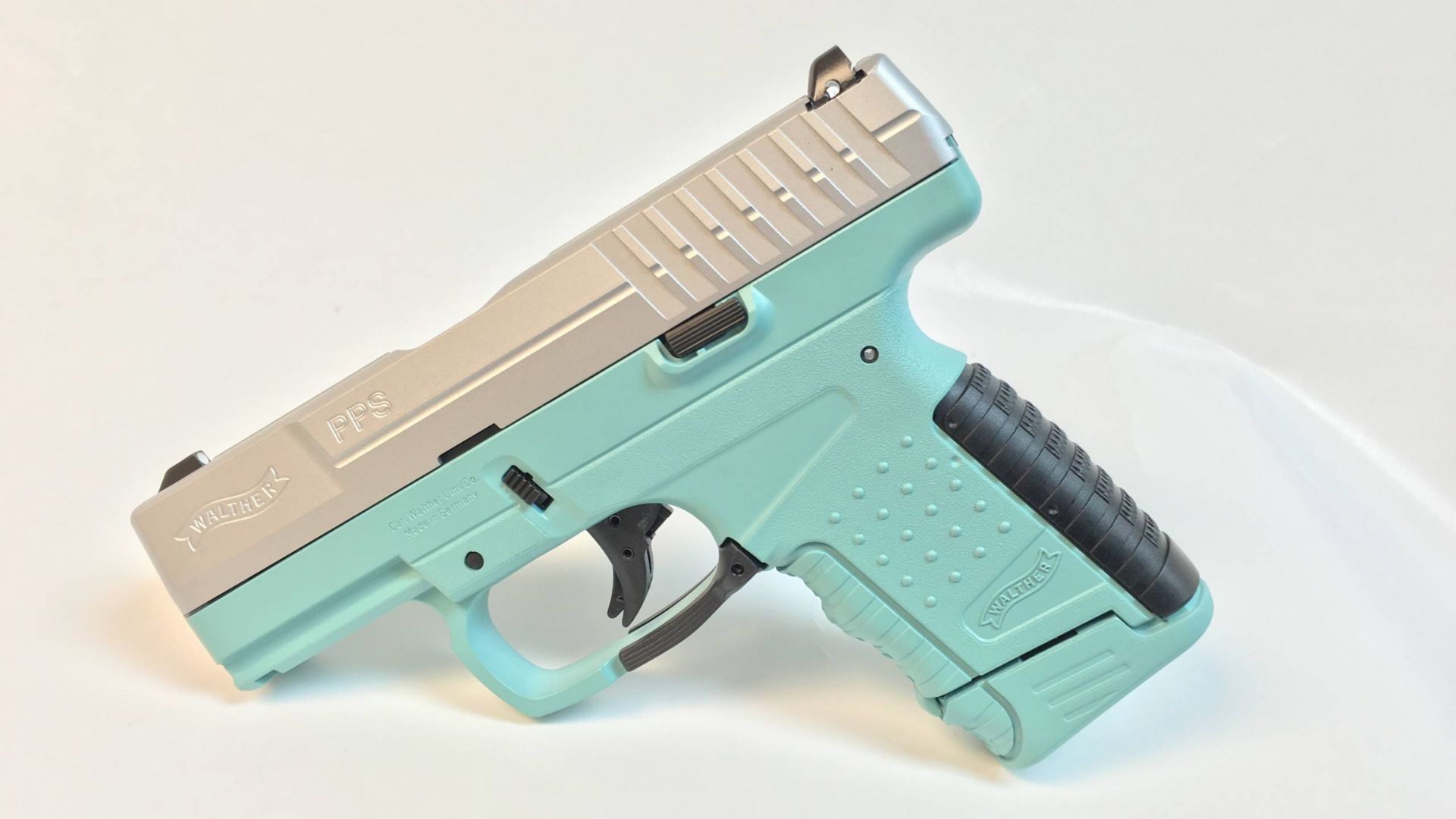
The first PPS got a lot of deserved respect when it showed up. It was slim, serious, and felt a little more polished than some rivals in its class. That early strength turned into long-term recommendation inertia, which is exactly why it still shows up more often than it should in “best carry guns” conversations.
The problem is not that the PPS M1 became worthless. The problem is that a lot of people recommending it never really recalibrated after the carry market evolved. They still talk about it like the category has not changed much, which is usually a sign they are protecting an old opinion, not giving fresh advice.
SIG Sauer P239
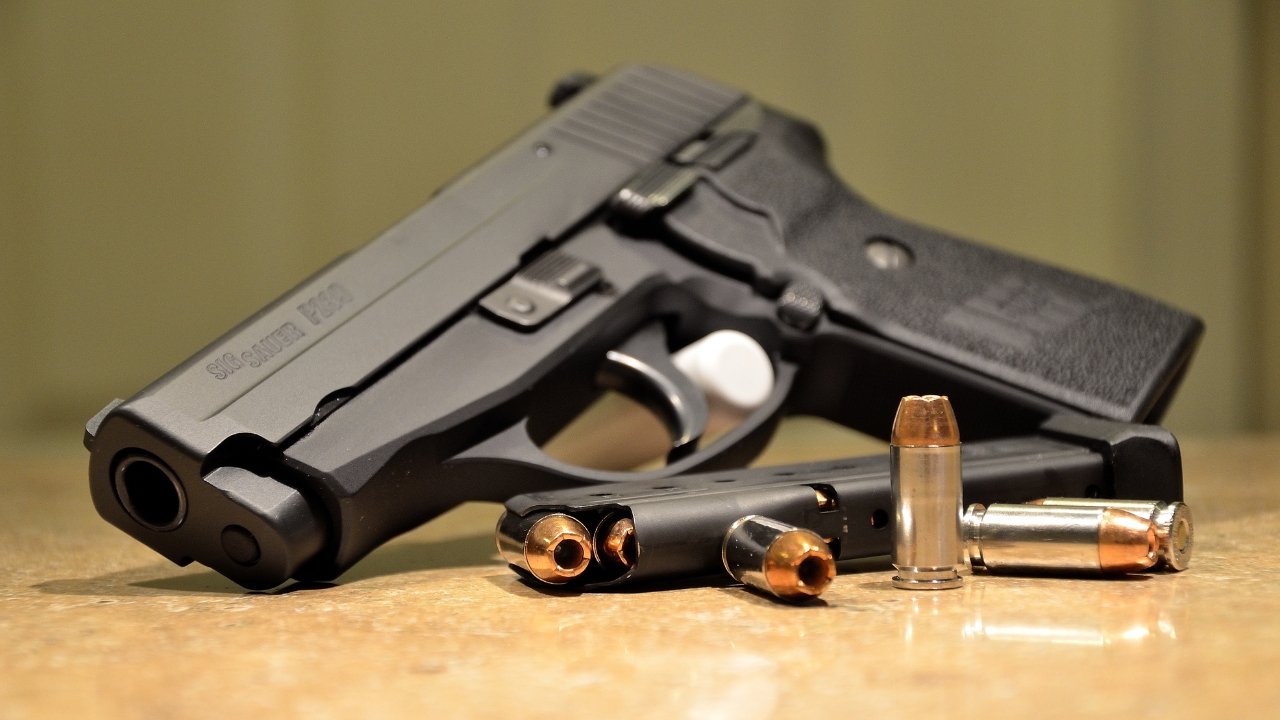
The P239 is one of the easiest pistols to recommend if you are scared to admit the market left your preferences behind. It feels solid, looks serious, and carries all the old-school SIG comfort that longtime shooters like to lean on. That emotional pull is real.
But so is the reality that it is heavier, lower in capacity, and much less aligned with what most modern buyers actually want from a concealed-carry handgun. People still recommending it like it is a default smart pick are usually telling on themselves. They are not updating their advice. They are defending their taste.
Beretta 84FS Cheetah

The 84FS gets recommended by people who love the idea of a classy .380 more than they love comparing carry guns honestly. It is a handsome pistol, and it does have a lot going for it in terms of shootability and old-school appeal. That is exactly why it is so easy to keep recommending out of habit.
But the recommendation often skips a hard truth: a lot of buyers today are not looking for a larger metal .380 just because it feels refined. They are looking for carry practicality, value, and current usefulness. Recommending the 84FS like it is still an obvious answer usually means the speaker is prioritizing their own old taste over the buyer’s actual options.
Colt Mustang

The Mustang keeps getting recommended because people like how it sounds to recommend it. It feels tasteful, old-school, and a little more informed than rattling off the same modern carry gun everyone else already knows. That makes it very attractive advice for shooters who want to sound like they have better taste than the crowd.
But too often that recommendation is more about self-image than current reality. The carry market has plenty of stronger, easier, and more straightforward options now. People still pushing the Mustang like it is the hidden smart answer are often just avoiding the fact that their recommendation style is more nostalgic than honest.
Springfield XD-S

The XD-S gets recommended by shooters who have still not fully let go of the first wave of slim carry-gun excitement. It made sense to a lot of people when the category was less crowded and less refined. That first impression stuck hard enough that some of them still talk about it like it deserves default status.
That is where the stubbornness shows. They are not necessarily wrong that it can still work. They are wrong when they recommend it like the years since then have not happened. A lot of that advice sounds like somebody trying to preserve the dignity of their old purchase, not actually guide a new buyer clearly.
Smith & Wesson Bodyguard .380 original
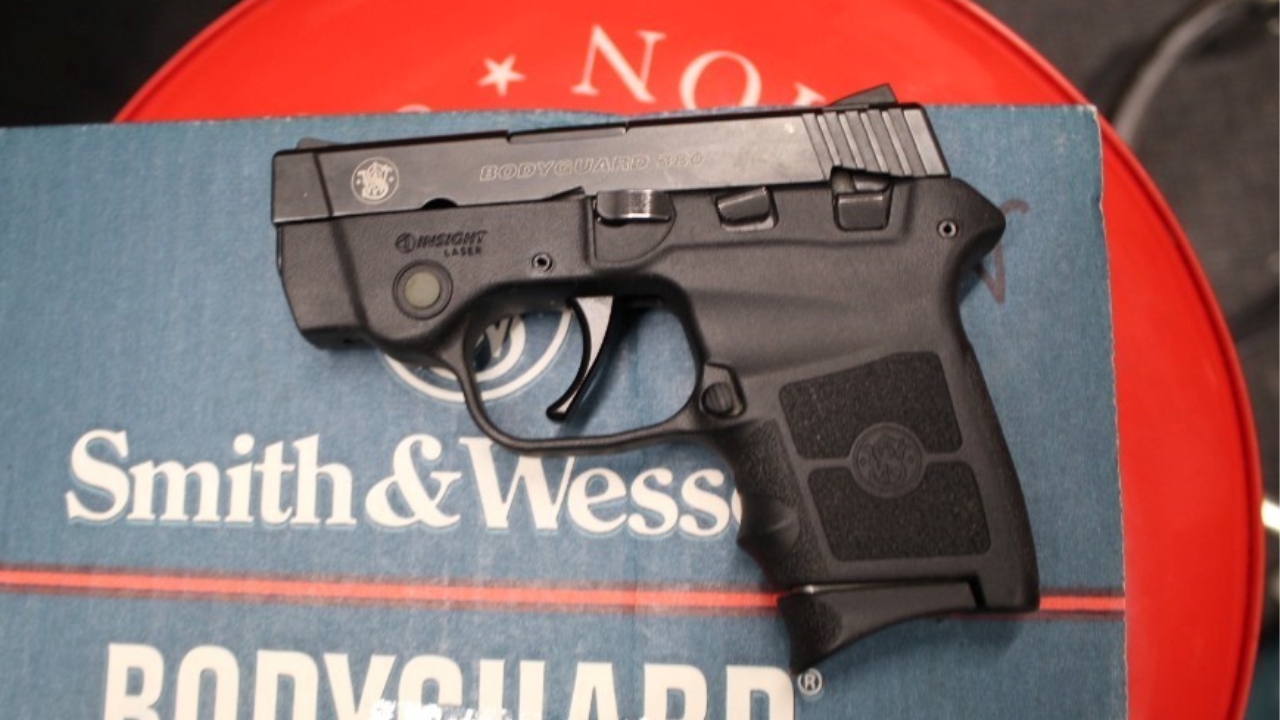
The original Bodyguard .380 still gets recommended by people who formed their pocket-gun opinions when lasers and tiny pistols felt like cutting-edge carry gear. Back then, the whole idea felt practical and modern enough to build strong loyalty. That loyalty still lingers.
The problem is that the recommendation often sounds frozen in amber. The category improved, and the old Bodyguard no longer stands out the way some people still talk like it does. When someone keeps recommending it confidently, there is a good chance they are more afraid of admitting their old standard aged badly than they are interested in being accurate now.
Walther PK380
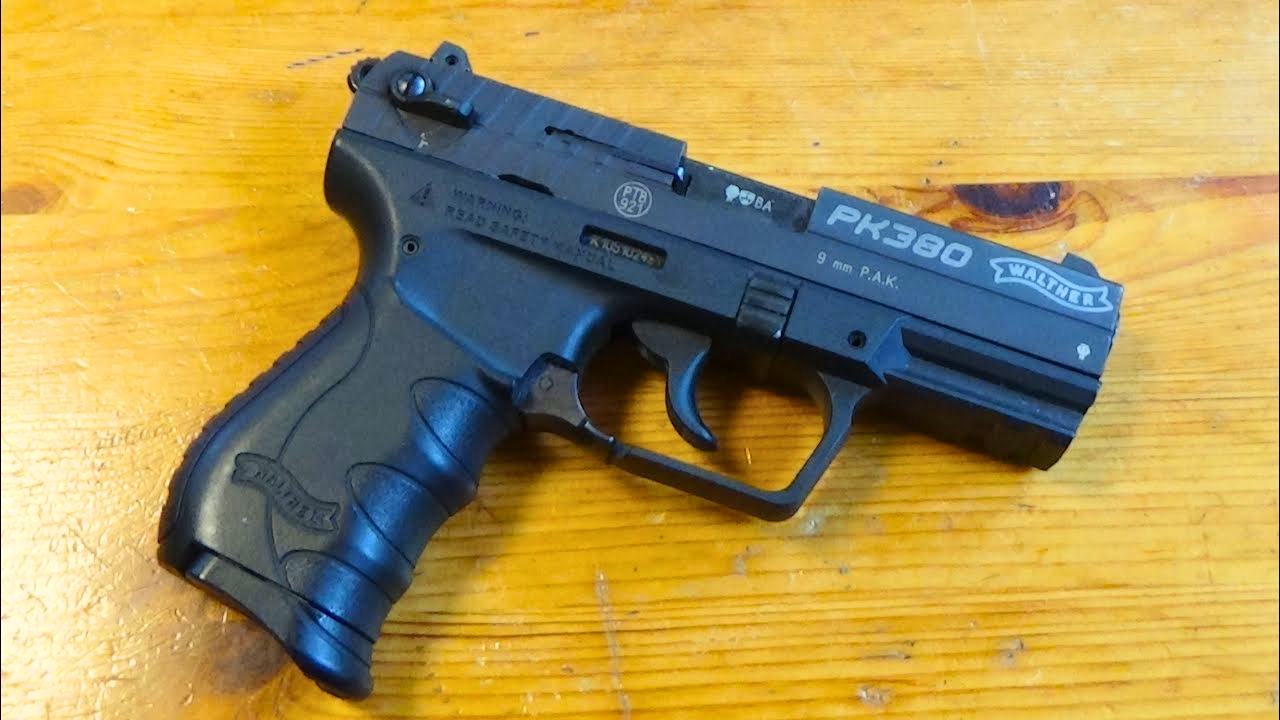
The PK380 gets recommended by people who still think “easy to rack” automatically wins the whole discussion. That can matter, absolutely, but too many shooters stop the evaluation there and never ask if the rest of the package still competes well enough to deserve being pushed so confidently.
That is what makes this recommendation feel dated. It comes from people who found one quality they liked years ago and never bothered reassessing the full picture. They are not always wrong to appreciate the gun. They are wrong to act like appreciation alone still makes it smart universal advice.
Ruger SR9c

The SR9c gets recommended by people who still remember when it felt like one of the better values in the category and have been repeating that judgment ever since. It was compact, practical enough, and carried the kind of sensible budget-gun appeal that makes shooters feel smart when they recommend it.
But a recommendation that never gets refreshed eventually turns into fossilized advice. That is what happened here. A lot of people still bring up the SR9c because it once made sense, not because they have honestly stacked it up against what is available now. That is fear of updating disguised as consistency.
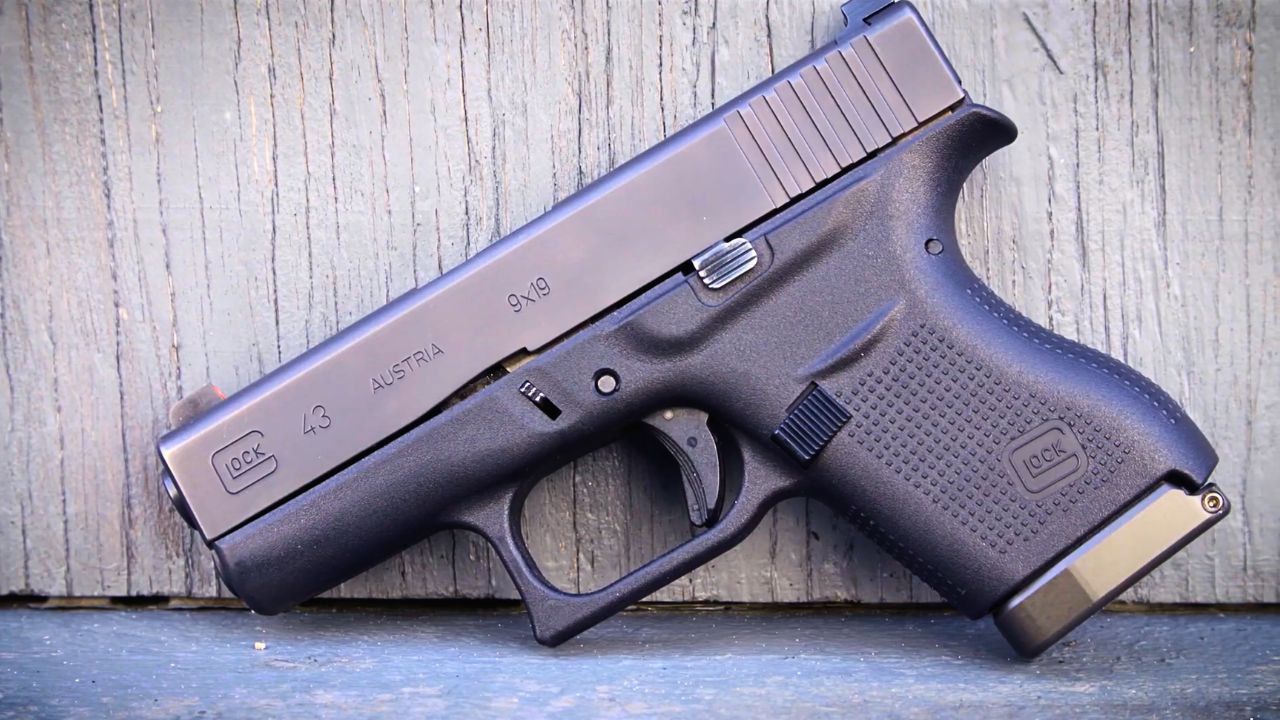
Glock 43

The Glock 43 gets recommended like it is still the obvious slim carry answer, and that alone says a lot. It made plenty of sense when it launched. It gave Glock loyalists a simple, thin carry gun and instantly became the safe answer for people who wanted to stay inside the brand. That first wave of confidence never fully died.
The issue is that the rest of the category kept moving. Capacity went up, design got smarter, and buyers no longer had to settle for a thin pistol that gave up as much as the 43 does. People still recommending it without real hesitation are usually more committed to old Glock logic than to current comparison.
Bersa Thunder .380

The Thunder .380 gets recommended by people who still think “budget, approachable, and decent enough” is the same thing as “still one of the smartest answers.” That used to be a more defensible argument. The pistol felt like a solid way to get into something manageable without spending too much, and that built a lot of long-term goodwill.
Now the recommendation often sounds more like tradition than analysis. The market has more options, more specialized options, and in many cases better options. People still pushing the Thunder the hardest are usually the ones least interested in admitting their advice comes from an earlier market that no longer exists the same way.
Like The Avid Outdoorsman’s content? Subscribe to our newsletter so you never miss an article.
Here’s more from us: