Photo credit: 573 reviews/YouTube
Some gun brands have built their reputation on quality, reliability, and performance. Others? Not so much. Whether it’s bad materials, poor craftsmanship, or downright dangerous designs, some manufacturers have made a name for themselves in all the wrong ways. Here are some of the worst American gun brands to ever hit the market.
Jimenez arms

Jimenez Arms—now JA Industries—has been around forever under different names, but the product hasn’t gotten any better. These handguns are about as cheap as they come, both in price and quality. Malfunctions, jams, and even accidental discharges are common.
Accuracy? Not great. Safety features? Practically nonexistent. And if you run into issues, don’t expect stellar customer service. Complaints about long wait times and no responses are everywhere. If you just need something to look at, fine. But if you want a reliable gun, skip Jimenez and get something that won’t fail when you need it most.
Raven Arms

Raven Arms is best known for the MP-25, a tiny, cheaply made .25 ACP pistol that was never built to last. They used weak zinc alloy for frames and slides, making them prone to breaking, rusting, or just falling apart over time.
Early models were notorious for accidental discharges due to poor safety design. Later versions were better, but they still had light trigger pulls and minimal safety features. On top of that, .25 ACP isn’t exactly a powerhouse—it’s weak, and finding ammo is a hassle. Raven Arms shut down in 2006, but their guns are still floating around. The price might be tempting, but if you’re looking for something reliable, look elsewhere.
Hi-Point

Hi-Point is about as budget as it gets. Some of their pistols cost less than $200, which sounds great—until you actually use one. The plastic frame feels cheap, and while you’d think that would make it lightweight, these guns are surprisingly bulky and heavy. If you’re looking for something comfortable to carry, this isn’t it.
The trigger is another letdown. It’s long, mushy, and lacks a clean break, making accuracy harder than it should be. Hi-Points also skip out on modern features—no optics-ready slides, limited rail space, and no threaded barrels. Sure, they go bang, but for a little more money, you can get something far better.
Taurus
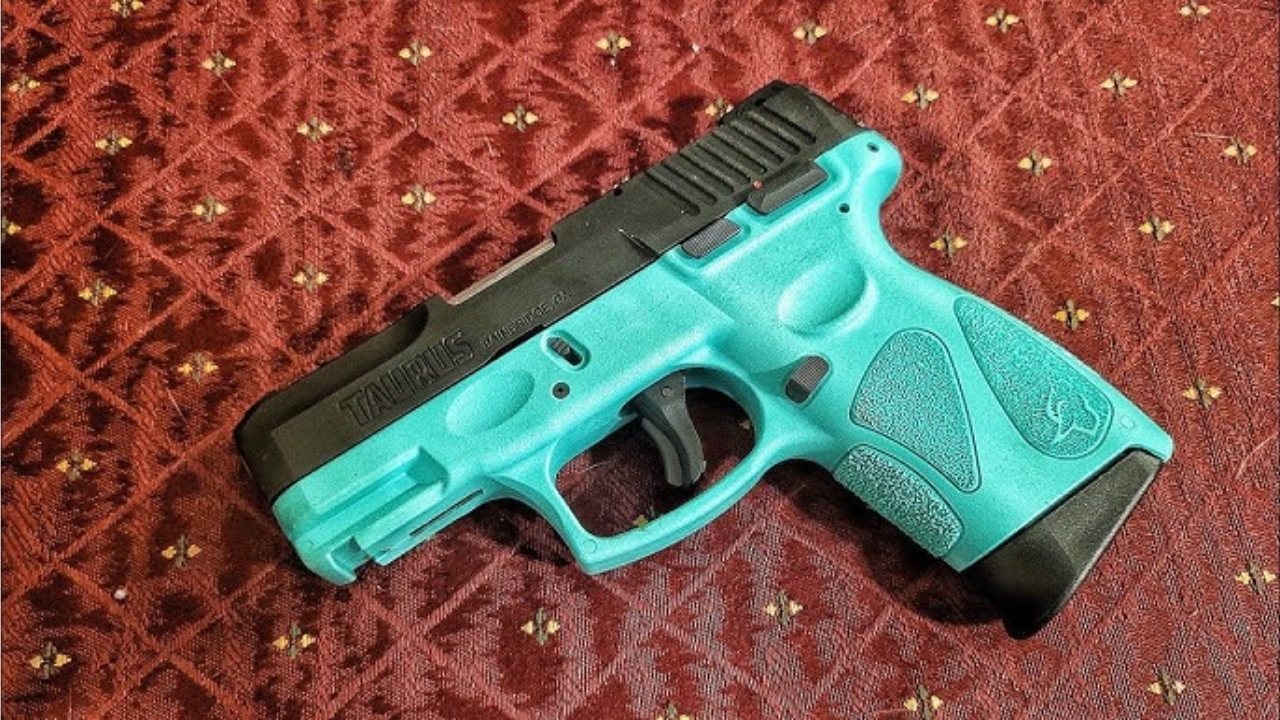
Taurus is one of those brands that people either love or hate. They’ve made strides in recent years, but their reputation for spotty quality control still lingers. Malfunctions, poor finishes, and inconsistent triggers are common complaints. A bad trigger alone can ruin a gun, and Taurus has had plenty of those.
Another drawback? Minimal aftermarket support. If you want custom sights, upgraded triggers, or different grips, your options are slim compared to Glock or Sig. On the plus side, Taurus pistols are affordable, which is why some folks swear by them. But if you want something that runs flawlessly out of the box, it’s a gamble.
Sundance

Sundance was one of those ultra-budget handgun brands that popped up in the 90s, only to crash and burn by 2004. They marketed their tiny, zinc-framed pistols heavily toward women and concealed carriers, but the reality? These guns were unreliable and borderline dangerous.
The biggest issue was the weak materials. Zinc is cheaper than steel or aluminum, but it’s also far less durable. Sundance pistols were known for frequent jams and misfires as the parts wore down. Several lawsuits claimed their guns were defective, which didn’t help their reputation. If you come across one in a used gun shop, you’re better off walking away.
Lorcin
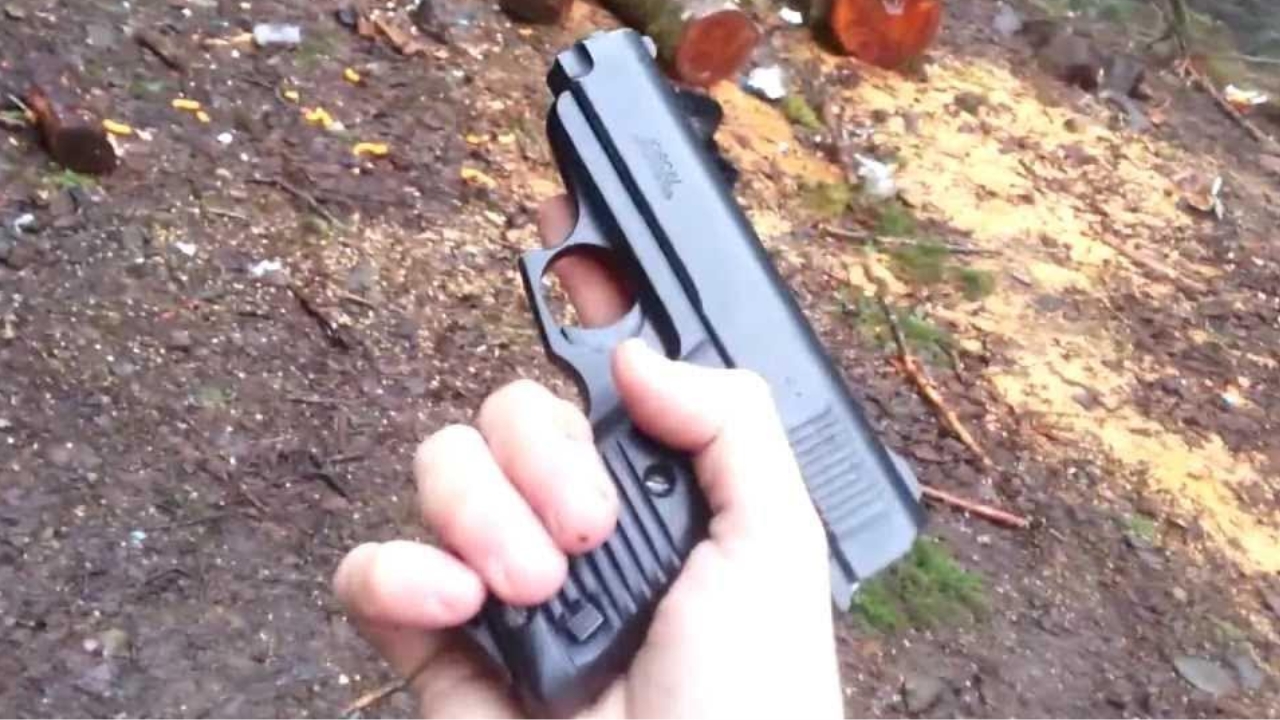
If there was an award for the worst handgun manufacturer of the 90s, Lorcin would be a front-runner. These pistols were dirt cheap, and it showed. Made from weak zinc alloy, they were notorious for misfires, jams, and even accidental discharges.
Lorcin’s safety mechanisms were unreliable, the triggers were awful, and the frames were prone to cracking. They stopped making guns in 1998, and for good reason. Even today, you can still find Lorcins floating around secondhand, but they’re more of a cautionary tale than a practical firearm. If you want something reliable, spend a little more and get a gun that won’t fall apart.
USFA

USFA had a strange run. They made very few gun models, and most were expensive replicas of Old West firearms. While some collectors love them for their historical accuracy, they weren’t exactly practical for modern shooters.
One of the biggest issues is the bizarre charging mechanism. Instead of a standard slide or lever, you had to pull back a tiny bolt near the barrel—putting your fingers dangerously close to where the bullet exits. That’s not exactly confidence-inspiring. To make things worse, the company shut down in 2006, so if you need parts, good luck. They’re overpriced, hard to find, and honestly, there are better options out there.
SCCY

SCCY makes cheap pistols, and that’s exactly what they feel like—cheap. If you’re on a tight budget, it might seem like a solid choice, but the flaws start showing fast.
The biggest complaint? The trigger. It’s heavy, stiff, and jerky, making accuracy a challenge, especially for new shooters. The grip is another issue—it gets slick when your hands sweat, making it harder to control recoil. And since these guns are lightweight, they kick more than you’d expect. On top of all that, SCCY pistols lack modern must-haves like optics-ready slides or rail space for lights. There are better budget options out there.
*This article was created with the assistance of AI.