Photo credit: WHO_TEE_WHO/YouTube
A rifle can look good in the store and still lose you after one hard season. The first few range trips might go fine, especially if the weather is calm and the rifle is sitting in bags. Hunting is different. Rain, cold, dust, truck rides, cheap slings, muddy gloves, and rushed shots expose things you do not notice at the counter.
That first rough season is usually when buyers figure out whether the rifle has real staying power. A stiff bolt, flimsy stock, annoying magazine, wandering zero, sharp recoil, or cheap finish can turn a decent-looking purchase into something you start planning to replace before next year’s opener.
Mossberg Patriot Synthetic

The Mossberg Patriot Synthetic is easy to buy because it looks like a lot of rifle for the money. It comes in useful hunting chamberings, has a familiar bolt-action layout, and often seems like a smart first deer rifle.
After a hard season, the cheap feel starts showing. The stock can feel hollow, the bolt is not especially smooth, and the magazine setup does not always feel solid when your hands are cold. Some Patriots shoot fine, but rough weather has a way of making small annoyances feel bigger. It works, but plenty of hunters start wanting something sturdier fast.
Savage Axis II XP
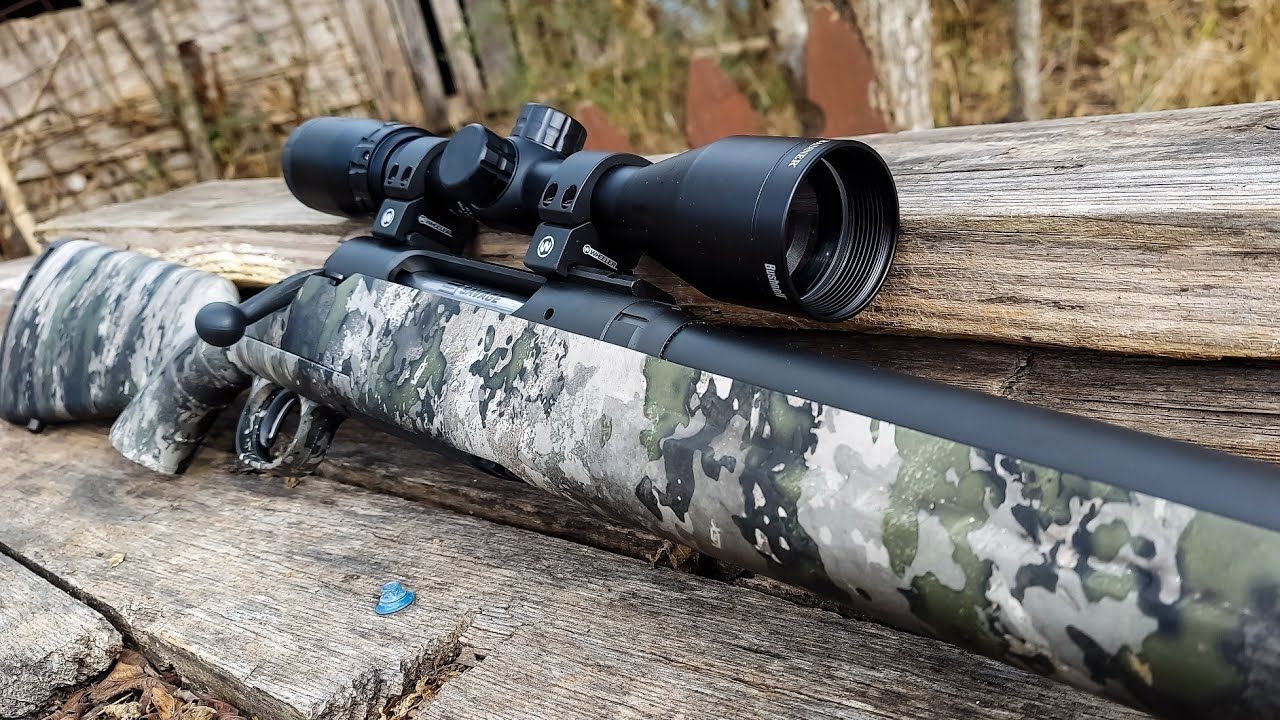
The Savage Axis II XP sells because it is affordable and often accurate. The AccuTrigger helps, and the scoped package makes it tempting if you want to get into the woods without building a rifle from scratch.
Then hunting season starts beating on it. The stock feels flexible, the factory scope is usually the first thing people blame, and the detachable magazine can feel flimsy in real field use. It can absolutely kill deer, but it does not always feel like a rifle you want to drag through years of bad weather. After one rough season, many buyers understand the price.
Remington 783 Synthetic

The Remington 783 Synthetic is not the disaster some people expect, and that is why buyers give it a chance. It can shoot well, has a decent trigger, and looks like a practical answer for budget-minded hunters.
The regret usually comes from the whole package. The bolt can feel gritty, the stock is plain, and the rifle lacks the settled feel you want when conditions turn ugly. It may put shots where they need to go, but it rarely feels refined or confidence-building. Once you hunt hard with it, you may start wishing you had saved a little longer.
Winchester XPR

The Winchester XPR has a respected name on the receiver, which sets expectations higher than they might be for another budget rifle. It looks modern, practical, and ready for normal hunting use.
The trouble is that a rough season can make it feel more like a price-point gun than a true Winchester heir. The stock and magazine system are functional but not especially confidence-building, and the bolt does not always feel as slick as buyers hope. It can shoot well, but some hunters finish the season feeling like they bought the name more than the rifle.
Ruger American Predator

The Ruger American Predator is popular for good reason. It is accurate, threaded, lightweight, and offered in chamberings that make sense for deer, hogs, coyotes, and general field use.
But rough hunting can make the budget parts stand out. The stock can flex, some magazine versions annoy owners, and the rifle can feel hollow compared with more solid hunting guns. Accuracy keeps people defending it, and fair enough. Still, after dragging one through wet brush and awkward rests, some buyers wish the rifle felt as good as it shoots.
Thompson/Center Compass II

The Thompson/Center Compass II sounds like a smart deal when you look at the features. Threaded barrel, decent trigger, useful chamberings, and a price that leaves room for better glass all make it attractive.
The first hard season can change that feeling. The stock is not especially inspiring, the magazine can feel clunky, and the action may not be smooth enough to make you trust it under pressure. Some shoot very well from the bench, but hunting is about more than group size. A rifle that feels awkward in cold hands gets old quickly.
CVA Cascade SB
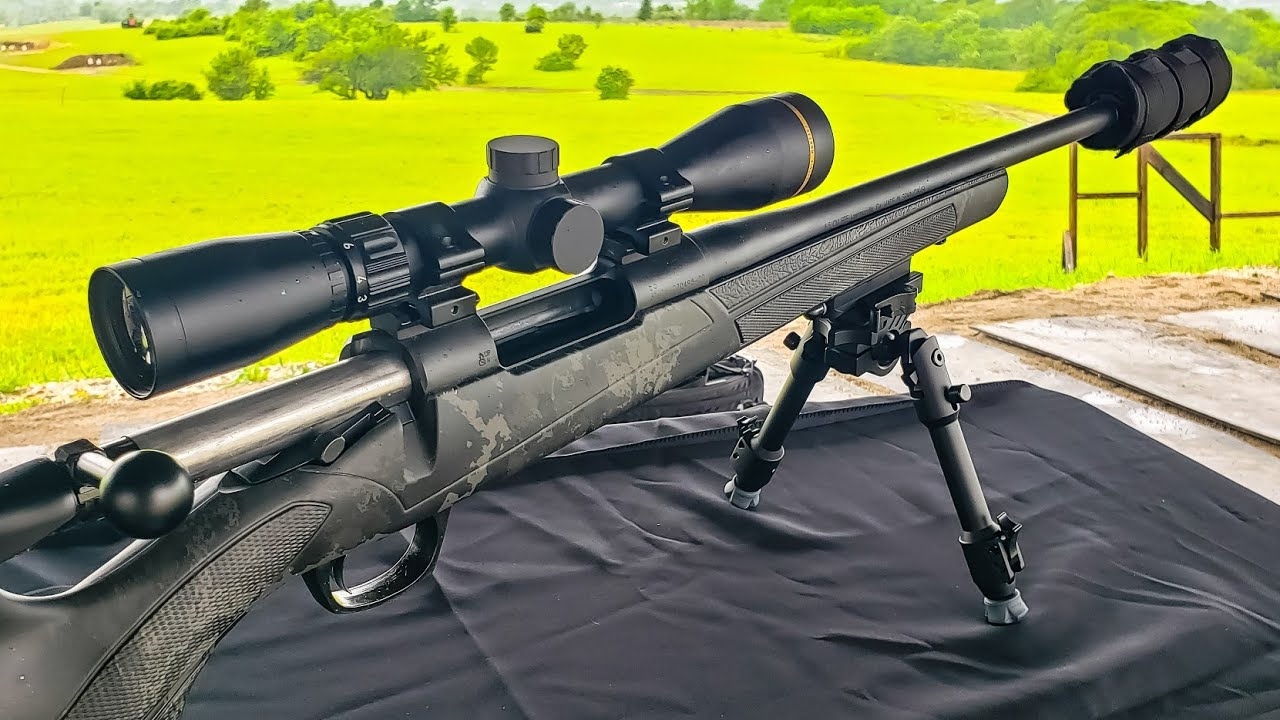
The CVA Cascade SB gives buyers a short, threaded, modern hunting rifle at a reasonable price. It looks especially appealing if you plan to run a suppressor or want something handy in blinds, stands, or thicker cover.
Use it hard, and the feature list may not be enough to hide the budget feel. The action can feel less polished than expected, and the magazine system does not impress every hunter. It may be accurate and perfectly usable, but a rough season can make it feel more like a rifle built to check boxes than one built to become a favorite.
Browning AB3 Composite Stalker
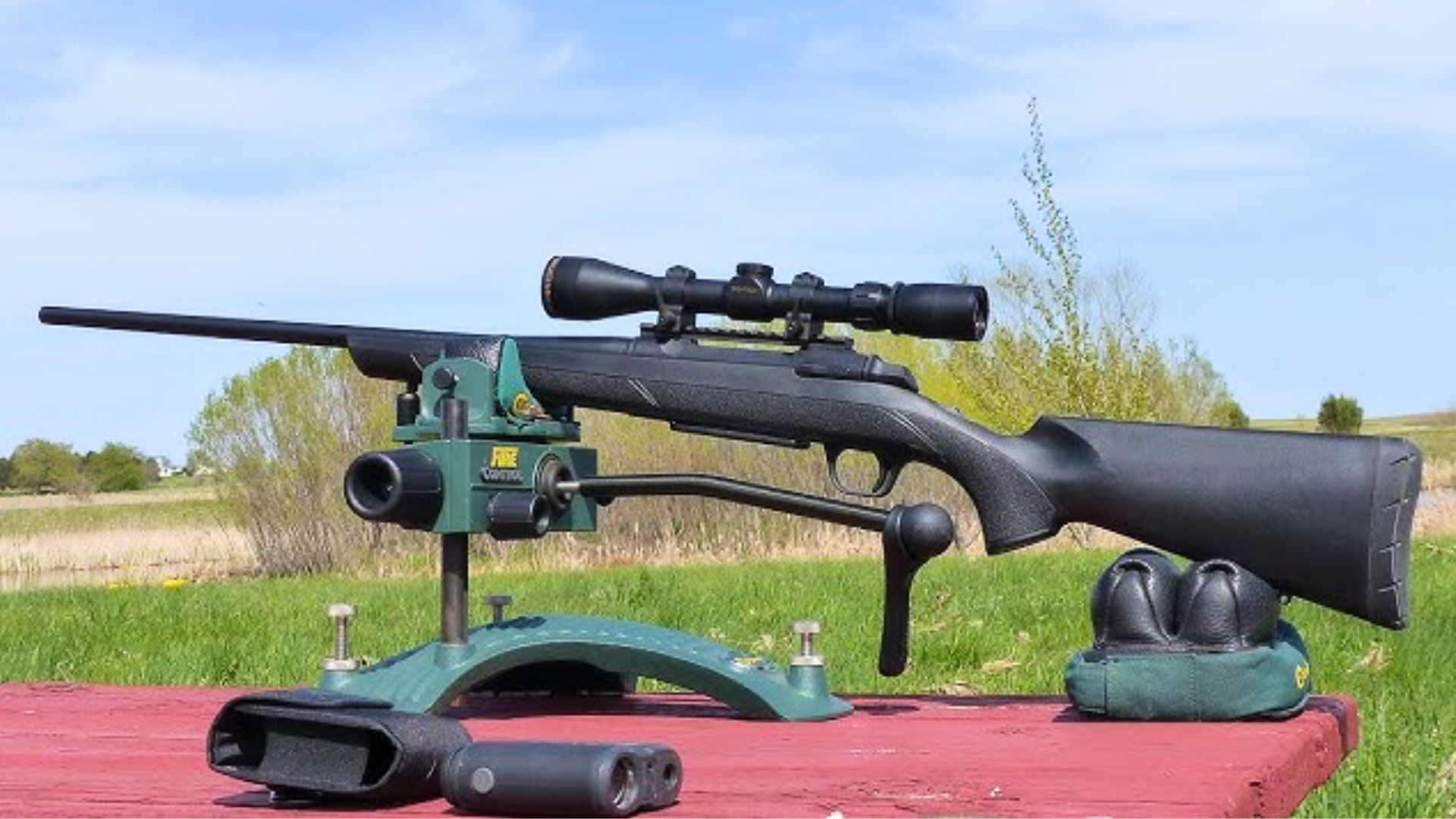
The Browning AB3 Composite Stalker benefits from the Browning name, and that is a big part of why people buy it. They expect a little polish, a little pride, and some of that older Browning hunting-rifle feel.
The AB3 can disappoint because it feels like the lower-cost model it is. The stock, bolt feel, and magazine system do not have the same confidence as an X-Bolt or older A-Bolt. It can shoot and hunt just fine, but after one wet, cold, banged-around season, some buyers realize they wanted a Browning that felt more like a Browning.
Weatherby Vanguard Synthetic

The Weatherby Vanguard Synthetic is a strong, accurate rifle in many cases, so the regret here is not about total failure. It is more about expectation versus field reality.
A rough season can make the basic synthetic version feel heavier and plainer than buyers hoped. The stock is functional, but not especially impressive, and the rifle can feel clunky during long carries or quick setups. It may hold up better than some cheaper rifles, but not everyone warms up to it. Some hunters respect it while still wishing they had bought something lighter or livelier.
Kimber Hunter

The Kimber Hunter sounds like a smart way to get a lighter rifle with a premium name without paying full custom-rifle money. For mountain hunts, long walks, and stand-to-stalk days, that pitch makes sense.
The problem is that lightweight rifles have less room for disappointment. If the gun is picky with ammo, hard to settle, or sharper recoiling than expected, trust fades quickly. Some Kimber Hunters shoot well, but mixed owner experiences make buyers cautious. After one rough season, a hunter who expected premium confidence may feel like he bought a name and a low weight more than certainty.
Franchi Momentum Elite
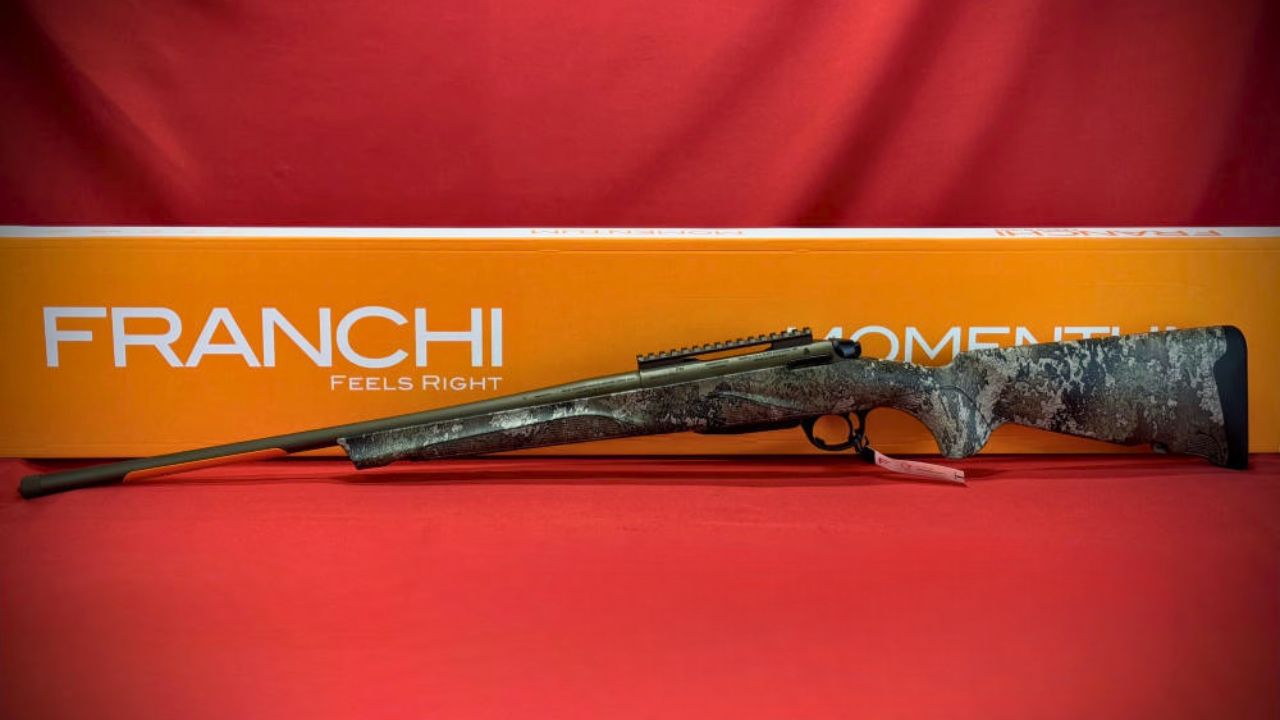
The Franchi Momentum Elite looks better than a lot of rifles in its price range. The styling is different, the stock has a modern feel, and it stands out from the usual rack of budget bolt guns.
The field experience can be less impressive than the first impression. The stock shape is not for everyone, the action may not feel especially slick, and the rifle can seem a little awkward once the weather gets bad and shots are rushed. It may group fine, but not every hunter bonds with it. After a hard season, different can start feeling more strange than useful.
Mauser M18

The Mauser M18 carries a famous name, and that creates a problem. Buyers hear “Mauser” and expect old-world toughness, character, and a rifle that feels more substantial than the average budget bolt gun.
The M18 is more practical than romantic. It can shoot well and serve fine as a hunting rifle, but the synthetic stock, detachable magazine, and overall feel remind you that it was built for a modern price point. After a wet, rough season, some hunters are left with a capable rifle that does not feel like the Mauser they had in their head.
Sauer 100 Classic XT
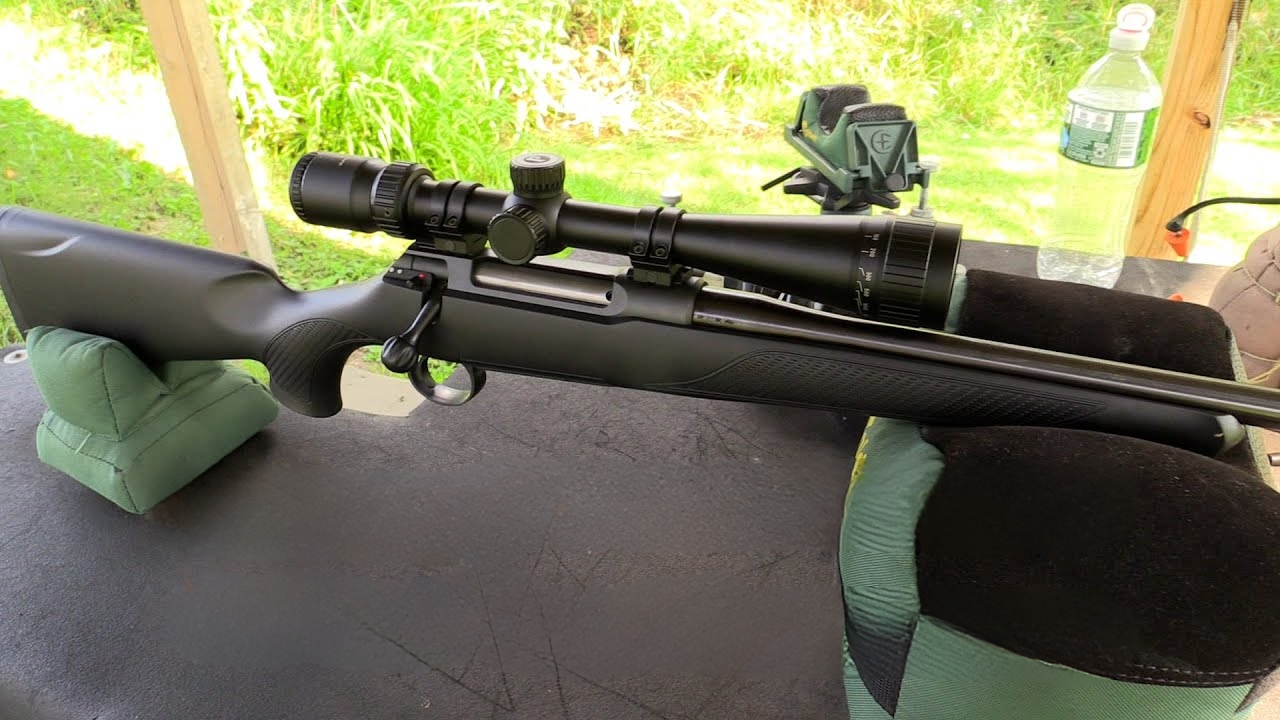
The Sauer 100 Classic XT has enough European appeal to make buyers think they are stepping into something more refined. The name carries weight, and the rifle sounds like a smart upgrade from the usual budget options.
Then a hard hunting season can make it feel more ordinary. The stock and magazine do not always deliver the premium feel people expect, and the action, while usable, may not feel as special as the brand image suggests. It can shoot accurately, but buyers looking for a rich Sauer experience may walk away feeling like they bought the entry-level version because that is exactly what it is.
Henry Long Ranger

The Henry Long Ranger appeals to hunters who like lever guns but want better cartridge options and more reach. It sounds like a clever mix of old handling and modern performance.
A rough season can make the compromises stand out. It is not as simple as a traditional lever gun, and it is not as weatherproof or easy to abuse as a synthetic bolt rifle. The detachable magazine and nicer finish may make you baby it more than you expected. Some hunters still love it, but others realize they wanted the idea of the rifle more than the real field package.
Remington Model 710
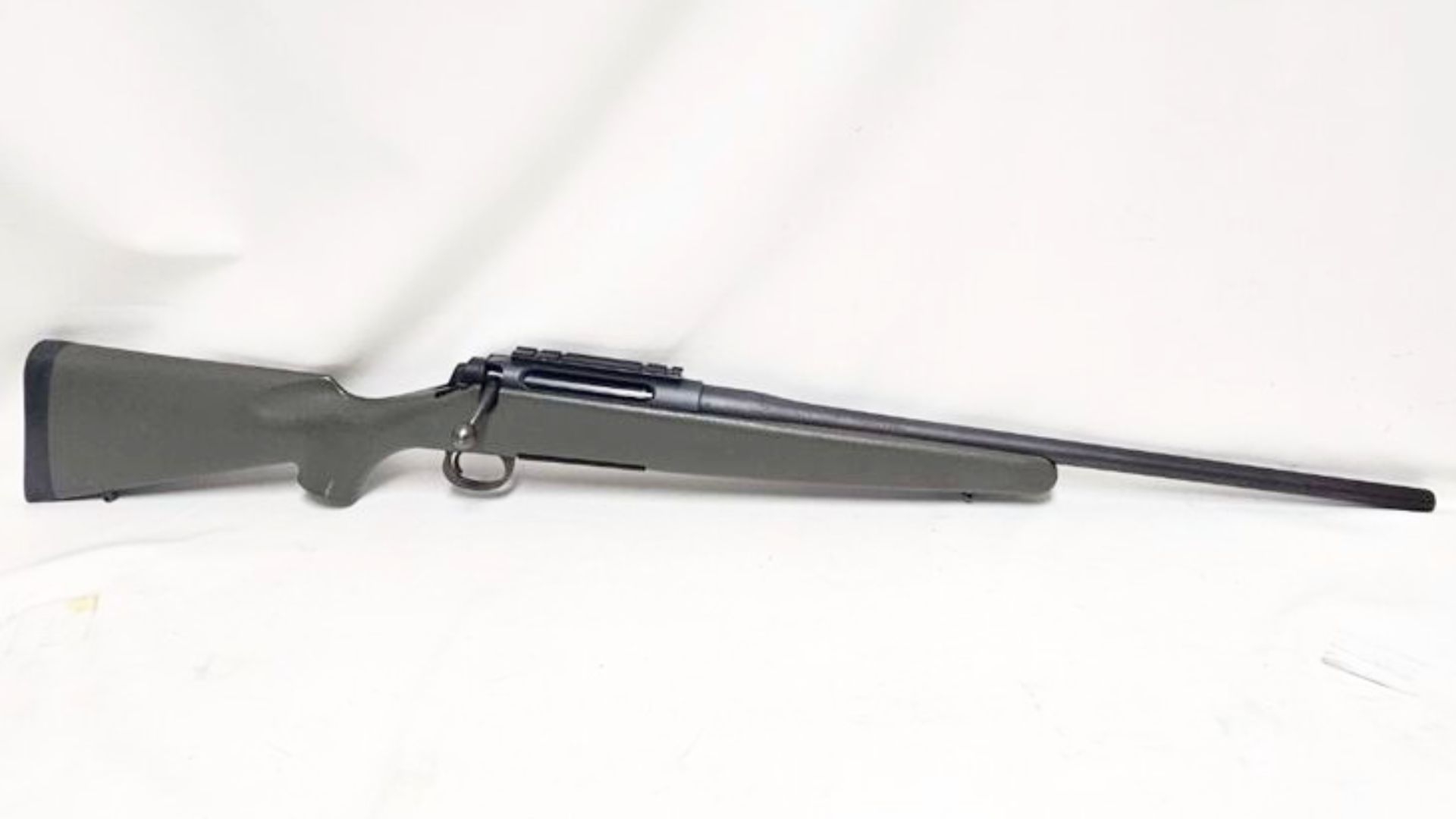
The Remington Model 710 was built as an affordable scoped rifle package, and that was the hook. For someone who wanted a deer rifle without spending much, it looked like a ready-to-go answer.
One rough season usually tells the rest of the story. The bolt feel can be rough, the stock feels cheap, and the overall rifle does not inspire long-term confidence. It might get through a hunt, but it rarely makes you proud to own it. Hunters who bought one as a shortcut often realize they should have gone used, saved more, or bought almost anything sturdier.
Like The Avid Outdoorsman’s content? Be sure to follow us.
Here’s more from us: