Photo credit: Christensen Arms
A rifle can feel fine when it is clean, new, and sitting on a bench at the range. The first few groups may look decent, the bolt may feel acceptable, and the price may make the whole purchase seem smart. That is usually when buyers start convincing themselves they found a bargain instead of a compromise.
A hard hunting season has a way of telling the truth. Rain gets into places you did not think about, cheap stocks start flexing, magazines get bumped, screws loosen, zero shifts, triggers feel worse with cold fingers, and that rifle that seemed “good enough” starts becoming the thing you worry about most. These are the hunting rifles buyers often regret trusting once the first rough season exposes what the store counter did not.
Remington Model 783

The Remington Model 783 has always looked tempting because it puts a familiar name on an affordable bolt-action rifle. It can shoot well enough from the bench, and plenty of hunters bought one thinking they were getting a practical deer rifle without spending Model 700 money.
The regret usually shows up after the rifle has been carried, bumped, and worked in real weather. The stock can feel cheap, the magazine setup does not inspire much confidence, and the whole rifle lacks the smoothness buyers expect from the Remington name. It may put venison down, but after a hard season, some owners realize they bought a rifle that works without ever feeling like one they truly trust.
Savage Axis

The Savage Axis sells because it is affordable and often more accurate than its price suggests. That is enough to win a lot of buyers at the range, especially when the first groups look better than expected.
The problem is that hunting is not only about groups. The Axis can feel rough once you start working the bolt under pressure, carrying it through brush, or using it in cold, wet conditions. The stock feels hollow, the magazine can feel flimsy, and the rifle does not have much confidence built into the handling. It is a budget rifle that can shoot, but a hard season can make you wish you had paid for something more solid.
Mossberg Patriot

The Mossberg Patriot has the right pitch for a practical hunting rifle. It is affordable, available in useful chamberings, and often comes with features buyers like, including threaded barrels, fluted bolts, and scope package options.
Where some hunters lose confidence is in the long-term feel. The Patriot can seem decent at first, then start feeling less refined after field use exposes the budget nature of the rifle. Feeding can feel rough, stocks may not feel especially stiff, and package optics are often the first thing buyers regret trusting. It can be a fine occasional deer rifle, but if your season involves bad weather, rough handling, and real miles, it may leave you wanting a tougher tool.
Winchester XPR
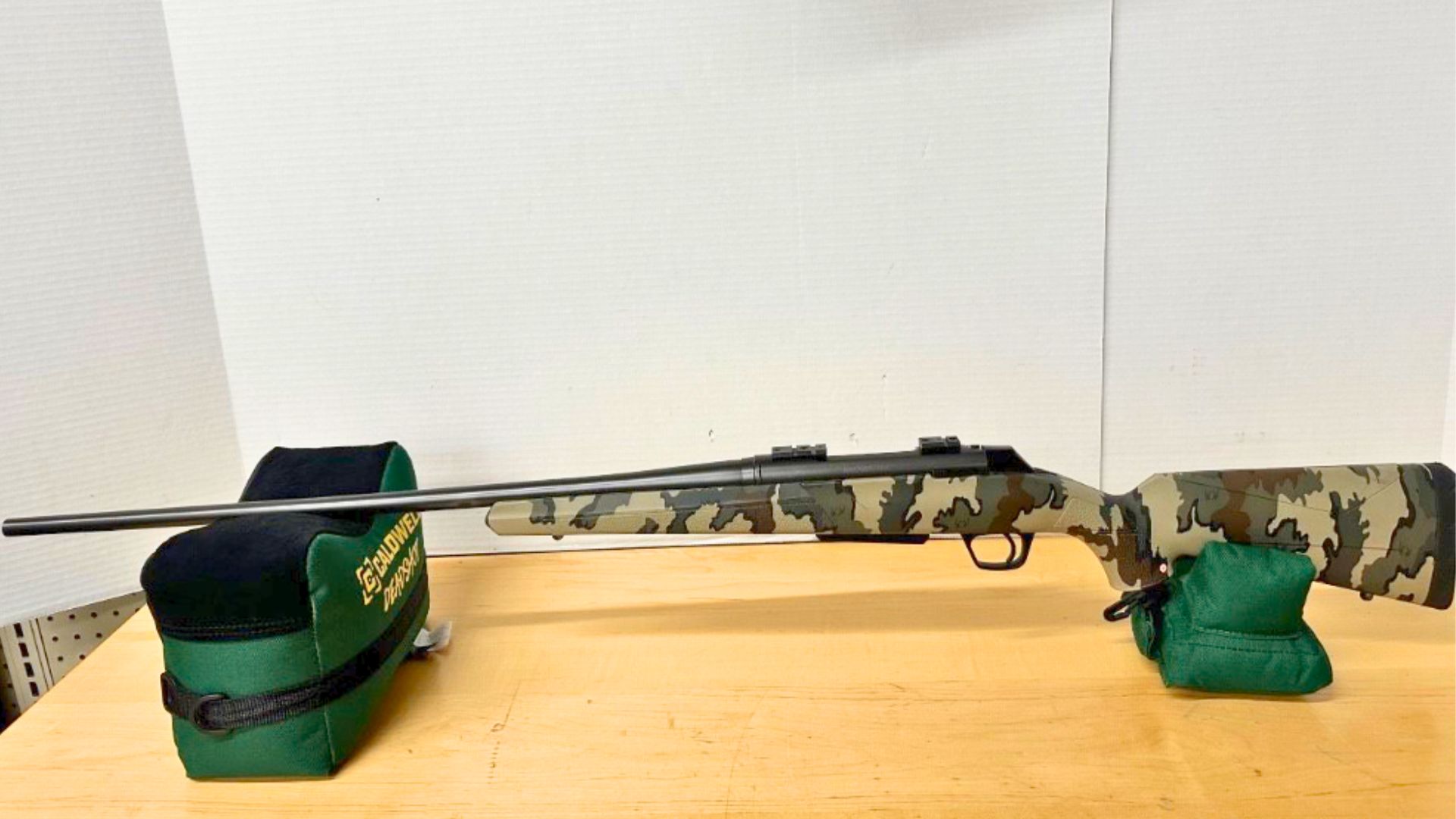
The Winchester XPR is not a bad rifle, but it carries a name that creates expectations. Buyers see Winchester and think of Model 70 history, controlled-round feed, and rifles with real field character. The XPR is a very different animal.
After a hard season, some owners realize they bought a functional rifle rather than a rifle they love. The bolt can feel less smooth than expected, the stock is plain, and the overall feel is more budget-modern than classic Winchester. It may shoot well, and it may handle a season just fine. But if you bought it hoping for old Winchester confidence at a lower price, the regret can creep in fast.
Ruger American Predator

The Ruger American Predator has earned a lot of praise because it usually shoots very well for the money. The threaded barrel, practical chamberings, and affordable price make it easy to understand why hunters grab one.
Still, the first hard season can expose the tradeoffs. The stock is not as rigid as many hunters want, the rotary magazine system has frustrated plenty of owners, and the rifle can feel less polished once dust, mud, and cold fingers enter the picture. It is accurate, but accuracy is only one piece of field confidence. Some buyers keep loving theirs. Others end the season wishing they had bought a rifle that felt sturdier from muzzle to buttpad.
CVA Cascade

The CVA Cascade looks like a smart modern hunting rifle because it brings a good feature set at a fair price. Threaded barrel, decent trigger, useful chamberings, and a practical stock all sound right on paper.
The issue is that buyers sometimes expect it to feel like a higher-end rifle than it is. After a rough season, little things start mattering more: bolt feel, magazine confidence, finish wear, and how well the rifle handles being knocked around. Some Cascades shoot well and serve hunters just fine, but others leave owners feeling like the rifle was better in the spec sheet than in the truck, blind, and wet brush. That gap is where regret starts.
Browning AB3
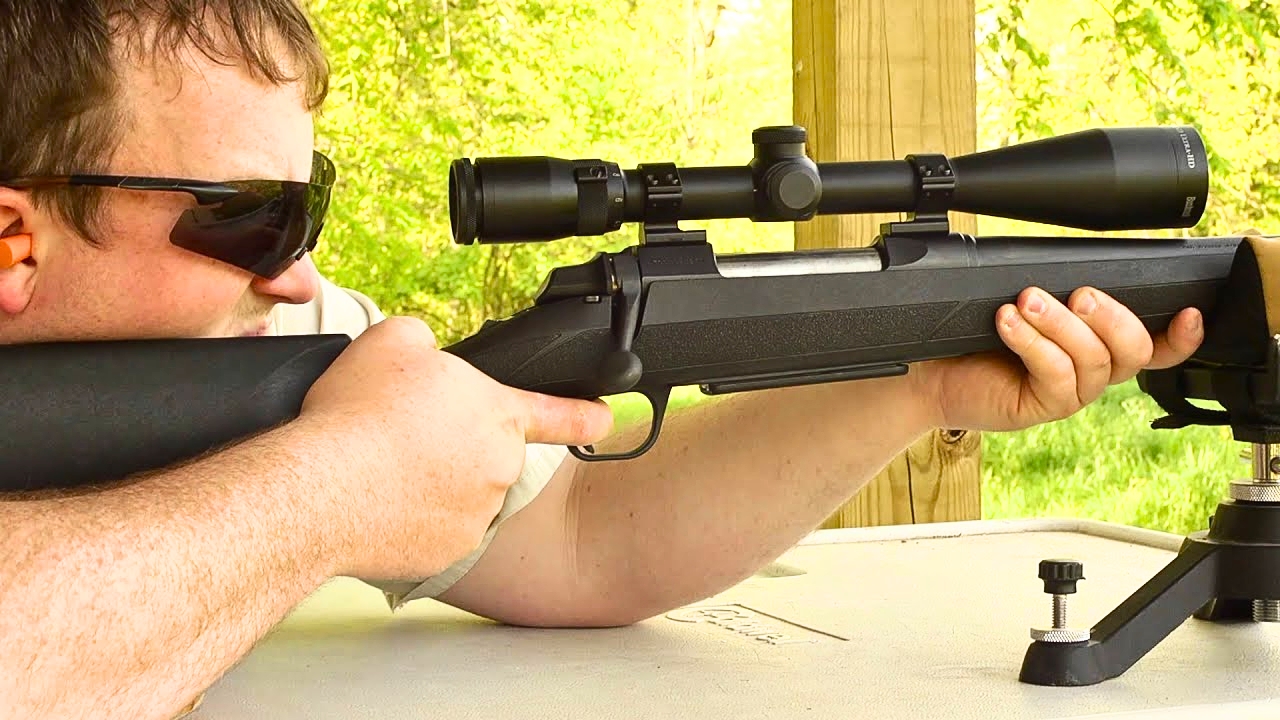
The Browning AB3 appeals to buyers who want the Browning name without paying X-Bolt money. It looks like a shortcut into a respected brand, and that can be hard to resist when you are standing in front of a rack of hunting rifles.
The problem is that the AB3 can feel like exactly what it is: the cheaper Browning. The stock, action feel, and overall finish do not carry the same confidence as the company’s better rifles. It can be accurate and dependable enough, but after a season of carrying it beside nicer rifles, some owners wish they had stretched for the X-Bolt or bought a different working rifle altogether. Brand name alone does not make a rifle feel right.
Weatherby Vanguard Synthetic

The Weatherby Vanguard Synthetic is a solid rifle in many ways, but it can disappoint buyers who expect Weatherby excitement from a very plain package. It is accurate, strong, and dependable, but it is also heavier and less lively than some hunters expect.
That weight starts to matter during a long season. Carry it up hills, through timber, across wet fields, or in and out of stands, and the rifle can feel more like a burden than a bargain. The basic synthetic stock also does not give you much pride of ownership. It may shoot well, but hunters who wanted a light, handy field rifle sometimes regret trusting the Vanguard once the walking starts.
Thompson/Center Compass

The Thompson/Center Compass became popular because it gave hunters an inexpensive bolt-action rifle that often shot better than expected. That kind of accuracy can hide a lot of sins at first.
After field use, the rough edges become harder to ignore. The bolt can feel clunky, the stock can feel cheap, and the overall handling does not always inspire confidence when a quick shot presents itself. The Compass can absolutely kill deer, but a hunting rifle needs to feel natural when things are cold, rushed, and awkward. Some buyers found out after one season that a tight group at the range did not make them love carrying or operating it.
Kimber Hunter

The Kimber Hunter sounds great because it promises lightweight mountain-rifle appeal without the full price of Kimber’s nicer models. It is trim, easy to carry, and aimed at hunters who want a rifle that does not drag them down.
That lightness can become part of the problem. Lightweight rifles are harder to shoot well, and if the bedding, stock fit, or load preference is not working in your favor, confidence fades quickly. Some hunters love the Hunter, but others spend a season fighting groups, recoil, and consistency before admitting the rifle never settled in for them. A light rifle is only an advantage if it still shoots the way you need when the moment matters.
Franchi Momentum

The Franchi Momentum catches buyers with Italian styling, a reasonable price, and a look that stands apart from the usual budget bolt guns. It feels different enough to make people think they found something better than the common rack rifles.
The first rough season can make the unusual design feel less charming. The stock shape is not for everyone, the rifle can feel awkward from certain field positions, and the action does not always have the slickness buyers expect. It may shoot well, but confidence in a hunting rifle is personal. If the fit feels off after several sits, climbs, and rushed setups, regret builds quickly. Pretty lines do not matter much when the rifle never feels natural.
Mauser M18
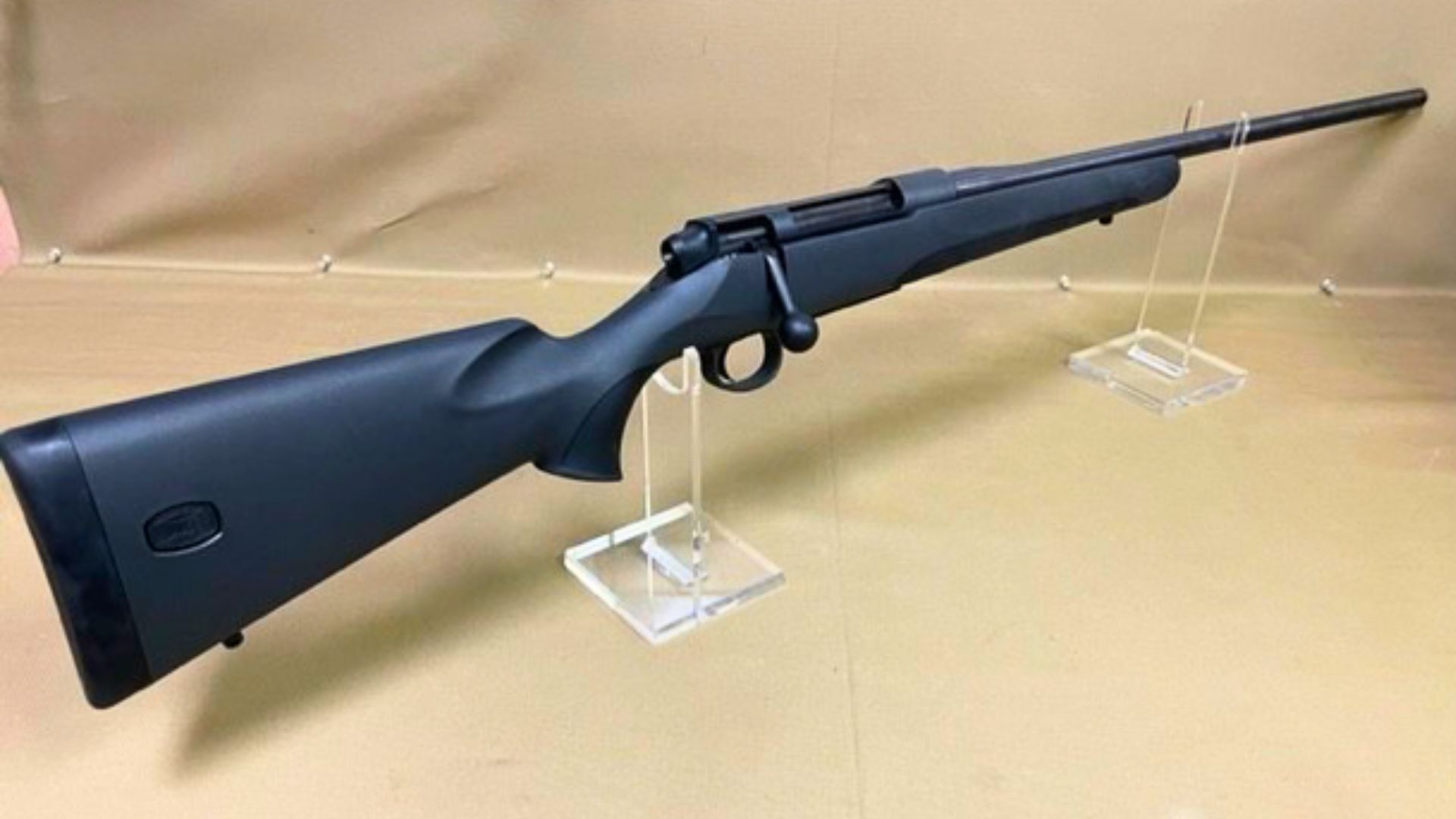
The Mauser M18 carries a legendary name, and that creates a problem. Buyers hear “Mauser” and expect old-world confidence, controlled-feed heritage, and the kind of rifle that feels built for generations. The M18 is more of a modern budget hunting rifle.
That does not make it useless, but it can make it disappointing. The rifle is practical and often accurate, yet the synthetic stock, push-feed action, and simple finish do not match the romantic picture many buyers had in mind. After a hard season, some owners realize they trusted the name more than the rifle. If you buy it as a basic hunting tool, it makes sense. If you buy it expecting classic Mauser soul, it can let you down.
Sauer 100 Classic XT
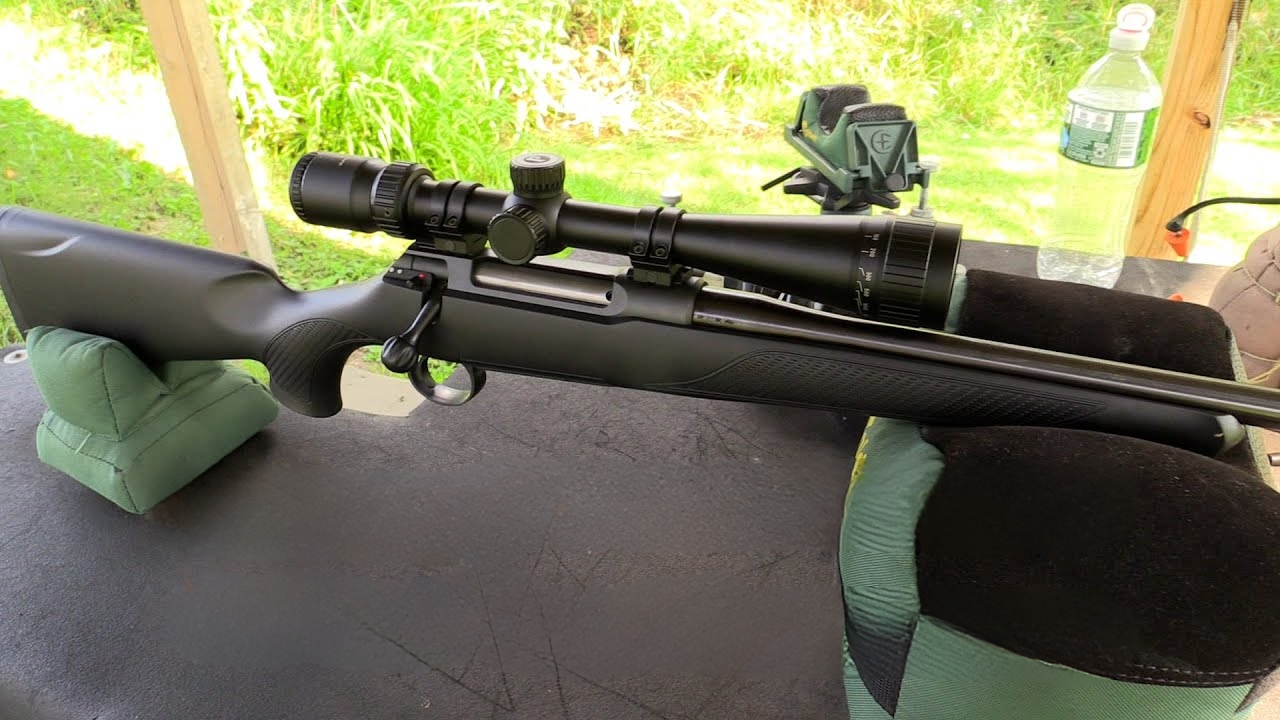
The Sauer 100 Classic XT has a respected European name behind it, which makes it easy to assume it will feel more refined than other rifles in its price range. At first, that assumption can seem fair. The rifle is clean, modern, and chambered for serious hunting.
But the regret comes when buyers expect premium Sauer character from a rifle built to hit a lower price point. The stock can feel ordinary, the action may not feel as special as hoped, and the rifle does not always separate itself enough from cheaper competitors in actual field use. It is capable, but capable is not always enough when the name made you expect something memorable after a season of hard hunting.
Bergara B-14 Ridge

The Bergara B-14 Ridge is accurate enough that many buyers trust it immediately. Bergara’s barrel reputation is strong, and the Ridge looks like a serious hunting rifle for someone who wants more than a bargain-bin bolt gun.
The trouble is weight and expectations. The Ridge can feel great from a rest, but it is not always the rifle you love after carrying it through steep country or long walks. Some hunters also find that the stock and balance feel more range-friendly than mountain-friendly. It is not a bad rifle at all. The regret comes from buying it for the wrong season. If you need a rifle to carry all day, the Ridge can feel heavier than the groups are worth.
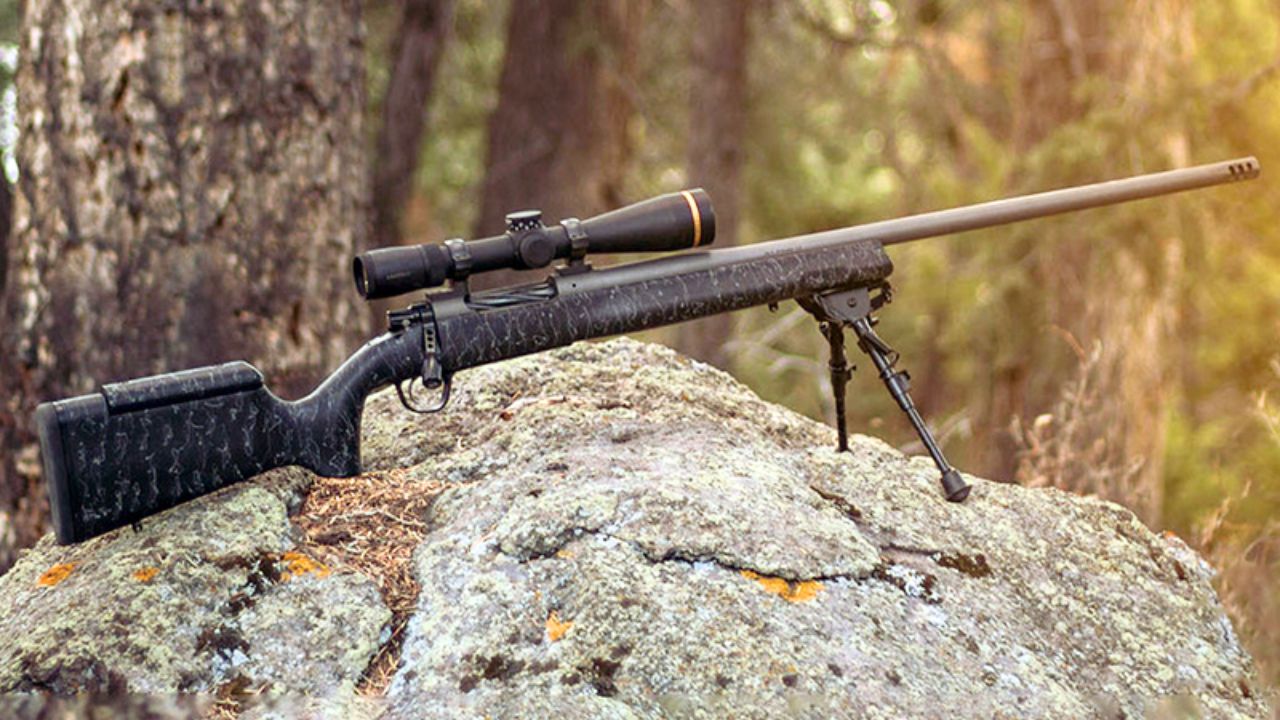
Christensen Arms Mesa
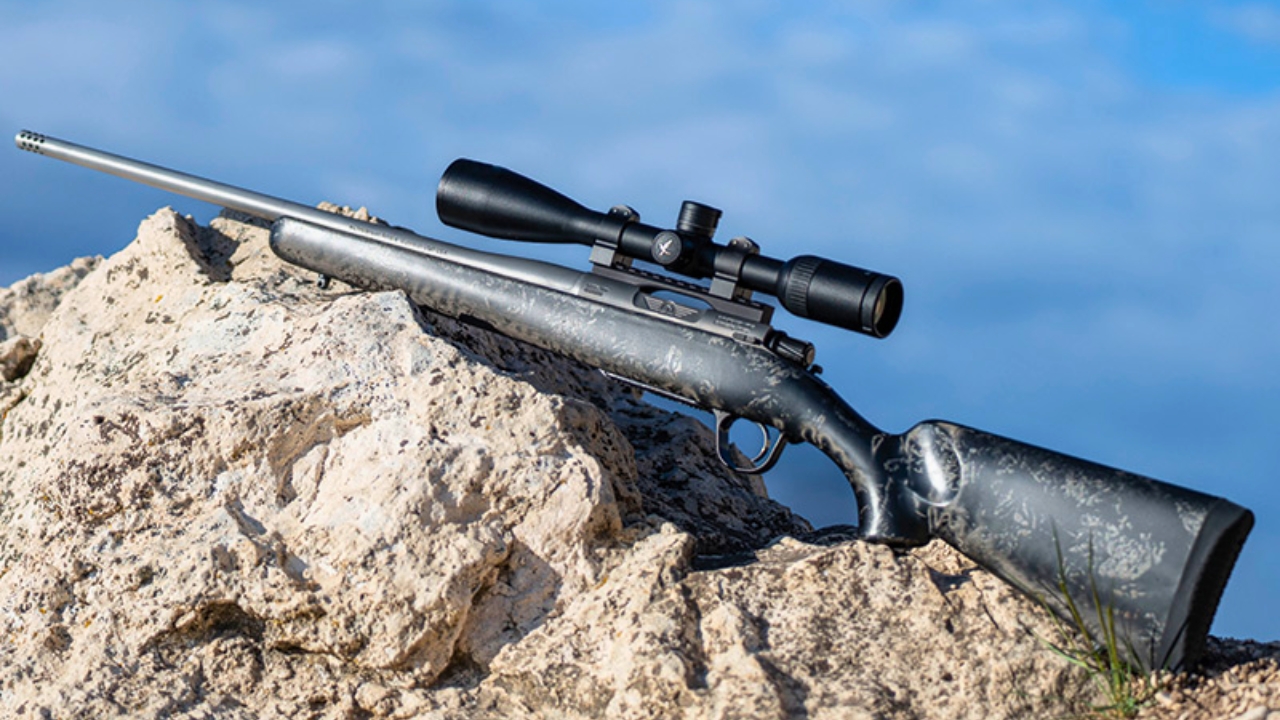
The Christensen Arms Mesa attracts buyers who want a premium-feeling hunting rifle without jumping all the way into the company’s more expensive carbon-fiber models. It looks serious, carries a strong brand image, and promises accuracy in a package that feels ready for western hunting.
Some owners, though, regret trusting the promise more than the specific rifle in their hands. Lightweight rifles can be picky, and accuracy expectations get high when the price climbs. If a Mesa does not shoot the loads you want, or if field confidence never quite settles in, disappointment hits harder than it would with a cheaper gun. A hard first season can turn excitement into second-guessing fast.
Like The Avid Outdoorsman’s content? Be sure to follow us.
Here’s more from us: